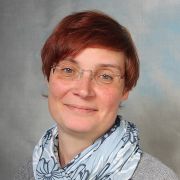
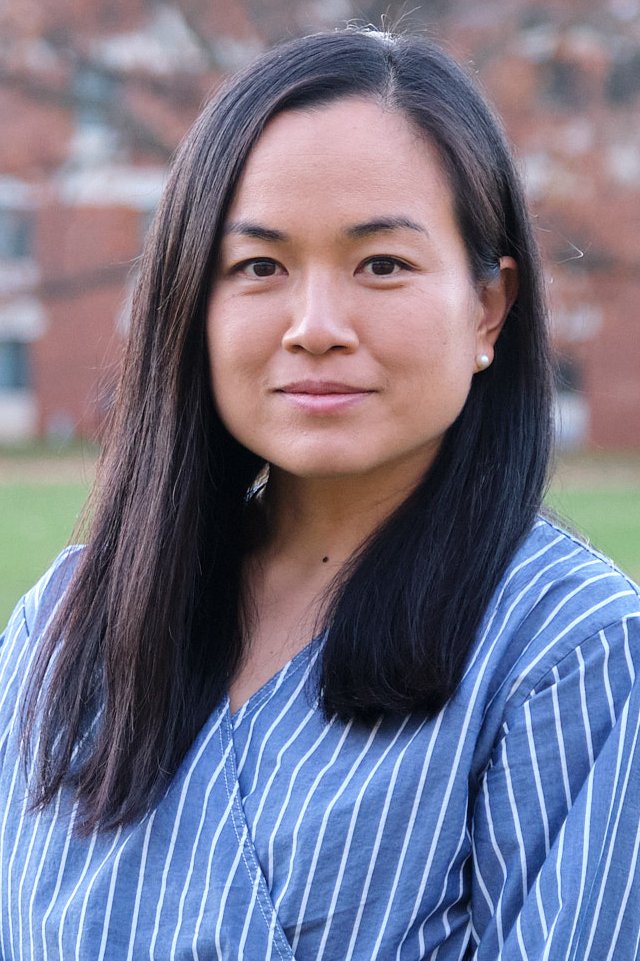
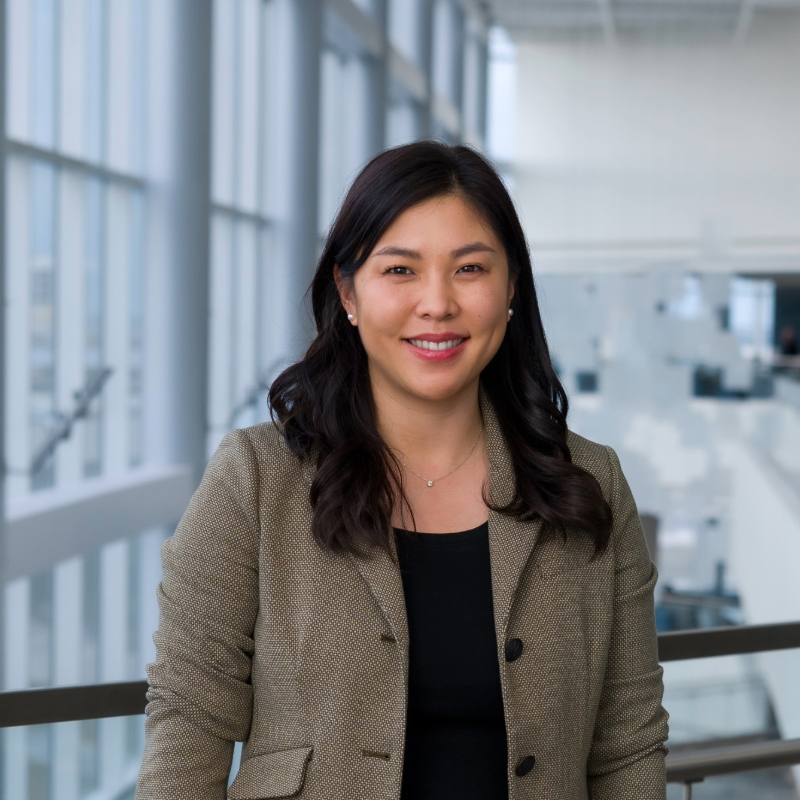
Dr. Hedwig Kruitwagen is an Assistant Professor at the Faculty of Veterinary Medicine , Utrecht University, specializing in Internal Medicine of Companion Animals . As an EBVS® European Veterinary Specialist in Small Animal Internal Medicine , her work bridges clinical practice and translational research. Research Interests: Her primary focus lies in hepatology and regenerative medicine for liver diseases in companion animals. Key areas include: Hepatic progenitor cell biology Liver organoid transplantation Translational medicine applications High-throughput RNAi screening Publications demonstrate expertise in canine and feline liver disease models, with recent work on vascular cell imprinting and stem cell regenerative strategies. She contributes to organoid technology development and metabolic liver disorder research. Education & Roles: After graduating in July 2010, she completed a PhD thesis (2017) on growth factors in liver regeneration. Currently serves as a postdoctoral fellow while maintaining clinical teaching responsibilities. Methodologies include immunofluorescent staining, molecular characterization of stem cell niches, and development of innovative vascular access systems for canine liver research.
Dr. Sean Mcginty is a Reader in Biomedical Engineering at the University of Glasgow's School of Engineering, where he leads research at the intersection of mathematical modeling, cardiovascular medicine, and drug delivery systems. He also serves as Senior Senate Assessor for Student Conduct within Academic Services. Previously, he directed the Centre for Mathematics applied to the Life Sciences (CMALS) from 2016-2024 and has held leadership roles in several professional organizations. Mcginty's research focuses on developing mathematical and computational tools to understand biological processes, disease mechanisms, and treatment approaches. His work particularly emphasizes cardiovascular medical implant design, drug delivery systems, and mathematical modeling of percutaneous coronary intervention with stents and balloons. He is renowned for pioneering work in computational modeling of drug-eluting stents, including developing the first predictive model of in vivo drug-eluting stent performance and the first continuum computational model of restenosis subject to drug delivery from stents. His research group, MaCBE (Mathematical and Computational Biomedical Engineering), collaborates with experimental groups, clinical centers, and industry partners to advance healthcare through machine learning and AI applications. Analysis of Dr. Mcginty's recent publications reveals a strong focus on computational modeling of drug delivery systems, particularly for cardiovascular applications. His work spans from fundamental mathematical approaches like constrained Bayesian optimization and Laplace transform modeling to practical applications in stent and balloon-based drug delivery. A consistent theme is the application of mathematical rigor to solve complex biomedical problems, with increasing emphasis on patient-specific modeling and multiscale approaches that bridge molecular mechanisms with clinical outcomes. Prof Tom Gibson Memorial Prize for pioneering work in mathematical modeling of PCI procedures and devices Fellow of The Institute of Mathematics & its Applications (FIMA) Chartered Mathematician (CMath) Dr. Mcginty has extensive experience in knowledge exchange and impact culture, having served as Director of CMALS from 2016-2024 and as School lead for Impact Culture since 2022. He has collaborated with numerous companies and clinicians to ensure his research remains relevant and driven by clinical need. His work has resulted in significant grants, including a major EPSRC grant enabling the creation of The EPSRC Centre for Future PCI Planning. He actively engages with the public through events like the Glasgow Pint of Science festival and has organized the College-wide Images of Impact Competition. As director of the European Special Interest Group on 'Implantable Devices and Drug Delivery Systems' under the European Consortium for Mathematics in Industry (ECMI), Dr. Mcginty leads an international team advancing research in cardiovascular medical devices. His laboratory combines mathematical modeling expertise with experimental validation through collaborations with clinical partners and industry, creating a robust ecosystem for translating theoretical advances into practical medical solutions.
Dr. Joseph S. Coselli is a Professor and Executive Vice Chair in the Department of Surgery at Baylor College of Medicine, holding the Cullen Foundation Endowed Chair. He specializes in the clinical evaluation and surgical treatment of complex aortic diseases, including conditions affecting the aortic valve, root, ascending aorta, aortic arch, descending thoracic aorta, and thoracoabdominal aorta. With over 7,500 surgical repairs of the aorta and more than 3,300 open repairs of the thoracoabdominal aorta to his credit, Dr. Coselli is recognized as the world's most experienced surgeon in thoracoabdominal aortic procedures. Dr. Coselli's educational background includes: B.S. from University of Notre Dame (1974) M.D. from University of Texas Medical School at Galveston (1977) General Surgery Residency at Baylor College of Medicine Affiliate Hospitals (1977) Thoracic Surgery Residency at Baylor College of Medicine Affiliate Hospitals (1982) Dr. Coselli's research and clinical interests focus on advancing the field of aortic surgery through innovative techniques and protective strategies. He has pioneered methods to reduce postoperative complications such as mortality, paralysis, and stroke during complex aortic repairs. His work includes the development and implementation of cerebrospinal fluid drainage to protect the spinal cord, renal perfusion techniques to prevent kidney damage, and left heart bypass as a protective measure against distal ischemia. Dr. Coselli is particularly renowned for his expertise in treating patients with connective tissue disorders like Marfan and Loeys-Dietz syndromes, often performing valve-sparing aortic root replacements that eliminate the need for lifelong anticoagulation. Analysis of Dr. Coselli's recent publications reveals a strong focus on advancing thoracic and thoracoabdominal aortic surgery through both technical innovations and molecular understanding of aortic diseases. His work spans clinical outcomes research, surgical technique refinement, and investigation into the molecular mechanisms underlying aortic aneurysms and dissections. Recent publications highlight his leadership in studying perfusion techniques for organ protection, the application of stem cells in aortic repair, and the role of signaling pathways like Notch and AKT2 in aortic disease pathogenesis. His research demonstrates a consistent commitment to improving patient outcomes through evidence-based surgical approaches and understanding the biological basis of aortic pathology. Dr. Coselli has received numerous prestigious awards recognizing his contributions to cardiovascular surgery: 2017 Michael E. DeBakey Award for Excellence in Research (Baylor College of Medicine) 2017 Hero with a Heart Award (The Marfan Foundation) 2008 Medical Award for Exceptional Accomplishments in Cardiovascular Disease (American Heart Association) 2017 Ray C. Fish Award for Scientific Achievement (Texas Heart Institute) Lifetime Achievement Award (American Association for Thoracic Surgery) Lifetime Achievement Award (Transformative Endovascular Decisions) Throughout his career, Dr. Coselli has mentored numerous surgical trainees and collaborated on significant research initiatives investigating aortic disease mechanisms and surgical innovations. His laboratory and clinical research have been supported by both investigator-initiated and industry-sponsored projects, focusing on improving outcomes in complex aortic procedures. Dr. Coselli has participated in numerous clinical trials, including those evaluating endovascular technologies and protective strategies during aortic surgery. His work has directly influenced clinical practice guidelines for the management of aortic aneurysms and dissections. Dr. Coselli leads a multidisciplinary team at Baylor College of Medicine focused on aortic diseases, collaborating with specialists in cardiology, genetics, and vascular medicine. His team has established comprehensive protocols for the evaluation and management of patients with complex aortic conditions, including those with genetic connective tissue disorders. The program emphasizes a patient-centered approach that integrates advanced imaging, genetic testing when appropriate, and individualized surgical planning. Dr. Coselli's team is recognized for its expertise in managing high-risk cases, including redo operations and patients with extensive prior surgical interventions.
Abdellah Ajji is a Full Professor in the Department of Chemical Engineering at Polytechnique Montréal and holds the NSERC Prolamina Industrial Research Chair on Safe, Smart and Sustainable Packaging (3SPack). He directs the Flexible Polymer Packaging Laboratory (PolyFlexPack) and is a member of the Institute of Biomedical Engineering and the Center for High-Performance Polymer and Composite Systems (CREPEC). Rheology and processing of polymers Biomedical materials and tissue engineering Polymer properties and characterization Smart and sustainable packaging solutions His recent publications focus on 3D bioprinting , electrospun nanofibers , and polymer recycling across biomedical, food packaging, and renewable energy applications. Current research includes multifunctional films with antibacterial properties and photocrosslinkable bioinks for cardiac regeneration. Scientific awards include over $1M in CFI funding (2015) and recognition as one of the top 2% most cited researchers globally (2021). He supervises 6 postdoctoral researchers, 6 doctoral students, and 1 master’s student, with 32 completed PhDs and 23 completed master’s theses since 2006.
Christopher Toepfer is an Associate Professor of Cardiovascular Science at the University of Oxford , focusing on inherited and acquired heart diseases within the Medical & Health domain. His work bridges molecular mechanisms with therapeutic applications in cardiomyopathies. Research spans hypertrophic cardiomyopathy , sarcomere biology , and genetic disorder therapies Develops hiPSC-based models and automated analysis tools (CalTrack, SarcTrack) Investigates protein dysregulation , metabolic pathways , and CRISPR/Cas9 applications His recent publications highlight advancements in ALPK3 truncation therapies , titin enhancer function , and EGFR-mediated stromal activation in cardiomyopathies. He explores myosin dynamics , calcium signaling , and hypoxia-inducible factor roles using innovative imaging and genetic techniques. Current trends in his work include precision medicine approaches for sarcomere-related diseases, cross-species muscle physiology comparisons, and non-linear optical microscopy applications for cardiovascular diagnostics.
Dr. Luke Brewster is an Associate Professor in the Department of Surgery at Emory University School of Medicine , with joint appointments in the Wallace Coulter Department of Biomedical Engineering (Georgia Tech/Emory) and the Atlanta Clinical & Translational Science Institute . As a surgeon-scientist , he investigates biomechanical mechanisms in peripheral vascular disease and develops regenerative strategies for ischemic tissue. Clinical affiliations: Emory University Hospital, Atlanta VA Healthcare System (Section Chief of Vascular Surgery) Research focus: Pathologic vessel remodeling, atherosclerosis, stem cell therapies, and PAD therapeutics Education: MD (Saint Louis University), PhD (Loyola University), MA (Neiswanger Institute), BA (Benedictine College) His laboratory employs animal models and human arterial tissue to quantify biomechanical forces in vascular disease, revealing critical insights for novel therapeutics. Recent work explores exercise therapy , nanotechnology , and stem cell interventions in PAD, with a focus on diabetes and smoking impacts. Dr. Brewster has secured federal, foundation, and industry grants , contributing to over 150 publications. His collaborations bridge bioengineering and clinical vascular surgery , emphasizing interdisciplinary solutions to arterial disease.
Dr. Barbara Ciani is a Senior Lecturer in Biophysical Chemistry at the University of Sheffield's School of Mathematical and Physical Sciences. She serves as the Chemistry Biological Safety Officer and is affiliated with the RSC Biophysical Chemistry Interest Group and EPSRC review college. Research Interests: Protein self-assembly mechanisms, nuclear envelope repair, ESCRT-III complex dynamics, and protein solution physical chemistry. Teaching: Thermodynamics, Biophysical Chemistry, Toxicology, Bioinformatics, and Protein Design across undergraduate and postgraduate modules. Her lab combines biochemistry, cell biology, and protein design to address membrane repair signals and protein formulation optimization with industry partners. Recent publications focus on membrane remodeling, protein-stability relationships, and disease-associated protein interactions. Collaborations span academic and industrial domains, emphasizing biomimetic applications and drug discovery science.
Dr. Kyoko Yoshida is an Assistant Professor in the Department of Biomedical Engineering at the University of Minnesota's College of Science and Engineering. She leads the Pregnancy Research & Engineering Group (PREG), which investigates biomechanical changes during pregnancy with a focus on cardiac and uterine tissue adaptation. Her research spans biomechanics and computational systems biology, specifically examining how hormonal and mechanical signaling interact to drive tissue growth and remodeling during pregnancy. The Pregnancy Research & Engineering Group employs both experimental and computational approaches to understand these complex processes, with primary focus on the pregnant patient's heart and uterus. Their work aims to reduce heart problems during pregnancy and preterm birth by developing new diagnostic and therapeutic approaches based on fundamental biomechanical understanding. National Science Foundation (NSF) Graduate Research Fellowship (awarded to students) University of Minnesota College of Science and Engineering Graduate Fellowship (awarded to students) Cardiovascular Engineering T32 Program Traineeship Earl E. Bakken Medical Device Innovation Fellowship 2025 Award for Excellence in Academic Unit Service (to Dr. Yoshida) Dr. Yoshida mentors multiple graduate students including PhD candidates Paige Nielsen (studying vascular mechanics during pregnancy), Emily Hoffmann (researching uterine biomechanics), and Molly Kaissar (investigating cardiac remodeling during postpartum), as well as MS student Kaitlyn Reagen (examining vascular adaptations). Her students regularly present at conferences including the Society of Reproductive Investigation Annual Scientific Meeting and the Engineering for Women's Health Conference. The Pregnancy Research & Engineering Group also engages in outreach activities, hosting high school visits and organizing lab events. The laboratory is located in Room 7-136 Nils Hasselmo Hall at the University of Minnesota campus in Minneapolis, where Dr. Yoshida conducts research at the interface of mechanics and biology to improve maternal health outcomes.
Vivian Lee-Kim is an Assistant Professor in the Department of Pediatrics, Division of Cardiology at The University of Texas Southwestern Medical Center, with a secondary appointment in the Department of Molecular Biology. She is also a member of the Center for Regenerative Science and Medicine. Education B.S. in Biochemistry, University of Washington Ph.D. in Developmental, Regenerative, and Stem Cell Biology, Washington University in St. Louis Postdoctoral Fellow, Brigham and Women's Hospital and Harvard Medical School Research Interests Dr. Lee-Kim's research focuses on the genetic and molecular mechanisms of cardiovascular diseases, particularly thoracic aortic aneurysms and coronary artery disease. She employs genomic approaches, CRISPR-based genome editing, and vascular biology to dissect disease pathways and identify therapeutic targets. Her work bridges basic science with clinical applications in regenerative medicine, investigating coding and noncoding genetic variations that contribute to vascular pathologies. Recent Research Trends Analysis of Dr. Lee-Kim's 13 publications (2012-2024) reveals an evolution from extracellular matrix genetics in aortic aneurysms to cutting-edge multi-omics studies of coronary artery disease. Her recent work (2020-2024) emphasizes endothelial cell programs, CRISPR perturbation screens, and functional genomics to identify novel therapeutic targets, while earlier research (2012-2016) explored mechanisms of aortic dilation and lung injury models. This trajectory demonstrates increasing integration of genomic technologies with vascular pathophysiology. Honors & Awards No specific awards are listed in the available information. Advising and Grants Information regarding student mentorship, grant funding, or research funding sources is not provided in the available text. Labs and Teams Dr. Lee-Kim is an active member of the Center for Regenerative Science and Medicine at UT Southwestern, which fosters interdisciplinary collaboration in tissue engineering, stem cell therapies, and vascular regeneration research.
Gurumurthy Hiremath Mallikarjun is an Associate Professor at the University of Minnesota specializing in Pediatric Cardiology . His research focuses on transcatheter interventions for congenital heart defects, including pulmonary valve disorders and atrial septal defects. Current Projects : Transcatheter pulmonary stent valve development (Children's Heart Foundation) reSept ASD Occluder safety evaluation (Atheart Medical) Medtronic Microvascular Plug for PDA closure in premature infants His work spans clinical trials, veterinary collaborations, and innovative medical education tools. Recent publications highlight advancements in valved conduit technology and diastolic dysfunction biomarkers.
Fiona Malone is a Lecturer in the Department of Mechanical & Industrial Engineering at the University of Galway, Ireland, where she also serves as a Principal Investigator for both the Engineering Research Group (ERG) and the Medical and Engineering Technologies Gateway (MET). Her research bridges mechanical engineering principles with medical applications, focusing on cardiovascular mechanics and stroke-related phenomena. Dr. Malone's research interests center on the intersection of biomedical engineering and cardiovascular mechanics, with particular emphasis on embolism, atrial fibrillation, and aortic arch hemodynamics. She employs patient-specific modeling approaches to investigate blood flow patterns and emboli trajectory paths under various physiological conditions. Her work combines experimental in vitro studies with computational methods to better understand stroke mechanisms and develop potential interventions. Analysis of Dr. Malone's publications reveals a consistent focus on cardiovascular biomechanics with increasing integration of machine learning techniques in recent years. Her earlier work concentrated on mechanical characterization of embolus analogues and hemodynamics in patient-specific models, while her more recent publications incorporate computational methods like gradient boosting algorithms to address class imbalance problems in medical data analysis. Dr. Malone has achieved significant recognition in her field with an h-index of 78 according to Scopus metrics. Her publications have garnered citations across multiple disciplines, demonstrating the interdisciplinary impact of her research. As a Principal Investigator, Dr. Malone leads research initiatives within the Engineering Research Group and the Medical and Engineering Technologies Gateway. Her collaborative network spans multiple institutions and disciplines, with frequent co-authorship with researchers specializing in both engineering and medical fields. Her research has practical implications for understanding stroke mechanisms and developing improved diagnostic and therapeutic approaches.
Professor Nikolaos Kalogeropoulos serves as Professor of Food and Environmental Chemistry at Harokopio University of Athens, where he leads the Laboratory of Food Chemistry, Biochemistry and Physical Chemistry. His academic career spans over 25 years since earning his PhD in 1994, with deep expertise in food composition analysis and nutritional chemistry. Bachelor's Degree in Chemistry, Department of Chemistry (School of Sciences), National and Kapodistrian University of Athens, 1981 Master's Degree in Oceanography, National and Kapodistrian University of Athens, 1986 PhD in Chemistry, Department of Chemistry (School of Sciences), University of Ioannina, 1994 His research program investigates fundamental transformations in food components during processing, with particular emphasis on antioxidant systems, fatty acid profiles, and environmental contaminants in Mediterranean foods. Current projects explore microencapsulation technologies for bioactive compounds and archaeological applications of food chemistry. This work bridges analytical chemistry, nutrition science, and food engineering to address real-world challenges in food quality and safety. Professor Kalogeropoulos maintains an active publication record with significant contributions between 2007-2010, demonstrating consistent research output in high-impact food science journals. His work shows strong thematic continuity from his doctoral research through recent publications. As principal investigator of the Food Chemistry Laboratory, he oversees analytical facilities for comprehensive food characterization. His research program supports student training in advanced food analysis techniques while contributing to understanding Mediterranean dietary patterns. Current projects focus on optimizing extraction methods for bioactive compounds and evaluating traditional Greek food products.
J. Geoffrey Pickering is a Professor at the University of Western Ontario, affiliated with the Schulich School of Medicine & Dentistry. He holds appointments in the Departments of Medicine, Biochemistry, and Medical Biophysics. His research focuses on vascular biology, particularly the molecular mechanisms of vascular smooth muscle cell behavior, extracellular matrix interactions, and angiogenesis. Education: M.D. from Queen's University, Ph.D. in Medical Biophysics from University of Western Ontario Certifications: Fellowship in Internal Medicine and Cardiology (FRCP(C)) Key Research Areas: Vascular cell aging, endothelial-mesenchymal transition, therapeutic angiogenesis His lab has pioneered human vascular smooth muscle cell line development and discovered novel genes in vascular remodeling. Scientific accolades include the Heart and Stroke Foundation's Barnett-Ivey Chair and Fellowships from the American Heart Association and American College of Cardiology. Recent Publications (2024): Mitochondrial calcium signaling in vascular disease 2023: Telomere length implications in atherosclerosis 2020: Ischemic vascular regeneration models Dr. Pickering's work has secured major operating grants from the Heart and Stroke Foundation and Canadian Institutes of Health Research. He leads the Robarts Research Institute's vascular biology program and maintains active collaborations in molecular cardiology and regenerative medicine.
Daniëlle C.A. Duffhues is a Researcher in the Department of Biomedical Engineering at Eindhoven University of Technology. Her work focuses on microscale engineering and cell-matrix interactions in cardiovascular tissue regeneration. Her research leverages ultrasound-phased arrays for dynamic patterning of living cells, aiming to advance regenerative therapies for infarcted heart tissue. She explores the interplay between substrate stiffness and cardiomyocyte function, combining biomechanical modeling with cell-based applications. Duffhues' recent publication in Advanced NanoBiomed Research highlights her contributions to ultrasound-driven cell manipulation. Her academic journey includes supervision by Prof. V. Conte and Dr. L. Hermans during her Master's thesis work on cardiomyocyte contractility.
Claudio Chiastra is an Associate Professor at the Department of Mechanical and Aerospace Engineering (DIMEAS) at the Polytechnic of Turin, where he is also a member of the Interdepartmental Center PolitoBIOMed Lab - Biomedical Engineering Lab. His academic career spans multiple institutions including the Polytechnic University of Milan and Erasmus Medical Center, demonstrating his expertise in cardiovascular biomechanics and medical device development. Dr. Chiastra's research focuses on biomechanics, cardiovascular system modeling, computational approaches to coronary artery disease, digital twin technology, endovascular device design, and multiscale modeling of vascular systems. His work integrates optical coherence tomography with stent technology to advance cardiovascular interventions. His research lines include multiscale modeling of vascular adaptation processes, design and optimization of endovascular devices, 3D reconstruction of vascular geometries through multimodal imaging integration, and studying relationships between morphometric, mechanical and hemodynamic descriptors in vascular diseases. His recent publications reveal a strong emphasis on computational modeling of coronary interventions, stent design optimization, plaque analysis, and hemodynamic assessment. These works demonstrate his leadership in applying advanced computational techniques to solve clinical cardiovascular challenges, particularly in coronary artery disease treatment and prevention. GNB (National Bioengineering Group) Doctoral Award (2014) Dr. Chiastra actively mentors PhD students including Francesca Rossi, Mariachiara Arminio, Graziana Maria Ragonese, and Sara Zambon. He leads significant research projects including RESET (REthinking femoral artery Stents) and PREDICT (Adverse cardiovascular events in coronary Plaques), demonstrating his leadership in securing competitive research funding. His editorial roles as Associate Editor for Frontiers in Medical Technology, Frontiers in Cardiovascular Medicine, and Scientific Reports highlight his recognition in the field. As a member of the PolitoBIOMed Lab, Dr. Chiastra contributes to a collaborative research environment focused on biomedical engineering solutions. His work bridges engineering principles with clinical cardiovascular applications, particularly in the development and optimization of endovascular devices and computational models for personalized medicine approaches.