Emily Cook is a Professor in the Department of Psychology at Rhode Island College. Her research focuses on adolescent development, with particular emphasis on social and behavioral dynamics, developmental psychopathology, and the interplay of psychological, biological, and contextual factors in shaping adolescent outcomes. B.S. in Psychology from College of Charleston M.A. in Educational Psychology from University of North Carolina - Chapel Hill Ph.D. in Human Development and Family Studies from University of North Carolina at Greensboro Dr. Cook's research explores emotional reactivity across relationship contexts, stress response mechanisms, and autonomy-relatedness dynamics in adolescence. She examines how affective and physiological synchrony, parental influence, and contextual stressors impact behavioral and mental health outcomes. Her publications highlight trends in adolescent psychology, including studies on parent-adolescent conflict, stress physiology, and longitudinal patterns of antisocial behavior. Key themes include emotional regulation, developmental trajectories, and biopsychosocial interactions. Scientific Awards NIDA T32 Postdoctoral Fellowship at Yale University School of Medicine Dr. Cook contributes to translational research, bridging developmental psychology with preventive interventions. She has mentored students in research methods and developmental psychopathology, though specific advisees are not listed in the provided materials.
Paula Carroll is a Senior Lecturer and Researcher at South East Technological University (SETU) in the School of Health Sciences, Department of Sport and Exercise Science. She co-leads the MA in Advanced Facilitation Skills for Health and Well-Being and lectures across undergraduate and postgraduate programs since 2003. As a health promotion specialist, her work focuses on men's health, emotional intelligence, and community-based physical activity interventions. Co-Course Leader, MA in Advanced Facilitation Skills Member, Centre for Health Behaviour Research Group Associate Researcher, Centre for Men’s Health (IT Carlow) Her research expertise spans men's health promotion , facilitation skill development , community-based physical activity , and behavior change strategies . Key projects include the Men on the Move program, Football Cooperative , and On Feirm Ground farmer wellbeing initiative. She has published extensively in journals like the European Journal of Public Health , American Journal of Men’s Health , and Health Promotion International . Scientific Awards : Royal Academy of Medicine in Ireland, Donegan Medal (2001) National Postgraduate Conference Project of Most Impact (2016) HEPA Europe Early Career Research Prize (2017) Chambers Ireland Excellence in Local Government Health Award She supervises postgraduate research students at MA and PhD levels and has collaborated with institutions including the University of Aberdeen, University of Stirling, and the Health Services Research Unit. Her work appears in 47 research outputs, including 18 peer-reviewed articles and 3 book chapters.
Professor Mitch Duncan is a Professor of Public Health in the School of Medicine and Public Health at the University of Newcastle, Australia. His research focuses on understanding how patterns of physical activity and sleep influence health outcomes, and developing digital technology interventions to help people be more physically active and sleep better. Professor Duncan's work is supported by a prestigious NHMRC Career Development Fellowship, and he has published over 170 papers while securing more than $9 million worth of research funding. Professor Duncan earned his PhD from the University of Central Queensland, a Bachelor of Health & Human Performance (Honors) in Human Movement Science from the University of Central Queensland, and a Master of Medical Statistics from the University of Newcastle. His educational background has provided a strong foundation for his interdisciplinary research approach that bridges physical activity, sleep science, and digital health interventions. Professor Duncan's research centers on two key areas: (1) understanding how physical activity and sleep work together to influence health outcomes, and (2) developing and testing interventions to improve these behaviors. His unique approach focuses on the combination of these two behaviors rather than examining them separately. Much of his intervention work uses technologies such as mobile devices and the internet to deliver the interventions, including the development of a smartphone app that has been used by over 20,000 people internationally through the 'Balanced' intervention program. Analysis of his recent publications reveals a strong trend toward multi-behavioral interventions that address both physical activity and sleep simultaneously, often leveraging mobile and web-based platforms to deliver personalized interventions at scale. Professor Duncan has received several prestigious awards for his research, including: National Heart Foundation Queensland Researcher of the Year Australian Institute of Policy & Science Queensland Young Tall Poppy Award He also holds a competitive NHMRC Career Development Fellowship, which supports his ongoing research into physical activity and sleep behaviors. Professor Duncan has been highly successful in securing research funding, with more than $9 million in grants from major organizations including the National Health and Medical Research Council (NHMRC), Australian Research Council (ARC), National Heart Foundation, and Queensland Government. His research program has involved mentoring numerous students and early-career researchers. Professor Duncan serves on the Editorial Boards of the Journal of Physical Activity and Health and the Journal of Activity, Sedentary and Sleep Behaviors, contributing to the scholarly community in his field. Professor Duncan leads the development and implementation of evidence-based digital interventions like the 'Balanced' program, which has reached over 20,000 users internationally. His work often involves collaborations with researchers across multiple institutions and disciplines, reflecting the interdisciplinary nature of his research on physical activity, sleep, and health. Current projects include investigations into the impact of breaking up prolonged sitting on sleep architecture, app-based interventions for shift workers, and multi-behavioral approaches to improving postnatal mental health.
Eva Swinnen is a researcher at the Vrije Universiteit Brussel within the Brubotics Rehabilitation Research Center, focusing on physiotherapy, human physiology, and anatomy. Her work bridges robotics and rehabilitation medicine. Key research areas: Walking (100%), Gait Analysis (86%), Systematic Reviews (59%), Orthotic Devices (51%) Recent Publications (2025): Explore AI applications in stroke rehabilitation, virtual twin technology, and electrotherapy effects on muscle recovery. Notable collaborations include projects with KU Leuven and Radboud University Medical Center. 2022 Kuka Innovation Award Finalist 2019 Phase I & II App Development Competition Winner Supervision: Guided master's theses on topics like Kinect™ system validation, volleyball spike biomechanics, and EMG patterning in motor tasks. Currently involved in EU-funded TARGET consortium initiatives for stroke management.
Dirk Devroey is a faculty professor at Vrije Universiteit Brussel , specializing in General Practice and Chronic Care. He leads the Brussels Interdisciplinary Research Centre for Migration and Minorities (PRIM) and serves as advisor to the Belgian Federal Government's Minister of Health (2015-2018). His work spans cardiovascular prevention, integrated care models, and cross-cultural healthcare research. Developed complex interventions for advance care planning in general practice Investigated medication adherence in Vietnamese hypertension patients Conducted policy-driven cervical cancer screening trials With an h-index of 19 (Scopus), he received the Marcel Vastesaeger Award (2003) and has supervised multiple Master's theses. His recent research focuses on COPD biomarkers, burnout prevention in medical education, and scaling integrated care across European contexts through projects like SCIROCCO.
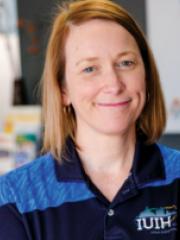
Dr. Alison Nelson is an Adjunct Associate Professor at the Poche Centre for Indigenous Health, University of Queensland. She specializes in Indigenous health, physical activity, and culturally responsive occupational therapy practices. Research Focus : Indigenous health disparities, chronic disease self-management, cultural responsiveness in healthcare, and physical activity among urban Indigenous youth. Key Projects : Development of the Australian Therapy Outcome Measure for Indigenous Clients (ATOMIC), evaluation of the 'Work It Out' chronic disease program, and Indigenous health workforce training initiatives. Contributions : Pioneering use of Indigenist frameworks in health promotion research, critical exploration of cultural competence in occupational therapy, and advocacy for community-driven health solutions. Her scholarly output includes 39 journal articles and 7 book chapters, emphasizing intervention frameworks and health equity. Collaborations span institutions like the Institute for Urban Indigenous Health (IUIH) and allied health organizations.
Michael Neidlin is a Senior Researcher in the Department of Cardiovascular Engineering at the Helmholtz-Institute for Biomedical Engineering , RWTH Aachen University. His work focuses on numerical modeling of biological systems for cardiovascular and cardiopulmonary applications. Current Position: Oberingenieur (Senior Engineer), Modeling & Simulation Research Field (2020–present) Past Positions: Postdoctoral Fellow at National Technical University of Athens and Universitat Pompeu Fabra (2017–2020) Education: Dr. rer. medic. (2013–2016) and M.Sc./B.Sc. in Mechanical Engineering (RWTH Aachen) His research spans continuum biomechanics , systems-level modeling , and data-driven approaches to develop translational models for clinical and industrial applications. He specializes in: Multiscale modeling of cardiovascular hemodynamics In-silico evaluation of ventricular assist devices (LVADs) Computational tools for osteoarthritis drug screening Fluid-structure interaction studies in cardiopulmonary bypass
Ramon Jose Ayon is a Researcher in the Department of Molecular Physiology and Biological Physics at the University of Virginia School of Medicine. His work focuses on molecular mechanisms underlying vascular contractility and pulmonary hypertension, particularly involving calcium signaling networks and ion channel regulation. Education: BS in Biochemistry, University of Nevada, Reno PhD in Cellular and Molecular Pharmacology and Physiology, University of Nevada, Reno Research Interests: His research explores novel signaling networks regulating vascular contractility, with emphasis on the sodium calcium exchanger (NCX1) and its role in cardiovascular biology. Key areas include molecular pharmacology, pulmonary arterial hypertension, calcium signaling, ion channel regulation, vascular physiology, and signal transduction. Publication Trends: His recent work spans 2016–2020, highlighting calcium-sensing receptors, TRPV1 channels, TMEM16A regulation, and metabolic pathways in pulmonary hypertension. Articles focus on molecular physiology, cardiovascular disease, and targeted therapies.
Martin O'Flaherty is Professor of Epidemiology and Head of the Department of Public Health and Policy at the University of Liverpool. He leads the Modelling Group in the Non-Communicable Disease (NCD) Prevention and Food Policy Research Team, focusing on reducing disease burden through structural interventions. His research integrates epidemiological modelling with policy analysis to address cardiovascular diseases and health inequalities. Research interests include: Cardiovascular disease epidemiology and mortality trends Health policy development for diet and nutrition interventions Microsimulation modelling of population health outcomes Social determinants of health inequalities Global applications of epidemiological methods in diverse settings His publications demonstrate consistent focus on policy-relevant microsimulation studies, with recent work examining food environment interventions, cardiovascular risk forecasting, and health system responses to ageing populations. Methodologically sophisticated papers consistently integrate real-world policy scenarios with disease burden projections. Major research grants include: NIHR Global Health Research Group on Clean Energy (2018-2022) QUEST: QUantifying Equitable Solutions To prevent NCDs (MRC, 2018-2026) Economic Analyses of Policy Strategies to Improve Diet (NIH, 2016-2020) Vascular Risk and Functional Decline in Old Age (BHF, 2017-2020) He leads the NCD Prevention Modelling Group and maintains extensive collaborations including the UK National Cardiovascular Disease Prevention System Leadership Forum, American Heart Association committees, and international research consortia across Europe and North America.
Ravinder R. Regatte, PhD is a Professor at NYU Grossman School of Medicine , affiliated with both the Department of Radiology and the Department of Orthopedic Surgery . His academic work focuses on advanced MRI techniques for musculoskeletal and metabolic imaging. Key Research Interests: Musculoskeletal MRI Quantitative Imaging Biomarkers Deep Learning for Image Reconstruction MR Fingerprinting Metabolic Profiling in Diabetes Email: Ravinder.Regatte@nyulangone.org
Janet V. Cross, Ph.D., is an Associate Professor in the Department of Pathology at the University of Virginia Health System (UVA Health). Her research focuses on the molecular mechanisms of cancer chemoprevention and the anti-inflammatory benefits of dietary nutrient compounds, particularly isothiocyanates found in cruciferous vegetables like broccoli. Her work investigates how bioactive nutrients interact with cellular proteins to prevent tumor development and modulate inflammatory diseases such as rheumatoid arthritis and asthma. Using proteomics and in vitro models, she explores the role of isothiocyanates in signal transduction, apoptosis, and inflammation, linking these processes to cancer risk and therapeutic targets. Publications highlight her contributions to understanding how dietary compounds affect pathogenesis, including studies on Helicobacter pylori-related gastritis, air pollution's impact on brain immunity, and the role of macrophage migration inhibitory factor (MIF) in tumor progression. Her research bridges nutritional biochemistry and pathology, emphasizing the intersection of inflammation and cancer chemoprevention.
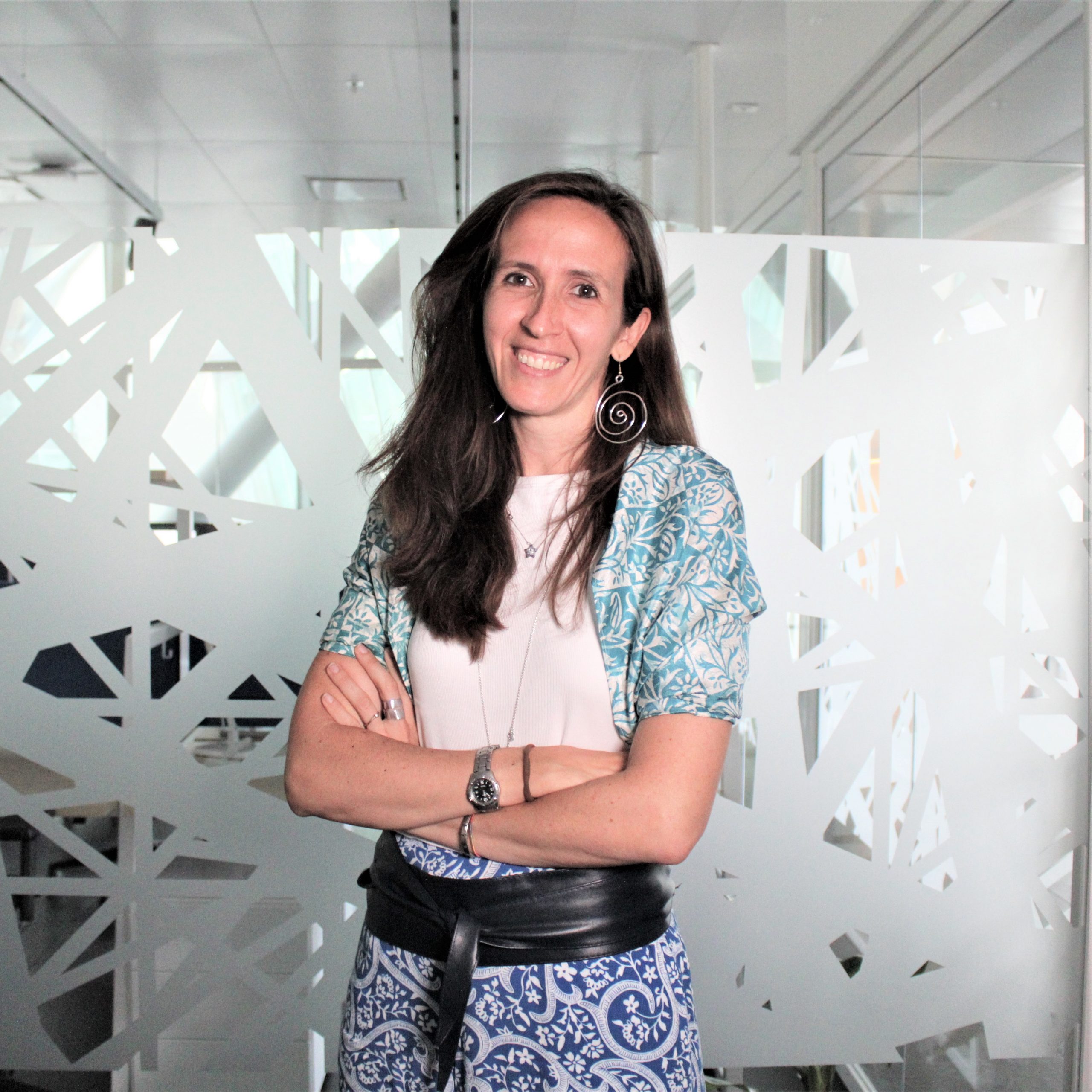
Francesca Ieva serves as Associate Head of the Health Data Science Centre at Human Technopole and Associate Professor of Statistics at the Politecnico di Milano, where she leads the MOX - Modeling and Scientific Computing laboratory within the Department of Mathematics. She also co-leads the Di Angelantonio & Ieva Group, a collaborative research team focused on integrating molecular data with clinical information to advance precision medicine. Dr. Ieva received her PhD in Mathematical Models and Methods for Engineering in 2012. Her academic journey has positioned her at the forefront of health data science, bridging statistical methodology with biomedical applications. Her research focuses on statistical learning in biomedical sciences, with particular emphasis on developing advanced models for integrating complex clinical data to inform predictions in clinical decision-making. Francesca's work spans multiple domains including: Development of novel survival analysis techniques for healthcare applications Integration of DNA methylation data for cardiovascular risk prediction Application of machine learning to clinical pathway analysis in mental health Innovative approaches to polygenic risk scoring incorporating SNP interactions Development of radiomics models for cancer prognosis and treatment response Analysis of Dr. Ieva's recent publications reveals a strong trend toward federated learning approaches in healthcare data analysis, reflecting growing concerns about data privacy while maintaining analytical power. Her work increasingly integrates multiple data types (genomic, epigenetic, imaging, and clinical records) to create more comprehensive patient profiles for precision medicine applications. A notable pattern is her focus on translating complex statistical models into clinically actionable tools that can directly inform patient care and healthcare policy decisions. As Associate Head of the Health Data Science Centre at Human Technopole, Dr. Ieva oversees a research group comprising epidemiologists, statisticians, and data scientists working collaboratively to bridge the gap between genotype and phenotype. The Di Angelantonio & Ieva Group develops innovative studies that integrate biomolecular data with medical records, imaging, and portable medical device data. Her team utilizes both existing healthcare data and newly generated population-based studies, applying novel analytical methods that integrate clinical epidemiology with health research to improve data interpretation. Dr. Ieva actively mentors several PhD students including Andrea Lampis, Katherine Marie Logan, Alessia Mapelli, Michela Carlotta Massi, and Andrea Mario Vergani. Her research has been supported by collaborations with major healthcare institutions and likely receives funding from research councils and health technology initiatives, though specific grant details are not provided in the available information.
Dr. Mirko Nitschke is a senior researcher at the Leibniz Institute of Polymer Research Dresden (IPF), affiliated with the Max Bergmann Center of Biomaterials Dresden. He has been instrumental in advancing polymer biomaterials science since joining the institute in 1996, focusing on plasma-based surface engineering and biocompatible material development for medical applications. His academic foundation includes: Graduate studies (1992-1996) at Chemnitz University of Technology, where he investigated FTIR Spectroscopic Investigation of Plasma Modified Polymer Surfaces Physics undergraduate degree (1987-1992) from Friedrich-Schiller-University Jena with thesis on Computer Simulation of Ion Trajectories in Solids Nitschke's research centers on plasma surface functionalization and polymer diagnostics to engineer biocompatible materials. His work bridges fundamental surface science with clinical applications, particularly in vascular stents, nerve regeneration, and corneal tissue engineering. Key innovations include thermo-responsive cell carriers and bioactive hydrogel coatings that respond to physiological cues. Analysis of his 15 most recent publications reveals a strong trajectory in advanced biomaterials characterization using ToF-SIMS and plasma techniques. His work increasingly integrates machine learning for spectral analysis while maintaining focus on medical device applications—particularly in cardiovascular and ophthalmic implants where surface-biology interactions dictate clinical success. As a core member of the Polymer Biomaterials Science Division, Nitschke collaborates extensively with clinical partners through the Max Bergmann Center's university-linked infrastructure. His laboratory specializes in plasma modification systems and surface analytics for next-generation biomaterials development.
Professor Francis Cucinotta is a faculty member at the University of Nevada, Las Vegas, within the Department of Health Physics and Diagnostic Sciences. He teaches radiation biology, dosimetry, and radiation science at both undergraduate and graduate levels. Education: B.S. in Physics (Rutgers University), Ph.D. in Nuclear Physics (Old Dominion University) His research focuses on biophysics models of radiation effects on Earth (e.g., cancer treatment) and in space (e.g., astronaut risk assessment). Key areas include radiation carcinogenesis, neurodegeneration, cataracts, DNA repair, and radiation transport. He has developed theoretical frameworks for nuclear fragmentation, microdosimetry, and systems biology of cell signaling. Recent publications analyze clustered DNA damage, lunar radiation environments, heavy ion therapy, and radiation risk compensation policies. These works span disciplines like biophysics, medical physics, neuroscience, and space systems engineering. Radiation Research Society President (2013-2014) National Council on Radiation Protection and Measurements Council Member Editorial Board Member: Life Sciences in Space Research Guest Editor: Radiation Research, Frontiers in Radiation Oncology Cucinotta has received continuous funding from the National Cancer Institute (2016-2021), with past support from the Department of Energy and NASA. He has authored over 350 peer-reviewed articles and book chapters.
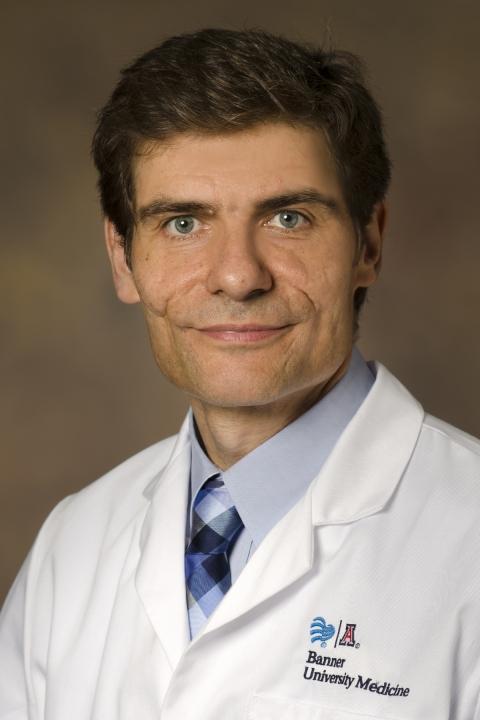
Stefano Guerra, MD, PhD, MPH is a Professor of Medicine at the University of Arizona and holds the prestigious Henry E. Dahlberg Chair in Asthma Research. He serves as Director of Population Sciences at the Asthma and Airway Disease Research Center (A2DRC) and is a Professor at the UA Mel & Enid Zuckerman College of Public Health and the UA BIO5 Institute. His work bridges clinical medicine, public health, and basic science research in respiratory diseases. Dr. Guerra's research focuses on the developmental origins of respiratory diseases, particularly asthma. His work spans several key areas including: Early life determinants of asthma and lung function development from fetal life through adulthood The role of epigenetics and biomarkers like CC16 (Club Cell Secretory Protein) in respiratory health Longitudinal cohort studies tracking respiratory health from birth to adulthood Environmental influences on respiratory health, including air pollution effects Population-level patterns of asthma and related conditions across diverse populations His most recent publications reveal emerging trends in understanding the connections between early life exposures, metabolic factors, and long-term respiratory outcomes. Notably, his work has identified links between childhood insulin-related asthma and reduced lung function, creatine kinase levels in childhood asthma, and the role of early growth patterns in adult spirometric restriction. His research increasingly integrates multi-omics approaches with traditional epidemiological methods. Dr. Guerra has been honored with The Henry E. Dahlberg Chair in Asthma Research , a distinguished position recognizing his significant contributions to asthma research. Dr. Guerra serves as Principal Investigator for several major longitudinal studies including the Tucson Children's Respiratory Study (TCRS) and the Tucson Epidemiological Study of Airway Obstructive Disease (TESAOD). He is currently leading the CC16 COVID Pilot study. His work has been supported by numerous grants that enable these long-term investigations into respiratory health across the lifespan. As Director of Population Sciences at the Asthma and Airway Disease Research Center (A2DRC), Dr. Guerra leads a multidisciplinary team focused on understanding the population-level determinants of asthma and airway diseases. His work bridges clinical care, public health, and basic science research to address respiratory health challenges from multiple angles.