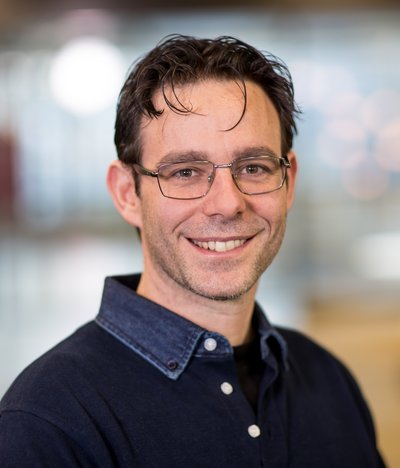
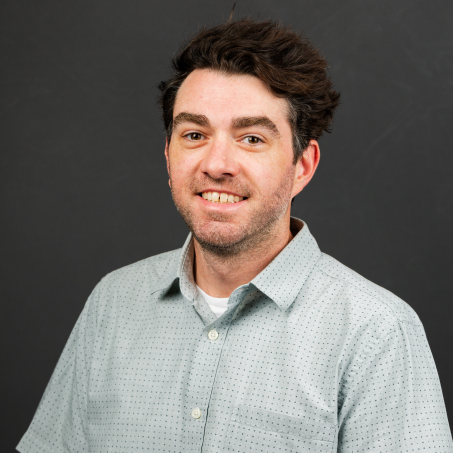
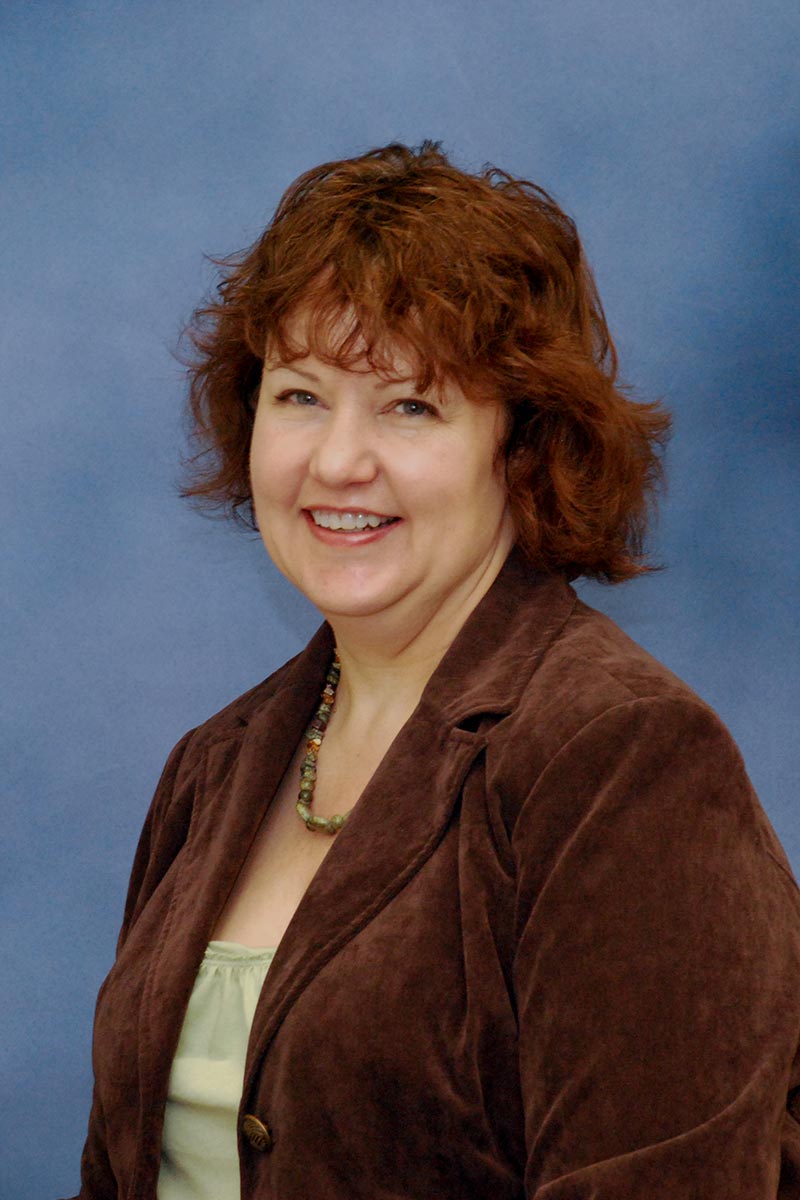
Massimo Mischi is a Full Professor at the Faculty of Electrical Engineering of the Eindhoven University of Technology (TU/e) and chairs the Signal Processing Systems (SPS) Division , the largest division at TU/e with over 250 researchers. He founded the Biomedical Diagnostics (BM/d) Lab in 2012, which now includes 180 researchers and clinical/industrial advisors, focusing on biomedical signal processing for diagnostics and monitoring.
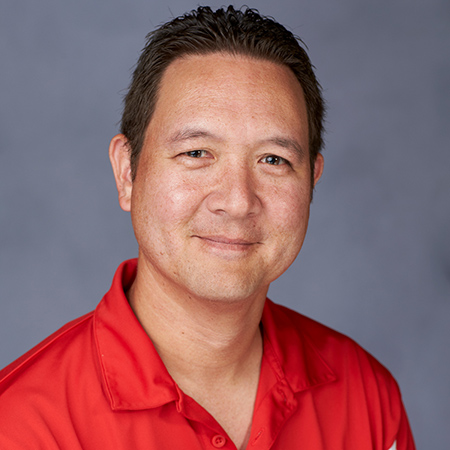
Dr. James W. Navalta is an Associate Professor in the Department of Kinesiology and Nutrition Sciences at the University of Nevada, Las Vegas. His research focuses on physiological responses to outdoor exercise (hiking, trail running) and the validity/reliability of wearable technology. He earned his B.S. in Physical Education and Biology from Brigham Young University–Hawaii, M.S. in Kinesiology from UNLV, and Ph.D. in Exercise Physiology from Purdue University. Education: B.S. - Physical Education & Biology, Brigham Young University–Hawaii M.S. - Kinesiology, University of Nevada, Las Vegas Ph.D. - Exercise Physiology, Purdue University His research portfolio includes: Wearable technology validation for physiological measurements Comparative studies of indoor vs outdoor exercise environments Impact of gender-inclusive approaches on sports science Metabolic and cardiovascular responses to unconventional workouts Psychological benefits of nature immersion Recent publications demonstrate expertise in: Wearable device accuracy testing VO2max and lactate threshold validation Environmental influence on exercise physiology Methodological improvements in data collection Gender-inclusive research design Outdoor activity impact assessment As co-founder and executive editor of the International Journal of Exercise Science, he contributes significantly to academic discourse. He also serves on editorial boards for journals related to digital health and exercise technology.
Sunita Mathur is an Associate Professor in the School of Rehabilitation Therapy at Queen's University, affiliated with the Faculty of Health Sciences. She holds a cross-appointment as Associate Director of the School of Rehabilitation Therapy. Her research focuses on improving skeletal muscle function in chronic diseases, including COPD, cystic fibrosis, and critical illness, using non-invasive techniques like MRI, ultrasound, and dynamometry. She co-founded CAN-RESTORE to promote exercise in solid organ transplant recipients and leads the Canadian Donation and Transplantation Research Program (CDTRP) Theme 5. Education: BSc Physiotherapy (Dalhousie University), MSc Rehabilitation (Dalhousie), PhD Human Kinetics (University of British Columbia), and a postdoc at the University of Florida. She supervises students in AGHE PhD and RHBS MSc/PhD programs. Research interests span sarcopenia, muscle dysfunction in chronic illness, and rehabilitation strategies. Her work integrates clinical and translational approaches to enhance patient outcomes through tailored exercise programs and advanced imaging. Key contributions include studies on ICU-acquired weakness, lung transplant rehabilitation, and the role of exercise in improving post-transplant outcomes. She has collaborated on international initiatives like the RECOVER Program to address long-term outcomes of critical illness survivors.
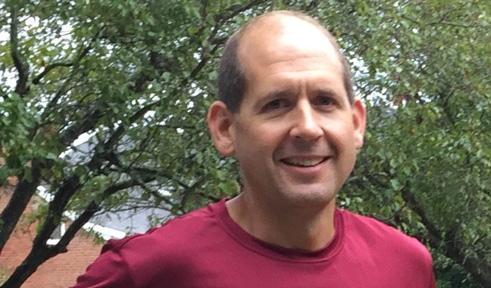
Christopher Schwirian is a Professor of Instruction in the Department of Biological Sciences at Ohio University's College of Arts and Sciences. He is based in Irvine 066 on the Athens Campus and plays a key role in teaching human and exercise physiology courses. His academic work emphasizes practical and research-based understanding of muscular and physiological responses to training. His research interests lie primarily in exercise physiology , focusing on resistance training , muscular adaptations , and ventilatory threshold . His studies explore how elastic resistance tools like the SportCord® influence strength, endurance, and aerobic capacity. These investigations contribute to the broader understanding of human performance and training efficacy. The available publications, spanning from 1998 to 2001, reflect a concentrated research effort in muscular strength and endurance , skeletal muscle adaptation , and physiological responses to novel resistance modalities . The work frequently involves collaboration with experts in exercise science and appears in high-impact journals such as Medicine & Science in Sports & Exercise and European Journal of Applied Physiology . Honors include the College of Arts & Sciences Outstanding Faculty Undergraduate Advising Award and service as a Faculty Senator , highlighting his commitment to student mentorship and academic governance. He has advised undergraduate students and contributed to academic service through university committees. While no specific grants or lab affiliations are mentioned, his teaching and research demonstrate sustained engagement with exercise science education and applied physiology.
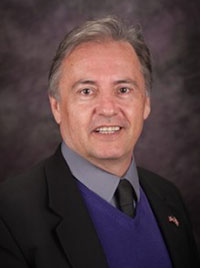
Dr. David C. Poole is a University Distinguished Professor of Kinesiology and Physiology at Kansas State University, holding the Elizabeth Chapin Burke Chair in Health and Human Sciences and the Coffman Chair for University Distinguished Teaching Scholars. He serves as Director of the Clarenburg Cardiorespiratory Lab within the College of Veterinary Medicine. His work bridges the fields of kinesiology, physiology, and veterinary medicine, focusing on understanding the fundamental mechanisms of oxygen transport and utilization in health and disease. Dr. Poole earned his B.Sc. from Liverpool Polytechnic and his Ph.D. from UCLA in 1986, followed by a Scientiae Doctor from Liverpool John Moores University in 2000. His academic journey has established him as an internationally recognized researcher in exercise and respiratory physiology. Dr. Poole's research focuses on the critical relationship between oxygen transport and metabolic demands in tissues, particularly during exercise. His laboratory investigates how skeletal muscles can require up to 100-fold more oxygen during exercise compared to rest, and how conditions like heart failure, diabetes, and cancer impair this vital process. Using innovative approaches such as nitrate supplementation and dietary interventions, his work aims to enhance therapeutic strategies for improving exercise tolerance and quality of life in patients with chronic conditions. His research has significantly advanced understanding of capillary function, oxygen uptake kinetics, and Critical Power in exercise physiology. Dr. Poole's extensive publication record includes over 350 peer-reviewed papers in leading journals such as Circulation Research , Journal of Clinical Investigation , and Journal of Applied Physiology . His recent work (2023-2025) demonstrates continued leadership in understanding oxygen transport mechanisms across multiple physiological systems, with particular emphasis on skeletal muscle microcirculation, respiratory muscle function, and the impact of aging and disease on exercise capacity. His research spans fundamental physiological mechanisms to translational applications in clinical settings. Scientiae Doctor from Liverpool John Moores University (2000) Adolph Distinguished Lecturer from the American Physiological Society (2018) Joseph B. Wolffe Memorial Lecture from the American College of Sports Medicine (2021) Higuchi-Dolph Simons Statewide Award for Biomedical Research Excellence (2024) ACSM Citation Award (2019) Fellow of the American College of Sports Medicine Fellow of the American Physiological Society As Principal Investigator, Dr. Poole has secured over $6 million in research funding, with an additional $31 million as Co-Investigator, primarily from the National Institutes of Health and the K-State Johnson Cancer Research Center. His laboratory maintains a vibrant scientific atmosphere with productive collaborations among faculty and students. Key collaborators include Dr. Thomas J. Barstow, Dr. Timothy I. Musch, Dr. Howard H. Erickson, Dr. M. Roger Fedde, Dr. Casey A. Kindig, and Dr. Brad J. Behnke. Dr. Poole's work has achieved an impressive h-index of 84 with over 26,000 citations, reflecting his significant impact on the field. Dr. Poole directs the Clarenburg Cardiorespiratory Lab at Kansas State University, which provides a dynamic research environment focused on understanding oxygen transport limitations from lungs to mitochondria. The lab employs a range of novel and established strategies to investigate tissue oxygenation and metabolic control, with applications to both healthy function and disease states including emphysema, diabetes, chronic heart failure, and cancer.
Patrizia Proia is an Associate Professor at the University of Palermo, Department of Psychological, Pedagogical, Physical Exercise and Training Sciences. Her research focuses on exercise physiology, sports genetics, and neurobiological mechanisms linked to physical activity. She teaches courses in biochemistry, physiology of nutrition, and sports training adaptation. Current research on microbiome-exercise interactions Developing protocols for MS and Parkinson's rehabilitation Investigating genetic polymorphisms in elite athletes Exploring nutrigenomics and functional foods Recent publications analyze: Muscle regeneration through probiotic supplementation Impact of nanotechnological devices on pain management Epigenetic regulation of executive functions Bone health in gymnasts and cancer patients Role of gut microbiome in exercise response
Chris Bishop: Academic & Research Overview Chris Bishop serves as Interim Head of Department and Associate Professor of Strength and Conditioning at the London Sports Institute , part of Middlesex University. His academic career includes a MSc (2012) and PhD (2020) in Strength and Conditioning from the same institution. He has authored/co-authored over 250 peer-reviewed articles, 3 book chapters, and is co-editing 3 textbooks. His research focuses on athlete performance profiling, inter-limb asymmetry analysis, and golf biomechanics, with advisory roles at The R&A and DP World Tour. Teaching & Supervision Lead courses in MSc Strength and Conditioning Science, Performance Training, and Research Methods Supervising 7 PhD students researching performance profiling and athlete performance Research Contributions His work spans systematic reviews on training methodologies, inter-limb asymmetry applications, and golf performance metrics. Notable projects include: Validation of flywheel resistance technology for sports assessment Analysis of eccentric overload training effects Development of velocity-based training frameworks Awards & Affiliations Former Chair of UK Strength and Conditioning Association (2021) Editorial roles at Journal of Strength and Conditioning Research and Strength and Conditioning Journal Military service: Previously led performance divisions in healthcare and football sectors Labs & Teams Leads research projects at the London Sports Institute focusing on elite athlete development and sport science integration in professional sports.
Mark Ross is an Associate Professor at Heriot-Watt University, affiliated with the School of Energy, Geoscience, Infrastructure and Society and the Institute for Life and Earth Sciences. He holds roles as Director of Research for the Sport and Exercise Science department and Programme Director for the BSc (Hons) Sport and Exercise Science. He chairs the EGIS Research Ethics Committee and previously served as Programme Leader at Edinburgh Napier University. Education includes a 1st Class Honours Degree in Sport and Exercise Science from Heriot-Watt University (2009, awarded James Watt Medal), an MRes in Exercise Physiology from Waterford Institute of Technology (2011), and a PhD in Exercise Physiology from Edinburgh Napier University (focused on endothelial progenitor cells). His research explores immune cell contributions to inflammation and tissue repair, leveraging exercise as a modulator. Techniques include flow cytometry to study immune cell activation in human samples from exercise studies. Key interests span T-cells, macrophages, aging, and exercise-induced immunological changes. Recent articles highlight work on ultra-endurance exercise's effects on T-cells, vascular aging in centenarians, and exercise-induced progenitor cell mobilization. His studies often integrate clinical, immunological, and physiological perspectives. Awards: James Watt Medal (2009) PhD projects include exercise's role in T-cell-mediated inflammation, immune health in athletes, and exercise in inflammatory conditions. He actively seeks research grants and collaborates on global projects like VascAgeNet. His work contributes to UN SDGs related to health and longevity. Labs/Teams: Active within the Institute for Life and Earth Sciences, collaborating on vascular aging, exercise immunology, and cardiometabolic disease research.
Srđan Marković is an Associate Professor at the Faculty of Physical Culture and Sports Management of Singidunum University in Belgrade, Serbia, where he has been employed since 2014. His academic journey began at the Faculty of Sports and Physical Education, University of Belgrade , where he completed his basic, master’s, and doctoral studies. Education: Basic, Master’s, and Doctoral studies at Faculty of Sports and Physical Education, University of Belgrade (2000–2015) Research Interests encompass sports science, human locomotion, muscle mechanics, and the application of modern technologies in athletic training and performance analysis. His work spans disciplines such as endurance running , football , volleyball , and neuromuscular function . Recent publications highlight trends in ultra-marathon pacing , agility test validation , and GPS technology integration in football training. Collaborative projects like the "Muscular and neural factors of human locomotion" (2011–2014) demonstrate his focus on biomechanics and athletic performance. Scientific Awards include a scholarship from the Fund for Young Talents of the Republic of Serbia . His career bridges academic research with practical fitness coaching for top athletes and managerial roles in Serbian and international football clubs since 2005. Grants: Recipient of the Fund for Young Talents scholarship Coaching Experience: Fitness coach for elite athletes (2005–present)
Dr. Gregory Cantrell is an Assistant Professor in the Department of Health, Physical Education, and Sport Science (HPESS) at Arkansas State University, specializing in Exercise Science Education. His academic training includes a PhD in Exercise Physiology from the University of Oklahoma, an MS in Health and Sports Science from the University of Memphis, and a BS in Health and Human Performance from the same institution.
Krista Howarth serves as an Assistant Professor in the Department of Kinesiology within the Faculty of Science at McMaster University. Her academic career at McMaster spans from undergraduate studies through to her current faculty position, demonstrating deep institutional commitment and expertise in exercise physiology. Her educational foundation includes: Ph.D. in Kinesiology from McMaster University (2007) MSc in Kinesiology from McMaster University (2002) Honours Bachelor of Kinesiology from McMaster University (2000) Dr. Howarth's research program centers on exercise metabolism and human physiological adaptation, with particular expertise in skeletal muscle response to exercise stress, protein metabolism during recovery, and metabolic adaptations to different training modalities. Her laboratory investigations have significantly advanced understanding of how nutritional interventions affect muscle recovery and how various exercise protocols induce specific metabolic changes in human skeletal muscle. The research demonstrates rigorous methodology with controlled human trials examining substrate utilization, enzyme regulation, and metabolic pathways during exercise and recovery. Her scholarly trajectory reveals consistent productivity across two decades, evolving from foundational metabolic studies to broader applications including recent work on diversity in clinical assessment. This demonstrates both depth in her core expertise and expansion into related areas addressing contemporary issues in health sciences. As an educator, Dr. Howarth maintains an extensive teaching portfolio across McMaster's Kinesiology program, consistently instructing foundational courses including Human Anatomy and Physiology I & II, Cardiorespiratory and Metabolic Exercise Physiology, and Exercise Testing and Prescription since 2017. Her teaching responsibilities demonstrate commitment to both undergraduate education and specialized training in exercise physiology principles.
Theresa Rienmüller serves as Assistant Professor at the Institute of Biomechanics, Graz University of Technology (TU Graz), Austria since March 2025, following prior appointments at TU Graz's Institute of Health Care Engineering (2019-2025) and research roles at UMIT and TU Graz dating back to 2008. Her academic foundation includes a Ph.D. in Technical Sciences from UMIT (2013) and an M.Sc. in Telematics from TU Graz (2008). Her research integrates computational modeling with experimental biology to address complex physiological challenges, focusing on bioelectronic neural stimulation , cardiovascular dynamics , and tissue engineering . She pioneers the application of organic semiconductors for light-controlled neuromodulation and cardiac excitation, developing innovative solutions for traumatic brain injury recovery and regenerative medicine. Her methodology uniquely combines in vitro cell experiments with in silico system theory models to simulate physiological processes. Recent publications (2021-2025) reveal a dominant trend toward organic bioelectronics for neural/cardiac applications, with significant contributions in microfluidic diagnostics , cancer bioelectricity modeling , and AI-driven medical imaging . Her work consistently bridges fundamental biophysics with translational medical device development, emphasizing precision control of biological systems through engineered interfaces. As Co-PI of the Austrian Science Fund (FWF) project “LOGOS-TBI” (2019-2024), she advanced light-controlled implants for brain injury regeneration, and currently leads the “Microfluidic Platform” project (2024-2026) for point-of-care diagnostics. These grants reflect her leadership in securing competitive funding for interdisciplinary biomedical engineering research, with ongoing collaborations spanning Harvard University, European medical device centers, and clinical partners. Dr. Rienmüller maintains active research partnerships through TU Graz's Institute of Biomechanics, leveraging shared facilities for organic semiconductor fabrication , electrophysiology , and computational modeling . Her international network includes the Beth Israel Deaconess Medical Center (Harvard) and LAAS-CNRS in France, facilitating cross-border innovation in bioelectronic medicine and diagnostic technologies.
Prof. Dr. Irfan MARANGOZ is a full-time Professor at Kırşehir Ahi Evran University, Faculty of Sports Sciences, where he currently serves as Dean. His academic trajectory includes a PhD in Physical Education and Sports from Erciyes University (2016), a Master's from Kahramanmaraş Sütçü İmam University (2008), and a Bachelor's from Dicle University (1995). He holds administrative roles including Dean, Bologna Coordinator, and membership in scientific project commissions. His research centers on Exercise and Sports Physiology , Training Science , and Sports Biomechanics , with applications in athlete performance optimization, kinanthropometry, and physiological adaptations in sports. Recent work explores relative strength metrics, temperature effects on athletic performance, and kinantropometric methodologies. Publications (157+) emphasize sports performance analytics, kinanthropometric modeling, and physiological assessments. Trends include innovative measurement techniques for strength, endurance, and anthropometric profiling across diverse sports disciplines. Scientific Awards: Academic Achievement Awards (2022, 2023, 2024) Certificates of Recognition from Afşin Municipality and Governorship (2001–2012) University Senate Commendations (2002) He advises Master’s students in sports science, focusing on kinanthropometry and athletic performance. Leads 6 projects, including a TÜBİTAK-supported initiative on physical activity during pandemics. Directs research groups in sports physiology and athlete assessment methodologies.
JoEllen Sefton, Ph.D., ATC Ret., serves as Professor and Director of both the Warrior Research Center (WRC) and Neuromechanics Research Laboratory at Auburn University's School of Kinesiology. Her nationally recognized work focuses on reducing injury and enhancing health, wellness, and performance in military personnel, firefighters, and law enforcement through translational research and strategic partnerships with military laboratories, government agencies, and industry. Her academic foundation includes a Ph.D. in Interdisciplinary Biology & Sports Medicine from the University of North Carolina at Charlotte (2007), M.S. in Exercise Science (2003), Athletic Training certification (2001), Medical Massage Therapy training (1995), and B.S. in Zoology from Ohio University (1981). Ph.D.: Interdisciplinary Biology & Sports Medicine, UNC Charlotte (2007) M.S.: Exercise Science, Central Connecticut State University (2003) B.S.: Zoology, Ohio University (1981) Sefton's research program centers on tactical athlete human factors, integrating neuromechanics, injury prevention, and performance optimization. She pioneered the biennial WRC Tactical Athlete Summit connecting researchers with military and first responder units. Her field-based methodology bridges laboratory discoveries with real-world applications, focusing on physiological stress responses, equipment modifications, and evidence-based training protocols for high-risk occupations. This approach has generated over 100 publications addressing critical challenges in tactical performance. Analysis of her 15 most recent publications (2023-2025) reveals three dominant research thrusts: physiological responses to occupational stressors (particularly in firefighting contexts), technological interventions for performance enhancement (including exoskeletons and virtual assessment tools), and musculoskeletal health optimization (focusing on myofascial pain and prosthetic integration). These studies consistently employ rigorous field testing combined with laboratory validation to develop actionable solutions for tactical populations. Sefton directs the Warrior Research Center, which evolved from the 8-year Warrior Athletic Training Program providing comprehensive injury care for military personnel. Her leadership fosters interdisciplinary collaboration across 15+ military units and research institutions, securing federal and industry funding to address complex human performance challenges. Current initiatives include developing predictive injury models, validating wearable monitoring technologies, and creating occupation-specific fitness standards that account for sex differences and environmental stressors.
Martin Gibala is a Professor in the Department of Kinesiology at McMaster University, where he leads research examining the effects of exercise at molecular to whole-body levels in both healthy individuals and those with chronic diseases. His work spans basic mechanistic studies on skeletal muscle energy metabolism to applied research on physical training and nutrition for health and performance optimization. Dr. Gibala earned his Bachelor of Human Kinetics from the University of Windsor, followed by an M.Sc. from McMaster University and a Ph.D. from the University of Guelph. He completed a postdoctoral fellowship at the Copenhagen Muscle Research Centre, establishing the foundation for his expertise in exercise physiology. His primary research focuses on high-intensity interval training (HIIT) and time-efficient exercise protocols, demonstrating that brief, intense exercise can produce comparable health benefits to traditional longer-duration workouts. His laboratory investigates skeletal muscle metabolism, exercise adaptations, and practical applications of time-efficient training for diverse populations. Dr. Gibala has made significant contributions to understanding how short bursts of vigorous activity ("exercise snacks") can improve cardiometabolic health, glycemic control, and overall fitness with minimal time commitment. Analysis of Dr. Gibala's recent publications reveals an evolving research trajectory with increasing emphasis on technology-enabled exercise interventions, sex-specific responses to training, and practical implementation of time-efficient protocols in real-world settings. His work bridges basic exercise science with public health applications, particularly focusing on making exercise more accessible through time-efficient approaches. Dr. Gibala is also recognized for science communication, having co-authored the popular science book "The One-Minute Workout: Science Shows a Way to Get Fit That's Smarter, Faster, Shorter" (Penguin Random House, 2017). His research has been widely covered in media outlets and has influenced public understanding of time-efficient exercise approaches. As an educator, Dr. Gibala teaches courses including Cardiorespiratory and Metabolic Exercise Physiology, Exercise Metabolism, and Integrative Exercise Physiology. His laboratory at McMaster University conducts both basic and applied research on exercise physiology, with particular focus on skeletal muscle metabolism, high-intensity interval training, and practical applications of time-efficient exercise protocols for improving health and performance in various populations.