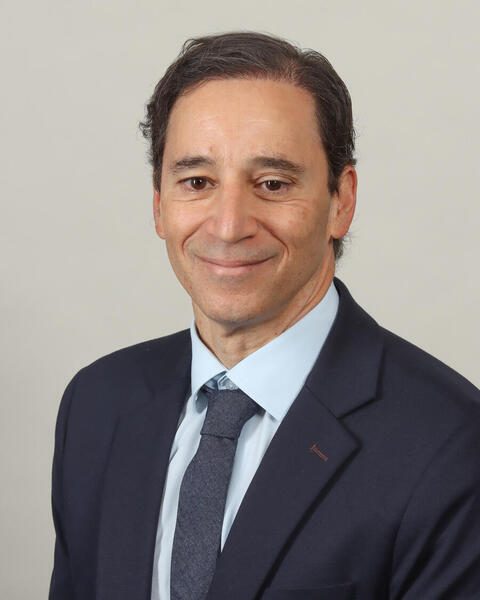
Dr. Channakeshava S. Umeshappa is a faculty member in the Department of Microbiology & Immunology and Department of Pediatrics at Dalhousie University, Canada . He holds a PhD in Immunology from the University of Saskatchewan and completed postdoctoral training at the University of Calgary. Education : DVM (Karnataka Veterinary Animal and Fisheries Sciences University, India), MVSc (Indian Veterinary Research Institute, India), PhD (University of Saskatchewan, Canada) Research Interests : Dr. Umeshappa’s program focuses on immunoregulation in chronic diseases , particularly autoimmunity and cancer. His lab employs genetically modified murine models , omics , synthetic biology , flow cytometry , and imaging to develop immunotherapies. His work emphasizes interdisciplinary collaboration with clinicians and scientists. Article Trends : Recent publications highlight nanomedicine applications in autoimmune liver disease (e.g., peptide-MHC nanomedicines, invariant NKT cell reprogramming) and cancer therapy (e.g., laser-responsive nanoparticles, tumor-to-lymph gels). Studies span immuno-informatics , cell signaling , and clinical outcomes analysis.
Amy Catherine Rowat is a full Professor in the Department of Integrative Biology and Physiology at UCLA's College of Letters and Science. She directs an interdisciplinary research program that integrates mechanobiology, microfluidics, cancer biophysics and food engineering to understand how physical forces shape cell behavior and to develop sustainable biotechnologies. Education & Affiliations: Professor, Department of Integrative Biology and Physiology, UCLA Member, UCLA College of Letters and Science Research Interests: Rowat's group deciphers how mechanical properties of cells and their nuclei influence disease progression and therapeutic response. Using high-throughput microfluidic deformability cytometry, her team discovered that cancer cells become stiffer and more invasive upon β-adrenergic signaling, linking stress hormones to metastatic potential. Parallel efforts focus on nuclear envelope mechanics, showing that histone H1.0 and transient nuclear deformation modulate chromatin structure and cell reprogramming. Beyond biomedicine, Rowat pioneers biophysical approaches for sustainable food production. She engineers edible scaffolds and emulsion-templated microcarriers to culture meat at scale, demonstrating spontaneous fusion of adipogenic and myogenic microtissues into marbled steak-like constructs. Recent Article Trends (2020-2025): Her latest publications reveal a cohesive trajectory: coupling mechanobiology to epigenetic regulation (viscoelastic matrix enhances chromatin remodeling), advancing single-cell mechanical phenotyping (optomagnetic arrays, high-throughput screens), translating findings to cancer therapy (β-blockers to sensitize chemotherapy) and expanding engineered foods (scalable cultured-meat bioprocessing). Funding & Awards: NIH R21 CA245667 (PI) – Repurposing beta-blockers to improve chemotherapy response (2021-2023) Laboratory & Teams: Rowat leads an active research laboratory at UCLA that trains graduate students and postdocs at the intersection of physics, engineering and biology. The lab maintains collaborations across UCLA Engineering, Jonsson Comprehensive Cancer Center, and external partners in food science and biotechnology companies.
Prashant Mali is a Professor in the Department of Bioengineering at the University of California, San Diego . His research bridges genome engineering, RNA biology, and biomedical applications, with a focus on CRISPR-Cas systems and ADAR-mediated RNA editing. Education : Ph.D. in Bioengineering Key Affiliations : UC San Diego, Altman Clinical and Translational Research Institute Dr. Mali's work centers on CRISPR-Cas9 technology , RNA editing , and human pluripotent stem cells . His lab develops tools for programmable gene regulation, synthetic lethal screens, and metabolic pathway analysis in disease contexts. Recent publications highlight innovations in circular RNA engineering , ADAR activity mapping , and metabolic reprogramming in cancer . His team employs multi-omics approaches and in vivo models to translate genome editing into clinical applications. Students and Collaborators Current Lab Members : Sami Nourreddine (Postdoc), Amir Dailamy (Graduate), Andrew Portell (Graduate), Michael Tong (Graduate) Alumni : Kyle Ford (PhD 2022), Nathan Palmer (PhD 2022), Udit Parekh (PhD 2021) Research Themes CRISPR Screens : Synthetic lethal interactions, oncogenic pathways, metabolic vulnerabilities RNA Editing : ADAR engineering, circular guide RNAs, clinical translation Tissue Engineering : Vascularized organoids, cardiac maturation, ex vivo models
Jonathan T. Butcher is a Professor in the Meinig School of Biomedical Engineering at Cornell University. His research focuses on cardiovascular developmental mechanobiology, postnatal valve disease, and heart valve tissue engineering. He holds positions in multiple graduate fields including Biomedical and Biological Sciences and Mechanical Engineering. Dr. Butcher earned his B.S./M.S. in Mechanical and Aerospace Engineering from the University of Virginia (2000), Ph.D. in Mechanical Engineering from Georgia Institute of Technology (2004), and completed a postdoctoral fellowship in Developmental Biology/Pediatric Cardiology at the Medical University of South Carolina (2007). His research integrates experimental, computational, and engineering approaches to study heart valve formation and disease. Key areas include embryonic heart biomechanics, pathological valve remodeling, and 3D-printed tissue constructs. He leads the Butcher Lab, which collaborates on NSF-funded projects like a $3 million initiative on bio-inspired architectural design. Notable awards include being an ASME Fellow (2021), AIMBE Fellow (2019), and recipient of the NSF CAREER Award (2010). He co-mentored doctoral student Alexander Cruz to a 2023 HHMI Gilliam Fellowship. Dr. Butcher’s work bridges biomechanics, genetics, and regenerative medicine. Current efforts aim to translate developmental principles into clinical solutions for valve diseases and engineer living tissues using advanced bioprinting techniques.
Keisuke Ishihara is an Assistant Professor in the Department of Computational and Systems Biology at the University of Pittsburgh School of Medicine. His research focuses on engineering human brain and cardiac organoids using genetic, chemical, and computational approaches to uncover novel regulatory mechanisms and physical principles underlying tissue development. His lab is located at Biomedical Science Tower 3, with an office in room 10020A. Dr. Ishihara holds a PhD in Systems Biology from Harvard University. His work bridges synthetic biology, developmental biology, and biophysics to address fundamental questions in organogenesis and cellular morphogenesis. Recent research highlights include studies on BMP-mediated neural tube patterning in organoids and the biophysical dynamics of microtubule assemblies in large cells. Publications from his lab emphasize interdisciplinary approaches to understand cell size scaling, mitotic spindle dynamics, and self-organization in synthetic tissues. His team has contributed to advancements in organoid technology, uncovering dormant genetic programs and physical principles governing tissue architecture. Laboratory activities are centered at the University of Pittsburgh, collaborating with the School of Medicine's computational and systems biology initiatives. For more details, visit his lab website linked below.
Cheryl Walker, Ph.D., is a Professor in the Departments of Molecular and Cellular Biology, Medicine, and Molecular and Human Genetics at Baylor College of Medicine. She serves as Director of the Center for Precision Environmental Health and Co-Leader of the Chromatin Biology Program at the Dan L Duncan Comprehensive Cancer Center. Her research focuses on gene-environment interactions, epigenomics, and the molecular mechanisms underlying diseases such as cancer, fibroids, and non-alcoholic fatty liver disease (NAFLD). Key areas include the role of chromatin remodelers like SETD2 in genomic stability and their dual functions in cytoskeletal dynamics. She has pioneered studies on how early-life environmental exposures, such as endocrine-disrupting chemicals (EDCs), reprogram the epigenome to increase disease susceptibility later in life. Dr. Walker’s work is funded by NIH and DOD grants, including leadership of the TaRGET II Consortium for environmental epigenomics. Her lab employs cutting-edge technologies like ChIP-seq and RNA-seq to study epigenetic reprogramming. Notable contributions include discoveries linking SETD2 methylation to microtubule stability and genomic integrity, and identifying epigenetic signatures of environmental exposures in health disparities research. Education: Ph.D. in Molecular Biology Affiliations: Baylor College of Medicine, Gulf Coast Center for Precision Environmental Health Her awards include election to the National Academy of Medicine and fellowships in the American Association for the Advancement of Science (AAAS) and American Thoracic Society (ATS). The lab actively collaborates on translational projects, including biomarker development and disaster-related health studies following events like Hurricane Harvey. Key Research Themes: Epigenetic drivers of cancer and fibrosis Environmental epigenomics and disease risk Chromatin-cytoskeleton cross-talk in disease
Prof. Elisabeth Engel López leads the Biomaterials for Regenerative Therapies group at the Institute for Bioengineering of Catalonia (IBEC) and serves as a Professor at the Technical University of Catalonia. With over 80 publications in JCR journals, her work focuses on designing biomaterials and scaffolds for in vitro/in vivo regenerative medicine, emphasizing cellular response mechanisms and translational applications. Developing lactate-releasing systems for metabolic modulation Advancing 3D bioprinting for tissue-specific models Engineering angiogenic and osteogenic biomaterials Her research bridges fundamental studies with industrial partnerships, including pharmaceutical and biomedical device companies, and contributes to European collaborative projects. She received the Barcelona City Award for technological research and has delivered numerous invited lectures. Her group explores substrate stiffness, ion release, and microenvironmental cues to control cell behavior in cardiac, neural, and bone regeneration contexts.
Simon Arthur is a Professor of Immune Signalling at the University of Dundee, School of Life Sciences, within the Department of Cell Signalling and Immunology. His research focuses on understanding inflammatory processes, particularly the role of innate immune cells in coordinating inflammation and resolving immune responses. He holds a PhD from the University of Oxford (1995) and a BSc from Durham University (1990). Arthur is a Fellow of the Royal Society of Biology (2015) and serves on the editorial board of the Journal of Biological Chemistry . His teaching includes courses on Genetics, Cell Signalling, Immunology, and advanced topics in immunology and cell signalling. He supervises PhD projects on microglial phenotypes in brain ageing and immunomodulatory factors in helminth-host interactions. Arthur leads research projects funded by the Medical Research Council and other agencies, including studies on liver fibrosis, bile acid diarrhoea, and pulmonary fibrosis. Key research themes include cytokine regulation, macrophage function, and the molecular mechanisms underlying chronic inflammation. His work spans from fundamental biology to translational research, aiming to develop therapies for autoimmune and inflammatory diseases. Arthur collaborates internationally and has over 180 publications in high-impact journals.
Nadya Dimitrova is an Assistant Professor in the Department of Molecular, Cellular, and Developmental Biology at Yale University, affiliated with the Yale School of Medicine. She holds secondary appointments in Genetics and is a member of multiple interdisciplinary centers, including the Center for RNA Science and Medicine. Her research focuses on long non-coding RNAs (lncRNAs) and their roles in cancer biology, particularly in tumor suppression and oncogenesis. Dimitrova earned her Sc.B. in Biochemistry from Brown University (2002), a Ph.D. from The Rockefeller University (2009), and completed postdoctoral training at MIT's Koch Institute. Notable awards include the HHMI Predoctoral Fellowship, Damon Runyon Postdoctoral Fellowship, and the 2023 Yale Cancer Center Class of '61 Award. Her lab explores lncRNA mechanisms using genomic and genetic tools, aiming to uncover their roles in cancer pathways. Recent work highlights lncRNAs' roles in metastasis, cardiac hypertrophy, and p53 signaling. Collaborations with researchers like Antariksh Tyagi and Clara Liao drive translational insights into RNA-based therapies. Education: Sc.B., Brown University (2002); Ph.D., The Rockefeller University (2009). Research interests include lncRNA regulation, cancer transcriptomics, and RNA-driven disease mechanisms. Her lab integrates systems biology approaches to dissect lncRNA functions in health and disease.
Stelios Andreadis is the SUNY Distinguished Professor of Chemical and Biological Engineering at the University at Buffalo, affiliated with the School of Engineering and Applied Sciences. He directs the Cell, Gene and Tissue Engineering Center and previously led the Stem Cells in Regenerative Medicine (SCiRM) Training Program. His research focuses on stem cell bioengineering, vascular and gland tissue engineering, and biomaterials design. He holds a PhD in Chemical Engineering from the University of Michigan and has been funded by NIH, NSF, and NYSTEM, totaling over $20M. His awards include the NSF CAREER Award, SUNY Chancellor’s Excellence in Scholarship, and AIMBE and BMES Fellowships. Research interests span stem cell rejuvenation, cell-free vascular grafts, and metabolic reprogramming. He has published 140+ papers and advised 28 PhD students, many now in academia or industry. His lab co-founded Angiograft, LLC to commercialize vascular grafts. Key achievements include developing self-healing vascular grafts and demonstrating monocyte recruitment for vascular regeneration. His work bridges basic science and clinical applications in regenerative medicine.
Xiaochen He serves as an Instructor in the Department of Physiology & Biophysics at the University of Mississippi Medical Center's School of Medicine, where he focuses on cardiovascular research and teaching within this foundational medical science department. His research program centers on the intersection of cardiac pathophysiology and immunometabolism, with core interests including: Mechanisms of immune-mediated cardiac inflammation in heart failure Role of T cell subsets (Th17, γδ T, CD8+) in pressure overload models Molecular regulation by IL-12 family cytokines and metabolic enzymes (TIGAR, SIRT3) Endothelial dysfunction in cardiac hypertrophy and failure progression Therapeutic interventions targeting inflammatory pathways Analysis of Dr. He's recent publications (2022-2025) reveals a concentrated research trajectory investigating how specific immune pathways drive heart failure progression. His work consistently employs genetic mouse models to demonstrate that IL-12β inhibition, TIGAR deficiency, and selenium supplementation attenuate cardiac inflammation and dysfunction, while CD8+ T cell metabolic reprogramming exacerbates disease. Key discoveries include GPR174's role in Th17 differentiation and NK1.1 signaling's contribution to cardiopulmonary inflammation, establishing critical immune-metabolic axes in heart failure pathogenesis. No scientific awards were documented in the available profile information. Current departmental records indicate no graduate students are formally listed under Dr. He's mentorship, and no research grants are specified in the public profile. Details regarding laboratory infrastructure, research teams, or collaborative networks were not provided in the available institutional documentation.
Eduardo N. Chini, M.D., Ph.D., is a Professor at Mayo Clinic with primary and joint appointments in the Department of Anesthesiology and Perioperative Medicine and the Department of Cancer Biology. He is based in Rochester, Minnesota, and leads a research program focused on NAD metabolism, aging, and their roles in diseases such as cancer, obesity, and kidney disease. Education: BS in Biology, Centro Educacional de Niteroi-RJ MD, Universidade do Rio de Janeiro PhD in Biological Chemistry, Universidade do Rio de Janeiro Fellow, Department of Physiology and Biophysics, Mayo Clinic Resident in Anesthesiology, Mayo Clinic College of Medicine Research Interests: Eduardo N. Chini's research investigates the central role of nicotinamide adenine dinucleotide (NAD) in cellular metabolism, aging, and disease. His lab has made foundational discoveries in NAD catabolism, identifying CD38 as the primary enzyme regulating NAD levels in mammals. His work explores SIRT1 regulation via CD38 and DBC1, NAD metabolism in cancer, and its implications in polycystic kidney disease. He is particularly interested in how NAD signaling influences aging, metabolic syndrome, and organ dysfunction. Recent Research Trends: His recent publications (2023–2025) reveal a strong focus on the role of CD38 in aging, immune function, and tissue metabolism. Key themes include NAD+ depletion triggering inflammatory responses, CD38 inhibition as a therapeutic strategy for cardiotoxicity and metabolic aging, and the interplay between senescence, stem cell function, and mitochondrial health. His work increasingly integrates translational models with molecular mechanisms in aging and cancer. Scientific Awards: Florida Investigator of the Year, Mayo Clinic (2024) Glenn/AFAR Breakthroughs in Gerontology Award (2007) Edward C. Kendall Award, Mayo Clinic Alumni Association (2002) Directors Award for Aging Research, Kogod Center on Aging (2018) Distinguished Scientist Seminar Series, Georgetown Medical School (2022) Grants and Leadership: Dr. Chini is a co-Principal Investigator on multiple NIH-funded grants, including projects on CD38 in scleroderma, CLL, and male reproductive aging. He is Co-Director of the Mayo Clinic Mitochondrial Care Center and Associate Director of the Robert and Arlene Kogod Center on Aging. He has served on numerous national review panels and advisory councils, including the NIH Hepatobiliary Pathophysiology Study Section and AFAR's National Scientific Advisory Council. Labs and Teams: Dr. Chini leads a research laboratory at Mayo Clinic focused on NAD metabolism and aging. His team collaborates extensively with experts in cancer biology, mitochondrial medicine, and aging research. He is affiliated with the Mayo Clinic Comprehensive Cancer Center, the Kogod Center on Aging, and the Robert M. and Billie Kelley Pirnie Translational PKD Center.
Dr. Marco Conti is the Fred Gellert Endowed Professor at the University of California San Francisco (UCSF) School of Medicine, where he serves in the Department of Obstetrics, Gynecology and Reproductive Sciences. He previously directed the Center for Reproductive Sciences at UCSF, a leading institution in reproductive biology research. Dr. Conti received his M.D. from the University of Rome School of Medicine in 1974, followed by postdoctoral training in Reproductive Biology at the same institution (1974-75) and Endocrinology at the National Institutes of Health in Bethesda, MD (1975-77). His research career spans over four decades with significant contributions to understanding oocyte development and reproductive biology. Dr. Conti's research program focuses on signal transduction pathways required for germ cell development, particularly those controlling oocyte meiotic maturation and developmental competence. His lab has identified critical signals arising in somatic cells during ovulation that establish oocyte developmental competence. The research examines how disruption of these pathways affects maternal mRNA translation patterns into proteins critical for nuclear reprogramming and early embryo development. This work has significant implications for stem cell research, understanding mechanisms controlling cell replication during preimplantation development, and developing embryonic stem cells into artificial gametes. Additional research interests include fertility preservation for cancer patients. Analysis of Dr. Conti's publication record reveals a consistent focus on reproductive biology with particular emphasis on cAMP signaling pathways, phosphodiesterases, mRNA translation regulation, and oocyte maturation. His work shows progression from foundational studies on cAMP-specific phosphodiesterases in the 1990s to more recent sophisticated analyses of maternal mRNA translation programs using single-cell approaches and multi-omics techniques. The research demonstrates increasing complexity in methodology while maintaining focus on fundamental questions of oocyte developmental competence. International Fogarty Fellow (1975-77) Phi Beta Kappa Teaching Excellence Award (2000) Sandler Foundation Senior Investigator Award (2001) Society for the Study of Reproduction Research Award (2003) Board of Directors Society for the Study of Reproduction (2006) Dr. Conti has mentored numerous researchers in reproductive biology and has been instrumental in establishing genetic models to study oocyte developmental competence. His laboratory work has significant translational potential for improving assisted reproductive technologies and understanding age-related declines in fertility. The Center for Reproductive Sciences at UCSF, which he previously directed, serves as a hub for interdisciplinary research connecting basic science discoveries with clinical applications in reproductive medicine.
Shengyu Mu is an Associate Professor in the Department of Pharmacology and Toxicology at the University of Arkansas for Medical Sciences (UAMS) College of Medicine. His research focuses on the pathogenesis of hypertension and its progression to heart failure, with a particular emphasis on immune mechanisms in renal salt retention. Mu holds an M.D. from TianJin Medical University (2004) and a Ph.D. from the University of Tokyo (2011). His research portfolio includes NIH-funded projects investigating T cell homing to the kidney and immune memory in hypertension. Current grants span NIH-NHLBI (2R01 HL146713), American Heart Association (AHA23TPA1076467), and USDA-NIFA collaborations. Completed projects include studies on renal lymph-angiogenesis and macrophage metabolism in diabetes/tuberculosis comorbidity. Research areas integrate physiology, molecular genetics, and epigenetics to bridge basic science and clinical applications. The Mu Lab includes Assistant Professor Yunmeng Liu, Ph.D. candidates Christoph Mora and Kathrine Deck, and research team members recognized for awards like the AHA Predoctoral Fellowship and APS Research Recognition Awards. Key themes include CD8+ T cell activation, IFNγ signaling, and macrophage transition in hypertension pathogenesis.
Daniela Carnevale is a Full Professor at Sapienza University of Rome, where she serves in the Department of Medical-Surgical Sciences and Biotechnologies within the Faculty of Medicine. She directs the Laboratory of Neuro and Cardiovascular Immunology at the Department of Molecular Medicine, based at IRCCS Neuromed in Pozzilli. Her academic career spans over a decade with a permanent position as Assistant Professor since 2012, progressing to her current role as Full Professor. Education: PhD in Neuroscience (2010) - Faculty of Medicine and Surgery, Catholic University of the Sacred Heart in Rome Professional qualification in Biology (2006) - Sapienza University of Rome Degree in Biological Sciences (2005) - Sapienza University of Rome, final mark 110/110 cum laude Daniela Carnevale's research primarily focuses on the intersection of cardiovascular medicine, neuroscience, and immunology. She investigates neuroimmune mechanisms in hypertension, exploring how the nervous and immune systems interact to influence blood pressure regulation and organ damage. Her work encompasses biotechnologies and translational approaches to understand arterial hypertension, chronic heart failure, Alzheimer's related dementias, and adaptive immune responses. She has pioneered research on brain-spleen communication pathways in hypertension, demonstrating how neural signals prime immune responses that contribute to cardiovascular pathology. Analysis of her recent publications reveals a strong emphasis on neuroimmune cardiovascular interfaces, with particular focus on hypertension-induced cognitive impairment, cerebrovascular remodeling, and organ damage mechanisms. Her work increasingly integrates advanced imaging techniques, genetic analyses, and immune profiling to uncover novel therapeutic targets for cardiovascular and neurodegenerative conditions. Scientific Awards: Fellow of the American Heart Association (FAHA) (2016) Council on Hypertension Mid Career Award for Research Excellence (2019) International Patent in medical technology (2010) Multiple research awards from the Italian Society of Arterial Hypertension Research Award from the Foundation "Roberto Cornelli" (2009) Professor Carnevale has secured significant research funding as Principal Investigator, including grants from Sapienza University, Istituto Pasteur-Fondazione Cenci Bolognetti, and the Italian Ministry of Health. She has supervised numerous PhD students, post-doctoral fellows, and undergraduate students across various biomedical programs. Her laboratory collaborates internationally with leading researchers from Harvard University, Vanderbilt University, University of Glasgow, and University of Munich. At IRCCS Neuromed, Professor Carnevale directs the Laboratory of Neuro and Cardiovascular Immunology, where her team investigates the cellular and molecular mechanisms underlying neuroimmune interactions in cardiovascular diseases. Her research facility includes advanced preclinical imaging capabilities, including a 7Tesla MRI for small animal research, which she secured through competitive grant funding.