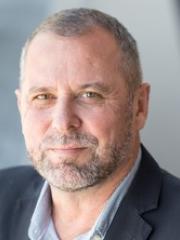
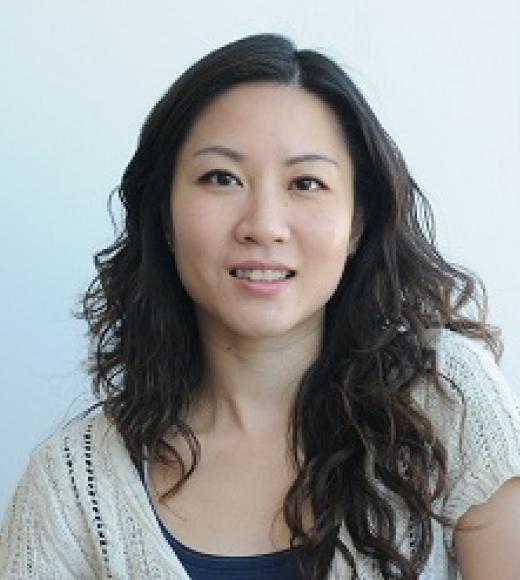
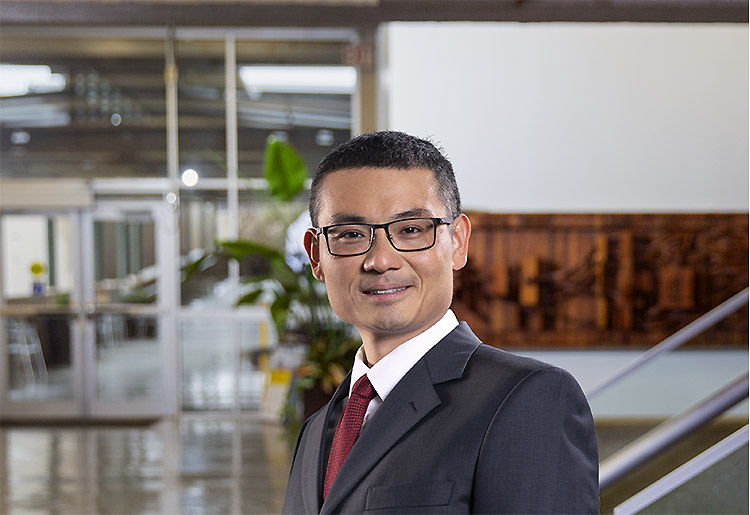
Andrew Braun is a Professor at the University of Calgary, affiliated with the Libin, Hotchkiss Brain Institute, and Snyder Institute. His research focuses on vascular physiology, particularly the role of potassium channels in regulating blood flow and pressure, with applications in diabetes and neurodegenerative diseases. He utilizes advanced techniques like patch clamping and arterial pressure myography. His work explores KCa channels , nitric oxide signaling , and calcium dynamics in vascular cells, aiming to develop novel therapies for endothelial dysfunction. He investigates how these channels affect myogenic tone , vasodilation , and coronary circulation in diseased states such as Type 2 Diabetes and Alzheimer's. The 15 most recent publications highlight his focus on pharmacological targeting of KCa channels to treat vascular complications in diabetes, aging, and atherosclerosis. Key subfields include platelet aggregation , genetic mutations in IP3 receptors , glycation effects on vascular function , and sex-dependent cerebrovascular defects . Contact information: Email abraun@ucalgary.ca. Administrative Assistant: Theresea Connolly (tconnoll@ucalgary.ca, 403-220-3018).
John J. Ryan is a Professor of Medicine in the Division of Cardiovascular Medicine at the University of Utah School of Medicine , specializing in General Cardiology and Pulmonary Hypertension . He holds adjunct associate professorships in Family & Preventive Medicine, Orthopaedics, and Radiology & Imaging Sciences. Dr. Ryan’s research focuses on heart failure with preserved ejection fraction , pulmonary vascular disease , and right ventricular function . His work explores statin therapy , microvascular dysfunction , and novel treatments for pulmonary hypertension . His publications emphasize cardiovascular outcomes in pulmonary hypertension, exercise physiology in heart failure, and digital health tools. He is board-certified in Advanced Heart Failure & Transplant Cardiology , Cardiovascular Disease , and Echocardiography . Clinically, he practices at the University of Utah Hospital , with consistently high patient satisfaction scores ( 4.9/5 ). His academic training includes M.D. from University College Cork , followed by residency at Boston Medical Center and fellowships at the University of Chicago Medical Center .
Dr. John F. Eberth is an Associate Professor at Drexel University's School of Biomedical Engineering, Science and Health Systems. As a cardiovascular engineer with expertise in mechanical controls, continuum biomechanics, and hydrogel-based extracellular matrix mimetics, he leads the Applied Biomechanics and Mechanobiology Lab (ABML) to investigate vascular behavior under mechanical stimuli. PhD in Biomedical Engineering from Texas A&M University (2008) MS in Mechanical Engineering from Clemson University (2004) BS in Mechanical Engineering from Clarkson University (2001) His research focuses on vascular pathology and mechanobiology, including: Aortopathy and aneurysm mechanics Endothelial dysfunction and arterial stiffening Hydrogel-based vascular grafts Calcification chelation therapy Coronary artery disease Perfusion tissue culture Recent publications demonstrate expertise in vascular imaging techniques, mechanical modeling, and therapeutic interventions. Key themes include drug-coated balloon development, collagen fiber mechanics, and bioreactor systems for vascular conditioning.
Dr. Maneka Malalgoda is an Assistant Professor in the Department of Food and Human Nutritional Sciences at the University of Manitoba's Faculty of Agricultural and Food Sciences. Her research focuses on grain chemistry, processing quality, and the development of healthy grain-based food systems. PhD in Cereal Science, North Dakota State University MSc in Cereal Science, North Dakota State University BSc in Medical & Pharmaceutical Biotechnology, University of Applied Sciences, Austria Dr. Malalgoda's research investigates the physicochemical properties of grain proteins and starches, their functionality in food processing, and the biological activity of grain biomacromolecules. She explores how these components contribute to nutritional value, safety, and structural integrity in bakery applications. Her recent publications highlight advancements in protein-enriched wholegrain bread, ancient grain processing optimization, oat protein health benefits, and pesticide residue impacts on cereal chemistry. Key trends include the use of analytical techniques (HPLC, LC-MS) and the intersection of traditional grains with modern nutritional needs. Dr. Malalgoda teaches courses in food science, including FOOD 4100: Current Issues in Food and Human Nutrition , FOOD 3220: Grains for Food and Beverage , and FOOD 3200: Bakery Science and Technology . She supervises graduate research at the University of Manitoba's Ellis Building facility.
Christopher J. Cooper, M.D., is Distinguished University Professor of Medicine at the University of Toledo, Ohio, where he also served as Dean of the College of Medicine (2014-2024), CEO of University of Toledo Physicians, and Executive Vice-President for Clinical Affairs. Triple-board-certified in Internal Medicine, Cardiovascular Disease, and Interventional Cardiology, he directs the UT Clinical Coordinating Center and has led national randomized trials on renal-artery stenosis. Education & Training: B.A. magna cum laude in Biology (Philosophy minor), Wittenberg University, 1985 M.D., University of Cincinnati College of Medicine, 1988 — Valedictorian, Alpha Omega Alpha Internship & Residency, Brigham and Women’s Hospital / Harvard Medical School, 1988-1991 Cardiology Fellowship, Brigham and Women’s Hospital, 1991-1994 Harvard School of Public Health, Clinical Effectiveness Program, 1992 Research Focus: Cooper’s group investigates renovascular hypertension, renal-artery stenosis, and cell-based therapies for vascular disease. As PI of the NIH-funded CORAL trial and multiple industry grants, he has published pivotal papers defining when renal stenting benefits patients and elucidating inflammatory and signaling pathways that couple renal artery narrowing to hypertension and renal failure. Recent work integrates large-scale clinical outcomes databases with mechanistic studies on Na/K-ATPase signaling, microRNA regulation of cardiac fibrosis, and biomarkers such as CD40-ligand in renovascular disease. Honors & Awards: Best Doctors in America — multiple years (2002-2014) America’s Top Doctors, Castle Connolly — consecutive listings (2006-2015) College of Medicine Award for Excellence in Clinical Research, UT (2008) Elected Fellow, American Heart Association Council on High Blood Pressure Research (2004) Valedictorian & Alpha Omega Alpha, Univ. of Cincinnati (1988) Leadership & Grants: Cooper has held continuous NIH and industry funding for multicenter trials; he founded and directs the UT Clinical Coordinating Center, overseeing regulatory, data, and biostatistical cores for national studies. His administrative leadership spans Department Chair, Heart & Vascular Center Director, and Dean of the College of Medicine, while maintaining an active interventional cardiology practice. Laboratory & Teams: He leads the Cooper Renal & Vascular Research Group within the UT Cardiovascular Research Institute, mentoring faculty, fellows, and graduate students in translational protocols that bridge molecular cardiology, interventional imaging, and large pragmatic trials.
Lionel Hebbard is a Professor in the Department of Molecular and Cellular Biology at James Cook University's College of Medicine and Dentistry. His research spans hepatocellular carcinoma mechanisms, metabolic liver disease, and cancer therapeutics with significant contributions to adiponectin biology and sarcopenia assessment in cardiac surgery. James Cook University (Current) Department of Molecular and Cellular Biology College of Medicine and Dentistry Senior Researcher in Liver Cancer Biology His research focuses on hepatocellular carcinoma pathogenesis , particularly adiponectin signaling pathways and liver cancer stem cells. He investigates non-alcoholic fatty liver disease progression to cancer, metabolic drivers of tumorigenesis, and therapeutic targeting using aptamer-based delivery systems. Recent work explores sarcopenia quantification via CT imaging for cardiac surgery risk prediction, demonstrating clinical translation of his molecular findings. His lab employs advanced techniques including CRISPR screening (TARGET-SL platform), in vitro cancer models, and murine tumor systems. Analysis of his 15 most recent publications reveals strong emphasis on translational liver cancer research (60%), cardiac surgery complications (20%), and emerging biotechnologies (20%). Key trends include adiponectin's dual roles in fibrosis and tumorigenesis, sarcopenia as a surgical biomarker, and aptamer-based targeting of cancer stem cells. His work consistently bridges molecular mechanisms with clinical applications, particularly in hepatocellular carcinoma diagnostics and treatment. He mentors multiple doctoral students and early-career researchers including Rhys Gillman and Miriam Wankell. His research is supported by continuous funding from Australian NHMRC and international collaborations with George Jacob (Westmead Institute), Qiao Liang (Bentham Books), and Ranscht Barbara (T-cadherin studies). He leads the Hepatic Cancer Biology laboratory focusing on: Liver cancer stem cell characterization Adiponectin receptor signaling in HCC Metabolic drivers of tumor progression Novel drug delivery systems for liver cancer Translational sarcopenia assessment tools
Mansoureh Eghbali, PhD, is a Professor in the Department of Anesthesiology at the David Geffen School of Medicine, University of California, Los Angeles. Her research program investigates molecular mechanisms of cardiovascular and pulmonary diseases with emphasis on sex-specific pathophysiology. She leads an active NIH-funded laboratory focused on pulmonary hypertension, myocardial ischemia-reperfusion injury, and the role of RNA-binding proteins in vascular remodeling. Her research integrates multiomics approaches to explore: Sex chromosome influences (Y-gene Uty) in pulmonary vascular protection MicroRNA regulation of cardiac fibrosis and calcification (e.g., miR-129-5p/Asporin axis) Gut-heart-lung interactions in diet-induced pulmonary hypertension Endothelial subpopulations (TM4SF1+) in disease progression Analysis of her recent publications reveals strong emphasis on: Integrative multiomics in vascular diseases Sex differences in drug responses Novel therapeutic targeting of RNA-binding proteins Cross-organ communication in cardiopulmonary pathologies She directs multiple NIH grants including: R01HL159865: Role of Chromosome Y gene, Uty (2021-2025) R01HL147586: Role of miR125 in pulmonary hypertension (2019-2023) R01HL129051: Role of miR193 in oxidized lipid-induced PH (2016-2021) R01HL131182: Epigenetic regulation by X chromosome (2016-2021)
Craig Ulrich, Ph.D., serves as a Research Assistant Professor in the Department of Pharmacology at the University of Nevada, Reno, where he investigates mechanisms of spontaneous preterm labor using innovative 3D tissue models and proteomic approaches to address neonatal health disparities. His educational background includes: B.S. in Cell and Molecular Biology from the University of Washington, Seattle Ph.D. in Biochemistry from the University of Nevada, Reno Dr. Ulrich's research centers on myometrial functionality during pregnancy, with emphasis on how endogenous and exogenous compounds (including cannabinoids) regulate birth timing. His lab pioneered a 3D-printed uterine tissue model that responds to physiological stimuli, enabling precise study of contractile mechanisms. Key areas include S-nitrosoproteome dynamics , matrix metalloproteinase regulation , and obesity-related cardiac impacts on pregnancy outcomes. Analysis of his publications (2008-2025) reveals an evolution from foundational nitric oxide signaling studies toward translational 3D tissue engineering and matrix metalloproteinase-focused preterm labor research. Recent work integrates proteomic network analysis with biomechanical modeling , demonstrating increasing emphasis on clinically actionable biomarkers for preterm birth prevention. Dr. Ulrich leads a research team developing advanced synthetic myometrial platforms for drug testing, with current projects examining prostaglandin-mediated contractions and acute matrix metalloproteinase effects using engineered tissue systems.
Filipa Simões is a Group Leader and British Heart Foundation Intermediate Basic Science Research Fellow at the Institute of Developmental and Regenerative Medicine (IDRM), University of Oxford. She holds a Hugh Price Fellowship in Regenerative Medicine at Jesus College, Oxford. Her work focuses on immune cell programming in cardiac repair, leveraging genomics, spatial omics, and in vivo/in vitro models to dissect macrophage roles in heart regeneration. She completed her PhD at the University of Coimbra (Portugal) and postdoctoral research at Oxford, identifying epicardial subpopulations and macrophage contributions to cardiac scarring. Education: BSc Microbiology and Genetics, Faculty of Sciences, University of Lisbon PhD Biochemistry, University of Coimbra (research at Oxford’s Weatherall Institute) Postdoctoral Training: Department of Physiology, Anatomy, and Genetics, University of Oxford Research Interests: Filipa’s lab explores how macrophages are programmed by neighboring cells to repair heart attack damage. Key themes include immune-cell-cardiac crosstalk, fibrosis pathways, and regenerative signaling. Techniques employed span spatial genomics, functional assays, and zebrafish models to map cellular microenvironments. Awards: British Heart Foundation Intermediate Basic Science Research Fellowship British Heart Foundation Centre of Research Excellence Transition Fellowship Teaching: Leads undergraduate courses in Cardiovascular Development, Genomics, and Developmental Biology. Oversees postgraduate modules on cardio-immuno genomics and cardiac regeneration. Labs/Teams: Heads a multidisciplinary team at IDRM, integrating developmental biology, immunology, and regenerative medicine approaches to advance cardiac repair strategies.
Dr. Stephen Renaud is an Associate Professor in the Department of Anatomy and Cell Biology at Western University. He holds a PhD and B.Sc. from Queen's University. His research focuses on placental development and function, particularly the cellular and molecular mechanisms underlying trophoblast differentiation and maternal-fetal immune interactions. Key interests include OVO-like transcription factors, endogenous retroviral genes, and maternal immune tolerance. His work bridges basic science with public health implications, addressing complications like pre-eclampsia and fetal growth restriction. Publications emphasize placental biology, immunology, and developmental mechanisms, with contributions to journals like Placenta , Proceedings of the National Academy of Sciences , and Cellular and Molecular Life Sciences . No scientific awards are listed, but his research has been widely cited (h-index 28). He advises no listed students but maintains an active lab exploring placental biology. His office is in the Medical Sciences Building, Room 428, with contact via srenaud4@uwo.ca.
Professor Craig Franklin is a faculty member at the University of Queensland (UQ), serving as a Professor in the School of the Environment (Faculty of Science) and concurrently as President of the Academic Board. His research focuses on Conservation Physiology, investigating how fish, frogs, and reptiles respond to environmental changes, particularly climate-induced shifts. He employs interdisciplinary methods, including biotelemetry and genomic techniques, to study physiological and behavioral adaptations in ectotherms. Education: Bachelor (Honours) of Science (Advanced) and Doctor of Philosophy from the University of Canterbury. Research Interests: Climate change impacts on ectotherms, physiological responses to environmental stressors (e.g., UV radiation, temperature), and conservation strategies for threatened species. Collaborations include Australia Zoo and NSW Fisheries. He leads the Franklin Eco-Laboratory, which emphasizes training in ecological and evolutionary physiology. Grants and Funding: Supported by the Australian Research Council (ARC) and the National Environmental Science Program (NESP). His work addresses applied conservation challenges, such as mitigating dam-related cold water pollution and assessing wildfire impacts on aquatic systems. Labs/Teams: Franklin Eco-Laboratory at UQ, focusing on integrative physiology and conservation biology.
Joanna Chiu is a Professor and Chair in the Department of Entomology at the University of California, Davis, affiliated with the College of Agricultural and Environmental Sciences and the UC Davis Genome Center. She holds a B.A. in Biology and Music from Mount Holyoke College and a Ph.D. in Molecular Genetics from New York University. Her research focuses on molecular mechanisms underlying animal behavior, circadian rhythms, seasonal biology, and insect genomics, with applications in pest management and agricultural science. Key research interests include understanding how circadian clocks integrate environmental cues like temperature and light to regulate physiology and behavior, particularly in insects. Her work involves molecular genetics, transcriptomics, and genomic tools to study pest species such as Drosophila suzukii and Tuta absoluta, addressing challenges like pesticide resistance and invasive species control. She has developed diagnostic tools (e.g., RPA-Cas12a assays) and software (e.g., CRUMB app) for analyzing insect behavior and genetics. Recent publications highlight studies on circadian temperature compensation, seasonal adaptation in insects, and the molecular basis of pest resistance. Her lab’s collaborations span entomology, genomics, and computational biology, with implications for sustainable agriculture and chronobiology. Grants and funding support her work on pest genomics, circadian mechanisms, and translational applications in pest control. Joanna Chiu mentors students and researchers in entomology, biochemistry, and genetics through UC Davis graduate groups (ENT, BMCDB, IGG, ABGG). Her lab actively contributes to genome assembly projects for agricultural pests and explores novel strategies for integrated pest management using molecular and genetic approaches.
Dr. Wei Li is an Associate Professor of Urban Planning at Texas A&M University and founder of the ENDEAVR Institute, a 501c3 nonprofit focused on smart-city technologies for underserved communities. His research focuses on small-town mobility solutions using autonomous vehicles, sustainable transportation, and environmental economics. He holds 40+ peer-reviewed articles and $3.9M in grants from NSF, NIH, Google, and the U.S. Department of Transportation. Education: PhD in Planning, Policy & Design (University of California, Irvine) MA in Planning (University of Waterloo) BA in Business Administration (Renmin University of China) Research Interests: Smart and connected communities Autonomous vehicles for social equity Sustainable transportation systems Environmental economic policies His work bridges academic rigor with practical solutions, emphasizing community engagement and equity in urban planning. Awards: 2021 W.K. Kellogg Award for Community Engagement 2021 Smart 50 International Award 2019 Texas A&M Distinguished Achievement Award Teaching & Mentorship: Developed 3 smart-cities courses using ENDEAVR pedagogy Mentored 44 committees (7 PhD, 37 MS) and 66 additional students Trained 300+ students across 10+ majors in service-learning projects ENDEAVR Institute: A nonprofit advancing smart-city technologies for small towns and marginalized populations through partnerships with communities, governments, and private sectors.
Anton Baysa is a Senior Lecturer at the University of Oslo's Department of Pathology within the Faculty of Medicine. His research focuses on cardiovascular pathophysiology, particularly mechanisms of inflammation, mitochondrial dysfunction, and cellular repair following myocardial infarction and ischemia-reperfusion injury. He has published extensively on topics including Toll-like receptor signaling, mitochondrial DNA-induced inflammation, and the role of adaptor proteins in cardiac healing. His work integrates molecular biology, immunology, and clinical cardiology to understand and mitigate cardiac damage. Collaborative projects include studies on extracellular vesicles in surgery-related complications and growth factor pathways in myocardial repair. Key Research Themes: Cardiac inflammation mechanisms, mitochondrial damage responses, post-infarction healing, oxidative stress mitigation Recent Projects: Investigating p66ShcA protein signaling, nucleolin inhibition effects, and BMP-mediated cardiac remodeling
Remy Robert is an Associate Professor in Physiology at Monash University, affiliated with the Monash Biomedicine Discovery Institute. His primary role is in the Department of Molecular Biology and Biochemistry, focusing on therapeutic antibody development and antibody engineering. He holds a PhD from the University of Bordeaux and completed a postdoctoral fellowship at CSIRO, followed by a research fellowship at Monash University under Professor Charles Mackay. Dr. Robert’s research spans translational medicine, aiming to convert academic discoveries into antibody therapies. His expertise includes protein engineering, autoimmune disease mechanisms, and inflammation modulation. Key projects include the development of bispecific antibodies for cancer immunotherapy, chemokine-targeted therapeutics, and preclinical studies on CCR6-mediated autoimmune diseases. His research outputs emphasize antibody engineering techniques, mouse models of atopic dermatitis, and the role of receptors like GPR109A and CXCR1 in immune regulation. Collaborations involve institutions like CSIRO and global networks in immunology. He leads grants on cancer immunotherapy and has contributed to patents related to antibody technologies. Dr. Robert’s work aligns with UN Sustainable Development Goals focused on good health and well-being. His lab actively pursues innovations in therapeutic antibodies, with a focus on translational applications in oncology and autoimmune diseases.