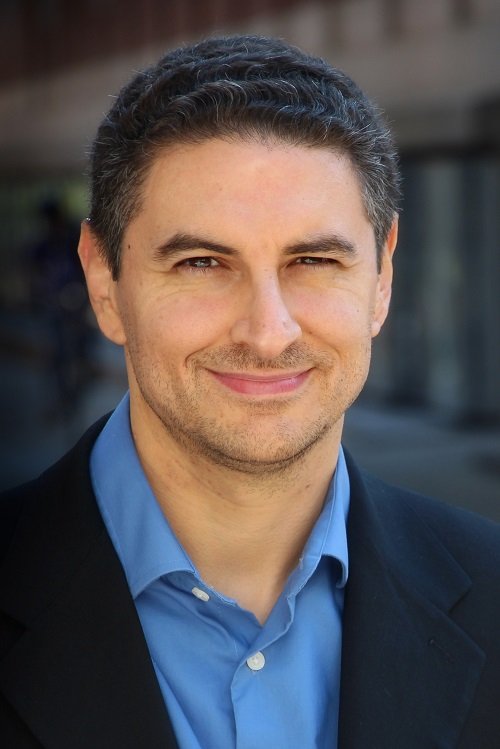
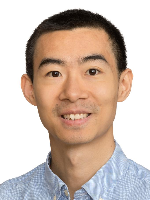
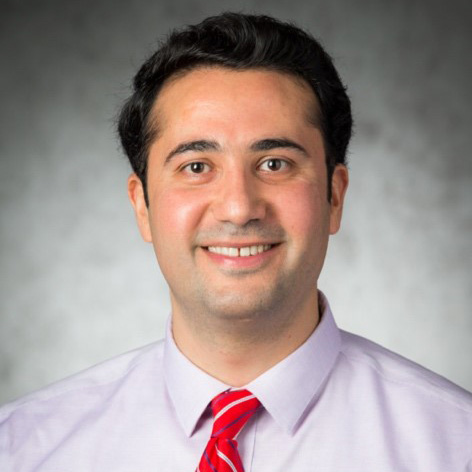
Michael McAlpine is a Professor in the Mechanical Engineering department at the University of Minnesota . He also holds affiliations with the Biomedical Engineering and Electrical and Computer Engineering departments. His research focuses on 3D printing functional materials & devices , Nanoscale inks , Biomedical devices , Bioelectronics , and Flexible Microsystems . Research Interests : 3D Printing, Biomedical Engineering, Nanotechnology, Flexible Electronics, Microfluidics Labs : ME 361/363 Contact : mcalpine@umn.edu , (612) 626-3303, ME 117 Recent Research Trends include 3D Printed Biomedical Devices , Flexible Electronics , and Bioprinting Applications . His work spans from Spinal Organoid Formation to Programmable Drug Release Capsules . Scientific Award : Circulation Research 2020 Best Manuscript Award
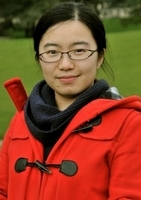
Rong Zheng is a Professor in the Department of Computing and Software and a member of the School of Biomedical Engineering at McMaster University, Canada. She holds a Tier-1 Canada Research Chair in Mobile Computing and serves as Acting Chair of the Computing and Software department from July to December 2025. She is also an Associate Member of the Electrical & Computer Engineering department. Education: Ph.D. in Computer Science, University of Illinois, Urbana-Champaign, USA Master of Engineering (thesis) in Electrical Engineering, Tsinghua University, Beijing, China Bachelor of Engineering in Electrical Engineering, Tsinghua University, Beijing, China Dr. Zheng's research lies at the intersection of mobile computing, wireless networking, and machine learning, with a strong focus on applications for aging populations. She directs the NSERC Smart Mobility for the Aging Population CREATE program. Her work encompasses sensor development, wireless network design, and mobile data analytics to address real-world challenges in healthcare, mobility, and data center monitoring. She has developed innovative solutions like the MacQuest campus navigation app and has captured first prize in indoor localization competitions. Her recent publications demonstrate a clear trajectory toward applying wireless sensing technologies (particularly acoustic, Wi-Fi, and mmWave) to health monitoring and mobility assessment for older adults. There's a strong emphasis on developing efficient edge computing solutions that can process data in real-time on resource-constrained devices, as exemplified by her TeamNet framework for collaborative inference on the edge. Her work bridges theoretical advances with practical applications that have social impact. Scientific Awards: Tier-1 Canada Research Chair in Mobile Computing US National Science Foundation CAREER Award (2006) Joseph Ip Distinguished Engineering Fellow (2015-2018) Dr. Zheng leads the Wireless System Research Group (WiSeR) at McMaster University, which has secured significant funding including a $1.65M NSERC CREATE grant for smart mobility research for older adults. Her research has been supported by multiple funding agencies including NSERC, NSF, UH GEAR, and DURIP. She actively mentors graduate students and has developed specialized courses including CAS 772 (Mobile Data Analytics) and CAS 781 (Mobility in the Aging Population). The WiSeR group conducts impactful research on communication, networking, and data analytics issues in Cyber Physical Systems, with applications spanning healthcare, smart infrastructure, and data center monitoring. Their work on data center infrastructure monitoring networks has been featured in EurekAlert and Data Center Dynamics, and they've made significant contributions to indoor localization technology.
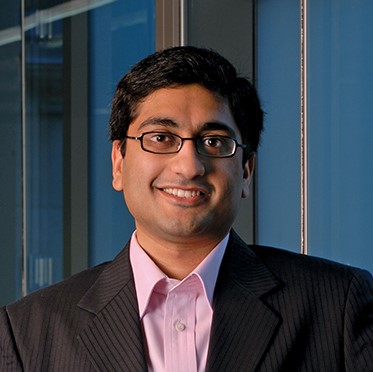
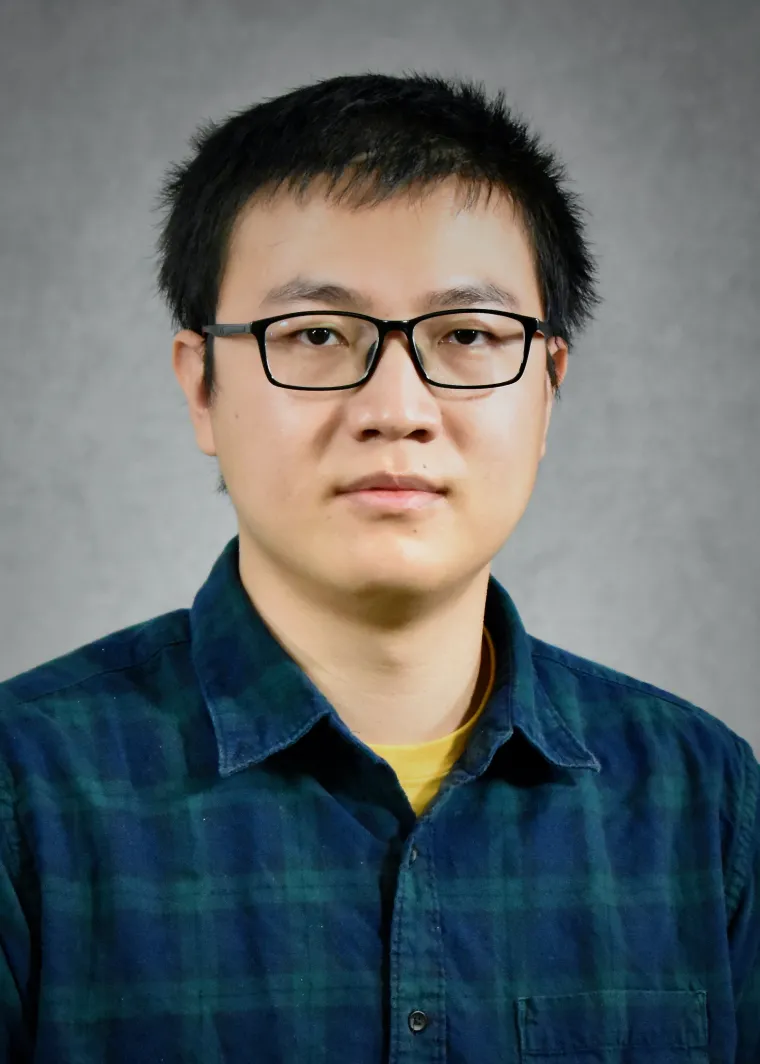
Rahul Mangharam is a Professor in the Department of Electrical and Systems Engineering at the University of Pennsylvania's School of Engineering and Applied Science, with a secondary appointment in Computer and Information Science. He directs the Safe Autonomous Systems Lab (mLAB) and is a founding member of the PRECISE Center. Mangharam serves as Penn Director for the Safety21 DoT National University Transportation Center ($20MM), Director of the Autoware Center of Excellence, and leads the F1Tenth Autonomous Racing Community. Education: Ph.D. in Electrical & Computer Engineering, Carnegie Mellon University M.S. in Electrical & Computer Engineering, Carnegie Mellon University B.S. in Electrical & Computer Engineering, Carnegie Mellon University His research bridges formal methods, machine learning, and control systems with applications in medical devices, autonomous systems, and energy-efficient buildings. Key focus areas include safety verification for autonomous vehicles, real-time control systems, and patient-specific cardiac modeling for clinical applications. Recent work explores conformal prediction for safe perception, differentiable control barrier functions, and explainable autonomous systems. Mangharam's publication trends show strong emphasis on autonomous systems safety (control synthesis, uncertainty quantification) and biomedical applications (cardiac modeling, clinical decision support). His 2022-2023 publications demonstrate cross-disciplinary approaches combining control theory, machine learning, and formal methods for robust autonomous systems. Awards and Honors: Presidential Early Career Award (PECASE) 2016 IEEE Benjamin Franklin Key Award 2014 NSF CAREER Award 2013 Intel Early Faculty Career Award 2012 National Academy of Engineers US Frontiers of Engineering (2012, 2018) Stephen J. Angelo Term Chair (2008-2013) He leads multiple major grants including NSF CAREER, DoT Safety21 Center ($20MM), DoE Energy-Efficient Building Hub ($160MM), and DARPA HACMS. Current PhD students include Zirui Zang. Mangharam founded the F1Tenth autonomous racing platform used globally for education and hosts international competitions through the Autoware Center of Excellence.
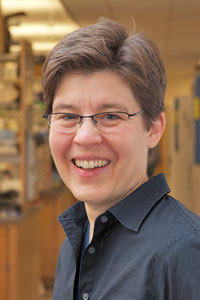
Jennifer Lewis is the Hansjorg Wyss Professor of Biologically Inspired Engineering and Jianming Yu Professor of Arts and Sciences at Harvard University's Harvard John A. Paulson School of Engineering and Applied Sciences (SEAS). Her research focuses on bioengineering, materials science, and advanced manufacturing, with emphasis on 3D-printed functional materials, organoids, and soft robotics. She leads the Lewis Research Group, which develops biomimetic technologies for regenerative medicine, energy systems, and robotics. Lewis holds appointments in SEAS, the Department of Chemistry and Chemical Biology, and the Wyss Institute for Biologically Inspired Engineering. Her research areas include applied mathematics, fluid mechanics, soft matter physics, and bioengineering applications such as kidney organoid models, vascularized tissues, and programmable materials. Notable innovations include kidney organoid-on-chip systems for drug testing, 3D-printed liquid crystal elastomers, and bioprinted cardiac tissues. Lewis was awarded the 2025 James Prize in Science and Technology Integration for pioneering interdisciplinary research. Her lab's projects span organ building blocks, immune-response modeling in transplanted tissues, and acoustophoretic printing techniques for high-resolution bioprinting. Collaborations include the NIH Somatic Cell Genome Editing Program and industry partnerships for bioprosthetic valve research. She advises on grants totaling over $20M and mentors a multidisciplinary team of postdocs and graduate students in materials science, biomedical engineering, and mechanical engineering. Lewis' lab facilities include the Pierce Hall lab (Cambridge) and Allston SEAS campus, with state-of-the-art 3D printing systems, microfluidics platforms, and bioreactors for organoid culture. Current projects aim to engineer functional human tissues for therapeutic applications and develop smart materials with programmable mechanical/chemical responses.
Dr. Guangyao Li is a Research Fellow in the Department of Applied Mathematics and Theoretical Physics (DAMTP) at the University of Cambridge, affiliated with the Quantum Fluids research group. His work focuses on theoretical and computational studies of quantum fluids, particularly exciton-polaritons in semiconductor microcavities and their interactions with electrons and photons. His research bridges condensed matter physics, quantum optics, and nanotechnology. Dr. Li's interdisciplinary interests also extend to pharmacology and clinical medicine, evidenced by collaborative studies on drug efficacy, drug-related problems in hospital settings, and guidelines for off-label drug use in ophthalmology. These studies address topics such as glucocorticoid therapy complications, proton pump inhibitor utilization, and anti-vascular endothelial growth factor treatments for ocular diseases. His quantum physics publications explore polariton scattering, Bose-Einstein condensates, and chiral edge states in quantum fluids. Recent medical studies analyze drug safety, self-monitoring in diabetes, and inappropriate medication use in elderly cardiac patients. These works highlight his dual contribution to fundamental physics research and applied clinical pharmacology. No academic awards or grants are explicitly stated in available records. He advises no known students but collaborates across disciplines in Cambridge and Chinese medical institutions. His research is conducted within the Quantum Fluids group at DAMTP, leveraging advanced theoretical models and computational simulations.
Dr. Xin Zhou is an Oxford-Bristol Myers Squibb Fellow at the Department of Computer Science, University of Oxford. Her research integrates computational modeling, clinical data, and experimental findings to investigate cardiac disease mechanisms and develop human-based simulations for drug evaluation. BSc and MSc in Life Sciences, Beijing Normal University DPhil in Computational Biology, University of Oxford Her work focuses on multi-scale cardiac modeling , particularly in ischemic heart disease and heart failure, exploring ionic currents, tissue conduction, and organ-level dynamics. She develops electromechanical simulations to study cardiac alternans and arrhythmic risks, translating these into clinical applications for patient stratification and pharmaceutical testing. Recent publications emphasize in silico clinical trials , sex-specific cardiometabolic analysis, and Purkinje network modeling. Collaborative efforts with clinicians and pharmaceutical partners highlight her translational approach to regulatory science. Model of the Year 2024, BioModels EPSRC Impact Acceleration Account Microsoft Research Project Award Recognition Award, University of Oxford She supervises PhD and MSc students in computational cardiology, while serving on the editorial board of Frontiers in Physiology . Her current projects involve digital twinning and predictive cardiac safety models to reduce animal testing reliance.
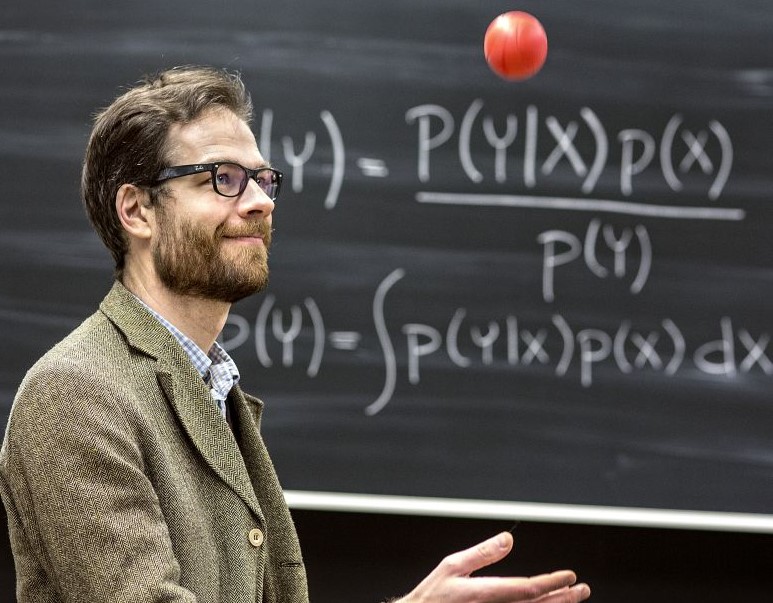
Carl Henrik Ek is a Professor of Statistical Learning at the Department of Computer Science and Technology (Computer Laboratory) at the University of Cambridge. He is also a fellow and Director of Studies at Pembroke College, and holds visiting positions at Karolinska Institute in Stockholm and the Royal Institute of Technology. He serves as co-Director for the UKRI AI Centre for Doctoral Training in Decision Making for Complex Systems, a collaboration between Cambridge and Manchester universities, and is involved with the Accelerate Program in the Computer Laboratory. Dr. Ek's educational background includes a MEng degree in Vehicle Engineering from the Royal Institute of Technology in Stockholm, followed by a PhD from Oxford Brookes University. During his PhD, he spent time at the University of Manchester and the University of Sheffield. His PhD supervisors were Professor Neil Lawrence and Professor Phil Torr, and his postdoctoral research was conducted at UC Berkeley with Professor Trevor Darrell and Professor Raquel Urtasun. Professor Ek's research focuses on statistical learning, particularly on developing data-efficient and interpretable machine learning methods. His work spans modeling and inference in machine learning, with special emphasis on Bayesian non-parametric methods and Gaussian processes. He explores how to specify assumptions that allow learning from small amounts of data, bridging theoretical foundations with practical applications in various domains. His recent publications demonstrate a strong trend toward applying machine learning to healthcare, drug discovery, and engineering design. There's significant work on Gaussian processes, reinforcement learning, and generative models, with applications ranging from medical diagnostics to structural engineering. His research shows an increasing interdisciplinary focus, connecting machine learning with fields like cardiology, pharmacology, and computational geometry. Professor Ek has received numerous teaching awards throughout his career: Pilkington Price for Teaching Excellence (2024) Teacher of the year in Computer Science at University of Bristol (2016) Docent in Machine Learning at Royal Institute of Technology (2016) Teacher of the year at Royal Institute of Technology, Sweden (2015) Teacher of the year from Student chapter in Industrial Economics at Royal Institute of Technology (2015) Teacher of the year in Computer Science at Royal Institute of Technology (2012) Professor Ek teaches Advanced Data Science, Advanced topics in machine learning, and Machine Learning and the Physical World. He has supervised PhD students throughout his career but is not currently accepting new PhD students for 2025/26 or 2026/27. His research is supported by various grants, including his role as co-Director of the UKRI AI Centre for Doctoral Training. He is an active member of the ml@cl research group at Cambridge and has previously been involved with research groups at University of Bristol and Royal Institute of Technology. His work connects with several interdisciplinary initiatives, particularly in healthcare AI and engineering applications of machine learning.
Chicheng Zhang is an Assistant Professor in the Computer Science Department at the University of Arizona, where he conducts research in the theory and applications of interactive machine learning. He earned his Ph.D. in Computer Science from the University of California, San Diego (UCSD) in 2017 under the supervision of Professor Kamalika Chaudhuri, and was previously an undergraduate student at Peking University working with Professor Liwei Wang. From 2017 to 2019, he was a postdoctoral researcher at the Machine Learning Group at Microsoft Research NYC. His research lies at the intersection of learning theory and practical algorithm design, focusing on interactive machine learning paradigms such as reinforcement learning, contextual bandits, active learning, and imitation learning. He aims to develop algorithms that are data-efficient, computationally tractable, and robust, with applications in healthcare, wireless communication, and fair AI systems. His work emphasizes principled algorithm design with theoretical guarantees and empirical validation. The most recent publications reflect a strong trend in developing efficient, theoretically grounded methods for sequential decision-making and interactive learning. Key themes include sample efficiency, robustness to noise, fairness in algorithmic decisions, and application-driven research in domains like oral cancer detection and mmWave network optimization. His work frequently bridges theoretical analysis with real-world deployment considerations. While no scientific awards are mentioned in the provided text, Dr. Zhang actively mentors prospective PhD students and encourages collaboration. He has contributed to interdisciplinary projects involving fairness-aware bandit algorithms for network coexistence, interpretable classifiers for cancer detection, and LLM-based initialization for reinforcement learning. His lab focuses on developing intelligent agents that actively learn from environments and human experts. He can be reached at chichengz@arizona.edu .
Dr. Cheng Ouyang is a Departmental Lecturer at the University of Oxford's Institute of Biomedical Engineering, part of the Department of Engineering Science. Affiliated with St. Peter's College, his research focuses on developing data-efficient, robust machine learning approaches for medical imaging and signal analysis. Key interests include domain generalization, few-/zero-shot learning, uncertainty modeling, and multimodal learning applied to medical data such as ultrasound and MRI. Prior to Oxford, he conducted postdoctoral research in cardiac imaging at Imperial College London, where he also earned his PhD in Computing. His work emphasizes practical medical applications, such as accelerating MRI reconstruction and enhancing ECG classification through multimodal techniques. Recent contributions include the CMRxRecon2024 dataset for cardiac MRI and federated learning approaches for low-dose CT denoising. His methods address challenges in generalizability, stability, and user interaction in clinical AI systems. Awards and recognitions are pending explicit mentions in the text. Dr. Ouyang's research spans foundational machine learning theory and applied biomedical engineering, with a focus on bridging gaps between algorithmic innovation and clinical utility. His lab collaborates across disciplines to advance medical imaging analysis and decision support systems.
Dr. Mortaza Saeidi-Javash is an Assistant Professor in the Department of Mechanical and Aerospace Engineering at California State University, Long Beach (CSULB). He joined in Fall 2022 following his Ph.D. in Mechanical Engineering from the University of Notre Dame, where he received the Prince Engineering Fellowship and Dehner Graduate Fellowship. His research focuses on developing next-generation flexible electronics using advanced materials and 3D printing technologies, particularly thermoelectric devices for wearable applications and multifunctional sensors for structural health monitoring. Dr. Saeidi-Javash's academic background includes interdisciplinary work combining materials science, additive manufacturing, and machine learning. His Ph.D. research emphasized aerosol jet printing and ultrafast flash sintering to create high-performance, low-cost thermoelectric devices. He has published extensively in journals like Advanced Materials and Nano Energy , with a focus on flexible electronics, energy harvesting, and sensor integration. His recent publications highlight innovations in machine learning-aided materials discovery, plasma sintering processes, and hybrid printing methods. These contributions address challenges in scalable manufacturing, energy efficiency, and wearable technology applications. Dr. Saeidi-Javash’s work bridges gaps between fundamental materials research and practical engineering solutions for sustainable energy systems and smart devices. Awards: Prince Engineering Fellowship (University of Notre Dame) Dehner Graduate Fellowship in Engineering (University of Notre Dame) Advising & Office Hours: Office: ECS-647 Office Hours: Wednesday 12:00-2:00 PM Advising Hours: Thursday 12:30-1:30 PM His research lab focuses on additive manufacturing of functional materials, with ongoing projects in thermoelectric energy conversion, wearable sensors, and biomaterials for cardiac tissue engineering.
Sina Sareh is a robotics researcher at the Royal College of Art (RCA), where he leads the RCA Robotics Laboratory within the School of Design. He has established himself as an expert in soft robotics and multimodal sensing, developing innovative solutions for human safety and access problems in industrial operations. Dr. Sareh's educational background includes: PhD in Robotics from the University of Bristol, where he worked on monolithic design of flexible actuators for operation in confined liquid environments MSc in Control Systems from the University of Sheffield BSc in Electrical Engineering from Amirkabir University of Technology, Tehran Dr. Sareh's research focuses on soft robotics, multi-modal mobility, manipulation and attachment, and multimodal sensing. His work bridges the gap between robotics engineering and practical applications, particularly in medical and industrial settings. He has developed novel approaches to robotic attachment inspired by octopus biology, created haptic interfaces that mimic the feeling of touching human internal organs, and designed soft robotic technologies to help articulate pain symptoms. His research consistently demonstrates innovation in creating adaptable robotic systems that can operate effectively in complex, unstructured environments where traditional rigid robots face limitations. His publication record demonstrates a strong trajectory in robotics research, with emphasis on soft robotics, medical applications, and novel sensing techniques. The research shows progression from fundamental soft actuator design to practical applications in surgery, industrial operations, and human-robot interaction, with a consistent focus on solving real-world problems through biologically inspired approaches. Dr. Sareh has successfully secured multiple research grants, including EPSRC funding for 'Getting a Grip' and 'Multi-vendor Interoperability in Robotics,' as well as InnoHK funding for 'Intelligent Medicine Warehousing.' He has also served as an impact assessor for the Research Excellence Framework (REF) 2021 in Engineering and is a member of the editorial board at IET Cyber-physical Systems and Robotics Journal. Currently, Dr. Sareh advises research students including Filippo Sanzeni, and maintains active collaborations with industry and academic partners through the RCA Robotics Laboratory, which serves as a hub for interdisciplinary robotics research at the intersection of design, engineering, and human-centered applications. His work on projects like 'Topographies of Pain' and 'Reminisys' demonstrates a commitment to applying robotics technology to improve healthcare outcomes and quality of life.
Prof. Elisabeth Engel López leads the Biomaterials for Regenerative Therapies group at the Institute for Bioengineering of Catalonia (IBEC) and serves as a Professor at the Technical University of Catalonia. With over 80 publications in JCR journals, her work focuses on designing biomaterials and scaffolds for in vitro/in vivo regenerative medicine, emphasizing cellular response mechanisms and translational applications. Developing lactate-releasing systems for metabolic modulation Advancing 3D bioprinting for tissue-specific models Engineering angiogenic and osteogenic biomaterials Her research bridges fundamental studies with industrial partnerships, including pharmaceutical and biomedical device companies, and contributes to European collaborative projects. She received the Barcelona City Award for technological research and has delivered numerous invited lectures. Her group explores substrate stiffness, ion release, and microenvironmental cues to control cell behavior in cardiac, neural, and bone regeneration contexts.
Dr. Kibret Mequanint is a full Professor at Western University's Department of Chemical and Biochemical Engineering, with cross-appointments in Biomedical Engineering. Holding a PhD from University of Stellenbosch and postdoctoral experience at Technical University of Darmstadt and McMaster University, his research bridges polymer science, materials engineering, and life sciences with applications in Biomaterials , Tissue Engineering , and Regenerative Medicine . His work spans both fundamental and translational research in cell-material interactions , polymer biomaterial design , and therapeutic radiation dosimeters , with technologies transferred to commercial applications. Leading scholar and educator with awards from NSERC, CIHR, and Western University Fellow of: American Institute for Medical and Biological Engineering (AIMBE), Ethiopian Academy of Sciences, International Union of Societies for Biomaterials Science and Engineering, Canadian Academy of Engineering Extensive editorial and panel service for NSERC, CIHR, and international journals His research program has produced over 170 refereed publications, focusing on conductive hydrogels , bioadhesives , and vascular tissue engineering . Recent work on endoscopy-deliverable bioadhesives and snake venom-derived hemostatic gels has attracted global media attention. He has served in leadership roles at the Canadian Biomaterials Society and university governance bodies including Senate and Board of Governors.
Dr. Elliot L. Dimberg is a neurologist specializing in neuromuscular disorders at Mayo Clinic Hospital in Jacksonville, Florida. He serves as faculty at Mayo Clinic Alix School of Medicine within the Department of Neurology, holding leadership roles including Vice Chair of the Curriculum Committee and Clerkship Sub Committee. Dr. Dimberg actively contributes to medical education through multiple committees related to student promotions, academic affairs, and residency program evaluation, while maintaining a clinical practice focused on complex neuromuscular conditions. Dr. Dimberg earned his MD from Tulane University in 2001. He completed his Neurology residency and served as Chief Resident at the University of Virginia, followed by fellowships in Clinical Neurophysiology at the University of Virginia (2006) and Neuromuscular Disease at Mayo Clinic Rochester (2008). He maintains board certification in Neurology, Clinical Neurophysiology, and Neuromuscular Medicine through the American Board of Psychiatry and Neurology. His clinical expertise spans neuromuscular junction disorders including myasthenia gravis and Lambert-Eaton Myasthenic Syndrome, peripheral neuropathies, brachial and lumbosacral plexus disorders, polyradiculopathies, motor neuron diseases, and myopathies. Dr. Dimberg integrates clinical evaluation with electrodiagnostic medicine to diagnose and manage these complex conditions. His research focuses on advancing diagnostic methodologies through electromyography techniques, genetic testing, and clinical trial participation for rare neuromuscular disorders. Dr. Dimberg's publication record demonstrates consistent contributions to neuromuscular medicine, with emphasis on diagnostic precision, genetic underpinnings of muscle disorders, and therapeutic innovations. His recent work includes clinical trials for hereditary transthyretin amyloidosis, studies on spinal muscular atrophy treatments, and investigations into immune-mediated necrotizing myopathy, reflecting his commitment to advancing both clinical practice and scientific understanding in his field. Multiple Above and Beyond Awards from Mayo Clinic in Florida (2008-2024) A.B. Baker Teacher Recognition Award from American Academy of Neurology (2013, 2021) Commitment to Education Award from Mayo Clinic Alix School of Medicine (2019) Alpha Omega Alpha Honor Society membership (2000) As an educator, Dr. Dimberg has coordinated the Residency Neuroanatomy Course and Clinical Pathological Correlation Conference for over a decade. He previously chaired the Curriculum Committee for the Adult Neurology Residency Program and currently serves in leadership roles for Mayo Clinic Alix School of Medicine's educational committees. His dedication to teaching has been recognized through numerous awards including the prestigious A.B. Baker Teacher Recognition Award. Professionally, Dr. Dimberg serves as Co-Chair of the American Association of Neuromuscular and Electrodiagnostic Medicine's EDX Lab Accreditation Committee and holds leadership positions in the American Clinical Neurophysiology Society. He contributes to developing certification exams, educational programming, and clinical guidelines for these organizations, maintaining active engagement with the broader neuromuscular medicine community.
Rob Willemsen is an Associate Professor in the Department of Clinical Genetics at Erasmus MC, a leading academic medical center in the Netherlands. His research is centered on the molecular and genetic basis of neurodevelopmental and inherited disorders, with a focus on fragile X syndrome and related conditions. He employs advanced models such as zebrafish and in vivo systems to investigate gene regulation, methylation dynamics, and disease mechanisms. His research interests span clinical genetics , molecular genetics , neurodevelopmental disorders , epigenetic regulation , and rare genetic diseases . Using zebrafish models, he explores gene function and pathogenic variants associated with conditions like pediatric cardiomyopathy, hereditary spastic paraplegia, and refractive errors. His work often bridges basic science with translational applications, including drug testing in preclinical models. The trends in his recent publications indicate a strong focus on gene discovery , functional genomics , and therapeutic intervention for monogenic disorders. His studies frequently involve international collaborations and multidisciplinary teams, leveraging high-throughput sequencing, transcriptomics, and animal modeling to validate candidate genes from GWAS and clinical findings. Rob Willemsen has supervised 14 research projects, indicating an active role in mentoring students and junior researchers. He has received significant attention for his work, with mentions in news outlets and citations in major journals, though specific grants or funding sources are not detailed in the text. His collaborations span multiple institutions and countries, reflecting a broad scientific network. His research is conducted within the Clinical Genetics department at Erasmus MC, where he contributes to both fundamental research and potential clinical applications. While no specific lab name is mentioned, his work involves molecular and cellular analysis, animal models, and collaboration with clinical teams to translate findings into patient care.