Omar Alrfooh is an academic affiliated with the School of Nursing and Midwifery. His teaching responsibilities include Health Assessment, Adult Health Nursing, Fundamental of Nursing, Critical Health Nursing, and Nursing Management and Leadership. His research focuses on cardiovascular diseases, cardiac cachexia, and chronobiology, particularly examining how chronotypes affect healthcare providers' physical and psychological health. He also explores critical health nursing and cardiometabolic illnesses. Recent publications include qualitative studies on dyslipidemia treatment guidelines in Jordan, educational strategies for displaced Syrian children, and chronotype impacts on healthcare workers. These works span subfields such as clinical practice, emergency healthcare, and circadian rhythm research. In professional activities, Alrfooh serves as an advisor for the Irish Nurses Cardiovascular Association and participates in organizing national and international conferences, including the European Society of Cardiology events and palliative care symposiums.
Rosario Barone serves as an Associate Professor in the Department of Biomedicine, Neuroscience and Advanced Diagnostics (BiND) within the School of Medicine and Surgery at the University of Palermo. His academic activities encompass teaching, research supervision, and clinical collaboration focused on molecular exercise physiology and muscle pathology. His research program centers on heat shock proteins (particularly Hsp60 and αB-crystallin) as critical mediators in exercise adaptation, muscle regeneration, and disease pathogenesis. Key investigation areas include: the gut-muscle-liver axis in ethanol-induced damage, cancer cachexia mechanisms , mitochondrial dynamics during exercise, and probiotic interventions for muscle atrophy. His work bridges basic science with clinical applications through animal models and human tissue analysis. Analysis of his 15 most recent publications reveals a pronounced shift from foundational exercise physiology (2000s-2010s) toward sophisticated molecular investigations of chaperone systems. Current work emphasizes nanovesicular communication (exosomes), cytokine modulation in muscle wasting, and probiotic therapeutics —demonstrating consistent focus on translational pathways from bench to bedside. Scientific recognition includes: SFRR-E Young Investigator Award (2014) His advising activities encompass graduate students and postdoctoral researchers in exercise science and molecular pathology, though specific mentee names aren't publicly documented. Current research leverages the University of Palermo's BiND Department infrastructure for cell culture, animal exercise models, and histopathological analysis. Ongoing projects investigate Lactobacillus fermentum's role in muscle regeneration and Hsp60's extracellular signaling in cancer cachexia.
Mariana Janini Gomes is an Assistant Professor of Exercise Physiology at the Department of Kinesiology and Sport Management, Texas A&M University. She holds a Ph.D. in Physiology and Pathophysiology from São Paulo State University, Brazil, and completed postdoctoral training at Harvard Medical School. Her research focuses on chronic inflammation, oxidative stress, and their roles in skeletal muscle atrophy, with an emphasis on how exercise interventions can mitigate these processes. Her academic journey includes a postdoc at Brigham and Women’s Hospital (2022) and a Ph.D. from Botucatu Medical School (2019). She teaches KINE433: Physiology of Exercise. Dr. Gomes investigates mechanisms linking inflammation to cardiovascular diseases, skeletal muscle wasting, and aging, using animal models to explore therapeutic targets like SGLT2 inhibitors, exercise protocols, and antioxidant therapies. Her recent work highlights exercise’s role in cardiac and skeletal muscle remodeling, particularly in heart failure and hypertension models. Key themes include the interplay between inflammation, oxidative stress, and muscle adaptations, with translational applications in clinical cardiology and exercise medicine. She has contributed to over 50 peer-reviewed studies since 2015, spanning molecular biology, pharmacology, and exercise physiology.
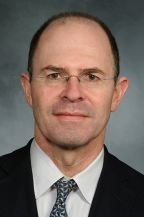
Geoffrey Pitt serves as Professor of Neuroscience at the Brain and Mind Research Institute and Ida and Theo Rossi Distinguished Professor of Medicine in the Department of Medicine at Weill Cornell Medical College. His dual appointments reflect his interdisciplinary research bridging neuroscience, cardiology, and molecular biology. Dr. Pitt completed his education with a B.A. from Yale University (1984), Sc.M. from The Johns Hopkins University (1987), and M.D., Ph.D. from The Johns Hopkins University School of Medicine (1993). His research focuses on ion channel regulation, particularly calcium and sodium channels, with emphasis on FGF13 protein's role in cardiac and neuronal function. His work spans cardiac electrophysiology, Timothy syndrome (CACNA1C-related disorders), arrhythmia mechanisms, and metabolic disorders linked to ion channel dysfunction. Recent publications reveal his exploration of epigenetic regulation in cardiac development and the intersection of metabolic health with channel function. Dr. Pitt leads multiple significant research initiatives including the Mechanistic re-evaluation of fibroblast growth factor homologous factors in the heart (NHLBI, 2025-2029) and Phosphorylation-dependent regulation of calcium channels by macromolecular complexes (NICHD, 2023-2027). He also serves as Principal Investigator for the Multidisciplinary Research Training in Cardiovascular Disease program (NHLBI, 2022-2027). As an active member of the scientific community, Dr. Pitt serves on the Advisory/Scientific Board for Tevard Biosciences and maintains interests with the Cardiovascular Research Foundation and the Journal of the American College of Cardiology Basic to Translational Science.
Professor Theocharis Ispoglou is a leading academic at Leeds Beckett University's Carnegie School of Sport , specializing in Exercise and Nutritional Sciences . With over two decades of experience, his research bridges laboratory findings with practical applications for muscle health, ageing, and metabolic conditions. Professor at Leeds Beckett University Director of Centre for Active Lifestyles and Healthy Ageing (ACTLIFE) Researcher at Centre for Human Performance Research Focus: Combats sarcopenia through nutritional interventions (e.g., protein/EAA supplementation) and exercise regimes. His work informs clinical practices for the NHS, drives public health initiatives, and collaborates with industry for commercializing nutritional products. Scientific Contributions: 15 recent articles highlight his expertise in muscle physiology, cancer cachexia, cardiac rehabilitation, and digital health tools. Key sub-fields include metabolic health, endocrine responses to exercise, and cross-sectional studies in NHANES datasets. Teaching & Mentorship: Delivers modules in Physiology and Biochemistry for Performance and Major Independent Study , shaping future health professionals.
Dr. Joan M Eckerson is a Professor in the Department of Exercise Science and Pre-Health Professions within Creighton University's College of Arts and Sciences. Her research program centers on the intersection of nutrition, exercise physiology, and human performance, with particular expertise in dietary supplements like creatine. She investigates their effects on athletic performance, body composition, immune function, and therapeutic applications in clinical populations. Her research interests span: Exercise Nutrition : Efficacy of ergogenic aids (creatine, pre-workout supplements) on athletic outcomes Clinical Applications : Mitigating chemotherapy-induced muscle wasting and cardiotoxicity using creatine/creatinine Physiological Assessment : Developing and validating performance tests (e.g., 3-min rowing test for VO2max estimation) Dietary Interventions : Impact of meal composition on satiety, nutrient intake, and metabolic health Gender-Specific Physiology : Nutritional needs and supplement responses in female athletes across the lifespan. Analysis of her recent publications reveals strong trends in exercise oncology and the immunomodulatory effects of creatine . Her work demonstrates increasing focus on clinical applications beyond athletic performance, particularly using creatine/creatinine to counteract doxorubicin toxicity in skeletal and cardiac muscle. Methodologically, she employs diverse techniques from cellular models (myoblasts) to athlete testing and dietary intervention studies. Dr. Eckerson maintains an active role in scientific dissemination, regularly presenting findings at major conferences including the American College of Sports Medicine (ACSM) and the National Strength and Conditioning Association (NSCA). She also engages in public science communication through radio appearances discussing dietary supplements.
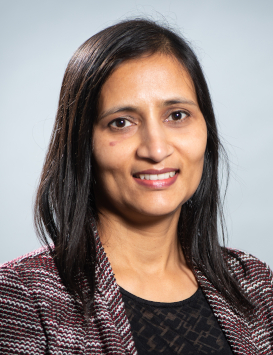
Dr. Mamta Amrute is an Associate Professor and Principal Investigator at the Institute of Molecular and Cell Physiology, Hannover Medical School (MHH), where she has led her research group since 2017. Her academic journey includes a PhD from MHH (2003-2006), postdoctoral research at MHH (2012-2016), and at the prestigious Medical Research Council-Laboratory of Molecular Biology in Cambridge, UK (2008-2011). Her research program focuses on single-molecule biophysics of molecular motor proteins , with particular emphasis on understanding how mutations in cardiac myosin lead to hypertrophic cardiomyopathy (HCM), a condition affecting approximately 1 in 200 individuals worldwide. The lab employs advanced techniques including Total Internal Reflection Fluorescence Microscopy, optical trapping, and zero-mode waveguides to investigate fundamental motor protein mechanisms. Analysis of recent publications reveals three major research trajectories: 1) Detailed characterization of cardiac and skeletal myosin isoforms at the single-molecule level, 2) Investigation of epigenetic regulation in muscle physiology and atrophy, and 3) Development of computational tools for biochemical research. This work has significant implications for understanding and potentially treating heart disease and muscle wasting conditions. Dr. Amrute's research is supported by multiple funding sources including the Deutsche Forschungsgemeinschaft (DFG), Fritz Thyssen Foundation, and MHH's early career research grant program (HilF). She supervises a diverse team of doctoral students and postdoctoral researchers, providing training in advanced biophysical techniques. The Amrute-Nayak Research Group maintains an extensive international collaboration network spanning institutions in the UK, USA, Japan, Italy, Sweden, and Australia, facilitating cross-disciplinary approaches to studying molecular motors and muscle diseases. Her work bridges fundamental biophysics with clinical applications in cardiology and muscle physiology.
Rajiv Sankaranarayanan is an Honorary Senior Clinical Lecturer at the University of Liverpool's Liverpool Centre for Cardiovascular Science and a Consultant Cardiologist at Liverpool University Hospitals NHS Foundation Trust. He also serves as a Research Scholar at the National Institute for Health Research in Liverpool. His educational background includes a PhD in Cardiovascular Physiology from the University of Manchester (2011-2014), an MBBS from Bangalore Medical College and Research Institute (1996-2001), and prestigious qualifications including Fellowship of the Heart Failure Association, FRCP from both the Royal College of Physicians and the European Society of Cardiology. Dr. Sankaranarayanan's research focuses on heart failure, particularly in areas of iron deficiency management, digital health applications, and the intersection of cardiovascular disease with conditions like sarcopenia and frailty. His work often involves clinical trials such as the IRONMAN study and community-based screening initiatives like the BEAT-HF tool. His extensive publication record demonstrates significant contributions to understanding heart failure treatment, risk prediction models, and innovative approaches to cardiac care delivery through virtual wards and telehealth platforms. Fellowship of Heart Failure Association (FHFA) FRCP (Royal College of Physicians) FRCP (European Society Of Cardiology) NIHR Research Scholarship Dr. Sankaranarayanan has received significant research funding, including a British Heart Foundation grant (FS/11/15/28693) for his PhD work on cardiac physiology, European Society of Cardiology funding for cellular electrophysiology research, and NHSX funding for the End to End Digital Heart Failure Pathway project. His work with the Liverpool heart failure virtual ward model represents a major initiative in outpatient management of acute heart failure. He is actively involved with the British Cardiovascular Society, having participated in their Emerging Leadership Program from 2019-2022, and continues to contribute to advancing cardiovascular care through multiple collaborative research projects.
Lykke Sylow is an Associate Professor at the Department of Biomedical Sciences, Faculty of Health and Medical Sciences, University of Copenhagen. She leads the research group "Molecular Metabolism in Cancer and Ageing" and has been enrolled in the UCPH professor promotion program since 2022. Her educational background includes: PhD in Molecular Physiology (2014), University of Copenhagen MSc Human Physiology (2010), University of Copenhagen BSc Exercise Biology (2007), University of Copenhagen BSc Psychology (2006), University of Copenhagen and University of Canterbury, NZ Dr. Sylow's primary research focuses on molecular physiology , particularly examining the intersection of metabolism, cancer, and ageing processes. Her work investigates how skeletal muscle metabolism adapts to various stressors including exercise, temperature changes, and disease states. She employs molecular techniques to understand cellular signaling pathways that regulate metabolic homeostasis, with particular emphasis on AMPK signaling, Rac1-mediated adaptations, and mitochondrial function in both healthy and pathological conditions. Her recent publications demonstrate a strong focus on understanding how environmental factors like temperature and diet impact metabolic responses in cancer and obesity models. Her research bridges basic molecular mechanisms with physiological outcomes, often using mouse models to investigate tissue-specific adaptations. The work spans multiple disciplines including endocrinology, exercise physiology, cancer biology, and metabolic disorders. Dr. Sylow has received numerous prestigious awards recognizing her contributions to medical research: Anders Jahre Award for young medical researchers (2022) Erhoff Talent Prize (2021) Bagger-Sørensen Fondens Ung Forskerpris (2021) Danish Diabetes Academy Young Investigator Award (2020) Sapere Aude Research Talent grant (2014) UCPH's Gold medal for Prize essay (2011) She serves on the International Research Group on Biochemistry of Exercise, which organizes the International Biochemistry of Exercise Conference (IBEC), and is a member of the Danish Young Academy under the Royal Academy (2021-2026). Her editorial experience includes a Fellowship on the Journal of Physiology Editorial Board (2020-2022). Dr. Sylow has also been actively involved in promoting gender equality in science through her representation at the UCPH SCIENCE council. As leader of the "Molecular Metabolism in Cancer and Ageing" research group, Dr. Sylow oversees a team investigating the molecular mechanisms connecting metabolism with cancer progression and age-related physiological decline. Her laboratory employs a range of techniques from molecular biology to whole-animal physiology to address fundamental questions about metabolic regulation in health and disease.
Prof. Dr. Jens Fielitz serves as a DZHK Professor for Molecular Cardiology and Muscular Proteostasis at Ernst-Moritz-Arndt University Greifswald's Faculty of Medicine, Department of Internal Medicine B. He leads a translational research group within Research Cluster III focused on cardiac and skeletal muscle pathophysiology. His research centers on the ubiquitin proteasome system (UPS) and its role in cardiac diseases, pathological remodeling, and inflammation-induced muscle wasting. Key investigations include MuRF protein regulation, PKD1 kinase signaling, and protein homeostasis disruption in critical illness. His work bridges molecular mechanisms to therapeutic strategies for heart failure and ICU-acquired weakness. Analysis of his 2015-2023 publications reveals consistent focus on inflammatory pathways (NLRP3/IL-1β, TGF-β), transcription factors (TFEB), and E3 ligases (MuRF1) in muscle atrophy. Major themes include sepsis-induced cardiomyopathy, pressure overload responses, and skeletal muscle wasting mechanisms across critical care and cardiovascular contexts. Prof. Fielitz actively mentors master's students and medical doctoral candidates through his lab's open positions. His research receives substantial funding from Deutsche Forschungsgemeinschaft (DFG), Deutsches Zentrum für Luft- und Raumfahrt (DLR), European Space Agency (ESA), Max-Delbrück-Centrum (MDC), Charité - Universitätsmedizin Berlin, Berlin Institute of Health (BIH), and European Regional Development Fund (ERDF). He directs the Molecular Cardiology and Muscular Proteostasis Research Group in Research Cluster III, utilizing advanced molecular and cellular facilities to investigate cardiac remodeling and muscle wasting mechanisms. His team maintains active collaborations across German cardiovascular research networks including DZHK.
Thomas Moritz is a Professor at the University of Copenhagen, Faculty of Health and Medical Sciences, Department of Biomedical Sciences, where he leads the Moritz Group focused on metabolic research. His work bridges basic science with clinical applications in metabolic disorders. His research interests span metabolomics, lipidomics, skeletal muscle metabolism, adipocyte biology, and circadian regulation of metabolism. Dr. Moritz employs multi-omics approaches to investigate metabolic pathways in obesity, inflammatory bowel disease, and inherited metabolic disorders. His work often focuses on how cellular metabolism responds to environmental factors like exercise timing and nutritional interventions. Dr. Moritz's recent publications demonstrate significant contributions to understanding metabolic regulation across multiple physiological systems. His work shows particular strength in integrating metabolomics with other 'omics' technologies to reveal novel insights into metabolic diseases. His research has been widely disseminated, with 233 research outputs including 229 journal articles, 2 conference abstracts, 1 comment/debate, and 1 review. Metabolomics and diagnostic algorithms for metabolic disorders Adipocyte biology and obesity-related inflammation Skeletal muscle metabolism and exercise physiology Circadian regulation of metabolic processes Lipidomics in inflammatory diseases His research has garnered significant attention across academic and social media platforms, with mentions across X (Twitter), Bluesky, Mendeley, news outlets, and scientific blogs, indicating substantial impact in the metabolic research community.