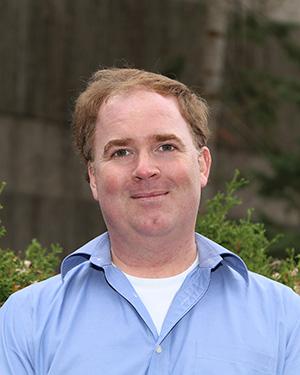
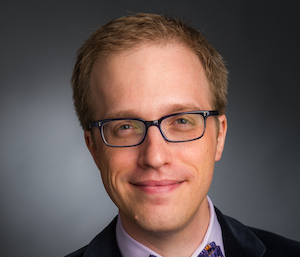
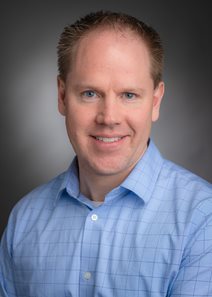
John Noone is Assistant Professor in Sport & Exercise Physiology at the University of Limerick. His research investigates metabolic adaptations in skeletal muscle during physical activity/inactivity, aging-related bioenergetics, and cancer cachexia mechanisms. Key research areas: Aging muscle mitochondrial function Exercise-induced satellite cell changes Cannabinoid receptor treatments for muscle wasting Member of international consortia including MoTrPAC and SOMMA. Teaches exercise metabolism and sports nutrition.
Christopher Whelan is an Adjunct Professor at the University of Illinois Chicago, specializing in evolutionary ecology and cancer biology. His research bridges ecological concepts with oncology, particularly viewing cancer through an evolutionary framework. He investigates birds' ecological roles in ecosystems and applies insights from avian physiology to understand cancer cachexia and tumor biology. Whelan's work spans plant-animal interactions, urban ecosystem services, and the interplay between foraging strategies and physiological adaptations. He has contributed to understanding pest control services provided by birds in agricultural systems and the ecological impact of invasive species like knotweed. Recent research focuses on cancer as an evolutionary ecosystem, exploring tumor resource competition, acidosis management in pancreatic cancer, and immunotherapy enhancement. His interdisciplinary approach integrates ecological modeling with clinical oncology, emphasizing transdisciplinary collaboration. Key contributions include editing the seminal work Why Birds Matter: Avian Ecological Function and Ecosystem Services and pioneering eco-evolutionary perspectives on skin carcinogenesis. His lab explores clonal dynamics in UV-induced cancers and develops novel biomarkers for cachexia using real-world clinical data. Whelan has collaborated extensively with institutions worldwide, advancing both conservation biology and oncological research. His work underscores the importance of evolutionary principles in addressing modern ecological and medical challenges.
Dr. Jeremy Simpson is an Associate Professor at the University of Guelph, where he leads the Simpson Lab. His research focuses on cardiorespiratory physiology and pathophysiology, integrating classical physiological techniques with proteomic analyses to investigate heart failure, cardiac hypertrophy, and skeletal muscle fatigue mechanisms. Hon BSc - University of Guelph PhD - Queen's University His work spans multiple areas, including: Proteomic alterations in heart failure and cancer-induced cardiomyopathy Mitochondrial bioenergetics in diabetes and muscular dystrophy Hypoxia-induced cell signaling and cross-tissue communication Development of open-source tools for physiological monitoring (e.g., SqueakSpeed, ROSLT) Role of erythropoietin in cardiac development and function Recent publications highlight his exploration of mitochondrial therapies in ovarian cancer cachexia, Duchenne muscular dystrophy, and pancreatic cancer models, alongside methodological advancements in ventricular pressure-volume analysis and exercise physiology. Current students in his lab include MSc candidates Malicki A., Michaud J., and Sanosa P., who collaborate on projects examining muscle-cardiac interactions and disease-specific metabolic impairments.
Michael Liptay is a Professor in the Department of Cardiovascular and Thoracic Surgery at Rush University, Rush Medical College. His research focuses on thoracic surgery, lung cancer outcomes, and biomarker development for early cancer detection. He has authored over 200 publications, primarily investigating surgical prognostication, biomarker panels for pulmonary nodules, and the impact of preoperative factors on postoperative survival. Key research interests include non-small cell lung cancer (NSCLC) prognosis, surgical risk stratification, and the role of IGF-pathway biomarkers. Collaborations with institutions like the Society of Thoracic Surgeons highlight his contributions to clinical database analysis and evidence-based practice. His work emphasizes translational research, bridging molecular biology and clinical outcomes, particularly in developing diagnostic tools for actionable pulmonary lesions. Notable projects include the development of autoantibody panels and prolonged air leak scoring systems to improve surgical decision-making.
Marta Batus is a Professor of Oncology at Rush University's Rush Medical College in Chicago, IL. Her research focuses on lung cancer and sarcoma treatment strategies, with an emphasis on biomarker development, chemoradiation protocols, and clinical outcomes analysis. She collaborates closely with co-authors like Mary Fidler and Jeffrey Borgia on studies involving treatment efficacy and patient prognostics. Her work spans 20+ years, with over 50 publications in journals such as J Cachexia Sarcopenia Muscle and Acta Oncol . Key areas include neutrophil-lymphocyte ratio analysis, next-generation sequencing for sarcoma, and managing thoracic irradiation side effects. She is also affiliated with the Rush Cancer Center, contributing to multidisciplinary cancer care initiatives. Recent research highlights include: Evaluating weight changes in advanced NSCLC patients Assessing PET-CT staging impact on sarcoma treatment timing Developing predictive biomarkers for EGFR-mutated lung cancers Though no specific awards are listed, her extensive co-author network reflects significant collaborative contributions to oncology research.
Jo Bayly is a NIHR Research Fellow at the Cicely Saunders Institute of Palliative Care, Policy & Rehabilitation, King's College London. Her work focuses on palliative care rehabilitation, cancer cachexia, and patient-centered interventions. She has contributed to 25 peer-reviewed publications and leads/co-investigates projects funded by NIHR and TSB. Her research interests include systematic reviews of nutritional interventions, functional outcomes in palliative care, and equitable patient/public involvement in healthcare research. She collaborates internationally on projects like INSPIRE, aimed at improving quality of life for incurable cancer patients through integrated rehabilitation services. Key projects include the INSPIRE initiative (2022–2026) and a thoracic cancer rehabilitation service development project (2016–2020). Her work aligns with UN Sustainable Development Goals related to health equity and quality healthcare access.
Nikolaj Aarøe Jensen serves as Consultant Leading Senior Physician at Aalborg University Hospital within The Faculty of Medicine, Department of Oncology. His clinical and research work focuses on the intersection of oncology and nutritional science, particularly in the context of lung cancer treatment. Dr. Jensen's research primarily investigates the complex relationship between nutrition, body composition, and cancer outcomes. His work centers on: Nutritional interventions for cancer patients, particularly those with lung cancer The impact of protein intake on skeletal muscle preservation during cancer treatment Malnutrition and cachexia in oncology patients Dietary patterns and their alterations during anti-neoplastic treatment Palliative care needs assessment for cancer patients Analysis of Dr. Jensen's publication record reveals a consistent focus on nutritional aspects of lung cancer care, with particular attention to non-small cell lung cancer. His research demonstrates how multimodal interventions combining dietary counseling, protein supplementation, and other approaches can address malnutrition and cachexia during cancer treatment. The work often employs longitudinal study designs to track changes in body composition and nutritional status throughout treatment. His 2021 Clinical Nutrition paper on multimodal interventions for malnutrition has garnered 26 Scopus citations, indicating significant impact in the field. Dr. Jensen collaborates extensively with colleagues including R. Tobberup, H.H. Rasmussen, M. Holst, and A. Carus, forming a research group focused on nutritional oncology. His work has received attention across academic platforms with multiple publications accumulating substantial readership on Mendeley and one policy citation. His research contributes to evidence-based approaches for managing nutritional challenges in cancer patients, particularly those undergoing treatment for lung malignancies.
Dr. Delia Nelson is an Associate Professor at Curtin University, working within the Curtin Medical School under the Faculty of Health Sciences. She holds a position as Senior Research Fellow/Senior Lecturer with the School of Biomedical Sciences and serves as Chairperson for the CHIRI Pathogenesis and Disease Management Program of Research since May 2012. Her office is located in Room 119 of the Health Sciences Building (Building 305) on the Curtin Perth campus. Dr. Nelson earned her Bachelor of Science with Honours (double major in Microbiology and Organic Chemistry) from the University of Western Australia (UWA), followed by her PhD from UWA. Her early research was conducted at the TVW Telethon Institute For Child Health Research (TICHR) in Perth, Western Australia, where she developed an interest in asthma and allergy before transitioning to cancer immunology. Dr. Nelson's research focuses on understanding how the immune system interacts with progressing solid tumours and developing immune-based therapies, gene therapies, and vascular-targeting therapies to treat solid tumours. She is particularly interested in how nutrition, especially lipids, minerals and metals, impacts healthy and anti-tumour immunity. Her work bridges fundamental immunology with translational cancer research, with a special emphasis on the effects of aging on immune responses to cancer. She has made significant contributions to understanding the role of macrophages, dendritic cells, and neutrophils in the tumor microenvironment, particularly in mesothelioma. Analysis of Dr. Nelson's publication record reveals a consistent research trajectory focused on tumor immunology with increasing emphasis on aging-related immune changes. Her most recent work demonstrates how aging affects various immune cell populations and how these changes impact tumor progression and response to immunotherapy. She has pioneered approaches to modulate the tumor microenvironment to enhance treatment efficacy, particularly in elderly patients. Dr. Nelson has received numerous prestigious awards throughout her career, including: Founding Fellow of the Faculty of Science of the Royal College of Pathologists Australasia (December 2010) 'Outstanding Merit Award' for the best paper published in International Immunology (April 2009) Australian Lung Foundation Mesothelioma Research Award (March 2006) Today's Life Science Young Investigator Award (December 1992) Foundation Fellowship from the Australian Federation of University Women (June 1989) Bond Brewing Western Australia Tertiary Award for best Honors student (December 1988) Dr. Nelson has successfully supervised numerous graduate students, including PhD candidates S. Mukherjee, C. Jackaman, C. Bundell, A. Sherwood, B. Koloska, S. Cornwall, and J. Gardner. She has also mentored over fifteen Honors students, most receiving first-class honors. Her research is supported by significant funding from organizations including the Cancer Council of Western Australia, NH&MRC, the Australian Lung Foundation, the American-based Mesothelioma Applied Research Foundation (MARF), and the Dust Diseases Board of NSW. She serves as an invited reviewer for numerous international journals and funding bodies. As Chairperson for the CHIRI Pathogenesis and Disease Management Program of Research, Dr. Nelson leads a multidisciplinary team focused on understanding disease mechanisms. She is actively involved in the Perth Mesothelioma Centre and has held leadership positions in the Australasian Society for Immunology, including serving on the national conference committee and chairing the Tumour Immunology Workshop in 2010. Her collaborative research extends internationally, with connections to institutions in the United States and Europe.
Michelle Miller is a Professor and Interim Vice-President/Executive Dean at Flinders University's College of Nursing and Health Sciences. She holds affiliations with the Caring Futures Institute and Flinders Digital Health Research Centre. With qualifications including a PhD (2006) from Flinders University, she has been an Accredited Practising Dietitian since 1999. Her research focuses on nutritional rehabilitation of vulnerable groups, particularly in aging populations, clinical nutrition (specializing in rehabilitation, aged care, and cancer survivorship), and validating nutrition screening tools. She has received awards including the 2009 Young Achievers Award and Vice Chancellor's Early Career Researcher Award. Teaching responsibilities include Nutritional Epidemiology and Research Methods, with supervision of Honours and postgraduate students. Administrative roles include Head of Discipline for Nutrition and Dietetics since 2013. She contributes to professional bodies like the Dietitians Association of Australia, serving on committees and editorial boards. Her recent publications (2023-2025) emphasize diet quality in cancer survivors, cardiovascular risk perceptions among cancer patients, and validated nutritional assessment tools. Over 250+ research outputs span nutrition in aging, rehabilitation, and chronic disease management.
L. Britt Wilson is a Clinical Professor in the Department of Pharmacology, Physiology and Neuroscience at the University of South Carolina School of Medicine, where he also serves as Course Director of Medical Physiology. His research investigates the neural regulation of cardiovascular function, particularly spinal cord mechanisms in reflex cardiovascular control from somatic tissues and how these are altered by inflammation or injury. Education: Ph.D., LSU Medical Center—New Orleans Postdoctoral Training, UT Southwestern Medical Center B.S., West Texas State University His research interests include neurophysiology, cardiovascular neuroscience, pain mechanisms, inflammation, and spinal cord function. He also contributes significantly to medical education, especially in ultrasound curriculum development and physiology instruction. His recent publications span physiology, neuroscience, toxicology, and medical education, reflecting interdisciplinary and translational research. Key research trends include studying cardiovascular reflexes in pain and inflammation, gender differences in stress responses, gene expression in zebrafish toxicology models, and innovations in medical teaching. His work often involves animal models and collaborative clinical studies. Dr. Wilson has contributed to consensus guidelines in ultrasound education and has published in high-impact journals such as Nature , PLoS ONE , and Advances in Physiology Education . His collaborative network includes researchers in neuroscience, toxicology, and medical education. He mentors students and researchers through his laboratory work and curriculum leadership. His lab investigates pharmacological and gene-based interventions to modulate pathological cardiovascular reflexes. He is actively involved in interdisciplinary teams focused on neural control mechanisms and educational innovation.
Kandy Velazquez, PhD, FACSM, is an Assistant Professor in the Department of Pathology, Microbiology & Immunology at the University of South Carolina School of Medicine Columbia. Her research integrates endocrinology, immunology, and neuroscience to investigate cancer cachexia, obesity, pain, and herbal therapeutics in preclinical models. Research Interests: Dr. Velazquez's work centers on metabolic and mitochondrial dysfunction in disease states, particularly in skeletal muscle during cancer and obesity. She explores how sex steroids influence metabolism and how natural compounds like Ojeok-san and quercetin can ameliorate pain and muscle wasting. Her lab emphasizes the role of endogenous hormone production and environmental factors such as vivarium temperature in experimental reproducibility. Publication Trends: Her recent publications (2022–2024) span high-impact journals in endocrinology, immunology, nutrition, and physiology. Collectively, they highlight a strong focus on hormonal regulation, mitochondrial quality control, and herbal interventions in murine models of disease, particularly cancer cachexia and inflammatory bowel disorders. Scientific Awards: Fellow of the American College of Sports Medicine (FACSM) Advising and Grants: While specific students are not listed, Dr. Velazquez leads an active research laboratory with ongoing projects supported by recent publications and lab infrastructure. Her work likely involves extramural funding given the scope of preclinical studies and multi-year output. Labs and Teams: She directs the Velazquez Lab, which maintains dedicated lab spaces (Basic Science Bldg 2, Rooms B-3 & B-6) and conducts in vivo research using murine models to study metabolic, inflammatory, and neurological aspects of chronic diseases.
Dr. Damien Freyssenet is a Professor at Université Jean Monnet in Saint-Étienne and leads the DeReM-SE research team at the Laboratoire Interuniversitaire de Biologie de la Motricité. His research focuses on muscle deconditioning in physiological and pathological contexts, including cancer, myopathies, and intensive care. He has made significant contributions to understanding myostatin's role in muscle homeostasis and systemic metabolic disturbances. Research Interests: His work centers on the mechanisms of skeletal muscle deconditioning, particularly the role of myostatin in regulating protein synthesis and degradation. He investigates how muscle wasting affects systemic metabolism, especially liver function, with an emphasis on glucocorticoid involvement in cancer and sepsis. Recent interests include gender differences in centro-nuclear myopathy-related deconditioning. Publication Trends: His research spans molecular physiology, metabolic regulation, and translational models of disease. Key themes include myostatin signaling, mitochondrial function, proteolysis, and endocrine control in muscle-wasting conditions. Much of his work uses animal models to explore therapeutic strategies for preserving muscle mass. Scientific Funding: Association Française contre les Myopathies (AFM) Fondation ARC pour la Recherche sur le Cancer Ligue contre le Cancer Centre National des Études Spatiales (CNES) Advising and Grants: He has directly supervised 14 PhD theses and served as an external reviewer in over 60 doctoral and HDR defenses. His sustained funding reflects strong recognition in muscle physiology and metabolic disease research. Labs and Teams: He heads the DeReM-SE (Deconditioning Reconditioning of skeletal Muscle - Systemic Environment) team, which investigates the interplay between muscle health and systemic metabolism under stress conditions.
Brian M. Wolpin, MD, MPH is an Associate Professor of Medicine at Harvard Medical School and a leading medical oncologist at the Dana-Farber Cancer Institute. He serves as Director of the Gastrointestinal Cancer Center and the Hale Family Center for Pancreatic Cancer Research, and holds the Robert T. and Judith B. Hale Chair in Pancreatic Cancer. His work integrates clinical care, translational research, and national leadership in gastrointestinal oncology. Harvard Medical School – Associate Professor of Medicine Dana-Farber Cancer Institute – Director, Gastrointestinal Cancer Center Dana-Farber Cancer Institute – Director, Hale Family Center for Pancreatic Cancer Research Brigham and Women's Hospital – Clinical Staff, Medical Oncology Dr. Wolpin’s research focuses on understanding the biological and metabolic underpinnings of pancreatic ductal adenocarcinoma (PDAC). His lab investigates circulating biomarkers, germline and somatic genomic alterations, and the impact of lifestyle factors such as obesity and diabetes on cancer risk and survival. He has pioneered the use of prediagnostic blood samples to uncover early metabolic changes associated with PDAC development. His team leverages high-throughput metabolomics and large-scale cohort studies to identify novel risk and prognostic markers. A major emphasis is on translating these findings into clinical applications for early detection and personalized treatment strategies. The 15 most recent publications reflect a strong focus on pancreatic cancer biology, with recurring themes in metabolism, genomics, therapeutic resistance, and early detection. Articles appear in top-tier journals such as Nature , Science , Cell , and Cancer Discovery , highlighting the translational impact of his research. The work spans from fundamental mechanisms of KRAS inhibition resistance to clinical guidelines for ampullary and pancreatic adenocarcinoma, demonstrating a seamless integration of basic science and clinical leadership. Scientific honors include: Robert T. and Judith B. Hale Chair in Pancreatic Cancer (2017) Dr. Wolpin has led numerous high-impact research initiatives, including as co-Principal Investigator of the NCI Pancreatic Cancer Cohort Consortium (PanScan) and Chair of the NCI Pancreatic Cancer Detection Consortium Steering Committee. He is Medical Oncology Study Chair for the ALLIANCE A021501 trial and leads the Harvard Cancer Center’s Pancreatic Cancer Action Network Precision Promise Consortium. His research is supported by grants from the NIH/NCI, Department of Defense, Lustgarten Foundation, Pancreatic Cancer Action Network, and industry partners. He mentors a multidisciplinary team of researchers and collaborates extensively with scientists such as William C. Hahn, Andrew Aguirre, and Nathanael Gray. His lab functions as a hub for pancreatic cancer translational science, integrating biospecimen banking, genomic analysis, and clinical trial design. He leads a PDAC biospecimen bank at Dana-Farber and co-directs the Pancreas and Biliary Tumor Center, facilitating a collaborative, multi-institutional approach to tackling pancreatic cancer. His work is central to advancing early detection and precision medicine in one of the most challenging malignancies.
Michael Rosenthal, MD, PhD is an Assistant Professor of Radiology at Harvard Medical School and a physician-scientist at the Dana-Farber Cancer Institute and Brigham and Women’s Hospital. His work bridges diagnostic radiology and data science, with a focus on gastrointestinal and pancreatic cancers. Dr. Rosenthal earned his MD and PhD in Computer Science from the University of North Carolina at Chapel Hill. He completed his diagnostic radiology residency at Brigham and Women’s Hospital and a fellowship in cancer imaging at Dana-Farber Cancer Institute. His research centers on extracting imaging biomarkers from routine CT scans to understand cancer-related metabolic changes and tumor dynamics. Key projects include automated measurement of body composition (muscle and fat) and tumor volumetry, enabling large-scale analysis of over 100,000 scans. These methods aim to identify individuals at risk for pancreatic cancer and improve cancer management. His recent publications reflect a strong interdisciplinary focus on oncologic imaging, data science, and precision medicine. Themes include tumor biomarker discovery, imaging in gastrointestinal cancers, radiation safety, and anatomical variations relevant to surgery. He collaborates with the Wolpin Lab, MGH-BWH Center for Clinical Data Science, and Dana-Farber Informatics and Analytics group. While no formal students are listed, he co-publishes with numerous researchers and clinicians in oncology and radiology.
Matthew B. Yurgelun, MD, is an Associate Professor of Medicine at Harvard Medical School and a gastrointestinal medical oncologist at the Dana-Farber Cancer Institute (DFCI). He serves as Director of the DFCI Lynch Syndrome Center and Director of Clinical Research for the DFCI Division of Cancer Genetics and Prevention, where he leads initiatives in inherited cancer risk assessment and management. Dr. Yurgelun specializes in hereditary gastrointestinal cancer syndromes, with a focus on Lynch syndrome and pancreatic cancer surveillance. His research explores germline cancer susceptibility gene variants, somatic second hits in pancreatic adenocarcinoma, and the implementation of multigene germline testing in patients with colorectal and pancreatic cancers. He has contributed to national guideline panels and served as President of the Collaborative Group of the Americas on Inherited Gastrointestinal Cancer. His recent publications, spanning from 2017 to 2023, highlight a consistent focus on early detection, genetic risk stratification, and translational applications of cancer genetics. Key themes include the role of germline testing in pancreatic cancer, metabolic wasting as an early biomarker, and systematic approaches to genetic counseling. His work bridges clinical oncology and molecular genetics, aiming to improve outcomes for high-risk patients. Dr. Yurgelun has been recognized with honors including FASCO (Fellow of the American Society of Clinical Oncology) and CGAF (Certified in Adult Genetics). These reflect his contributions to clinical oncology and cancer genetics. He advises on national policy and clinical implementation in cancer genetics and has led research supported by major institutions. His collaborative work with teams at DFCI and Harvard underscores a strong commitment to multidisciplinary, patient-centered research. While specific grant details are not listed, his leadership roles indicate active funding and institutional support. Dr. Yurgelun is a key member of the DFCI Division of Cancer Genetics and Prevention, working closely with investigators such as Brian Wolpin, Andrew Aguirre, and Sahar Nissim. His lab and clinical team focus on integrating genetic insights into cancer prevention and early detection strategies, particularly for gastrointestinal malignancies.