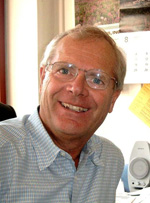
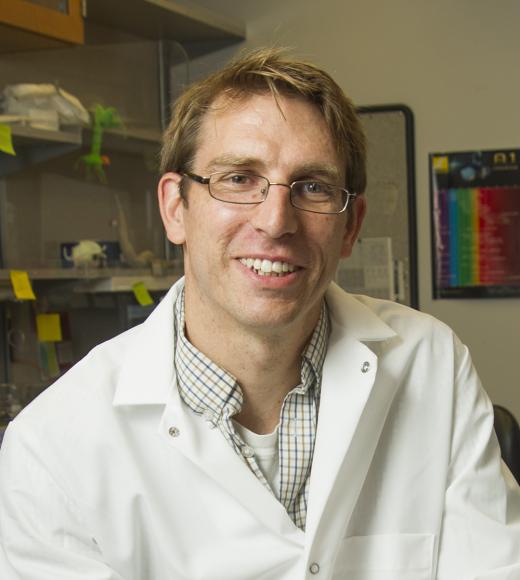
Professor Andrew McLachlan is the Head of School and Dean of Pharmacy at the Sydney Pharmacy School, University of Sydney. He holds a BPharm(Hons1 Medal) and PhD, and is a Member of the Order of Australia (AM). His research focuses on clinical pharmacology, particularly optimizing medication use in special populations such as older adults, children, and critically ill patients. He has led initiatives like the NHMRC Centre for Research Excellence in Medicines and Ageing, and his work emphasizes translating clinical evidence into real-world practice. Education: Bachelor of Pharmacy (First Class Honours) PhD in Clinical Pharmacology Research Interests: Variability in drug response across populations Quality use of medicines in geriatrics Pharmacotherapy optimization in critical care Deprescribing strategies for older adults Grants & Projects: PROSPER Trial (2025): Evaluating opioid alternatives for postoperative pain DREAM Trial (2024): Duloxetine for chronic sciatica Awards: Member of the Order of Australia (AM) Key Contributions: Leading deprescribing initiatives Advancing personalized pharmacotherapy Improving medication safety in vulnerable populations
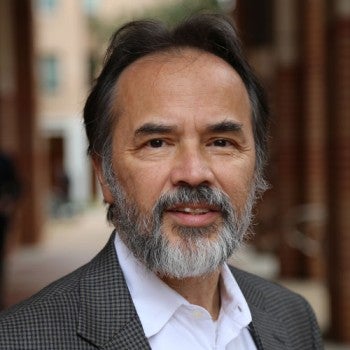
Frank E. Talke is the CMRR Endowed Chair Professor in the Department of Mechanical and Aerospace Engineering at UC San Diego. His research focuses on medical device technology and information storage systems. He has contributed to advancements in hard disk drive tribology, thermal flying height control, and biomedical innovations like intraocular pressure sensors and 3D-printed endoscopes. Talke holds over 350 publications and 11 patents, with honors including the ASME Medal, Tribology Gold Medal, and membership in the National Academy of Engineering. Education: Diplom-Ingenieur (1965, University of Stuttgart), M.S. and Ph.D. in Mechanical Engineering (1966, 1968, UC Berkeley), honorary doctorate from Technical University of Munich (2005). Research interests span interdisciplinary fields combining mechanical engineering, materials science, and precision instrumentation. Current projects include medical device development (e.g., biofilm-resistant catheters, detachable bronchoscopes) and information storage tribology. His work emphasizes translational applications in both engineering and healthcare sectors. Key Awards: ASME Medal (2008), Tribology Gold Medal (2010), Honorary ASME Membership (2018). Grants and Funding: Extensive industry and academic collaborations in disk drive technology and biomedical engineering. Labs/Teams: Leads the Center for Memory and Recording Research (CMRR), fostering interdisciplinary research in data storage and medical devices.
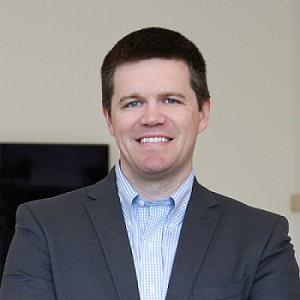
Kazunori Koide is a Professor in the Department of Chemistry at the University of Pittsburgh, affiliated with the Dietrich School of Arts and Sciences. His research focuses on organic synthesis of natural products, development of novel synthetic methodologies, and creation of fluorescent probes for biomedical applications. He leads the Koide Group, which explores anticancer compounds like FR901464 and stresgenin B, as well as sensors for metals such as palladium, copper, and platinum. Research interests include total synthesis of bioactive natural products, mechanistic studies of organic reactions, and design of fluorogenic probes for real-time imaging of biomolecules. Notable projects involve Birch reduction optimization, palladium detection technologies, and RNA splicing modulation therapies. His work has led to awards including the University of Pittsburgh Chancellor's Distinguished Research Award (2009) and the Merck Technology Collaboration Award (2014). Key contributions span medicinal chemistry, analytical methods, and drug discovery, with over 100 publications in top journals like J. Am. Chem. Soc. and Nature Catalysis . Lab activities emphasize interdisciplinary approaches, combining organic synthesis with cell biology and materials science. Collaborations with pharmaceutical companies and academic institutions drive translational research in cancer therapy and environmental monitoring.
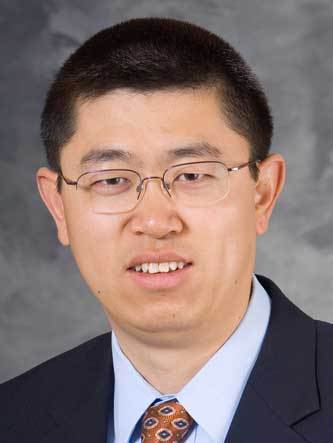
Dr. Svetlana Yanushkevich is a Professor in the Department of Electrical and Software Engineering at the Schulich School of Engineering, University of Calgary. She is also a Full Member of the Hotchkiss Brain Institute and the Mathison Centre for Mental Health Research and Education. Her research focuses on biometric technologies, decision support systems, biomedical applications, and computational intelligence. She leads the Biometric Technologies Laboratory, developing strategies for risk assessment in biometric systems and healthcare monitoring through machine reasoning and signal processing. Education : BSc/MSc in Electrical Engineering (1989), State University of Informatics and Radioelectronics, Minsk PhD in Electrical Engineering (1992), same institution Dr. Habilitated in Technical Sciences (1999), Warsaw University of Technology Research Interests : Dr. Yanushkevich’s work spans biometric system design (e.g., gait analysis, facial attributes), decision support via probabilistic models (Bayesian networks, causal inference), biomedical applications (stroke rehabilitation, wearable sensors), and computational intelligence for data science. She emphasizes fairness, bias mitigation, and trustworthiness in AI systems, particularly in healthcare and accessibility contexts. Recent Research Trends : Her recent publications address causal modeling for accessibility barriers, UAV operator cognitive workload, and medical device optimization in radiation therapy. She explores AI ethics, stress contagion in human-robot teams, and cross-spectral biometric systems. Awards & Recognition : 2024 FEIC Fellow (Engineering Institute of Canada) 2019 Research Excellence Award (Schulich School of Engineering) 2001 Senior IEEE Membership Advising & Grants : She coordinates courses like ENCM 509 (Biometric Systems Design) and ENEL 610 (Biometric Technologies). Her research is supported by grants focusing on healthcare AI, accessibility technologies, and computational epidemiology. Labs & Collaborations : Her Biometric Technologies Lab collaborates with institutions like Hokkaido University and the IEEE Computational Intelligence Society. Projects include wearable health monitoring, decision support platforms, and AI-driven epidemiological modeling.
Carlo V. Catapano is an Adjunct Professor at the Università della Svizzera italiana (USI) within the Faculty of Biomedical Sciences. He currently leads the Experimental Therapeutics Lab and serves as Head of the Tumor Biology and Experimental Therapeutics program. Previously, he was Director of the Institute of Oncology Research (IOR) from 2003 to 2023. His roles include former Director of the Laboratories of Experimental Oncology at the Oncology Institute of Southern Switzerland (IOSI). Education: MD (summa cum laude) from the University of Naples (1983), specialization in Oncology (1986), and PhD in Biochemistry from Wake Forest University (1993). He held professorships at the Medical University of South Carolina (1993–2003) before moving to Switzerland. Research focuses on epigenetic mechanisms in cancer progression, cancer stem cell biology, and novel therapeutic strategies. Key areas include targeting epigenetic regulators (e.g., BRD4, EZH2) to counter treatment resistance and metastasis, mitochondrial dynamics in CSCs, and nanomedicine for drug delivery. Current projects are supported by SNSF and KLS funding. His lab integrates genomic data, preclinical models, and clinical insights to develop therapies addressing tumor plasticity and CSC-driven recurrence. Notable contributions include defining mitochondria as central hubs in CSC maintenance and identifying therapeutic vulnerabilities in cancer stem cells.
Rudy Guerra is a Professor and Chair of the Department of Statistics at Rice University, where he has been since 2000. His research spans biomedical applications of statistics, including bioinformatics, statistical genetics, and medical imaging, alongside sociological research in education and Mexican migration. He holds academic leadership roles, including Director of the Data Science Minor and member of the BRIDGE and Doerr Institute steering committees. Guerra earned his Ph.D. in Statistics from UC Berkeley, M.A. in Mathematics from UC Berkeley, and B.S. in Applied Mathematics from UT San Antonio. Education: Ph.D., Statistics, UC Berkeley (1992) M.A., Mathematics, UC Berkeley (1987) B.S., Applied Mathematics, UT San Antonio (1984) Key Roles: Department Chair, Statistics (2019–present) Associate Chair, Statistics (2016–2019) Former Jones College Magister (Residential College Leader, 2005–2011) Research Interests: Dr. Guerra’s work integrates statistical methods with biomedical and social science challenges. His biomedical focus includes cancer genomics (e.g., osteosarcoma metastasis, biomarker discovery), medical imaging (e.g., CT ventilation analysis), and bioinformatics. In social sciences, he examines educational inequities and Mexican migration impacts on health. His recent projects include collaborations with Texas Medical Center institutions and sociologists at Rice. Articles Trends: His publications emphasize interdisciplinary applications, combining statistical rigor with domain-specific insights. Recent work spans oncology, public health, and computational biology, reflecting a commitment to bridging theory and practical medical/sociological challenges. Awards & Roles: Panel Member, Ford Foundation Fellowship (2016–present) Associate Editor, BMC Genetics (2014–present) Former Residential College Master of Jones College (2005–2011) Advising & Grants: Guerra advises students on statistical research and curricula. He has led initiatives like the Keck Center for Quantitative Biomedical Sciences Training and co-founded the Empowering Leadership Alliance (ELA) to support underrepresented minorities in STEM. His grants include funding for bioinformatics consortia and educational outreach programs. Labs & Teams: Active in the Gulf Coast Consortia for Bioinformatics and collaborates with multidisciplinary teams at MD Anderson, Baylor College of Medicine, and UT Health Science Center.
Kevin McHugh is an Assistant Professor of Bioengineering at Rice University and a CPRIT Scholar in Cancer Research. He leads the McHugh Lab, which focuses on developing biomaterial microdevices for drug delivery, cancer immunotherapy, and tissue engineering using advanced fabrication techniques like multi-photon 3D printing. His work bridges materials science, immunology, and global health, with a particular emphasis on single-injection vaccines and controlled-release systems. Education Ph.D., Biomedical Engineering, Boston University (2014) M.S., Biomedical Engineering, Boston University (2012) B.S., Biomedical Engineering, Case Western Reserve University (2009) Research Interests McHugh’s lab explores three core areas: Drug Delivery: Designing systems for targeted drug release to improve vaccine efficacy and chronic disease management. Cancer Immunotherapy: Developing localized immunostimulatory therapies to enhance anti-tumor responses. Tissue Engineering: Creating bioinstructive scaffolds for functional tissue regeneration. Recent projects include a $2M CPRIT grant for cancer immunotherapy and Gates Foundation funding to develop combination vaccines for the developing world. Grants & Awards CPRIT Scholar in Cancer Research NIH R21 Award (2024) NIH R25 Award (2024) Gates Foundation Grant (2024) Lab & Collaborations The McHugh Lab collaborates on translational research, with a focus on clinical feasibility. Notable achievements include microneedle-based vaccination record systems and heat-stable vaccine microparticles. The lab actively trains students in bioengineering, materials science, and immunology.
Weibo Cai is an Associate Professor in the Department of Biomedical Engineering at the University of Wisconsin-Madison, with additional affiliations in Materials Science and Engineering and Radiology. He is based at Room 7137, 1111 Highland Avenue, Madison, WI 53705, and can be reached at (608) 262-1749 or via email at wcai@uwhealth.org. His research is centered on the development of multimodality molecular imaging agents, integrating positron emission tomography, optical imaging, and magnetic resonance imaging for early disease diagnosis and monitoring therapeutic responses. A key focus area is nanomedicine, where he designs multifunctional nanoplatforms that combine both diagnostic and therapeutic capabilities, enabling image-guided therapy and personalized medicine. Dr. Cai's scientific work bridges engineering, materials science, and clinical radiology, aiming to translate novel imaging agents from bench to bedside. His contributions support advancements in cancer imaging, targeted delivery, and theranostic systems. Although specific awards and honors are referenced in his profile, they are not listed in detail in the provided text. He mentors students and researchers in biomedical imaging and nanotechnology, though no named advisees are listed. His work likely involves collaborative grants and interdisciplinary projects across engineering and medical disciplines. Dr. Cai leads a research laboratory focused on molecular imaging and nanomedicine, where his team develops innovative imaging probes and evaluates their performance in preclinical models.
Dr. William Zamboni is a Professor at the UNC Eshelman School of Pharmacy and Director of the UNC Advanced Translational Pharmacology and Analytical Chemistry (ATPAC) Lab. His research focuses on translational pharmacology, optimizing anticancer therapies through pharmacokinetics, pharmacodynamics, and precision medicine. Key areas include nanoparticle drug delivery, overcoming tumor delivery barriers, and immune system interactions with nanomedicines. He collaborates with institutions like the UNC Lineberger Comprehensive Cancer Center and Carolina Institute of Nanomedicine. His lab specializes in analytical methods for drug quantification and preclinical/clinical studies of liposomal agents, antibodies, and ADCs. Research highlights include developing solid-phase separation (SPS) for nanoparticle analysis, evaluating mononuclear phagocyte system (MPS) biomarkers, and optimizing drug regimens for special populations (e.g., obesity, inflammatory diseases). The ATPAC Lab provides bioanalytical services, including LC-MS/MS assays and PK/PD modeling. Dr. Zamboni’s work emphasizes bridging preclinical findings to clinical applications, with a focus on enhancing anticancer drug efficacy and reducing toxicity.
Dr. Kim O'Sullivan is a Senior Research Fellow and head of the Translational Kidney Therapies Group at the Centre for Inflammatory Diseases (CID), Monash Health Translational Precinct, affiliated with Monash University’s Faculty of Medicine, Nursing and Health Sciences. She holds a PhD in Immunology from Monash University and completed her undergraduate and Master’s studies in Anatomy and Structural Biology at the University of Otago, New Zealand. Her work is centered on developing novel therapies for autoimmune kidney diseases, particularly ANCA-associated vasculitis (AAV), glomerulonephritis, and lupus nephritis. Her research focuses on: Neutrophil Extracellular Traps (NETs) and their role in inflammation Gene therapy using adeno-associated viral vectors to deliver DNase I Therapeutic potential of bacterial exosomes Gut microbiome interactions, especially Muribaculaceae and SCFAs Immune tolerance and host defense preservation Her recent publications (2023–2024) reflect a strong trend in translational immunology, with emphasis on microbiome-immune crosstalk, novel biologics, and gene-based interventions. She has published in high-impact journals such as Frontiers in Immunology , International Journal of Molecular Sciences , and Journal of Immunology . Her scientific contributions have been recognized through several awards: Australian and New Zealand Society of Nephrology Young Investigator Award (Winner, 2016) ANZSN Basic Science Award (Finalist, 2020) Multiple ANZSN Travel Awards (2014, 2016, 2017) Kim O'Sullivan actively supervises Honours and PhD students and leads multiple research projects funded by NHMRC and MRFF. She serves on the ANZSN Scientific Programme and Awards Committee (SPARC), is a Review Editor for Frontiers in Immunology , and sits on the editorial boards of International Journal of Molecular Sciences and Journal of Integrated Medicine in Nephrology and Andrology . She is also a peer reviewer for top journals including Journal of Clinical Investigation and Kidney International . She leads the CID weekly seminar series and chaired the ImmuMON21 symposium. Her commitment to equity in STEM includes mentoring through BrainSTEM and past involvement in the ANZSN Equity, Diversity and Inclusion Committee.
John Albeck is a Professor in the Department of Molecular and Cellular Biology at the University of California, Davis, within the College of Biological Sciences. He leads the Albeck Lab, which is dedicated to understanding the dynamic behavior of signaling pathways such as ERK, Akt, AMPK, and mTOR in regulating cell growth, survival, and metabolism. His research combines live-cell imaging with computational modeling to decode how temporal signaling patterns determine cell fate decisions. He is affiliated with the Biochemistry, Molecular, Cellular and Developmental Biology (BMCDB) Graduate Group and actively mentors graduate students and postdoctoral researchers. Position: Professor Institution: University of California, Davis Department: Molecular and Cellular Biology Graduate Program: BMCDB Lab Website: albecklab.ucdavis.edu Education: B.A. in Biological Sciences, Cornell University, 2000 Ph.D. in Computational and Systems Biology, Massachusetts Institute of Technology, 2007 Dr. Albeck's research focuses on the information flow in signal transduction networks , particularly how dynamic activation patterns encode specificity in cellular responses. His lab uses genetically encoded fluorescent biosensors to track signaling events in real time across single cells, integrating this data with computational models to predict cellular behaviors. This approach addresses how a limited set of pathways can control diverse outcomes like proliferation, apoptosis, and autophagy. A major goal is to improve cancer therapies by predicting how cells respond to targeted inhibitors, especially in the context of heterogeneous and adaptive responses. His recent publications highlight work on ERK signaling dynamics , inflammatory responses in airway cells , and the development of biosensors for FGF and AMPK. These studies employ advanced techniques such as cyclic immunofluorescence (4i) , machine learning , and ordinary differential equation (ODE) modeling to infer signaling history from fixed-cell data. The lab also develops computational tools for data analysis, including automated cluster detection and spectral unmixing. Scientific Contributions and Trends: Deciphering how temporal patterns in ERK activity correlate with downstream gene expression (e.g., Fra-1, pRb, Egr-1) Modeling signaling dynamics to predict cell fate under therapeutic inhibition Investigating spatiotemporal signaling clusters in epithelial inflammation Developing Red-FRET biosensors for AMPK and ERK Exploring metabolic signaling and immune modulation by lactate Dr. Albeck advises a diverse group of graduate students and has trained several postdoctoral researchers who have gone on to careers in academia and biotechnology. His lab fosters a collaborative environment that bridges experimental biology and computational analysis. While no formal awards are listed in the provided text, his lab's recognition through publications in high-impact journals and integration into major research initiatives (e.g., UC Davis Lung Center T32 training) underscores his impact. The lab also supports research through internal grants and collaborative projects focused on cancer signaling and lung biology. Laboratory and Team: The Albeck Lab includes graduate students, postdoctoral researchers, and staff scientists working on projects ranging from biosensor development to single-cell data analysis. Current team members include Christi Abbate, Elijah Kofke, and Marion Hardy (graduate students), and staff such as Michael Pargett and Carolyn Teragawa. The lab emphasizes interdisciplinary training and open science, with code and methods shared via GitHub.
Emily Hobson is a Lecturer in Pharmacology at the School of Chemistry, Pharmacy and Pharmacology, University of East Anglia (UEA), where she also earned her BSc in Pharmacology and Drug Discovery in 2019. She completed her PhD in cancer biology at UEA's School of Pharmacy, focusing on the transcription factor Nrf2 in lung and melanoma cancers. She has held prior teaching positions as Lecturer in Cell Biology and Immunology at UEA before moving to her current role in 2024. Education: Bachelor of Science in Pharmacology and Drug Discovery, University of East Anglia (2019) Her primary research interests lie in cancer biology and inflammation , with a focus on identifying and validating novel drug targets and understanding dysregulated signaling pathways in cancer. She is also actively involved in pedagogical research , having achieved Fellowship of the Higher Education Academy in 2024, reflecting her commitment to teaching excellence. While no publications are listed in the provided text, her work appears to bridge translational pharmacology and cancer therapeutics, as evidenced by her research project on cancer medicines development. Her professional engagement suggests a strong interdisciplinary and educational focus. Scientific and Professional Affiliations: Chair, Early Career Pharmacologists Advisory Group (ECPAG), British Pharmacological Society (2022–2024) Member, Early Career Pharmacologists Advisory Group (ECPAG), British Pharmacological Society (2022–present) Early Career Representative, Norwich Cancer Research Network (2020–present) Emily serves as the Outreach and Engagement Officer for her School and is the module organiser for PHAP6015B. She led a research project funded by the British Pharmacological Society titled Cancer medicines: From the laboratory to the patient (Jan–Feb 2023), indicating active engagement in both research and public communication of science. She is involved in team-based cancer research networks and contributes to institutional and national initiatives supporting early-career pharmacologists. Her future work is likely to expand on targeted cancer therapies and innovative teaching methods in pharmacology.
Eric Widera is a Professor of Clinical Medicine in the Division of Geriatrics at the University of California San Francisco (UCSF) School of Medicine. He serves as Director of the Hospice & Palliative Care Service at the San Francisco VA Medical Center, where he leads clinical, educational, and programmatic initiatives. He is a nationally recognized clinician-educator with leadership roles in the American Academy of Hospice and Palliative Medicine (AAHPM) and the Association of Directors of Geriatrics Academic Programs (ADGAP), where he served as past president. Dr. Widera completed his education with a B.S. in Biology from the University of California, Irvine, an M.D. from UCSF, followed by residency in Internal Medicine at Mount Sinai Hospital and fellowship in Geriatric Medicine at UCSF. He further enhanced his academic skills through the Teaching Scholars program and Diversity, Equity, and Inclusion Champion Training at UCSF. His research and academic focus centers on improving care for older adults with serious illness through educational innovation, prognostication, communication, and policy. He is deeply engaged in medical education, having directed the Geriatrics Fellowship at UCSF for over a decade and currently mentoring residents, fellows, and pharmacy trainees. A key interest is the role of digital media in medical education, exemplified by his co-founding of GeriPal, a leading podcast and blog, and ePrognosis, an online prognostic calculator tool. His recent publications span palliative care, Alzheimer’s disease, medical ethics, and health policy, often addressing critical issues in aging and end-of-life care. His scholarly output is extensive and impactful, with recent articles in JAMA , JAMA Internal Medicine , and The New England Journal of Medicine . The body of his work demonstrates a consistent focus on practical clinical challenges, ethical dilemmas, and system-level improvements in care for vulnerable older populations. Themes include prognostic communication, advance care planning, dementia care, and the integration of palliative services across specialties. Dr. Widera has received numerous scientific awards recognizing his excellence, including: Hastings Center Cunniff-Dixon Physician Award (2011) AAHPM Hospice and Palliative Medicine Leaders Under 40 (2015) PDIA Palliative Medicine National Leadership Award (2014) "Visionary in Hospice and Palliative Medicine" Award (2018) Excellence in Teaching Award, Academy of Medical Educators, UCSF (2022) Master Clinician, Council of Master Clinicians, UCSF (2024) He has been the recipient of multiple grants, including the Geriatric Academic Career Award (GACA), and his work has influenced national policy and clinical guidelines. He is an active advisor and educator, shaping the next generation of geriatrics and palliative care leaders. Through his clinical leadership, educational programs, digital platforms like GeriPal, and national advocacy, Dr. Widera plays a pivotal role in advancing the fields of geriatrics and palliative medicine. His work is supported by a robust interdisciplinary team at the San Francisco VA, and he collaborates widely with researchers across UCSF and nationally. His leadership in developing educational resources and digital tools has significantly expanded the reach and impact of geriatrics and palliative care knowledge.
Emanuele (Manuel) Trucco is a Professor of Computing and holds the NRP Chair of Computational Vision in the School of Science and Engineering at the University of Dundee. He is also an Honorary Clinical Researcher at NHS Tayside and previously served as an Adjunct Professor at the Chinese Academy of Sciences (2018–2021). His research is centered on computational vision and medical image analysis, particularly in retinal imaging and its applications in systemic disease detection. PhD, Electronic Engineering, University of Genoa (1990) MSc, Electronic Engineering, University of Genoa (1984) Manuel Trucco's research focuses on computer vision and medical image analysis , with a strong emphasis on retinal image analysis for early detection of diseases such as diabetes, cardiovascular conditions, stroke, dementia, and neurodegenerative disorders. He co-directs the VAMPIRE (Vessel Assessment and Measurement Platform for Images of the Retina) initiative, a collaborative effort between the Universities of Dundee and Edinburgh. This platform enables automated, multi-modal analysis of retinal images and has been used in biomarker studies across the UK and internationally. His work integrates deep learning , artificial intelligence , and biomedical engineering to develop non-invasive, scalable diagnostic tools. Industrial collaborations include Canon Medical, OPTOS plc, NIDEK, and Epipole plc, while institutional partners include the Royal College of Ophthalmologists and the UK Biobank Eye and Vision Consortium. Recent publications highlight a strong trend in using AI and deep learning to extract clinical insights from retinal images, including predicting cardiovascular outcomes in diabetic patients, estimating biological age, and analyzing retinal vasculature changes under physiological stress. His work bridges computer science, ophthalmology, and public health, contributing to precision medicine and health equity. His scientific contributions have been recognized through fellowships: FRSA (Fellow of the Royal Society of Arts) FIAPR (Fellow of the International Association for Pattern Recognition) Trucco has led or co-led major research projects, including a £7M NIHR grant on precision medicine for diabetes (Dundee-Chennai), a £1.1M EPSRC grant on vascular dementia biomarkers (PI), the 3M-Euro ITN "REVAMMAD", and several PhD studentships sponsored by OPTOS, NIDEK, SINAPSE, and Toshiba. He has served on the organizing and program committees of major international conferences such as MICCAI and the European Conference on Computer Vision. He is a key member of the VAMPIRE research team and the UK Biobank Eye and Vision Consortium , contributing to large-scale data analysis efforts in vision and systemic disease. His work is at the forefront of AI-driven healthcare innovation, with real-world applications in early disease detection and personalized medicine.
Scott T. Doyle is an Associate Professor in the Department of Pathology and Anatomical Sciences at the Jacobs School of Medicine & Biomedical Sciences, University at Buffalo. His research integrates biomedical imaging, artificial intelligence, and computational pathology to develop quantitative tools for clinical diagnostics and anatomical modeling. Education: PhD in Biomedical Engineering, Rutgers, The State University of New Jersey (2011) BS in Biomedical Engineering, Rutgers, The State University of New Jersey (2006) Optical Microscopy & Imaging in the Biomedical Sciences, Marine Biological Laboratory (2014) hES Stem Cell Culture Training, WNYSTEM (2014) R Bioconductor Training, Roswell Park Cancer Institute (2016) Dr. Doyle’s research focuses on developing AI-driven algorithms for biomedical image analysis, particularly in digital pathology and 3D anatomical modeling. His work spans tumor segmentation, risk prediction in oral and thyroid cancers, and integration of virtual and physical anatomy in medical education. He applies machine learning, deep learning, and computational modeling to enhance diagnostic accuracy and patient outcomes. His recent publications reflect a strong trend in applying artificial intelligence to histopathology, with emphasis on active learning, 3D reconstruction, and multi-institutional data fusion. Key areas include oral cavity cancer recurrence prediction, thyroid cancer subtyping, and computational modeling of surgical margins and anatomical structures. Scientific Service and Recognition: Reviewer for NIH SPORE grants Peer reviewer for journals including Medical Image Analysis , BMC Bioinformatics , IEEE Transactions on Biomedical Engineering Program Committee and Session Chair, SPIE Medical Imaging: Digital Pathology (2016–present) Member, Graduate Program Steering Committee, Pathology & Anatomical Sciences Mentor, McNair Scholarship and CSTEP programs for underrepresented students Dr. Doyle has secured significant research funding as Principal Investigator on NIH and CTSI grants, including a $2M+ NIH grant for predicting oral cancer recurrence. He has also contributed to educational innovation through hybrid anatomy curriculum development and AI training for pathologists. He leads the 'Atoms to Anatomy' research initiative and is active in strategic planning at the Jacobs School. Laboratories and Collaborative Teams: Dr. Doyle collaborates with the Center for Computational Research (CCR) and is involved in the Structural Sciences Learning Center (SSLC). He has led projects with teams at Ibris, Inc., Veterans Affairs Hospital, and Mount Sinai School of Medicine.