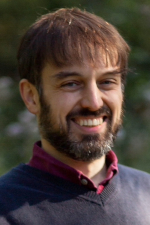
Riccardo Renzulli is a Researcher at the Department of Computer Science, University of Turin, focusing on object-centric representation learning, medical image analysis, and AI-based computer vision applications. His research emphasizes capsule networks, deep learning models for hierarchical relationships, and applications in healthcare and aerial/satellite imagery. Education: MSc and BSc in Computer Science from University of Turin (2018 and 2015). Previous research with Prof. Valentina Gliozzi explored description logics and non-monotonic reasoning. Professional experience includes a 2022 post at Aalto University (supervised by Prof. Ville Kyrki and Francesco Verdoja) and roles at Addfor and Machine Learning Reply as a deep learning scientist. Research interests span concept learning, few-shot learning, interpretability, and medical imaging. Notable work includes visual localization systems for UAVs, AI-assisted diagnosis for COVID-19 via CXR analysis, and lung nodule segmentation using DeepHealth Toolkit. He contributed to the UniToChest dataset for cancerous nodule detection. His recent publications (2022-2025) address efficient neural architectures, medical imaging applications, and 3D scene modeling. Collaborations include EIDOSLAB, with research emphasizing scalable compression, entropy-based pruning, and ensemble methods for neural networks.
Sandeep Singhal is Associate Professor of Pathology and Biomedical Engineering at UND. His research develops multi-omics biomarkers for cancer prognosis/therapy response, focusing on breast cancer disparities and prostate radiation toxicity. Key contributions include PIK3CA mutation signatures for endocrine therapy response and DNA methylation-based immune classifiers. Recent work explores arsenic-related bladder carcinogenesis and radiogenomics models. Published in Nature Genetics and Journal of Clinical Investigation, he serves on Scientific Reports editorial board. Secured grants for clinical genomics and toxicity prediction. Holds adjunct appointments at Columbia University and directs bioinformatics for North Dakota INBRE.
Jhih-Rong Lin is a Research Assistant Professor in the Department of Genetics at Albert Einstein College of Medicine. His research focuses on understanding the genetic and genomic mechanisms underlying complex human diseases, particularly neurodegenerative disorders, longevity, and developmental syndromes. He employs computational and systems biology approaches to analyze genomic data, identify disease risk genes, and model genetic pathways. Key research themes include: Genetic variants associated with aging and neurodegeneration (e.g., Alzheimer’s disease, schizophrenia) Post-GWAS analysis for disease gene prioritization (e.g., using tools like PGA) Evolutionary genomics of longevity (e.g., studies on beaver genomes) Epigenetic regulation in cancer progression and development Lin’s work bridges computational methods with experimental validation, contributing to drug discovery for aging-related conditions and improving understanding of genetic modifiers in syndromic disorders. His recent publications highlight discoveries in rare variant analysis, polygenic risk prediction, and systems-level aging mechanisms.
Professor Kathryn Burdon is Deputy Director of the Menzies Institute for Medical Research at the University of Tasmania. She holds a Professorial Research Fellowship and leads the Genetics and Cancer Theme. Her research focuses on identifying genetic factors underlying eye diseases such as glaucoma, cataracts, and keratoconus, with a particular emphasis on pediatric cases. She also investigates genetic contributions to multiple sclerosis and cardiovascular conditions. Education: PhD (2004) in pediatric cataract genetics from University of Tasmania; BSc(Hons) in albinism genetics (1999). Postdoctoral training at Wake Forest University. Research Interests Gene discovery for blinding eye diseases using whole genome sequencing and supercomputing analysis Role of genetic and environmental factors in treatment response (e.g., anti-VEGF therapy for macular degeneration) Utilization of the Tasmanian Ophthalmic Biobank and population records for genetic studies Development of zebrafish models to study disease mechanisms Article Trends Recent work focuses on pediatric cataract genetics, diabetic maculopathy GWAS, and polygenic risk scores for glaucoma. Emphasis on translating genetic findings into clinical care through predictive testing and personalized therapies. Awards Menzies Institute Academic Mentoring Award (2022) NHMRC Fellowships (Peter Doherty, Senior Research) Invited lectures at major ophthalmology and genetics conferences Grants & Supervision $2M+ in NHMRC and international grants for gene discovery projects Supervised over 20 PhD/Masters students on topics like EBV-MS links and pediatric cataract genetics Labs & Collaborations Leads the Tasmanian Ophthalmic Biobank and collaborates with global groups (Flinders University, Harvard, University of Melbourne) on multi-ethnic genetic studies.
Albert Smith is a computational geneticist and biostatistician at the University of Michigan School of Public Health , specializing in genetics and genomics research. Education : PhD in Biology, Massachusetts Institute of Technology (1993) BA in Biochemistry and Cell Biology, University of California-San Diego (1985) Research Focus : With over 30 years of experience, Dr. Smith develops and applies analytical methods in genetics, including genetic risk modeling and bioinformatics. His work emphasizes large-scale data management and the creation of data-intensive web applications and databases. He has contributed to major initiatives like the International HapMap Project, the CHARGE Consortium, and the NHLBI Trans-Omics for Precision Medicine (TOPMed) Program. Scientific Contributions : Recent publications highlight his role in analyzing expression/splicing quantitative trait loci, investigating persistent opioid use genetics, studying clonal hematopoiesis, and integrating multi-omics data across diverse populations. His expertise spans gene-environment interactions, rare variant analysis, and polygenic risk scoring. Methodologies : Dr. Smith utilizes computational tools including R , Perl , and SQL , and is recognized for leading interdisciplinary teams in tackling complex statistical challenges in genomics.
Evren U Azeloglu is a Professor of Medicine in the Division of Nephrology at the Icahn School of Medicine at Mount Sinai, with a secondary appointment in the Department of Pharmacological Sciences. He is affiliated with the Center for Engineering and Precision Medicine and the Black Family Stem Cell Institute. B.E., Stony Brook University M.S., Stony Brook University Ph.D., Columbia University His research focuses on biomechanics , systems biology , and precision medicine , utilizing multiomics and computational modeling to study kidney and cardiovascular diseases. He develops microfabricated platforms for tissue engineering and mechanobiology research. Recent publications emphasize multiomics approaches to kidney injury, machine learning in transplant assessment, and mechanistic modeling of drug toxicity. Key themes include cell adhesion , cytoskeletal dynamics , and biomechanical regulatory networks . NephCure Kidney International ASN Foundation Kidney Research Award (2015) Howard Hughes Medical Institute Fellowship (2010) Stony Wold Herbert Fellowship (2005) Yuen-huo Hung & Chao-chin Huang Award (2004) Dr. Azeloglu's Systems Bioengineering Lab receives extramural grants and collaborates with Flowpoint Medical Inc. , where he serves as Board Member , Equity Owner , and Founder .
Nancy Johnson serves as a Clinical Assistant Professor and Medical Director of the SART (Sexual Assault Response Team) Program in the Department of Emergency Medicine at SUNY Downstate Medical Center. She completed her medical education in 2003 and completed her residency training at Kings County Hospital Center/SUNY Downstate. Dr. Johnson's research interests span Women's Health, Sexual Assault medicine, and Inner City Healthcare. Her work addresses critical issues in emergency medicine with a focus on vulnerable populations, particularly in urban settings. She has published on topics ranging from violence-related injuries in inner city populations to women's health issues, demonstrating her commitment to addressing health disparities. Analysis of her publication record shows significant contributions across multiple medical disciplines including emergency medicine, women's health, infectious diseases, and gastroenterology. Her recent work includes publications on gastric organoid modeling (2024), tick-borne encephalitis (2023), surgical approaches to hysterectomy (2023), and fertility preservation for transgender men (2022), indicating a broad research portfolio that extends beyond emergency medicine into women's health and related fields. Dr. Johnson has contributed to high-impact journals including Molecular Cell, Fertility and Sterility, and the Cochrane Database of Systematic Reviews. Her research demonstrates interdisciplinary collaboration across medical specialties. As Medical Director of the SART Program, Dr. Johnson oversees clinical services related to sexual assault response, combining her academic role with direct patient care and program leadership in this specialized area of emergency medicine.
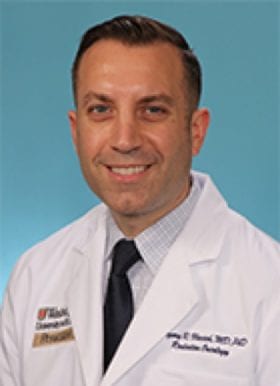
Gregory R. Vlacich, MD, PhD is an Associate Professor of Radiation Oncology at Washington University School of Medicine in St. Louis. He serves as Vice Chair of Clinical Operations, Clinical Director of Satellite Operations, and Medical Director of Radiation Oncology at Alton Memorial Hospital. Board certified by the American Board of Radiology in Radiation Oncology (2016), Dr. Vlacich specializes in treating multiple cancer types using advanced radiation therapy techniques. His educational background includes: BS in Molecular Biophysics and Biochemistry from Yale University (1999) PhD in Molecular Genetics and Cell Biology from University of Chicago, Pritzker School of Medicine (2007) MD from University of Chicago, Pritzker School of Medicine (2009) Internship at St. Vincent's Catholic Medical Center, New York (2010) Residency in Radiation Oncology at Vanderbilt University Medical Center (2014) Dr. Vlacich's research focuses on improving cancer treatment outcomes through innovative radiation therapy approaches. His work spans thoracic, gastrointestinal, genitourinary, and head and neck oncology, with particular emphasis on stereotactic body radiation therapy and adaptive radiation therapy. He investigates treatment-related toxicity patterns and develops strategies to optimize radiation delivery for various malignancies, especially in elderly patients. His laboratory and clinical work bridges molecular biology insights with practical clinical applications to enhance cancer treatment precision. His publication record shows a progression from foundational molecular biology research to clinical radiation oncology applications. Recent work emphasizes MR-guided radiotherapy, adaptive radiation therapy techniques, and biomarker development for risk stratification. This research trajectory demonstrates how basic science insights translate to improved clinical outcomes for cancer patients. Professional recognition includes: RSNA Roentgen Resident/Fellow Research Award (2014) Board Certification by the American Board of Radiology in Radiation Oncology (2016) Dr. Vlacich maintains an active clinical practice treating various cancers while leading research initiatives through the Siteman Cancer Center and Institute of Clinical and Translational Sciences. His work bridges basic science insights with clinical applications to improve cancer treatment outcomes and patient quality of life. He directs radiation oncology services at Alton Memorial Hospital and is involved in multiple collaborative research projects focusing on improving radiation therapy techniques, understanding treatment toxicities, and developing personalized treatment approaches for cancer patients.
Anja C. Roden, MD is a Professor at Mayo Clinic College of Medicine , Department of Laboratory Medicine and Pathology, Anatomic Pathology. Board certified in anatomic and clinical pathology, she specializes in thoracic pathology with expertise in mediastinal tumors, lung tumors, malignant mesothelioma, interstitial lung diseases, and pulmonary transplant pathology. Clinical Roles : Medical Director, Immunostains Laboratory Research : 190+ peer-reviewed manuscripts, 40+ book chapters, Co-editor of "Mediastinal Lesions" and "Pulmonary Pathology" atlases Leadership : Past President, International Thymic Malignancy Interest Group; Current Chair, Thymic Tumor Subgroup, IASLC; Vice-Chair, European Society of Pathology Education : 2009: Surgical Pathology Fellowship, Mayo Clinic 2008: Anatomic & Clinical Pathology Residency, Mayo Clinic 1992: Medical Degree, Technical University of Dresden Research Focus spans mediastinal neoplasms, malignant mesotheliomas, biomarker development (diagnostic/predictive/theranostic), interstitial lung diseases, and pulmonary transplant pathology. Recent work emphasizes AI integration in ILD diagnosis, direct patient-pathologist interactions in transplant medicine, and molecular characterization of thoracic tumors. Scientific Awards : 2017: President's Pulmonary Pathology Society Innovation Award 2020: Best Author Award, Pathology Outlines Professional Activities : Active in clinical guideline development (WHO thoracic tumors 2021), serves on multiple international committees including the European Lung Cancer Congress Program Committee, Pulmonary Vascular Disease Steering Committee, and International Mesothelioma Panel. Regularly contributes to peer-review processes across major journals.
Matthew N. McCall is an Associate Professor of Biostatistics and Computational Biology at the University of Rochester, with a secondary appointment in Biomedical Genetics and affiliation with the Goergen Institute for Data Science. He directs the Statistics PhD program and co-leads the Wilmot Cancer Institute's Biostatistics and Bioinformatics Shared Resource. His research focuses on statistical genomics, bioinformatics, and biomedical data science, with an emphasis on developing methods for analyzing miRNA-seq data, gene regulatory networks from Perturb-seq, cellular composition effects on gene expression, and microglia imaging. Education: PhD in Biostatistics (Johns Hopkins University, 2010), MH.S. in Bioinformatics (Johns Hopkins, 2010), B.S. in Statistics (University of Michigan, 2004). Research interests include systems biology, cancer genomics, and statistical methodologies for high-throughput data. Key contributions span microRNA profiling, qPCR data analysis, and computational tools for genomic studies. He leads collaborative projects on respiratory virus severity and tumor biology, with funding from NIH and other agencies. Awards and recognitions include tenure at the University of Rochester. His work has been published in NAR Genomics and Bioinformatics , PLoS Computational Biology , Cell Reports , and others. He advises students in biostatistics and computational biology, and oversees grants related to environmental health and cancer research.
Ross King is a Professor in the Department of Systems Biology at Chalmers University of Technology. He specializes in leveraging artificial intelligence, machine learning, and automation to advance scientific research. His work focuses on developing autonomous laboratory systems and AI-driven methodologies to accelerate discoveries in drug development, systems biology, and metabolic modeling. Key projects include Genesis, a database for autonomous systems, and AutonoMS for metabolomic analysis. His research emphasizes reproducibility, hypothesis generation via large language models, and integrating robotics with computational tools. King's contributions span interdisciplinary fields, combining computational methods with experimental validation. He leads efforts to automate scientific workflows, exemplified by his Robot Scientists (Adam and Eve), which autonomously design and execute experiments. His recent work explores extrapolation challenges in machine learning, ethical AI in science, and personalized medicine through predictive modeling. He has published extensively in journals like PNAS , Nature Machine Intelligence , and Scientific Reports , with a focus on AI ethics, closed-loop discovery systems, and translational applications in healthcare. His research bridges theoretical computer science with practical biomedical and environmental challenges.
Yi-Qian Sun is a Senior Researcher in the Department of Clinical and Molecular Medicine at the Faculty of Medicine and Health Sciences, Norwegian University of Science and Technology (NTNU). Her work focuses on epidemiology, causal inference, and the interplay between lifestyle factors (e.g., vitamin D, body mass index) and chronic diseases such as cancer, dementia, and oral health conditions. PhD in Medicine, Linköping University, Sweden (2004) Medical Degree, Capital Medical University, China (1992) Her research combines genetic epidemiology, epigenetics, and biostatistical modeling to investigate causal relationships between risk factors and disease outcomes. She has led projects on vitamin D as a biomarker for lung cancer, causal links between oral health and systemic health, and Mendelian randomization studies for lifestyle-disease associations. Recent publications highlight her focus on vitamin D metabolism, obesity-related disease risks, and oral-systemic health connections. Her work spans population-based (HUNT Study) and clinical research, utilizing databases like UK Biobank for cross-cohort analyses. Prof. Sun collaborates internationally and applies advanced statistical tools (Stata, R) for study design and data analysis. She leads the HUNT4 Oral Health Study within the GLIDE2 Oral Health Genomics Consortium.
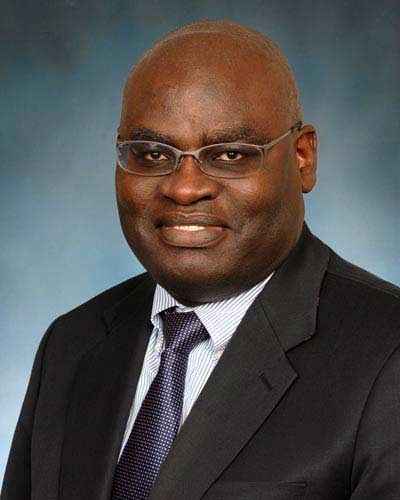
Clement Adebamowo is a Professor in the Department of Epidemiology and Public Health at the University of Maryland School of Medicine, where he serves as the Director of the Cancer Epidemiology Division. At the Marlene and Stewart Greenebaum Comprehensive Cancer Center, he holds dual leadership roles as Associate Director of the Population Sciences Program and Associate Director for Diversity, Equity, Inclusion, and Accessibility. Additionally, he serves as a Research Scientist at the Center for Bioethics and Research in Ibadan and the Institute of Human Virology Nigeria in Abuja. Dr. Adebamowo earned his BM, ChB (Hons) from the University of Jos in Nigeria (1978-1984), completed postgraduate surgical training in Oncology at University College Hospital, Ibadan (1987-1993), and received his Sc.D. in Nutrition Epidemiology with a minor in Biostatistics from Harvard University (2000-2004). His research spans multiple interconnected domains focused on improving health outcomes, particularly in African populations. Dr. Adebamowo leads the NIH-funded African Collaborative Center for Microbiome and Genomics Research (ACCME), part of the H3Africa initiative, conducting comprehensive studies on genomic and epidemiologic risk factors for cervical cancer, breast cancer, uterine fibroids, and viral infections. His work integrates host germline genomics, somatic genomics, viral genomics, epigenomics, microbiome, proteomics, and metabolomics data from a cohort of approximately 12,000 women followed every six months. He also directs the Baltimore Clinical Site of the NCI CASCADE Network, a global partnership optimizing cervical cancer screening and management for women living with HIV. Additionally, Dr. Adebamowo has developed innovative training programs in Research Ethics, Responsible Conduct of Research, and Research Methodology, creating short, medium, and long-duration graduate programs that have trained over 150,298 individuals. Dr. Adebamowo's recent publications demonstrate a strong interdisciplinary approach spanning cancer epidemiology, genomics, nutrition, and research ethics. His work shows a consistent focus on African populations, with particular attention to HPV-related cancers, uterine fibroids, and the ethical implications of data science in health research. The integration of genomic, microbiome, and epidemiological data represents a cutting-edge approach to understanding disease mechanisms in understudied populations. 2022 Jeff Cohen Service Award from PRIM&R for pioneering work in research ethics in Nigeria and West Africa Mamadou Gueye Prize from the West African College of Surgeons Member of Keystone Symposia Scientific Advisory Board Member of the Fogarty International Center Advisory Board Member of the Independent Review Panel for Vivli and CSDR As an educator, Dr. Adebamowo directs the graduate course in cancer epidemiology at the University of Maryland, which attracts students across the University System of Maryland and features lecturers from the National Cancer Institute and surrounding institutions. He has secured multiple NIH grants including the Scaling Up Research Ethics and Research Integrity (SURER) Project, Bridging Gaps in the ELSI of Data Science Health Research, and the Point of Care Diagnostic test for Molecular Subtyping of Breast Cancer study. He has also developed a Food Frequency Questionnaire and Food Composition Database for African foods, significantly enhancing nutritional research capacity in Africa. Dr. Adebamowo directs the NIH Fogarty-funded West African Bioethics Training program and has been instrumental in establishing research ethics infrastructure in Nigeria, including serving as founding chair of the Nigerian National Health Research Ethics Committee for ten years. His work implementing the Nigerian National System of Cancer Registries has significantly improved cancer surveillance in the country.
Mark Yandell is a Professor of Human Genetics and Adjunct Associate Professor of Biomedical Informatics at the University of Utah School of Medicine. His research integrates computational biology and experimental molecular genetics to address challenges in genome annotation, comparative genomics, and sequence variation analysis related to human disease. Education: B.S. from University of Texas, Austin; Ph.D. from University of Colorado, Boulder. Research Focus: Genome annotation, high-throughput biological image analysis, and genomic correlates of human diseases using Utah Population Database and Utah Genetic Reference Project. Collaborations: Co-developed the MAKER genome annotation pipeline with Prof. Alejandro Sánchez Alvarado; leads the Utah NeoSeq Project for neonatal genomic diagnostics. Technical Contributions: Organized acquisition of BD Pathway Bioimager for RNAi screening in S. mediterranea , a flatworm model for regenerative medicine. His lab bridges computational and experimental approaches, emphasizing training opportunities at the intersection of computer science and molecular genetics. Recent publications highlight applications of machine learning and AI in neonatal diagnostics, fetal growth restriction, and disease risk stratification. Key Affiliations : Human Genetics, Biomedical Informatics, University of Utah School of Medicine.
Colm Nestor is a Senior Associate Professor at Linköping University, Sweden, affiliated with the Faculty of Medicine and Health Sciences, Department of Biomedical and Clinical Sciences, and the Division of Children's and Women's Health. His research focuses on epigenetic control of T-cell biology, sex differences in disease susceptibility, and developing therapies targeting DNA methylation. He holds leadership roles including Chair of the Junior Faculty Club, Co-Chair of the Centre for Personalised Medicine, and Member of the Academic Employment Board. Education highlights include a B.A. in Natural Sciences from Trinity College Dublin, followed by M.Sc. degrees in Computer Science (University of Cork) and Bioinformatics (University of York). He earned his Ph.D. in 2003 from the University of Glasgow. Postdoctoral training includes roles at the University of Edinburgh and Linköping University, alongside industry experience as a Bioinformatics Specialist at DeCODE Genetics and a Database Developer at LION Biosciences. Research interests center on understanding how the X-chromosome and DNA methylation influence health, particularly in autoimmune diseases, infections, and cancers like childhood leukemia. He investigates sex-specific disease mechanisms and leverages systems medicine to identify diagnostic/therapeutic targets. His work also addresses methodological flaws in epigenetic research, such as the widely used DIP-seq method. Recognized with prestigious awards: the 2025 Onkel Adam Prize and an ERC Consolidator Grant (2020) for sex-bias research. He also received funding from the Joanna Cocozza Foundation for pediatric medicine studies. Current projects include studying TET2 reactivation in leukemia and epigenetic changes in pregnancy-related T-cell dysfunction. Nestor advises four PhD students and collaborates with researchers like Huan Zhang (Principal Research Engineer) and Antonio Lentini (Researcher). He contributes to teaching at the Medical Program, Experimental Biosciences M.Sc., and Ph.D. courses. His lab, The Nestor Lab , integrates epigenetic, genomic, and computational approaches for clinical impact.