Ashli Owen-Smith is a behavioral scientist affiliated with the School of Public Health at Georgia State University , where her research focuses on mental health disparities, suicide prevention, and integrative/complementary approaches for complex mental-physical health conditions. She works with underserved populations including refugees/immigrants, incarcerated individuals, and LGBTQ+ communities through community-based participatory research and mixed-methods frameworks. Her current projects are funded by CDC , DBHDD , and DPH . Education: Ph.D. in Behavioral Sciences (Emory, 2009), S.M. in Public Health (Harvard, 2005), B.A. in Psychology (Smith College, 2001) Her research spans mental health , trauma , suicide prevention , and mindfulness-based interventions . Recent work examines telehealth adaptations for chronic pain and mental health, vaccine hesitancy in refugee communities, and social determinants of suicide . She leads studies on gender-affirming care and health disparities in LGBTQ+ populations. Key article trends include epidemiological analysis of suicide risk factors, COVID-19 impacts on mental health, ICD-10 coding for autism, and complementary medicine in trauma recovery. Subfields span telehealth , health equity , mental-physical comorbidity , and community engagement . Students she has mentored include C.A. Scarlett , T. Griner , and M.M. Sesay . Her work integrates public health policy , clinical research , and health systems analysis .
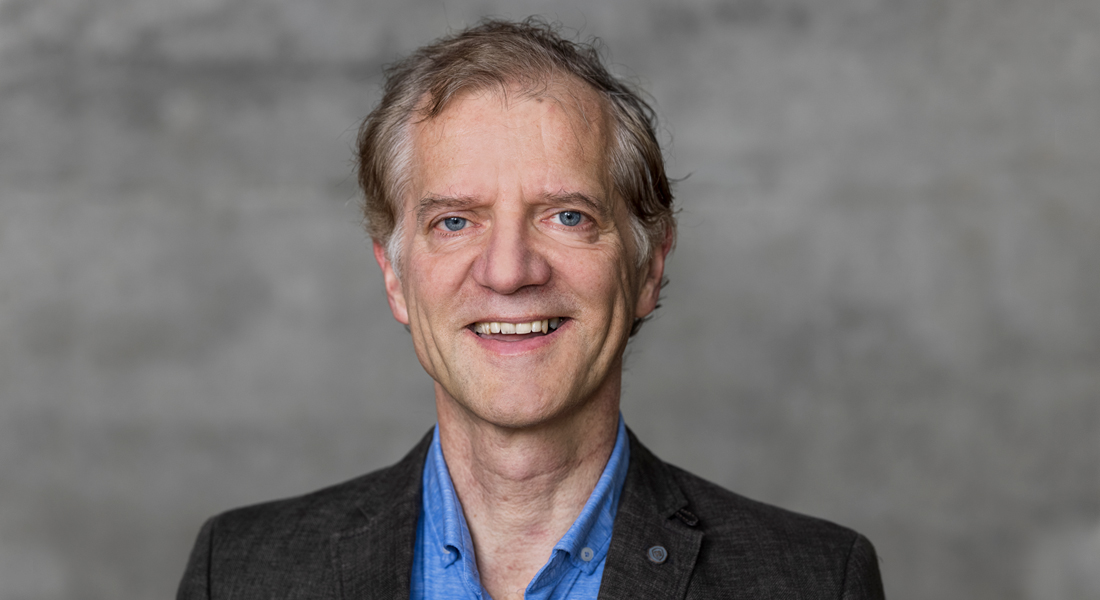
Professor Matthias Mann is a world-leading scientist serving as Director of the Proteomics and Signal Transduction department at the Max Planck Institute of Biochemistry in Martinsried, Germany, and Director of the Proteomics department at the Novo Nordisk Foundation Center for Protein Research, Faculty of Health Sciences, University of Copenhagen, Denmark. With an h-index exceeding 277 and over 350,000 citations, he is recognized as the highest cited German researcher and one of the most influential scientists globally in proteomics. His educational background includes: Ph.D. in Chemical Engineering from Yale University (1988) Master's Degree in Physics from Georg August University Göttingen (1984) Bachelor's of Arts in Mathematics from Georg August University Göttingen (1982) Professor Mann's research focuses on advancing mass spectrometry-based proteomics to understand biological systems at the protein level. His work spans technological developments in mass spectrometry, bioinformatics and computational analysis, signal transduction and posttranslational modifications, and clinical proteomics applications for disease diagnosis and treatment. The Mann lab has pioneered groundbreaking methods like SILAC for quantitative proteomics and MaxQuant for proteome data analysis. Their vision is to translate proteomics knowledge into clinical practice for predictive, diagnostic, and preventive medicine, with recent work focusing on AI-guided platforms for analyzing proteomes from minimal tissue samples. Analysis of Professor Mann's recent publications reveals a strong trend toward clinical applications of proteomics, particularly in cancer research, metabolic diseases, and neurodegenerative disorders. His work increasingly integrates spatial proteomics, single-cell resolution techniques, and artificial intelligence approaches to uncover disease mechanisms and identify potential biomarkers, with a clear shift from basic technology development toward direct clinical applications and personalized medicine. Professor Mann has received numerous prestigious awards throughout his career: 2025: Elected member of the American National Academy of Sciences 2024: Dr. H.P. Heineken Award for Biochemistry and Biophysics 2023: Otto Warburg Medal 2019: Nominated member of the Bavarian Academy of Sciences 2013: Elected member of Leopoldina German National Academy of Sciences 2012: Körber European Science Award, Louis-Jeantet Foundation Prize for Medicine, Ernst Schering Prize, and Leibniz Prize Professor Mann leads a highly collaborative research team involved in multiple international networks including the Bill & Melinda Gates Foundation, Michael J. Fox Foundation for Parkinson's Research, CLINSPECT-M, and Munich Heart Alliance. His lab has mentored numerous successful researchers, with several former postdocs receiving prestigious ERC Starting Grants. The Mann group has developed innovative clinical proteomics pipelines for analyzing archived tissue specimens and body fluids, aiming to identify protein markers for early detection of diseases such as diabetes and cancer. The Mann lab operates across two major research centers with state-of-the-art mass spectrometry facilities. Their Clinical Knowledge Graph platform integrates multi-omics data with extensive metadata, creating an ecosystem for machine learning applications in proteomics. Current research focuses on developing highly sensitive methods that can profile thousands of proteins from minimal cell samples, enabling the identification of critical disease-related proteins and supporting the development of individualized therapies.
Dr. Megan Renna is an Assistant Professor in Clinical Psychology at the University of Southern Mississippi. She earned her Ph.D. in Clinical Psychology from Columbia University's Teachers College and completed a postdoctoral fellowship funded by the National Cancer Institute at Ohio State University Comprehensive Cancer Center. Her research focuses on the bidirectional relationship between psychological and physical health, particularly how emotion regulation and negative emotionality contribute to chronic disease risk in breast cancer survivors and healthy adults. Education: Ph.D. in Clinical Psychology (2019) and M.Ph. (2018) from Teachers College, Columbia University Training: Predoctoral internship at Duke University Medical Center Her work bridges clinical psychology, psychophysiology, and behavioral medicine through studies on inflammation, autonomic dysfunction, and cancer survivorship. Recent publications examine metabolic syndrome, smartwatch body composition metrics, and couples' health dynamics. Key research themes include stress reactivity, emotion regulation therapy, and biobehavioral pathways linking mental states to physiological outcomes. Dr. Renna teaches Advanced Psychopathology and can be reached at Megan.Renna@usm.edu. Her methodological expertise spans experimental worry inductions, longitudinal studies, and psychometric scale development, with a focus on reducing distress disorders through emotion regulation interventions.
Professor Guy Williams is a leading academic at the University of Cambridge with a focus on imaging science and clinical neurosciences, affiliated with Downing College and the Wolfson Brain Imaging Centre . Holding a PhD in Physics from his initial Natural Sciences degree, he specializes in nuclear magnetic resonance (NMR) and MRI techniques for brain imaging. Education: BA, PhD in Physics His research centers on non-invasive imaging of brain structure and function, particularly in traumatic brain injury (TBI) and dementia. His work involves developing novel MRI pulse sequences and advanced data analysis algorithms, including AI-based diagnostic tools. He leads studies on white matter integrity post-trauma, longitudinal dementia assessment, and applications of MRI in disorders of consciousness and addiction. Recent publications highlight collaborations in traumatic brain injury outcomes, AI-guided dementia prediction, and neuroimaging of post-COVID cognitive deficits. His team's work on ultra-high field laminar fMRI and distortion correction methods has advanced clinical neuroscience applications. Key techniques include diffusion tensor imaging (DTI), 7 Tesla MRI, and positron emission tomography (PET/MR). His research spans from basic NMR physics to clinical translation, with a strong emphasis on multi-site studies and real-world diagnostic implementation.
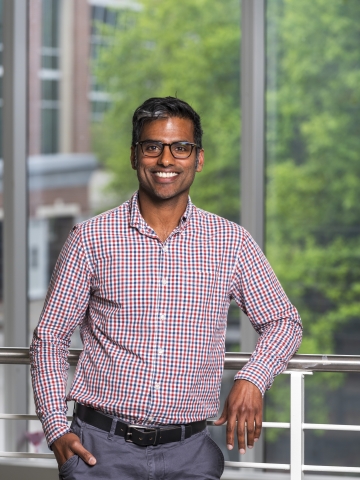
Amit R. Reddi is a Professor at the Department of Chemistry, Georgia Institute of Technology. His research focuses on metalloproteins, particularly the mechanisms of heme trafficking and redox signaling in relation to cancer, neurodegenerative disorders, and infectious diseases. He has received numerous awards for both research and teaching excellence. Education : B.A. from Carleton College (2003) Ph.D. from Columbia University (2008) NIH Postdoctoral Fellowship at Johns Hopkins University (2013) Research Interests : The Reddi laboratory investigates cellular mechanisms of metalloprotein activation and inter-biomolecular communication in metabolic and signaling pathways critical to human health. Key projects explore heme trafficking pathways and the role of Cu/Zn Superoxide Dismutase (SOD1) in redox signaling, with implications for cancer, neurodegenerative diseases, and microbial pathogenesis. Scientific Awards : Vasser Woolley Faculty Fellowship (2021) Student Recognition of Excellence in Teaching Class of 1934 Award (2021) CTL/BP Junior Faculty Excellence in Teaching Award (2019) Bergmann Memorial Award (2018) Blanchard Professorship (2016) NSF CAREER Award (2015) NIH NRSA Post-doctoral Fellowship (2008-2011) Grants & Fellowships : NSF CAREER Award (2015) Sigma Xi Grants-In-Aid-of-Research (2003) NIH Cancer Research Training Award Fellowship (1999-2001)
Martin Jastroch is a Professor at Stockholm University's Department of Molecular Biosciences, The Wenner-Gren Institute. His research focuses on the physiology and molecular mechanisms of energy metabolism from organism to molecule level. His primary research interests include: Energy metabolism physiology and molecular mechanisms Obesity and metabolic aspects Adipose tissue biology Mitochondrial mechanisms Thermogenesis and brown fat function Metabolic regulation in health and disease Professor Jastroch's research spans multiple disciplines, connecting molecular mechanisms with whole-organism physiology. His work on mitochondrial bioenergetics and thermogenesis has contributed significantly to understanding how energy metabolism is regulated across different biological scales. Recent publications show a growing interest in the evolutionary aspects of thermogenesis and the role of brown adipose tissue in metabolic diseases, with particular focus on UCP1 function, mitochondrial adaptations, and metabolic reprogramming in disease states. His scientific contributions include important findings on: UCP1 (Uncoupling Protein 1) function and regulation Mitochondrial bioenergetics in different tissue types Evolutionary aspects of mammalian thermogenesis Metabolic regulation in obesity and related disorders Links between mitochondrial dysfunction and neurodegenerative diseases Professor Jastroch leads 'Group Jastroch' at Stockholm University, where his team investigates the complex interplay between cellular energy metabolism and whole-body physiology, with implications for understanding and treating metabolic disorders.
Thomas J. D. Jørgensen is an Associate Professor and Head of the Research Section of Biomedical Mass Spectrometry at the Department of Biochemistry and Molecular Biology, University of Southern Denmark. He leads an active research group focusing on protein structural dynamics using mass spectrometry and hydrogen/deuterium exchange methodologies. His research interests lie at the intersection of biochemistry, structural biology, and systems biology, particularly in understanding how protein dynamics govern function and dysfunction in diseases such as Parkinson’s and metabolic disorders. He employs advanced mass spectrometry techniques to study conformational changes, protein-protein interactions, and enzyme regulation, with a strong emphasis on lipoprotein metabolism and neurodegenerative disease mechanisms. The most recent articles highlight a consistent focus on protein dynamics in lipid metabolism, conformational diseases, and glycoprotein analysis, utilizing hydrogen/deuterium exchange mass spectrometry (HDX-MS) and related techniques. Themes include allosteric regulation of enzymes, protein unfolding, and structural phenotyping of disease-related aggregates. Member of the evaluation committee at the Swedish Research Council (2015) Chairman of multiple PhD evaluation committees (2014) Editorial and peer-review contributions to the scientific community He currently supervises PhD students and is involved in several major research projects funded by organizations such as the Michael J. Fox Foundation and Novo Nordisk Fonden. His lab, the Thomas J. D. Jørgensen Lab, includes postdoctoral researchers, academic staff, and industrial PhD students, fostering a collaborative and interdisciplinary research environment focused on biomedical mass spectrometry and systems biology.
Dr. Eddie M. Clark is a Professor of Psychology in the Experimental Social Psychology program at Saint Louis University's College of Arts and Sciences. He directs the Applied Social Psychology Lab and teaches courses including Social Psychology, Health Psychology, and African American Psychology. Education: Ph.D. and M.A., Ohio State University B.A., Northwestern University His research examines health attitudes/persuasion and close relationships, with emphasis on psychosocial factors affecting African American communities. Current projects investigate the interrelationships between personality, social capital, religiosity and health outcomes. Dr. Clark leads an active research team studying relationship maintenance, infidelity, and health communication. His NIH-funded research on structural racism and cancer disparities involves collaborators from multiple universities. The lab employs longitudinal designs and community-based approaches to examine health behavior determinants. Awards and recognition include selection as a Top Cited Researcher (Research.com, 2024) and major NIH funding for cancer disparities research. His mentorship extends to multiple graduate students investigating predictors of relationship dissolution, health promotion in chronic illness, and substance use disorders.
Dr Nicola Fearn is a Lecturer in the Discipline of Occupational Therapy at the Sydney School of Health Sciences, Faculty of Medicine and Health, The University of Sydney. Since joining in 2024, she has integrated 19 years of clinical experience in Australian and UK acute hospital, rehabilitation, and community settings with her research on cancer rehabilitation and lymphedema management. She maintains active clinical practice as an accredited lymphoedema therapist. Her educational background includes: Occupational Therapy qualification (2005) PhD in breast lymphoedema assessment, incidence, and risk factors following breast cancer treatment (2022) Dr Fearn's research program addresses critical gaps in cancer survivorship through four interconnected pillars: cancer rehabilitation focusing on long-term quality of life; lymphoedema management (particularly breast-related); neurological upper limb rehabilitation for stroke and brain injury; and implementation science to translate evidence into clinical practice. Her work consistently emphasizes patient-centered approaches and interdisciplinary collaboration. Analysis of her 11 publications since 2022 reveals dominant themes in constraint-induced movement therapy for stroke rehabilitation (60% of output) and breast lymphoedema quantification/management (30%), with strong methodological diversity spanning systematic reviews, qualitative studies, feasibility trials, and telehealth adaptations. Key trends include integration of behavior change frameworks (Theoretical Domains Framework, COM-B model) and growing emphasis on health equity for diverse populations. Dr Fearn actively supervises HDR students interested in cancer survivorship and evidence implementation, and has secured the 2024 FMH Start-up Scheme grant. Current projects include SURPASS (patient-centered survivorship care), DIVERSE (supportive care for diverse backgrounds), ReCITE (remote constraint-induced therapy), and telehealth validation studies for rehabilitation assessments. As a member of the Australasian Lymphology Association, she collaborates with St Vincent's Health Network teams across oncology, neurology, and rehabilitation services to develop clinically relevant interventions that address both physical and psychosocial aspects of survivorship and neurological recovery.
Xia Gao is an Assistant Professor in the Department of Pediatrics-Nutrition and the Department of Molecular and Cellular Biology at Baylor College of Medicine. She leads the Gao Lab, based at the USDA/ARS Children's Nutrition Research Center in Houston, Texas, where she investigates the role of nutrition and metabolism in diseases such as cancer and obesity. Her research focuses on amino acid metabolism, particularly the impact of dietary methionine and serine restriction on cancer progression and therapy efficacy. She employs in vivo mouse models and in vitro systems combined with metabolomics, molecular biology, and immunology techniques. The most recent publications from her lab reveal a strong trend in cancer metabolism, especially in prostate and liver cancers, with a focus on dietary interventions, metabolic reprogramming, and immune cell metabolism. Her work bridges nutritional science and precision oncology, aiming to develop effective dietary therapies. Dietary methionine influences therapy in mouse cancer models and alters human metabolism (Nature, 2019) HNF4α regulates sulfur amino acid metabolism and confers sensitivity to methionine restriction in liver cancer (Nature Communications, 2020) Targeting glutamine metabolism in therapy-resistant prostate cancer (Oncogene, 2022) Dr. Gao is supported by competitive grants, including a CPRIT award (RP210056) on dietary methionine restriction to enhance chemotherapy, and an NIH/NCI R00 grant on methionine metabolism in cancer. These grants underscore her role as an independent investigator with significant research funding. The Gao Lab is part of the USDA/ARS Children's Nutrition Research Center, a premier research facility equipped with advanced laboratories, a metabolic kitchen, and interdisciplinary teams focused on child and adult nutrition and disease prevention.
Patrick C. Shih is an Associate Professor of Informatics in the Luddy School of Informatics, Computing, and Engineering at Indiana University Bloomington, where he also serves as the Director of Graduate Studies for Data Science and Co-Director of the Animal Informatics MS and PhD track. He directs the Societal Computing Lab (SoCo Lab) and is a core faculty member of the Health Informatics PhD track. Dr. Shih's research focuses on how to better support health and wellbeing, specifically that of underserved and vulnerable populations, through the design, development, and evaluation of sociotechnical systems and community-based mechanisms. His work also designs technologies to amplify human and animal capabilities in animal-assisted interventions, improve animal welfare, and cultivate empathy for others. His research spans human-computer interaction, social media, collective intelligence, crowdsourcing, and online and geographic communities, with a particular emphasis on leveraging awareness of individual and community activities embedded in social media for civic engagement platforms. His recent publications reveal a strong trend toward health equity research, particularly focused on African American/Black communities, Alzheimer's disease and related dementias, breast cancer survivorship, and autism spectrum disorder. His work increasingly integrates generative AI, mobile health applications, and community-based participatory design approaches to address health disparities in vulnerable populations. ACM Senior Member (2020) NSF CAREER Award recipient Indiana University Trustees Teaching Award (2018-19) IU Groups Scholars Program STEM Mentor of the Year (2018-19) Multiple best paper awards at top-tier conferences Dr. Shih has successfully secured significant funding for his research, including a $3.7 million award to investigate inequities in environmental stressors and cognitive decline in urban and rural older adults. He serves on numerous editorial boards and program committees for leading HCI and computing conferences. His teaching portfolio includes courses on usable AI, mobile and pervasive design, and social computing. He leads the Societal Computing Lab, which focuses on developing technologies that address societal challenges through community engagement and participatory design.
Cheryl Walker, Ph.D., is a Professor in the Departments of Molecular and Cellular Biology, Medicine, and Molecular and Human Genetics at Baylor College of Medicine. She serves as Director of the Center for Precision Environmental Health and Co-Leader of the Chromatin Biology Program at the Dan L Duncan Comprehensive Cancer Center. Her research focuses on gene-environment interactions, epigenomics, and the molecular mechanisms underlying diseases such as cancer, fibroids, and non-alcoholic fatty liver disease (NAFLD). Key areas include the role of chromatin remodelers like SETD2 in genomic stability and their dual functions in cytoskeletal dynamics. She has pioneered studies on how early-life environmental exposures, such as endocrine-disrupting chemicals (EDCs), reprogram the epigenome to increase disease susceptibility later in life. Dr. Walker’s work is funded by NIH and DOD grants, including leadership of the TaRGET II Consortium for environmental epigenomics. Her lab employs cutting-edge technologies like ChIP-seq and RNA-seq to study epigenetic reprogramming. Notable contributions include discoveries linking SETD2 methylation to microtubule stability and genomic integrity, and identifying epigenetic signatures of environmental exposures in health disparities research. Education: Ph.D. in Molecular Biology Affiliations: Baylor College of Medicine, Gulf Coast Center for Precision Environmental Health Her awards include election to the National Academy of Medicine and fellowships in the American Association for the Advancement of Science (AAAS) and American Thoracic Society (ATS). The lab actively collaborates on translational projects, including biomarker development and disaster-related health studies following events like Hurricane Harvey. Key Research Themes: Epigenetic drivers of cancer and fibrosis Environmental epigenomics and disease risk Chromatin-cytoskeleton cross-talk in disease
Drexler James is an Assistant Professor of Psychology at the University of Minnesota, Twin Cities, and an affiliate faculty member of the Robert J. Jones Urban Research and Outreach-Engagement Center. His research focuses on the social and psychological determinants of health among minoritized groups, particularly African American adults and men of color who have sex with men. He also examines the health consequences of biological race essentialism, using intersectionality as a framework to understand health inequities. James holds a B.Sc. in Psychology from the Illinois Institute of Technology and a Ph.D. in Social & Personality Psychology from the University of Illinois at Chicago, with a minor in Community Health Research. His specialties include racism and health, psychological essentialism, and internalized oppression. As the primary investigator of the Health, Intersectionality, Essentialism, & Stigma (HIES) Research Team, he investigates how stigma operates dynamically across perceivers and targets to reinforce health disparities. Recent work explores barriers to healthcare access, internalized racism’s mental health impacts, and the socio-cultural implications of racialized stereotypes. His academic contributions span over 20 peer-reviewed articles addressing race-related health disparities, internalized oppression, and the psychological impacts of systemic racism. While no formal awards are listed, his work demonstrates significant engagement with marginalized communities’ health challenges.
Professor Paul Rayson is a Professor of Natural Language Processing in the School of Computing & Communications at Lancaster University, UK. He serves as Director of the UCREL (University Centre for Computer Corpus Research on Language) interdisciplinary research centre and is affiliated with multiple research institutes including Security Lancaster, the Lancaster Centre for Digital Humanities, and the Data Science Institute. Education: PhD in Computer Science, Lancaster University (2003) BSc (Hons) Computer Science and Mathematics, Lancaster University (1990) Professor Rayson's research focuses on semantic multilingual Natural Language Processing (NLP) in challenging linguistic environments with noisy language data, including historical texts, learner language, speech, email, and other computer-mediated communication. His work spans applications in dementia detection, mental health analysis, online child protection, cyber security, learner dictionaries, and text mining of biomedical literature, historical corpora, and financial narratives. He has developed semantic tagging tools like USAS (UCREL Semantic Analysis System) and Wmatrix for corpus analysis. Major Awards and Honors: FHEA (Fellow of the Higher Education Academy) MBCS (Member of the British Computer Society) Professor Rayson has supervised numerous PhD students in NLP and corpus linguistics, with eight current students and seven completed doctorates. He has led or co-investigated multiple major research projects including the £3.5m ESRC-funded Centre for Corpus Approaches to Social Science (CASS), the National Corpus of Contemporary Welsh, and projects related to mental health forums, financial narrative analysis, and cyber security. His research has been supported by ESRC, EPSRC, and other funding bodies. As Director of UCREL, he oversees research in corpus linguistics and NLP. He is also active in the Cyber Security Research Centre, Digital Health Group, and multiple Data Science Institute initiatives. His lab has developed several widely-used NLP tools including CLAWS for English POS tagging, USAS semantic analysis system, Wmatrix corpus analysis tool, and the Variant Detector (VARD) for historical texts.
Margaret Karagas, PhD is the inaugural Department Chair and James W. Squires Professor of Epidemiology at the Geisel School of Medicine at Dartmouth College, with a secondary appointment as Professor of Community and Family Medicine. She also serves as Director of both the Children's Environmental Health and Disease Prevention Research Center and the Center for Molecular Epidemiology at Dartmouth. Her leadership extends to the NIH-funded Environmental Influences on Child Health Outcomes (ECHO) Program, which encompasses over 90,000 participants across the United States. Dr. Karagas earned her PhD from the University of Washington in 1990 and has established herself as a leading researcher in environmental epidemiology. She collaboratively developed an innovative cross-disciplinary postdoctoral and graduate program in Quantitative Biomedical Sciences (QBS) that integrates epidemiology, bioinformatics, and bistatistics. Her research focuses on interdisciplinary studies investigating environmental exposures, host factors, and biological mechanisms affecting health from infancy through adulthood, with particular emphasis on under-studied rural populations. Dr. Karagas employs high-dimensional analytic tools along with biomarkers and sensors to study the exposome, genetic susceptibility, and biological response. Her work has uncovered adverse cardiometabolic, neurodevelopmental, and immune-related health outcomes associated with drinking water contaminants, food-borne toxicants (including in infant first foods), and exposures from woodstoves. Analysis of her recent publications reveals a strong focus on environmental health impacts across the lifespan, with significant contributions to understanding how environmental exposures affect child development, chronic disease risk, and health disparities. Her work frequently employs advanced molecular and analytical techniques to assess environmental exposures and their biological consequences. Dr. Karagas serves on numerous prestigious international consensus panels and committees, including those for the United Nations, World Health Organization, International Agency for Research on Cancer, European Food Safety Authority, US National Institutes of Health, and National Academies of Science, Engineering and Medicine. As an academic leader, she has mentored diverse investigators at all career stages and established innovative training programs. Her research has directly contributed to practice and policy changes regarding environmental health threats. She maintains active collaborations across multiple centers at Dartmouth including the Dartmouth Toxic Metals Superfund Research Program and Dartmouth SYNERGY.