Professor Carolyn MacCann is a faculty member at The University of Sydney's Faculty of Science, specializing in emotion regulation, personality psychology, and emotional intelligence. Her research explores interpersonal dynamics, psychometrics, and cross-cultural comparisons in mental health. Key grants include a 2021 Australian Research Council project on emotion regulation and a 2017 Brown Fellowship for new directions in emotional intelligence. She has supervised numerous studies, including work on healthcare leaders' emotional management and cultural differences in emotion regulation. Her research spans topics like dyadic emotion regulation in relationships, the impact of emotional intelligence on relationship quality, and the role of dissociation in social media behavior. Notable collaborations include studies in China and Australia, examining well-being and co-rumination patterns. Media appearances include ABC TV's 'Big Ideas' and Radio New Zealand. Grants: 2021: 'When, why, and how well do we regulate other peoples emotions' (ARC DP Grant) 2017: 'New directions in emotional intelligence' (Brown Fellowship) Labs/Teams: Her work involves interdisciplinary teams focusing on emotion regulation and personality assessment, with contributions to scale development (e.g., Regulating Others’ Emotions Scale).
Dr. Farinaz Seifi serves as Associate Professor and Vice Chair of Gynecology Subspecialty within the Department of Obstetrics, Gynecology and Reproductive Sciences at the University of Maryland School of Medicine. A fellowship-trained minimally invasive gynecologic surgeon, she specializes in advanced robotic and laparoscopic techniques combined with Enhanced Recovery After Surgery (ERAS) protocols for complex cases including endometriosis, large fibroid uteri, and chronic pelvic pain. Her educational journey includes: MD from Tehran University of Medical Sciences (1995-2002) Obstetrics/Gynecology Residency at Tehran University (2005-2009) Obstetrics/Gynecology Residency at Icahn School of Medicine at Mount Sinai (2012-2016) Minimally Invasive Gynecology Surgery Fellowship at Yale School of Medicine (2016-2018) American Board of Obstetrics and Gynecology Certification (2018) Women's Leadership Program Certificate from Yale School of Management (2021) AI in Healthcare Certificate from Harvard Medical School (2024) Dr. Seifi's research focuses on optimizing surgical outcomes through innovative pain management and minimally invasive techniques . She pioneered studies on posterior versus lateral TAP blocks for pain control, developed protocols for reduced narcotic prescriptions in hysterectomy, and created novel blood loss reduction methods for robotic myomectomy. Her clinical expertise spans radiofrequency ablation (Acessa), vaginal natural orifice surgery (vNOTES), tubal reversal, and cesarean scar repair, with emphasis on same-day discharge for minimally invasive hysterectomy. Analysis of her 15 most recent publications (2018-2022) reveals three dominant research trajectories: (1) Technical innovations in complex pelvic surgery including retrograde dissection for obliterated cul-de-sac and bladder adhesions; (2) Rigorous validation of pain management protocols through randomized trials on TAP blocks and ERAS implementation; (3) Critical evaluation of surgical training paradigms through resident perspective studies on subspecialty tracking. Her accolades include: Best surgical teaching award from Yale OBGYN residents AAGL Certificate of Excellence in Laparoscopic Surgeries (2016) Dual CREOG excellence certificates (2015-2016) Gynecologic Surgical Faculty Award (2020) IAMA Young Investigator Award (2015) As Vice Chair, Dr. Seifi mentors junior faculty through laparoscopic/robotic simulation curricula and leads quality improvement initiatives including the development of detailed surgical lecture series. Her research portfolio features multicenter studies on racial disparities in postoperative pain and randomized trials on TAP block efficacy, securing substantial conference presentations at national and international venues. She previously served as Section Chief at Bridgeport Hospital where she performed over 1,000 complex robotic cases in high-BMI patients and advanced endometriosis. Dr. Seifi's clinical practice emphasizes rapid recovery pathways, with particular expertise in robotic hysterectomy for uteri >250g and management of dense pelvic adhesions through innovative retrograde techniques.
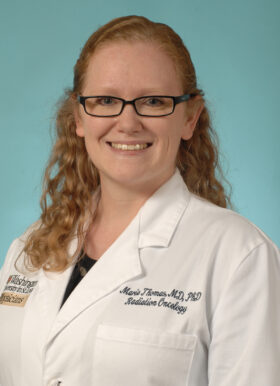
Maria A. Thomas is an Associate Professor of Radiation Oncology at Washington University School of Medicine, with dual appointments in the Institute of Clinical and Translational Sciences (ICTS) and Siteman Cancer Center. She specializes in radiation therapy for cancer treatment, particularly breast cancer, with expertise in all modalities of external beam radiation including 3-D conformal treatment planning, IMRT, stereotactic body radiotherapy, image guided radiation therapy, and accelerated partial breast irradiation. She also specializes in brachytherapy and Gamma Knife radiosurgery. Dr. Thomas completed her educational journey with a BS in Biology from Creighton University (2000), followed by a Medical Degree and PhD in Molecular Microbiology and Immunology from Saint Louis University School of Medicine (2008). She completed her residency in Radiation Oncology at Barnes-Jewish Hospital/Washington University School of Medicine (2013). Dr. Thomas's research focuses on advancing radiation therapy techniques for breast cancer treatment, with particular emphasis on heart-sparing radiotherapy, accelerated partial breast irradiation, and MRI-guided radiation therapy. Her work explores innovative approaches to minimize cardiac toxicity while maximizing tumor control, including deep inspiration breath hold techniques and advanced imaging modalities. She has made significant contributions to understanding dosimetric differences in various radiation delivery systems and developing quality assurance frameworks for emerging technologies like deep learning-based segmentation. Her recent publications (2019-2025) demonstrate a strong focus on breast cancer radiation therapy, particularly in the areas of accelerated partial breast irradiation, cardiac protection during breast radiation, and advanced imaging techniques for treatment planning. She has published extensively on strut-adjusted volume implant techniques, MRI-guided radiotherapy, and predictors of outcomes in triple-negative breast cancer. Her work bridges clinical practice with technological innovation, particularly in the application of artificial intelligence to radiation oncology. 39 research publications spanning from 2006 to 2025 Over 1,312 citations Recognized as Top Doctors® Early career research on oncolytic adenovirus vectors As an active clinician-researcher, Dr. Thomas maintains clinical appointments at multiple facilities including the Center for Advanced Medicine Siteman Cancer Center and Siteman Cancer Center – South County. She is affiliated with several hospitals including Alton Memorial Hospital, Barnes-Jewish Hospital, Barnes-Jewish St. Peters Hospital, Barnes-Jewish West County Hospital, and Christian Hospital.
Zora Djuric, PhD, is a Research Professor at the University of Michigan, Ann Arbor, affiliated with the School of Public Health and the Department of Nutritional Sciences, as well as the Department of Family Medicine. Her work bridges clinical and translational research, focusing on nutritional interventions for cancer prevention. She co-leads the Early Phase Clinical Cancer Prevention Consortium and the MyGI Diet for Colorectal Cancer Prevention, both funded by the National Cancer Institute. PhD, University of Michigan, Ann Arbor, 1983 MS, University of Michigan, Ann Arbor, 1980 BS, Texas A&M University, 1978 Dr. Djuric’s research centers on dietary modulation of cancer risk, particularly through energy balance, omega-3 fatty acids, and biomarker development. She explores interactions between obesity, pharmacological agents, and diet in cancer prevention. Her recent publications highlight a focus on mHealth for dietary adherence , gut microbiome interactions , prostaglandin E2 pathways , and personalized nutrition for colorectal and breast cancer prevention. Collaborative projects address hypertension management in African American populations and developmental programming of metabolic health. Dr. Djuric’s work emphasizes community translation of research methodologies to clinical and public health settings.
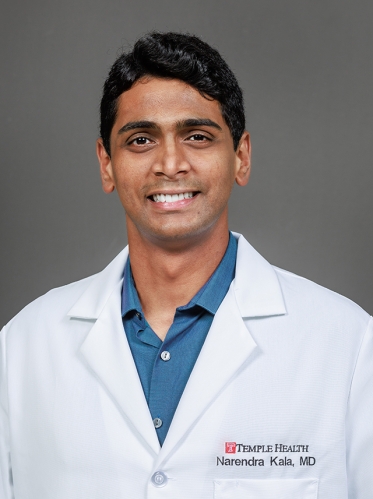
Narendra S. Kala, MD is an Assistant Professor of Clinical Neurology at the Lewis Katz School of Medicine at Temple University, specializing in stroke neurology. He maintains clinical practice across multiple Temple Health locations including the Ambulatory Care Center in Philadelphia, Fox Chase Cancer Center, and Temple Neurosciences at Chestnut Hill. Dr. Kala's research interests focus on intracranial atherosclerotic disease, cancer-related stroke, and cryptogenic stroke. His clinical expertise spans stroke management including cerebral ischemia, intracranial hemorrhage, large artery atherosclerosis, intracranial arterial disease, and stroke in young patients. He approaches patient care with emphasis on individualized treatment and shared decision-making, stating: 'I emphasize the importance of autonomy with every patient - I can bring my expertise and opinions, but we make decisions and plans together.' Dr. Kala's publication record demonstrates active research in stroke subtypes, anticoagulation therapies, and vascular neurology. His work appears in prominent journals including Stroke and Neurology, with recent publications (2022-2025) focusing on cervical artery dissection, cerebral venous thrombosis, and stroke prevention in atrial fibrillation. His research often involves multicenter collaborations such as the STOP-CAD and ACTION-CVT studies. Dr. Kala holds board certifications from the American Board of Psychiatry and Neurology in both Neurology and Vascular Neurology, and maintains professional memberships with the American Association of Neurology, American Heart Association, and American Society of Neuroimaging. His training background includes an MD from Maharajah Institute of Medical Sciences in India, Neurology Residency at Geisinger Medical Center in Danville, PA, and Vascular Neurology Fellowship at Brown Neurology in Providence, RI.
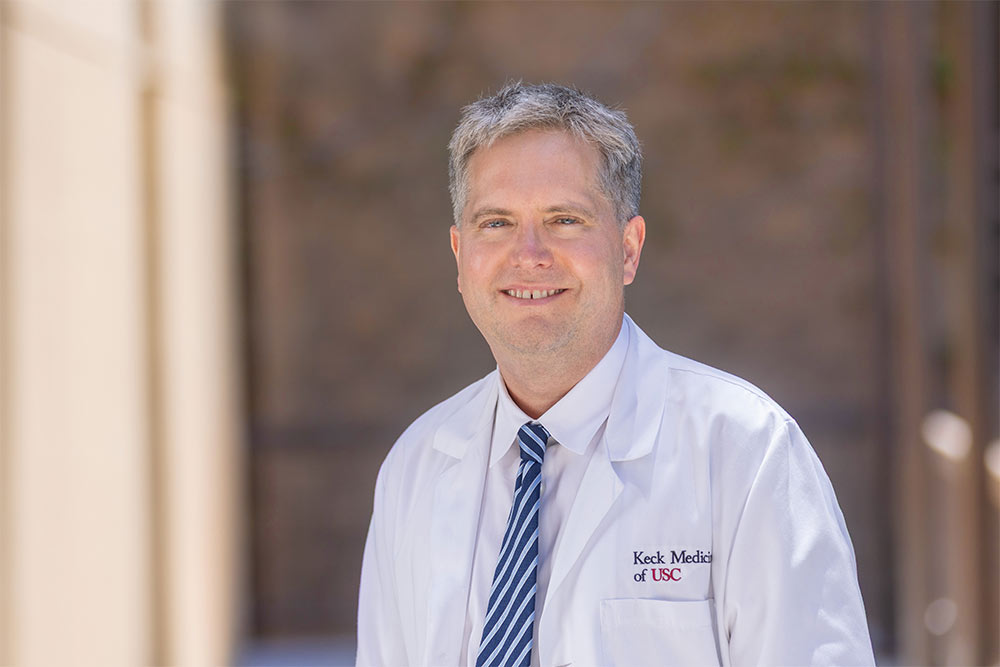
James Buxbaum, MD is a Professor of Medicine and Executive Director of the Digestive Health Institute at Keck Medicine of USC . As a national leader in advanced endoscopy and pancreatology , he specializes in complex biliary problems including recurrent pyogenic cholangitis and post-liver transplant strictures , with research focusing on pancreatic biomarker development and endoscopic management of pancreatic neoplasms . Medical Degree: University of California, San Francisco Fellowships: Gastroenterology and Advanced Endoscopy at UCSF Research Interests cover: Pancreatic cancer early detection via endoscopic ultrasound Machine learning applications in pancreatitis management Optimization of ERCP outcomes Biliary disease interventions Gastrointestinal cancer screening 2025 Publications demonstrate leadership in: Fluid therapy protocols for acute pancreatitis Pancreatic stent placement optimization AI-guided endoscopic decision-making Post-ERCP care protocols Scientific Recognition : Fellow, American Society for Gastrointestinal Endoscopy (2014) Pasadena Magazine Top Doctor (2011) NIH-funded research programs Associate Editor, Gastrointestinal Endoscopy As a clinical scholar , Dr. Buxbaum integrates research into his academic medical practice while maintaining active clinical roles in endoscopic retrograde cholangiopancreatography (ERCP) , endoscopic ultrasound (EUS) , and complex gastrointestinal procedures .
Jim Briggs is a Professor of Informatics and Associate Dean (Research) at the University of Portsmouth's Faculty of Technology, School of Computing. He leads the Centre for Healthcare Modelling and Informatics (CHMI), focusing on clinical outcome modelling and healthcare analytics. His research spans health informatics, telehealth, and computers in sport, with a strong emphasis on improving patient outcomes through data-driven approaches. Education: BA in Computer Science and Mathematics, DPhil in Computer Science from the University of York. His academic career includes roles at the University of York before joining Portsmouth in 1995. Research Interests: Clinical outcome modelling, digital wellbeing, telehealth, healthcare analytics, and sport computing applications. He has contributed to advancements in early warning scores for patient deterioration and vital signs monitoring protocols. Key Projects: Developed scoring systems like the Aggregate National Early Warning Score (NEWS) and contributed to studies on robotic-assisted surgery outcomes. His work has been published in high-impact journals and cited widely in policy and clinical guidelines. Labs/Teams: Director of the Centre for Healthcare Modelling and Informatics (CHMI), part of the Institute of Life Sciences and Healthcare. Collaborates with multidisciplinary teams on translational healthcare research.
Keulen, E. T. P. is an active researcher at the German Cancer Research Center (DKFZ) specializing in colorectal cancer research with a focus on the interplay between nutritional factors, metabolomics, and patient outcomes. Their work examines how biological rhythms, vitamin status, and metabolic profiles influence cancer progression, survivorship, and quality of life. Research interests include: Colorectal cancer survivorship and long-term quality of life Nutritional oncology, particularly B-vitamins and folate metabolism Metabolomics and biomarker discovery for cancer progression Sleep-wake cycle analysis and fatigue management in cancer survivors International consortium-based cancer research methodologies Analysis of recent publications reveals a consistent focus on how nutritional biomarkers and metabolic pathways impact colorectal cancer outcomes. The research employs longitudinal study designs, cross-sectional analyses, and international collaborations to investigate relationships between vitamin status, metabolic profiles, and cancer progression. This work contributes significantly to understanding modifiable factors that influence cancer survivorship and quality of life. Notable scientific contributions include: Investigations into diurnal rest-activity patterns and their relationship with fatigue in cancer survivors Studies examining vitamin B6 status as a predictor of survival in colorectal cancer patients Research on B-vitamin biomarkers and their relationship to quality of life metrics Analysis of folate concentrations in relation to cancer recurrence and survival Identification of plasma metabolites associated with colorectal cancer staging Collaborative research appears central to this work, with participation in multiple international consortia examining various dimensions of colorectal cancer biology and patient outcomes. The research methodology typically involves large cohort studies with detailed biomarker assessments and longitudinal follow-up.
Dr. Adam Garsa is an Associate Professor of Clinical Radiation Oncology at the University of Southern California (USC) Norris Cancer Hospital and Los Angeles County Medical Center since June 2017. He specializes in advanced radiation therapies for head and neck, central nervous system (CNS), skin cancers, and stereotactic body radiation therapy (SBRT). His clinical expertise includes managing complex cases such as chordomas, skull base tumors, and brain metastases. Dr. Garsa's research focuses on optimizing radiation techniques to balance therapeutic efficacy and minimizing side effects, leveraging advanced imaging and dosimetry. Education: Bachelor of Arts in Biology (Washington University in St. Louis, with honors) M.D. from University of Pittsburgh School of Medicine Radiation Oncology Residency (Washington University School of Medicine) CNS Radiation Oncology Fellowship (University of California San Francisco) Research Interests: Dr. Garsa investigates novel radiation therapies, imaging biomarkers for prognostication (e.g., metabolic tumor volume in HPV-driven cancers), and outcomes analysis for rare tumors like esthesioneuroblastoma and chordoma. His work emphasizes translational applications to clinical practice, including dose-escalation strategies for NSCLC brain metastases and motion management in lung cancer SBRT. Awards: No formal awards listed, though his contributions to clinical trials and systematic reviews reflect scholarly impact. Advising/Grants: The text does not explicitly list funded grants or trainees, but his publications suggest active participation in multi-institutional studies and clinical trials. Labs/Teams: His affiliation with USC Norris Cancer Hospital implies collaboration with oncology research teams focused on radiation innovation and precision medicine.
Barbara Rentroia Pacheco is a Researcher at Erasmus MC in the Department of Dermatology, focusing on skin cancer research with particular expertise in cutaneous squamous cell carcinoma (CSCC). Her work bridges clinical dermatology with advanced statistical methodologies and emerging AI applications. Dr. Rentroia Pacheco's research interests center on skin carcinoma, specifically investigating metastatic risk factors, decision-making models for clinical practice, and molecular mechanisms behind cancer progression. Her work heavily utilizes case-control study designs and statistical analysis of large datasets to identify significant predictors of disease outcomes. Analysis of her recent publications reveals a clear trajectory toward integrating artificial intelligence with traditional histopathological assessments for improved early detection of metastatic CSCC. Her research consistently focuses on developing and validating clinico-pathological models that can predict absolute metastatic risk, with increasing sophistication in methodology across her publication timeline. Her collaborative network includes prominent researchers at Erasmus MC such as Wakkee, Hollestein, and Mooyaart, with whom she has co-authored multiple high-impact publications in journals including the British Journal of Dermatology, Journal of the American Academy of Dermatology, and EClinicalMedicine. Several of her papers have received significant attention, with news mentions and social media engagement across multiple platforms.
Anthony Zeitouni, MD, is an Associate Professor in the Department of Otolaryngology-Head and Neck Surgery at McGill University’s Faculty of Medicine and Health Sciences. He serves as an Associate Researcher at the IR-MUHC (Institut de recherche du Centre universitaire de santé McGill) at the Glen site and is affiliated with the Program in Brain Repair and Integrative Neuroscience. His work bridges clinical otolaryngology with translational cancer research and neuro-otology. Vestibular Disorders Acoustic Neuroma Otolith Function Hearing Loss Middle Ear Mechanics Neuro-otology Head and Neck Cancer Circulating Tumor DNA (ctDNA) Psychosocial Oncology Dr. Zeitouni’s recent publications emphasize the intersection of head and neck oncology with psychosocial and biomarker-driven outcomes. Key trends include sarcopenia as a survival predictor in operable cancers, ctDNA’s role in monitoring HPV-associated cancers, and longitudinal analyses of depression genetics affecting patient recovery. His studies also explore technological advancements in thyroid nodule management, robotic surgery applications, and three-dimensional modeling of radiation-induced salivary gland damage. The work extends to emotional processing in cochlear implant users and body image concerns in cancer survivors.
Merete Lund Hetland is a Clinical Professor at the Department of Clinical Medicine, University of Copenhagen, and serves as a Consultant in Rheumatology at Glostrup Hospital. She chairs the steering committee for the DANBIO registry and is affiliated with the Faculty of Health and Medical Sciences. Her work bridges clinical practice and academic research in rheumatology. Education: Medical doctor (Cand. med.) from University of Copenhagen (1988) Specialized in rheumatology (2000) PhD from University of Copenhagen (1997) DMSc (Doctor Medicinae) from University of Copenhagen (2011) Professor Hetland's research focuses on inflammatory joint diseases, particularly rheumatoid arthritis, psoriatic arthritis, ankylosing spondylitis, and spondyloarthritis. Her work encompasses treatment strategies, predictors of disease progression, randomized controlled trials (RCTs), observational studies, biomarkers, and imaging techniques. She has made significant contributions to understanding disease epidemiology and treatment outcomes through registry-based research, particularly with the DANBIO registry which tracks patient outcomes in rheumatological conditions across Denmark. Her recent publications demonstrate a strong focus on clinical decision-making for patients with inflammatory arthritis who have cancer history, metabolic aspects of rheumatoid arthritis, self-management interventions, immune checkpoint molecules, biomarker research in spondyloarthritis, and statistical methods for handling missing data in observational studies. These works reflect her commitment to improving treatment strategies through rigorous clinical research and registry data analysis. With over 500 research outputs including 329 journal articles, 144 conference abstracts, and various other scholarly contributions, Professor Hetland has established herself as a leading researcher in rheumatology. Her work has been cited extensively and has influenced clinical practice guidelines in the field. As Chair of the steering committee for the DANBIO registry, Professor Hetland leads one of Scandinavia's most comprehensive rheumatology registries, which has become an important resource for observational studies and post-marketing surveillance of biologic and targeted synthetic DMARDs.
Dr. Nicholas Clarke is a Research Fellow at the School of Population Health, Royal College of Surgeons in Ireland (RCSI). His research focuses on cancer prevention, screening programs, and health services research, with a particular emphasis on colorectal, breast, and cervical cancers. He holds a PhD in Epidemiology and Public Health from University College Cork and an M.Sc. in Applied Social Research from Trinity College Dublin. His work spans both quantitative and qualitative methodologies, including randomized trials and intervention design. Key areas include improving uptake in Ireland’s national BowelScreen program, exploring barriers to cervical and breast cancer screening, and analyzing the role of defensive information processing in screening behavior. He leads the Converge Centre for Chronic Disease and Population Health Research as Programme Director. Clarke has been awarded the HRB Emerging Investigator Award (2022) and has secured grants from the Health Research Board, Irish Cancer Society, and other organizations. His research frequently addresses equity issues, such as socioeconomic disparities in diabetes prevalence and mental health challenges among male construction workers. Education: PhD, Epidemiology and Public Health, University College Cork M.Sc., Applied Social Research, Trinity College Dublin Grants: HRB grants for screening behavior interventions (2023–2028) Irish Cancer Society funding for bowel cancer screening trials (2021–2023) Labs/Teams: Programme Director at Converge: Centre for Chronic Disease and Population Health Research
Dr. Colin Steele is a Senior Clinical Lecturer in Colorectal Surgery at the University of Glasgow and an Honorary Consultant Surgeon at Glasgow Royal Infirmary . As a Research Fellow at the Cancer Research UK Scotland Institute , he leads studies on colorectal cancer metastasis and the immune microenvironment . Education: PhD (2015, University of Glasgow), FRCS (2019) Appointments: NES/CSO Clinical Lectureship (2017–present), Wellcome Trust Clinical Research Fellow (2011–2014) His research focuses on neutrophil biology in cancer progression, using in vivo models and human specimens to explore immunotherapy strategies for aggressive colorectal cancer. Key subfields include: Neutrophil-tumor cell interactions Immune landscape reprogramming Metastatic niche formation Translational surgical oncology Recent publications emphasize neutrophil heterogeneity (via single-cell RNA sequencing), CXCR2 signaling , and JAK/STAT3 pathway targeting . His team includes postdoctoral researchers and graduate students. Scientific awards : Wellcome Trust Clinical Research Fellow Lister Fellow He co-supervises PhD students and collaborates with Professor Owen Sansom and other Cancer Research UK Scotland Institute groups.
Adalberto Claudio Quiros serves as a Lecturer in Artificial Intelligence within the School of Cancer Sciences at the University of Glasgow, where he bridges advanced machine learning techniques with oncological research to transform cancer diagnostics and treatment. His work focuses on developing AI-driven solutions for analyzing histopathological data to improve cancer outcome prediction and therapeutic decision-making across multiple malignancies. His research program centers on self-supervised learning applied to digital pathology, with core interests including: Development of deep learning frameworks for histomorphological pattern discovery Predictive modeling of treatment response and cancer progression Unsupervised representation learning from unlabeled whole-slide images Integration of AI with clinical oncology for precision medicine applications Quantitative analysis of tumor microarchitecture and spatial heterogeneity Analysis of his publication trajectory reveals a concentrated effort in leveraging self-supervised learning to decode histopathological features predictive of clinical outcomes. His recent work demonstrates consistent innovation in applying these techniques across diverse cancers—including cutaneous squamous cell carcinoma, mesothelioma, osteosarcoma, and lung adenocarcinoma—with particular emphasis on identifying morphological biomarkers for recurrence, metastasis, and treatment resistance. This research program shows increasing clinical translatability through collaborations with oncology and pathology departments. No scientific awards are documented in available materials. Regarding academic mentoring, no student names or advising activities are mentioned in the provided information. Similarly, details about research grants, laboratory infrastructure, or collaborative research teams are not specified in the source content.