Vilhelm Bohr is an Affiliate Professor at the Department of Cellular and Molecular Medicine , University of Copenhagen, affiliated with the Molecular Aging Program and Center for Healthy Aging . His research explores the interplay between DNA maintenance , mitochondrial biology , and aging , particularly in age-associated neurodegeneration and Alzheimer’s disease. Research Interests include: Molecular mechanisms linking NAD + metabolism to mitochondrial dysfunction and neurodegeneration Role of tau pathology in DNA damage and mitochondrial stress Impact of Aprataxin (APTX) and RECQL4 helicase defects on mitochondrial DNA integrity Pharmacological strategies to improve mitochondrial health via autophagy modulation Publications (2025-2024) span topics like NAD + biosynthesis, Werner/Rothmund-Thomson syndromes, tau nuclear functions, and mitochondrial turnover, with high citations and media attention. Collaborations extend to clinical tumor samples and CRISPR-based disease models.
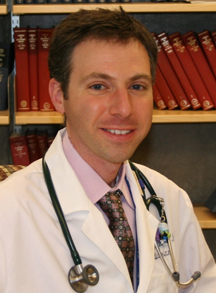
Kathryn E. Dickerson, M.D., M.S.C.S., is an Assistant Professor in the Department of Pediatrics at UT Southwestern Medical Center, specializing in the Division of Hematology and Oncology. She holds dual appointments as a 2015 Translational Research Scholar in the UTSW Center for Translational Medicine and as an NIH KL2 scholar. Her clinical focus is pediatric hematology, emphasizing bone marrow failure disorders, cancer predisposition syndromes, and thalassemia/dyserythropoietic anemias. Her research investigates epigenetic regulation of myeloid malignancies, clonal hematopoiesis in childhood cancer survivors, and molecular mechanisms underlying acute myeloid leukemia (AML), myelodysplastic syndromes (MDS), and myeloproliferative disorders (MPD). Education: Bachelor's in Biochemistry (Indiana University), minor in Spanish Medical degree (Indiana University School of Medicine) Masters of Science in Clinical Sciences (UT Southwestern Center for Translational Medicine) Training: Pediatric residency with research pathway (Ohio State University/Nationwide Children’s Hospital) Pediatric hematology-oncology fellowship (UT Southwestern) Dr. Dickerson’s research bridges basic science and clinical practice, leveraging CRISPR-based epigenetic editing, genomic analysis, and translational studies to understand disease mechanisms. Key projects include interrogating enhancer dysregulation in leukemia, studying metabolic reprogramming in cancers, and evaluating clonal hematopoiesis in survivors of childhood cancers. Her work has advanced understanding of EZH2’s role in AML and identified therapeutic vulnerabilities in myeloid malignancies. Awards: 2015 Translational Research Scholar (UTSW Center for Translational Medicine) NIH KL2 Career Development Award Grants/Initiatives: NIH-funded investigator-initiated study on clonal hematopoiesis Industry/consortia-sponsored trials for bone marrow failure and rare blood disorders She collaborates with the Children’s Research Institute and North American Pediatric Aplastic Anemia Consortium, contributing to clinical trials and translational initiatives. Her lab focuses on developing biomarkers for disease severity (e.g., immature platelet fraction in pediatric COVID-19) and therapeutic strategies targeting epigenetic dependencies in leukemia.
Ryan B. Jensen is an Associate Professor of Therapeutic Radiology and Pathology at Yale School of Medicine. His research is primarily focused on DNA repair mechanisms, with a special emphasis on the BRCA2 protein and homologous recombination pathways. He directs the Jensen Lab, which is affiliated with multiple Yale research centers including the Yale Cancer Center, Women's Health Research at Yale, and the Yale Combined Program in the Biological and Biomedical Sciences. Yale School of Medicine - Therapeutic Radiology Department (Primary Appointment) Yale School of Medicine - Pathology Department (Secondary Appointment) DNA Damage and Genome Integrity Research Group Molecular Medicine, Pharmacology, and Physiology Program WHRY Pilot Project Program Investigators Yale Ventures Dr. Jensen's research centers on understanding the molecular mechanisms of DNA double-strand break repair, particularly the role of BRCA2 in homologous recombination. His lab employs a multi-disciplinary approach combining biochemistry, genetics, cell biology, structural biology, and proteomics to investigate how BRCA2 and other proteins involved in homologous recombination signal and catalyze DNA repair reactions. A major focus is on understanding the functional consequences of BRCA2 interactions with proteins like PALB2, BRCA1, FANCD2, EMSY, DMC1, and DSS1, and how disruptions in these pathways lead to cancer development. Analysis of Dr. Jensen's recent publications (2019-2025) reveals a consistent research trajectory focused on BRCA2 function, DNA repair mechanisms, and cancer biology. His work spans fundamental biochemical characterization of DNA repair proteins, development of novel methodologies for studying replication dynamics, and translational research connecting DNA repair defects to cancer therapeutics. A notable trend is the increasing focus on clinical applications, particularly regarding BRCA2 variants of uncertain significance and their implications for personalized cancer treatment. Dr. Jensen has collaborated extensively with researchers across Yale, with frequent co-authors including Peter M. Glazer, Ranjit S. Bindra, Adam Krysztofiak, Faye Rogers, Fengshan Liang, and Joann Sweasy. His work has appeared in high-impact journals including Nature, Molecular Cell, and ELife. As a mentor, Dr. Jensen oversees graduate and undergraduate students in his lab, including Jennifer Garbarino and Joshua Matthew. His research has been supported by various funding mechanisms that enable the multi-disciplinary approach to studying DNA repair mechanisms and their implications for cancer biology and treatment. Dr. Jensen leads the Jensen Lab, which maintains a strong focus on understanding the molecular basis of DNA repair and its connection to cancer development. The lab has developed specialized techniques for purifying and characterizing large DNA repair proteins like BRCA2, which has enabled groundbreaking biochemical studies of these critical cancer-related proteins.
Jerry W. Shay is a Professor in the Department of Cell Biology at UT Southwestern Medical Center, holding the Southland Financial Corporation Distinguished Chair in Geriatric Research. He also serves as Associate Director for Education and Training at the Harold Simmons Comprehensive Cancer Center. His research focuses on telomere biology, aging, and cancer therapy development, with an emphasis on targeting telomerase in cancer treatment and understanding age-related disease mechanisms. Shay earned his BA in Zoology/Cell Biology from the University of Texas at Austin (1966), MA in Cell Biology from the University of Kansas (1968), and PhD in Developmental Biology from the University of Colorado Boulder (1975). He joined UT Southwestern in 1975, advancing from Assistant/Associate Professor to full Professor in 1993. His research interests include telomere dysfunction-induced anti-tumor immunity, cancer therapy resistance, and the role of telomerase in cellular aging. Key projects involve developing therapies like 6-thio-dG, which targets telomerase-dependent cancers, and studying the interplay between environmental toxins and colorectal carcinogenesis. Awarded numerous honors including the UT Regent’s Outstanding Teaching Award (2012) and the Piper Professorship (2013), Shay has contributed to over 30 patents, including methods to detect telomerase activity and compounds targeting cancer cell adhesion. His lab collaborates with companies like Maia Biotechnology and Reata Pharmaceuticals to translate research into clinical applications. Shay’s work bridges basic science and translational research, with ongoing projects in radiation-induced cancer progression, immune modulation in cancer treatment, and telomere measurement technologies like the TeSLA assay.
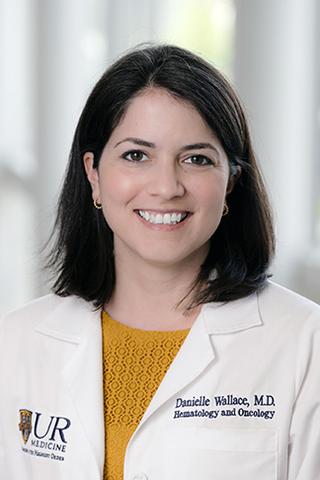
Danielle S. Wallace, M.D., is an Assistant Professor at the University of Rochester School of Medicine and Dentistry , affiliated with the Department of Medicine, Hematology/Oncology . As a clinician researcher, she specializes in the treatment of lymphoma , with a focus on nodal and cutaneous T-cell lymphomas, and is actively involved in clinical trials for cellular therapies like CAR T-cell treatment. MD | SUNY Upstate Medical University College of Medicine, 2016 Fellowship, Hematology & Oncology, University of Rochester Medical Center, 2020-2023 Residency, Internal Medicine, University of Rochester Medical Center, 2017-2019 Certified by American Board of Internal Medicine in Hematology, Internal Medicine, and Medical Oncology Her research emphasizes lymphoma treatment optimization , molecular classification , and targeted therapies . She leads clinical trials such as a Phase 2 Study of Epcoritamab and Rituximab for Follicular Lymphoma and a Randomized Phase 3 Trial of Zanubrutinib for Mantle Cell Lymphoma . Her work spans clinical trials , biomarker analysis , and patient-centered care in immune-privileged sites. Scientific awards include: Wilmot Physician Scientist-Fellowship Program (2025-2028) Wilmot Investigator Initiated Trial Support Program (2025-2027) Lymphoma Scientific Research Mentoring Program (2024-2026) Arnold P. Gold Foundation Humanism and Excellence in Teaching Award (2018) She is part of the multidisciplinary team at Wilmot Cancer Center , collaborating with clinical trial offices, radiation oncologists, and pathologists to enhance patient experiences. Her grants focus on hematologic malignancies , innovative therapies , and medical education initiatives .
Professor Mark Polizzotto is Professor of Medicine in the College of Science and Medicine at the Australian National University (ANU), Group Leader in Cancer and Genome Science at the John Curtin School of Medical Research, and leads the Clinical Hub for Interventional Research (CHOIR). Previously, he served as a Senior Staff Haematologist at The Canberra Region Cancer Centre, Canberra Hospital. His research interests focus on the intersection of immunity, infection and cancer, with particular emphasis on developing new therapies to prevent and treat malignancy, especially infection-related cancers. His work spans Cancer Immunotherapy , Cancer Target Therapies , Infectious Disease Immunotherapy , HIV/HIV-related malignancies , and Global Oncology , with specific expertise in Human Herpesvirus-8 , Epstein Barr Virus , and Human Papillomavirus . His clinical specialties include Haematology , Infectious Diseases , and Tumour Immunology . His recent publications demonstrate a strong focus on clonal hematopoiesis in HIV patients, lymphoma outcomes in immunocompromised individuals, and therapeutic approaches for viral infections including SARS-CoV-2. His work frequently addresses the intersection of chronic viral infections and cancer development, with particular attention to global health applications. The Tony Ayers Award (2022) Professor Polizzotto has led multiple international clinical trials, including work on viral and HIV-associated cancers that has influenced global guidelines. He co-led the development of an oral immunomodulator for Kaposi sarcoma which led to the first new drug approval for KS in over 20 years. During the SARS-CoV-2 pandemic, he led international randomized trials of immunotherapies for COVID-19 at the invitation of the U.S. National Institutes of Health. He has a strong commitment to diversity and inclusion in clinical trials and to clinical research capacity development in resource-limited settings, having led trial capacity building efforts in West Africa and Indonesia for the U.S. National Institutes of Health.
Dr. Yi-Qian Nancy You is a Professor in the Department of Colon & Rectal Surgery at The University of Texas MD Anderson Cancer Center. She also holds dual appointments as Associate Professor in the Department of Clinical Cancer Prevention and Assistant Professor at the University of Texas Health Sciences Center at Houston. Her clinical focus is personalized surgical care for colorectal cancer, emphasizing sphincter-preservation, quality-of-life, and long-term survivorship. She is the Medical Director of the Familial High-risk Gastrointestinal Cancer Clinic, specializing in inherited cancer syndromes. Her research addresses hereditary cancer predisposition and young-onset colorectal cancer, focusing on clinical registries, quality improvement, and cancer genetics. Education: Harvard University (undergraduate), Mayo Clinic College of Medicine (MD), Duke University (MHSc in Health Sciences). Fellowship in Clinical Surgical Oncology with the American College of Surgeons Oncology Group. Research Interests: Dr. You’s work spans hereditary cancer syndromes, surgical innovations for colorectal cancer, and translational studies to optimize patient outcomes. She leads efforts in clinical trials for gastrointestinal cancers and advocates for early detection in young adults. Her program integrates genetic counseling, preventive strategies, and multidisciplinary care. Awards: Fellow of the American College of Surgeons (FACS) Leadership & Roles: Associate Medical Director of the Clinical Cancer Genetics Program and Affiliate Faculty in Clinical Cancer Genetics. Active in education, mentoring, and clinical trial development through ALLIANCE for Clinical Trials in Oncology. Clinical Contributions: Pioneers minimally-invasive colorectal surgery techniques and directs programs addressing young-onset colorectal cancer. Collaborates with the Young-Onset Colorectal Cancer Program and Gastrointestinal Cancer Center to improve patient care and survivorship.
Natalia Imad Khalaf, MD, MPH, FACP is an Assistant Professor in the Department of Medicine at Baylor College of Medicine with dual appointments as Clinical Investigator in the Clinical Effectiveness and Population Health Program and Core Faculty in the Health Policy, Quality & Informatics Program at the Center for Innovations in Quality, Effectiveness and Safety (IQuESt) at Michael E. DeBakey VA Medical Center. Her academic trajectory spans clinical gastroenterology, epidemiology, and health services research with focus on cancer outcomes. Her educational foundation includes: BA in Biological Sciences from Rice University (2007) MD from Baylor College of Medicine (2011) Internal Medicine Residency and Chief Medical Residency at Baylor College of Medicine (2014-2015) Gastroenterology & Hepatology Fellowship at Brigham and Women's Hospital (2018) MPH in Epidemiology from Harvard T.H. Chan School of Public Health (2018) Dr. Khalaf's research program centers on pancreatic cancer epidemiology, with emphasis on early detection biomarkers (particularly new-onset diabetes), metabolic risk factors, and healthcare system interventions. Her work integrates clinical gastroenterology with population health methodologies to address diagnostic delays, racial disparities in treatment, and implementation of evidence-based guidelines in gastrointestinal cancers. She actively develops risk prediction tools using health informatics and deep learning approaches. Analysis of her recent publications reveals a concentrated focus on pancreatic cancer pathophysiology and outcomes, with significant contributions to understanding pre-diagnostic metabolic changes, emergency presentation consequences, and diabetes-cancer linkages. Her colorectal cancer work examines screening adherence barriers and medication risk associations, while quality improvement research targets guideline implementation for gastric intestinal metaplasia. Her scientific recognition includes: AGA Academy of Educators Elected Member (2018) Bob Parsons Inaugural Fellow in Pancreatic Cancer Research (2017-2018) American Gastroenterological Association Early Career Investigator Recognition (2017) Soma Weiss Award for Clinical Teaching Excellence (2017) Dean of Medical Education Outstanding Resident Teacher Award (2013) Phi Beta Kappa Honor Society (2007) Dr. Khalaf directs multiple federally funded research initiatives including: VA Career Development Award: Health Informatics Approaches to Improve Early Diagnosis of Pancreatic Cancer ($1.09M, 2022-2026) National Academy of Sciences: Clinical Quality Measures for Gastrointestinal Cancers (2022-2027) Gordon and Betty Moore Foundation: Implementing Digital Quality Measures (2024-2025) American Pancreatic Association Young Investigator Grant (2019-2021) She operates within the IQuESt research ecosystem at the Michael E. DeBakey VA, leveraging the Clinical Effectiveness and Population Health Program infrastructure for her work on cancer diagnostic excellence, veteran health outcomes, and implementation science projects targeting gastrointestinal cancer care pathways.
Rajendra Bahadur Shahi PhD is a researcher at the Faculty of Medicine and Pharmacy, Vrije Universiteit Brussel (VUB), located at Pleinlaan 2, 1050 Brussel, Belgium. With an active research career spanning from 2012 to the present, he has established himself as a significant contributor to cancer genetics research with 11 research outputs documented in institutional records and an h-index reflecting substantial scholarly impact. Dr. Shahi's research primarily focuses on cancer genetics, particularly in the areas of breast and lung cancer predisposition. His work centers on identifying genetic variants that predispose individuals to cancer, with special attention to BRCA1/2-negative familial cases. Using advanced genomic techniques like whole-exome sequencing and next-generation sequencing (NGS), he investigates cancer-associated genes and their mutations to better understand hereditary cancer syndromes and develop improved diagnostic approaches. Analysis of Dr. Shahi's publication record reveals a clear progression from methodological development in NGS approaches toward increasingly sophisticated applications in clinical oncology. His research has evolved from foundational work on sequencing technologies to direct clinical applications in cancer predisposition and targeted therapies, particularly in breast and lung cancer. The integration of genomic data with clinical phenotypes represents a consistent theme throughout his scholarly output. European Association for Cancer Research (EACR) travel fellowship (2012) Organization of the European Cancer Institute (OECI) award (2013) Organization of the European Cancer Institute's (OECI) Award (2011) PhD Scholarship (2011) Prijs Kankeronderzoek (2016) Dr. Shahi has been actively involved in presenting his research at numerous international conferences and workshops, demonstrating his commitment to advancing knowledge in cancer genomics. His scholarly work has garnered attention across multiple platforms, with significant readership on Mendeley and coverage in news outlets, indicating the relevance and impact of his research. He has also contributed to datasets that support reproducible research in cancer genetics. Through his presentations and publications, Dr. Shahi has established himself as a contributor to the cancer research community, particularly in the application of genomic technologies to understand hereditary cancer predisposition. His work bridges basic genomic research with clinical applications, focusing on translating genetic findings into improved cancer risk assessment and potential therapeutic strategies.
Dr. Leslie G. Biesecker serves as Director & NIH Distinguished Investigator leading the Center for Precision Health Research at the National Human Genome Research Institute (NHGRI), part of the National Institutes of Health. His work bridges clinical practice and genomic research with focus on elucidating genetic mechanisms of rare developmental disorders. Educational background includes: B.S. from University of California, Riverside M.D. from University of Illinois College of Medicine Pediatrics training at University of Wisconsin Clinical and molecular genetics training at University of Michigan His research program centers on precision genomics with dual foci: (1) rare disorders of development and overgrowth including Proteus syndrome, PIK3CA-related overgrowth, and Pallister-Hall syndrome; and (2) hypothesis-generating clinical genomics through the ClinSeq ® program. The laboratory employs integrated clinical-molecular approaches, massively parallel sequencing, and animal models to investigate genotype-phenotype correlations while developing therapeutic strategies targeting the AKT/PIK3CA pathway. Recent work expands into pharmacogenetics and cancer susceptibility gene evaluation. Key publication trends reveal consistent leadership in rare disease gene discovery (2000-2012), methodological innovation in genomic analysis (2009-2013), and translational implementation of genomic medicine (2013-2016). Research spans molecular genetics, clinical diagnostics, and therapeutic development with strong emphasis on somatic mosaicism and pathway-targeted treatments. Major recognitions include: Election to National Academy of Medicine Presidency of American Society of Human Genetics (2019) NIH Distinguished Investigator appointment Dr. Biesecker co-directs a CLIA-certified molecular diagnostic laboratory and serves on editorial boards for four biomedical journals. His advisory roles include Illumina Corporation consultation and World Trade Center victim identification efforts. The Precision Genomics Section maintains active recruitment for clinical protocols studying rare disorders through the NIH Clinical Center, with recent expansion into therapeutic interventions for overgrowth disorders. Current lab structure includes staff scientists (Jennifer Johnston), genetic counselors (Julie Sapp), research scientists (Marjorie Lindhurst), and postdoctoral fellows working on genomic analysis and clinical protocols.
Dr. Stephanie Panier serves as a Max Planck Research Group Leader at the Max Planck Institute for Biology of Ageing in Cologne, Germany, and as a Principal Investigator at the Institute for Genome Stability in Aging and Disease within the Medical Faculty of the University of Cologne. Her research program investigates the fundamental mechanisms by which cells maintain genome stability through sophisticated DNA damage response pathways. Her academic journey includes: PhD in Molecular Genetics from the University of Toronto (2008-2013) under Prof. Daniel Durocher Postdoctoral training at the Francis Crick Institute in London (2013-2019) with Prof. Simon Boulton Undergraduate studies in Biology at Ruprecht-Karls-Universität Heidelberg, Germany (2001-2006) Dr. Panier's laboratory focuses on two central questions in genome stability research: how DNA damage response pathways interact with telomere maintenance mechanisms, and how RNAs and RNA-binding proteins organize chromatin-based responses to DNA lesions. Her team employs cutting-edge cell biological and omics approaches to identify and characterize RNA-binding proteins at DNA damage sites, mapping their chromatin dynamics and interactions following genotoxic stress. This research has significant implications for understanding aging-associated diseases driven by genomic instability, including cancer and neurodegeneration. Analysis of her publication record reveals consistent contributions to understanding DNA repair mechanisms, with recent work expanding into cancer biology, telomere maintenance in alternative lengthening pathways, and the emerging role of RNA metabolism in genome stability. Her scientific achievements have been recognized through: Vivash Award for best PhD thesis (2013) FEBS Excellence Award (2023) EMBO Long-Term Fellowship (2013-2014) Vanier Canada Graduate Scholarship (2010-2013) Boehringer Ingelheim Fonds PhD Fellowship (2008-2010) EIRR21st Fellowship (2023) Dr. Panier actively contributes to the scientific community through leadership roles including Vice Coordinator of the DFG Research Unit FOR5504 (2023-2026), membership on the advisory board of the German Society for Research on DNA Repair since 2022, and representation on the Biology and Medicine Section of the Max Planck Society's scientific council since 2022. She also serves as a Principal Investigator in the Cologne Excellence Cluster 'Cellular Stress Responses in Aging-Associated Diseases' (CECAD). Her laboratory comprises postdoctoral researchers and PhD students working collaboratively to advance our understanding of genome stability mechanisms in aging, with current projects focusing on RNA-binding proteins in DNA damage response and telomere maintenance pathways.
Joshua Schiffman is a Professor of Pediatric Hematology and Oncology and Adjunct Professor of Oncological Sciences at the University of Utah. He holds the inaugural Edward B. Clark, MD Endowed Chair in Pediatric Research and serves as Medical Director for the High-Risk Pediatric Cancer Clinic and Education Director for the Program in Personalized Health. Education: B.S., Brown University M.D., Brown University School of Medicine Research Focus: Dr. Schiffman's work spans hereditary cancer syndromes, comparative oncology, and translational genomics. His lab investigates pediatric cancer risk through genomic analysis and cross-species comparisons, leveraging insights from species like elephants to develop novel cancer therapies. Scientific Trends: Recent publications highlight his expertise in TP53 mutation studies, comparative oncology (e.g., elephant genomics), chemotherapy resistance mechanisms, and genetic predisposition to pediatric cancers. Awards: Inaugural Edward B. Clark, MD Endowed Chair in Pediatric Research Labs & Collaborations: The Schiffman Lab collaborates with epidemiologists, molecular biologists, and international consortia to advance cancer research through genomics and evolutionary biology.
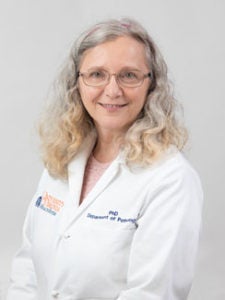
Katia Sol-Church is a Research Professor of Pathology at the University of Virginia School of Medicine and serves as the Director of the Genome Analysis & Technology Core within the Office of Research Core Administration. Her academic journey began with a Doctoral Degree in Cellular Biology from Université Paul Sabatier (Toulouse, France) and a Ph.D. in Biomedical Sciences from McGill University (Montreal, Canada). Her research spans genomics , RASopathies , and cancer predisposition syndromes , with a focus on applying omics technologies to enhance biomedical research rigor and reproducibility. She has pioneered discoveries in rare genetic disorders like Costello syndrome and Noonan syndrome, often collaborating with institutions such as Nemours and the University of Virginia. Her publication record reveals a trend toward integrating genomic analysis with clinical applications , including studies on coronary artery disease regulatory mechanisms (2022), auditory neuropathy genetics (2021), and RASopathy phenotyping (2017-2019). Collaborations with teams at UVA, Nemours, and international institutions underscore her interdisciplinary approach. As Director of the UVA Genomics Core, she leads initiatives to advance biomedical research infrastructure , emphasizing scientific reproducibility and clinical genomics across departments like Pathology and Pediatrics.
Dr. Emma Reeves is a Lecturer in Cancer Immunology at the University of Southampton, affiliated with the Department of Cancer Sciences. Her research focuses on antigen processing mechanisms, T cell responses, and tumor immunology, particularly exploring the role of ERAP1 in disease contexts ranging from cancer to autoimmune conditions. She currently supervises two PhD students in Cancer Sciences and teaches topics related to immunology and cancer biology. Her key research interests include understanding how ERAP1 polymorphisms influence immune responses in viral infections, cancer progression, and autoimmune disorders. This work bridges molecular immunology and clinical applications, aiming to develop therapeutic strategies targeting antigen processing pathways. Publications highlight her contributions to elucidating ERAP1's role in shaping MHC class I peptide repertoires, HPV-associated tumor immunity, and the prognostic significance of ERAP1 variants in cancer. While no specific awards are listed, her research has been published in high-impact journals such as Cancer Immunology Research and Journal of Hepatology . Dr. Reeves collaborates with interdisciplinary teams investigating tumor immune evasion mechanisms and translational immunotherapies. She maintains an active role in guiding early-career researchers through her PhD supervision and contributes to advancing our understanding of immune system dynamics in health and disease.
K Sreekumaran Nair, M.D., Ph.D., is a Professor of Medicine at Mayo Clinic College of Medicine and Science. He serves as a Consultant in the Division of Endocrinology, Diabetes, Metabolism, and Nutrition within the Department of Internal Medicine. His research focuses on energy metabolism, protein turnover, and mitochondrial dysfunction in diabetes and aging. Dr. Nair leads the Metabolic Basis for Type 2 Diabetes and Aging Research Laboratory, investigating mechanisms linking genetic predisposition, mitochondrial biology, and insulin resistance in aging populations. Education: M.B.B.S., University of Kerala (1973) B.Sc. (Chemistry & Physics), University of Kerala (1967) Ph.D. (Endocrinology/Metabolism), Council of National Academic Awards, London (1984) M.D., State University of New York at Albany (1988) Research Interests: Skeletal muscle metabolism and mitochondrial function Protein turnover in diabetes and aging Metabolic consequences of insulin resistance Role of branched-chain amino acids in muscle wasting Awards: Dr. Richard F. Emslander Professorship (2020) Elected Member, Association of American Physicians (1999) David Murdock-Dole Food Company Professorship (1999) E.V. McCollum Distinguished Investigator Award (2004) Grants & Collaborations: Funded by NIH (NIA, NIDDK, NCRR), Merck, Ajinomoto, and others International collaborations with Karolinska Institute Dr. Nair's lab uses mass spectrometry, NMR spectroscopy, and stable isotope tracers to study metabolic pathways. His work bridges basic science and clinical applications, with over 369 peer-reviewed publications and contributions to diabetes care guidelines.