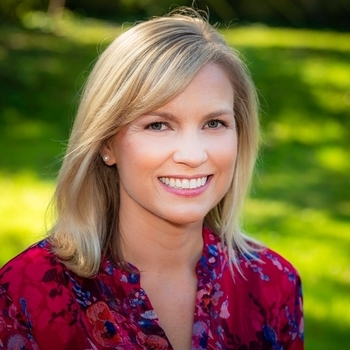
Michael McAlpine is a Professor in the Mechanical Engineering department at the University of Minnesota . He also holds affiliations with the Biomedical Engineering and Electrical and Computer Engineering departments. His research focuses on 3D printing functional materials & devices , Nanoscale inks , Biomedical devices , Bioelectronics , and Flexible Microsystems . Research Interests : 3D Printing, Biomedical Engineering, Nanotechnology, Flexible Electronics, Microfluidics Labs : ME 361/363 Contact : mcalpine@umn.edu , (612) 626-3303, ME 117 Recent Research Trends include 3D Printed Biomedical Devices , Flexible Electronics , and Bioprinting Applications . His work spans from Spinal Organoid Formation to Programmable Drug Release Capsules . Scientific Award : Circulation Research 2020 Best Manuscript Award
Kristian Helin is Chief Executive and President of The Institute of Cancer Research (ICR), London, and a Professor with affiliations at the University of Copenhagen and Memorial Sloan Kettering Cancer Center. He founded/directed the Biotech Research & Innovation Centre (BRIC), Centre for Epigenetics, and Danish Stem Cell Center. His research focuses on epigenetic regulation, cancer biology, and stem cell differentiation. Education: Ph.D. Molecular Biology, University of Copenhagen (1991) M.Sc. Chemical Engineering, Technical University of Denmark (1988) Research Interests: Helin's work deciphers molecular mechanisms in cancer, emphasizing epigenetic drivers (e.g., H3K4/H3K36 methylation), transcriptional control, and therapeutic targeting. His lab identified E2F transcription factors, linked epigenetic dysregulation to leukemia/lymphoma, and develops drugs targeting kinases/epigenetic enzymes. Research spans acute myeloid leukemia, B-cell lymphoma, and solid tumors using CRISPR screens and preclinical models. Publication Trends: Recent articles (2023-2025) focus on epigenetic therapy, chromatin remodeling, and kinase signaling in cancer. Key themes include targeting NSD1/KDM5C/RIOK2 enzymes, combination therapies (EZH2/DOT1L inhibitors), and metabolic regulation in leukemia. Studies bridge basic mechanisms (enhancer regulation, insulator accessibility) with translational applications. Awards: Anders Jahre Prize (2014), ERC Advanced Grant (2011), Novo Nordisk Prize (2008) Memberships: Academia Europaea, Royal Danish Academy, EMBO Leadership: Helin co-founded EpiTherapeutics (acquired by Gilead) and leads the Epigenetics and Cancer lab at ICR. His team investigates AML pathogenesis and chromatin complexes like HUSH/NURF. Grants include ERC funding and innovation prizes.
Dr. Vakil Takhaveev is a Lecturer at ETH Zurich's Department of Health Sciences and Technology, within the Institute of Food, Nutrition and Health. His research focuses on DNA damage mechanisms, aging, cancer, and neurodegeneration, with particular emphasis on developing novel DNA-damage-sequencing methods like click-code-seq and TRABI-Seq . He investigates anticancer drug action (e.g., trabectedin), aging clocks using DNA oxidation profiling, and stress-induced carcinogenesis. His work integrates multi-omics approaches and advanced sequencing techniques. Research Directions: Novel DNA-Damage-Sequencing Methods: Developed click-code-seq and TRABI-Seq for genomic mapping of DNA lesions and repair dynamics. Anticancer Drug Action: Explored mechanisms of trabectedin and other chemotherapeutics, linking DNA repair vulnerabilities to therapy resistance. Aging Clocks: Created DNA oxidation-based biomarkers for biological aging using genome-wide profiling in human and mouse models. Stress-Induced Pathologies: Studies metabolic and DNA damage links to early tumorigenesis and neurodegeneration. Awards & Recognition: 2025 Public Award Winner in PIs of Tomorrow competition 2024 ETH Zurich Career Seed Award Best presentation awards (Swiss Chemical Society, American Chemical Society) Grants & Collaborations: Impetus grants for aging clock development Swiss Chemical Society and American Chemical Society fellowships Labs & Teams: Leads research on DNA damage and aging mechanisms at ETH Zurich, collaborating with international groups in oncology and toxicology.
David H. Sherman is the Hans W. Vahlteich Professor of Medicinal Chemistry at the University of Michigan, holding joint appointments in the College of Pharmacy (Department of Medicinal Chemistry), Medical School (Microbiology & Immunology), and College of Literature, Science, and the Arts (Chemistry). He leads the Sherman Lab at the Life Sciences Institute and co-founded the Natural Products Discovery Core. His research focuses on natural product discovery, biosynthetic pathways, and drug development for infectious diseases, cancer, and neurological disorders. Education: PhD in Synthetic Organic Chemistry from Columbia University (1981), BA in Chemistry from UC Santa Cruz (1978). Postdoctoral research at MIT (1984). Research interests include microbial secondary metabolites, enzymatic catalysis (e.g., C-H functionalization, polyketide assembly), and high-throughput drug screening. He pioneered a microbial natural product library with over 50,000 samples. Current projects emphasize developing macrolide antibiotics and advancing compounds toward clinical trials through the Natural Products Biosciences Initiative. Collaborations span global institutions, with a focus on biodiversity conservation and capacity-building in low-income nations. He has mentored 67 PhD students, 60 postdocs, and 85+ undergraduates, fostering interdisciplinary training in chemical biology and microbial biochemistry. Labs/Teams: Sherman Lab (Life Sciences Institute), Center Member at Samuel and Jean Frankel Cardiovascular Center, Center for Computational Medicine and Bioinformatics, Rogel Cancer Center.
Prof. Paul Stupple is a Professor of Medicinal Chemistry at Monash University, Australia, with over 20 years' experience in pharmaceutical industry and academia. He holds leadership roles at Canthera Discovery and manages the Australian Translational Medicinal Chemistry Facility. His expertise lies in small molecule drug discovery, particularly targeting cancer therapies and epigenetic regulators. Affiliations: Monash University, Faculty of Pharmacy and Pharmaceutical Sciences Canthera Discovery (Director, Medicinal Chemistry) Education: BA and DPhil in Chemistry from the University of Oxford (1992–1999). Early career at Pfizer as a medicinal chemistry leader, delivering 6 clinical candidates. Key contributions include: Licensing deals with Merck (2016) and Pfizer (2018) for preclinical projects Leading the Cancer Therapeutics CRC's medicinal chemistry program Research Interests: Small molecule drug discovery focused on histone acetyltransferase inhibitors, cancer therapeutics, and epigenetic modulation. Notable projects include development of KAT6A/B inhibitors for ER+ breast cancer and STING agonists for immunotherapy. Grants/Projects: Principal Investigator for major initiatives like MedChem Australia (2023–2028) and drug target identification platforms. Collaborates widely with institutions like WEHI and University of Sydney. Over 28 peer-reviewed publications spanning 1997–2025. Labs/Teams: Oversees the Australian Translational Medicinal Chemistry Facility, a key resource for drug discovery in Australia.
Britt Adamson is an Associate Professor in the Department of Molecular Biology and the Lewis-Sigler Institute for Integrative Genomics at Princeton University, where she serves as Director of the Undergraduate Program in Quantitative and Computational Biology. Her lab investigates molecular networks in human cells with focus on stress response mechanisms and genome editing technologies. She received her B.S. in Biology from the Massachusetts Institute of Technology (2005) and Ph.D. in Genetics and Genomics from Harvard University (2012), followed by postdoctoral training at UCSF under Jonathan Weissman supported by a Damon Runyon Cancer Research Foundation Fellowship. Adamson's research centers on how cells organize stress response networks during DNA damage and endoplasmic reticulum stress, developing CRISPR-based functional genomics and single-cell sequencing tools to map molecular behaviors. Her work bridges fundamental cell biology with therapeutic applications in genome editing. Analysis of her 15 most recent publications reveals dominant themes in precision genome editing (prime/base editing optimization) and systematic dissection of DNA repair pathways through combinatorial CRISPR screening. Her lab consistently integrates computational approaches with high-resolution experimental techniques to uncover context-dependent cellular behaviors. Her scientific recognitions include: Damon Runyon Cancer Research Foundation Postdoctoral Fellowship Princeton IP Accelerator Award (2025) STAT Who to Know: 10 Scientists leading a new generation of gene editors (2024) Adamson actively mentors eight graduate students (including alumni Ann Cirincione and Jun Hussmann) and two postdocs, with research funded through institutional awards and collaborative grants. Her lab's technological developments have enabled projects spanning virology, immunology, and developmental biology. The Adamson Lab operates within Princeton's Lewis-Sigler Institute for Integrative Genomics, fostering an interdisciplinary environment that merges cell biology, genomics, and computational science. Current projects focus on improving prime editing efficiency and understanding stress response adaptation in disease contexts.
Weiping Tang is a Professor of Pharmaceutical Sciences and Chemistry at the University of Wisconsin-Madison, holding the Janis Apinis Professorship in the School of Pharmacy and the Vilas Distinguished Achievement Professorship. He also serves as Director of the Medicinal Chemistry Center at the School of Pharmacy and maintains a faculty appointment with the Department of Chemistry in the College of Letters and Science. Janis Apinis Professor of Pharmaceutical Sciences Vilas Distinguished Achievement Professor Director of Medicinal Chemistry Center Faculty Appointment with Department of Chemistry Dr. Tang received his B.S. in Chemistry from Peking University in 1997, M.S. in Chemistry from New York University in 1999, Ph.D. in Organic Chemistry from Stanford University in 2005, and completed a postdoctoral fellowship in Medicinal Chemistry, Chemical Biology and Drug Discovery at Harvard University in 2007. Dr. Tang's research program focuses on drug discovery for cancer, infectious diseases, and neurodegenerative disorders through three interconnected areas: Organic Synthesis (advancing glycoscience through novel carbohydrate synthesis technologies), Medicinal Chemistry (developing small molecules that selectively remove disease-associated proteins), and Chemical Biology (dissecting biological pathways using novel small molecule probes). His group operates as an interdisciplinary team where chemists and biologists collaborate closely on drug discovery projects, with particular emphasis on developing novel degraders for disease-causing proteins. Analysis of Dr. Tang's publication record reveals a significant shift toward targeted protein degradation technologies, particularly PROTACs and molecular glues, while maintaining strong foundations in carbohydrate chemistry. His most impactful recent work includes developing degraders for extracellular and membrane proteins (previously considered 'undruggable'), creating rapid synthesis platforms like Rapid-TAC and Rapid-Glue, and advancing understanding of ternary complex formation for novel PROTAC design. His research spans both chemical methodology development and therapeutic applications across multiple disease areas. Vilas Distinguished Achievement Professorship Janis Apinis Professorship Numerous high-impact publications in leading chemistry and pharmacology journals Editor's pick and hot paper designations for significant contributions Dr. Tang mentors a diverse team of graduate students, postdoctoral fellows, and staff scientists with expertise spanning synthetic chemistry, medicinal chemistry, carbohydrate chemistry, computational chemistry, biochemistry, and cell biology. His group has developed innovative platforms for the rapid synthesis of protein degraders and has made significant contributions to understanding the mechanisms of action for these novel therapeutics. Current research includes developing selective degraders for cancer targets like RIPK1, BRD4, and CARM1, as well as advancing delivery systems for clinical translation. The Tang Research Group maintains state-of-the-art facilities within the School of Pharmacy at UW-Madison, equipped for comprehensive chemical synthesis, compound characterization, and biological evaluation. The group actively collaborates with researchers across campus and with industry partners to advance discoveries toward clinical applications, with particular focus on cancer therapeutics and protein degradation technologies.
Thomas Perlmann is a Professor in Molecular Developmental Biology at the Karolinska Institutet , leading research at the Department of Cell and Molecular Biology and serving as Director of the Stockholm Branch of the Ludwig Institute for Cancer Research. He also holds the position of Secretary General of the Nobel Assembly and Nobel Committee for Physiology or Medicine since 2016. Ph.D. , Karolinska Institutet, 1991 M.Sc. , Stockholm University, 1987 Research Interests : The Perlmann lab investigates the specification and maintenance of dopamine neurons in the central nervous system, with a focus on transcriptional regulation , signaling pathways , and regenerative medicine applications for Parkinson’s disease and other neurodegenerative disorders. His work bridges developmental biology and neuroscience , emphasizing the role of transcription factors in neuronal identity and function. Recent Research Trends : Perlmann’s recent publications highlight the use of single-cell RNA sequencing to dissect dopamine neuron heterogeneity , epigenetic regulation during development, and transcriptomic changes in Parkinson’s disease models. His studies increasingly leverage multiomics and bioinformatics to map neuronal lineage trajectories and gene expression dynamics. Scientific Awards : Royal Medal by HM the King (2025) Nicholson Lecturer, Rockefeller University (2011) Göran Gustafsson Prize in Molecular Biology (1999) Eric K. Fernström Young Investigator Prize (1997) Advising & Collaborations : While no student names are explicitly listed, Perlmann collaborates extensively with researchers such as Malin Parmar , Agnete Kirkeby , and Per Svenningsson on projects related to neuronal development and cell therapy . His lab receives funding from institutions like the Ludwig Institute for Cancer Research . Labs & Teams : The Perlmann Lab at Karolinska Institutet includes researchers like Linda Gillberg , Laura Lahti , and Behzad Yaghmaeian Salmani , who work on mouse models , single-cell transcriptomics , and bioinformatics to study dopamine neuron biology.
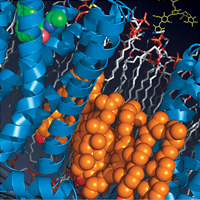
Vadim Cherezov, the Ester Dornsife Chair in Biological Sciences and Professor at the University of Southern California (USC), leads groundbreaking research in membrane protein structure and function. Affiliated with the Bridge Institute, Department of Chemistry, and Michelson Center for Convergent Bioscience, his work focuses on GPCRs, ion channels, and transporters—critical targets for drug discovery. His team leverages advanced techniques like Lipidic Cubic Phase (LCP) and Serial Femtosecond Crystallography (SFX) at XFEL facilities to solve high-resolution structures under physiological conditions. Institutional Affiliations: Bridge Institute, USC Michelson Center, Department of Chemistry, Department of Pharmacology and Pharmaceutical Sciences. Key Collaborations: Katritch Lab, Kuhn Lab, NIH, European XFEL. His research explores the role of lipids in modulating GPCR function, addressing diseases like Alzheimer’s, diabetes, and cancer. By solving the structure of the A 2A adenosine receptor via sulfur SAD phasing at XFEL, Cherezov’s lab demonstrated de novo phasing without heavy atoms. This breakthrough enables structural studies of previously intractable membrane proteins. Scientific Awards & Grants: NIH R01 GM108635, U54 GM094618, U54 GM094599, R01 GM095583 Science Signaling Breakthroughs of the Year (2014) Cherezov mentors a dynamic team, including postdocs (e.g., Dong-Gyun Kim), graduate students (e.g., Behnaz Davoudinasab), and alumni (e.g., Benjamin Stauch at Eli Lilly, Nairie Michaelian at Genentech). His lab’s publications span Nature , Science , and Cell , with recent work on Science Advances (2025) addressing ABEL-FRET for GPCR dynamics.
Dr. Steven G. Clarke is a Distinguished Professor at UCLA Department of Chemistry & Biochemistry and director of research at the Molecular Biology Institute . His work bridges protein chemistry , methylation biology , and aging research through studies of spontaneous protein damage and its repair mechanisms. Education: BA in Chemistry and Zoology, Pomona College (magna cum laude, Phi Beta Kappa) PhD in Biochemistry and Molecular Biology, Harvard University (NSF Fellow) Postdoctoral Fellowship at UC Berkeley (Miller Fellow) Dr. Clarke's research focuses on protein isoaspartyl repair via PCMT1/PIMT enzymes , ribosomal protein methylation in Saccharomyces cerevisiae , and PRMT family characterization including PRMT7 and PRMT9. His lab combines biochemical assays , genetic models , and structural analysis to investigate aging mechanisms and disease implications. Recent publications highlight: COQ5 structure-function analysis in coenzyme Q biosynthesis PCMTD1 ubiquitin ligase interactions PRMT7 substrate specificity in histone H2B Protein isoaspartyl impacts on T cell function in lupus Novel PRMT inhibitors for cancer therapy Methionine addiction in osteosarcoma malignancy Major scientific awards: American Chemical Society Ralph F. Hirschmann Award in Peptide Chemistry NIH MERIT Award Ellison Medical Foundation Senior Scholar Award William C. Rose Award, ASBMB UCLA Distinguished Teaching Award (Eby Award winner) Current lab members include PhD candidates Eric Pang (UCSB) and Sining "Cindy" Wang (UCLA), while undergraduates Celeste Medina-Seymoure , Elizabeth Oroudjeva , Olivia Pacheco , and Jasmine Winter contribute to ongoing proteostasis studies. Collaborations with Profs. Jose Rodriguez and Catherine Clarke demonstrate interdisciplinary research approaches.
Dr. Yogambha Ramaswamy is a Senior Lecturer in the School of Biomedical Engineering at The University of Sydney and a member of the Sydney Nano Institute. She holds a Master’s in Biotechnology from the University of Queensland and a PhD in Biomedical Engineering from the University of Sydney (2009). Her postdoctoral career began as a Vice-Chancellor’s Postdoctoral Research Fellow at the University of New South Wales, followed by a Peter Doherty Early Career Fellowship in 2013 before joining the University of Sydney in 2015. Dr. Ramaswamy’s research focuses on biomaterials, tissue engineering, and mechanobiology, with a particular emphasis on developing calcium silicate-based ceramics and biopolymers for orthopedic and regenerative applications. Her recent work explores the role of physical cues in modulating stem and cancer cell behavior. She teaches courses such as AMME1961 (Introduction to Biomedical Engineering B) and AMME5962 (Introduction to Mechanobiology). Her research has been supported by grants including the NHMRC Early Career Fellowship and collaborations with institutions like the CSIR-Indian Institute of Chemical Technology and the University of Otago. Her publications span biomaterials, nanotechnology, and mechanobiology, with recent work addressing atherosclerosis, hydrogel design, and nanomedicine. She currently supervises PhD students Frank (biomaterials) and Alexander (atherosclerosis research).
Dr. Ahmet Acar is an Associate Professor at the Department of Biological Sciences, Middle East Technical University (METU), Ankara, Turkey. He leads the Cancer Precision Medicine and Drug Resistance Laboratory, focusing on understanding mechanisms of drug resistance in cancer. His research integrates experimental models, next-generation sequencing, and deep learning to address clinical challenges in cancer therapy. Dr. Acar holds a B.Sc. from METU's Biological Sciences department and a Ph.D. from the Cancer Research UK Manchester Institute. He completed postdoctoral training at the Institute of Cancer Research, London, and the University of Manchester. Research Interests: Drug resistance mechanisms, precision oncology, tumor microenvironment modeling, patient-derived organoids, computational pathology, and evolutionary cancer biology. His lab develops 2D/3D co-culture systems, PDO biobanks, and AI-driven histopathology tools to improve treatment strategies. Recent Work Trends: Recent publications emphasize tumor evolution modeling, matrix mechanics in drug resistance, and AI applications in histopathology. Collaborations with hospitals in Turkey and Europe support PDO biobank initiatives. His team explores evolutionary steering strategies to exploit collateral drug sensitivities. Labs/Teams: Precision Medicine and Drug Resistance Lab at METU focuses on interdisciplinary approaches combining wet-lab experiments with computational methods. Current projects include ex vivo tumor modeling and AI-driven diagnostic tools for oncology.
Kelly Arnold is an Associate Professor in the Department of Biomedical Engineering at the University of Michigan. Her research integrates systems engineering principles with immunology to investigate variability in immune responses across infection, vaccination, and injury, with a focus on computational modeling and clinical translation. Research Focus Systems-level immune response modeling Vaccination and antibody functionality Vaginal microbiome-host interactions Chronic lung disease progression Computational serology and proteomics Recent Work Her 2025 studies examine SARS-CoV-2 vaccination responses in cancer patients and computational frameworks for vaginal probiotics. Earlier works (2024-2007) span COPD progression, lupus fibrosis, HIV susceptibility, and tissue engineering for fertility preservation. Methodologies include proteomic profiling, network modeling, and microfluidic systems.
Daiwei (David) Zhang, PhD, is an Assistant Professor (tenure-track) in the Department of Biostatistics at the University of North Carolina at Chapel Hill School of Medicine, with a joint appointment in the Department of Genetics. His research focuses on developing AI frameworks for analyzing high-dimensional biomedical data, particularly in spatial omics, computational pathology, and medical imaging. Education: MS (Biostatistics) and PhD (Biostatistics and Scientific Computing) from the University of Michigan. Postdoctoral Training: University of Pennsylvania. Research interests include applying machine learning to address biomedical challenges such as tumor heterogeneity, immune interactions, and tissue architecture. His work spans computational methods for spatial transcriptomics, proteomics, and histology integration. Recent publications emphasize spatial multi-omics analysis of cancer ecosystems, tertiary lymphoid structures, and metabolic coordination. These studies leverage advanced machine learning algorithms and interdisciplinary approaches to advance precision medicine. No scientific awards are explicitly mentioned, but his work reflects significant contributions to biomedical AI research. Grants and advising details are not provided in the text.
Dewey G. McCafferty is Professor of Chemistry at Duke University with appointments in Biochemistry and the Duke Cancer Institute. His research focuses on chemical biology of chromatin-modifying enzymes and ubiquitin signaling pathways relevant to neurodegeneration and infection. Notable work includes discovering the lasso peptide antibiotic Arcumycin, characterizing the Nedd4 ubiquitin ligase in Parkinson's disease models, and developing chemoproteomic approaches for target identification. Key contributions include elucidation of the futalosine pathway in Chlamydia infections, mechanisms of CPAF protease in bacterial pathogenesis, and engineering of histone demethylase enzymes. McCafferty received the Eli Lilly Award in Biological Chemistry (2005) and directs NIH-funded projects on ubiquitin ligases in neurodegeneration.