Dr. Karry Kazial serves as Associate Professor in the Department of Biological Sciences at the State University of New York at Fredonia, where her research bridges animal communication theory and wildlife conservation practice with specialized expertise in bat bioacoustics. Research Focus: Her groundbreaking work demonstrates echolocation calls function as communication signals enabling individual recognition among bats—a trait co-opted from natural selection for prey capture. Current investigations explore bat-insect predator-prey dynamics during insect mate attraction and conservation applications including bat house optimization, artificial lighting impacts, and acoustic habitat monitoring. Academic Engagement: Dr. Kazial actively mentors students in field and laboratory research, teaching core courses from Organismal Biology to Animal Communication. Her lab employs habituation experiments and geographic variation studies to unravel the communicative complexity of sonar calls while addressing urgent conservation challenges through empirical field studies. Research Infrastructure: Based in Fredonia's Science Center, the lab utilizes acoustic monitoring equipment for field studies and controlled experimental setups for behavioral analysis, with ongoing projects spanning bat-insect interactions to urban lighting impacts on foraging ecology.
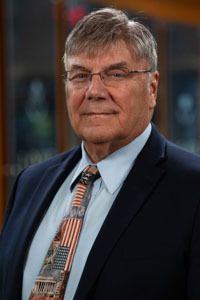
Dr. James H. Wright serves as Professor of Christian Leadership & Church Ministries at Liberty University's Theological Seminary, bringing over 50 years of ministry experience since his calling at age 15. His career spans pastoral roles across three Southern Baptist churches and one inter-denominational church, alongside continuous chaplaincy service since 1995. His educational foundation includes: D.Min. from Southern Seminary M.Div. from Southern Seminary B.S. from Southern Illinois University Dr. Wright specializes in Clinical Pastoral Education and healthcare chaplaincy systems, having developed Liberty's ACPE-accredited program at Baptist Health Paducah in 2002. His research integrates disaster response through the American Psychotherapy Association, PTSD support for military personnel, and innovative ethics consult frameworks that optimize conflict resolution in medical settings. He pioneered the Clinical Pastoral Training (CPT) program for volunteer chaplains with annual competency maintenance. As an ACPE Certified Educator, he has trained numerous CPE interns while directing pastoral care departments. Current roles include dual appointments at Marion IL Medical Center and Liberty University's Center for Chaplaincy, where he oversees accredited education programs and volunteer chaplaincy initiatives. His program development demonstrates leadership in institutional chaplaincy systems, including the CPT community volunteer network and hospital ethics consult protocols that conserve resources through structured conflict mediation.
Harman Dhatt serves as Assistant Professor in the Department of Pharmacy Practice at the University of Health Sciences and Pharmacy in St. Louis College of Pharmacy. His research focuses on medication therapy management innovation, telehealth service optimization, and pharmaceutical care quality improvement. As a core faculty member in the Pharmacy Practice department, he contributes to advancing clinical pharmacy services through rigorous evaluation of comprehensive medication review protocols. Research interests center on telephonic medication management systems, with particular emphasis on standardizing clinical assessments while maintaining patient-centered flexibility. His work analyzes Medicare beneficiary interactions to identify critical components of effective medication therapy management, including allergy verification, drug therapy problem resolution, and lifestyle modification counseling. Current projects investigate variations in service delivery across provider organizations and develop quality metrics for comprehensive medication reviews. Dhatt's publication portfolio demonstrates consistent contributions to pharmaceutical care literature since 2020, with recent work highlighting the need for standardized yet adaptable medication review frameworks. His research reveals significant organizational variations in clinical assessment depth during telephonic reviews, suggesting opportunities for national standardization while preserving pharmacist clinical judgment. Collaborative work spans multiple institutions including partnerships with Terri Warholak and David Axon. His projects frequently address health disparities through initiatives like rural Spanish-speaking population outreach using promotoras and pharmacists. Current research trajectories indicate growing focus on digital health integration within medication management services.
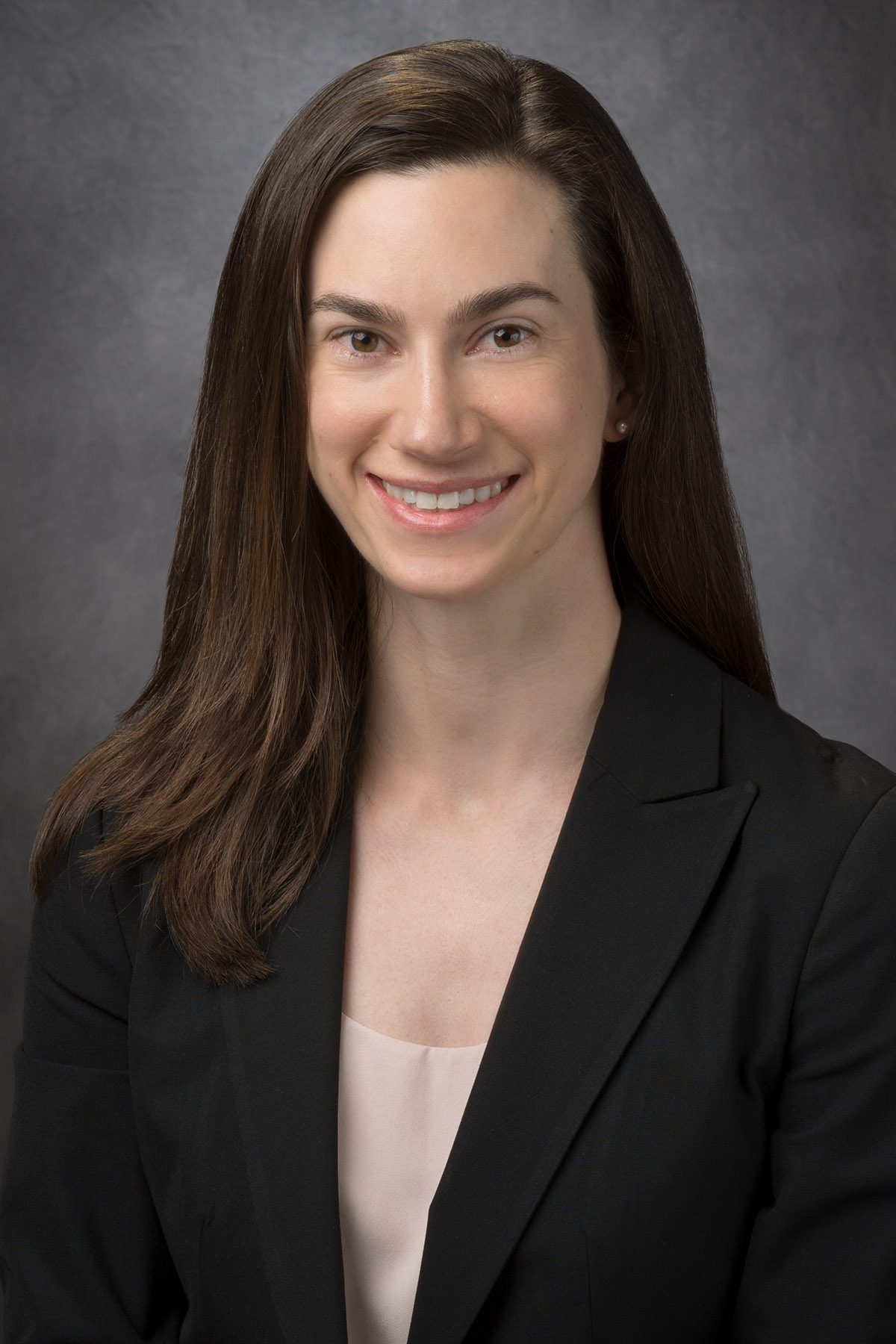
Mackenzie Wehner, MD, MPhil is an Assistant Professor in both the Department of Health Services Research (within the Division of Cancer Prevention and Population Sciences) and the Department of Dermatology at The University of Texas MD Anderson Cancer Center. She also holds an adjunct appointment at The University of Texas Health Science Center at Houston - McGovern Medical School. Dr. Wehner leads the Wehner Laboratory, which focuses on patient-oriented skin cancer research. Dr. Wehner's research centers on skin cancer prevention and risk assessment, with particular emphasis on understanding the relationship between precursor lesions and future skin cancers, identifying early prognostic markers for high-risk patients, and developing optimal skin cancer prevention paradigms. Her work spans epidemiology, health services research, and clinical dermatology, with strong attention to personalized approaches to skin cancer care. She also has a notable interest in gender in medicine and leadership, as evidenced by her influential BMJ article on gender representation in medical leadership. Analysis of Dr. Wehner's recent publications reveals a strong focus on skin cancer epidemiology across diverse populations, with particular attention to special populations including organ transplant recipients, patients with genetic conditions, and individuals with varying skin tones. Her research frequently utilizes large administrative datasets including Medicare claims and SEER-Medicare to investigate important questions in skin cancer prevention and care. Work featured in Surgeon General's Call to Action to Prevent Skin Cancer (2014) Work featured in World Health Organization public health materials (2017) Cited in dermatology textbooks (Bolognia et al, Dermatology, 5th Ed, 2024) Cited in American Academy of Dermatology Guidelines of Care Cited in NCCN Guidelines for Squamous Cell Skin Cancer (Version 1.2024) Dr. Wehner's research program is supported by multiple funding sources including the Cancer Prevention and Research Institute of Texas, University of Texas Rising STARs, Melanoma Research Foundation, National Cancer Institute, and MD Anderson institutional grants. Her lab provides a productive, supportive, and collaborative environment for trainees and research staff interested in patient-oriented skin cancer research. The lab's work directly impacts clinical guidelines and public health approaches to skin cancer prevention. The Wehner Laboratory operates within MD Anderson Cancer Center's robust research infrastructure, collaborating with multiple departments and institutions to advance understanding of skin cancer risk and prevention. Dr. Wehner's work bridges clinical dermatology with population health approaches to reduce the burden of skin cancer in the United States.
Zied Abbes is a French academic-sports professional serving as Part-time Professor at Qatar University's Department of Physical Education since 2015 while directing International Aquatics Events in Doha. His dual expertise spans scholarly research and elite sports operations, including scientific monitoring for Qatar Swimming Association and active membership in Tunisia's national water polo team. His doctoral work at Claude Bernard University (Lyon 1) culminated in 2020 with the thesis "Effects of warm-up methods on sprint performance in swimming," supervised by Cyril Martin with co-direction from ASPETAR (Qatar) and Qatar University researchers: Core Innovation: Pioneered post-activation potentiation (PAP) protocols to mitigate performance decline during competition transitions Key Finding: Demonstrated optimal 6-8 minute recovery window aligning with pre-race call room periods Funding: Supported by Qatar University and Qatar National Swimming Federation Research interests center on performance optimization through biomechanical and physiological analysis, with publications evolving from sport-specific PAP studies to broader investigations of pandemic impacts and digital education effects. His work emphasizes individualized approaches based on athlete characteristics like muscle fiber composition and training experience. Five publications (2018-2024) reveal a strategic research trajectory: starting with adolescent swimmer performance, expanding to pandemic adaptations, then addressing anthropometric factors and digital learning impacts. This progression demonstrates increasing scope while maintaining focus on practical sports science applications. As an early-career academic, he builds mentorship capacity through Qatar University affiliations while leveraging international collaborations. His unique athlete-scientist perspective enables direct translation of research into high-performance sports settings through ongoing roles with FINA events and national federations. Dr. Abbes maintains affiliations with Claude Bernard University's [SPIP] research team and Qatar's ASPETAR performance center, creating bridges between European academic rigor and Gulf-region sports innovation. His position at the science-practice interface offers valuable opportunities for students interested in applied sports physiology.
Professor Yuliya Yurova serves as Professor of Research Methods and Decision Sciences at Nova Southeastern University's H. Wayne Huizenga College of Business & Entrepreneurship. She teaches graduate courses including QNT 5160 Analytical Modeling for Decision Making and QNT 5485 Data Mining and Predictive Analytics Fundamentals, leveraging her expertise in quantitative methodologies to prepare students for data-driven business environments. Her educational background includes a Ph.D. in Business Administration/Statistics from University of Illinois-Chicago, an M.S. in Computer Information Systems from Eastern Michigan University, and a B.A. in Mathematical Economics from Novosibirsky State University. This interdisciplinary foundation supports her integrative research approach spanning business analytics, marketing, and organizational behavior. Professor Yurova's research examines critical intersections of technology and human behavior in business contexts. She investigates how HR professionals adopt analytics, how mobile devices reshape retail experiences, and how organizational justice affects employee satisfaction - often through cross-cultural comparisons between US and Russian business environments. Her work consistently addresses practical challenges while employing rigorous quantitative methods. Her publication record demonstrates sustained scholarly impact with recent articles in journals including International Journal of Information Systems and Supply Chain Management (2022), Management Decision (2021), and Journal of Marketing Education (2021). Her research trajectory shows increasing focus on pandemic-era business adaptations and ambidextrous organizational learning. Best Paper in Track, Southwest Academy of Management 2017 Consistent publication in top-tier business journals since 2006 Research cited for practical HR analytics implementation frameworks Methodologically rigorous quantitative studies with real-world applications Professor Yurova actively bridges academic research and industry practice through studies of actual job market requirements, corporate technology adoption barriers, and retail consumer behavior. Her international collaborations, particularly with Russian institutions, provide unique comparative perspectives on business practices across different institutional environments. Students benefit from her practitioner-relevant research through coursework emphasizing analytical modeling and data mining applications.
Vincent Weaver is an Associate Professor in the Electrical and Computer Engineering Department at the University of Maine's College of Engineering. He leads the VMW Research Group, focusing on low-level systems research including hardware performance counters, computer architecture, and operating systems. Weaver received his BS in Electrical Engineering from the University of Maryland College Park in December 2000, followed by MS (January 2009) and PhD (May 2010) degrees in Electrical and Computer Engineering from Cornell University. He joined the University of Maine faculty in July 2012 as an Assistant Professor and earned tenure and promotion to Associate Professor in September 2018. His research centers on hardware performance analysis, architectural simulation, and systems programming with emphasis on Linux kernel development and embedded systems. Weaver's work bridges theoretical computer architecture with practical systems implementation, often resulting in open-source tools that advance the field. His publications reveal a consistent focus on performance analysis techniques, code optimization, and security through low-level system understanding. Weaver maintains an active teaching schedule including courses in embedded systems, operating systems, and network engineering. He values students with strong programming skills and encourages open source contributions as part of the learning process. His research group provides hands-on experience with cutting-edge processor architectures and performance analysis tools.
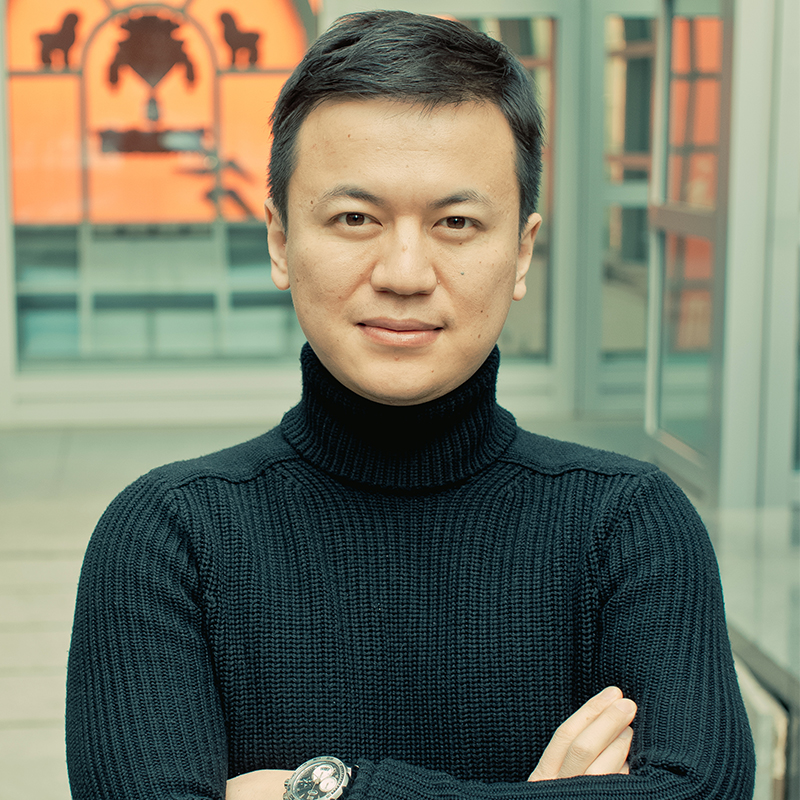
Yang Li serves as Associate Professor of Marketing and Associate Dean for the MBA Program at Cheung Kong Graduate School of Business (CKGSB). Holding a PhD in Marketing from Columbia Business School alongside dual master's and bachelor's degrees from Columbia and Peking University respectively, he bridges advanced statistical methodologies with practical business applications. His research centers on statistical machine learning and Bayesian nonparametrics applied to consumer behavior analysis, with specialization in online personalization, text mining, and choice modeling. Recent work demonstrates significant focus on fragmented attention economies, ethical AI frameworks, and NFT network dynamics, reflecting contemporary digital market challenges. Management Science Marketing Science Journal of Marketing Research Journal of Consumer Research Harvard Business Review Professor Li's publications reveal evolving expertise from foundational pricing elasticity studies toward cutting-edge AI applications in consumer contexts. His work increasingly integrates generative models and graph neural networks to decode complex consumer collection behaviors and digital ecosystem dynamics. Scientific recognition includes being a Finalist for the 2021 Paul E. Green Best Paper Award. Industry impact is demonstrated through executive education programs and strategic consultancies with Tencent, Haier, and Tmall. As Associate Dean for MBA Programs, he oversees curriculum development while maintaining active corporate governance roles on boards of publicly traded companies across China and Hong Kong, directly applying his research insights to strategic decision-making in digital transformation initiatives.
Professor Christian Bayer is a Professor of Economics at the University of Bonn, where he has been a full professor since 2008. He is affiliated with the Department of Economics and the Institute for Macroeconomics and Econometrics. His research focuses on macroeconomics of heterogeneous agents, fiscal friction, and monetary and fiscal policy. PhD from the University of Dortmund in 2004 Positions at EUI and Bocconi before joining University of Bonn Member of the Academic Advisory Board of the German Federal Ministry of Economics and Technology Visiting professor at the German Federal Ministry of Finance Member of the German Gas Crisis Commission in 2022 Professor Bayer's research primarily centers on the macroeconomics of heterogeneous agents, examining both firms and households. His work investigates how financial frictions, fiscal policy, and monetary policy affect macroeconomic outcomes and inequality. He has made significant contributions to the development of heterogeneous agent new Keynesian (HANK) models, which have become influential in modern macroeconomic analysis. His recent work has focused on the economic implications of energy shocks, particularly related to Russia's invasion of Ukraine and the resulting energy crisis in Germany. He has also conducted important research on the distributional effects of fiscal policy, the impact of pandemics on consumption patterns, and the convergence dynamics between East and West Germany. Hermann-Heinrich Gossen Prize of the Verein für Sozialpolitik (2022) ERC Advanced Grant (2017) ERC Starting Grant (2012) Professor Bayer has published in leading economics journals including Econometrica and American Economic Review. He is actively involved in policy discussions, frequently contributing op-eds to major German newspapers like FAZ and serving on important policy advisory bodies. He is a member of the ECONtribute: Markets & Public Policy cluster of excellence at the University of Bonn and co-hosts a popular economics podcast called "WRINT: Wirtschaftskunde" where he discusses current economic issues with colleagues.
Gitte Linderoth serves as Clinical Associate Professor in the Department of Clinical Medicine, specializing in Anaesthesiology at the University of Copenhagen's Faculty of Health and Medical Sciences. Her primary institutional affiliation is with Bispebjerg Hospital (Bispebjerg Bakke 23, 2400 Copenhagen NV) and the main university hospital campus (Blegdamsvej 3, 2200 Copenhagen N), operating under the Copenhagen University Hospital system (regionh.dk domain). Dr. Linderoth's research focuses on revolutionizing emergency medical response systems through digital innovation. Her primary areas include video triage implementation for pediatric emergencies, optimization of dispatcher-assisted cardiopulmonary resuscitation, and improving out-of-hospital cardiac arrest survival rates. Her work bridges clinical practice with health services research, emphasizing real-world implementation of telemedicine solutions in Denmark's emergency care infrastructure. Analysis of her recent publications reveals a dominant research trajectory centered on video-based emergency assessment systems. Over 60% of her 2022-2024 publications investigate video triage applications - particularly for pediatric cases involving fever and respiratory symptoms. The remaining work examines cardiac arrest response systems, with significant attention to dispatcher-bystander interaction dynamics and emotional factors affecting resuscitation quality. Her research consistently demonstrates practical healthcare implementation with measurable policy impact, evidenced by multiple policy source references and news coverage. Dr. Linderoth maintains extensive collaborative networks within Denmark's emergency medicine research community, frequently partnering with researchers from the Center for Cardiac Arrest and pre-hospital emergency care groups. Her work shows strong translational impact, with several studies directly informing Danish emergency medical service protocols. Her laboratory and team work primarily through the Emergency Medical Services research group at Copenhagen University Hospital, focusing on quality improvement initiatives that directly impact national emergency response systems. Current projects emphasize scaling video triage solutions across Denmark's out-of-hours medical helplines while maintaining rigorous safety standards.