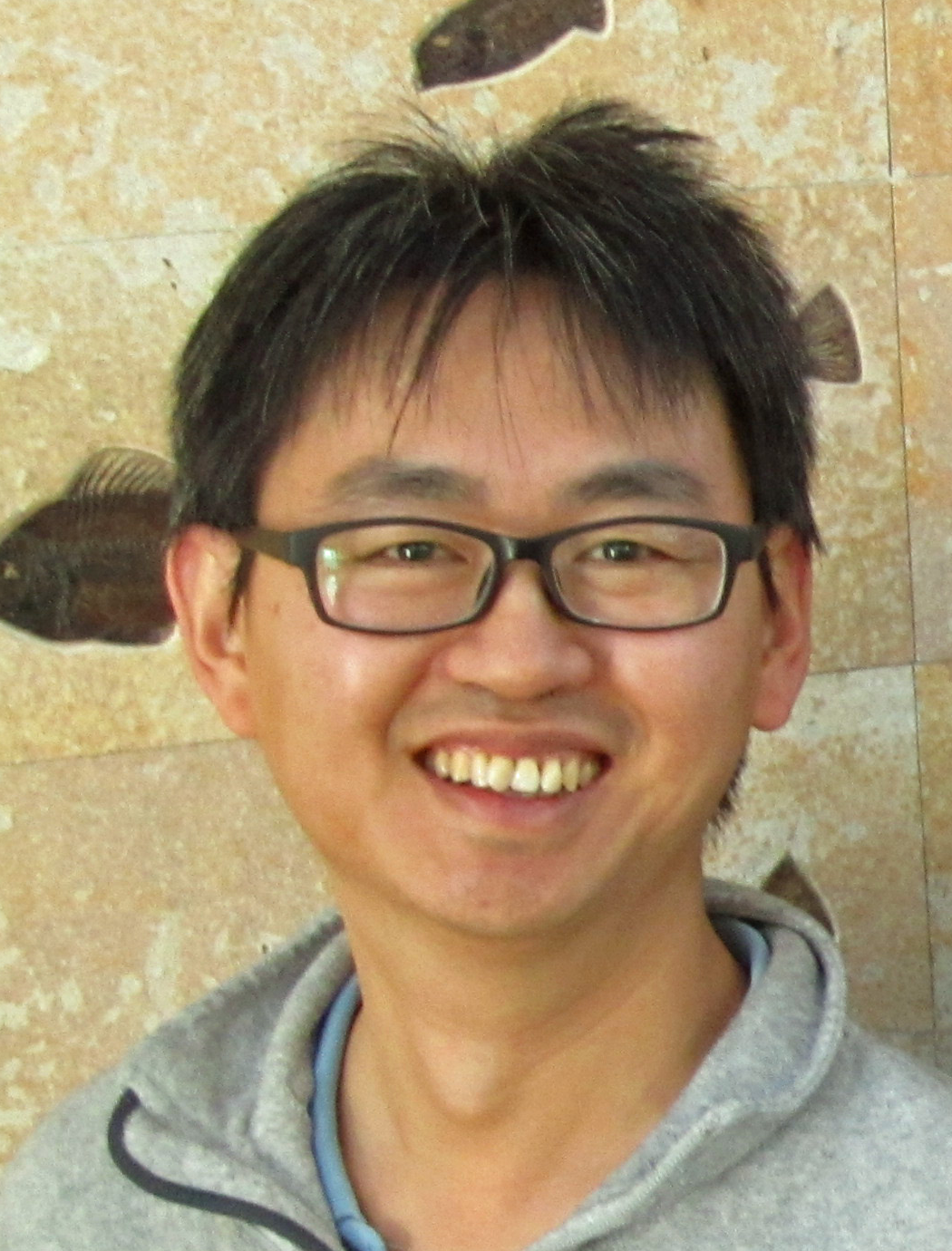
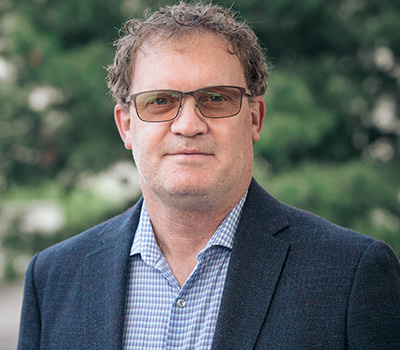
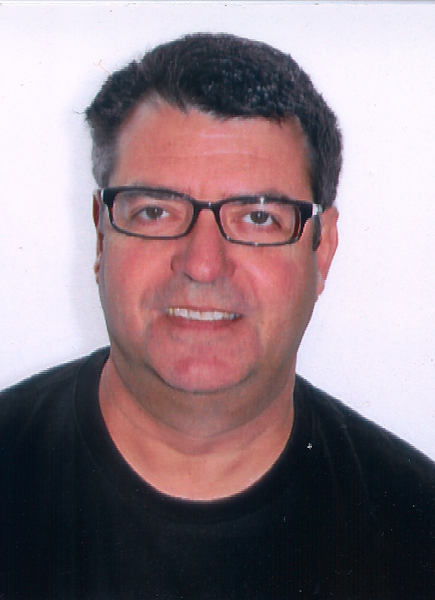
Giovanni Camanni is an Associate Professor at the Department of Chemical and Geological Sciences, University of Modena and Reggio Emilia. His work focuses on structural geology, fault mechanics, and seismic hazard assessment, with extensive research in fault segmentation, reactivation processes, and 3D geological modeling. Research Interests: Structural geology, tectonic inheritance, fault kinematics, petrophysical reservoir characterization, and volcano-tectonic processes. Teaching: Courses on Seismic Sources and Microzonation , Structural Geology and Tectonics , and Geological Survey , covering advanced fault mapping, displacement analysis, and field methodologies. Techniques: Utilizes 3D seismic reflection data, photogrammetry, unsupervised learning algorithms (DBSCAN/OPTICS), and U-Pb dating for fault and reservoir studies. Applications: Findings contribute to seismic risk mitigation, fluid flow prediction in fractured reservoirs, and urban subsidence management, particularly in southern Italy and Taiwan. Recent Publications (2020-2025): Advanced understanding of fault zone architecture in dolostones, displacement transfer mechanisms in relay zones, Wilson cycle fault reactivation, and multidisciplinary approaches to ground deformation studies.
Fan-Chi Lin is an Associate Professor in the Department of Geology and Geophysics at the University of Utah. With expertise in seismic methods and earth structure analysis, Dr. Lin leads research in seismic interferometry and tomography to understand Earth's structure from shallow to deep. Dr. Lin earned a Ph.D. in Geophysics from the University of Colorado Boulder in 2009. Since then, they have established themselves as a leading researcher in seismic methods development and application. Dr. Lin's research focuses primarily on seismic interferometry and seismic tomography. Seismic interferometry is a method that extracts useful information from diffusive wavefields (like ambient noise and coda wavefields) that were traditionally considered unusable noise. Their work has demonstrated that signals extracted through seismic interferometry provide important new constraints on Earth structure across various scales. This research has applications in studying 3D sedimentary basin structure, regional/continental crust and upper mantle structure, volcano magma bodies, and deeper mantle and core structure. As a member of the University of Utah, Dr. Lin also applies these techniques to model the 3D structure of the Salt Lake Valley and the geometry of the Wasatch fault system to better understand seismic hazards in the area. Analysis of Dr. Lin's recent publications (2021-2025) reveals a strong focus on applying dense seismic arrays and advanced processing techniques to study geological structures. Their work spans multiple geographical areas including Yellowstone National Park, the Wasatch fault system, Taiwan, Hispaniola Island, and the Wyoming Craton. The research demonstrates expertise in Rayleigh wave analysis, ambient noise tomography, and joint inversion techniques. A notable trend is the increasing use of dense linear arrays and double beamforming techniques to achieve higher resolution imaging of subsurface structures. Dr. Lin maintains an active research program with numerous collaborations across institutions. Their work has been featured in high-impact journals including Nature, Science, and Geophysical Research Letters, with several papers receiving media attention from outlets like BBC Science Focus, Discover Magazine, and Phys.org. Dr. Lin leads the "noise.earth.utah.edu" research group, which focuses on developing and applying seismic noise-based methods for Earth structure imaging. The lab utilizes both permanent and temporary seismic arrays to study various geological settings, with particular emphasis on geothermal systems, fault zones, and volcanic regions.
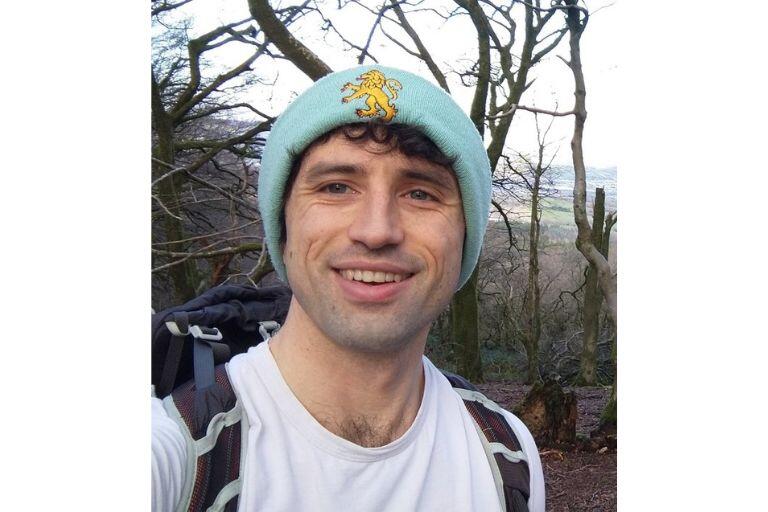
David Cornwell is a Senior Lecturer in Geophysics at the University of Aberdeen, based in the Department of Geology and Geophysics within the School of Geosciences. His research focuses on seismic imaging, tectonics, and post-subduction processes, with notable contributions to understanding continental rift zones and crustal structure. He holds a BSc in Geophysics from the University of Leicester, an MSc in Exploration Geophysics from the University of Leeds, and a PhD in Seismology from Leicester. Dr. Cornwell has held roles such as MSc Geophysics Programme Director and manages the Aberdeen University Geophysical Equipment Repository (AUGER). His recent work includes studies on northern Borneo's tectonic evolution and seismic activity in Greenland. He received the RAS Higher Education Award in 2024 for his teaching and research contributions. Education: BSc Geophysics (University of Leicester, 1999) MSc Exploration Geophysics (University of Leeds, 2001) PhD Seismology (University of Leicester, 2008) Research Interests: His studies integrate seismic tomography, field geophysics, and computational modeling to explore post-subduction tectonics, lithospheric dynamics, and crustal deformation. Recent projects include imaging Borneo's crustal structure and analyzing rockslide-generated tsunamis in Greenland. Publications: His recent articles highlight advancements in ambient noise tomography, lithospheric drip mechanisms, and global seismic oscillations induced by natural events. These contributions underscore his expertise in linking observational data with tectonic processes. Grants & Awards: In addition to the RAS award, he has led initiatives like the TARGET CDT for geothermal research and contributed to international projects such as IODP EXP395. Labs/Teams: He oversees the AUGER repository and collaborates with teams studying geothermal energy and crustal fluid flow. His work often involves interdisciplinary approaches, combining seismology with geological field studies.
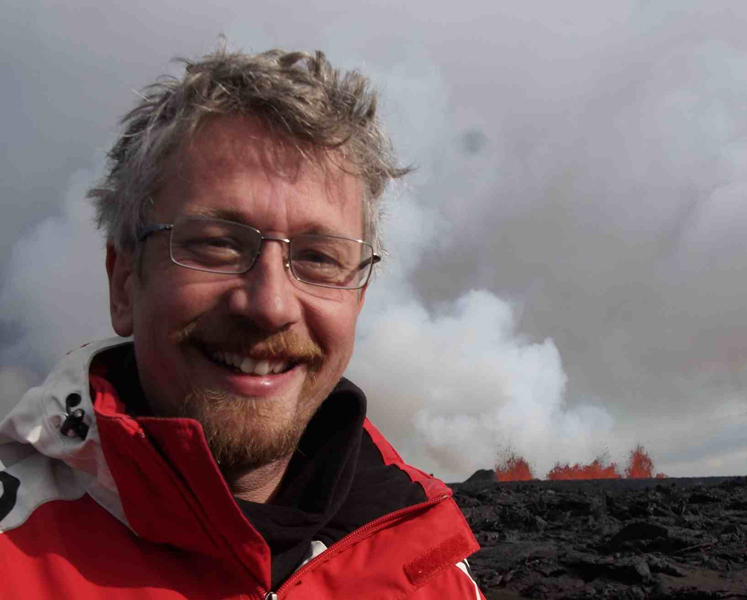
Joel Ruch is an Assistant Professor in the Department of Earth Sciences at the University of Geneva. His research focuses on volcano-tectonic processes, integrating deformation analysis using satellite imagery, drone mapping, and analogue modeling. He leads the Volcano Tectonic Laboratory and collaborates with institutions like KAUST University. Key projects include the TEMPO initiative studying multi-scale deformation, Southern Red Sea rifting dynamics, and caldera collapse mechanisms. His work bridges short-term volcanic activity with long-term tectonic processes, emphasizing interdisciplinary approaches. Ruch’s research spans global volcanic systems, including Iceland, Ethiopia, and the Galápagos. Ongoing projects explore rift zone dynamics, magma intrusion effects, and seismic activity at divergent boundaries. He has pioneered the use of high-resolution drone imagery for fault mapping and developed experimental models to simulate caldera collapse. His publications emphasize structural geology, magmatic processes, and geodetic monitoring. Despite no explicitly listed scientific awards, his contributions highlight innovative methodologies in volcanic hazard assessment and tectonic deformation analysis. He supervises two PhD students in Iceland and Hawaii, advancing studies on volcanic island formation and rift zone evolution. Grants include Swiss National Science Foundation funding for TEMPO and collaborations with KAUST on Red Sea rifting. Ruch’s lab focuses on interdisciplinary volcano-tectonic research, blending field observations with computational and experimental tools. Ongoing studies address caldera subsidence, dike-induced faulting, and the interplay between tectonic stress and magmatic activity.
Mike Burton is the Chair in Volcanology at the School of Earth and Environmental Sciences, University of Manchester . Since 2015, he has led the Geoscience Group, comprising 13 permanent academic staff, and directs a research team of 3 postdoctoral researchers, 3 PhD students, and a senior research fellow. He also serves on the School Senior Leadership Team, shaping institutional strategy and research direction. He earned a BSc in Chemical Physics from the University of Sussex in 1993 and a PhD in Atmospheric Chemistry from the University of Cambridge in 1999. His early career included postdoctoral research at Cambridge and research roles at INGV in Catania and Pisa, Italy, before returning to the UK in 2015. His research integrates volcanology , petrology , remote sensing , and gas geochemistry to improve eruption forecasting and volcanic hazard management. He uses ground-based and satellite observations, numerical modeling, and field experiments to study volcanic degassing, magma ascent, and volatile cycling. He has pioneered the use of SO2 cameras and open-path FTIR systems for real-time volcanic gas monitoring. His recent publications span mafic eruption dynamics , CO2 flux quantification , tephra microstructure , and remote sensing of volcanic plumes , often in collaboration with volcano observatories and international partners. These works reflect a consistent focus on integrating observational data with modeling to understand volcanic behavior and its environmental impact. Scientific Recognition: ERC Consolidator Grant (CO2Volc, €1.72M) NERC Large Grant (DisEqm, £3.5M) University of Manchester Researcher of the Year (2017) President, GMPV Division, European Geosciences Union (2015–2018) Fellow of the Geological Society (2016–present) Invited/keynote speaker at AGU, EGU, and other major conferences Leadership & Advisory Roles: Member, Foreign Office Scientific Advisory Committee (UK volcanism hazards) Former Chief Scientist, Stromboli Volcano Observatory (2002/03 crisis) Led INGV Catania gas monitoring team (2002–2008) External PhD examiner for Cambridge and Montreal Reviewer for Nature, Science, EPSL, JVGR, and funding agencies (NERC, NSF, EU) Research Platforms & Collaborations: He is affiliated with the Manchester Environmental Research Institute , Sustainable Futures , and Digital Futures research platforms. He maintains active collaborations with INGV (Italy), NSF (USA), and multiple European institutions, and has co-supervised joint PhD students.
Luca Caricchi is a Full Professor at the University of Geneva's Department of Earth Sciences, within the Section of Earth and Environmental Sciences. He serves as Secretary of the VGP AGU, IAVCEI Swiss national representative, and editor for Progress in Earth and Planetary Science and Artificial Intelligence in the Geosciences . His research focuses on understanding magmatic processes, including magma transfer in the crust, eruption dynamics, and the formation of magmatic ore deposits. Current projects include studies on volcanic degassing, mineral zoning, and machine learning applications in geosciences. His administrative roles include membership in the Faculty Council, ELSTE council, and SwissSIMS steering committee. He advises multiple PhD and master's students, including Corin Jorgenson and Alessandro Musu. Research is supported by the Swiss National Science Foundation (SNSF). His fieldwork and teaching include courses on magmatic processes and field trips to active volcanoes like Mt. Etna.
Dr. Christy Till is an Associate Professor in the School of Earth and Space Exploration (SESE) at Arizona State University (ASU). She leads the Experimental Petrology & Igneous processes Center (EPIC), focusing on magma dynamics, planetary evolution, and volcanic hazards. Her research integrates fieldwork, high-pressure experiments, and geochemical modeling to study Earth and exoplanets. Till earned her PhD from MIT and joined ASU in 2014. She holds leadership roles in the American Geophysical Union (AGU), including Board membership, and advocates for inclusive academic practices. Notable awards include the NSF CAREER Grant and the AGU Reginald Daly Lecture (2024). Her work has been featured in major media outlets like the New York Times and PBS. Education: Ph.D. Geology/Geochemistry, Massachusetts Institute of Technology (2011) M.S. Geological Sciences, University of California, Santa Barbara (2005) B.S. Geological Sciences, University of California, Santa Barbara (2004) Research Interests: Till’s work spans igneous petrology, magma formation timescales, exoplanet magma systems, and subduction zone processes. She uses experimental methods to simulate mantle melting and employs isotopic geochemistry to trace volcanic histories. Recent projects include studying Yellowstone’s post-caldera evolution and the role of aqueous fluids in subduction zone oxidation. Key Contributions: Developed the Thermobar Python tool for thermobarometry. Advanced understanding of magma storage and eruption triggers via diffusion chronometry. Explored exoplanet crust compositions through high-pressure experiments. Advocated for equitable doctoral qualifying exams via the AGU LANDInG Fellowship. Labs/Teams: The EPIC lab collaborates across disciplines, combining geophysics, geochemistry, and field studies. Till’s team includes students and postdocs focused on volcanic systems, planetary science, and analytical methods.
Matthew Gleeson is a Teaching Professor at the University of California, Berkeley specializing in Volcanology and Igneous Petrology. His research employs computational and analytical methods to investigate magmatic systems from mantle melting to volcanic eruptions, with fieldwork focused on Hawaiian and Galápagos volcanic centers. Research interests center on magma storage dynamics, plumbing system architecture, and eruption triggers. Gleeson integrates fluid inclusion barometry, microstructural analysis, and geochemical modeling to constrain pressure-temperature conditions in magma chambers. Key study sites include Kīlauea, Mauna Loa, Hualālai, and Galápagos volcanoes like Isla Floreana and Wolf, examining volatile systematics and magma evolution across timescales. Recent publications reveal a methodological shift toward rapid-response techniques and computational tools. His work demonstrates persistent mantle storage across volcanic systems, variations in magma plumbing during caldera collapses, and the development of open-source software like pyMELTScalc. These studies collectively advance predictive models for volcanic behavior through precise barometric constraints.
Shanaka de Silva is a Professor at Oregon State University's College of Earth, Ocean, and Atmospheric Sciences (CEOAS). His research focuses on volcanology, igneous petrology, and aeolian geomorphology, with fieldwork in the Andes, Indonesia, and Saudi Arabia. He teaches courses including Volcanology and Advanced Petrology. His work integrates field studies, geochemistry, and geophysics to understand volcanic processes and hazards. Education B.Sc. (Hons) Geology, University of Southampton, 1982 Ph.D. Earth Sciences, Open University, 1987 Research Interests De Silva investigates explosive volcanism, caldera formation, and magmatic-tectonic interactions. Key themes include: (1) magmatism in volcanic arcs, (2) physical volcanology (pyroclastic currents, lahar sedimentology), (3) petrology of explosive eruptions, and (4) aeolian processes as planetary analogs. His work emphasizes volcanic hazard assessment and planetary surface evolution. Collaborations & Outreach He collaborates globally, including with Saudi Arabia's Harrat Khaybar and Indonesia's Toba Caldera. His outreach includes VolcanoWorld and programs promoting equity in Earth Sciences, such as Increasing Diversity in Earth Sciences . Grants & Advising Advises ~20 current and former Ph.D./M.S. students Hosts visiting researchers from institutions like Monash University and NASA NSF and international grants fund projects on magma dynamics and planetary processes Labs & Teams His research group integrates fieldwork, lab analyses, and computational modeling. Key projects include the Toba Caldera resurgent dome study and aeolian bedform analysis in Argentinean gravel plains.
Adam Kent is a Professor and Director of the W.M. Keck Collaboratory for Plasma Mass Spectrometry at Oregon State University's College of Earth, Ocean, and Atmospheric Sciences. His research focuses on magmatic and volcanic systems, melt inclusions, and isotopic/trace element geochemistry. He holds a B.Sc. (Hons) in Geology from the University of New England (1989) and a Ph.D. in Geology and Geochemistry from ANU Canberra (1995). His research interests include the behavior of magmatic systems, silicate melt inclusions, and subduction zone processes. He has advised over 20 graduate students, many of whom now hold academic and research positions globally. Kent teaches courses on petrology, geochemistry, and volcanic evolution. His recent work explores magma storage conditions, eruption mechanisms, and magmatic diversity in arcs like the Cascades. He co-leads the VIPER group, which operates advanced facilities like the Keck Collaboratory for plasma mass spectrometry. His research integrates fieldwork, experimental studies, and computational tools to unravel magmatic processes. Key contributions include studies on magma recharge filtering, crystallization dynamics, and open-source tools like Thermobar . Current projects focus on the Tumalo Volcanic Center, Toba magmatic system, and Saudi Arabian volcanic fields.
Dr. Daniel Colman is an Assistant Research Professor at Montana State University, affiliated with the Department of Microbiology and Cell Biology within the College of Agriculture. His research focuses on environmental microbiology, microbial biodiversity, and extremophile adaptations, particularly in geothermal systems. He teaches courses such as BIOM 497 (Educational Methods: Microbiology) and BIOM 360 (General Microbiology), emphasizing hands-on training in microbiological education and practice. His research explores microbial interactions with geochemical environments, including sulfur oxidation pathways in Sulfolobales, genomic diversity in hot springs, and microbial hydrogen metabolism in subsurface ecosystems. Notable projects include the CALDERA drilling initiative investigating New Zealand’s Okataina Volcanic Caldera and studies on arsenic dynamics in Yellowstone’s hydrothermal systems. Recent publications highlight discoveries in Aquificota endemism, sulfur-cycling mechanisms, and anaerobic metabolism in hypersaline environments. Colman collaborates extensively with global researchers on projects linking microbial ecology to geodynamics. His work bridges microbiology, geochemistry, and environmental science, contributing to understanding life in extreme habitats. Colman’s teaching portfolio includes advanced microbiology methods and general education courses, reflecting his commitment to both research and pedagogy in microbial sciences.
Professor Katherine Dobson is a Reader in Geomaterials and Imaging at the University of Strathclyde, jointly appointed in Civil & Environmental Engineering and Chemical & Process Engineering. She joined Strathclyde in 2019 as a Chancellor’s Fellow and has since held various academic roles. Her research focuses on the behavior and evolution of natural and man-made materials using advanced imaging techniques like X-ray computed tomography (CT) and real-time 4D imaging. These methods enable non-destructive analysis of material microstructures under dynamic conditions, such as thermal, mechanical, or chemical changes. Education: Doctor of Philosophy (2007): Specializing in thermochronometry of igneous provinces Bachelor of Science (2001): Natural Sciences (Earth Science & Physics) Research Interests: Multi-phase flows and rheology in complex fluids Pore-scale controls on slope stability for infrastructure resilience Diffusion and bubble growth in silicate melts In situ deformation of composite materials Sustainable resource management and environmental remediation Grants & Projects: EPSRC-funded IM3AGES Facility (2024–2027): Multi-scale imaging for engineering and environmental sustainability NERC Training Courses in 3D/4D X-ray CT imaging (2023–present) Studies on enzyme-induced carbonate precipitation for subsurface CO 2 storage Labs & Equipment: Leverages state-of-the-art facilities including synchrotron-based XCT systems and high-pressure/temperature experimental setups. Collaborates on projects involving soil health, geothermal energy, and bio-cementation technologies.
Paul Segall is the Cecil H. and Ida M. Green Professor of Geophysics at Stanford University, specializing in active earthquake and volcanic processes through geodetic data analysis and physics-based modeling of crustal deformation. Education: Ph.D. in Geology, Stanford University (1981) M.S. in Earth Sciences, Case Western Reserve University (1976) B.S. in Earth Sciences, Case Western Reserve University (1976) His research integrates precise GPS positioning and InSAR measurements to invert deformation data for fault and magma chamber geometry, slip-rate variations, and dilation processes. Key focus areas include plate boundary dynamics (San Andreas, Cascadia, Japanese subduction zones), earthquake nucleation mechanisms, slow slip events, induced seismicity, and magma migration physics. Methodologies draw from solid and fluid dynamics to develop predictive hazard models. Recent publications (2023-2024) reveal intensive work on physics-based volcanic deformation modeling, caldera collapse earthquake mechanics, and dike propagation dynamics. These studies emphasize coupled processes (magma flow-fracture-elasticity interactions) and stress-driven seismicity patterns, with strong multi-institutional collaboration for model validation in volcanic hazard forecasting. Segall leads the Crustal Deformation and Fault Mechanics research group, which investigates strain accumulation between earthquakes for seismic hazard assessment and magma-induced surface inflation for eruption forecasting through integrated observational and theoretical approaches.
Matt Hornbach is a Research Professor in the Department of Earth Sciences at Southern Methodist University (SMU). He holds adjunct faculty status and specializes in geophysics, marine geology, and geohazards. His academic background includes a Ph.D. in Geophysics from the University of Wyoming (2005) and postdoctoral research at the University of Texas Institute for Geophysics (2005-2010). Research interests focus on heat flow dynamics, methane hydrates, induced seismicity, and submarine geohazards. He integrates numerical modeling with field data to address issues like climate change impacts on permafrost, fluid flow in sedimentary basins, and submarine landslide mechanisms. Key projects include the Lesser Antilles Volcanism and Landslides (IODP Leg 340), Arctic Ocean gas hydrate stability (DOE-funded), and geohazard assessments in Jamaica (SEG-GWB). Teaching responsibilities include courses like Introduction to Oceanography, Exploration Seismology, and Applied Geophysics. He leads the SMU Geothermal Lab, developing heat flow probes (e.g., POGO and STRING probes) and collaborating on sensor technology for real-time seafloor monitoring. Funded research projects highlight interdisciplinary work, such as investigating pore pressure-driven seismicity in Texas and analyzing methane hydrate dynamics in Alaska. His fieldwork spans global sites, including the Caribbean, Arctic, and Pacific margins. Recent studies emphasize societal relevance, such as assessing seismic risks from wastewater injection and predicting climate-driven changes in permafrost and snowpack.
Joan Martí is a Research Professor at the National Research Council of Spain (CSIC) and coordinator of the Group of Volcanology at the Institute of Earth Sciences (Jaume Almera). His career spans over four decades, with significant contributions to volcanology and geological hazards. He has held leadership roles, including Director of the Laboratory of Simulation of Geological Processes (SIMGEO) since 1998. B.Sc. in Geology (1979), B.Sc. Honours (1982), and Ph.D. in Geological Sciences (1986) from the University of Barcelona. Martí's research focuses on physical volcanology , explosive volcanism , and volcanic hazard assessment . He integrates experimental and numerical modeling to study magma chamber dynamics, collapse calderas, and risk management. His work has informed hazard maps and eruption scenarios for regions like the Canary Islands. His publications span volcanology, geophysics, and interdisciplinary fields, reflecting collaborations with institutions in Europe, Argentina, and Mexico. Notable contributions include studies on caldera systems (e.g., Las Cañadas) and phonolitic eruptions. Honors include the Premio Extraordinario de Licenciatura (1982), Doctorate Award (1986), and EU Individual Fellowship (1993-1995). Leadership roles: Editor-in-Chief of the Journal of Volcanology and Geothermal Research (since 2007), Secretary General of IAVCEI (since 2007), and organizer of international workshops on volcanic hazards. Martí has supervised 19 PhD and 9 Master's theses, while leading research expeditions to Argentina, Mexico, and Antarctica. His funding profile includes major EU contracts like VUELCO (2011-2015) and projects on magma evolution and geological risks in Tenerife.