معرفی
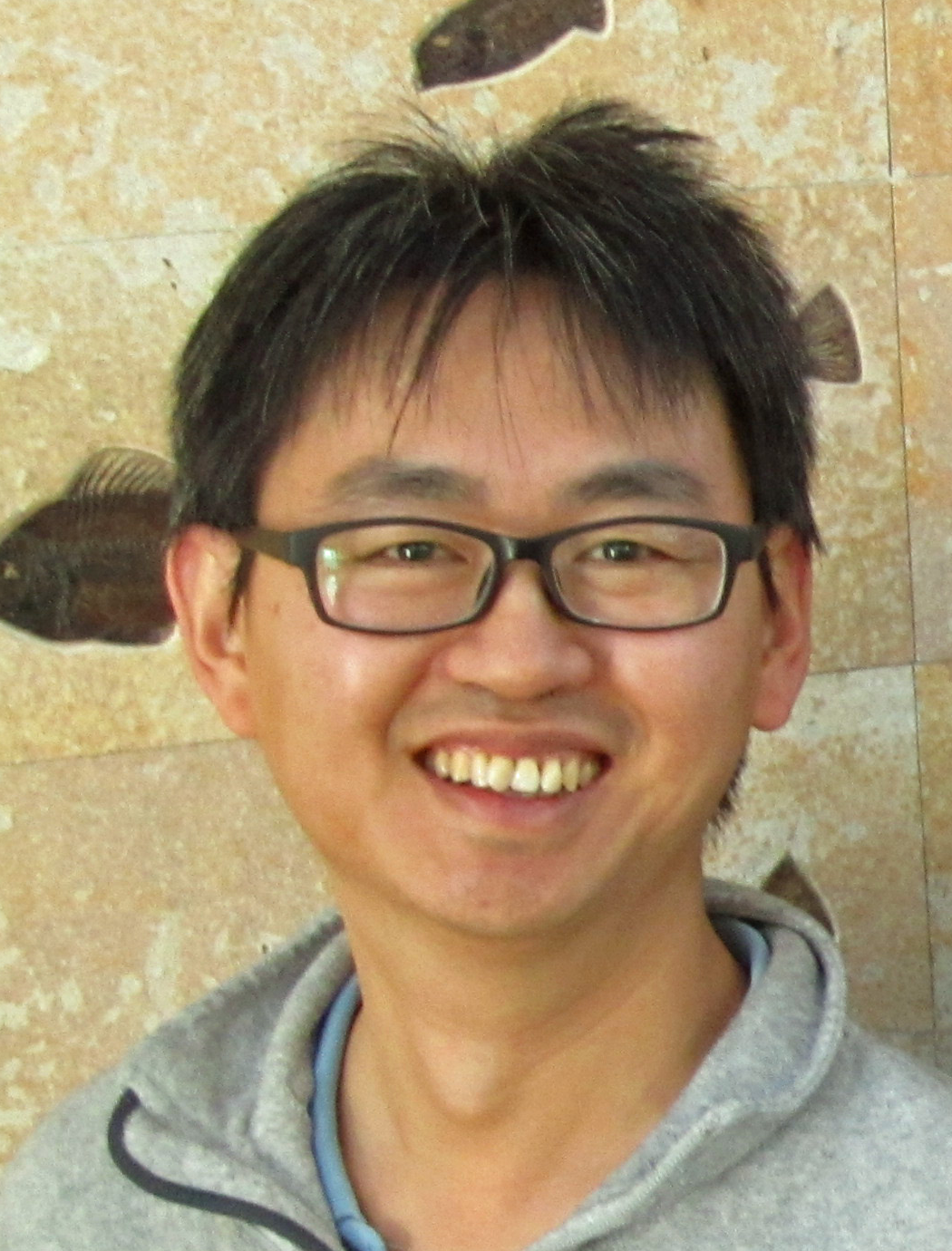
Fan-Chi Lin is an Associate Professor in the Department of Geology and Geophysics at the University of Utah. With expertise in seismic methods and earth structure analysis, Dr. Lin leads research in seismic interferometry and tomography to understand Earth's structure from shallow to deep.
Dr. Lin earned a Ph.D. in Geophysics from the University of Colorado Boulder in 2009. Since then, they have established themselves as a leading researcher in seismic methods development and application.
Dr. Lin's research focuses primarily on seismic interferometry and seismic tomography. Seismic interferometry is a method that extracts useful information from diffusive wavefields (like ambient noise and coda wavefields) that were traditionally considered unusable noise. Their work has demonstrated that signals extracted through seismic interferometry provide important new constraints on Earth structure across various scales. This research has applications in studying 3D sedimentary basin structure, regional/continental crust and upper mantle structure, volcano magma bodies, and deeper mantle and core structure. As a member of the University of Utah, Dr. Lin also applies these techniques to model the 3D structure of the Salt Lake Valley and the geometry of the Wasatch fault system to better understand seismic hazards in the area.
Analysis of Dr. Lin's recent publications (2021-2025) reveals a strong focus on applying dense seismic arrays and advanced processing techniques to study geological structures. Their work spans multiple geographical areas including Yellowstone National Park, the Wasatch fault system, Taiwan, Hispaniola Island, and the Wyoming Craton. The research demonstrates expertise in Rayleigh wave analysis, ambient noise tomography, and joint inversion techniques. A notable trend is the increasing use of dense linear arrays and double beamforming techniques to achieve higher resolution imaging of subsurface structures.
Dr. Lin maintains an active research program with numerous collaborations across institutions. Their work has been featured in high-impact journals including Nature, Science, and Geophysical Research Letters, with several papers receiving media attention from outlets like BBC Science Focus, Discover Magazine, and Phys.org.
Dr. Lin leads the "noise.earth.utah.edu" research group, which focuses on developing and applying seismic noise-based methods for Earth structure imaging. The lab utilizes both permanent and temporary seismic arrays to study various geological settings, with particular emphasis on geothermal systems, fault zones, and volcanic regions.