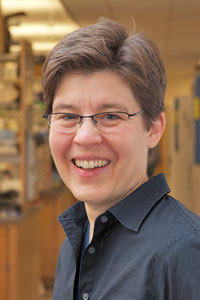
Laura Munoz is an Associate Professor in the School of Mathematics and Statistics at the Rochester Institute of Technology (RIT), within the College of Science. She holds a BS from the California Institute of Technology and a Ph.D. from the University of California at Berkeley. Her research focuses on mathematical biology, dynamical systems, applied control theory, and cardiac electrophysiology, with a particular emphasis on understanding mechanisms underlying cardiac arrhythmias through mathematical modeling and computational methods. Her work explores topics such as ephaptic coupling in cardiac tissue, controllability of cardiac alternans, and the role of calcium dynamics in arrhythmogenesis. Recent studies include analyzing discordant alternans mechanisms and their link to ventricular fibrillation, as well as developing state estimation techniques for cardiac ionic models using Kalman filters. Munoz has published extensively in journals like Physical Review Letters , Chaos , and Computers in Biology and Medicine , and has presented at conferences such as the SIAM Conference on the Life Sciences. Munoz currently teaches courses such as Linear Algebra, Complex Variables, Mathematical Modeling I, and Mathematical Biology, emphasizing the application of mathematical tools to real-world biological systems. Her research integrates principles from applied mathematics, control theory, and computational biology to advance understanding of cardiac physiology and disease.
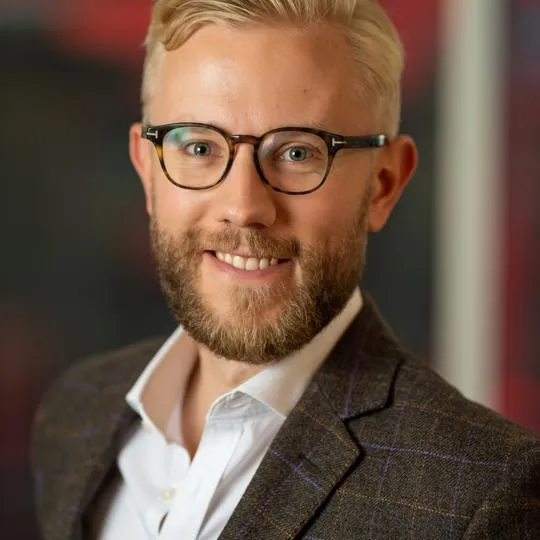
Prof. Dr. Stefan Luther is a Max Planck Research Group leader (W2, tenured since 2013) at the Max Planck Institute for Dynamics and Self-Organization, Göttingen, and an Honorarprofessor at the Faculty of Physics, University of Göttingen. He holds adjunct roles as Adjunct Associate Professor at Cornell University (2009–2012) and Northeastern University (2016–2018), and serves as DZHK-Professor at the Institute of Pharmacology and Toxicology, University Medical Center Göttingen. His research focuses on nonlinear spatiotemporal dynamics in excitable biological media, particularly cardiac arrhythmias. He pioneered 4D imaging of heart function and developed algorithms for optogenetic and electrical control of arrhythmias. Translational efforts span basic research to preclinical and clinical studies. Education includes a Diplom in Physics (1997) and PhD (2000) from Georg-August-University, Göttingen. Postdoctoral training followed at the University of Twente (2001–2004) and Cornell University’s LASSP (2004–2006). His lab, the Biomedical Physics group, explores electromechanical coupling in cardiac systems and develops novel therapeutic approaches. Collaborations include work on computational modeling, uncertainty quantification in dynamical systems, and fluid dynamics of multiphase flows.
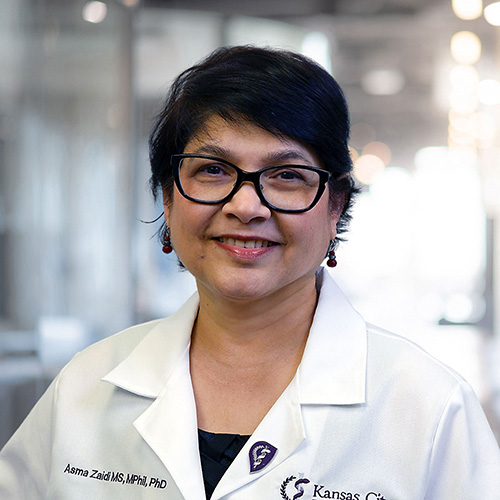
Dr. Asma Zaidi is a Professor of Biochemistry at Kansas City University specializing in Parkinson's disease research. Her work investigates the role of plasma membrane Ca2+-ATPase (PMCA) in dopaminergic neuron degeneration. Using human postmortem tissue, cell cultures, and mouse models, her research demonstrates how aging and neurotoxins reduce PMCA function in the substantia nigra, leading to selective neuronal death in Parkinson's. Her findings identify potential therapeutic targets for neuroprotection.
Jennifer Lewis is the Hansjorg Wyss Professor of Biologically Inspired Engineering and Jianming Yu Professor of Arts and Sciences at Harvard University's Harvard John A. Paulson School of Engineering and Applied Sciences (SEAS). Her research focuses on bioengineering, materials science, and advanced manufacturing, with emphasis on 3D-printed functional materials, organoids, and soft robotics. She leads the Lewis Research Group, which develops biomimetic technologies for regenerative medicine, energy systems, and robotics. Lewis holds appointments in SEAS, the Department of Chemistry and Chemical Biology, and the Wyss Institute for Biologically Inspired Engineering. Her research areas include applied mathematics, fluid mechanics, soft matter physics, and bioengineering applications such as kidney organoid models, vascularized tissues, and programmable materials. Notable innovations include kidney organoid-on-chip systems for drug testing, 3D-printed liquid crystal elastomers, and bioprinted cardiac tissues. Lewis was awarded the 2025 James Prize in Science and Technology Integration for pioneering interdisciplinary research. Her lab's projects span organ building blocks, immune-response modeling in transplanted tissues, and acoustophoretic printing techniques for high-resolution bioprinting. Collaborations include the NIH Somatic Cell Genome Editing Program and industry partnerships for bioprosthetic valve research. She advises on grants totaling over $20M and mentors a multidisciplinary team of postdocs and graduate students in materials science, biomedical engineering, and mechanical engineering. Lewis' lab facilities include the Pierce Hall lab (Cambridge) and Allston SEAS campus, with state-of-the-art 3D printing systems, microfluidics platforms, and bioreactors for organoid culture. Current projects aim to engineer functional human tissues for therapeutic applications and develop smart materials with programmable mechanical/chemical responses.
Christopher J. Chang is the Edward and Virginia Taylor Professor of Bioorganic Chemistry at Princeton University's Department of Chemistry. His research focuses on chemical biology, catalysis, and inorganic chemistry, with an emphasis on transition metal signaling, activity-based sensing, and drug discovery. He leads the Chang Lab, which develops innovative chemical tools to study metal-dependent biological processes, including copper's role in neurobiology and cancer, formaldehyde's role in epigenetic regulation, and redox-driven protein function. His work integrates organic, inorganic, and biological chemistry, enabling discoveries in imaging, proteomics, and precision medicine. Notable achievements include pioneering activity-based sensing platforms for copper and reactive metabolites, revealing metalloplasia in cancer, and developing copper-specific therapies. Christopher Chang has received over 50 prestigious awards, including the Guggenheim Fellowship and the Howard Hughes Medical Institute Investigatorship. His lab's infrastructure includes advanced analytical instruments, synthetic chemistry facilities, and cell culture capabilities, supported by grants from NIH, NSF, and industry partnerships. Awards: ACS Bader Award (2024), Ivano Bertini Award (2022), Blavatnik National Award (2015) Lab Focus Areas: Transition metal signaling, copper-dependent biology, formaldehyde metabolism, redox drug discovery Key Technologies: Activity-based sensors, imaging probes, bioconjugation methods
Professor Gavan McNally is a distinguished behavioral neuroscientist at the University of New South Wales, where he serves as a Professor in the School of Psychology. He is actively engaged in research on the fundamental behavioral and brain mechanisms for learning and motivation, with applications to clinical conditions such as addictions, anxiety disorders, and mood disorders. McNally holds several prestigious editorial positions, including Editor-in-Chief of Neurobiology of Learning & Memory and Senior Editor of The Journal of Neuroscience. He also serves as President-Elect of the European Behavioral Pharmacology Society and is a Member of the Australian Research Council College of Experts. McNally's research interests span behavioral neuroscience, focusing on how fundamental brain mechanisms apply to clinical conditions. He employs a systems neuroscience approach, combining well-controlled behavioral approaches with optogenetics, chemogenetics, in vivo calcium imaging, and whole brain circuit mapping in both normal and transgenic animals. His work bridges basic science with clinical applications through collaborations with colleagues at University of Sydney, Sydney Local Health District, Monash University, and Turning Point. McNally's research particularly examines the cellular, circuit, and systems level mechanisms underlying learning, motivation, and their dysregulation in disorders like addiction. His laboratory investigates how these mechanisms translate to human conditions, with a strong emphasis on developing new treatments for psychological disorders. His extensive publication record demonstrates a clear trajectory in understanding punishment learning, addiction mechanisms, and the neural circuits underlying motivated behavior. Recent work has increasingly focused on the cognitive pathways to punishment insensitivity, the role of specific neural circuits in addiction, and translational approaches to understanding maladaptive behaviors. McNally's research bridges animal models with human studies, creating a comprehensive understanding of the neural mechanisms that govern learning and motivation, with particular attention to how these processes go awry in addiction and other psychological disorders. 2008 QEII Fellow, Australian Research Council 2009 Association for Psychological Science, International Rising Star 2010 Fellow, Association for Psychological Science 2010 UNSW Faculty of Science Staff Excellence Award for Research and Training 2011 Pavlovian Research Award, The Pavlovian Society 2012 Future Fellow (Level 3), Australian Research Council 2016 D.G. Marquis Behavioral Neuroscience Award, American Psychological Association 2017 Fellow, American Psychological Association 2019 Fellow of the Academy of Social Sciences in Australia 2021 D.G. Marquis Behavioral Neuroscience Award, American Psychological Association 2022 Ross Day Plenary Lecturer, Australasian Brain and Psychological Sciences 2023 European Behavioural Pharmacology Society Plenary Lecturer 2024 Elspeth McLachlan Plenary Lecturer, Australasian Neuroscience Society 2024 D.G. Marquis Behavioral Neuroscience Award, American Psychological Association Professor McNally actively supervises several students including Bixuan Lin, Si Yin Lui, Hannah Machet, Bart Cooley, Kelly Zhuang, and Alexandra Gregory. His current research is supported by significant funding including an Australian Research Council Discovery Project (2024-2026) on "Risky choices: From cells and circuits to computations and behaviour," another Discovery Project (2025-2028) on "Multimodal mapping of punishment learning," and NHMRC grants including a Synergy Grant on "Linking clinical and basic science discovery to find new treatments for alcohol-use disorder" and an Ideas Grant on "Novel pathways to abstinence from alcohol seeking." These projects reflect his commitment to both fundamental neuroscience and translational applications for treating psychological conditions. His teaching responsibilities include PSYC2081 Learning & Physiological Psychology and PSYC3051 Physiological Psychology. McNally's laboratory employs advanced techniques including optogenetics, chemogenetics, in vivo calcium imaging, and whole brain circuit mapping to investigate the neural mechanisms underlying learning, motivation, and their dysregulation in disorders. His team works at the intersection of basic neuroscience and clinical applications, with strong collaborations across multiple institutions to translate fundamental findings into potential treatments for addiction and other psychological disorders. The lab has made significant contributions to understanding the role of brain regions like the ventral pallidum, paraventricular thalamus, and nucleus accumbens in addiction, fear learning, and punishment sensitivity.
Lili Zheng is an Assistant Professor in the Department of Statistics at the University of Illinois. Her research focuses on statistical methodology, machine learning, and high-dimensional data analysis with applications in neuroscience and network science. Key areas of expertise include graphical models, stochastic processes, and algorithmic optimization. She collaborates extensively on projects involving functional connectivity analysis, neuronal data imputation, and interpretable machine learning frameworks. Her work bridges statistical theory and computational practice, addressing challenges in model inference, feature importance assessment, and low-rank tensor completion. Notable contributions include techniques for distribution-free inference, spectral clustering in patchwork learning, and Gaussian process parameter estimation using mini-batch stochastic gradient descent. Dr. Zheng's research emphasizes interdisciplinary applications, particularly in neuroimaging (calcium imaging, functional connectivity) and multi-modal data integration. She actively explores statistical challenges in big data contexts, emphasizing robust methodologies for real-world datasets.
Dr Thomas Maguire is a Visiting Fellow with the King's Intelligence and Security Group in the Department of War Studies at King's College London, and Assistant Professor of Intelligence and Security at Leiden University. His research focuses on intelligence-propaganda interactions and international security cooperation, particularly in Cold War Southeast Asia and counter-terrorism contexts. Education: PhD in International Relations (POLIS, University of Cambridge) MPhil in International Relations (POLIS, University of Cambridge) BA (Hons) in History (Durham University) Maguire's research examines the intersection of intelligence operations and propaganda dissemination in foreign policy contexts, with specialized focus on British and American covert action in Southeast Asia. He also investigates post-colonial security relationships and international counter-terrorism cooperation frameworks. His work spans historical analysis and contemporary security challenges. Maguire's publications demonstrate interdisciplinary research across public health, virology, and immunology, particularly addressing COVID-19 diagnostics, vaccine development, and immune responses. This reflects methodological versatility in addressing complex global security and health challenges through both historical analysis and biomedical research. Scientific Awards: Lisa Smirl Prize for best thesis (University of Cambridge) Maguire leads the Dutch Government-funded 'Sharing Secrets' project investigating intelligence disclosure decision-making. He teaches intelligence studies courses and co-convenes the Cambridge Intelligence Seminar. At Leiden, he coordinates undergraduate and postgraduate programs in Intelligence Studies and Crisis Management. Maguire previously served as Research Fellow at Darwin College and the Department of Politics and International Studies (University of Cambridge), and as John Garnett Visiting Fellow at the Royal United Services Institute focusing on East African security challenges.
Dist. Professor Leslie Yeo is a distinguished faculty member at RMIT University's School of Engineering, where he leads the Micro/Nanophysics Research Laboratory (MNRL). With a PhD from Imperial College London (2002), he has held positions at Monash University and the University of Notre Dame before joining RMIT. His research focuses on the interactions between high-frequency sound waves and matter at micro and nanoscales. Leslie Yeo's educational background includes a PhD from Imperial College London (2002), where he received the Dudley Newitt prize for outstanding computational/theoretical work. Prior to his academic career, he worked as a Mathematical Modeller at Det Norske Veritas UK. He held prestigious Australian Research Fellowships (2009-2017) that supported his groundbreaking work in micro and nanophysics. Professor Yeo's research interests center around high-frequency (MHz order) sound waves interacting with various materials including fluids, two-dimensional and bulk crystals, biomolecules, cells and microorganisms. His work explores both fundamental physicochemical phenomena and practical applications in microfluidics, drug delivery, diagnostics, tissue engineering, and materials synthesis. His research has significant implications for health technologies, environmental applications, and sustainable energy solutions, aligning with UN Sustainable Development Goals 3 (Good Health and Well-Being) and 7 (Affordable and Clean Energy). Analysis of Professor Yeo's recent publications reveals a strong focus on acoustofluidics and its diverse applications. His work demonstrates expertise in using surface acoustic waves for bacterial inactivation, synthesis of metal-organic frameworks, cell membrane manipulation, and energy conversion technologies. The research spans multiple disciplines including biomedical engineering, materials science, and environmental technology, with particular emphasis on practical applications that address real-world challenges. 2023: Fellowship of the Institution of Engineering & Technology (FIET) 2021: RMIT University Science, Technology, Engineering & Medicine College Research Impact Award 2019: RMIT University Distinguished Professorship 2018: RMIT University Vice-Chancellor's Award for Research Excellence 2016: Johnson & Johnson World Without Disease Quickfire Challenge Award 2007: Young Tall Poppy Science Award Professor Yeo has supervised numerous research students across engineering and science disciplines, with current projects focusing on acoustomicrofluidic synthesis of nanomaterials, high-frequency mechanobiology applications, and diagnostic technologies. His editorial roles include Editor-in-Chief of the American Institute of Physics journal Biomicrofluidics and Associate Editor of Frontiers in Bioengineering & Biotechnology. His work has been widely featured in media outlets including ABC's Catalyst, The Economist, and Nature. The Micro/Nanophysics Research Laboratory under Professor Yeo's leadership is at the forefront of fundamental and applied research on nonlinear high-frequency electroacoustic interactions. The laboratory has discovered novel physicochemical phenomena and actively develops theories to explain the fundamental mechanisms behind these discoveries, with applications ranging from medical diagnostics to sustainable energy solutions.
Istvan Mody is a Professor at the University of California, Los Angeles (UCLA) with appointments in the Department of Neurology and Department of Physiology . His research focuses on synaptic signaling in health and disease, including mechanisms of GABAergic transmission, calcium homeostasis, and their roles in neurological disorders such as epilepsy, Alzheimer's disease, Huntington's disease, stress, alcoholism, and postpartum depression. He utilizes advanced techniques like patch-clamp electrophysiology, neuroanatomical and immunohistochemical methods, and molecular biology in animal models and human brain tissue . Research Interests: Dr. Mody investigates the physiology, pharmacology, and pathology of synaptic transmission and extrasynaptic receptor activation , with a particular emphasis on GABA(A) receptors and their subunit-specific modulation. His work explores how disruptions in excitation-inhibition balance contribute to neurological diseases, including mechanisms of tonic inhibition , calcium signaling , and neurosteroid interactions . He also studies the effects of chronic stress and hormonal fluctuations on neural excitability and behavior. Publications Trends: Recent studies highlight his work on gamma oscillations in Alzheimer's models, microglial dynamics , and rehabilitation strategies for stroke. His lab develops optical tools like dqGEVI for neuronal activity monitoring and investigates human brain organoids to model network dysfunction in epilepsy and intellectual disability. Laboratory Location: 635 Charles Young Dr S, Los Angeles, CA 90095, United States.
James Shorter is a Professor of Biochemistry and Biophysics at the Perelman School of Medicine, University of Pennsylvania. He is affiliated with multiple prestigious institutes, including the Institute on Aging (IOA), the Institute for Translational Medicine and Therapeutics (ITMAT), the Penn Center for AIDS Research (CFAR), the Chemistry-Biology Interface (CBI), and the Penn Institute for RNA Innovation. He mentors several training programs such as the Penn Summer Undergraduate Internship Program (SUIP), PennPREP, and the Translational Research Immersion Program (TRIP), and serves as a Primary Trainer at the Center for Neurodegenerative Research (CNDR). Ph.D. in Cell Biology, University of London, 2000 M.A. in Biology, University of Oxford, 1995 Dr. Shorter’s research focuses on protein homeostasis, particularly the mechanisms of protein disaggregation and the role of prion-like domains in neurodegenerative diseases such as ALS, Alzheimer’s, Parkinson’s, and frontotemporal lobar degeneration. His lab investigates the Hsp104 disaggregase from yeast and has engineered variants to combat human proteinopathies. They also identified the mammalian disaggregase system (Hsp110/Hsp70/Hsp40) and explore how small molecules and nuclear import receptors can reverse pathological phase transitions of RNA-binding proteins like TDP-43 and FUS. His work bridges structural biology, genetics, and translational neuroscience. His recent publications highlight trends in targeting TDP-43 and FUS proteinopathies, engineering Hsp104 for selective detoxification, understanding mitochondrial disaggregases like Skd3, and modulating phase transitions with nuclear import receptors. His research spans from fundamental mechanisms of protein folding to therapeutic development for neurodegenerative diseases. Faculty Member, Institute on Aging (IOA) Faculty Member, Institute for Translational Medicine and Therapeutics (ITMAT) Mentor, Penn Summer Undergraduate Internship Program (SUIP) Primary Trainer, Center for Neurodegenerative Research (CNDR) Faculty Member, Penn Center for AIDS Research (CFAR) Member, Penn Institute for RNA Innovation Mentor, Translational Research Immersion Program (TRIP) Dr. Shorter advises numerous graduate students and postdoctoral researchers through the Biochemistry and Molecular Biophysics, Pharmacology, Neuroscience, and Cell and Molecular Biology graduate groups. His lab receives funding from NIH and other sources to support research on protein disaggregation, phase separation, and neurodegenerative disease mechanisms. He has trained many scientists now active in academia and biotech. His lab, located in Stellar-Chance Laboratories, operates at the intersection of biochemistry, cell biology, and translational medicine, with active projects on Hsp104 engineering, mitochondrial proteostasis, and the role of RNA-binding proteins in disease. The lab collaborates widely across Penn and with international partners to advance understanding and treatment of protein misfolding disorders.
Sharon Rozovsky is a Professor in the Department of Chemistry and Biochemistry at the University of Delaware's College of Arts & Sciences, where she leads research on oxidative stress response mechanisms and protein quality control pathways. Her work bridges biochemistry, chemical biology, and structural biology with direct implications for understanding neurodegenerative diseases and viral pathogenesis. Her academic foundation includes a B.S. from Tel Aviv University (1994) and a Ph.D. from Columbia University (2000), establishing her expertise in protein dynamics and redox biochemistry. These credentials underpin her innovative approaches to studying cellular stress responses. Rozovsky's research program centers on selenoproteins—proteins containing the rare amino acid selenocysteine—and their critical roles in endoplasmic reticulum (ER) stress resolution. She investigates how membrane-bound selenoproteins like Selenoprotein S and K regulate the ER-associated degradation (ERAD) pathway, with recent work revealing their surprising autoproteolytic activity and involvement in SARS-CoV-2 replication. Her lab pioneers chemical tools including expressed protein ligation and advanced 77Se NMR spectroscopy to characterize these systems at molecular resolution. Analysis of her 2021-2025 publications shows dominant themes in selenoprotein structure-function relationships, ER stress mechanisms, and viral interactions, alongside methodological innovations in cryo-EM grid technology and NMR. This body of work demonstrates consistent focus on redox biochemistry with expanding applications in virology and structural biology. No major scientific awards or fellowships were explicitly documented in the available materials, though her research impact is evident through high-impact publications and methodological contributions. She directs the active Rozovsky Research Group, mentoring graduate students and postdoctoral researchers in biochemical and biophysical techniques. Her laboratory operations are supported by competitive funding including an NSF CAREER award (2011) focused on selenoprotein reactivity, reflecting sustained recognition of her innovative research program.
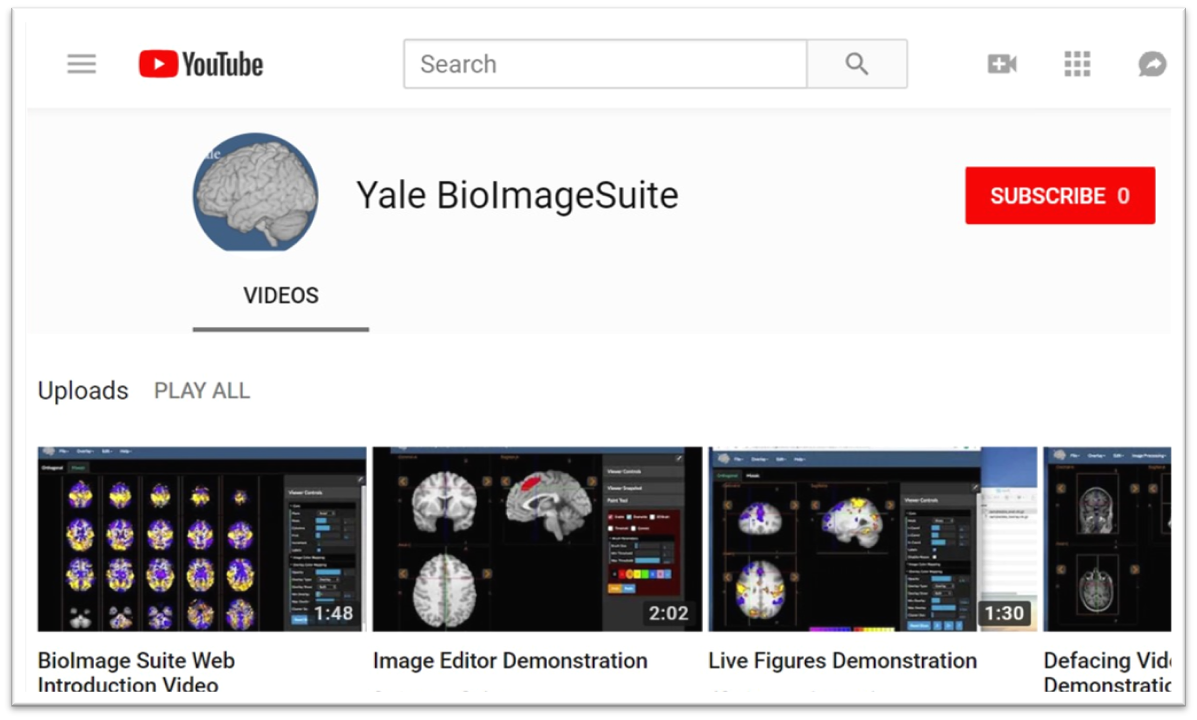
Xenophon Papademetris is a Professor of Biomedical Informatics & Data Science and Radiology & Biomedical Imaging at Yale School of Medicine. He serves as Associate Director of Biomedical Imaging Data Sciences at Yale Biomedical Imaging Institute and directs the Medical Software and Medical Artificial Intelligence Certificate Program. PhD in Electrical and Information Sciences from Yale University (2000) BA from Cambridge University (1994) Postdoctoral Fellowship at Yale University (2002) His research focuses on medical image analysis, machine learning, and biomedical software development. He has developed tools like BioImage Suite Web and contributed to standards committees at the Association for the Advancement of Medical Instrumentation (AAMI). His work spans modalities including MRI, CT, PET, and optical imaging. Recent publications emphasize neuroimaging analysis, explainable AI in healthcare, and multimodal data integration across species. He leads NIH-funded research under the BRAIN Initiative (R24 MH114805) and has authored a textbook on Medical Software published by Cambridge University Press. IEEE Senior Member Yale Brown-Coxe Postdoctoral Fellowship Harding Bliss Prize for Excellence in Engineering He directs the BioImage Suite Project, creating web-based image analysis tools using JavaScript and WebAssembly. His teaching includes both academic courses and a Coursera program on Medical Software with over 14,000 enrollments.
Feng Feng is an Assistant Professor in the Department of Biochemistry and Molecular Biology at Oklahoma State University, where he has been employed since August 2020. His research focuses on understanding how plants interact with microbial communities in their rhizosphere under various environmental conditions. Dr. Feng received his Ph.D. in Plant Molecular Biology from Tsinghua University in Beijing, China (2008-2012), followed by an M.S. in Microbiology and B.S. in Biotechnology from Henan Agricultural University in Zhengzhou, China. Ph.D., Plant Molecular Biology, Tsinghua University, Beijing, China (2008-2012) M.S., Microbiology, Henan Agricultural University, Zhengzhou, China (2005-2008) B.S., Biotechnology, Henan Agricultural University, Zhengzhou, China (2001-2005) Dr. Feng's research interests center on plant-microbe interactions, particularly how plants balance immunity and symbiosis signaling pathways when encountering both pathogenic and beneficial microbes in the rhizosphere. His work examines how environmental conditions affect plant decisions to promote or inhibit microbial colonization, with the goal of developing cropping systems that require less chemical fertilizer and are more resilient to climate change. Using molecular, cell biology, genetic, and biochemical approaches, his lab investigates how abiotic environmental factors regulate plant-microbe interactions and how immunity and symbiosis signaling pathways influence broader microbial communities. Dr. Feng's scholarly output shows a consistent focus on plant immunity and symbiosis mechanisms, particularly involving LysM receptor-like kinases and their role in distinguishing between pathogenic and symbiotic microbial signals. His recent work has increasingly emphasized the ecological context of plant-microbe interactions and the potential applications for sustainable agriculture. Dr. Feng serves as an Associate Editor for Frontiers in Microbiology (since 2022) and has editorial roles with several other journals including Frontiers in Plant Science, Horticultural Plant Journal, and iMeta. Associate Editor, Frontiers in Microbiology (2022-present) Editorial Board, Frontiers in Plant Science (2021-present) Editorial Board, Horticultural Plant Journal (2021-present) Editorial Board, iMeta (2021-present) Dr. Feng actively mentors graduate students and postdoctoral researchers, with his lab currently recruiting Ph.D. students and postdocs interested in plant-microbe interactions. He has secured multiple research grants including funding from the U.S. Department of Agriculture and the Oklahoma Center for the Advancement of Science and Technology (OCAST). His laboratory investigates the molecular mechanisms by which plants regulate their interactions with rhizosphere communities, with particular focus on how environmental conditions influence the balance between immunity and symbiosis signaling pathways.
Chen Ran, PhD, is an Assistant Professor in the Department of Neuroscience at Scripps Research in San Diego. His laboratory focuses on understanding how the brain processes internal sensory signals from visceral organs, such as hunger, satiety, nausea, and visceral pain. Using advanced techniques like in vivo two-photon calcium imaging, optogenetics, and circuit tracing, his team maps the functional architecture of brainstem circuits responsible for interoceptive processing. Key contributions include the discovery of a 'visceral homunculus' in the brainstem and the development of novel calcium indicators for high-resolution neuronal activity tracking. Education : PhD in Biology, Stanford University (2017) Bachelor of Science in Biology, Peking University (2011) Research Interests : Dr. Ran’s work integrates experimental and analytical approaches to decode how visceral stimuli are transduced into conscious sensations. Current projects investigate the coding logic of mechanical, chemical, and thermal signals from internal organs, with implications for developing therapies for obesity, diabetes, visceral pain, and eating disorders. The lab employs cutting-edge tools to visualize and manipulate neural circuits in awake behaving mice, linking circuit-level activity to physiological states. Awards & Honors : NARSAD Young Investigator Award (2022) NIH K01 Career Development Award (2023) Simons Collaboration on the Global Brain Award (2022) Harvard Brain Science Initiative Award (2021) Grants & Funding : Supported by NIH, Simons Foundation, and private philanthropy, his research bridges basic science and translational medicine. Current grants focus on brainstem circuit mapping and developing therapeutic targets for interoceptive disorders. Labs & Affiliations : Dr. Ran leads an interdisciplinary team at Scripps Research’s Neuroscience Department, collaborating with engineers, geneticists, and clinicians to advance interoceptive neuroscience.