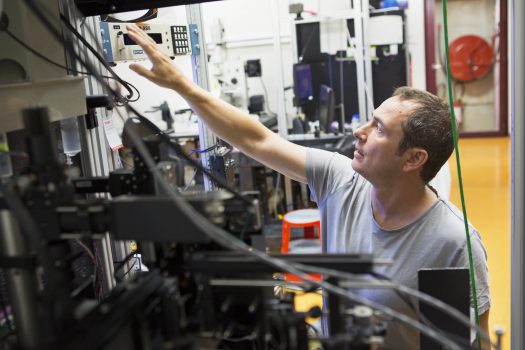
Mikko Hupa is a Professor at the Faculty of Natural Sciences and Engineering, focusing on Technologies for a Sustainable Future . His research spans combustion technology, chemical looping, and biomass energy systems, with significant contributions to understanding black liquor combustion, superheater corrosion, and sustainable industrial processes. Key Research Areas: Combustion dynamics, ash chemistry, chemical looping, and sustainable energy technologies. Collaborations: Active in international projects, including EU-funded initiatives like Oxy-Kraft RB and BioDemo, emphasizing green energy parks and low-carbon extraction. Recent Trends: Publications highlight advancements in biomass pyrolysis, chlorine deposition in recovery boilers, and catalytic effects on sustainable fuel production. His work aligns with UN Sustainable Development Goals, particularly in clean energy and responsible consumption. Collaborative projects with Leena Hupa and others underscore interdisciplinary approaches to metallurgy and pyrolysis optimization.
Martha S. Cyert , the Dr. Nancy Chang Professor and Chair of the Department of Biology at Stanford University's School of Humanities and Sciences, is a leading biochemist renowned for her work on calcineurin signaling networks. Recognized as a 2024 ASBMB Fellow, her research spans from yeast genetics to human proteomics, focusing on Ca²⁺-dependent signal transduction and phosphatase substrate recognition. Current roles: Department Chair (2020-present), Bio-X Member, Cardiovascular Institute Faculty Fellow Education: PhD in Genetics (UCSF 1988), Postdoc in Biochemistry (UC Berkeley 1992) Her research reveals calcineurin's conserved functions across species, including: Discovery of novel signaling microdomains at centrosomes/nuclear pore complexes Mechanisms of immunosuppressant drugs (cyclosporine A, FK506) Dynamic palmitoylation in CNAβ1 isoform localization and activity Identification of SLiM-dependent phosphatase interactions via MRBLE-pep technology Recent publications (2022-2024) demonstrate calcineurin's roles in: Phosphatidylinositol 4-kinase complex regulation at plasma membranes Palmitoylation-dependent targeting to Golgi apparatus Nuclear transport control through NPC phosphorylation Evolution of kinase-phosphatase signaling modules Awarded: Stanford Biosciences Excellence in Mentoring (2015) Gabilan Fellow (2014-present) Ford University Fellow in Undergraduate Education (2012-present) She directs educational initiatives including: Innovative undergraduate p53 research curriculum Summer transition program for underrepresented students NIH-funded graduate training program (2009-2019)
Ahmad Reza Mehdipour is an Assistant Professor at the Department of Applied Physics, University of Ghent, and a researcher at the Center for Molecular Modeling (CMM). His work spans theoretical biophysics, computational structural biology, and medicinal chemistry, with significant contributions to membrane protein dynamics and drug design. Pharm.D. from Shiraz University of Medical Sciences (2007) Ph.D. in Computational Structural Biology from Goethe University Frankfurt (2015) Postdoctoral Fellow at Max Planck Institute of Biophysics (2015-2021) His research focuses on computational structural biology , particularly membrane proteins and their interactions with ligands, lipids, and substrates. Key areas include protein-ligand interactions , glycobiology , and structure-based drug design . Recent publications highlight advanced molecular dynamics simulations, cryo-EM structural analysis, and mechanistic studies of transporters and viral proteins. Article trends reveal a strong emphasis on computational methods for understanding membrane transport mechanisms, viral protein interactions, and antibody dynamics. His work integrates quantitative structure-activity relationships (QSAR) , molecular modeling , and biophysical simulations to address challenges in drug delivery and resistance. Dr. Mehdipour has contributed to structural bioinformatics of ABC transporters , ion channels , and lysosomal transporters , alongside therapeutic applications of camelid antibodies and calcium channel modulators . He actively participates in international workshops and conferences on membrane protein modeling.
Andrew Wright is a Research Associate in an academic institution's research division (referenced as CE), specializing in chemical engineering with emphasis on adsorption processes and hydrogen production technologies. His work directly contributes to UN Sustainable Development Goals related to clean energy and climate action. Wright's research spans adsorption thermodynamics, heat transfer modeling, and low-carbon hydrogen production systems. He has developed methodologies for optimizing vacuum swing adsorption processes, steel mill off-gas hydrogen extraction, and chemical looping decarbonization. His fingerprint analysis shows 100% relevance to adsorption and chemical engineering, with significant contributions to plate heat exchangers, pressure drop optimization, and hydrogen production efficiency. Recent publications reveal a clear trajectory toward sustainable industrial hydrogen solutions, with 2025 works focusing on steel mill off-gas valorization and vacuum adsorption optimization, while his 2023 research addressed cost reduction in chemical looping hydrogen production. These efforts demonstrate integration of real-world engineering constraints like vacuum pump performance and bed fluidization dynamics. Wright maintains active industry engagement as Adsorption Specialist at Engineurs Ltd (since 2021) and Adsorption Process Consultant at APRD Consultancy (since 2016), building on his 13-year tenure as Lead Development Engineer at Air Products Ltd where he gained foundational expertise in hydrogen and compression processes.
Christine R. Rose serves as Head of the Institute of Neurobiology at Heinrich-Heine-University Düsseldorf, Faculty of Mathematics and Natural Sciences. Her research focuses on intracellular ion signaling in the vertebrate brain, particularly astrocyte-neuron interactions at glutamatergic synapses in hippocampus, cortex, and cerebellum. Research Themes: Sodium signaling as ionic excitability, ion gradient maintenance under pathophysiological conditions, TRPV4 channel roles in ischemia, ATP dynamics in energy-deprived states Techniques: Multi-photon laser scanning microscopy, electrophysiology, fluorescence lifetime imaging, mathematical modeling Collaborations: International neuroscience network partnerships Article trends show consistent exploration of ion homeostasis in both neurons and astrocytes, with recent work extending to organoid slice protocols and pH regulation mechanisms . Most publications address synaptic dysfunction in ischemic and metabolic compromise scenarios.
Eugenia Chiappe is a Principal Investigator at the Champalimaud Center for the Unknown , leading the Chiappe Lab . Her research focuses on the neural circuits involved in self-movement estimation and sensorimotor integration in Drosophila melanogaster , combining behavioral paradigms , neural activity recording , and genetic tools to uncover mechanistic explanations for brain function in adaptive behaviors. Research highlights : Investigation of HS and VS cells in flies as self-motion estimators . Development of head-fixed walking paradigms for reversible neural perturbation. Identification of nonvisual signals modulating visual responses during locomotion. Exploration of neural dynamics encoding combined visual and motor inputs. Scientific contributions : Marie Curie Career Integration Grant PCIG13-GA-2013-618854 Bial Foundation grant 191/12 Collaborative projects on state-dependent sensory processing (Journal of Neuroscience, 2017) Advising and Collaborations : Mentored Daniel Tendero (External PhD Student) and Miguel Paço (INDP PhD Student). Collaborations with teams at Yale University , MIT , and University College London .
Vivek Garg serves as Assistant Professor in the Department of Pharmacology & Physiology at the University of Maryland School of Medicine, where he leads research on mitochondrial calcium signaling mechanisms and their physiological implications. His work bridges molecular biophysics with cardiovascular pathophysiology, utilizing innovative electrophysiological approaches to investigate fundamental cellular processes. Education: B.Pharmacy in Pharmacology, Panjab University, India (1999) M.Pharmacy in Pharmacology, Panjab University, India (2002) Ph.D. in Pharmacology, The Ohio State University (2009) Postdoctoral Fellowship, University of Utah (2014) Researcher Position, University of California San Francisco (2020) Dr. Garg's research centers on mitochondrial bioenergetics and membrane excitability, with particular emphasis on the molecular physiology of mitochondrial calcium uniporter (MCU) complexes. His laboratory employs direct patch-clamp techniques on intracellular organelles combined with cell biology and multi-omics approaches to decipher how mitochondrial calcium signaling regulates cellular metabolism and electrical activity. This work has significant implications for understanding heart failure, metabolic disorders, and other conditions involving mitochondrial dysfunction. Analysis of his publication record reveals a consistent trajectory from cardiac ion channel research toward specialized mitochondrial electrophysiology. His recent work demonstrates technical innovation in organelle patch-clamp methodology while establishing critical regulatory mechanisms for MCU through EF-hand domain proteins. The publications span fundamental biophysical characterization to disease-relevant models, particularly focusing on cardiac pathophysiology and metabolic plasticity. Scientific Awards: No scientific awards documented in provided materials Dr. Garg currently serves as Principal Investigator on a National Institute of General Medical Sciences R01 grant (2023-2027) titled 'Molecular Physiology of Mitochondrial Calcium Uniporter (MCU)', reflecting the significance of his research program. While no formal advisees are listed in the provided documentation, he directs the Garg Lab which maintains active research operations focused on mitochondrial function. The Garg Lab operates within the Department of Pharmacology & Physiology, utilizing specialized equipment for mitochondrial patch-clamp recordings, confocal imaging, and omics analyses. Their research program investigates how mitochondrial abnormalities contribute to disease states through altered bioenergetics and signaling pathways, with particular attention to calcium and redox homeostasis in cardiac and metabolic contexts.
John M. Hamlyn, PhD is a Professor in the Department of Pharmacology & Physiology at the University of Maryland School of Medicine. A full member of the Graduate School and faculty in the NIH Integrative Membrane Biology training program, his career spans from biochemistry to physiology with focus on blood pressure regulation mechanisms. Originally from Britain, he earned his PhD from Glasgow Caledonia University in 1979 followed by postdoctoral work at University of Rochester. His research centers on endogenous ouabain - a steroid hormone he discovered that regulates long-term blood pressure through sodium pump interactions. Current work investigates ouabain's role in acute kidney injury and brain 'chemical clouds' (ouabain, aldosterone, opiates) that modulate neural function. Key methodologies include chromatography, mass spectrometry, animal hemodynamics, and molecular signaling techniques. Analysis of recent publications reveals expanding clinical applications: 40% focus on kidney injury biomarkers, 30% on hypertension genetics (lanosterol synthase polymorphisms), and 20% on brain-aldosterone-ouabain pathways. Notable collaborations include Paolo Manunta (Milan), Frans Leenen (Ottawa), and Michael Blaustein. Major discovery : Endogenous ouabain as first identified mammalian sodium pump inhibitor (1991 PNAS paper) Paradigm shift : Brain 'chemical clouds' concept redefining neural hormone distribution Clinical impact : Preoperative ouabain levels predicting cardiac surgery kidney injury His lab trains numerous graduate students and maintains active collaborations across neurology, cardiology, and nephrology. Current research integrates molecular mechanisms with clinical outcomes in hypertension, heart failure, and kidney disease through both experimental models and human trials.
Prof. Jörn Dengjel is a Professor and Group Leader at the Department of Biology, Faculty of Science and Medicine, University of Fribourg . His research focuses on autophagy regulation , protein phosphorylation dynamics , and metabolic reprogramming using quantitative proteomics and mass spectrometry . He leads multiple SNSF-funded projects exploring autophagy in yeast and human cancer models , with translational applications in epidermolysis bullosa and neurodegenerative diseases . Research Pillars Phosphorylation-based control of autophagy initiation ULK1/2 kinase complex interactions Selective degradation of protein complexes 3D cell culture models for cancer and aging Recent Trends : His 2025-2023 work emphasizes mitochondrial quality control , neuronal stress adaptation , and metabolic rewiring in autophagy across C. elegans , yeast , and human fibroblasts . Key themes include calcineurin-CaMKI antagonism , HDAC8-regulated Schwann cell reprogramming , and ULK1-PP2A feedback loops . Scientific Contributions : Pioneered phosphoproteomics methods for autophagy studies Established 3D hydrogel models for extracellular matrix analysis Identified novel autophagy substrates like SnRK1.1 and EPB41L5 Developed anti-fibrosis strategies via histone deacetylase inhibition
El Bachir Affar is a Full Professor in the Department of Medicine and an Accredited Professor in the Department of Biochemistry and Molecular Medicine at the University of Montreal's Faculty of Medicine. He heads the Cell Signaling and Cancer Research Unit at Maisonneuve-Rosemont Hospital within the Integrated University Health and Social Services Center of East Montreal Island. His work focuses on the intersection of biochemistry, immunology, and oncology, with particular emphasis on molecular mechanisms underlying cancer development. Dr. Affar's research interests span cell signaling via ubiquitination, processes associated with DNA and chromatin (transcription and DNA repair), and the molecular basis of cancer. His laboratory particularly investigates the BAP1 gene, which is frequently mutated in certain types of cancer. His team employs state-of-the-art biochemistry, molecular biology, and cell culture approaches to characterize deubiquitinases—enzymes that remove ubiquitin from target proteins—which are emerging as central regulators of the ubiquitin system. Their work provides fundamental insights into molecular mechanisms governing the ubiquitin system, transcription regulation, DNA repair, and ultimately aims to identify new therapeutic targets for personalized cancer treatment. Analysis of Dr. Affar's recent publications reveals a strong focus on deubiquitinases, particularly BAP1, and their role in cancer mechanisms. His work spans multiple areas including chromatin modification, DNA repair mechanisms, protein-protein interactions, and cellular stress responses. The research demonstrates how dysregulation of ubiquitination pathways contributes to cancer development and how targeting these pathways could lead to novel therapeutic approaches. 2016 Senior Research Fellow (FRSQ) 2011 Young Researcher (CIHR) 2011 Junior Research Fellow 2 (FRSQ) 2011 Maud Menten New Principal Investigator Finalist Award (Institute of Genetics, CIHR) 2007 Junior Research Fellow 1 (FRSQ) 2001 Taplin Postdoctoral Fellowship (Harvard University, Boston) 1999 Dean's Honor Roll - Doctorate (Laval University, Quebec) 1991 Excellence Scholarship for Higher Education (Ministry of Education of Morocco) Dr. Affar mentors several graduate students and researchers including PhD candidates Ali Boubacar Kalidou, Moustafa Khalil, and Clémence Messmer. His laboratory team comprises Diana Adjaoud (lab manager), Oumaima Ahmed (Research Associate), Louis Masclef (research associate), and interns Mila Gushul-Leclaire and Nay Bashour. His research has been supported by major Canadian funding agencies including CIHR and FRSQ, enabling his investigations into the molecular basis of cancer and the role of deubiquitinases in tumor suppression. The Cell Signaling and Cancer Research Unit led by Dr. Affar operates at Maisonneuve-Rosemont Hospital, where they investigate how ubiquitination processes contribute to cancer development. The laboratory focuses particularly on the BAP1 tumor suppressor and its role in DNA repair, transcription regulation, and cell death mechanisms. Their work bridges basic molecular research with potential clinical applications in cancer treatment.
David Gomez is an Assistant Professor at the School of Medicine, University College Dublin, and a group leader at Systems Biology Ireland. His research integrates experimental proteomics, computational modeling, and systems biology to study signal transduction in cancer, with a focus on the Hippo pathway and its interactions with oncogenic networks like RAS/RAF and AKT. Prof Cert in University Teaching & Learning, UCD His recent work explores mitochondrial dysfunction in Barrett's oesophagus progression, ALS-related proteomic changes, and kinase-independent mechanisms in drug resistance. He employs multidisciplinary approaches spanning mass spectrometry, mathematical models, and cross-species validation. Key article trends include proteomic profiling of disease models (cancer, neurodegeneration), extracellular vesicle dynamics, and systems-level analysis of signaling crosstalk. His studies frequently involve pathway reconstruction and identification of therapeutic vulnerabilities. Gomez coordinates modules like Cell-Cell Signalling and Molecules in Medicine , and has served as a peer reviewer for journals including Nature Communications and Cancer Research . He leads a research team at Systems Biology Ireland and has secured grants such as the UCD Equip Scheme.
Prof. Daniel Huber is a leading neuroscientist at the University of Geneva , focusing on understanding sensorimotor integration and cortical dynamics. His work bridges motor cortex research , optical imaging , and computational modeling to decode how neural circuits govern voluntary movements and tactile perception. Research spans rodent models and primate evolution through projects like the eLemur 3D brain atlas Key methodologies: in vivo two-photon microscopy , optogenetic manipulation , and biomechanical simulations Lab members include graduate students and collaborators studying Pacinian corpuscle physiology and forelimb motor control Recent publications reveal groundbreaking insights on lamellar Schwann cells' role in vibration perception , tonotopic mapping in the brainstem , and cross-species neural circuit comparisons . His team's 2025 Science Advances paper demonstrates Schwann cell contributions to mechanosensitivity using optogenetic inactivation. Current projects focus on neuronal network dynamics in decision-making and 3D anatomical frameworks for comparative studies. The lab's Swiss National Science Foundation grants and European Research Council funding enable these interdisciplinary approaches.
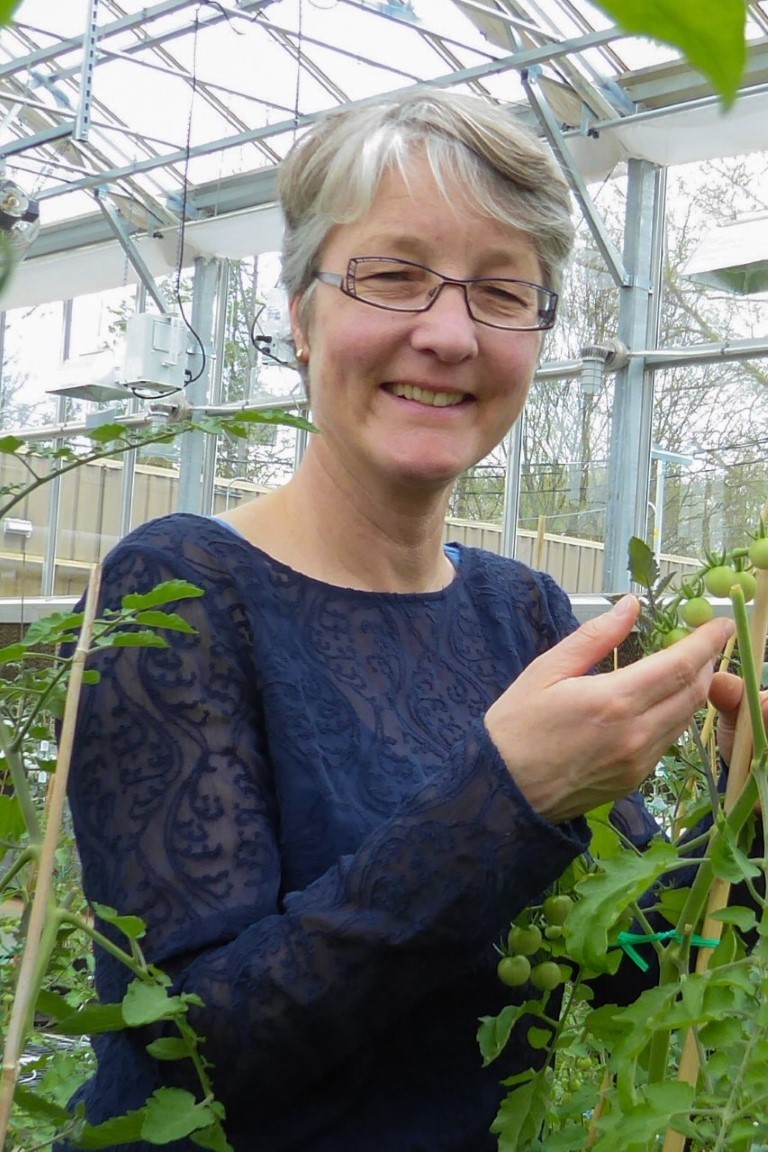
Esther van der Knaap is a Professor at the University of Georgia within the College of Agricultural & Environmental Sciences. She is affiliated with the Horticulture department and the Institute of Plant Breeding, Genetics and Genomics (IPBGG) . Her research focuses on molecular mechanisms regulating tomato fruit shape and size, with applications in crop improvement and climate resilience. Education: Ph.D. in Genetics, Michigan State University (1998) B.S./M.S. in Plant Pathology, Wageningen University (1990) Dr. van der Knaap’s work explores fruit development genetics in Solanaceous crops. She investigates structural genomic variants , gene regulatory networks , and metabolic pathways to enhance agricultural productivity. Her studies span tomato domestication , stress adaptation , and flavor preservation . Recent publications highlight advances in CRISPR-based gene editing , cell segmentation technology , and methyl salicylate metabolism . Her team’s tomato genome analyses reveal insights into domestication history and yield optimization , funded by NSF and USDA grants. She leads the Esther van der Knaap Lab at UGA’s Center of Applied Genetic Technologies (CAGT). Collaborative efforts include the CAES Vegetables Team and The Plant Center .
J. David Spafford is an Associate Professor in the Department of Biology at the University of Waterloo, conducting research on voltage-gated cation channels (sodium, calcium, NALCN) critical for brain and heart function. He holds cross-appointments in Chemistry and Mechanical Engineering and is affiliated with the Centre for Bioengineering and Biotechnology and The Water Institute. His educational background includes: Ph.D. in Biological Science, University of Alberta, Canada (1998) B.Sc. in Physiology and Biology, University of Saskatchewan, Canada (1992) Dr. Spafford's research centers on neurophysiology and ion channel mechanisms, applying molecular/cellular techniques (fluorescence microscopy, tissue culture, PCR) to develop therapeutics for epilepsy, cardiovascular disease, and cancer. His work bridges basic channel biophysics and clinical pharmacology. Recent publications reveal trends in ion channel structure-function relationships, particularly selectivity filter mechanisms in sodium/calcium channels and T-type channels as epilepsy drug targets. His studies combine electrophysiology and molecular modeling to address channelopathies and permeation anomalies. Scientific recognition includes: Long-Term Fellowship, International Human Frontiers Science Program (2000) University Research Award, Vrije Universiteit, Amsterdam (1999) Post-Doctoral Fellowship, Alberta Heritage Foundation for Medical Research (1998) Graduate Studentship, Alberta Heritage Foundation for Medical Research (1993) Graduate Scholarship, Province of Alberta (1992) He serves on editorial boards for PLoS One and Frontiers in Psychology, and teaches core neuroscience courses including Cellular Neurophysiology and Systems Neuroscience. While grant details are unspecified, his lab drives translational neuropharmacology research. The Spafford Neurobiology Research Lab employs advanced biophysical methods to investigate channel gating and permeation, collaborating across Waterloo's bioengineering and water research institutes to address neurological and cardiovascular pathologies.
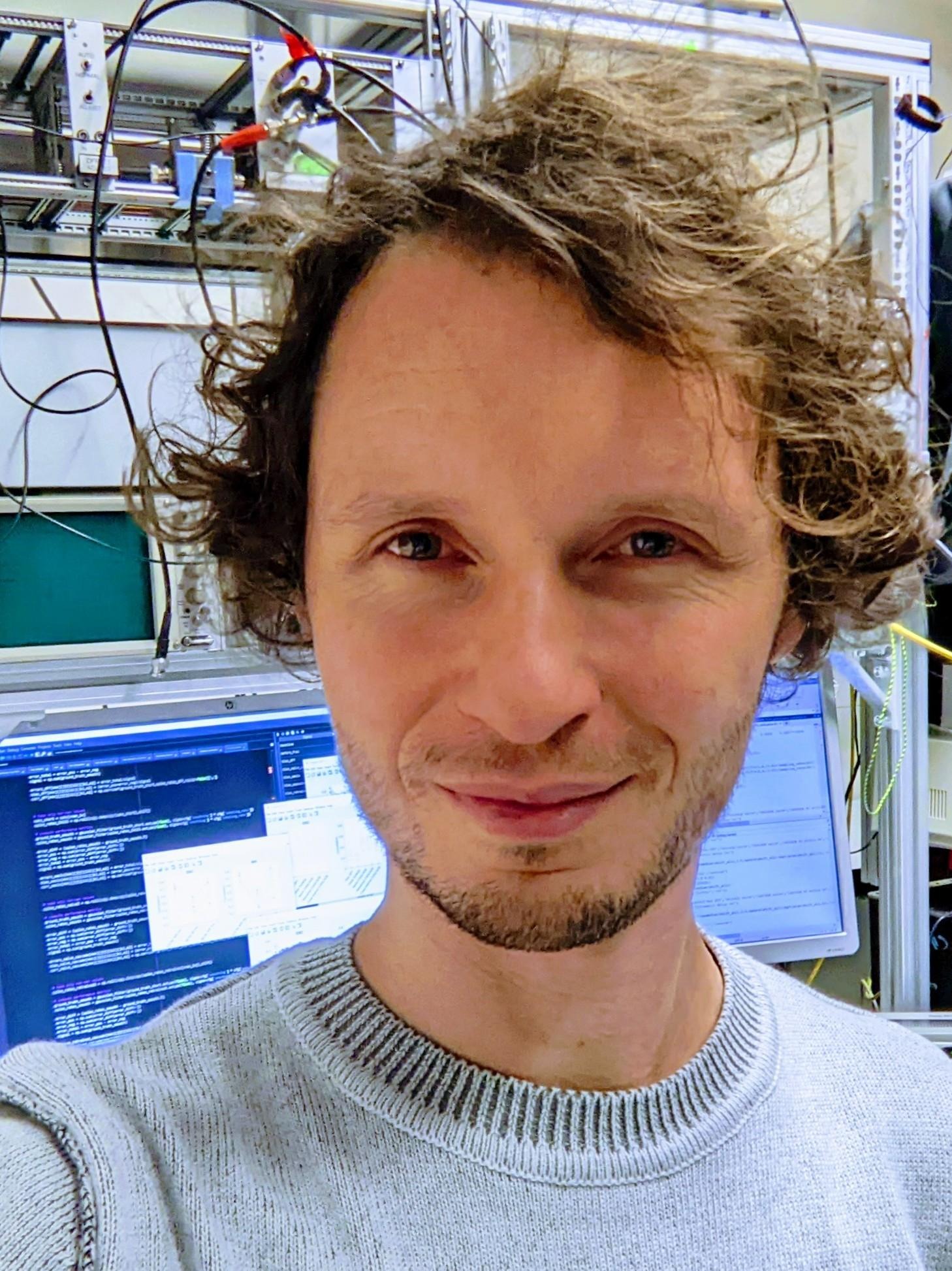
Peter Rupprecht, PhD, leads a research group at the University of Zurich under the SNF Ambizione fellowship. His work bridges physics, biology, and computational neuroscience, focusing on neuronal plasticity and astrocyte signaling in mice and zebrafish models. University of Zurich (2019-present, postdoc and group leader) University of Basel (PhD, 2014-2019) ENS Lyon (2013, research collaboration) University of Bayreuth (Diploma, 2009-2013) Research interests center on behavioral timescale synaptic plasticity , closed-loop neuroscience , and self-organization of neural networks . Key methods include two-photon calcium imaging , optogenetics , and deep learning for spike inference . His group develops tools for 3D cell detection and gradient-based refinement in large brain samples. Recent publications highlight innovations in GCaMP8-based spike inference , hypothalamus-habenula circuits , and computational modeling of neuronal assemblies . Collaborative work spans optogenetic stimulation, synaptic event analysis, and behavioral paradigms in head-fixed mice. SNF Ambizione fellowship (2023) Prominent publications in Nature Neuroscience , Cell Reports , and eLife PhD student Shinjini Ghosh is currently part of his team, working on astrocytic calcium imaging data analysis and algorithm development. The group emphasizes Python/Matlab proficiency and spends significant time on data analysis rather than large-scale experiments.