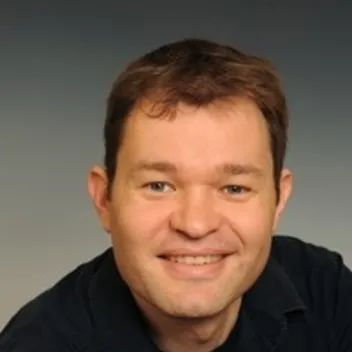
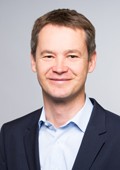
Professor Ulrich Zachariae is a Professor of Molecular Biophysics at the University of Dundee , affiliated with the School of Life Sciences and the Biological Chemistry and Drug Discovery department. He obtained his PhD in 2004 from the Max Planck Institute for Biochemistry and held postdoctoral roles at the Max Planck Institute for Biophysical Chemistry before transitioning to industry at AstraZeneca. His research focuses on membrane protein function , particularly ion channels and cell surface receptors , and employs computational methods such as molecular simulations and data-driven approaches to combat antimicrobial resistance . Recent work includes elucidating ion selectivity mechanisms, improving antibiotic bioavailability, and developing tools like State-Specific Information (SSI) to analyze protein-water dynamics. Key trends in his publications span biomolecular simulations , computational drug discovery , and structural biology , with a strong emphasis on ion channels and GPCRs in 2025, antimicrobial resistance in 2024, and foundational work on K+ channels in 2018. Professor Zachariae leads the MSc in Biological Data Science program and contributes to teaching modules in Biomolecular Structure and Interactions . His collaborations include institutions like St Andrews University and Trinity College Dublin , with funding from the Biotechnology and Biological Sciences Research Council (BBSRC) .
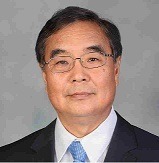
H. Peter Lu is the Ohio Eminent Scholar and Professor in the Department of Chemistry at Bowling Green State University's College of Arts and Sciences. His research focuses on Single-molecule spectroscopy Protein conformational dynamics Interfacial electron transfer processes DNA damage recognition mechanisms Lu's work bridges chemical physics and molecular biology through Development of AFM-enhanced optical imaging techniques Investigations into mechanical force effects on biomolecules Studies of ion channel conformational changes Elucidation of non-Markovian enzymatic reaction dynamics His recent publications reveal trends in Mechanically-induced protein aggregation Force-sensitive receptor dynamics Metal ion effects on protein misfolding Biophysics of DNA repair proteins Advanced single-molecule manipulation tools Scientific recognition includes 2019-2020 BGSU Teaching Award 2014 American Physical Society Fellowship 2009 Olscamp Research Award Multiple PNNL Outstanding Performance Awards 2008 Nobel Symposium Invitations Lu's research group trains students in Single-molecule experimental techniques Protein interaction dynamics Advanced biophysical instrumentation Mechanobiology of cellular processes while maintaining collaborations across disciplines including materials science and computational biology.
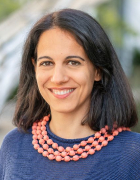
Paola Lorenzon is an Associate Professor of Physiology at the University of Trieste 's Department of Life Sciences since 2002. She coordinates the International Master's Degree in Neuroscience , serves as Coordinator of the OPBA program , and holds key roles in multiple PhD cycles including Neuroscience and Cognitive Science (XXVIII to XXXVIII cycles) and Biology (SM50). Her research focuses on neuromuscular plasticity , aging effects, and microgravity adaptation mechanisms. Education : Bachelor's in Biological Sciences and PhD in Biochemistry from University of Trieste Research Experience : University of Milan, San Raffaele Milan, University of Ljubljana, University of Bonn Her research spans three main areas: neuromuscular junction plasticity , electrostimulation protocols for muscle regeneration, and Piezo1 ion channels in mechanotransduction. Current projects funded by the Italian Space Agency (MIAG, NEMUSY) investigate muscle atrophy in spaceflight and aging. Notable collaborations include working with Annalisa Bernareggi (electrophysiology), Marina Sciancalepore (electrostimulation), and Alessandra Bosutti (project coordination). Her lab employs primary satellite cell cultures , electrophysiology , and mechanotransduction studies to explore muscle regeneration mechanisms.
Prof. Dr. Antonella Di Pizio (born 1984) is an Associate Professor for Chemoinformatics and Protein Modelling at the Department of Molecular Life Sciences within the TUM School of Life Sciences at the Technical University of Munich. Since 2018, she has led the Molecular Modeling group at the Leibniz Institute of Food Systems Biology at TUM in Freising, Germany. Her academic journey includes a PhD in Pharmaceutical Sciences from the University of Chieti, Italy (2012), followed by research at Philipps University in Marburg, Germany, and a postdoc position at the Hebrew University of Jerusalem, Israel. Prof. Di Pizio's research focuses on computational approaches to understanding chemosensory G protein-coupled receptors (GPCRs), particularly taste and smell receptors. Her work combines molecular modeling, chemoinformatics, and structural bioinformatics to investigate the molecular basis of ligand recognition and activation mechanisms. Her group develops predictive models for screening and designing bioactive compounds relevant to food reformulation and therapeutic applications. Analysis of Prof. Di Pizio's publication record reveals a strong focus on bitter taste receptors, particularly TAS2R family members, and odorant receptors. Her research spans computational modeling of receptor-ligand interactions, development of predictive algorithms for taste compound identification, and investigation of the structural basis of chemosensory perception. Recent work demonstrates increasing integration of machine learning approaches with traditional molecular modeling techniques. Scientific Recognition: Leibniz Best Minds Programme for Women Professors (2022) Platinum Manfred Rothe Excellence Award in Flavor Research (2019) Bernardo Nobile doctorate award VIII Edition (2013) Keystone Symposia Future of Science Fund Fellowship (2017) Prof. Di Pizio serves on the editorial board of Frontiers in Molecular Biosciences and is a Working Group Leader and Management Committee member of the ERNEST Cost Action CA18133. She teaches courses including 'Modeling and simulations of Biological Macromolecules' and 'Drug and Protein Design' at TUM. Her Molecular Modeling group collaborates extensively with other research groups at the Leibniz-LSB@TUM on interdisciplinary projects focused on food systems biology. The Molecular Modeling group, established relatively recently at the institute, investigates food-relevant molecules and their interactions using computational tools including molecular docking, molecular dynamics simulations, pharmacophore modeling, QSAR, machine learning, and virtual screening. Their work aims to develop next-generation methodologies for food design that address current challenges in the food system.
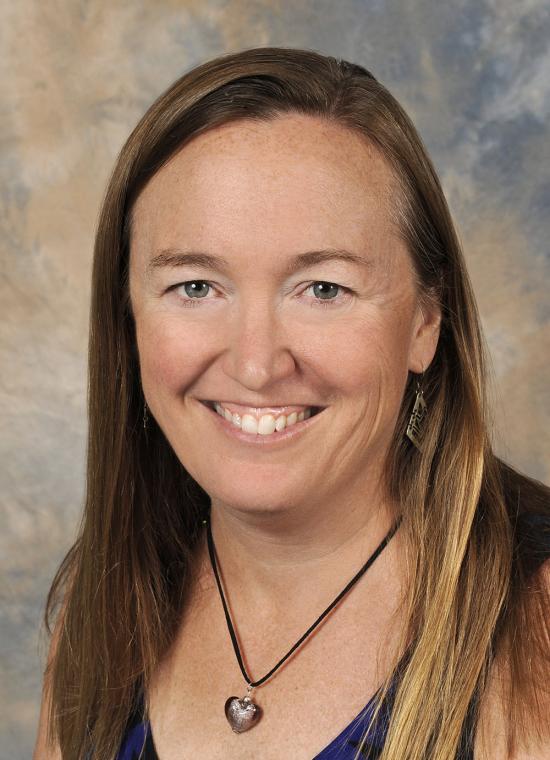
Karen D. Parfitt is Professor of Neuroscience and Chair of the Neuroscience Department at Pomona College , where she has been a faculty member since 1994. Her research is centered on synaptic transmission and plasticity in the hippocampus, with a focus on the molecular mechanisms of memory and their disruption in neurodegenerative diseases such as Alzheimer’s Disease. She employs both mouse and Drosophila models to investigate these processes. Her educational background includes a Ph.D. from the University of Colorado Health Sciences Center and a Bachelor of Science from Cornell University. She teaches core neuroscience courses such as Neurobiology with Lab, Neuropharmacology, and Senior Experimental Thesis in Neuroscience. Research Interests: Synaptic Physiology and Plasticity Molecular Mechanisms of Neurotransmitter Release Neurobiology of Alzheimer’s Disease Effects of Exercise on Synaptic Plasticity Neurobiology of Aging Her recent publications reveal a strong trend in exploring how secreted amyloid precursor protein-alpha modulates long-term potentiation (LTP), how exercise influences dopaminergic transmission and synaptic plasticity, and how inflammatory pathways contribute to tauopathy. These works span molecular, cellular, and behavioral neuroscience, reflecting a multidisciplinary approach. Scientific Awards and Honors: President, Faculty for Undergraduate Neuroscience (2000–2001) National Institute of Aging Academic Research Enhancement Award (1998) National Science Foundation Instrumentation Grant (1995) Faculty for Undergraduate Neuroscience Service Award (2011) Mellon Partnership Grant (2009) Multiple Pomona College Faculty Grants (1998, 2014, 2018) She has advised numerous undergraduate students, many of whom are co-authors on her publications, highlighting her commitment to mentored research. She has secured sustained funding from the NSF, NIH, NIA, and AFAR, supporting both instrumentation and research. Dr. Parfitt leads an active laboratory in Seaver Biology, focusing on electrophysiological and molecular analyses of synaptic function.
Prof. Dr. Alexander Dityatev is a Group Leader at the German Center for Neurodegenerative Diseases (DZNE) in Magdeburg, Germany, where he leads research on the extracellular matrix (ECM) in brain function. His work establishes critical connections between ECM dynamics and neural processes including synaptic plasticity, learning, and memory formation. Dr. Dityatev's research focuses on: ECM regulation of voltage-dependent L-type Ca2+ channels, NMDA receptors, and Ca2+-dependent K+ channels ECM changes in aging brains, depression, dementia, and schizophrenia models Matrix metalloproteinases (ADAMTS4/5, MMP-9) and their regulation by dopaminergic/serotonergic systems Development of ECM-targeted therapies for neurodegenerative and psychiatric disorders His laboratory employs advanced techniques including in vivo 2-photon microscopy, AAV-based fluorescent probes, and virtual environment systems to investigate neural network dynamics and quadripartite synapses. Dr. Dityatev advocates for combined therapeutic approaches that integrate ECM targeting with cognitive training for advanced neurodegenerative conditions. His publication record demonstrates consistent contributions to understanding the dual role of ECM as both a promoter of structural/functional plasticity and a stabilizer of neural microcircuits - aspects critically important for mental health and neurological function. Dr. Dityatev's research has significant translational implications for treating Alzheimer's disease, frontotemporal dementia, tauopathies, vascular dementia, epilepsy, and depression through novel ECM-modulating strategies.
Dr. David C. Poole is a University Distinguished Professor of Kinesiology and Physiology at Kansas State University, holding the Elizabeth Chapin Burke Chair in Health and Human Sciences and the Coffman Chair for University Distinguished Teaching Scholars. He serves as Director of the Clarenburg Cardiorespiratory Lab within the College of Veterinary Medicine. His work bridges the fields of kinesiology, physiology, and veterinary medicine, focusing on understanding the fundamental mechanisms of oxygen transport and utilization in health and disease. Dr. Poole earned his B.Sc. from Liverpool Polytechnic and his Ph.D. from UCLA in 1986, followed by a Scientiae Doctor from Liverpool John Moores University in 2000. His academic journey has established him as an internationally recognized researcher in exercise and respiratory physiology. Dr. Poole's research focuses on the critical relationship between oxygen transport and metabolic demands in tissues, particularly during exercise. His laboratory investigates how skeletal muscles can require up to 100-fold more oxygen during exercise compared to rest, and how conditions like heart failure, diabetes, and cancer impair this vital process. Using innovative approaches such as nitrate supplementation and dietary interventions, his work aims to enhance therapeutic strategies for improving exercise tolerance and quality of life in patients with chronic conditions. His research has significantly advanced understanding of capillary function, oxygen uptake kinetics, and Critical Power in exercise physiology. Dr. Poole's extensive publication record includes over 350 peer-reviewed papers in leading journals such as Circulation Research , Journal of Clinical Investigation , and Journal of Applied Physiology . His recent work (2023-2025) demonstrates continued leadership in understanding oxygen transport mechanisms across multiple physiological systems, with particular emphasis on skeletal muscle microcirculation, respiratory muscle function, and the impact of aging and disease on exercise capacity. His research spans fundamental physiological mechanisms to translational applications in clinical settings. Scientiae Doctor from Liverpool John Moores University (2000) Adolph Distinguished Lecturer from the American Physiological Society (2018) Joseph B. Wolffe Memorial Lecture from the American College of Sports Medicine (2021) Higuchi-Dolph Simons Statewide Award for Biomedical Research Excellence (2024) ACSM Citation Award (2019) Fellow of the American College of Sports Medicine Fellow of the American Physiological Society As Principal Investigator, Dr. Poole has secured over $6 million in research funding, with an additional $31 million as Co-Investigator, primarily from the National Institutes of Health and the K-State Johnson Cancer Research Center. His laboratory maintains a vibrant scientific atmosphere with productive collaborations among faculty and students. Key collaborators include Dr. Thomas J. Barstow, Dr. Timothy I. Musch, Dr. Howard H. Erickson, Dr. M. Roger Fedde, Dr. Casey A. Kindig, and Dr. Brad J. Behnke. Dr. Poole's work has achieved an impressive h-index of 84 with over 26,000 citations, reflecting his significant impact on the field. Dr. Poole directs the Clarenburg Cardiorespiratory Lab at Kansas State University, which provides a dynamic research environment focused on understanding oxygen transport limitations from lungs to mitochondria. The lab employs a range of novel and established strategies to investigate tissue oxygenation and metabolic control, with applications to both healthy function and disease states including emphysema, diabetes, chronic heart failure, and cancer.
Roger J. Colbran, PhD, is a Professor and Vice Chair in the Department of Molecular Physiology and Biophysics at Vanderbilt University School of Medicine. His research focuses on calcium/calmodulin-dependent protein kinase II (CaMKII) and its roles in synaptic signaling, neuropsychiatric disorders, and neurological conditions. His lab investigates mechanisms of synaptic plasticity, particularly in the striatum and hippocampus, with implications for learning, memory, and disease. Key affiliations include the Vanderbilt Brain Institute, Vanderbilt Kennedy Center, and Vanderbilt Center for Addiction Research. His work integrates biochemistry, electrophysiology, and proteomics to study CaMKII interactions with receptors (e.g., NMDA, voltage-gated calcium channels) and signaling pathways (e.g., endocannabinoids, phosphatase regulation). Recent articles highlight CaMKII’s role in striatal sociability, nuclear signaling via Shank3 interactions, and ASD-related mutations. His lab’s multidisciplinary approach bridges basic neuroscience with translational research on disorders like addiction and neurodegeneration.
Yao Wei Lu is an Assistant Professor of Medicine at the University of Southern California, affiliated with the Hastings Center for Pulmonary Research and leading the Lu Lab. Their research focuses on cardiovascular development, regeneration, and diseases, particularly investigating mechanisms underlying cardiac fibrosis, diabetic complications, and the role of non-coding RNAs in cardiovascular pathologies. Key areas include endothelial dysfunction, metabolic disorders, and molecular signaling pathways in heart disease. Research interests emphasize translational studies targeting therapies for cardiac hypertrophy, atherosclerosis, and heart failure. Dr. Lu's work integrates molecular biology, cell biology, and systems biology approaches to understand disease mechanisms and develop novel treatments. Notable achievements include the receipt of the American Heart Association (AHA) Second Century Early Faculty Independence Award in 2023. The lab's studies often involve collaborative projects on nanotherapies, epigenetic regulation, and cellular senescence. Current projects explore therapeutic inhibition of non-coding RNAs and mitochondrial dysfunction's role in cardiomyocyte regeneration.
Iman Azimi is a Senior Lecturer and Research Group Head in the Pharmacology Department at Monash Biomedicine Discovery Institute, Monash University. His academic journey includes a PhD from the University of New South Wales (2011), postdoctoral research at The University of Queensland (2011–2017), and a Lecturer role at the University of Tasmania (2018–2023). He leads research focused on brain cancer, cellular aging, calcium signaling, and drug discovery. His work is supported by grants from Cancer Council Tasmania, Brain Foundation, and others. Education: PhD in Pharmacology, University of New South Wales, 2011 Postdoctoral Fellowship, The University of Queensland, 2011–2017 Research Interests: Identifying therapeutic targets for brain cancers (e.g., medulloblastoma) Unraveling cellular aging mechanisms Calcium signaling in cancer and senescence High-throughput drug screening assay development Publications: Recent articles focus on LIN28 proteins in medulloblastoma, T-type calcium channel inhibitors, and calcium signaling pathways. His work bridges basic science and translational applications in cancer therapy. Awards: Includes the ASCEPT New Investigator Award (2016), Oxygen Club of California Award (2015), and multiple grants and scholarships. Leadership & Service: Chair of Institutional Biosafety Committees, Guest Editor for Cancers and Frontiers in Pharmacology , and grant reviewer for NHMRC and international agencies. Labs/Teams: Leads a research group at Monash focused on cancer and aging biology, with expertise in cell culture, fluorescence microscopy, and high-content imaging.
Michael J. Caplan is the C.N.H. Long Professor of Cellular and Molecular Physiology and Professor of Cell Biology at Yale School of Medicine, where he also serves as Chair of the Department of Cellular and Molecular Physiology. He has been a faculty member at Yale since 1988, following the completion of his M.D. and Ph.D. degrees from Yale University in 1987. His academic journey began with a bachelor's degree in Biology from Harvard University in 1980. Dr. Caplan's research program focuses on understanding how membrane proteins are sorted in polarized epithelial cells, with particular emphasis on the Na,K-ATPase (sodium pump) in renal epithelial cells. His laboratory has made significant contributions to understanding the mechanisms responsible for Autosomal Dominant Polycystic Kidney Disease (ADPKD), particularly through studies of the polycystin-1 and polycystin-2 proteins. His work has revealed that polycystin-1 undergoes proteolytic cleavage to release its C-terminal tail, which enters the nucleus and modulates signaling pathways including Wnt signaling. His research also explores connections between renal cilia and olfactory signaling pathways in kidney function. Analysis of Dr. Caplan's recent publications reveals a strong focus on the molecular mechanisms underlying polycystic kidney disease, with particular attention to protein trafficking, membrane contact sites, transcriptional regulation in cystic cells, and novel therapeutic approaches. His work spans multiple disciplines including cell biology, molecular physiology, and translational medicine, with increasing integration of advanced imaging techniques and nanotechnology approaches. Dr. Caplan has received numerous prestigious awards including: Fellow of the American Association for the Advancement of Science (2023) Carl W. Gottschalk Distinguished Lectureship from the American Physiological Society (2012) Young Investigator Award from the American Society of Nephrology (1998) National Young Investigator Award from the National Science Foundation Fellowships from the Helen Hay Whitney Foundation and David and Lucille Packard Foundation As an educator and mentor, Dr. Caplan has received Yale's Postdoctoral Mentoring Prize (2010) and Bohmfalk Award for Excellence in Basic Science Teaching (2000). He currently serves as Editor-in-Chief of the journal Physiology and on the Board of Directors of the American Physiological Society. His laboratory continues to be at the forefront of research on kidney cell biology and polycystic kidney disease pathogenesis, with ongoing investigations into novel therapeutic targets and mechanisms of disease progression.
Julie Haas is a Professor at Lehigh University investigating neural attention mechanisms through electrical synapses in the thalamic reticular nucleus (TRN). Her research integrates electrophysiology, optogenetics, and computational modeling to decode how inhibitory circuits filter sensory information, with implications for attention disorders. Her educational journey includes a B.A. in Music and Mathematics from Indiana University, a Ph.D. in Biomedical Engineering from Boston University, and postdoctoral training at Harvard University and UC San Diego, supplemented by Computational Neuroscience studies at the Marine Biological Laboratory. Research focuses on electrical synapse plasticity as the core mechanism for attentional selection. The Haas lab examines how dopamine, GABA receptors, and amygdala inputs modulate TRN circuitry using in vitro brain slices and optogenetic tools. Key discoveries include activity-dependent long-term potentiation at electrical synapses and their role in sensory gating, bridging molecular dynamics to circuit-level functions through innovative computational models. Publication analysis reveals a decade-long trajectory from foundational electrical synapse characterization (2012-2015) to neuromodulatory mechanisms (2016-2021) and recent dopamine receptor investigations (2022-2024). This evolution demonstrates increasing complexity in understanding how electrical synapses integrate neuromodulatory signals for attentional control. Funding from NIH, NSF, Whitehall Foundation, and Brain and Behavior Foundation supports her lab's work. She teaches advanced courses including Synapses, Plasticity and Learning (Bios 385/415) and Neurophysiology Laboratory (Bios 278), training next-generation neuroscientists in cutting-edge techniques. The Haas lab operates within Lehigh's neuroscience facilities with specialized electrophysiology rigs, optogenetic systems, and computational resources for multi-scale analysis of thalamic circuitry, currently exploring electrical synapse dysfunction in neurodevelopmental disorders.
David Paterson is Professor of Physiology and Head of the Department of Physiology, Anatomy & Genetics at the University of Oxford, a role he has held since 2016. He is also a Fellow of Merton College, Oxford, and has served in key administrative positions including Deputy Head (Vice Dean) of the Division of Medical Sciences (2008–2016). His leadership spans strategic planning and education policy, contributing to Oxford’s global ranking in Anatomy & Physiology. Paterson’s research focuses on cardiorespiratory control , autonomic neuroscience , and cardiac neurobiology . His Cardiac Neurobiology Research Group investigates neural regulation of the heart in health and disease, with emphasis on hypertension, arrhythmias, and neurocardiac signaling. Key themes include sympathetic neurotransmission, cyclic nucleotide pathways, and bioelectronic interventions for cardiovascular disorders. His recent publications (2020–2025) emphasize translational neurocardiology, exploring molecular mechanisms of sympathetic hyperactivity, stem cell-based disease models, and bioelectronic therapies. Articles consistently address autonomic dysregulation in hypertension, arrhythmia pathophysiology, and innovative diagnostic tools, reflecting interdisciplinary collaboration across physiology, neuroscience, and engineering. Major Awards & Honors: Honorary Doctorates (Otago, UWA), Fellowships (FRSB, FAPS, FPhysiol) Presidency of The Physiological Society (2020–2022) Carl Ludwig Distinguished Award, Brookhart Award Lecture Editorships: Journal of Physiology (2011–2016), Experimental Physiology (2006–2011) Paterson has supervised 27 doctoral students and secured ~£17M in funding, including a British Heart Foundation Centre of Excellence (£8.4M co-PI) and infrastructural grants for the Burdon Sanderson Cardiac Centre. His group leverages molecular, cellular, and whole-organ approaches to advance neurocardiac therapeutics.
Prof. Alexander Schwoerer is a faculty member at the University of Hamburg's Faculty of Medicine, affiliated with the Center for Experimental Medicine and the Institute of Cellular and Integrative Physiology. His research focuses on cardiovascular physiology, particularly cardiac arrhythmias, mechanical unloading effects on heart function, and calcium homeostasis. He has developed novel animal models (e.g., heterotopic heart transplantation) to study cardiac remodeling and arrhythmia mechanisms. Schwoerer also contributes to medical education, integrating interdisciplinary approaches in dental and physiological training programs. Leading research on ventricular arrhythmias and calcium signaling dysregulation Expertise in engineered heart tissue models for myocardial repair studies Key publications on nitro-fatty acids' antiarrhythmic effects and genetic influences on arrhythmia susceptibility His work bridges experimental physiology with clinical translation, emphasizing translational research methodologies. He collaborates with teams at the University Heart Center Hamburg (UKE) and the Center for Molecular Neurobiology Hamburg (ZMNH).
Prof. Dr. Philipp Sasse is a Professor at the Institute of Physiology I at the University of Bonn. His research focuses on understanding the mechanisms of cardiac arrhythmias and developing optogenetic tools for their study and treatment. The Sasse group pioneered optogenetic control of heart muscle in vivo and has contributed key advancements in cardiac optogenetics, including manipulating signaling cascades, fibroblast-cardiomyocyte coupling, and optogenetic defibrillation. Research interests include: Cardiac arrhythmia mechanisms and termination strategies Optogenetic tool development for in vivo applications Drug screening for pro/anti-arrhythmic effects Light-cell interactions in cardiac tissue Key achievements include demonstrating optogenetic pacing in mouse hearts (2015), optogenetic defibrillation (2016), and foundational work on Gs-signaling manipulation (2019). The lab's work bridges molecular mechanisms with translational therapeutic concepts. Collaborations include computational modeling (e.g., with Trayanova NA) and interdisciplinary approaches combining genetics, optics, and electrophysiology. Current efforts focus on red-shifted optogenetic systems and novel therapies for arrhythmia termination.