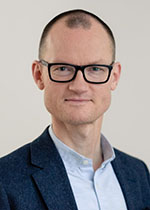
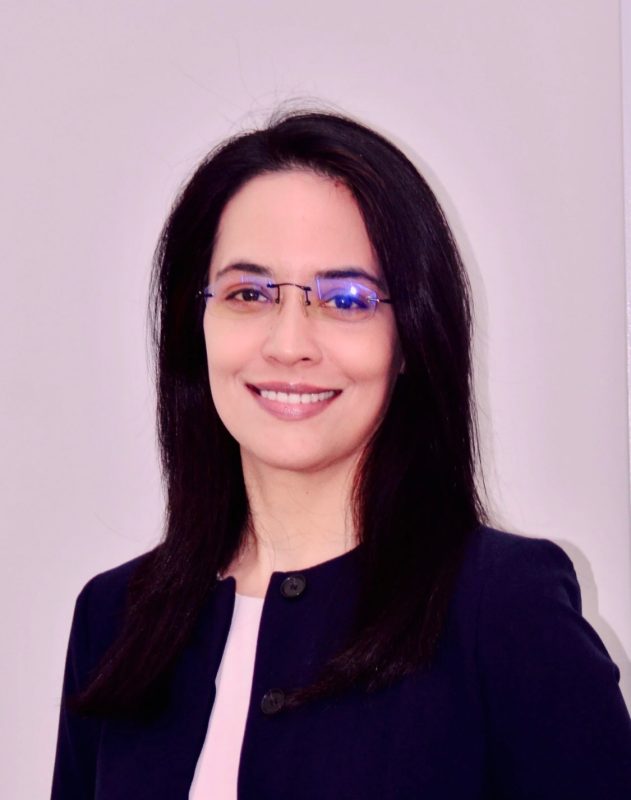
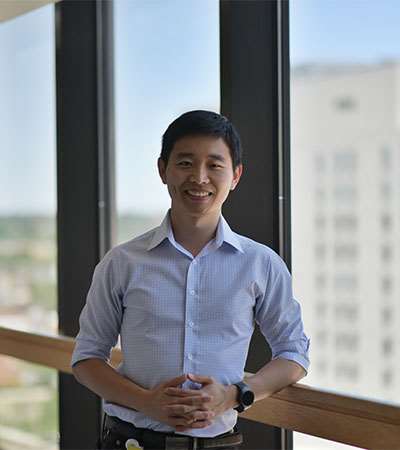
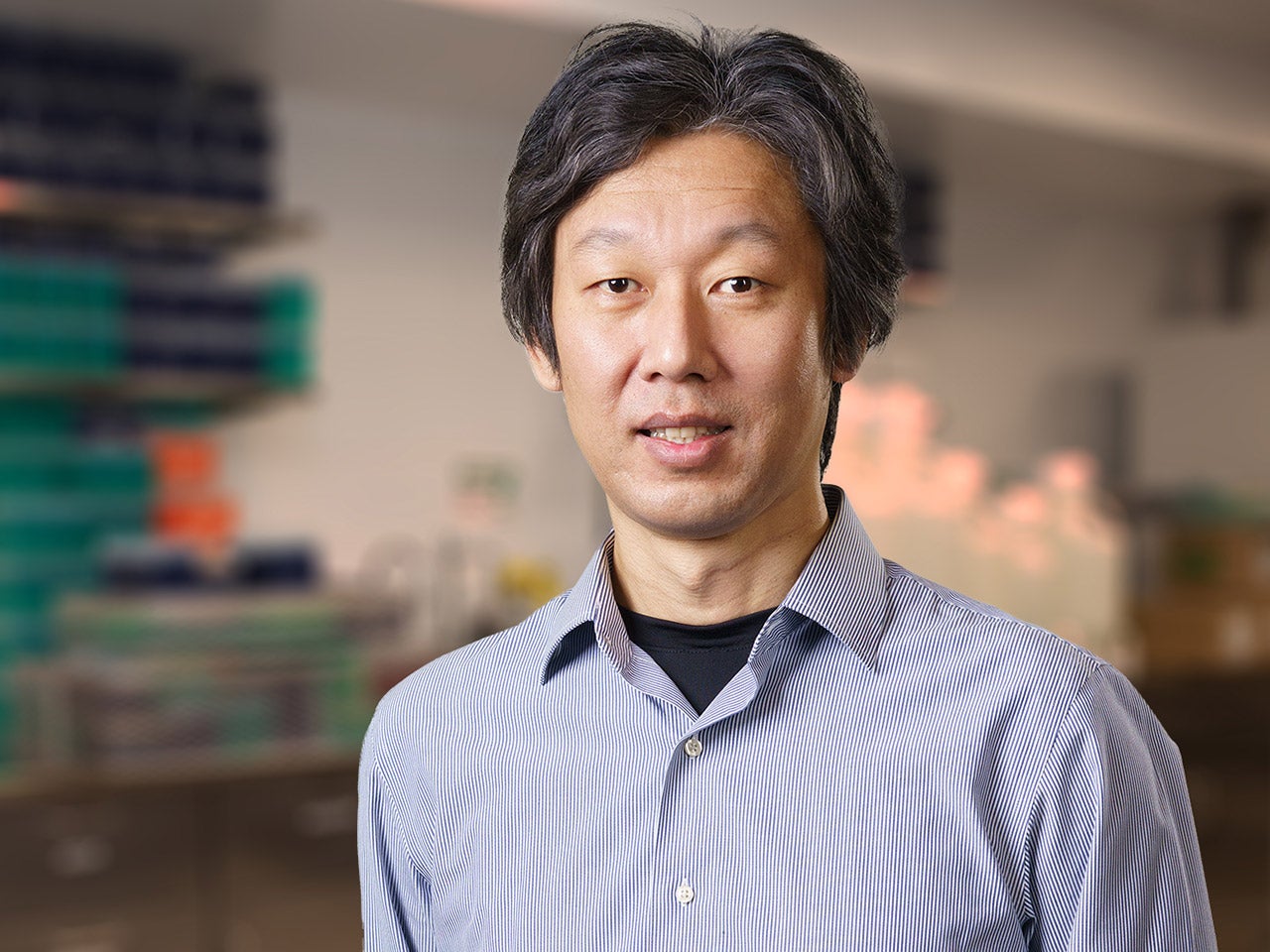
Eric Strieter is a Professor in the Department of Chemistry at the University of Massachusetts Amherst , with affiliations in the Graduate Program in Molecular & Cellular Biology . His research focuses on the molecular mechanisms of ubiquitin and ubiquitin-like modifications (UBLs), particularly the enzymatic networks governing their attachment and removal. He investigates E1, E2, and E3 enzymes, deubiquitylating enzymes (DUBs), and their role in disease pathways like cancer and immune disorders. PhD: Massachusetts Institute of Technology (2005) BS: University of Wisconsin-Madison (1999) Postdoctoral Fellowship: American Cancer Society at Harvard Medical School (2009) His lab integrates organic chemistry , biochemistry , and cell biology to synthesize designer ubiquitin conjugates, develop DUB inhibitors, and characterize ubiquitin chain architecture. Recent work includes branched multispecific proteins and real-time DUB activity assays . Key awards include the American Cancer Society Postdoctoral Fellowship . Research methods span mass spectrometry , nanopore technology , and computational modeling . Collaborations emphasize structural proteomics and therapeutic enzyme targeting .
Cathrine Rein Carlson is a researcher at the Institute for Experimental Medical Research, affiliated with the University of Oslo's Medical Faculty. Her work focuses on molecular mechanisms in cardiac physiology, particularly heart failure and signaling pathways. She holds a doctorate in Biotechnology from the University of Oslo (1994) and completed a research stay at Oregon Health & Science University (2002-2003). Her research spans disciplines such as: Molecular Biology Cardiovascular Research Extracellular Matrix (ECM) Remodeling Signaling Pathways in Cardiomyocytes Biotechnology Applications Recent publications highlight trends in syndecan-4's role in cardiac pathology, SERCA2 regulation, and ECM-cardiomyocyte interactions. She collaborates nationally and internationally on heart failure mechanisms.
Mathis Korseberg Stokke is a Professor at the Institute for Experimental Medical Research (University of Oslo), leading Norway's largest translational heart research environment. He serves as Senior Consultant at the Department of Cardiology, Rikshospitalet , and directs the national research school NORHEART . His work bridges laboratory animal models with patient data to understand cardiac function and arrhythmias. Academic Leadership: Deputy Director of NORHEART, former Center for Heart Failure Research Director (2018-2019) Teaching: Organizes/teaches MED 3006, MED 3060, and developed an ECG e-learning course Research Focus: Translational cardiac electrophysiology and arrhythmology, emphasizing heart failure mechanisms, syndecan proteoglycans, and calcium signaling pathways. His group investigates how mechanical load affects t-tubule structure and explores novel biomarkers like secretoneurin for acute dyspnea. Publication Trends: Recent work spans Heart failure biomarker validation ECM proteoglycan dynamics T-tubule remodeling in disease Novel therapeutic targets (ADAMTS4, AKAP18δ) Sex-specific cardiac signaling High-altitude cardiac adaptation
Susanna Goorden is a researcher at the Erasmus Medical Center (Erasmus MC) within the Clinical Genetics department of the Clinical Chemistry division. Her work bridges biochemical and genetic research with clinical applications. Research Focus: Genetics, Biochemistry, and Molecular Biology Key Topics: Apolipoprotein E variants, Macrophage dysfunction, Tuberous Sclerosis, TOR pathway regulation Goorden's research explores metabolic disorders, neurogenetics, and cellular signaling mechanisms through collaborations in Europe. Her recent publication in Genes (2025) examines inherited dyslipidemic splenomegaly as a macrophage storage disease linked to APOE variants. In earlier work (2013-2015), she investigated: PAK2's role in TSC1/2 signaling independent of mTOR Neuronal function preservation in Rheb1 mutant mice Alpha CaMKII's temporal requirements in learning mTORC1 activity in Rheb-deficient fibroblasts Her research has been cited extensively, with 35 citations for the 2014 Journal of Neuroscience paper and 37 citations for the 2015 Scientific Reports publication.
Sumita Mishra, PhD, is an Assistant Professor at Virginia Tech's Department of Human Nutrition, Foods, and Exercise, and the Fralin Biomedical Research Institute. Her research focuses on cardiometabolic diseases, particularly Heart Failure with Preserved Ejection Fraction (HFpEF), exploring cGMP-PKG signaling pathways and phosphodiesterase (PDE) modulation. She holds appointments in the Center for Exercise Medicine Research and Center for Vascular and Heart Research. Education includes a PhD in Molecular Cardiology from the Indian Institute of Chemical Biology, MS in Genetic Engineering from Calcutta University, and BS in Microbiology. Her career spans postdoctoral training at Johns Hopkins University, where she investigated cardiac signaling mechanisms. Key research interests include sex-based differences in HFpEF, mitochondrial dysfunction, and therapeutic applications of PDE inhibitors. Major awards include the 2021 AHA Career Development Award and 2020 W. Leigh Thompson Excellence in Research Award. She serves on editorial boards for journals like BMC Cardiovascular Disorders and reviews for high-impact publications. Her lab studies molecular mechanisms linking obesity, metabolic syndrome, and heart failure, with recent work on PDE9 inhibition's role in fat metabolism. Collaborative projects emphasize translating findings to lifestyle interventions and novel therapies.
Brian L. Lin, PhD is an Assistant Professor in the Department of Cell Biology, Neurobiology, and Anatomy at the Medical College of Wisconsin. His research focuses on mechanical signaling in the heart within muscular dystrophy contexts, addressing cardiac dysfunction which is a leading cause of mortality in these diseases. He holds a PhD from Loyola University (2016) and a BS from Miami University (2008), with postdoctoral training at Johns Hopkins Medical Institutions (2016-2023). Education : BS, Miami University, 2008 PhD, Loyola University, 2016 Postdoctoral Fellow, Johns Hopkins Medical Institutions, 2023 Research Focus : The Lin Lab employs spatial transcriptomics, animal models, single-cell biomechanics, and nanoparticle drug delivery to develop therapies targeting TRP channels in dystrophic cardiomyopathy. Key areas include cardiac mechanical signaling, TRPC6 channel inhibition, and stem cell engineering for regenerative medicine. Publications : Recent work emphasizes drug discovery (e.g., ruxolitinib repurposing), gene therapy limitations, cadmium toxicity effects, and TRP channel pharmacology. Publications span Science Translational Medicine , Cell Reports , and iScience . Awards : K99/R00 Award (TRPC6 in Duchenne Muscular Dystrophy) Lab & Collaborations : The lab integrates multi-omics approaches with preclinical testing platforms. Current projects explore novel therapies using in silico drug discovery and human stem cell models. Follow @iheartlinlab for updates.
Hiro Furukawa is a Professor at Cold Spring Harbor Laboratory (CSHL) and a member of the Cancer Center and Neuroscience departments. He leads the Furukawa Lab, focusing on the structure and function of neurotransmitter receptors, particularly NMDA receptors, which are critical for neuronal communication. His research aims to understand how these receptors contribute to neurological disorders like Alzheimer’s, Parkinson’s, and schizophrenia, and to design therapeutic compounds targeting these receptors. Education: Ph.D., Biochemistry, University of Tokyo (2001) B.S., Chemistry, Tufts University (1995) Postdoctoral Fellowships at the Vollum Institute and Columbia University (2001–2006) Research Interests: Structural biology of NMDA receptors, X-ray crystallography, allosteric modulation, neurodegenerative diseases, and drug discovery. His lab uses cutting-edge techniques to elucidate receptor mechanisms and develop treatments. Publications: Furukawa has published extensively on NMDA receptor structures, channel gating mechanisms, and their roles in diseases. Recent work includes breakthroughs in understanding autoimmune encephalitis and drug targeting. Awards: Includes the Nakaakira Tsukahara Memorial Award (2021) and recognition in the Blavatnik Awards (2017). Advising & Grants: Mentored numerous students and postdocs. Active in collaborative research and securing grants for structural biology and drug development. Labs/Teams: Furukawa Lab, CSHL Cancer Center, and collaborations with institutions like the Stanley Institute for Cognitive Genomics.
Prof. Markus Wahl is a Biochemistry Professor at the Department of Biology, Chemistry, and Pharmacy at Freie Universität Berlin. His research focuses on structural biochemistry, particularly RNA biology, molecular mechanisms of transcription, and protein interactions. His group investigates spliceosome dynamics, transcription termination factors, and the structural basis of bacterial resistance mechanisms. He leads the Wahl Group, which has produced significant contributions to understanding RNA processing, synaptic proteins, and drug design targeting clathrin-mediated endocytosis. Education details are not explicitly stated, but his career is centered at Freie Universität Berlin. Research interests include structural biochemistry, molecular inhibitors, and bacterial gene regulation. Recent work includes developing next-generation clathrin inhibitors and elucidating ρ factor inactivation mechanisms. Over 30 students have graduated under his supervision, many holding PhDs in biochemistry and molecular biology. His lab uses advanced structural biology techniques, including crystallography and cryo-EM, and collaborates with institutions like the Helmholtz-Zentrum Berlin. Current projects involve studying transcription complexes as RNA chaperones and the role of post-translational modifications in splicing regulation.
Associate Professor Victor Anggono is an ARC Future Fellow and Group Leader at the Queensland Brain Institute (QBI), University of Queensland, with an affiliation as an Associate Professor at the Clem Jones Centre for Ageing Dementia Research. His research focuses on synaptic neurobiology, particularly mechanisms regulating neuronal membrane trafficking and epitranscriptomic processes during learning, memory, and neurodegeneration. Anggono earned his PhD from the University of Sydney and completed postdoctoral training at Johns Hopkins University. He joined QBI in 2012 as an NHMRC CJ Martin Research Fellow and has since led studies on synaptic vesicle trafficking, AMPA receptor dynamics, and RNA modifications in neurons. His work combines molecular biology, mouse models, proteomics, and behavioral analyses. Key research areas include: synaptic plasticity, neuronal trafficking pathways, and RNA epigenetics. He has published in top journals like Nature Neuroscience and Neuron, with over 1,500 citations. Notable awards include the Young Investigator Award (Asian-Pacific Society for Neurochemistry, 2016) and Science to Art Award (NHMRC, 2015). His team investigates how dysregulated mechanisms contribute to Alzheimer’s disease and neuropsychiatric disorders. Current projects explore FTO’s role in DNA repair, AMPA receptor ubiquitination, and learning-induced synaptic remodeling. Students and postdocs in his group study molecular and cellular neuroscience using advanced imaging and genetic tools.
Andres E. Chavez Navarrete is a Visiting Assistant Professor in the Dominick P. Purpura Department of Neuroscience at Universidad de Valparaiso. His research focuses on neuromodulation of synaptic transmission in physiological and pathological contexts, particularly in retinal and neuropsychiatric disorders. He holds an M.Sc. and Ph.D., though specific institutional details are not provided in the text. Research Interests: Dr. Chavez Navarrete investigates how endogenous neuromodulators (e.g., endocannabinoids, serotonin, dopamine) regulate excitatory and inhibitory synapses in retinal, hippocampal, and prefrontal cortex circuits. His lab combines electrophysiology, optogenetics, and in vivo techniques to study mechanisms underlying synaptic plasticity and dysfunction in disorders like retinal degeneration and OCD. Key areas include cannabinoid signaling in retinal vision processing, serotonin modulation of cognitive processes, and TRPV1 channel roles in synaptic dysfunction. Publications Highlight: Recent work explores non-canonical CB1 receptor roles in night vision (2024), adenosine/A2A signaling in hippocampal LTP (2024), and EAAT3’s role in OCD-related behaviors (2019). These studies underscore his focus on linking cellular mechanisms to systemic neurological and psychiatric outcomes. Labs/Teams: His lab at Universidad de Valparaiso integrates interdisciplinary approaches to unravel how neuromodulators shape synaptic communication, aiming to bridge basic mechanisms with translational insights into disease pathophysiology.
Traci LaMoia is a Research Fellow in the Shulman Lab at the Yale School of Medicine, Department of Internal Medicine. Her work focuses on metabolic dysfunction, particularly in metabolic disorders like diabetes, heart failure, and lipid-related pathologies. She investigates mechanisms of drug action (e.g., SGLT2 inhibitors, metformin) and mitochondrial dysfunction in metabolic regulation. Her research employs advanced methodologies like Q-Flux to study hepatic metabolic fluxes and explores cellular pathways such as calcium signaling, insulin receptor trafficking, and lipid-induced insulin resistance. Key findings include insights into hepatic steatosis, mitochondrial calcium uniporter roles, and novel therapeutic targets for Pompe disease. LaMoia holds a BS from the University of Central Florida (2016). Her contributions span basic science and translational research, with publications in high-impact journals. She has been recognized for her postdoctoral research in Yale’s 2024 cohort.
Mario Kahn is a Researcher in the Department of Internal Medicine Endocrinology at Yale School of Medicine. His research focuses on metabolic dysfunction-associated diseases, lipid metabolism, and insulin resistance mechanisms. Collaborators include renowned scientists like Gerald I. Shulman and Varman Samuel. Recent work examines liver lipid droplet cholesterol's role in non-alcoholic steatohepatitis (NASH), SGLT2 inhibitor effects on cardiac metabolism, and bioactive lipid changes post-weight loss in diabetes. Key findings include mechanistic insights into PKCε-mediated insulin resistance and calcium-regulated hepatic gluconeogenesis. Kahn’s studies often utilize rodent models and human clinical data to bridge molecular mechanisms with clinical implications. Education & Affiliations: Yale School of Medicine (Primary affiliation) Research Interests: Metabolic disorders, particularly NASH and diabetes Lipid signaling in insulin resistance Organelle cross-talk in metabolic diseases Drug mechanisms in metabolic pathways Recent Publications Trends: Recent articles emphasize mitochondrial dysfunction, lipid droplet biology, and systemic metabolic interactions. Key themes include drug target validation (e.g., SGLT2 inhibitors), enzyme deficiency models (e.g., AGPAT2), and biomarker discovery for metabolic diseases. Awards & Grants: No specific awards or grants listed in available texts. Advising & Teams: Collaborates with multidisciplinary teams but no formal student advising roles explicitly noted. Active in lab environments focused on metabolic disease research. Labs/Teams: Part of Yale’s Metabolic Research Group, collaborating with departments like Molecular Virology and Cardiology to integrate lipid metabolism studies with clinical outcomes.
Marc Hammarlund is Professor of Genetics and of Neuroscience at Yale School of Medicine, holding fully joint appointments in both departments. His academic home spans multiple Yale research centers and programs, including the Center for RNA Science and Medicine, Interdepartmental Neuroscience Program, Molecular Cell Biology, Genetics and Development, Neuroscience Track Program in Cellular Neuroscience, Neurodegeneration and Repair, Wu Tsai Institute, Yale Combined Program in the Biological and Biomedical Sciences (BBS), and Yale Stem Cell Center. Hammarlund earned his PhD from the University of Utah in 2003. His doctoral research with Erik Jorgensen focused on genetics and synaptic transmission, while his postdoctoral work with Mike Bastiani pioneered the study of axon regeneration in C. elegans, where he discovered the DLK regeneration pathway. His research focuses on fundamental mechanisms of neuronal cell biology, specifically neuronal degeneration, regeneration, and cell fate determination. His laboratory primarily utilizes C. elegans as a model system to investigate axon biology, with particular emphasis on understanding the molecular mechanisms that govern neuronal health and degeneration. His work bridges cell biology, genetics, and neuroscience to uncover basic principles of neuronal function and resilience. Analysis of his recent publications reveals a strong focus on axonal transport mechanisms, neuronal metabolism, and the molecular pathways involved in neuronal regeneration and degeneration. His work spans from structural and molecular analyses of individual proteins to systems-level investigations of entire nervous systems, demonstrating both depth in mechanistic understanding and breadth in research scope. Much of his research centers on the DLK pathway he discovered, which has become a fundamental framework for understanding axon regeneration. Hammarlund's research has significant implications for understanding neurodegenerative diseases and developing potential therapeutic approaches. His work on metabolic regulation in neurons and axonal transport mechanisms provides critical insights into the cellular processes that fail in conditions like Alzheimer's disease, Parkinson's disease, and other neurodegenerative disorders. His laboratory maintains active collaborations across Yale and with researchers worldwide, as evidenced by his co-authorship with scientists from multiple disciplines including cell biology, structural biology, and systems neuroscience. He contributes significantly to several major research initiatives at Yale, particularly those focused on neuroscience and cellular mechanisms of disease.
Michael Crair is the Vice Provost for Research at Yale University and holds the title of William Ziegler III Professor of Neuroscience and Professor of Ophthalmology & Visual Science at Yale School of Medicine. He leads research in neural circuit development, particularly focusing on how spontaneous activity shapes brain circuit formation. His work integrates advanced imaging techniques like mesoscopic calcium imaging and fMRI to study cortical networks. Crair has pioneered studies on retinal waves and their role in visual system development. Education: PhD in Physics from UC Berkeley (1991), postdoctoral training at Kyoto University, UCSF, and Baylor College of Medicine before joining Yale in 2007. He has served as Deputy Dean for Scientific Affairs and Director of Yale’s Vision Core Program. Research interests span neurodevelopment, synaptic plasticity, and neuroimaging. Key contributions include demonstrating the necessity of early neuronal activity in normal brain development and developing novel imaging tools for studying large-scale neural dynamics. Awards include the Klingenstein Fellowship, Sloan Research Fellowship, and NIH grants. His lab collaborates widely, with projects on Alzheimer’s disease models and PTEN mutation impacts. He advises on interdisciplinary research initiatives and chairs committees promoting scientific innovation. Labs/Teams: Crair Lab focuses on circuit development and neuroimaging. Collaborations include the Kavli Institute for Neuroscience and Wu Tsai Institute.
Thomas G. Oertner is a Full Professor (W3) and Director of the Institute for Synaptic Physiology at the Center for Molecular Neurobiology Hamburg (ZMNH). He is affiliated with the Medical Faculty of the University of Hamburg and associated with the MIN Faculty (Biology). His research focuses on synaptic physiology, optogenetics, and long-term plasticity in the hippocampus. Education: Diploma in Biology (1995, Albert-Ludwigs University Freiburg), PhD in Neurobiology (1999, Eberhard-Karls University Tübingen) Oertner's work combines two-photon microscopy and optogenetics to study calcium signaling, transmitter release statistics, and synaptic dynamics. He has contributed to understanding spine neck resistance, electrical compartmentalization, and metabotropic signaling mechanisms. Scientific Awards: Gebert Rüf Foundation (2008-2011) Swartz Foundation fellowship (2000-2001) Graduiertenkolleg Neurobiologie Tübingen (1997-2000) Oertner has taught optogenetics and two-photon microscopy at international summer courses, including Woods Hole and Cold Spring Harbor. His lab develops advanced molecular tools like SynTagMA and iChloC for synaptic imaging and inhibition.