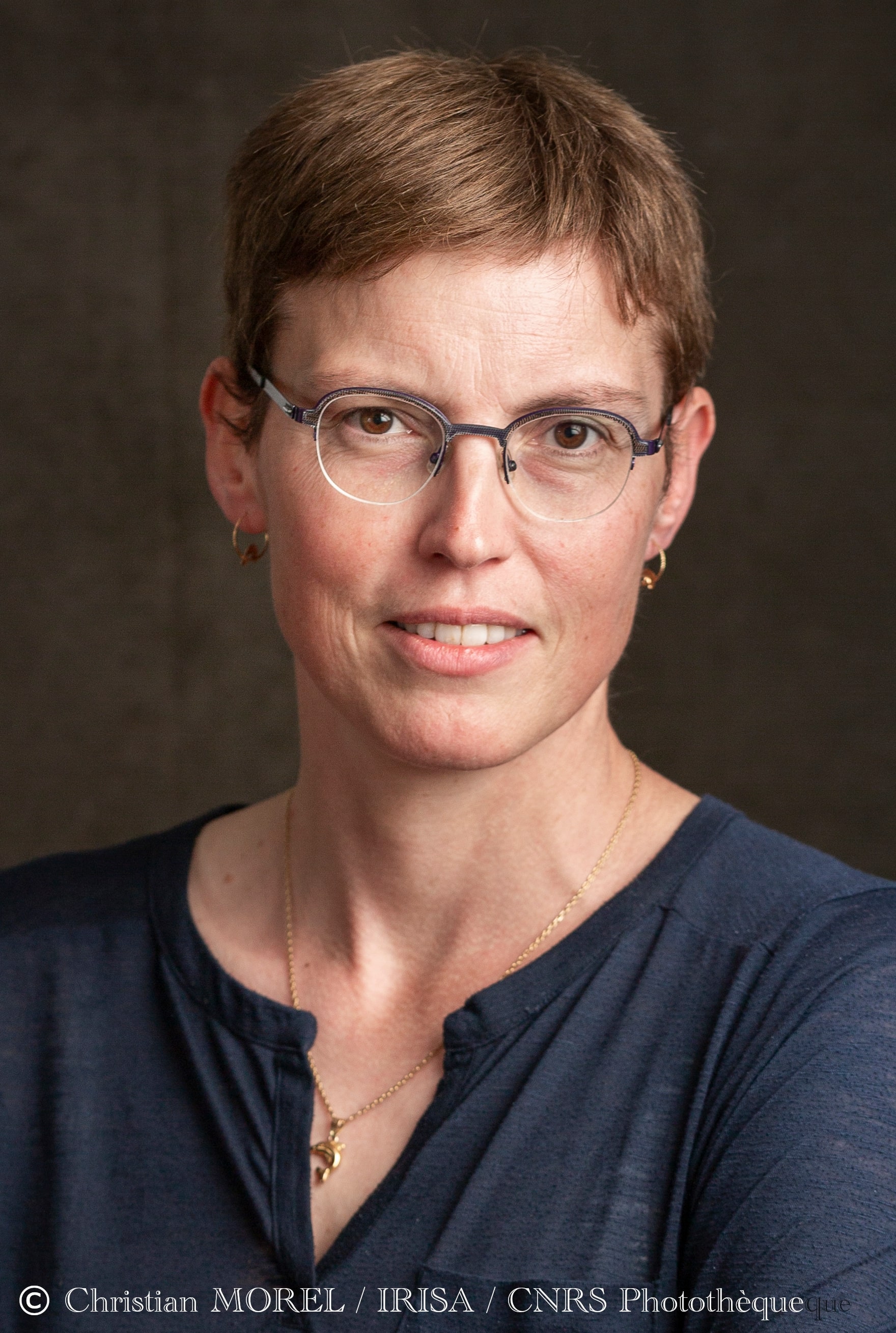
Stéphanie Delaune is a CNRS Research Director (DR1) at IRISA, leading the SPICY team and chairing the Cybersecurity Axis at IRISA. Her research focuses on formal verification of cryptographic protocols, privacy preservation, and development of the Squirrel prover. She holds a position at the University of Rennes 1 and is affiliated with the CNRS. Her work spans electronic voting, RFID systems, and quantum-resistant protocols, with a strong emphasis on automated tools for security analysis. Roles: Head of SPICY Team, Leader of Cybersecurity Axis, CNRS Research Director (DR1) Affiliations: IRISA, University of Rennes 1, CNRS Her research interests include verifying security protocols for privacy (e.g., vote privacy, anonymity), analyzing electronic voting systems, and developing formal methods like the Squirrel prover. She actively participates in international committees such as the IEEE Computer Security Foundations Symposium and ACM Transactions on Privacy and Security. Recent work highlights include a distinguished paper at ESORICS 2023 for uncovering Bluetooth pairing flaws and contributions to quantum-resistant protocol verification. Her team’s projects include the PEPR Cybersecurity SVP initiative and the RESQUE quantum resilience project. Grants/Projects: RESQUE (2023–2026), SVP Project (2022–2028), ANR Drama (2023–2026) Awards: Distinguished Paper Awards (ESORICS 2023, CSF 2022), Google Gift (2022) She oversees labs and teams focusing on cybersecurity innovation and mentors students in formal methods and cryptographic protocol analysis.
Professor Jiuhua Chen is a faculty member in the Department of Mechanical and Materials Engineering at Florida International University (FIU). His research focuses on materials science and engineering, mineral physics, and high-pressure phenomena. He holds a professorship position and maintains an active research program with collaborations in advanced materials, geophysics, and energy-related applications. His work has explored phase transitions in mineral systems under extreme conditions, additive manufacturing processes for titanium alloys, and development of terahertz detectors using superconducting materials. Research Interests: Materials Science and Engineering Mineral Physics High-Pressure Phase Transitions CO2 Capture Technologies Terahertz Sensing Laser Additive Manufacturing Recent publications highlight his contributions to understanding Earth's deep mantle dynamics through mineral phase behavior studies, improving additive manufacturing techniques for aerospace alloys, and advancing superconducting detector technology. His work frequently intersects environmental science, plasma physics, and interdisciplinary collaborations such as the ITER fusion reactor initiatives. Professor Chen is accessible via chenj@fiu.edu and maintains a lab website at CESMEC . Office hours are held weekly on Wednesdays from 2:00-4:00 PM.
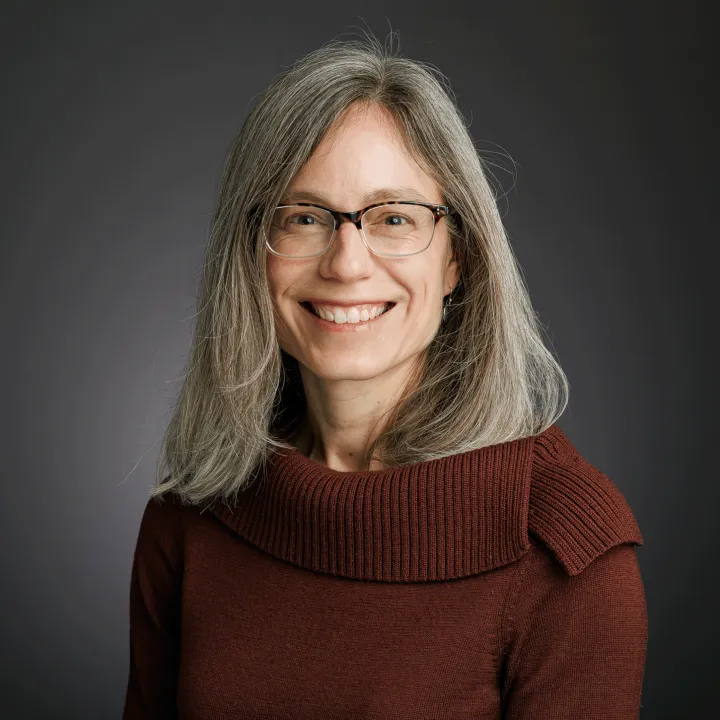
Kathryn Miller-Jensen is an Associate Professor of Biomedical Engineering at Yale University's School of Engineering & Applied Science. Her research focuses on understanding how intracellular and extracellular signaling networks regulate immune cell functions, particularly in macrophage activation and HIV latency in T cells. She leads the Miller-Jensen Lab, which employs systems immunology approaches combining quantitative experiments with computational models to study cellular heterogeneity and response variability. Education: Ph.D. in Chemical Engineering from MIT (advisor: Doug Lauffenburger), B.E. & B.A. from Dartmouth College. Prior roles include NIH Postdoctoral Fellow at UC Berkeley and Science & Technology Policy Fellow at The National Academies. Research interests include: cellular response diversity in immunity, paracrine signaling in macrophage coordination, HIV reactivation dynamics, and systems-level analysis of tumor microenvironments. Key projects involve NF-κB signaling pathways and engineering tools to dissect immune responses. Selected Awards: NSF CAREER Award (2015), Cellular & Molecular Bioengineering Young Innovator (2014), SEAS Ackerman Teaching Award (2014) Lab activities include developing microfluidic devices for single-cell analysis and co-organizing Systems Immunology conferences. Current initiatives focus on macrophage communication heterogeneity and combinatorial immunotherapies for cancer.
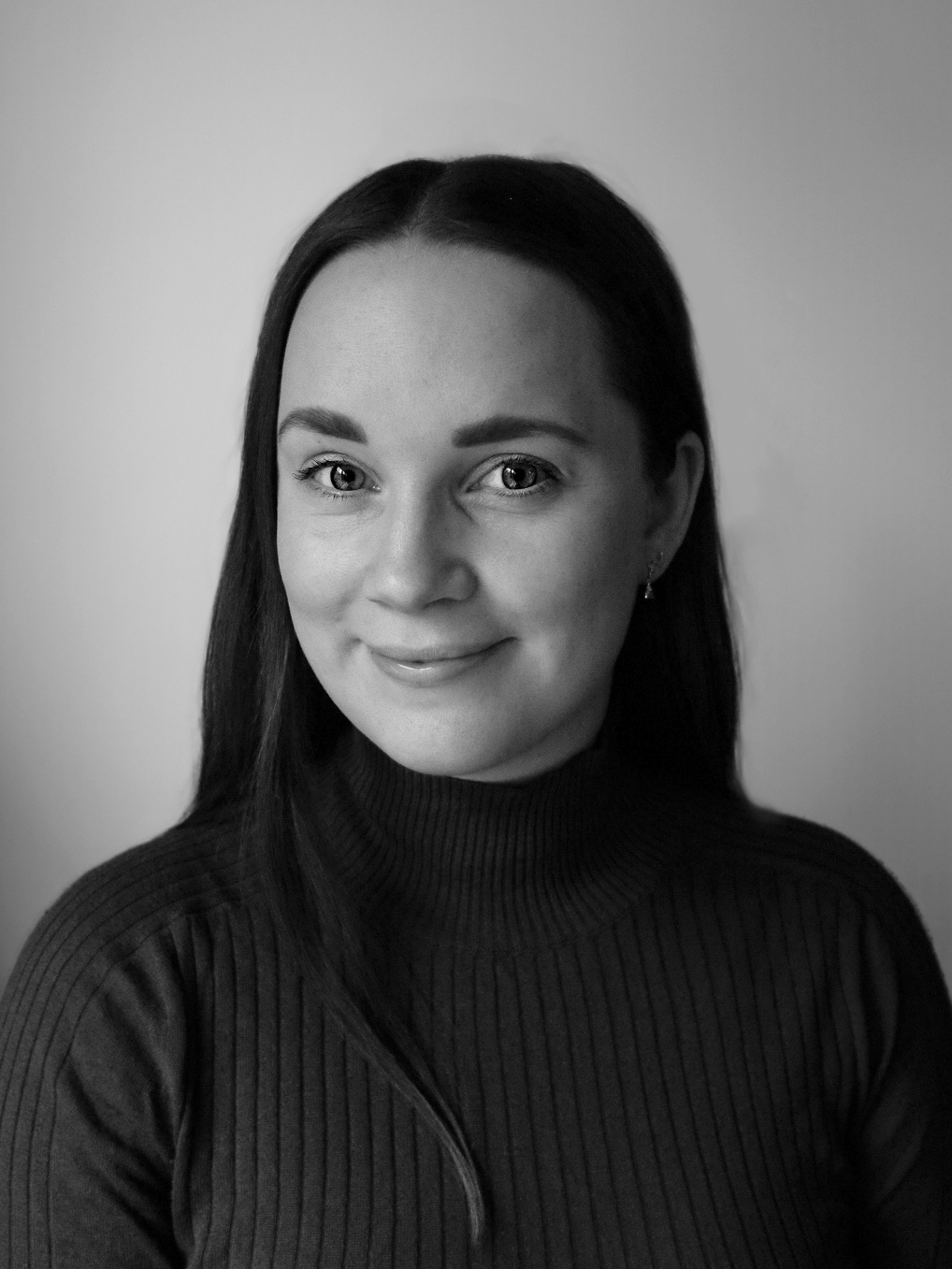
Mari Aksnes is a Postdoctoral Fellow at the Geriatric Department, Faculty of Medicine, University of Oslo, and affiliated with Oslo University Hospital’s dementia research group at Ullevål. Her work bridges neuroscience and geriatric medicine, focusing on the biological underpinnings of Alzheimer’s disease and dementia. PhD in Geriatrics and Neuroscience, University of Oslo (2018–2022) MSc in Neuroscience, Norwegian University of Science and Technology (2015–2017) BSc in Psychology, University of Durham (2012–2015) Her research centers on neurodegeneration, particularly the role of biomarkers such as amyloidogenic nanoplaques and matrix metalloproteinases in Alzheimer’s disease. A key focus of her postdoctoral project, FEMDEM, is understanding why women are disproportionately affected by Alzheimer’s, investigating the interplay between sex hormones, genetics, and neurobiology. She employs cerebrospinal fluid analysis and clinical data to uncover sex-specific disease mechanisms. Her recent publications reveal trends in sex-specific neuroinflammation, protease activity, and metabolite profiles in Alzheimer’s and delirium. She has contributed to understanding kynurenic acid as a neuroprotective agent and matrix metalloproteinases as markers of brain atrophy and cognitive decline. Mari Aksnes has not received any explicitly mentioned scientific awards. She has not advised any named students in the provided text. She has been involved in research teams at the University of Oslo and Oslo University Hospital, particularly within the dementia research group. Her work is highly collaborative, involving multi-institutional teams focused on biomarker discovery and sex differences in neurodegeneration.
Prof. dr. Liesbeth Brouwer is a Professor in the Faculty of Medical Sciences at the University of Groningen, affiliated with the Groningen Institute for Gastro Intestinal Genetics and Immunology (3GI) and the Translational Immunology Groningen (TRIGR). Her research focuses on vasculitis, autoimmune diseases, and advanced imaging techniques like PET/CT for diagnosing conditions such as Giant Cell Arteritis and Polymyalgia Rheumatica. Research Interests : Dr. Brouwer's work centers on understanding inflammatory mechanisms in vasculitis and improving diagnostic accuracy through imaging. She explores fibroblast subtypes in arterial inflammation and the role of cytokines like GM-CSF and IL-6 in disease pathogenesis. Her interdisciplinary approach integrates immunology, rheumatology, and translational medicine. Awards : She has been recognized with the EULAR Centre of Excellence in Rheumatology (2019-2024) and received funding for a PET imaging fellowship. Her contributions to randomized controlled trials, such as the leflunomide study in polymyalgia rheumatica, highlight her commitment to evidence-based treatment strategies. Advising & Grants : As a supervisor, she has guided PhD students like Jacolien Graver in projects on B cell roles in vasculitis. She collaborates internationally, contributing to datasets on ankylosing spondylitis and advancing clinical guidelines through media engagements like radio interviews and expert commentaries. Labs/Teams : Her research is conducted within the 3GI and TRIGR institutes, focusing on translational immunology and gastrointestinal genetics. These labs drive innovations in biomarker discovery and imaging technologies for autoimmune diseases.
George Ruijter is a Researcher in the Department of Clinical Genetics at Erasmus MC, a leading academic medical center in the Netherlands. His work is deeply embedded in biochemical genetics, with a focus on inborn errors of metabolism, metabolomics, and lysosomal storage disorders such as mucopolysaccharidosis. His research interests span Inborn Errors of Metabolism , Metabolomics , Gene Therapy , Enzyme Biochemistry , and Exome Sequencing . He employs advanced analytical techniques like ultra-performance liquid chromatography-tandem mass spectrometry (UPLC-MS/MS) and next-generation sequencing to diagnose and understand rare genetic conditions. His work bridges clinical diagnostics with molecular research, aiming to improve early detection and therapeutic strategies. The most recent publications highlight a consistent trend in diagnosing and understanding rare metabolic and neurogenetic disorders. Key themes include the development and validation of diagnostic assays, gene therapy for mucopolysaccharidosis, and the identification of novel genetic variants causing neurological and metabolic disease. His research integrates metabolomic profiling with genetic analysis to uncover biomarkers and disease mechanisms. While no specific scientific awards are listed in the provided text, his consistent publication record in high-impact journals such as Genetics in Medicine and Molecular Therapy Methods and Clinical Development indicates significant scholarly contribution. He has supervised at least two research projects, as noted under 'Supervised Work', though specific student names are not provided. There is no mention of external grants in the data. Dr. Ruijter is part of a collaborative research network within Erasmus MC and contributes to external quality assessment programs like ERNDIM. His work often involves multidisciplinary teams focused on rare disease diagnostics and therapy development, particularly in the realm of metabolic and neurogenetic disorders.
Maiken Nedergaard is a part-time Professor at the University of Rochester School of Medicine and Dentistry, holding joint appointments in Neurology, Neurosurgery, and Pharmacology and Physiology. She leads the Center for Translational Neuromedicine and is globally recognized for pioneering research on the glymphatic system—brain-wide fluid clearance pathways critical for waste removal and neurodegeneration prevention. Her work bridges basic science and clinical applications, focusing on Alzheimer's disease, stroke, and neurological disorders linked to impaired fluid dynamics. Dr. Nedergaard's research integrates neuroscience, physiology, and engineering, with over 500 publications in high-impact journals. She has received numerous accolades, including the Jeppe Juhl Prize and Tagea Brandt Prize, and holds honorary professorships internationally. Her lab develops imaging tools (e.g., multiphoton microscopy) and therapies targeting glymphatic dysfunction, including adenosine-based treatments and Na-K-Cl cotransporter inhibitors for neurological conditions. Collaborations span academia and industry, with 10+ patents for therapeutic strategies. Education: MD from the University of Copenhagen (1983), D.M.Sc. in Neuroscience (1988). Postdoctoral training at Cornell University and University of Copenhagen. Her research also explores sleep's role in glymphatic clearance, CSF-brain interactions, and the impact of environmental factors like air pollution on neurological health.
John van Swieten is a Professor in the Department of Neurology at Erasmus University Rotterdam's Faculty of Medicine, specializing in frontotemporal dementia and related neurodegenerative disorders. His extensive research portfolio spans genetics, neuroimaging, and molecular mechanisms of dementia. His primary research interests focus on Frontotemporal Dementia (100% fingerprint relevance), Genetics (56%), Frontotemporal Lobar Degeneration (30%), and C9orf72 pathology (24%). His work integrates advanced techniques including whole-genome sequencing, 7T MRI, and CSF proteomics to identify diagnostic biomarkers and understand disease mechanisms. Recent publications demonstrate strong emphasis on genetic risk factors, neuroinflammation, and non-neuronal cellular contributions to pathology. His scientific output shows significant impact in Neuroscience (evident in 100% of Frontotemporal Dementia and 20% of Alzheimer's Disease research) Genetics and Molecular Biology (56% coverage across publications) Medical Imaging (13% Magnetic Resonance Imaging focus) His collaborative network spans 12 similar research profiles internationally, with recent work involving cross-site MRI harmonization and large-scale biomarker validation studies. Professor van Swieten has supervised 25 research students and maintains an active research program with 433 total publications. His current projects include investigating neuroinflammation in frontotemporal lobar degeneration using advanced imaging techniques and fluid biomarkers in tertiary care settings.
Lieke Meeter is a Researcher in the Department of Neurology at Erasmus MC, specializing in frontotemporal dementia research. Her work focuses on identifying biomarkers and understanding the genetic underpinnings of neurodegenerative diseases. Dr. Meeter's research interests include: Frontotemporal Dementia Genetics of neurodegenerative diseases C9orf72 gene research Magnetic Resonance Imaging applications Blood Plasma biomarker discovery Granulin and progranulin research Frontal Variant Frontotemporal Dementia Proteome analysis for diagnostic purposes Her recent publications demonstrate a strong focus on identifying biomarkers for frontotemporal dementia through CSF proteome profiling, genetic studies, and longitudinal analysis of neurofilament light chain. Her research particularly emphasizes the connection between genetic risk factors and measurable biological changes that could lead to improved diagnostic accuracy and understanding of disease mechanisms. The work spans from fundamental genetic research to clinical applications, with several studies published in high-impact journals like Molecular Neurodegeneration, Brain, and Neurology. Dr. Meeter has collaborated extensively with international researchers across multiple institutions, as evidenced by her co-authorship on numerous high-impact publications. Her research has gained attention in scientific circles, with multiple publications picked up by news outlets and shared across social media platforms including X, Bluesky, and Facebook.
Dr. Janet de Beukelaar is a researcher in the Department of Neurology at Erasmus MC, Faculty of Medicine. Her work is centered on neuroimmunological disorders, particularly autoimmune encephalitis, multiple sclerosis, and paraneoplastic neurological syndromes. She actively contributes to systematic reviews and meta-analyses in neurology. Her research interests include: Primary Progressive Multiple Sclerosis Autoimmune Encephalitis Creutzfeldt-Jakob Disease differential diagnosis Paraneoplastic Neurological Syndromes Neuroimmunology and CSF biomarkers Hu-antibody associated disorders The recent publications indicate a strong focus on disease activity assessment in neurodegenerative conditions using meta-analytic methods, diagnostic clarification between autoimmune and prion diseases, and immunological mechanisms in paraneoplastic syndromes. Her work bridges clinical neurology with immunological investigation. Scientific contributions include: Research on HLA-DQ2 susceptibility in paraneoplastic syndromes Exploration of hCG as a treatment for anti-Hu syndromes Analysis of T-cell responses in cerebrospinal fluid Systematic review on disease activity in primary progressive MS Pathological confirmation of autoimmune encephalitis mimicking CJD Dr. de Beukelaar has collaborated extensively with experts such as P. S. Sillevis Smitt, J. W. Gratama, and M. Graaf. She has not listed any formal advisees or grants, but her research has been referenced in clinical guidelines and widely read on platforms like Mendeley. She is part of a robust neuroimmunology research network at Erasmus MC.
Dr. Delia Nelson is an Associate Professor at Curtin University, working within the Curtin Medical School under the Faculty of Health Sciences. She holds a position as Senior Research Fellow/Senior Lecturer with the School of Biomedical Sciences and serves as Chairperson for the CHIRI Pathogenesis and Disease Management Program of Research since May 2012. Her office is located in Room 119 of the Health Sciences Building (Building 305) on the Curtin Perth campus. Dr. Nelson earned her Bachelor of Science with Honours (double major in Microbiology and Organic Chemistry) from the University of Western Australia (UWA), followed by her PhD from UWA. Her early research was conducted at the TVW Telethon Institute For Child Health Research (TICHR) in Perth, Western Australia, where she developed an interest in asthma and allergy before transitioning to cancer immunology. Dr. Nelson's research focuses on understanding how the immune system interacts with progressing solid tumours and developing immune-based therapies, gene therapies, and vascular-targeting therapies to treat solid tumours. She is particularly interested in how nutrition, especially lipids, minerals and metals, impacts healthy and anti-tumour immunity. Her work bridges fundamental immunology with translational cancer research, with a special emphasis on the effects of aging on immune responses to cancer. She has made significant contributions to understanding the role of macrophages, dendritic cells, and neutrophils in the tumor microenvironment, particularly in mesothelioma. Analysis of Dr. Nelson's publication record reveals a consistent research trajectory focused on tumor immunology with increasing emphasis on aging-related immune changes. Her most recent work demonstrates how aging affects various immune cell populations and how these changes impact tumor progression and response to immunotherapy. She has pioneered approaches to modulate the tumor microenvironment to enhance treatment efficacy, particularly in elderly patients. Dr. Nelson has received numerous prestigious awards throughout her career, including: Founding Fellow of the Faculty of Science of the Royal College of Pathologists Australasia (December 2010) 'Outstanding Merit Award' for the best paper published in International Immunology (April 2009) Australian Lung Foundation Mesothelioma Research Award (March 2006) Today's Life Science Young Investigator Award (December 1992) Foundation Fellowship from the Australian Federation of University Women (June 1989) Bond Brewing Western Australia Tertiary Award for best Honors student (December 1988) Dr. Nelson has successfully supervised numerous graduate students, including PhD candidates S. Mukherjee, C. Jackaman, C. Bundell, A. Sherwood, B. Koloska, S. Cornwall, and J. Gardner. She has also mentored over fifteen Honors students, most receiving first-class honors. Her research is supported by significant funding from organizations including the Cancer Council of Western Australia, NH&MRC, the Australian Lung Foundation, the American-based Mesothelioma Applied Research Foundation (MARF), and the Dust Diseases Board of NSW. She serves as an invited reviewer for numerous international journals and funding bodies. As Chairperson for the CHIRI Pathogenesis and Disease Management Program of Research, Dr. Nelson leads a multidisciplinary team focused on understanding disease mechanisms. She is actively involved in the Perth Mesothelioma Centre and has held leadership positions in the Australasian Society for Immunology, including serving on the national conference committee and chairing the Tumour Immunology Workshop in 2010. Her collaborative research extends internationally, with connections to institutions in the United States and Europe.
Associate Professor Mark Nottle is affiliated with the University of Adelaide's School of Biomedicine within the Faculty of Health and Medical Sciences. His research focuses on reproductive biotechnology, regenerative medicine, and assisted reproductive technologies. He leads a team developing novel stem cell therapies for Type 1 diabetes and improving IVF outcomes through hormonal optimization. Current projects include isolating a new embryonic stem cell type, enhancing in vitro oocyte maturation, and commercializing breakthroughs via a formed company. Research Interests: Reproductive Biology, Stem Cell Therapies, Xenotransplantation, IVF Optimization, Livestock Biotechnology. Publications highlight advancements in GM-CSF applications for embryo development, porcine islet cell transplantation in primates, and genetic modifications for xenotransplantation safety. His work bridges biomedical research and agricultural applications through collaborations with global institutions. Advising: Supervises Honours and PhD students in stem cell biology, IVF technologies, and livestock reproductive performance. Grants and funding support commercialization efforts and pre-clinical trials. Labs/Teams: Reproductive Biotechnology Group at the University of Adelaide.
Sarah Hemley is a Research Fellow at Macquarie Medical School, specializing in neuroscience and neurosurgery . Her work focuses on spinal cord pathology , particularly syringomyelia and cerebrospinal fluid (CSF) dynamics . She has contributed to foundational research on CSF flow mechanisms and pathological changes in spinal cord conditions. Education: PhD awarded by Macquarie University (April 2012), with a Dean’s Award for Excellence in Graduate Studies. Research Interests Sarah investigates the pathophysiology of syringomyelia , emphasizing CSF circulation and spinal cord fluid dynamics . Her work includes studying the role of aquaporin-4 , intrathoracic pressure , and ultrastructural changes in spinal cord injuries. She employs animal models and neuroimaging to explore these mechanisms. Recent Publications Her recent articles analyze tracer influx/efflux dynamics , respiratory effects on CSF , and aquaporin-4 modulation . These studies highlight the interplay between physiological variables (e.g., blood pressure, respiration) and spinal fluid mechanics . Scientific Contributions She has received the Macquarie University Dean’s Award for her PhD work and is a co-investigator on multiple projects, including "Improving Surgical Outcomes for Syringomyelia" (2021–2024). Labs & Teams Active member of the Macquarie Neurosurgery Team , collaborating on translational research linking spinal cord physiology and clinical interventions for syringomyelia.
Aslan Askarov is an Associate Professor at Aarhus University, affiliated with the Department of Computer Science. His research bridges computer security and programming languages, focusing on formal methods for robust security guarantees. Current Projects : Troupe: A programming language for concurrent/distributed programming with dynamic information-flow control DenIM: Protocol for secure instant messaging with metadata privacy Teaching : Fall 2024: Compilers course Spring 2024: Language-Based Security course (link to 2023 version) His recent publications highlight trends in programming language security, formal verification of virtual machine safety, oblivious execution for reactive systems, and foundational work on noninterference and declassification. These align with subfields like separation logic, metadata privacy, type systems, and traffic analysis. Professional activities include program committee roles for PLDI 2025, CSF 2025, and prior conferences including PriSC, POST, and PLAS. He also co-chaired FCS 2017 and Nordsec 2019.
Caroline Graff is Professor of Genetic Dementia Research at the Department of Neurobiology, Care Sciences and Society, Karolinska Institutet. She is also a Specialist Physician at Karolinska University Hospital and leads the Translational Genetics of Neurodegenerative Disease research group. She has been the head of the Karolinska Institutet Brain Bank since 2011 and is actively involved in national and international research networks such as GENFI, IGAP, and EADC. Medical Degree, Uppsala University, 1992 PhD in Clinical Genetics, Uppsala University, 1997 Docent, Karolinska Institutet, 2007 Her research focuses on the genetics and neuropathology of neurodegenerative diseases, particularly Alzheimer’s disease, frontotemporal dementia (FTD), and ALS. She investigates inherited forms of dementia to identify genetic risk factors and develop biomarkers for early diagnosis. Her work integrates clinical follow-up of families, whole-genome sequencing, and neuropathological analysis of brain tissue. She emphasizes translational research, bridging patient studies with laboratory findings. Recent publications highlight her contributions to understanding genetic modifiers (e.g., TMEM106B), fluid biomarkers (CSF, plasma), and neuroimaging changes in presymptomatic and symptomatic carriers of FTD and Alzheimer’s mutations. Her studies frequently involve large international consortia and longitudinal cohorts like GENFI, enabling high-impact insights into disease progression and heterogeneity. She has supervised multiple doctoral students whose work spans biomarker discovery, genetic characterization, and clinical phenotyping in dementia. Her leadership in the Brain Bank ensures access to high-quality human brain tissue for neuropathological validation. Caroline Graff has no listed scientific awards in the provided text. However, her extensive publication record in top-tier journals and leadership roles reflect significant scientific recognition. She collaborates widely across Europe and North America, contributing to major clinical and genetic initiatives in neurodegeneration.