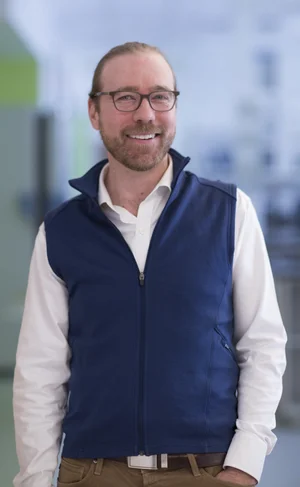
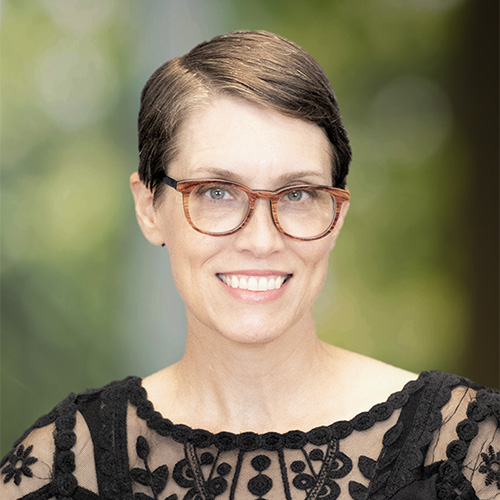
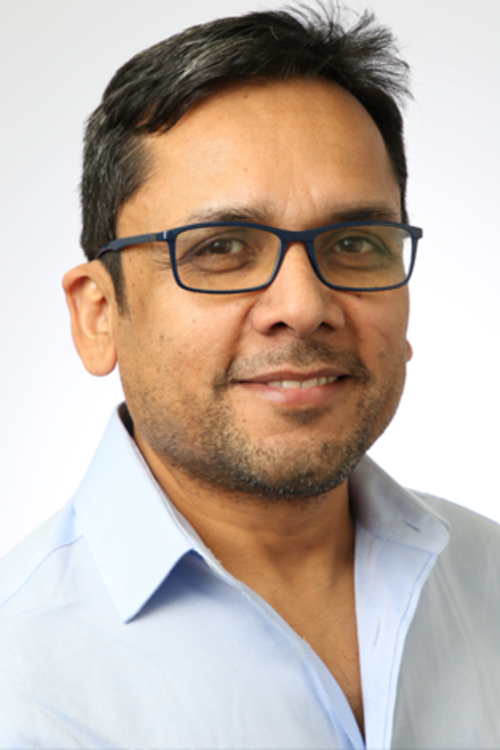
Brock C Christensen is a Professor at the Geisel School of Medicine , Dartmouth, affiliated with the Departments of Epidemiology , Community and Family Medicine , and Molecular and Systems Biology . His research integrates molecular biology, genomics, and bioinformatics with epidemiology to investigate epigenetic mechanisms in human health and disease. Harvard University, PhD (2008) University of Wisconsin - Madison, BS (2002) Dr. Christensen's work focuses on epigenetic susceptibility traits , environmental interactions, and translational applications in cancer diagnostics and treatment. His recent publications explore DNA methylation patterns in triple-negative breast cancer , head and neck cancer , and pediatric CNS tumors . He serves as course director for PEMM103: Introductory Applied Biostatistics with R and leads the Christensen Lab , which specializes in epigenomic profiling and computational biology.
Prof. Dr. med. Franz Lennard Ricklefs is a Senior Physician and Head of the Working Group at the Department of Neurosurgery, University of Hamburg Faculty of Medicine. He is a Medical Specialist in Neurosurgery with cross-disciplinary expertise in neuro-oncology, molecular pathology, and extracellular vesicle research. Affiliations: University Medical Center Hamburg-Eppendorf (UKE), European Liquid Biopsy Society (ELBS), International Consortium on Meningiomas (ICOM) Research Interests: His work focuses on neurosurgical oncology, particularly glioblastoma and meningioma pathobiology. He investigates DNA methylation patterns, extracellular vesicle biomarkers, and liquid biopsy implementation in clinical neuro-oncology. Additional interests include surgical outcomes for epilepsy and aneurysm management. Article Trends: Over the last decade, Dr. Ricklefs has published extensively on: Extracellular vesicle applications as liquid biopsy markers DNA methylation subclasses for glioblastoma and meningioma Multicenter surgical outcome benchmarking Immune evasion mechanisms in neuro-oncology Technological innovations in neurosurgical visualization Molecular characterization of rare CNS tumors Professional Contributions: He co-authored the MISEV2023 guidelines for extracellular vesicle studies and participates in international consensus reviews for meningioma classification. His collaborations span institutions across Europe and North America.
Professor Patrick Harter is a faculty member at the Institute of Neuropathology, Ludwig Maximilian University of Munich (LMU), where he leads research in neuro-oncology and molecular diagnostics of CNS tumors. His work focuses on glioblastoma, meningioma, and brain metastasis, with emphasis on epigenetic mechanisms like DNA methylation and metabolic adaptations in the tumor microenvironment. Research interests span: Molecular classification of brain tumors using DNA methylation profiling Therapeutic targeting of BRAF/MEK and PI3K/Akt/mTOR pathways Role of hypoxia and metabolic plasticity in treatment resistance Liquid biopsy development for non-invasive tumor monitoring His recent publications demonstrate a strong trend toward integrating epigenetic, metabolic, and immunotherapeutic approaches. Articles frequently explore: Novel biomarkers for tumor grading and prognosis Mechanisms of therapy resistance in gliomas Impact of tumor microenvironment on metastasis
Professor Ghazaleh Tabatabai serves as Head of Department for Clinical and Experimental Neuro-Oncology at the Hertie Institute for Clinical Brain Research, University of Tübingen. She leads a multidisciplinary research group focused on translational neuro-oncology with active collaborations through the German Glioma Network, German Cancer Consortium (DKTK), European Organisation for Research and Treatment of Cancer (EORTC), European Association of Neuro-Oncology (EANO), and International Consortium on Meningioma (ICOM). Her research program centers on molecular mechanisms of tumorigenesis, therapy resistance, and treatment-induced vulnerabilities in nervous system tumors. The laboratory employs CRISPR screening technologies, molecular profiling, and preclinical models to identify therapeutic targets, with particular expertise in glioma and meningioma biology. Current projects span from discovery through validation to clinical application, including phase I/II trials of novel therapies such as CureVac's mRNA vaccine candidate CVGBM. Recent publications demonstrate leadership in molecular classification of meningiomas, CRISPR-based target discovery, immunotherapy development, and clinical trial design. Her work on the TRACE app for patient-reported outcomes and the PRIDE trial for dose-escalated radiation therapy represents significant clinical translation efforts. The 2024-2025 publication record shows strong productivity with high-impact papers in Neuro-Oncology, Nature Medicine, and Genome Biology. Elected spokesperson of the DFG Board for Neuroscience (2024) Active participation in EANO guideline development Leadership in multiple international consortia including ICOM Principal investigator for clinical trials including N2M2/NOA-20 umbrella trial Professor Tabatabai mentors a large research team including PhD students, medical doctoral candidates, and postdoctoral researchers. Her laboratory maintains active clinical collaborations across neurosurgery, radiation oncology, and medical oncology departments. She is featured in the 'Key To My Research' podcast discussing tumor intelligence and regularly presents at major neuro-oncology conferences including ASCO, EANO, and SNO.
Dr. Zeynep Erson Omay serves as an Assistant Professor in the Department of Neurosurgery and Biomedical Informatics & Data Science at Yale School of Medicine. Her work bridges computational biology with neurosurgical oncology, focusing on precision medicine applications for brain tumors, with particular emphasis on understanding tumor heterogeneity and molecular mechanisms of CNS tumors. Dr. Erson Omay's educational background includes: PhD in Computer Science from Case Western Reserve University (2011) MS in Computer Science from Bilkent University (2005) BS in Computer Science from Bilkent University (2003) Her research focuses on computational analysis of multi-omic datasets to understand tumor heterogeneity, particularly in central nervous system tumors. Dr. Erson Omay specializes in genomic, transcriptomic, and epigenetic profiling of brain tumors, with emphasis on meningiomas, glioblastomas, and rare CNS tumor subtypes. She leads the Erson Lab, which develops bioinformatics approaches to study large datasets and reveal molecular mechanisms in tumor formation, progression, and clinical outlier subgroups. Her work in precision medicine aims to decipher the molecular architecture of individual tumors to guide personalized treatment approaches, with significant contributions to understanding tumor ecosystems and evolutionary patterns in brain cancers. Dr. Erson Omay's scientific contributions span neuro-oncology, computational biology, and precision medicine, with a strong emphasis on translating genomic findings into clinical applications. Her publications demonstrate consistent innovation in applying computational methods to complex neurosurgical problems, with particular focus on tumor heterogeneity, molecular classification, and racial disparities in tumor genomics. Her notable scientific awards include: 10x Genomics 2021 Pilot Award (2022) Mission Bio Tapestri Grant (2022) Case Western Reserve University, Research ShowCASE-Best Poster Award (2007) Dr. Erson Omay actively mentors students and researchers at various levels, including undergraduate students, graduate students, postdocs, and postgraduate associates. She collaborates extensively within Yale's neurosurgery department and across disciplines to advance computational approaches to brain tumor research. Her work is supported by various grants that enable the development of novel bioinformatics platforms for tumor genomic characterization. She leads the Erson Lab, which focuses on three major research areas: Tumor Ecosystem (studying interactions among tumor and immune cells), Tumor Evolution and Heterogeneity (understanding temporal and spatial tumor evolution), and Precision Medicine (applying genomic techniques to personalize brain tumor treatment). The lab employs diverse omics technologies to explore brain tumor biology and develop computational methods for precision medicine applications.
Sylvia Kurz, MD, PhD, is an Associate Professor of Neurology specializing in Neuro-Oncology at Yale School of Medicine. She leads patient care at the Chênevert Family Brain Tumor Center at Smilow Cancer Hospital and Yale Cancer Center. Her research focuses on developing novel therapies and optimizing treatment protocols for brain tumors, particularly gliomas and meningiomas. Dr. Kurz holds dual degrees from Ludwig-Maximilians-University in Munich, Germany, and has completed advanced training at institutions including Massachusetts General Hospital and Perlmutter Cancer Center. Roles: Neuro-Oncologist, Associate Professor, Molecular Medicine Researcher Affiliations: Yale School of Medicine, Smilow Cancer Hospital, Chênevert Family Brain Tumor Center Education: MD and PhD: Ludwig-Maximilians-University, Munich Residency: University Hospitals Case Medical Center Fellowship: Massachusetts General Hospital/Dana-Farber Cancer Institute Dr. Kurz’s research emphasizes translational neuro-oncology, including radiopharmaceuticals, targeted therapies, and biomarker-guided treatment strategies. Her clinical work integrates cutting-edge diagnostics like SSTR2 PET imaging and molecular methylation profiling. She has pioneered initiatives like the DivINe Initiative to promote diversity in neuro-oncology leadership and co-developed the NEURO-MCBS clinical benefit scale for CNS tumor trials. Her clinical trials focus on therapies for glioblastoma, meningioma, and diffuse midline glioma (DMG), including ONC201 for H3 K27M-mutant tumors and LITT for glioblastoma recurrence. She also addresses care challenges such as venous thromboembolism management in brain tumor patients and caregiver psychosocial burdens. Dr. Kurz collaborates extensively with teams at Yale Cancer Center, the Molecular Tumor Board (TRACE initiative), and international neuro-oncology groups like NCOG. Her work spans from bench-to-bedside innovations in immunotherapy and precision medicine to improving patient-reported outcomes through digital health tools.
Brett J. Theeler is a Professor and Chair of the Department of Neurology at the Uniformed Services University of the Health Sciences (USUHS) School of Medicine. He maintains an active Neuro-Oncology practice at the John P. Murtha Cancer Center within Walter Reed National Military Medical Center and serves as a Clinical Collaborator with the National Institutes of Health, National Cancer Institute, Neuro-Oncology Branch in Bethesda, MD. Dr. Theeler earned his B.S. from Black Hills State University (1996-2001), M.D. from Uniformed Services University (2001-2005), completed Neurology residency at Madigan Army Medical Center (2005-2009), and a Neuro-Oncology fellowship at MD Anderson Cancer Center (2010-2012). His research focuses on rare primary central nervous system neoplasms including pilocytic astrocytomas, pleomorphic xanthoastrocytomas, diffuse midline gliomas and other brain cancers with increased incidence in adolescent and young adult populations. Dr. Theeler has been instrumental in advancing molecular classification of brain tumors and developing targeted therapies for rare CNS tumors through his leadership in the NCI-CONNECT program. His work bridges clinical practice with translational research, emphasizing both patient care and scientific advancement in neuro-oncology. Dr. Theeler's recent publications demonstrate a strong focus on rare CNS tumors, quality of life issues, molecular classification of gliomas, and innovative therapeutic approaches, with significant contributions to understanding tumor biology and improving clinical outcomes. Dean's Award for Academic Excellence, 2001-02 (USUHS) Malcolm B. Carpenter Award, Excellence in Fundamentals of Neuroscience, 2001-02 (USUHS) Captain Calvin B. Early Award for Excellence in Teaching, 2018 Honorary Doctorate of Science from Black Hills State University, 2019 'A' Proficiency Designator by US Army Medical Command, 2019 Inducted into Order of Military Medical Merit (O2M3), 2020 Master Clinician, Neuro-Oncology, 2023 Dr. Theeler has held significant leadership roles including Associate Residency Program Director, Deputy Chief, and Chief of Neurology at Walter Reed National Military Medical Center before becoming Chair of Neurology at USUHS in 2021. He served as Theater Neurologist in Afghanistan (2013) and currently chairs the Programmatic Review Panel for the Rare Cancers Research Program (FY2024-FY2026). His military service as a Colonel in the Army Medical Corps complements his academic and clinical work. As an active participant in the NCI-CONNECT program, Dr. Theeler has co-chaired workshops on rare CNS tumors, particularly focusing on histone mutated midline gliomas. His clinical work at the Murtha Cancer Center provides specialized neuro-oncology care to military personnel and their families, integrating military medicine with cutting-edge academic research.
Dr. Orwa Aboud is an Assistant Professor in the Department of Neurology and Neurological Surgery at the University of California, Davis, specializing in Neuro-oncology. He treats patients with primary brain tumors including Glioblastoma, Oligodendroglioma, and Low grade gliomas, and co-established UC Davis's multidisciplinary adult brain tumor program focused on novel clinical trials and optimal treatment delivery. Dr. Aboud's educational background includes: M.D. from the University of Damascus, Damascus, Syria (2007) Ph.D. from the University of Arkansas for Medical Sciences, Little Rock, AR (2013) Neurology Internship at the University of Arkansas for Medical Sciences (2013-2014) Neurology Residency at the University of Arkansas for Medical Sciences (2014-2017) Neuro Oncology Clinical Fellowship at Johns Hopkins Hospital (2019-2020) Neuro Oncology Clinical Research Fellowship at the National Institutes of Health (2017-2019) His research centers on designing clinical trials for glioblastoma and brain tumors, with specific focus on oral anticoagulation safety for brain tumor patients with blood clots. He emphasizes evidence-based medicine and teaching critical appraisal skills to equip future healthcare providers. His collaborative work extends to national colleagues studying new brain tumor therapies. Publications from 2012-2020 reveal concentrated expertise in neuro-oncology and brain tumor clinical trials, including NCI-CONNECT contributions for rare CNS tumors and body image studies in brain tumor populations. Earlier work spans neurodegenerative diseases (Alzheimer's, Parkinson's), reflecting broad neurological research scope. Scientific recognition includes: Resident of the Year Award, University of Arkansas for Medical Sciences (2017) Jess R. Nickols Award, Department of Veterans Affairs (2017) AAN 2016 Travel Award (2016) Best Scientific Poster Award, University of Arkansas (2015) NINDS 2013 Meeting Travel Award (2013) As an educator, Dr. Aboud prioritizes fostering critical thinking and evidence-based practice among students. His multidisciplinary brain tumor program integrates clinical care, research trials, and community outreach initiatives to advance brain tumor treatment accessibility. He maintains active involvement with the UC Davis Comprehensive Cancer Center and national networks like NCI-CONNECT.
Antonio Omuro, MD, is an Adjunct Professor in the Department of Neurology at Yale School of Medicine and currently serves as Chair of the Department of Neurology and Neurological Sciences at Stanford University. His research focuses on neuro-oncology, particularly clinical trials and therapeutic advancements for brain tumors, including glioblastoma and meningeal neoplasms. Dr. Omuro has held leadership roles, such as former Chief of Neuro-Oncology and Director of the Yale Brain Tumor Center, and completed his MD at the São Paulo School of Medicine (1995) and a Neuro-Oncology fellowship at Memorial Sloan Kettering Cancer Center (2004). His work emphasizes translational research, integrating machine learning and AI into clinical practice for improved diagnostic accuracy and treatment planning. Notable contributions include developing the Yale Glioma Dataset and advancing therapies like PARP inhibitors for recurrent tumors. He has been recognized as a Fellow of the American Academy of Neurology (2022). Dr. Omuro collaborates with researchers globally on projects such as deuterium metabolic imaging, immune profiling in brain tumors, and AI-enhanced radiotherapy planning. His publications highlight advancements in tumor metabolism analysis, clinical trial design, and molecular targeting strategies.
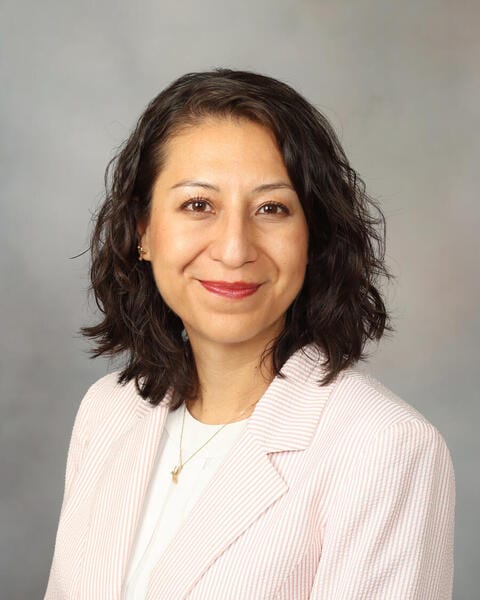
Maria Adelita A. Vizcaino Villalobos is an Assistant Professor in the Department of Laboratory Medicine and Pathology at Mayo Clinic College of Medicine, specializing in Anatomic Pathology with dual expertise in Neuropathology and Ophthalmic Pathology. Her clinical and academic work focuses on CNS tumor diagnostics, molecular pathology, and rare ocular pathologies. Dr. Vizcaino Villalobos completed her medical education at Facultad de Medicina, UNAM (2008), followed by an Anatomic Pathology residency at Hospital General de México (2011). She pursued specialized training with multiple visiting clinician positions at John Hopkins University School of Medicine (2013-2015), a Post-doctoral Fellowship in Ophthalmic Pathology (2019), and completed her Anatomic Pathology/Neuropathology residency at Mayo Clinic in 2023. She is board certified in both Anatomic Pathology and Neuropathology by the American Board of Pathology. Her research interests span multiple disciplines within neuropathology and ophthalmic pathology, with particular focus on CNS tumor classification, molecular diagnostics, and rare ocular pathologies. Her work integrates histopathological analysis with advanced molecular techniques to improve diagnostic accuracy and understanding of disease mechanisms. She has made significant contributions to the understanding of pleomorphic xanthoastrocytoma, ganglioglioma transformation, and rare CNS tumor mimics. Analysis of her recent publications reveals a strong focus on diagnostic challenges in neuropathology, with emphasis on molecular characterization of CNS tumors, rare tumor entities, and the integration of histopathological features with molecular and epigenetic data. Her work bridges clinical practice with research, often focusing on cases that present diagnostic challenges or represent rare disease manifestations. 2023 Top rated poster: Reducing Defects to Decedents During Postmortem Examination (Mayo Clinic Rochester) 2023 Nominee for the AP Outstanding Educator Award-Resident or Fellow Multiple Diagnostic Slide Session awards from American Association of Neuropathologists Multiple Wilmer research grant awards from The Johns Hopkins University Dr. José Laguna García Teaching merit of excellence award (UNAM) Dr. Vizcaino Villalobos maintains active involvement in multiple professional organizations including the American Association of Neuropathologists, College of American Pathologists, and specialty societies focused on ophthalmic pathology. Her collaborative research approach is evident in her extensive co-authorship network across Mayo Clinic, Johns Hopkins, and international institutions. She serves on multiple committees including the Education Committee of the American Association of Neuropathologists and the Scientific Committee of the Mexican College and Association of Pathologists.
Mark Applebaum, MD, is an Associate Professor in the Department of Pediatrics-Hematology and Oncology at the University of Chicago. A translational physician-scientist, he specializes in pediatric neuroblastoma and sarcomas, leveraging genomics, epigenetics, and AI to develop novel prognostic tools and therapeutic strategies. His research focuses on epigenetic biomarkers (e.g., 5-hydroxymethylcytosine), liquid biopsies, and tumor microenvironment dynamics. Dr. Applebaum completed his medical degree at Northwestern University Feinberg School of Medicine (2008), followed by residencies at UCSF and fellowships in Clinical Pharmacology and Pediatric Hematology/Oncology at the University of Chicago. His lab is funded by the NIH, Alex's Lemonade Stand Foundation, and the Bear Necessities Foundation. Awards & Honors: American Society of Clinical Oncology (ASCO) Awards American Association of Cancer Researchers (AACR) Awards Advances in Neuroblastoma Research Association (ANRA) Awards Research Trends: Recent publications emphasize AI-driven histopathology, epigenetic biomarkers in liquid biopsies, and tumor immune microenvironments. His work consistently bridges molecular diagnostics with clinical applications to improve risk stratification and targeted therapies for high-risk neuroblastoma. Grants & Labs: Primary investigator for NIH R37 and K08 grants supporting liquid biopsy development and neuroblastoma epigenetics. Leads the Applebaum Lab at the University of Chicago, focusing on hypoxia-induced treatment resistance and genomic classifiers.
Jey Koehler , DVM, PhD, DACVP, is a Professor and Tyler & Frances Young Endowed Professor in Pathology at the Department of Pathobiology , College of Veterinary Medicine , Auburn University . She serves as Section Chief for Surgical Pathology Service and Faculty Supervisor of the Core Histopathology Laboratory.
Akhilesh Kumar, PhD, serves as an Assistant Professor in the Department of Medicine at the University of Minnesota Medical School, specializing within the Division of Hematology, Oncology & Transplantation. His academic appointment bridges regenerative medicine and oncology, focusing on the development of novel cellular therapies through stem cell engineering and immunological research. Dr. Kumar's research program centers on hematopoietic stem cell differentiation, with particular emphasis on T cell and natural killer cell development from pluripotent stem sources. His work investigates molecular regulators like BCL11B in lymphoid specification and explores therapeutic targets such as DLL3 in neuroendocrine tumors. Current projects include engineering multi-antigen targeting cellular therapies for thoracic cancers and multiple myeloma, generating vasculogenic cell populations for regenerative applications, and enhancing natural killer cell function through metabolic modulators like nicotinamide. This research integrates stem cell biology, immunology, and translational oncology to address unmet needs in cancer treatment. Analysis of Dr. Kumar's recent publications (2023-2025) reveals a strong translational focus with significant contributions to hematopoietic development and cancer immunotherapy. His team has pioneered methods for arterial hemogenic endothelium production, elucidated transcription factor networks in blood cell specification, and advanced clinical applications including NK cell therapy for lymphoma. The work demonstrates interdisciplinary reach, spanning from basic mechanisms of lymphoid development to computational approaches in drug delivery and building aerodynamics, reflecting collaborative efforts across engineering, computational biology, and clinical oncology domains.
Mark D. Anderson, MD is an Associate Professor in the Department of Neurology at the University of Mississippi Medical Center's School of Medicine. Board certified in Neurology by the American Board of Psychiatry and Neurology and in Neuro-Oncology by the United Council of Neurologic Subspecialties, he serves on the Cancer Institute Clinical Leadership Committee and co-chairs the Multidisciplinary Tumor Board for CNS tumors. Education: MD in Medicine, University of Alabama-Birmingham (2007) BS and MS in Biomedical Engineering, University of Miami (2003) Neuro-Oncology Fellowship, The University of Texas M.D. Anderson Cancer Center Neurology Residency, Vanderbilt University Dr. Anderson's research centers on neuro-oncology with emphasis on central nervous system tumors, glioblastoma therapeutics, and cancer-related neurological complications. His clinical work focuses on tumor board leadership and developing targeted therapies for malignant brain tumors, particularly investigating drug delivery systems for glioblastoma treatment. He actively contributes to understanding viral complications in neuro-oncology patients and rare tumor pathologies. His publication record (2013-2018) demonstrates sustained focus on neuro-oncology, with recurring themes in glioma biology, treatment resistance mechanisms (particularly bevacizumab discontinuation), viral interactions with brain tumors, and molecular diagnostics including IDH1 mutation analysis. The research spans clinical case reports, therapeutic studies, and molecular investigations across CNS tumor types. Grants and Advising: Principal Investigator: NCI-funded study Toward Changing Glioblastoma Outcomes (2018-2020) on targeted drug delivery systems Neurology Residency Advisor since 2018 Regular lecturer on CNS tumors for Cancer Registrars and Mississippi Neurosurgical Society Dr. Anderson co-chairs the CNS Multidisciplinary Tumor Board and serves on multiple cancer committee panels, integrating clinical care with research protocols through the UMMC Cancer Institute. His work bridges laboratory findings with clinical applications in neuro-oncology practice.
Dr. Cordova R. is a researcher at the German Cancer Research Center (DKFZ) , focusing on nutritional epidemiology and cancer risk factors with a particular interest in the interplay between cardiometabolic diseases , body weight dynamics , and chronic disease outcomes . Their work spans large-scale multinational cohort studies including the European Prospective Investigation into Cancer and Nutrition (EPIC) and UK Biobank . Research interests include: Role of ultra-processed foods in weight gain and obesity Impact of advanced glycation endproducts (AGEs) on cancer risk Genetic and environmental predictors of adiposity gain Association between socioeconomic position and multimorbidity Dietary patterns and CRC molecular pathways Recent publications analyze: Dicarbonyl compounds and weight regulation Stress-induced glucocorticoids and inflammation PLAG1 fusions in CNS tumors Labs/Tasks: EPIC cohort analysis Physical Activity, Nutrition, Alcohol, Cessation of smoking (PANACEA) study International cancer epidemiology collaborations