Revathi Govind is a Professor in the Division of Biology at Kansas State University, specializing in Clostridioides difficile pathogenesis research. Her work focuses on the molecular mechanisms of bacterial virulence, particularly in cancer patients undergoing chemotherapy, where C. difficile infections complicate treatment outcomes. Ph.D. in Microbiology & Immunology from Texas Tech University (2006) Director of research programs studying regulatory pathways linking sporulation and toxin production Investigator of carbohydrate metabolism's role in bacterial colonization Research keywords include: Pathogenic Microbiology , Bacterial Genetics , and Hospital-Acquired Infections . Current projects examine: Glycogen metabolism's contribution to spore resilience Signal transduction pathways in virulence regulation Development of diagnostic tools and therapeutic agents Recent publications span 2013-2024 with significant contributions in: Regulatory networks of C. difficile SinR/SinI protein interaction systems Carbohydrate-mediated virulence factors Scientific awards include: NIH R21 grant for variant analysis Cancer Research Expansion Award Rhabdomyosarcoma Research Award
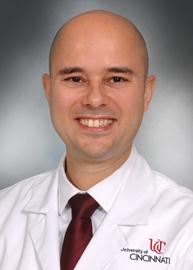
Inuk Zandvakili is a Physician Scientist at the University of Cincinnati , affiliated with the Department of Internal Medicine and specializing in Gastroenterology and Hepatology . With clinical experience from Mayo Clinic and a dual MD/PhD background in Molecular and Developmental Biology , they focus on metabolic disorders, liver disease, and obesity treatment. Their research integrates clinical practice with genomic analysis, including collaborations with teams at University of Pennsylvania and Regeneron. Education : PhD in Molecular and Developmental Biology (University of Cincinnati), MD (University of Cincinnati), BS in Biochemistry (University of Western Ontario) Certifications : American Board of Internal Medicine, Gastroenterology Board Certification Their work explores the intersection of GLP-1 agonists , genetic variants (MLXIPL, MTARC1), and liver disease prevention , with recent studies analyzing aspirin's protective effects, statin therapy, and bile acid interventions. Publications span journals like Gastroenterology , Hepatology Communications , and JAMA Network Open . Clinical interests include digestive diseases and gastroenterology , with contributions to endoscopic safety guidelines and obesity management strategies. They maintain active collaborations with researchers at Regeneron, UK Biobank, and Regensburg University Medical Center.
Casey Theriot is a Professor in the Department of Population Health and Pathobiology at the College of Veterinary Medicine, North Carolina State University. She serves as Assistant Director of the Center for Gastrointestinal Biology and Disease (CGIBD) and directs the Gnotobiotic Animal Core at NCSU, with research spanning gastrointestinal microbiology, metabolomics, and infectious disease mechanisms. Her research focuses on gut microbiota interactions with bile acid metabolism and their ecological impact on pathogens like Clostridioides difficile. Using in vitro and in vivo models, her lab investigates how microbial-derived secondary bile acids inhibit C. difficile life cycles and develops targeted bacterial approaches to alter gut bile acid pools for therapeutic interventions against gastrointestinal diseases. This work addresses CDI as a leading nosocomial infection causing over 500,000 annual U.S. cases and 30,000 deaths. Scientific recognition includes: Pilot and Feasibility Award 2015 (CGIBD) Dr. Theriot's research is supported by the CGIBD award and focuses on rational manipulation of gut microbiota through high-throughput metabolomic and microbiome analyses. While specific grant mechanisms beyond the CGIBD award aren't detailed, her work involves mentoring researchers in gnotobiotic animal modeling despite no named advisees appearing in source materials. The Theriot Lab operates within NCSU's veterinary infrastructure, utilizing advanced techniques to study microbiome-metabolome interactions in CDI pathogenesis, with facilities located at 1060 William Moore Drive in Raleigh.
Shaan Mooyottu is an Associate Professor in the Department of Pathobiology at Auburn University's College of Veterinary Medicine, focusing on gut microbiome-pathogen interactions and non-antibiotic interventions for enteric diseases. Education: Diplomate, American College of Veterinary Pathologists (Anatomic Pathology), 2018 MS (Pathobiology - Veterinary Anatomic Pathology), University of Connecticut, 2017 PhD (Animal Science – Microbiology), University of Connecticut, 2016 MVSc (Veterinary Pathology), Indian Veterinary Research Institute, 2010 BVSc (DVM), Kerala Agricultural University, 2008 His research examines microbiome-targeted strategies against C. difficile infection, dysbiosis effects on gut-brain/liver axes, molecular epidemiology of zoonotic transmission, and in situ animal models for human gut-microbiome studies, emphasizing translational solutions for antimicrobial resistance. Scientific Awards: Diplomate, American College of Veterinary Pathologists (Anatomic Pathology) (2018) Dr. Mooyottu directs the Gut Pathogens-Microbiome Laboratory, which pioneers non-antibiotic approaches to combat enteric pathogens through interdisciplinary investigations of host-microbiome-pathogen dynamics.
Professor Dena Lyras is a leading microbiologist at Monash University, holding positions as Deputy Director of the Monash Biomedicine Discovery Institute and Deputy Head of the Department of Microbiology. Her research focuses on understanding the genetic and molecular mechanisms behind bacterial pathogens such as Clostridium difficile , with a particular emphasis on antibiotic resistance and host-pathogen interactions. She leads the Functional Biology of Bacterial Pathogens Laboratory and has pioneered studies on toxin secretion, sporulation, and virulence factors in pathogenic clostridia. Professor Lyras' academic journey includes a PhD in molecular microbiology (1995) and an ARC Future Fellowship (2012). She has authored over 169 publications, with recent work addressing antimicrobial resistance surveillance, novel therapeutics, and the role of gut microbiota in disease. Her lab collaborates with industry partners like Immuron Limited to develop colostrum-based therapies for C. difficile infections. She also chairs the Australian Society for Microbiology and contributes to global initiatives like the Centre to Impact Antimicrobial Resistance. Her research has led to discoveries such as the role of endolysins in toxin regulation and the design of cephamycin-based antisporulation agents. Awards include the Monash Warwick Alliance Research Catalyst Fund (2019). Ongoing projects explore microbial interactions in bacterial evolution and cross-sectoral AMR surveillance strategies.
Belinda E. Ostrowsky is Clinical Associate Professor of Medicine (Infectious Diseases) at Albert Einstein College of Medicine and Field Medical Officer for the CDC's Division of Healthcare Quality Promotion. Her expertise spans antimicrobial stewardship, healthcare-associated infection prevention, and outbreak response. Awards recognize her leadership in antibiotic resistance containment and medical education. She co-chaired SHEA's 2017 conference and chaired IDWeek 2023.
Melissa Musser is an Instructor of Pediatrics at Harvard Medical School and an Attending Physician in the Division of Gastroenterology, Hepatology and Nutrition at Boston Children’s Hospital. Her roles combine clinical practice with academic research in pediatric gastrointestinal and immunological diseases. Education: Bachelor’s degree: University of Oklahoma (2007) Graduate studies: Vanderbilt University (2014) M.D./Ph.D.: Vanderbilt University School of Medicine (2016) Pediatric Residency: Boston Combined Residency Program (2019) Pediatric Gastroenterology Fellowship: Boston Children’s Hospital (2022) Research Interests: Dr. Musser investigates the intersection of gastrointestinal health and neuro-immune interactions. Key areas include: Neurogenic inflammation driven by pathogens like C. difficile Immunological mechanisms in viral colitis (e.g., cytomegalovirus) Developmental biology of neural crest cells and their role in gastrointestinal tract formation Role of nociceptor neurons in host defense against pathogens like Salmonella Mechanisms linking skin injury to food-induced anaphylaxis via mast cells Publications: Her work spans Nature , Immunity , and Cell , focusing on translational research linking basic science to clinical care. Recent studies highlight novel pathways in neuro-immune interactions and gut microbiota dynamics. Awards/Grants: No awards explicitly listed in the provided text. Grants and funding sources are unspecified. Labs/Teams: Active within the Division of Gastroenterology, Hepatology and Nutrition at Boston Children’s Hospital, collaborating on pediatric gastrointestinal and immunological research initiatives.
Dr. Jeremiah Faith is a Professor in the Departments of Genetics and Genomic Sciences, Medicine, and Clinical Immunology at the Icahn School of Medicine at Mount Sinai. He leads the Faith Lab, focusing on microbial contributions to immune responses and inflammatory diseases. His research integrates microbiology, immunology, and clinical medicine. Education: PhD from Boston University, followed by postdoctoral training at Washington University in St. Louis. PhD, Boston University Postdoc, Washington University in St. Louis Research interests center on gut microbiota's role in immunity, inflammatory bowel disease (IBD), and microbiota-based therapies. Key projects include Fecal Microbiota Transplantation (FMT) efficacy, strain-level microbiome dynamics, and microbial influences on vaccine responses. Publications highlight advancements in microbiota transplantation, immunotherapy-associated colitis, and microbial strain engraftment mechanisms. His work bridges basic science and clinical applications, including clinical trials of live biotherapeutics (e.g., VE303 for C. difficile). Scientific awards: No awards explicitly listed in provided texts. Advising and grants: No formal student advisee list provided, though lab activities suggest mentorship roles. Industry relationships section is present but not detailed. Labs/Teams: Faith Lab (http://faithlab.mssm.edu/), collaborating with institutions like the Icahn Genomics Institute and industry partners in microbiome therapeutics.
Dr. Luke Strnad is a Clinical Associate Professor at Oregon Health & Science University (OHSU) in the School of Medicine's Department of Infectious Diseases, with a secondary appointment in the OHSU/PSU School of Public Health's Epidemiology Programs. He holds dual board certifications in Internal Medicine and Infectious Diseases. His clinical expertise focuses on mycobacterial infections (including tuberculosis and NTM), Staphylococcus aureus bacteremia, infective endocarditis, and infections in substance-using populations. Educationally, he serves as Associate Program Director for the Infectious Diseases Fellowship Program and Director of Faculty Development. Nationally, he contributes to IDSA's Medical Education Community of Practice. He has received teaching awards (2017) and scholarship recognition (2020) from OHSU's Internal Medicine Residency Program. His research spans TB diagnosis innovations (e.g., TB-LAMP validation), NTM pulmonary disease management, and optimizing care for patients with substance use disorders via the OPTIONS-DC model. He collaborates with OHSU's Center for Infectious Disease Studies and leads quality improvement initiatives in endocarditis management through the MEND Conference Program. Key achievements include co-authoring IDSA clinical practice guidelines for S. aureus bacteremia and serving as Co-PI on studies examining antibiotic stewardship and healthcare equity. His work integrates structural determinants of health into clinical practice and education.
Tony Worthington is an Associate Professor in Clinical Microbiology and Infectious Disease at Aston University 's School of Biosciences . His career spans over two decades in academia and clinical research, focusing on healthcare-associated infections, antimicrobial resistance (AMR), and biofilm-related pathogenesis. Academic Qualifications: PhD in Medical Microbiology (Aston University, 2000) Fellow of the Institute of Biomedical Sciences (FIBMS, 1990) Research interests include: Clinical Microbiology Healthcare-Associated Infections Antimicrobial Development Biofilm Disruption Spore Germination Mechanisms Propionibacterium acnes and Chronic Back Pain His 15 most recent articles (2016-2024) demonstrate expertise in: Nanoparticle antimicrobial synergy Bioglass for infection control Pathogen-specific germination strategies Advanced skin antisepsis Microbiology education initiatives Medical device disinfection Scientific Awards: George Randall Memorial Award (1988) Fellow of Institute of Biomedical Sciences (FIBMS, 1990) Grants and Collaborations: EPSRC CASE awards (2005-2013) KTP awards (2009-2012) Destiny Pharma funding (2018-2021) Partners Medical Ltd collaboration Active in public engagement and student supervision , Worthington also participates in international conferences and industry-academia partnerships.
Dan Knight is an Adjunct Research Fellow at the School of Biomedical Sciences , University of Western Australia (UWA) , and a Genomic Epidemiologist & Senior Bioinformatician at the Pathogen Genomics and Surveillance Unit , Department of Microbiology, PathWest Laboratory Medicine WA. He also holds an Honorary Research Fellowship at UWA’s Institute for Respiratory Health . His research focuses on public health genomics , genomic epidemiology , and antimicrobial resistance , with a primary focus on Clostridium difficile and other pathogens like Shigella, SARS-CoV2, and Vibrio. His work emphasizes a One Health approach, integrating human, animal, and environmental health perspectives. Recent publications highlight his contributions to understanding C. difficile transmission dynamics, zoonotic origins, and antimicrobial resistance patterns globally. Key research includes genomic analyses of C. difficile in feral horses, soil contamination studies, and surveillance of AMR in Australian clinical isolates. He leads major grants including a Discovery Early Career Researcher Award (DECRA) (2024–2026) and an Emerging Leader Fellowship (2023–2025). Awards include the 2022 Fellowship of the Australian Society for Microbiology (FASM) and the 2021 Raine Research Prize. He serves as an Associate Editor for Anaerobe and has organized key conferences like the West Coast Microbiome Network symposiums. His editorial roles and active involvement in professional societies reflect his leadership in microbial genomics and infectious disease research.
Dr. Michael Ormsby is a Lecturer in One Health Microbiology/Antimicrobial Resistance at the University of Glasgow's School of Biodiversity, One Health and Veterinary Medicine, within the One Health Research into Bacterial Infectious Diseases (OHRBID) group. He holds a BSc (Hons) in Biological Sciences from Heriot-Watt University (2011) and a PhD in Bacteriology from the University of Glasgow (2015). His research focuses on bacterial pathogen ecology, antimicrobial resistance (AMR), and environmental microbiology. Key interests include understanding pathogen evolution in environmental matrices, zoonotic pathogen emergence, and climate change impacts on disease transmission. He employs culture-based and molecular approaches to study bacterial survival mechanisms and their clinical implications. Research Themes: Bacterial persistence and adaptation in environmental and clinical settings AMR dynamics in enteric pathogens Zoonotic disease transmission driven by climate change Host-pathogen interactions in Crohn’s disease and other inflammatory conditions Grants: Wellcome Trust ISSF ECR Catalyst Funding (2021–2022): Investigating C. difficile S-layer roles in immune signaling Tenovus Scotland (2018–2019): Exploring bacterial microcompartments in Crohn’s disease-associated E. coli pathogenesis Advising & Collaborations: Accepts undergraduate students for Microbiology Society Vacation Studentships. Collaborates with institutions in Malawi and Tanzania on environmental pathogen studies.
Signe Adamberg is a Senior Research Fellow at Tallinn University of Technology (School of Science, Department of Chemistry and Biotechnology). She holds a Doctor's Degree (2003) and a Research Master's Degree (1996). Her research focuses on microbiology, biotechnology, and food sciences with specialization in gut microbiome studies. She has held academic positions since 1991, including roles at the National Institute of Chemical Physics and Biophysics and the Swedish University of Agricultural Sciences. Education: Doctor's Degree (2003): Identification of dairy-related lactobacilli Research Master's Degree (1996): Use of nisin-producing lactococci in cheese Food Technologist (1991): Tallinn University of Technology (Cum laude) Research Interests: Microbial ecology of gut microbiome, food biotechnology, prebiotics, probiotics, and microbiota modulation. Key areas include fecal microbiota transplantation, dietary fiber effects, and phage-based therapies. Administrative Roles: National Contact Point (NCP) for COST Action CA20128 on fermented foods innovation (2022–) Member of Society for Microbial Ecology and Disease (2013–) Member of Estonian Society for Microbiology (2001–) Teaching & Outreach: Course leader for 'Sustainable Food Production' (2024) Organized museum exhibitions on food microbiology (e.g., 'Me, Superorganism' at Estonian Health Care Museum) Public lectures on microbiology and food science Grants & Patents: Co-inventor of a patent on lactic acid bacteria strains for food/feed industry (DK20010001158) Active in EU-funded projects (e.g., COST Action CA20128)
Rachel C. Reise is a Clinical Assistant Professor in the Department of Pharmaceutical Outcomes and Policy at the University of Florida College of Pharmacy. She also serves as Assistant Director of Pharmacy Services at UF Health Physicians. Her roles combine academic teaching, research, and leadership in healthcare quality and medication safety. Education: Pharm.D. (2020) - University of New Mexico College of Pharmacy M.S. in Pharmaceutical Outcomes and Policy (2022) - University of Florida B.S. in Biochemistry/Molecular Biology (2016) - University of Minnesota Duluth Research Interests: Focuses on improving access to care, clinical outcomes, and medication safety. Current projects address transitions of care optimization, outpatient practice quality improvement, and patient-centered prescribing strategies. Publications: Recent work explores vancomycin prescribing patterns, real-time prescription benefits, and emergency care protocols for hemophilia. Her studies often bridge pharmacotherapy and population health. Awards: 2020 Joy H. Donelson Leadership Award (University of New Mexico) 2020 Patient Care Award (UNM College of Pharmacy) Teaching/Grants: Teaches courses in patient safety, pharmaceutical policy, and clinical skills. Principal Investigator on grants for preoperative consultation quality (2024) and electronic prior authorization systems (2021-2023). Labs/Teams: Collaborates with UF Health Physicians to implement quality improvement initiatives in outpatient settings.
Daniel Thirion is a Clinical Full Professor at the Faculty of Pharmacy, University of Montreal, where he serves as an expert in infectious diseases, antimicrobial stewardship, and pharmacometrics. He maintains an active clinical practice at the McGill University Health Centre, specializing in pharmacokinetics for hospitalized patients and antimicrobial stewardship programs. His academic career spans over two decades with significant contributions to pharmaceutical education, research, and clinical practice in the field of infectious diseases. B.Pharm. (1996), University of Montreal M.Sc. (1997), Pharmacy, University of Montreal Pharm.D. (1999), Pharmacy, Wayne State University Specialized residency in infectious diseases (2001), University of California, San Francisco Professor Thirion's research primarily focuses on antimicrobial resistance, optimal antibiotic use, and pharmacometric modeling to improve patient outcomes. His work bridges clinical practice with academic research, particularly in cystic fibrosis pharmacotherapy, vancomycin monitoring, and community pharmacy vaccination services. He has developed innovative approaches to antimicrobial stewardship that have been implemented across Canadian healthcare institutions. His extensive publication record demonstrates consistent research activity with over 50 peer-reviewed articles in the past five years alone. Recent work shows a strong emphasis on population pharmacokinetics, antimicrobial consumption patterns, and expanding the role of community pharmacists in vaccination services. His research often involves large-scale collaborations through the Canadian Nosocomial Infection Surveillance Program and other national initiatives. Professor Thirion has received numerous prestigious awards recognizing excellence across all academic domains: 2019 Prix d'excellence en innovation from Ordre des pharmaciens du Québec 2019 Prix Marie Pineau Françcois Schubert for research excellence 2017 Prix d'excellence en enseignement from Faculty of Pharmacy 2008 Fellow of the Canadian Society of Hospital Pharmacists He has successfully supervised graduate students through thesis projects focused on community pharmacy vaccination services and advanced vancomycin monitoring techniques. His research is well-funded through organizations including MITACS Inc., with recent projects examining vulnerable population vaccination strategies in community pharmacy settings. Professor Thirion actively contributes to national antimicrobial stewardship initiatives and has developed influential practice guidelines that shape antibiotic use across Canadian healthcare institutions.