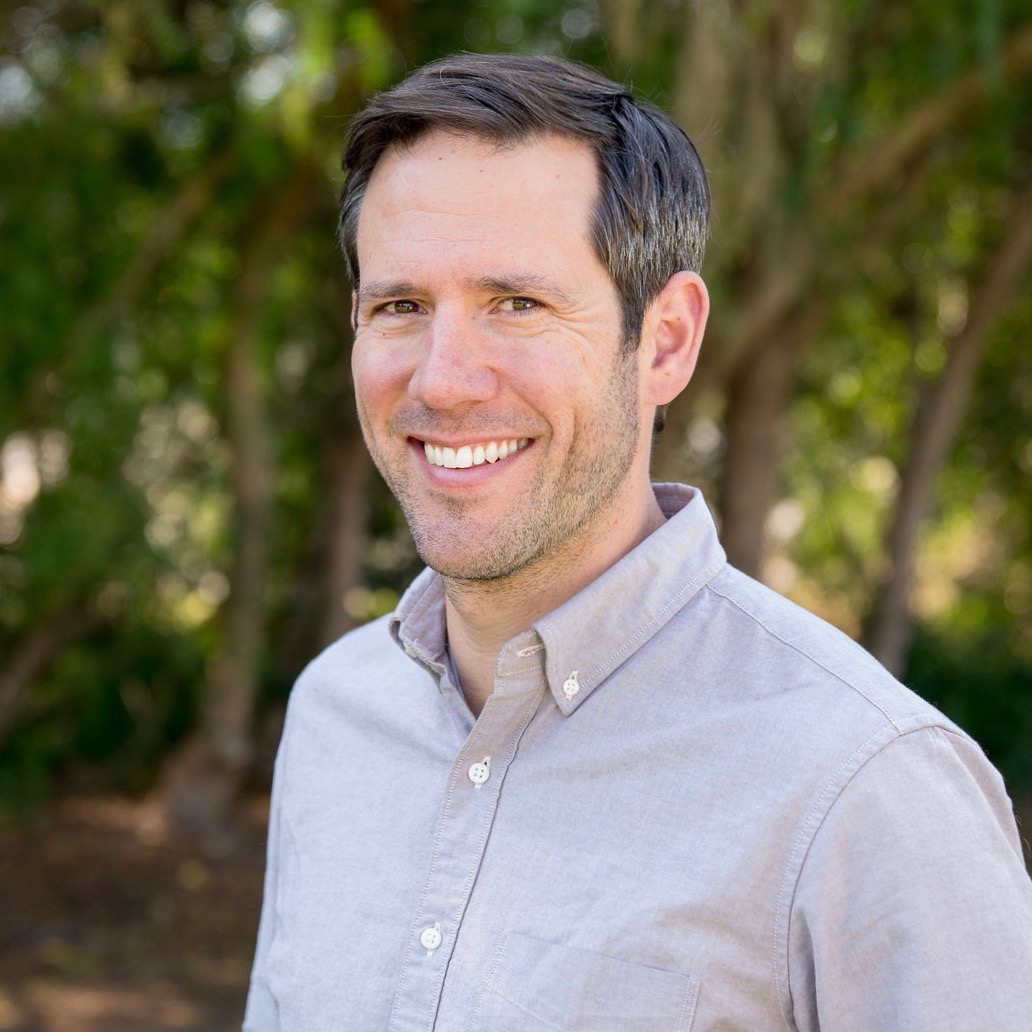
Mark Baker is a Professor of Urban and Regional Planning at the University of Manchester's School of Planning, Property, and Environmental Management. He previously served as Director of Teaching and Learning from 2014 to 2017. His expertise spans regional and strategic planning frameworks, emphasizing the interplay between central and local governance. He explores the effectiveness of development plans and control procedures, particularly in light of environmental and sustainability appraisals. His work also investigates stakeholder involvement in planning processes and the future of sub-regional planning in England. Mark has contributed to studies on urban policy in China, spatial planning outcomes, and infrastructure delivery challenges. He actively engages with sustainable development goals, focusing on urban resilience and equitable growth. Mark holds a BSc, MCD, and PhD in his field. His professional background includes roles in local government (Durham County Council) and government offices (GO-NE and GO-NW). He has lectured at Newcastle and Manchester Universities, bridging academic and practical planning experiences. His research interests are rooted in sustainable development, infrastructure planning, and spatial governance. Key topics include the evolution of English regional policies, stakeholder engagement mechanisms, and the integration of environmental assessments into development plans. He has led projects funded by entities such as the ESRC, Royal Town Planning Institute, and the EU, addressing spatial planning effectiveness, housing market strategies, and eco-urbanization in China. Recent work includes evaluating transport decarbonization through neighborhood plans and analyzing policy synergies between smart cities and spatial planning. Mark collaborates extensively with institutions like the Town and Country Planning Association (TCPA), where he chaired the Regional Planning Task Team and participated in policy councils. He has engaged in international activities, including discussions on spatial planning between the UK and China, and contributed to events such as DecarboN8’s conference on climate action. His work has generated political and societal impacts, notably through policy monitoring frameworks and stakeholder involvement initiatives. He is part of the Manchester Urban Institute and the Spatial Policy and Analysis Laboratory and Research Group, which advance urban studies and sustainable spatial strategies. These platforms support interdisciplinary projects, such as the Spatial Plans in Practice (SPiP) initiative and the Euro-Chinese Urban and Regional Bi-Continental Research Scheme (ECURBS). His grants and projects reflect a commitment to bridging academic research with real-world policy applications, particularly in England and China.