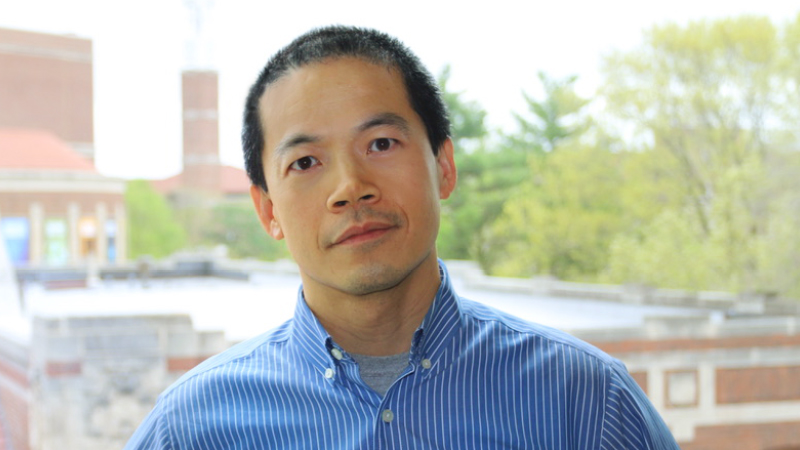
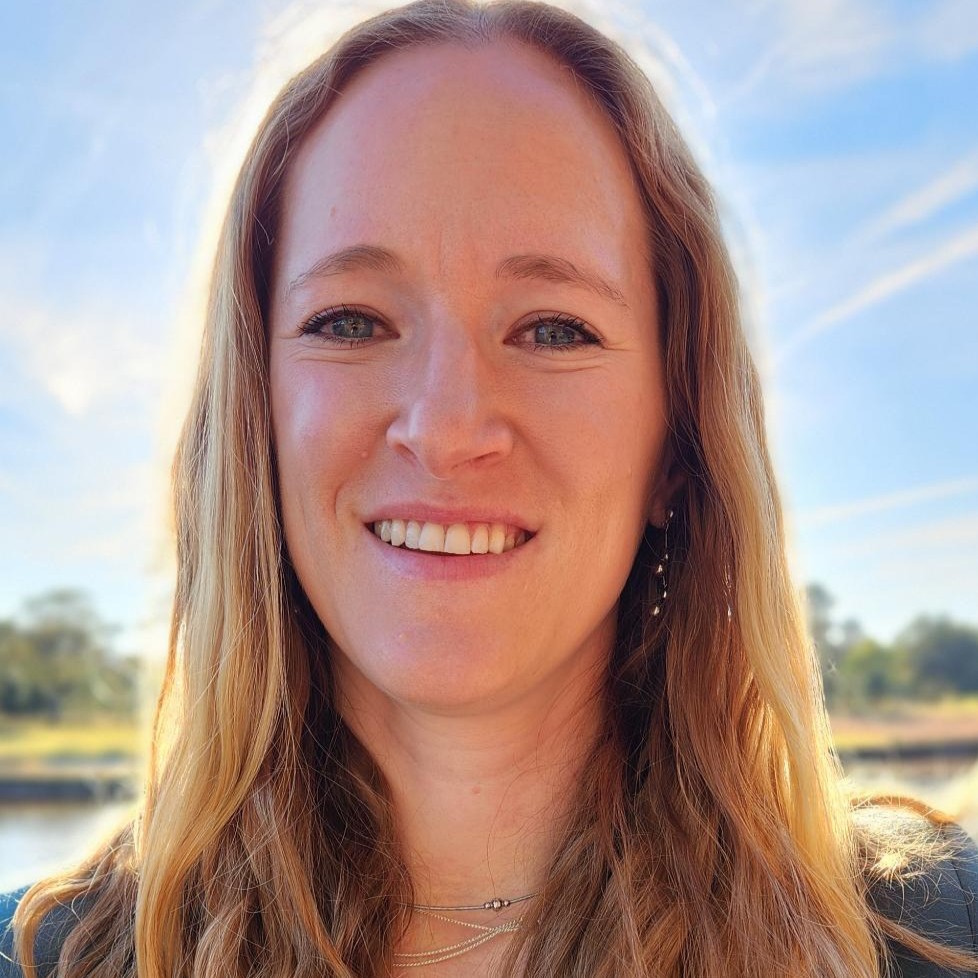
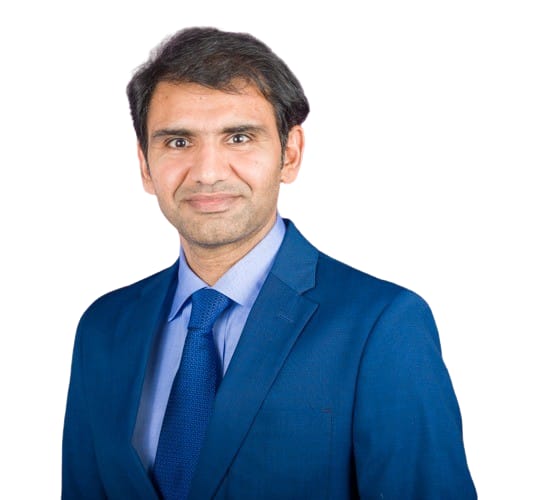
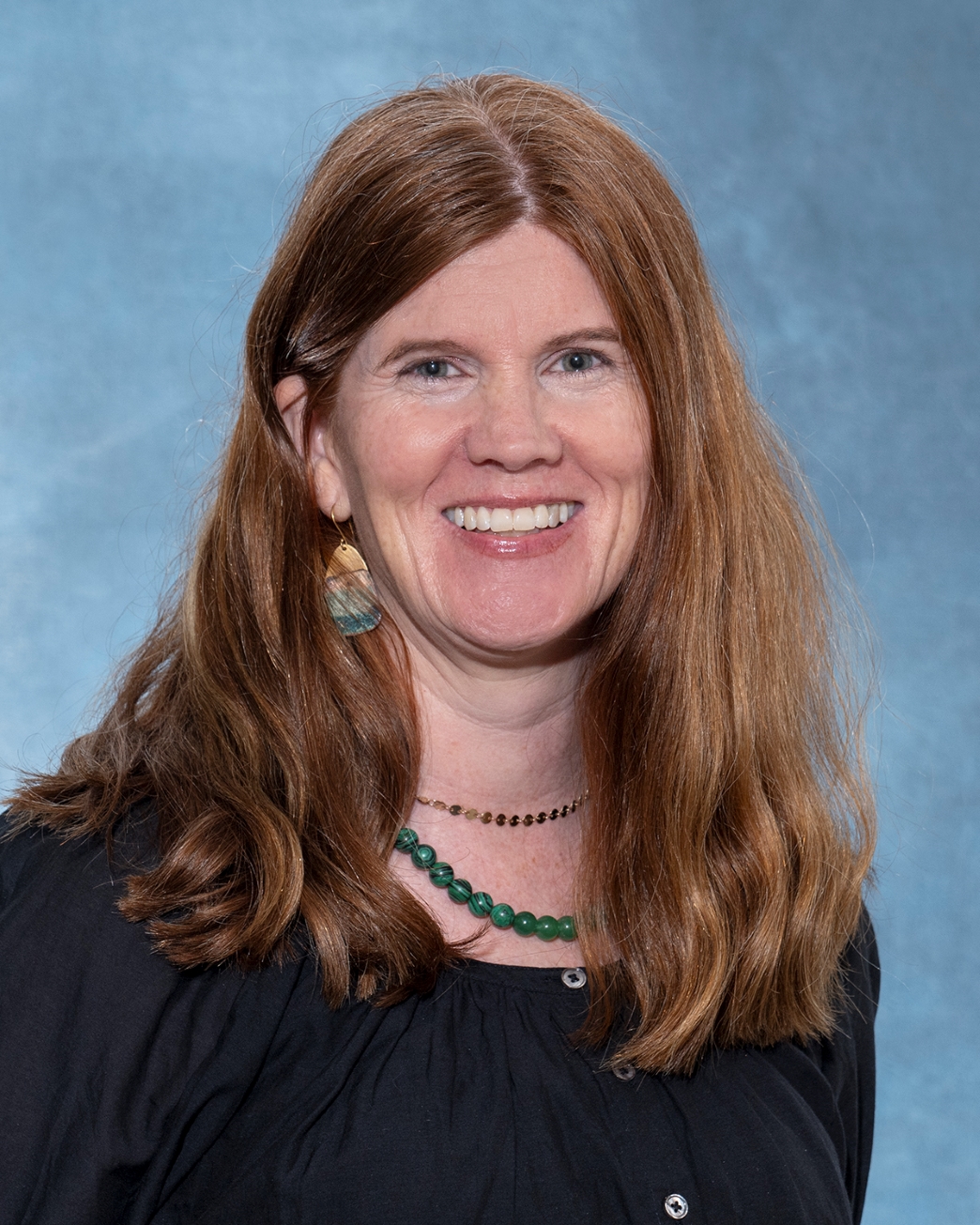
Sönke Beckmann is a Researcher at the Department of Economics of Anhalt University of Applied Sciences. His academic work focuses on sustainable transportation systems and automated mobility solutions, particularly the integration of automated buses into public transportation networks. Specializes in public transportation planning Expertise in technological adaptation for sustainable mobility Active in mathematical optimization techniques His recent publications analyze comprehensive frameworks for automated bus deployment, considering legal regulations, technological development, and infrastructure requirements. Beckmann's work facilitates comparative analysis between conventional and automated transportation modes during early planning phases. Contact: Soenke.Beckmann@hs-anhalt.de
Roles and Affiliations: Dongyan Xu is the Samuel D. Conte Professor of Computer Science at Purdue University and Director of CERIAS (Cybersecurity Center). He leads the Purdue System Security Lab (PurSec) and focuses on cyber and cyber-physical security research. His work extends to cloud computing and embedded systems security. Education: BS in Computer Science from Zhongshan University (1994), PhD in Computer Science from University of Illinois at Urbana-Champaign (2001). Research Interests: Cybersecurity, cyber-physical systems security, embedded systems security, malware analysis, reverse engineering, and cloud infrastructure optimization. Key projects include virtualization-based malware defense, Bluetooth protocol vulnerability analysis, and secure UAV control systems. Grants and Funding: Principal Investigator of over $36 million in grants, with total research funding exceeding $132 million from sponsors like AFOSR, DARPA, NSA, NSF, and industry partners. Projects address automotive cybersecurity, IoT security, and critical infrastructure protection. Awards and Recognition: NSF CAREER Award (2006), multiple Best Paper Awards at RAID, SoCC, ASE, and USENIX Security. Named University Faculty Scholar (2012). Honored with College of Science awards for advising and leadership. Labs and Teams: Directs CERIAS and leads PurSec, collaborating with interdisciplinary teams on cyber-physical security, embedded systems, and cloud computing innovations. Active in policy-guided vulnerability discovery and automated patching for robotic vehicles.
Ashleigh M. Johnson is an Assistant Professor in the School of Exercise and Nutritional Sciences at San Diego State University. She holds a Doctor of Public Health from the University of Texas Health Science Center at Houston (2019), Master of Public Health from the same institution (2014), and Bachelor of Arts in Biology from Austin College (2011). Her research focuses on physical activity promotion, particularly school-based interventions and health equity among youth populations. Johnson's work examines determinants of physical activity behavior across sociodemographic groups, development of community-engaged interventions, and implementation science in real-world settings. Recent projects include randomized trials of walking school bus programs and national studies of COVID-19 impacts on youth sports participation. Her publication trends emphasize: School-based physical activity interventions Health disparities in sports access Digital health approaches Pandemic-related behavior changes Adolescent mental health correlates Grant funding includes a $144,445 NIH K01 award for developing physical activity interventions for rural girls. She currently mentors multiple undergraduate and graduate students in research on physical activity barriers and health equity.
Dr. Bu Zhao is an Assistant Professor in the Department of Environmental and Sustainable Engineering at the University at Albany, with previous experience as a Postdoctoral Research Fellow and Lecturer at the University of Michigan. He serves as Managing Editor of Resources, Conservation & Recycling and Review Editor for Frontiers in Environmental Science . Education: PhD in Environment and Sustainability & Scientific Computing, University of Michigan (2021) MA in Statistics, University of Michigan (2021) ME in Environmental Science and Engineering, Tsinghua University (2018) BE in Engineering Physics, Tsinghua University (2015) Research Focus: Dr. Zhao specializes in data-driven approaches to environmental challenges, with expertise in industrial ecology, sustainable engineering, and environmental big data analytics. His work integrates computational methods with environmental science to address issues like microplastic pollution, water scarcity, and circular economy implementation. Publication Trends: His recent research (2021-2025) demonstrates strong focus on machine learning applications in environmental monitoring, water resource management, and sustainability assessment. Articles frequently address spatial-temporal analysis of environmental data, particularly in urban and industrial contexts across China.
Dr. Elvira Bolat is an Associate Professor in Digital Marketing at Bournemouth University Business School. She holds leadership roles as the REF2028 Unit of Assessment 17 Output Champion and Deputy Chair of BU's Knowledge Exchange and Innovation Funding Panel. Her research focuses on responsible digital marketing, influencer marketing, and online gambling, with a particular emphasis on mitigating gambling harms among youth. She leads the BU Responsible Gambling Research and Digital Marketing Research groups, contributing to UN SDGs related to health and sustainable consumption. Educated at Bournemouth University, she completed her PhD on mobile technology capabilities in creative SMEs. Her consultancy spans organizations like GambleAware and Dr Jackson's, addressing digital marketing strategies and responsible gambling practices. She has supervised numerous doctoral students in digital/interactive marketing and management. Key research areas include social media influencing, technology adoption by businesses, and trust repair in online spaces. Recent work emphasizes interventions for safer gambling, leveraging real-time persuasive technologies and transparency frameworks. She has published extensively on topics like influencer-driven gambling content and youth vulnerability, with projects funded by GambleAware and ICRG. Her grants include studies on transparency in gambling operator websites and the efficacy of social norms interventions. She collaborates with teams like GREO and ASA on policy recommendations. Elvira's work bridges academic research with practical impact, aiming to shape industry practices and policy frameworks.
Jacob Baby is a researcher at Concordia University, affiliated with the Department of Geography, Planning and Environment and the Loyola Sustainability Research Centre. His work focuses on urban development in India, particularly the historical evolution of transport planning, automobility, and non-motorized transportation. Education: Postgraduate Degree in Urban Planning, CEPT University, Ahmedabad PhD in Urban Planning, Concordia University (current) Research Trends: Jacob's research combines historical analysis with contemporary urban policy debates, emphasizing sustainable mobility and equity. His studies address infrastructure solutionism, transit-oriented development, and the socio-economic dimensions of cycling in Indian cities. Publications: His recent articles analyze automobility in Bengaluru, comparative transport policies in South Africa and the Pacific, and cycling disparities in Indian urban contexts. The work highlights the intersection of historical planning decisions and modern sustainability challenges. Collaborations: Jacob collaborates with Professor Govind Gopakumar (Center for Engineering in Society) and Professor Craig Townsend (Department of Geography, Planning and Environment) at Concordia University.
Irfan Khan is an Assistant Professor at Texas A&M University's Department of Marine Engineering Technology, with a joint appointment in Electrical and Computer Engineering. His research focuses on cybersecurity for critical infrastructure, smart grid resiliency, and electric vehicle systems. He earned his Ph.D. (2018) and M.S. (2017) from Carnegie Mellon University, an M.S. in Electrical Power Engineering from the University of Greenwich (2011), and a B.S. from the University of Engineering & Technology Lahore (2009). He leads the Clean And Resilient Energy Systems (CARES) lab and has received awards including the William Paul Ricker Distinguished Faculty Award (2023) and Gulf Research Program Fellowship (2021). His publications address adversarial network defense, EV battery optimization, and renewable integration. William Paul Ricker Distinguished Faculty Award (2023) Data Science Career Initiation Fellow (2022) Gulf Research Program Fellowship (2021)
Professor David Hensher is a Professor of Management and Founding Director of the Institute of Transport and Logistics Studies (ITLS) at the University of Sydney Business School. The ITLS is ranked 'well above world standards' (ERA Level 5) and globally ranked 8th in its field. He holds a BCom (Hons I) and PhD from UNSW, and is a Fellow of multiple institutions including FASSA, FCILT, and FAITPM. His research focuses on transport policy, public transport economics, and sustainable urban mobility, with notable contributions to Mobility as a Service (MaaS), bus transport systems, and post-pandemic travel behavior. Education: Bachelor of Commerce (Honours I) from UNSW PhD in Transport Studies from UNSW Education in Kenya, England, and Australia Research Interests: Prof. Hensher’s work bridges theoretical and applied aspects of transport systems, emphasizing policy design, demand modeling, and sustainability. Key areas include: MaaS frameworks and regional implementation challenges Economic impacts of public transport reforms Post-pandemic travel behavior and work arrangements Zero-emission vehicle adoption and infrastructure needs Grants & Awards: 2023: Member (AM) of the Order of Australia for services to transport and logistics. 2024: Lead investigator on grants including 'Investigation into the economy-wide implications of large-scale price reductions in public transport' and 'Promoting Sustainable University Travel Choices.' Media & Outreach: Prof. Hensher frequently engages with media and policymakers on transport issues, including commentary on Sydney’s traffic patterns, hybrid work productivity, and the regulation of ride-hailing services like Uber. Labs & Teams: Directs the ITLS, a multidisciplinary hub for transport and logistics research, collaborating globally with institutions like the Economic Research Institute for ASEAN and East Asia (ERIA).
Deirdre Harrington is a Senior Lecturer at the University of Strathclyde's Department of Physical Activity and Health within the Faculty of Humanities and Social Sciences (HaSS). She has held academic roles across Ireland, the US, and England, with notable leadership in the Cities Changing Diabetes global programme in Leicester and chairmanship of Ireland's 2013 Physical Activity Report Card for Children and Youth. Her research focuses on preventing obesity and type 2 diabetes through school, family, and community-based interventions, emphasizing stakeholder collaboration and health equity. Current projects include pre-school physical activity interventions, sustainable transport behaviors in post-pandemic contexts, and the impact of professional sports clubs on health promotion. Education: Postgraduate Certificate in Academic Practice (2017) Doctor of Philosophy in Physical Activity and Health (University of Limerick, 2010) Research Interests: Harrington’s work addresses health inequalities through interdisciplinary approaches, including school-based interventions, transport behavior analysis, and community engagement. She actively explores the intersection of physical activity with sleep, screen time, and urban planning. Awards: Best poster at the 2022 Scottish Physical Activity Research Connections Annual Conference Teaching & Grants: She teaches at undergraduate and postgraduate levels, with grants including ESRC funding for 'From Bike Bus to Bike Use' (2023-2028) and Royal Society of Edinburgh support for Play Streets in Inverness (2024-2025). Her work aligns with UN SDGs related to health, education, and sustainable cities.
Dr. Adrian Pinder is a researcher and Associate Director of BU Ecology at Bournemouth University, Faculty of Science and Technology. He is actively engaged in freshwater ecology and fish conservation research, with a strong focus on endangered species such as European eel and mahseer. His work integrates field studies, molecular techniques, and policy-relevant assessments. PhD in Mahseer Conservation (Bournemouth University, 2019/2020) Chartered Environmentalist in Fisheries (CIEEM, 2013) Dr. Pinder's research centers on freshwater fish ecology , conservation biology , and sustainable fisheries management . He investigates the impacts of human activities on aquatic ecosystems, including angling, invasive species, and habitat degradation. His work often employs stable isotope analysis, eDNA, and population monitoring to assess fish health and ecosystem dynamics. The recent publications highlight a consistent focus on conservation of endangered freshwater fish , particularly Anguilla anguilla and Tor spp. Themes include migration phenology, non-lethal monitoring, trophic ecology, and the impacts of global crises like the COVID-19 pandemic on fisheries. His collaborative work spans the UK, India, and Southeast Asia, emphasizing transboundary conservation challenges. Dr. Pinder is a member of several professional bodies: Fisheries Society of the British Isles Institute of Fisheries Management IUCN Freshwater Fish Specialist Group Mahseer Trust (Director of Research) He has secured research grants, including one from Natural England on blanket bog restoration, and leads impactful research projects. His work bridges science and policy, with public engagement through media appearances (BBC) and reports for governmental and non-governmental organizations. He is involved in advising on conservation strategies and monitoring programs, particularly in UK rivers and Indian freshwater systems. Dr. Pinder is affiliated with research teams including BU Ecology and has collaborated on projects related to Poole Harbour, the River Teme, and the Severn Estuary. His leadership in the Mahseer Trust and involvement in IUCN Red List assessments highlight his role in shaping conservation priorities for iconic freshwater species.
Marios Angelopoulos is Professor of Networked and Sensing Systems at Bournemouth University, U.K., where he also serves as founding Program Leader of three MSc programs in Internet of Things (IoT), IoT with Cyber Security, and IoT with Data Analytics. He founded and leads the BU Open Innovation Lab (OIL) and is a founding member of the Future & Complex Networks (FlexNet) research group. Internationally, he leads the BU delegation at the International Telecommunication Union (ITU-T), serving as Associate Rapporteur and Lead Editor of key standards in IoT and smart cities. PhD in Computer Science and Engineering, University of Patras, 2013 MSc in Computer Science and Engineering, University of Patras, 2011 Dipl.-Ing. in Computer Science & Informatics, University of Patras, 2008 His research focuses on emerging network paradigms such as Internet of Things, Mobile Crowdsensing Systems, and Wireless Power Transfer in ad-hoc networks. He investigates algorithm and protocol design, end-to-end system architectures, and develops proof-of-concept testbeds. His work bridges theory and practical implementation, particularly in smart cities, digital circular economy, and resilient IoT systems. He has co-authored over 50 peer-reviewed publications in top-tier journals and conferences. The most recent publications highlight a strong trend toward sustainable and trustworthy IoT systems, with emphasis on digital product passports, blockchain integration, circular economy frameworks, and resilient cybersecurity architectures. His work increasingly converges on standardization, policy, and real-world deployment, especially in smart urban environments. His scientific awards include the prestigious Swiss Government Excellence Scholarship for Foreign Researchers. He actively contributes to the academic community as a TPC member for major conferences and as an Associate Editor of IEEE Access. Marios Angelopoulos has been Principal or Co-Investigator on multiple national and European research projects, including Horizon 2020, FP7, Horizon Europe, and DCMS-funded initiatives such as 5G Rural Dorset and S4AllCities. He has led projects like Ideal-Cities, IoT Lab, and Swiss Sense Synergy, demonstrating strong project management and cross-institutional collaboration. He leads the BU Open Innovation Lab (OIL), a research and development lab focused on emerging technologies as enablers for innovation. He is also a founding member of the FlexNet research group, advancing complex and future network paradigms. His lab work supports pilot testbeds, standardization, and technology transfer.
Courtney McDermott is an Associate Professor and Director of Field Education at the University of Missouri-St. Louis School of Social Work. She teaches the foundation seminar course and a BSW course on social policy, coordinates MSW field education programs, and focuses on macro-level social work, racial equity in field placements, and civil rights education. She holds a BA from the University of Iowa (1996) and an MSW from Saint Louis University (2002). Her research spans racial equity, human rights, and policy practice, particularly in field education settings. Her publications address racial equity in social work education and practice. She has secured over $30,000 in grants for civil rights tours and equity-focused programs. Awards include the Faculty Excellence in Civic Engagement Award (2018) and UMSL Student Involvement awards (2017, 2020). Service Roles: 2019-Present: Community Engagement and Economic Development Strategic Planning Committee 2017 & 2020: Faculty advisor for Undergraduate Research Day at the Capitol 2016-Present: Chair, BSW Professional Development Ad-hoc Committee 2015-2018: Coordinator, Student Advocacy Day bus trip 2015-Present: Chair, Awards and Scholarship Committee 2016-Present: Creator and Facilitator, Social Work Conversations 2015-Present: Co-creator & Co-facilitator, BSW Professional Development Workshop 2018, 2017, 2014: Faculty Search Committee 2013-Present: MSW Admissions Committee 2012-Present: BSW Admissions Committee Current Leadership: Peer reviewer, The Field Educator journal Member, UMSL Civic Engagement Committee Secretary, Old North Restoration Group’s Board of Directors Member, Brown School of Social Work Racial Equity Advisory Board
Matteo Prussi is an Associate Professor at the Department of Energy (DENERG) of Politecnico di Torino, Italy. His academic career spans roles as a course owner for LCA-based tools and methodologies for the transport sector in the ENERGY PhD program (2022–2025) and as a course lecturer for Energy Economics and Bioeconomy modules. He is a member of the College of Electrical and Energy Engineering and College of Management and Production Engineering . Research Interests : Air transportation decarbonization, alternative fuels, bioenergy systems, life cycle assessment (LCA), and smart/sustainable mobility. EU-Funded Projects : SUN-PERFORM (2024–2028): Scientific Responsible for biohybrid solar fuel production. PYSOLO (2023–2027): Scientific Responsible for solar biomass pyrolysis. THELMA (2025–2030): Research Group Member for municipal sludge conversion to biogenic coal. Publications : 15+ peer-reviewed works on e-fuels, biomethane, hydrogen, and transport decarbonization (2019–2024), with a focus on EU policy and technical feasibility. Supervised PhD Students : Amr Moataz Mohamed Kadousalla Sanad, Payam Danesh, Alessio Riorda, Kaveh Zayer Kabeh, and Lorenzo Laveneziana in the Energetics program.
Michel Noussan is a Fixed-term tenure-track Assistant Professor at the Department of Energy (DENERG) within the College of Management and Production Engineering at Politecnico di Torino . His research focuses on Alternative Fuels , Bioenergy , Energy Policy , Energy Systems , and Smart and Sustainable Mobility . His work intersects with SDG 7: Affordable and Clean Energy , SDG 11: Sustainable Cities , and SDG 13: Climate Action . He contributes to Environmental Engineering and Energy Processes Engineering under the ERC PE8_6 and PE8_11 sectors. Scientific Awards : Data for Public Policy and Social Choices - Open Badge from Alma Mater Studiorum – University of Bologna (2025) Communicating Research to Citizens - Open Badge from Politecnico di Torino (2025) Recent publications analyze energy system interactions , decarbonization pathways , and carbon intensity metrics across power, transport, and district heating sectors. His editorial roles include guest editor for Energies (2018-2024).
Murat Bayrak is a Postdoctoral Researcher at Aalto University's School of Built Environment, specializing in transportation engineering and urban mobility optimization. He is affiliated with the Planning and Transportation research group. Research Interests: His work focuses on optimizing transportation networks through heuristic methods and machine learning algorithms. Key areas include dedicated bus lane placement, left-turn restriction strategies, transit signal priority, and queue spillback mitigation in urban grid networks. Article Trends: His publications (2018–2023) highlight advancements in intelligent transportation systems, with a consistent emphasis on network-level optimization techniques like population-based learning and heuristic algorithms. Topics span from bus lane connectivity to dynamic traffic management solutions. Research Groups: Planning and Transportation