Alberto Innocenti is an Associate Professor in Urban Resilience at the University of Southern Denmark (SDU Civil and Architectural Engineering), with a focus on coastal systems and land-sea planning. He holds a double PhD from the University Iuav of Venice and the University of Copenhagen, along with a Master’s in "Planning and policies for cities, environment and landscape" from Iuav and an Erasmus exchange at Universitat Autònoma de Barcelona. His career includes a 10-month internship at the Government of Flanders and ongoing collaboration with the Planning Climate Change LAB at University Iuav of Venice since 2015. He serves as a senior non-key expert for the EU International Urban Cooperation (IUC) Asia since 2019. Research Interests : Urban resilience, maritime spatial planning, climate change adaptation, and sustainable urban design. His work addresses complex social, economic, and climate challenges in coastal regions, emphasizing nature-based solutions and multi-hazard urban planning. Projects : Co-PI in the SCC Elite Centre of Aquatic Nature-based Solutions (2023–2027), PI for the LEARNING project (2023), and contributor to initiatives like DANIDA-DFC (2022–2023) and Health and Wellbeing Assessment (2019–2022). His research spans land-sea interactions, coastal resilience, and climate policy frameworks in the EU. Activities : Regularly delivers lectures and presentations on urban resilience, including at the 2024 AESOP Congress and SDU Climate Cluster events. He has been featured in media outlets like TV 2 Funen (2023).
Lucio Calcagnile is a Full Professor of Applied Physics (SSD FIS/07 - Physics applied to Cultural Heritage, the Environment, Biology and Medicine) at the University of Salento, Department of Mathematics and Physics "Ennio De Giorgi" since 2005. He serves as Deputy Director of the Department and is a member of the scientific committee of ISUFI-Istituto Superiore Universitario di Formazione Interdisciplinare. His work is centered at CEDAD (Center for Applied Physics, Data and Diagnostics), which he founded and directs. Dr. Calcagnile received his PhD in Physics from the University of Bari in 1991. He began his academic career at the University of Lecce as a researcher in 1992 and was promoted to Associate Professor in 1999 before becoming a Full Professor in 2005. His educational background established the foundation for his interdisciplinary research approach spanning physics, archaeology, and environmental science. Professor Calcagnile's research is predominantly experimental and interdisciplinary, focusing on ion-matter interactions, development of new materials using ion beams, non-destructive nuclear techniques for dating and analysis of materials, isotope mass spectrometry, and accelerator mass spectrometry. His work has significant applications in archaeology, geology, environmental sciences, and forensic sciences. He has established CEDAD as the first Italian center for radiocarbon dating research and services, creating a hub for interdisciplinary scientific investigation. His recent publications demonstrate a strong focus on applied physics in cultural heritage preservation, environmental monitoring, and advanced materials. Calcagnile's work frequently involves accelerator mass spectrometry for radiocarbon dating across diverse applications from archaeological artifacts to environmental samples. He also conducts significant research on semiconductor materials and their applications in radiation detection, showing the breadth of his scientific contributions. Professor Calcagnile has held leadership roles in numerous international conferences, including serving as co-chairman of the 11th International Conference on Accelerator Mass Spectrometry (Rome, 2008) and upcoming co-chairmanship of the 4th International Radiocarbon in the Environment Conference (Lecce, September 2024). He is a member of the Advisory Committee for multiple international conferences including Radiocarbon International Conference and Accelerator Mass Spectrometry International Conference. As a research leader, Calcagnile has been responsible for significant projects including PON SIDArt, Blu-Archeosys, ITA@CHA, DICET formazione, DEDALO, BIO OPEN LAB, and PRP@CERIC. He has participated in PRIN, INFN, and International Atomic Energy Agency projects. For the IAEA, he developed two training courses on radiocarbon and accelerator mass spectrometry available on the NUCLEUS portal. He has also served as a referee for ESF, ERC, PRIN projects and the European IPERION-HS platform. Calcagnile coordinates the Applied Physics Group at the University of Salento and is co-responsible for the BIO OPEN LAB Laboratory for the strengthening of the CERIC-ERIC European Research Infrastructure. He is also responsible for the University of Salento's participation in the European research infrastructure project ACTRIS: Aerosols, Clouds and Trace Gases. His laboratory network supports international research collaborations and provides essential services for cultural heritage dating and environmental analysis.
Manfred Mittlböck is a Senior Scientist in Geoinformatics at Paris Lodron University Salzburg (PLUS), actively contributing to research and development projects in geospatial technologies. His work spans multiple domains including geospatial data management, 3D cartography, glacier monitoring, and geoportal development, with numerous publications and projects extending through 2025. Dr. Mittlböck's research interests focus on Geoinformatics applications , particularly in geospatial data infrastructure , 3D indoor cartography , and glacier monitoring systems . His work demonstrates strong integration of theoretical geospatial concepts with practical implementations across various environments from university campuses to alpine regions and Central Asia. His recent publications indicate a growing interest in 5G technology applications in geoinformatics , metadata standards implementation , and integration of geospatial data into 3D virtual environments . These works reflect both technical innovation and practical application in real-world contexts. Among his notable projects are: GSP4CA: Geospatial sharing platform for Central Asia (2025-2026) SpaceSUITE: SPACE downstream Skills development (2024-2027) CAportal: Central Asia Geoportal (2024-2025) Indoor Cartography project (2024) GDI NPVBGD 2023+: Geoinformation strategy for Berchtesgaden National Park (2023-2024) Dr. Mittlböck also contributes to glaciological monitoring efforts in the Upper Stubachtal region of the Hohe Tauern mountains, with research featured in media coverage about accelerating glacier retreat. His work bridges academic research with practical applications in environmental monitoring, spatial data infrastructure, and educational initiatives.
Professor Sally Inglis is a Heart Foundation Future Leader Fellow at UTS Faculty of Health, leading research on cardiovascular telehealth and digital health innovations. As Chair of CSANZ's Cardiovascular Nursing Council, she advocates for nurse-led care models and climate-conscious healthcare practices. Her expertise spans virtual care systems for heart failure, telemonitoring effectiveness, and post-discharge management. Research examines obesity's impact on arrhythmia treatment, implementation of clinician-researcher pathways, and acute coronary syndrome guidelines. Publications demonstrate leadership in cardiovascular telehealth through Cochrane reviews influencing international guidelines, analyses of heart failure program components, and climate change nursing frameworks. Recent work emphasizes equitable access and system-level implementation. Awards: Heart Foundation Future Leader Fellow CSANZ Cardiovascular Nursing Lecturer Award (2023) UTS Medal for Research Impact (2023) Grants: REINFORCING SAFE WALKER USE monitoring device (2024-2026) Hk Maker Lab 2.0 engineering design program (2022-2025) Fostering Computational Thinking in high schools (2022-2024) She promotes diversity in cardiovascular research and mentors early-career researchers in digital health applications.
Craig Bradshaw is an Associate Professor and Executive Director of the Air Conditioning and Refrigeration Center (ACRC) at the University of Illinois Urbana-Champaign's Grainger College of Engineering. He holds a PhD and BS in Mechanical Engineering from Purdue University (2012 and 2007). His research focuses on compressors, heat pumps, low-GWP refrigerants, and energy utilization, with emphasis on decarbonization and model development. Bradshaw leads the ACRC and previously directed Oklahoma State University's Center for Integrated Building Systems. His work includes developing experimental charge models for heat exchangers, advancing compressor performance analysis, and promoting sustainable HVAC technologies. Notable awards include the 2024 ASHRAE Distinguished Service Award and the 2022 Excellent Faculty Award. He teaches courses like ME 200 AL2 - Thermodynamics and collaborates with industry partners on refrigeration and energy systems. Key Projects: Differential Mass Measurement Scale (DMMS) for charge validation, vapor-injection compressor characterization, and low-GWP refrigerant evaluation. Grants/Labs: ACRC, CIBS (Industry/University Cooperative Research Center), and partnerships with Koura, AAON, and Danfoss. Recent Contributions: Over 15 peer-reviewed articles since 2022, including studies on gray-box models, charge tuning methods, and spool compressor optimization.
Dr. Prabir Sarker is a Professor in the School of Civil and Mechanical Engineering at Curtin University. His research focuses on sustainable construction materials, geopolymer concrete, and waste utilization in civil engineering applications. He investigates alternative binders like lithium slag and ferronickel slag to develop eco-friendly concrete with improved durability. His work includes optimizing 3D printed concrete mixtures with recycled aggregates and evaluating performance of geopolymer concrete under impact loading. Dr. Sarker has received professional recognition as a Fellow of Engineers Australia and Chartered Professional Engineer. His publications appear in leading journals including Construction and Building Materials and Cement and Concrete Composites.
Imrose Muhit serves as a Senior Lecturer in Civil and Sustainable Infrastructure Engineering at Teesside University's School of Computing, Engineering & Digital Technologies (SCEDT). He holds external positions including Member (Emerging Leader) of the UK Young Academy, External Research Supervisor at Durham University, and Community Advisory Board Member for the Institution of Civil Engineers' Knowledge Networks. His roles encompass Postgraduate Research Tutor for SCEDT and Marketing and Recruitment Champion for the Engineering Department. His educational background includes: Bachelor of Civil Engineering from Chittagong University of Engineering and Technology Master of Structural Engineering from Chung-Ang University PhD in Structural Engineering from the University of Newcastle, Australia Muhit's research focuses on sustainable infrastructure solutions with particular emphasis on zero-carbon construction materials, AI-driven structural assessment, and climate-resilient design. His work bridges computational modeling with practical applications in masonry structures, low-carbon concrete technologies, and circular economy principles for the built environment. He actively develops machine learning approaches for structural reliability analysis and material optimization. His publication portfolio reveals consistent innovation in sustainable materials (hemp composites, geopolymer concrete, rubberized concrete) and structural resilience (masonry veneer walls, seismic response prediction). The research demonstrates strong interdisciplinary integration of artificial intelligence with traditional civil engineering challenges, particularly in climate adaptation contexts. Key recognitions include: Membership in the UK Young Academy as an Emerging Leader Muhit actively supervises PhD students in sustainable infrastructure topics and leads significant research initiatives including Innovate UK projects RECONSTRUCT and Activated Filter Cake. His knowledge exchange spans enterprise activities through University of Teesside Enterprises (UTEL) focusing on low-carbon construction materials. International collaboration networks span 12 countries across four continents. His professional ecosystem includes leadership roles in the Institution of Civil Engineers' Sustainability Network and Stockton-on-Tees Borough Council's Business Climate Coalition, demonstrating commitment to translating research into community impact.
Dr. Hillary Swanson is an Assistant Professor in the Department of Instructional Technology & Learning Sciences at the University of Utah State University, affiliated with the Emma Eccles Jones College of Education and Human Services. Her work bridges science education, technology integration, and cognitive development. She holds a PhD in Science and Mathematics Education from UC Berkeley and a BA in Physics from Colorado College. Her research focuses on how students refine everyday thinking into scientific understanding through theory-building practices, computational modeling, and collaborative learning. Key projects include developing computational microworlds for physics education and co-designing instructional tools with teachers to support responsive teaching strategies. She directs the Learning Dynamics Lab, exploring how technology can scaffold student reasoning and teacher pedagogy. Her publications emphasize theory-building mechanisms, formative assessment integration, and the role of intuitive resources in learning. She has collaborated with institutions like Northwestern University’s CCL and TIDAL labs. Current work includes applying generative AI in qualitative research and designing embodied artifacts for mathematical reasoning.
Antony Robotham is an Associate Professor in Mechanical Engineering at the University of Plymouth, part of the School of Engineering, Computing and Mathematics within the Faculty of Science and Engineering. He has held leadership roles including Associate Head (Teaching & Learning), Deputy Head of School, and Project Lead for the £11m Babbage facilities development. His work focuses on engineering design, virtual engineering, and product lifecycle innovation. Previously, he served as Executive Director of the Virtual Engineering Centre (VEC) at the University of Liverpool, leading collaboration with industries like Airbus and BAE Systems to advance virtual engineering practices. At the University of Wolverhampton, he managed a £5m Innovative Product Development Centre (IPDC), providing R&D services to SMEs using advanced manufacturing technologies. His career includes roles at Coventry University, Technical University of Denmark, and others, emphasizing knowledge transfer and international partnerships. Research interests span design methodologies, CAD integration, sustainable manufacturing, and collaborative innovation. He has contributed to EU-funded projects, SME capacity-building initiatives, and education reforms in problem-based learning. Current projects include the STRIDE program supporting Cornwall-based SMEs in product development. Antony has extensive experience in curriculum design, having developed master’s programs like the MSc Advanced Engineering Design and contributed to accreditation processes. He has managed multi-million-pound budgets, led interdisciplinary teams, and fostered industry-academia collaborations across sectors like aerospace, automotive, and defense.
Dr. Jianhui Zhou is an Associate Professor in Wood Engineering at the University of Northern British Columbia (UNBC), based in the School of Engineering. He joined UNBC in 2018 after completing a PhD in Wood Engineering at the University of New Brunswick (2018) as a Vanier Scholar and postdoctoral work at the University of Alberta (2017–2018). His research focuses on wood mechanics, building vibration, acoustics, engineered wood products, and multiphysics in timber systems, with an emphasis on serviceability performance in mass timber buildings. Education: PhD, Wood Engineering, University of New Brunswick (2018) MSc, Wood Science and Engineering, South China Agricultural University (China) BSc, Wood Science and Engineering, South China Agricultural University (China) Research emphasizes vibration and acoustics of mass timber floors, including floating concrete toppings, CLT-concrete composite systems, and IoT-based structural health monitoring. His work addresses industry challenges like footfall vibration and noise control, supported by grants from CFI and BCKDF. He leads the Wood Engineering & Building Technology Research Group, supervising graduate students in MASc, MEng, and PhD programs. Awards include the Vanier Canada Graduate Scholarship (2015–2018). Teaching responsibilities include courses on wood mechanics, finite element analysis, and building acoustics. His lab facilities specialize in structural dynamics, acoustic testing, and timber material characterization. Current projects involve IoT-based vibration monitoring systems for mass timber buildings and developing parametric design tools for timber floor systems. Alumni include Chenyue Guo (PhD candidate at University of Alberta) and Reza Chaboki (MASc graduate).
Nicholas Mavengere is a Senior Lecturer in Computer Science at Bournemouth University's Faculty of Science & Technology. He serves as Program Leader for the BSc Business Information Technology and BSc Information Technology Management programs, and leads departmental sustainability initiatives. Previously, he was a post-doctoral researcher at Tampere University (Finland), where he earned his PhD in Information and Systems, recognized with a European conference best PhD award and a university award. His research focuses on business-IT alignment, digital public services, strategic agility, and e-learning. Notable projects include the World IT Project (examining global IT workforce issues), the EU-funded OnCreate Strategic Partnership (online collaboration innovation), and the StrAgile Project (strategic agility in manufacturing). He has organized academic conferences, chaired sessions at ECIS/ICIS/AMCIS, and edited conference proceedings and books. Dr. Mavengere is a Fellow of the UK Higher Education Academy and holds memberships in the British Computer Society and Association of Information Systems. His work spans theoretical contributions (e.g., strategic agility frameworks) and applied projects like NetPLM's product lifecycle management systems.
Paul Kirshen is Professor at UMass Boston's School for the Environment and founding director of the Stone Living Lab. His research addresses climate adaptation challenges with focus on coastal flooding, infrastructure resilience, and equitable solutions. Research integrates hydrological modeling with socio-economic analysis to develop nature-based adaptations. Recent work through the Stone Living Lab tests innovative coastal protection strategies in Boston Harbor. Publications demonstrate expertise in flood risk management, climate justice frameworks, and urban resource systems. Leads interdisciplinary projects quantifying co-benefits of nature-based infrastructure. Holds affiliate appointments at University of New Hampshire and Tufts University. Community engagement focuses on climate justice in vulnerable neighborhoods like East Boston.
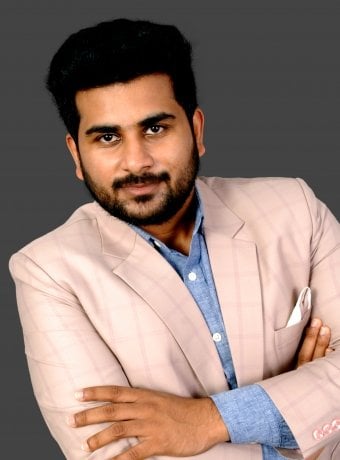
Nur Imtiazul Haque is a Visiting Assistant Professor at the University of Cincinnati's School of Information Technology within the College of Education, Criminal Justice, and Human Services (CECH). He holds a Ph.D. and M.Sc. in Electrical and Computer Engineering and Computer Engineering from Florida International University, USA, and a B.Sc. in Computer Science and Engineering from Khulna University of Engineering and Technology (Bangladesh). Previously, he served as a lecturer at Daffodil International University and a graduate research assistant in the Analytics for Cyber Defense lab, where he contributed to NSF and DOE projects. His research focuses on securing cyber-physical systems through formal methods, machine learning, and mathematical optimization, particularly in smart healthcare, smart homes, and industrial IoT. He has published 12 peer-reviewed papers, one book chapter, and patented a tool. Notable achievements include the Best Paper Award at IEEE/IFIP DSN 2023 and the Dissertation Year Fellowship Award. Dr. Haque has organized the International Workshop on AIOTS as publication chair and is an active IEEE member. His work addresses critical infrastructure vulnerabilities, with contributions to frameworks like SHATTER, PHASE, and iDDAF for detecting and mitigating advanced cyber threats.
Alex Ellery is a Full Professor (Canada Research Professor) in the Department of Mechanical and Aerospace Engineering at Carleton University. He holds positions in the Faculty of Engineering and Design and is affiliated with research facilities including labs focused on space systems engineering. His work emphasizes advanced space technologies. B.Sc., University of Ulster, UK M.Sc., University of Sussex, UK Ph.D., Cranfield University, UK Research focuses on: - Space Robotics & Satellite Servicing - In-situ Resource Utilization (ISRU) for space mining - Planetary rover design with biomimetic principles - Robotic systems for astrobiological exploration - 3D printing applications in space infrastructure Current technical emphases include optic flow navigation, micro-rover development, and muscle-like robotic actuators for space manipulators. His research addresses challenges in lunar base infrastructure and planetary entry systems. No specific awards or grants are listed in the provided text. Positions are available in his research group, and contact details are provided at Carleton's Mackenzie Building.
Giridhar Reddy Bojja is an Assistant Professor of Information Systems & Analytics at the College of Business, Michigan Technological University. His academic office is located in Academic Office Building G018. He holds a strong focus on interdisciplinary research and teaching in data-driven fields. Research Interests: Information Systems Capabilities and Firm Performance Social Media Analytics and Healthcare Applications Econometric Modeling in Technology Impact Design Science Research Methodologies Teaching Specializations: Business Analytics (ML, DL, Text Mining) Generative AI and Its Applications Management Science and Social Network Analysis Research Themes: His work spans AI-driven IoT security frameworks, healthcare data analytics, blockchain-enabled healthcare systems, and organizational impact of IT investments. Recent projects include predictive models for patient outcomes and frameworks for resilient IoT networks. Professional Background: His research has been published in top-tier journals and conferences, with a focus on healthcare IT, cybersecurity, and AI applications. He actively contributes to both theoretical and applied research in information systems.