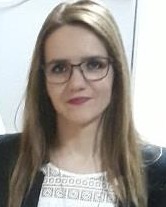
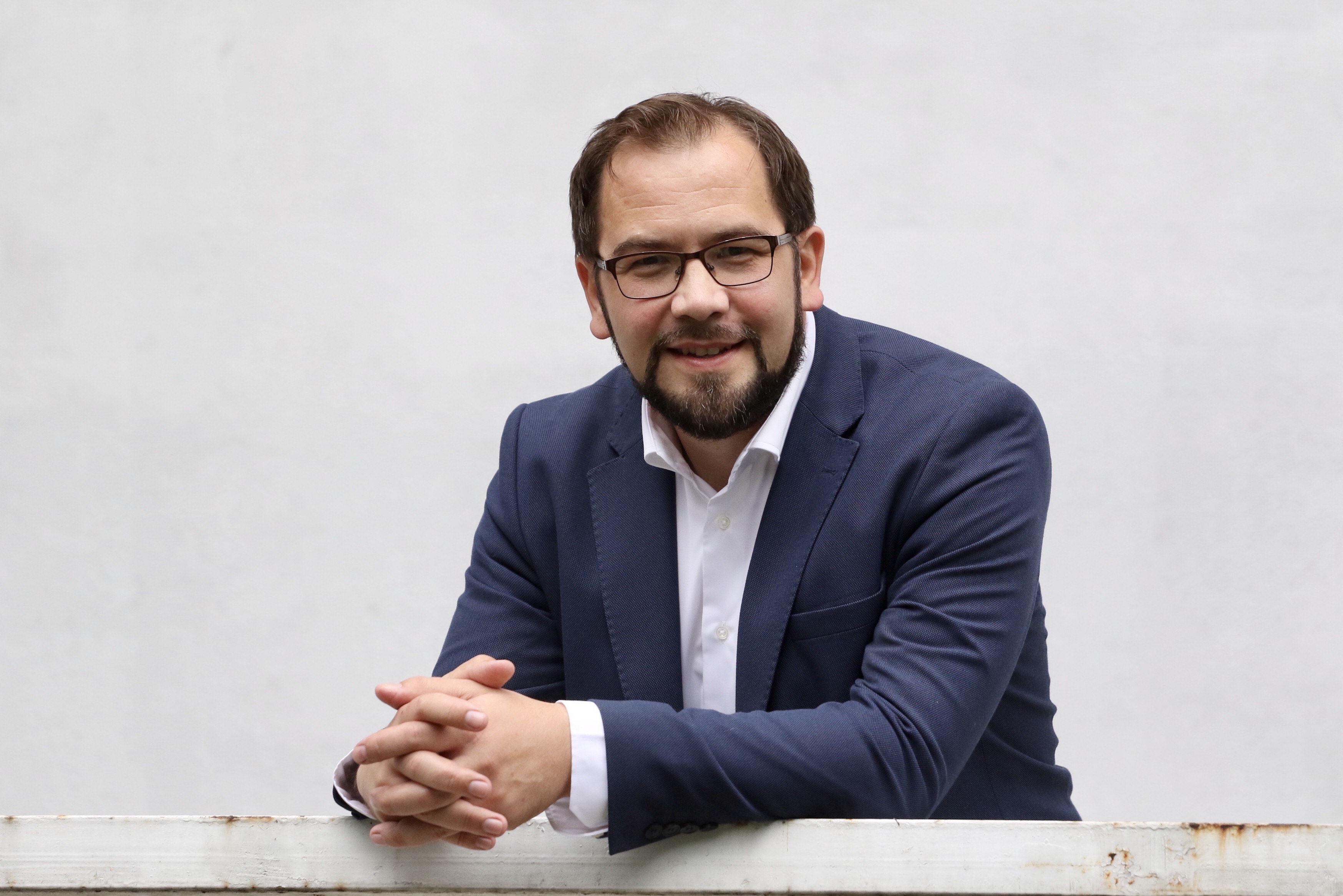
Assoc. Prof. Hasan Öztürk is an Associate Professor at Karadeniz Technical University's Arsin Vocational School , Department of Forestry. With a doctorate in Forest Industry Engineering, his career spans roles from Lecturer to Vocational School Director. His research focuses on wood composites, thermal insulation materials, and structural timber optimization using artificial neural networks. His work emphasizes cross-laminated timber (CLT) durability, mechanical properties, and thermal conductivity optimization. Recent projects analyze fire-retardant treatments, layer configurations, and sustainable bonding materials. Publications highlight collaborations with researchers like A. Demir and A.U. Birinci in journals such as Wood Material Science & Engineering and Bioresour ces. As a TÜBİTAK-funded project executive, he develops decorative CLT and earthquake-resistant wooden structures. Peer review activities include journals like Wood Industry and Engineering . His CV includes ISO quality management trainings and book chapters on wood connections and stress-reduction properties of timber structures.
Martin Frandsen is a Researcher at Aalborg University 's Department of the Built Environment , within the Faculty of Engineering and Science. His work focuses on energy-efficient building design , indoor environment , domestic hot water systems , and building performance simulations , combining laboratory/field measurements with computational methods. Education: Civil Engineer, MSc in Indoor Climate and Energy (2016-2021) Key Collaborations: Project PRELUDE (2020-2024), ORCID holder His research in building energy systems and hydraulic network optimization is reflected in 13 publications (2022-2025), with 5 in 2024 alone. He specializes in smart meter data analysis and district heating integration , producing datasets with sub-hourly monitoring of office buildings. Frandsen's teaching involves laboratory experiments on indoor environments and building energy simulation , mentoring bachelor/master groups. He has contributed to 10 research datasets and collaborated with 12+ peers on energy informatics and NZEB buildings.
Bijan Adl-Zarrabi is an Associate Professor at the Department of Building Technology , Chalmers University of Technology, specializing in Infrastructure Physics . His research focuses on moisture and heat transport in buildings, thermal property characterization of materials, and renewable energy integration in infrastructure. Role: Research Group Leader Key Projects: Scientific Coordinator for E39 Ferry-Free Connection Research Interests include: Thermal Insulation in District Heating Ground Source De-Icing Systems Climate-Resilient Infrastructure Material Characterization Techniques Recent Publication Trends highlight his work on: Anisotropic Thermal Conductivity in Airgel Plasters Vacuum Insulation Panel Longevity Ground Source Snow Melting Systems Sustainable Composite Materials Climate Adaptation in Urban Design Projects funded by EU, Swedish Energy Agency, and VTI demonstrate cross-sector collaboration. His educational background includes a Doctoral Thesis on Hygro-Elastic Deformation (1998) and a Licentiate Thesis on PUR-Foam Pipes (1994).
Rejhana Blažević is an Associate Professor at the Faculty of Mechanical Engineering, University of Sarajevo, with a focus on energy efficiency and renewable energy systems. She earned her PhD in 2018 from the Department of Energy and Process Engineering, defending a dissertation on transient heating systems modeling. Bachelor’s and Master’s degrees in Energy, Process, and Environmental Engineering (2005-2010) Specialized in building energy modeling, wind energy potential, and climate change adaptation in heating systems Her research spans energy renovation of healthcare buildings, CO2 emission reduction strategies, and thermal energy storage solutions. Recent work includes: Wind velocity trends in Sarajevo (2025) Optimal refrigerant selection for data centers (2024) Levelized cost analysis for Bosnian wind farms (2023) Climate-informed heating design temperature updates (2023) Mathematical models for transient radiator heating (2018) She has collaborated on projects analyzing energy consumption in single-family houses, waste heat recovery in refrigeration, and pulse combustion heat transfer. Her work informs policy and technical standards in Bosnia and Herzegovina’s building sector.
Prof. Dr. Hadis Bajrić is a Full Professor at the Faculty of Mechanical Engineering, University of Sarajevo, where he is affiliated with the Department of Industrial Engineering and Management. He has been serving as a regular professor since June 2024, following his promotion from Associate Professor (2018-2024). He also serves as the Head of the Lean Learning Factory Laboratory at the University of Sarajevo since April 2022. His educational background includes: PhD in Mechanical Engineering from University of Sarajevo (2013), with dissertation on "Development of models and expert system for inventory management with deterministic ordering times and stochastic demand" Master's degree in Industrial Engineering and Management from University of Sarajevo (2008) Bachelor's degree in Mechanical Engineering from University of Sarajevo (2006), with thesis on "Modeling portfolios for issuers of the Sarajevo Stock Exchange from SASX index" Prof. Bajrić's research focuses on industrial engineering and management, with particular expertise in lean management, supply chain management, inventory optimization, and data envelopment analysis. His work bridges theoretical frameworks with practical applications in manufacturing, healthcare, education, and public administration sectors. He has developed numerous models for inventory management, production optimization, and efficiency assessment across various industries. His recent publications demonstrate a strong trend toward applying lean principles in manufacturing systems, energy efficiency in building design (particularly healthcare facilities), and data-driven approaches to organizational efficiency. His research increasingly incorporates machine learning techniques and advanced analytics for prediction and optimization problems. Prof. Bajrić has received significant research funding through multiple EU-funded projects including BOOST, PRODIGI, ErgoLAB, ABCD, and UMANE, where he has served as project leader or key team member. These projects focus on innovation, digitalization of SMEs, human-centered entrepreneurship, and deep tech applications in the Western Balkans region. His scientific contributions include: Over 30 peer-reviewed journal articles and conference papers Three textbooks: "Supply Chain Management: Inventory" (2024), "Numerical Methods for Engineers" (2023), and "Six Sigma - Basic Statistical Tools" (2018) Extensive consulting work with numerous companies implementing lean and six sigma methodologies Prof. Bajrić has supervised more than 25 master's theses on topics ranging from lean manufacturing and supply chain optimization to quality management systems and Industry 4.0 adoption. His students have explored practical applications in diverse industries including furniture manufacturing, automotive supply chains, and healthcare logistics. He has established strong industry connections through his role as co-founder of Frontline d.o.o. Sarajevo (2022-present) and Stamen d.o.o. Sarajevo (2021-2022), as well as through numerous consulting projects with manufacturing companies across Bosnia and Herzegovina. His practical experience includes designing solar power plants and hydroelectric facilities, demonstrating his engineering expertise beyond academia.
Filip Fedorik serves as a University Lecturer and researcher in the Department of Civil Engineering within the Faculty of Technology at the University of Oulu, specializing in building physics through advanced numerical modeling to ensure healthy indoor environments and mitigate structural risks. His core research focuses on: Hygrothermal performance analysis of building envelopes Mechanisms of moisture transfer and condensation in energy-efficient retrofits Climate change adaptation strategies for building design Numerical simulation of heat-air-moisture interactions Indoor air quality optimization under varying environmental conditions As an active member of the "Good Indoor Air and Building Health" research group, Dr. Fedorik leads critical projects examining energy retrofit impacts on indoor environments and climate change effects on building health, developing predictive models to prevent mold growth and structural degradation while enhancing occupant comfort and energy efficiency.
Santeri Schroderus , a doctoral researcher at the Unit of Civil Engineering within the Faculty of Technology at the University of Oulu , focuses on the intersection of building physics, climate change adaptation, and indoor environmental quality. His research specifically examines hygrothermal performance and mold growth in structures under future climate conditions. Key areas of exploration include: Building Physics Heat and Moisture Transport Climate Change Impact Assessment Moisture Damage Prevention Energy-Efficient Retrofits Future Building Design The nine articles listed (2020-2025) reflect a consistent focus on hygrothermal modeling, climate-resilient construction materials, and occupant behavior in retrofitted buildings. These works span disciplines including civil engineering, environmental science, and computational modeling. Santeri contributes to the Centre of Expertise in Building Health and participates in the BALANCE project, which investigates sustainable and healthy buildings in changing climates. His work integrates experimental validation with predictive simulations to address critical challenges in building performance.
Dr Donal Cotter is a Research Associate at Ulster University's Belfast School of Architecture & the Built Environment. He works within the Centre for Sustainable Technologies, specializing in energy storage and heat pump technologies. His academic qualifications include a PhD in building energy storage (2016) and an MEng in Energy and Building Services Engineering (2012) from Ulster University. Education: PhD in Building Energy Storage (2016) MEng in Energy and Building Services Engineering (2012) HNC in Construction Studies (2008) Bachelor's in Manufacturing Engineering (1994) His research focuses on high-temperature heat pumps (HTHPs), organic Rankine cycle systems, and thermal energy management. He investigates low global warming potential (GWP) refrigerants, industrial waste heat recovery, and thermodynamic efficiency optimization. His work aligns with UN Sustainable Development Goals for sustainable energy and climate action. Recent publications highlight his contributions to reversible heat pump systems, refrigerant-lubricant interactions, and exergo-environmental analysis of transcritical cycles. He has collaborated on projects addressing energy efficiency in domestic and industrial applications. Scientific Awards: McBrides Prize (2012) Dr Cotter maintains affiliations with professional bodies including the Institute of Engineers of Ireland (IEI), Institute of Refrigeration (IOR), and Higher Education Academy (HEA). His professional experience spans construction, mechanical engineering, and project management roles over 15 years.
Jayanta Mondol is Professor of Solar Energy Technologies and Research Director at Ulster University's Belfast School of Architecture and the Built Environment, appointed in 2019. He leads the Architecture, Built Environment and Planning research unit and previously served as Course Director for Architectural Engineering programs. His office is located at Belfast Campus, Room BC-05-143, 2-24 York Street. Education: BSc (Hons) & MSc Physics - Visva-Bharati University, India MTech Energy Science & Technology - Jadavpur University, India PhD in Solar Energy - Ulster University (2004) Research Interests: Professor Mondol specializes in solar energy conversion systems with emphasis on building-integrated applications. His work spans photovoltaic/thermal hybrids, nanofluid-enhanced solar collectors, multifunctional building facades, and off-grid renewable systems. Current investigations focus on MXene-based nanofluids, concentrating PV glazing, and thermal diode technologies for energy-efficient buildings. His research consistently addresses UN Sustainable Development Goals through climate adaptation solutions. Publications Focus: Recent articles demonstrate strong emphasis on nanofluid-enhanced PV/T systems, building-integrated solar technologies, and sustainable thermal management. Dominant themes include energy efficiency optimization, novel material applications (MXene, carbon-dots), and computational modeling of renewable systems. Tropical climate applications and circular economy principles feature prominently in his 2022-2025 publications. Awards & Honors: Best Full-Length Paper in Solar Energy Journal (2006) World Renewable Energy Congress Best Paper (2010) EUROSUN Best Poster Award (2012) Ulster University Best PhD Thesis (2005) Fellow of Higher Education Academy Leadership & Projects: As Principal Investigator, secured £3M+ funding from EPSRC, Innovate UK, Royal Society and EU for projects including 'SolaFin2Go' and 'SolaNetwork'. Supervised 10 PhD students. Current projects include Design of Concentrating PV Glazing Systems (£450k, Royal Society) and Climate Adaptation in Underserved Communities (£620k). Serves on Royal Society of Ulster Architects' Climate Emergency Committee. Professional Engagement: Editorial Board Member for Renewable Energy and Sustainable Buildings journals. Technical committee member for international conferences. Regular reviewer for 30+ journals. External examiner for Dublin Institute of Technology and London South Bank University.
Prof. Dr. Fethiye Ecem Edis , a faculty member at the Department of Architecture in Istanbul Technical University , specializes in Building and Construction Technologies/Systems . With a PhD in Building Science from the same institution, her career spans over 25 years, including roles from Research Assistant (1998-2015) to Associate Professor (2015-2024) and Professor (2024-present). She also served as Deputy Head of Department (2022-2023). Education : PhD in Building Science (2002-2006), MSc in Building Information with Thesis (1995-1997), BArch (1990-1995) – all from Istanbul Technical University. Edis' research focuses on building envelope performance , climate change adaptation , life cycle assessment , and machine learning applications in architectural design. Her work addresses thermal behavior of materials , façade durability , and energy-efficient systems , particularly in Mediterranean and hot-humid climates. Recent publications highlight trends in automated defect detection using thermal imaging, multi-objective optimization for retrofits, and LCIA-based material selection . These align with her projects on shape memory alloys in shading systems and thermal comfort indicators with machine learning integration. Notable Projects : 2025: Thermal Comfort Metrics with Machine Learning 2024: Low-Cost Infrared Moisture Detection 2022: Shape Memory Alloys in Shading Components
Assoc. Prof. Dr. Halet Almila Büyüktaşkın is an Associate Professor in the Department of Architecture at Istanbul Technical University's Faculty of Architecture, where she has been serving since 2001. Her academic career spans over two decades at ITU, with progressive roles from Research Assistant (1995-2001) to Assistant Professor (2001-present) and current Associate Professor status, along with administrative positions including membership in the Education Commission and NAAB Accreditation Commission. Educational Background: PhD in Structural Engineering, Istanbul Technical University (1996-2000) Master's in Structural Engineering (with thesis), Istanbul Technical University (1994-1996) Bachelor's in Civil Engineering, Bogazici University (1991-1994) Dr. Büyüktaşkın's research bridges architectural design with structural integrity, focusing on Steel Structures, Structures and Materials, Engineering Design, Earthquake Engineering, Masonry and Wooden Structures, and High-Rise Buildings. Her scholarly trajectory demonstrates evolution from traditional structural analysis toward innovative sustainable building materials, particularly timber-glass composites, with significant emphasis on addressing Turkey's seismic challenges through nature-inspired buttress forms and earthquake-resistant construction methods. Her publication record shows consistent output since 1998, with notable concentration in 2017 (three articles) and recent work in 2022. The research demonstrates interdisciplinary integration of structural engineering principles with architectural applications, particularly in sustainable materials and seismic design, reflecting Turkey's specific construction context and environmental challenges. Scientific Recognition: Young Researcher Award Under 35 (1999) Dr. Büyüktaşkın has supervised at least 11 graduate students across diverse structural topics and served as Principal Investigator for the "Hydrophobic Nanotechnology Coating Performance for External Concrete Applications" project (2021-2022). She maintains active professional engagement as Board Member of COST Action FP1101 since 2014, Building Physics Association Member since 2012, Turkish Structural Steel Association Member since 1995, and TMMOB Member since 1994. Her current teaching portfolio includes Structural Analysis & Design I, Structural Mechanics, Steel Structures, and Tall Building Structures, reflecting her comprehensive expertise in structural systems for architectural applications.
Mohamed ElGawady is a Professor and Benavides Faculty Scholar at Missouri University of Science and Technology, specializing in civil engineering and materials science. His work focuses on sustainable construction materials, composite structures, and infrastructure resilience. Current Research: Seismic performance of composite bridge columns, ultra-high performance concrete (UHPC) for pile repair, geopolymer optimization, 3D-printed concrete, and durability of FRP-confined systems Key Contributions: Development of bio-activated geopolymers, hybrid FRP-concrete-steel columns, and sustainable waste utilization His publications highlight trends in structural repair, advanced composites, and environmentally conscious material design. No awards or student advisement data are available in the scraped text.
Prof. Ing. Josef Chybík, CSc. is a Professor at the Faculty of Architecture, Brno University of Technology, where he works in the Department of Engineering. With an extensive publication record spanning over three decades, his work focuses on sustainable architecture, energy-efficient building design, and the use of natural materials in construction. He has contributed significantly to architectural research and practice in the Czech Republic, particularly in the fields of passive houses and climate-responsive design. Professor Chybík's research interests center around sustainable building practices, with particular emphasis on energy efficiency in architectural design. His work explores how natural building materials like wood, straw, and clay can be effectively utilized in modern construction while maintaining high environmental performance. He has extensively studied the relationship between building design and indoor environmental quality, investigating how architectural decisions impact thermal comfort, air quality, and overall user satisfaction in energy-efficient buildings. His publications demonstrate a deep engagement with both theoretical aspects of sustainable architecture and practical implementation challenges. His recent publications (2020-2024) reveal a clear trend toward addressing climate change through architectural solutions, with increasing focus on regional architectural traditions, particularly in Moravian winery architecture. Professor Chybík has also maintained a strong interest in the practical application of architectural theory, often collaborating on real-world building projects that implement sustainable principles. His work bridges academic research and practical architectural application, contributing significantly to both theoretical understanding and built examples of sustainable architecture in the Czech context. Throughout his career, Professor Chybík has secured numerous research grants, including projects on sustainable community buildings from unfired clay, the impact of building structures on climate change processes, and innovations in technical subjects for architectural education. He has served on various boards including the Board of BSP and MSP Architecture and Urban Design and the Scientific Board of the Faculty of Architecture. His involvement in architectural competitions, such as the Horácka multifunctional arena in Jihlava and the development proposal for Prague's Štvanice Island, demonstrates his commitment to practical architectural solutions.
Francesco Leccese is Associate Professor of Environmental Technical Physics at the University of Pisa’s Department of Energy, Systems, Land and Building Engineering and serves as Vice-Rector (Pro-Rettore) for Construction and Real Estate since 2022. He has been a full-time faculty member since 2006 and leads the Lighting and Acoustics Laboratory. Education PhD in Energetics, University of Pisa, 2002 Laurea (MSc) in Civil Engineering (Buildings), University of Pisa, 1997 Research Interests Professor Leccese’s research spans the entire spectrum of Environmental Technical Physics . His core themes include: Physical-technical performance of opaque and glazed building-envelope components Thermal, visual and acoustic comfort in indoor environments Energy performance of buildings and HVAC systems Human exposure to physical agents at workplaces Environmental pollution from anthropogenic and natural sources Smart monitoring, IoT and data-driven control for energy savings He combines advanced experimental measurement campaigns with modelling and simulation, leading to over 200 scientific publications and a co-owned national patent for an innovative illuminating device for radiodiagnostic stations. Recent Publication Trends Between 2023 and 2025 his work has concentrated on urban overheating mitigation , textile-based solar shading , thermal resilience of building envelopes , and integrated indoor-environmental-quality (IEQ) assessment . These studies often merge on-site infrared thermography, sensor networks and occupant-centred data analysis to optimise both energy demand and human comfort. Scientific Awards & Patents Co-owner, National patent for an illuminating device for radiodiagnostic reporting stations Institutional Service & Grants President, Joint Council of the Master’s programmes in Structural & Building Engineering and Civil Infrastructure & Environmental Engineering (since 2021) Member, Doctoral School of Energy, Systems, Land and Construction Engineering (since 2015) Member, School of Engineering Council (since 2022) Head, Lighting and Acoustics Laboratory, School of Engineering (since 2006) Laboratory & Teams Professor Leccese directs the Lighting and Acoustics Laboratory at the School of Engineering, where interdisciplinary teams of researchers and graduate students conduct experimental and simulation studies on lighting, acoustics and environmental physics.
Farshad Kheiri, an Assistant Professor at Southern Illinois University Carbondale, specializes in energy-efficient building design and environmental systems. Affiliated with the Department of Architectural Studies, his work integrates computational methods and sustainability principles to optimize building performance. PhD in Architecture, Texas A&M University (2020) Master of Architectural Engineering, Iran University of Science and Technology (2011) Bachelor of Architectural Engineering, University of Tehran (2008) His research focuses on: Building energy optimization and emissions reduction Performance-driven generative design methodologies Advanced building automation systems Climate-responsive architectural solutions Computational modeling for environmental performance Integration of heuristic algorithms in architectural design Notable trends in his publications include: Application of genetic algorithms and simulated annealing to daylight optimization (2021) Thermal analysis of smart glazing systems using recursive modeling (2020) Comprehensive reviews of optimization techniques in sustainable building design (2018) Pioneering use of ant colony systems for pedestrian circulation analysis (2016) Contact: farshad.kheiri@siu.edu | Quigley Hall 407 | 618-453-1127