Neil Snow is a Professor of Botany and Director of the T.M. Sperry Herbarium at Pittsburg State University. He specializes in plant systematics, taxonomy, and herbarium management, with a focus on biodiversity research. Ph.D., Washington University in St. Louis His research spans four key areas: (1) Myrtaceae family studies in New Caledonia and Madagascar, where he has described 120+ new taxa; (2) Grass family (Poaceae) taxonomy through collaborations with the Smithsonian Institution; (3) Floristic inventories in the Northern Great Plains, uncovering novel state and county plant records; and (4) Herbarium curation , managing a regional collection aligned with APGIV standards and enhanced by NSF-funded infrastructure upgrades. Recent publications highlight his work on Myrtaceae, Poaceae revisions, and floristic surveys. His lab emphasizes fieldwork-driven discovery and graduate student mentorship in taxonomy and invasive species management. He supervises graduate projects in Idaho and Missouri, integrating ecological and taxonomic approaches. The T.M. Sperry Herbarium under his direction serves as a critical resource for vascular plant and bryophyte research, accessible via the Northern Great Plains Herbarium Consortium portal.
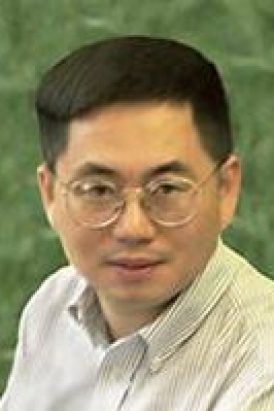
Dr. Yin-Long Qiu is an Associate Professor in the Department of Ecology and Evolutionary Biology at the University of Michigan, where he also serves as Associate Curator of the U-M Herbarium. His research focuses on understanding the evolution of land plants through molecular approaches. Dr. Qiu received his Ph.D. from the University of North Carolina, Chapel Hill in 1993, followed by an NIH postdoctoral fellowship at Indiana University in 1997. His academic journey has positioned him as a leading researcher in plant evolutionary biology. Dr. Qiu's research spans three primary areas: reconstructing plant phylogeny using molecular approaches, investigating evolution of mitochondrial and nuclear genomes in early land plants, and examining the effects of environmental changes on plant evolution. His work has particularly focused on group II introns in mitochondrial genomes, early land plant diversification patterns, and the genetic basis of plant-environment interactions. His lab continues to advance knowledge in these areas while developing new projects on nuclear genome evolution, particularly the roles of introns and transposons. Analysis of Dr. Qiu's publication record reveals a consistent focus on plant evolutionary genomics, with particular emphasis on mitochondrial genome evolution across land plants. His research spans from molecular dating of plant divergences to detailed genomic structural analyses, with significant contributions to understanding bryophytes, lycophytes, and early vascular plants. NIH postdoctoral fellowship Dr. Qiu teaches Plant Evolution (EEB 420), an advanced course that covers plant phylogeny, evolutionary genomics, evolutionary developmental biology, and evolutionary ecology of plants. His graduate student Alexander Taylor continues his research tradition in plant evolutionary studies. Dr. Qiu's work has been supported by various research grants that have enabled extensive genomic analyses across diverse plant lineages. As Associate Curator of the U-M Herbarium, Dr. Qiu integrates traditional botanical resources with modern genomic approaches to advance plant evolutionary research.
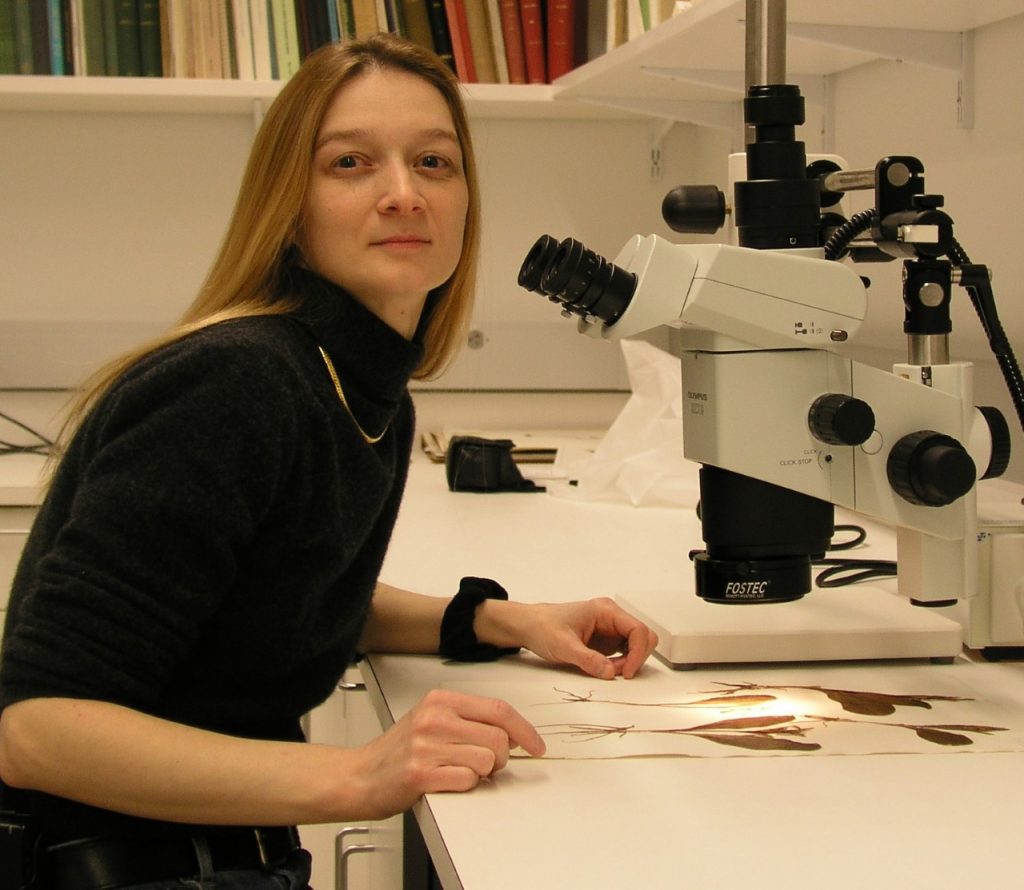
Prof. Dr. Julia Bechteler is a leading researcher in plant systematics and evolutionary biology at Ludwig-Maximilians-Universität München (LMU) since 2024. Her work bridges molecular phylogenetics, ecological transcriptomics, and biogeography with a focus on non-vascular plants and desert flora. Current affiliations: Professor for Plant Phylogenomics and Systematics at LMU Past affiliations: Junior-Professor at RPTU (2023-2024), substitution professor at University of Bonn (2022-2023) Her research centers on two major areas: Arid habitat adaptation – Using transcriptomic and genomic analyses of desert plants like Loasaceae and Cucurbitaceae in the Atacama and Namib Deserts through projects DFG CRC1211 B07: Desert transcriptomics and BMBF FRAMe . Bryophyte evolution – Studying phylogenetic patterns and ecological transitions in epiphytic liverworts (Metzgeriaceae, Lejeuneaceae) through integrative taxonomy and molecular systematics. Article trends show strong focus on: Evolutionary mechanisms in arid environments Phylogenomic dating of bryophyte lineages Biogeographic patterns in tropical and desert plants Fossil record analysis using amber-preserved specimens She actively trains students in molecular biodiversity research, trait evolution analysis, and environmental interaction studies, maintaining a lab group with researchers working on cultivation protocols and phylogenetic analyses.
Joseph B. Yavitt is a Professor in the Department of Natural Resources and the Environment at Cornell University, within the College of Agriculture and Life Sciences. His research focuses on ecosystem ecology, with emphasis on wetland and forest dynamics, biogeochemical cycles, and tropical forest ecosystems. He leads global research networks studying peatlands from Canada to the southern Appalachian Mountains and tropical forests in Panama, alongside local studies near Cornell. Education: Doctorate from the University of Wyoming (1984), Master of Science from the University of Arizona (1979), and Bachelor of Arts from the University of California, Santa Barbara (1977). Research interests include soil carbon dynamics, methane emissions, and plant-microbe interactions, with recent work addressing climate change impacts on ecosystems. Awards include AAAS Fellowship (2018) and Sigma Xi membership (1984). He teaches courses such as NTRES 2010 (Environmental Conservation) and NTRES 3030 (Introduction to Biogeochemistry). Key publications include studies on peatland rehabilitation in Ontario, nitrogen cycling in tropical forests, and soil fauna roles in decomposition. His work often combines field experiments, isotopic tracing, and microbial community analyses to understand ecosystem function.
Nico Cellinese is a Professor of Biology and Curator of the Herbarium & Informatics at the Florida Museum of Natural History, University of Florida. He holds joint appointments in the School of Natural Resources and Environment and the Genetics Institute. His research focuses on plant systematics, evolution, biogeography, and informatics, with expertise in phylogenomics and biodiversity data integration. Education : Ph.D. in Natural History Museum and University of Reading, UK. Affiliations : Cellinese Lab, Florida Museum Herbarium (FLAS), and collaborations with global institutions. Research interests include the evolutionary history of plant groups like Campanulaceae, Melastomataceae, and Ledebouria. Key projects involve NSF-funded studies on plant coexistence mechanisms, Melastomataceae phylogenomics, and biodiversity informatics. He develops tools like RegNum and Phyloref.org to enhance phyloinformatics and taxonomic data accessibility. Notable grants include a $1.5M study on Lobelia species coexistence and a $3.6M project digitizing lichen and bryophyte collections. Teaching includes courses on phylogenetic systematics, evolutionary biogeography, and plant taxonomy. Cellinese has conducted fieldwork across Asia, Australasia, South America, and Europe, emphasizing global biodiversity conservation and the impacts of climate change. His work bridges systematics, informatics, and conservation to address pressing ecological and evolutionary questions.
A. Jonathan Shaw is a Professor of Biology at Duke University's Trinity College of Arts & Sciences, specializing in Sphagnum (peat moss) genomics, evolutionary ecology, and bryophyte systematics. His work bridges molecular phylogenetics, carbon cycling, and ecosystem dynamics. Ph.D., University of Michigan, Ann Arbor (1983) M.S., University of Alberta (1980) B.S., Cornell University (1977) Research focuses on Sphagnum's role in peatland carbon sequestration, microbial symbiosis, and phylogenetic discordance in rapidly radiated bryophytes. He investigates how genetic and environmental factors shape niche construction and diversification patterns. Scientific Awards include the Richard Spruce Award (International Association of Bryologists, 2010) and the William Starling Sullivant Award (American Bryological Society, 2000). His recent publications explore sex chromosome evolution in peat mosses, microbiome-mediated climate resilience, and hybridization-driven speciation. As a professional leader , he served as President of the American Bryological and Lichenological Society (2013-2015) and as Associate Editor for journals like Molecular Phylogenetics and Evolution . His teaching includes courses on plant diversity, grant writing, and independent research.
David Krayesky is an Associate Professor in the Department of Biology at Slippery Rock University. He specializes in phycology with a focus on marine red algae taxonomy and evolution, particularly non-calcified crustose red algae and the genus Caloglossa. He also maintains a strong interest in bryophyte taxonomy and evolution. His research combines classical morphological approaches with molecular techniques to clarify species boundaries and define higher-level taxonomic relationships. Dr. Krayesky's educational background includes a PhD in Environmental Biology and Evolution from the University of Louisiana at Lafayette (2002-2007), where he focused on Marine Phycology: systematics and evolution. Prior to that, he earned a degree from Southern Illinois University Carbondale (1998-2000) in Bryology: systematics and evolution, and completed his undergraduate studies at Johnson State College (1991-1995) in Natural Resources and Environmental Biology. His research interests span multiple areas of botanical science with emphasis on marine and freshwater ecosystems. Krayesky's work primarily focuses on: Taxonomy and systematics of marine red algae (Rhodophyta) Evolutionary relationships within crustose red algae Bryophyte diversity and classification Regional flora documentation, particularly in Pennsylvania Marine biodiversity assessment in the Gulf of Mexico His approach integrates traditional taxonomic methods with molecular techniques to address complex questions in algal systematics. Analysis of Dr. Krayesky's recent publications reveals a strong focus on regional biodiversity documentation, particularly in Pennsylvania, with significant contributions to understanding lichen, bryophyte, and vascular plant distributions. His taxonomic expertise is evident in numerous studies on red algae systematics, especially within the families Peyssonneliaceae and Delesseriaceae. A notable trend in his work is the application of molecular techniques to resolve taxonomic uncertainties, particularly in the genus Caloglossa. His research also addresses ecological concerns such as invasive species monitoring and post-disaster ecological assessment, as evidenced by studies following the Deepwater Horizon oil spill. Dr. Krayesky contributes significantly to botanical education through his teaching of various courses including General Botany, Plant Systematics, Field Botany, and Plant Anatomy. His educational materials, such as the General Botany Laboratory Manual, demonstrate his commitment to undergraduate science education. His research collaborations extend across multiple institutions, with frequent co-authorship with researchers from the University of North Carolina, Smithsonian Institution, and various international partners. While specific awards are not documented in the available information, his substantial publication record (36 publications with over 78,000 reads and 302 citations) indicates significant recognition within his field. Dr. Krayesky is affiliated with Barbara Crandall-Stotler's Lab at Slippery Rock University, where he continues his research on algal and bryophyte systematics. His work contributes to broader understanding of biodiversity patterns and provides critical baseline data for conservation efforts, particularly in regional ecosystems of Pennsylvania and marine environments of the Gulf of Mexico.
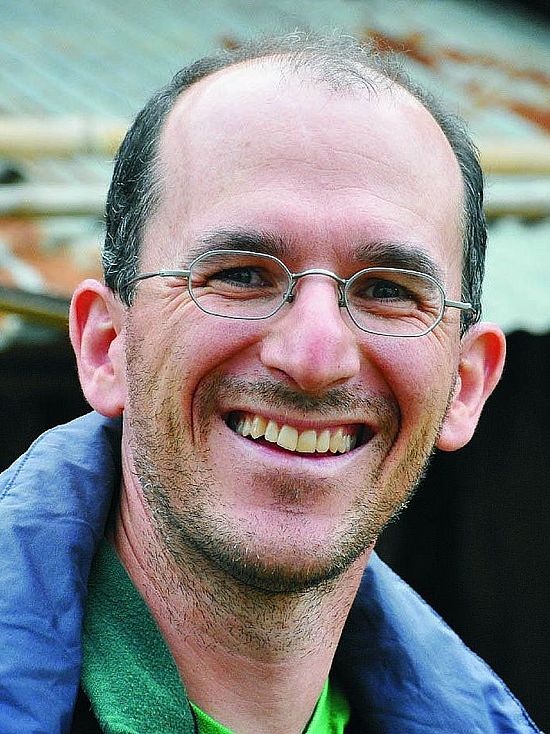
Michael Kessler is a Researcher at the University of Zurich , affiliated with the Department of Systematic and Evolutionary Botany and Botanical Garden. His work focuses on tropical plant biodiversity and biogeography, investigating the interplay of biotic and abiotic factors with evolutionary processes in regions such as the Andes, Central America, Africa, Indonesia, and the Philippines. Key research areas include fern flora systematics, epiphytic plant ecology, and climate-vegetation interactions in alpine and tropical ecosystems. He employs GIS modeling to analyze plant distribution-climate relationships and explores functional diversity drivers in fern communities. His recent publications highlight global patterns in fern phylogenetics, conservation challenges in tropical cloud forests, and elevational biodiversity dynamics. Collaborations span institutions in the USA (A.R. Smith, J. Grant), Germany (A. Widmer), and Switzerland (G. Zotz, D. Croll).
Kristian Hassel is a Professor and Head of Herbarium TRH at the NTNU University Museum (Norwegian University of Science and Technology). His research focuses on Arctic bryophyte ecology, biosystematics, and conservation, particularly Sphagnum species. He leads Norway's red list assessments for bryophytes and chairs the Nordic Bryological Society. His work combines field studies in Greenland and Svalbard with genomic approaches to study speciation and climate impacts. Affiliations: NTNU University Museum, Department of Natural History Roles: Professor, Herbarium TRH Director, Nordic Bryological Society President Key Projects: Norwegian Taxonomy Initiative, MIRACLE (Mires and Climate), Nordic bryophyte conservation networks Research emphasizes Arctic ecosystems' responses to climate change through metabarcoding, fossil pollen studies, and species distribution modeling. Recent work addresses Sphagnum peatmoss genetics and conservation of carbon-sequestering mires. Publications span 2018–2025, with contributions to New Phytologist , American Journal of Botany , and bryological journals. Active in red-listing assessments and policy advising on mire protection.
Bengt-Gunnar Jonsson is a Professor in the Department of Biology at Mid Sweden University's School of Natural Science, Design and Sustainable Development. With over 25 years of research experience, he specializes in boreal forest ecology, deadwood dynamics, and biodiversity conservation. His work focuses on wood-inhabiting fungi , lichen communities , and forest fragmentation effects , particularly in northern Sweden's high conservation value forests . Jonsson has been pivotal in developing green infrastructure models and climate-adaptive forestry strategies . Key research themes: forest conservation, fungal ecology, climate change mitigation, deadwood management Research tools: presence-absence sampling, Bayesian modeling, long-term ecological monitoring Policy contributions: EU Biodiversity Strategy evaluations, IPBES initiatives His recent publications (2025-2020) demonstrate sustained expertise in forest carbon dynamics , saproxylic community analysis , and landscape-scale conservation . Jonsson frequently collaborates with international researchers on temperate and boreal forest biodiversity , with notable work on functional ecology and ecosystem service trade-offs . Current projects include 'Climate - collaborative learning initiative' and 'Functional green infrastructure in boreal forests' . Scientific contributions span multiple systematic reviews in environmental management, including Forest Ecology and Management and Environmental Research Letters . He has co-authored Cambridge University Press 's Biodiversity in Dead Wood and contributed to IPBES policy frameworks. Jonsson's research integrates empirical forest monitoring with theoretical ecological modeling , particularly in wood decomposition processes and fungal community dynamics .
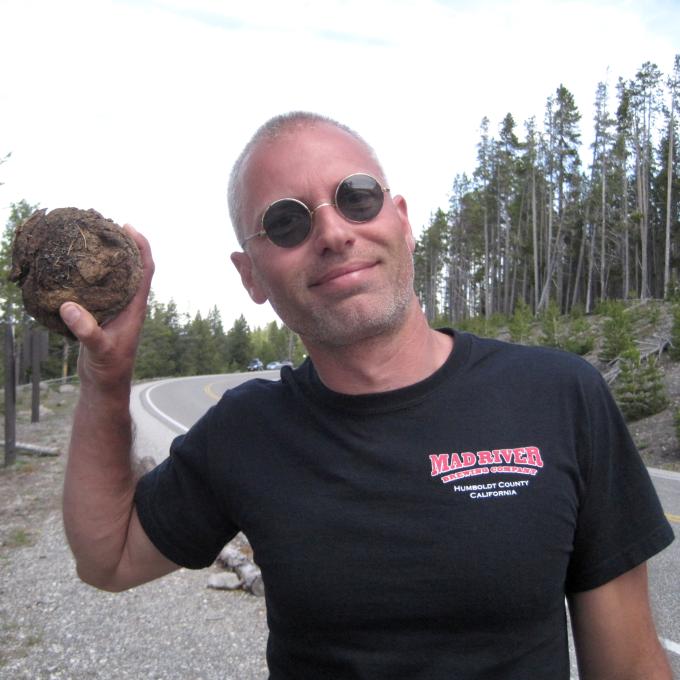
Mihai Tomescu is a Professor of Botany in the Department of Biological Sciences at Cal Poly Humboldt (formerly Humboldt State University), where he has established a renowned research program in paleobotany and plant evolutionary biology. Originally from Romania, he earned his MSc from the University of Bucharest and his PhD from Ohio University in 2004. His work bridges the fossil record with developmental biology to understand fundamental patterns in plant evolution. Dr. Tomescu's research interests focus on the plant fossil record, comparative morphology, and developmental anatomy to understand the evolution of plant form, patterns of plant diversity through geological time, and plant phylogeny. His laboratory investigates fossil studies of Late Ordovician–Silurian terrestrial biotas, Early Devonian floras, and plant diversity in Early Permian and Early Cretaceous periods. He maintains active field research programs in Wyoming (Beartooth Butte Formation), Quebec (Battery Point Formation), California (Budden Canyon Formation), and Patagonia. His work on boundary layers, vascular architecture, and the evolution of key plant features like roots and leaves has significantly advanced our understanding of plant morphological evolution. His most recent publications span topics from Devonian plant evolution to bryophyte fossil records, demonstrating a strong focus on integrating developmental perspectives with paleobotanical evidence. The research shows consistent themes in understanding plant body plan evolution, with particular attention to modular developmental patterns and their fossil signatures across geological time. Dr. Tomescu has mentored numerous undergraduate and graduate students, many of whom have received prestigious awards and gone on to successful careers in academia and related fields. His lab has produced significant research output with students frequently presenting at national meetings and publishing in top botanical journals. His laboratory maintains active research programs in multiple areas including Early Devonian floras, cryptogamic paleobotany, origin of land plants, plant morphological evolution, and paleobotany of Northern California and Patagonia. The lab utilizes diverse techniques from fossil preparation to comparative anatomy and collaborates with institutions worldwide including Oregon State University, Museo Paleontologico Egidio Feruglio in Argentina, and the Smithsonian Institution.
Professor Greg Jordan is a faculty member at the University of Tasmania's School of Natural Sciences, specializing in Biological Sciences. He holds a PhD and BSc(Hons) from the University of Tasmania. His research focuses on plant responses to environmental change over timescales from years to millions of years, integrating fossil evidence, plant physiology, and phylogenetics. He has supervised 30 PhD and 35 honours students. Key research areas include palaeoecology, plant systematics, and climate change impacts on vegetation. Notable projects include studies on leaf anatomy, conifer evolution, and forest management practices. He has secured over $16 million in grant funding for projects like drought resilience and forest biodiversity conservation. Awards include the 2005 Bullard Fellowship at Harvard. Teaching responsibilities include courses on plant ecology, evolution, and field botany. Administrative roles include former Head of Biological Sciences (2018–2021). Research highlights include groundbreaking work on Tasmanian palaeoendemic flora and the use of LiDAR for forest structure analysis. Collaborations span institutions like the University of Adelaide and University of Otago. Current projects explore leaf cuticle-environment links and conifer hydraulic vulnerability.
Quentin Charles Cronk is a Professor in the Department of Botany, Faculty of Science, at the University of British Columbia (UBC). His research at the Biodiversity Research Centre integrates comparative genomics , molecular developmental biology , and evolutionary biology to study plant form, focusing on the evolution of morphological diversity in Leguminosae (floral morphology) and Populus trichocarpa (adaptive tree evolution). He employs next-generation sequencing of genomes and transcriptomes, with funding from NSERC and Genome Canada. Research Themes : Adaptive evolution, hybridization, epigenetics, floral development, conservation genomics. Model Organisms : Leguminosae (pea family), black cottonwood trees, Macaronesian Lotus , European Salix . Scientific Collaborations : His lab collaborates with researchers like Dr. Diana Percy (plant-insect interactions) and has hosted postdocs and students studying topics such as pollination syndromes, plastid genomics, and population differentiation. Current PhD students include Nicholas Bard (with Dr. Jonathan Davies), Mikko Paajanen (St Helena flora conservation), and Saskia Wolsak (Bermuda ethnobotany). Key Publications highlight his work on adaptive introgression in poplars, floral symmetry genetics, conservation of island endemics, and ultrabarcoding using plastid genomes. Former lab members like Dr. Armando Geraldes and Dr. Daisie Huang have advanced population and evolutionary genomics.
Anna Mežaka is an Associate Professor at Latvia University of Life Sciences and Technologies in the Faculty of Forest Science and Environmental Sciences, and concurrently serves as Visiting Associate Professor and Senior Researcher at Daugavpils University's Institute of Life Sciences and Technology. Her academic career spans multiple Latvian institutions including Rezekne Academy of Technologies and University of Latvia, with significant international research experience at Philipps University of Marburg in Germany and fieldwork in Panama, Russia, and the United States. Dr. Mežaka earned her Dr biol. degree from the University of Latvia's Faculty of Biology (2006-2009), progressing through academic ranks from Scientific Assistant and Lecturer to her current senior positions. She holds leadership roles including Senator on the Daugavpils University Senate (since 2023) and membership on the Doctoral board in Biology at Daugavpils University. Her research program focuses on bryophyte and lichen ecology within broader conservation and forest management contexts. Dr. Mežaka has conducted extensive field studies examining species distribution patterns, conservation requirements of rare bryophytes, and ecological responses to forest management practices across diverse ecosystems including temperate forests, boreal-nemoral zones, tropical mangroves, and peatlands. Her work bridges fundamental ecological questions with practical conservation applications, particularly regarding EU habitat directive implementation. Analysis of Dr. Mežaka's publication record reveals consistent thematic focus on epiphytic bryophyte and lichen communities, with particular emphasis on forest ecosystems across multiple biomes. Her research demonstrates sophisticated methodological approaches including transplant experiments, spatial analysis of community structure, and multi-scale habitat assessments. International collaboration features prominently in her work, with projects spanning Europe, North America, and Central America, reflecting the global significance of bryophyte ecology research. Dr. Mežaka has secured substantial research funding from diverse sources including Latvia's State Forests (current project on Odontoschisma denudatum ecology through 2028), Latvian Council of Science, State Education Development Agency of Latvia, Horizon 2020 Framework Programme, European Union's SYNTHESIS programme, and the Fulbright U.S. Scholar Program. These grants support her investigations into bryophyte conservation, forest ecology, and invasive species dynamics. Professionally, she is an active member of the Latvian Botanical Society (heading the Latvian Bryophyte group), International Association of Bryologists, British Ecological Society, and British Bryological Society. Her institutional service includes significant contributions to university governance and doctoral education through her Senate membership and Doctoral board participation.
Kristian Hassel is a Professor of Botany and Head of Department at the Norwegian University of Science and Technology (NTNU) . His research focuses on bryology, plant taxonomy, and ecological studies of mosses and liverworts in Arctic and boreal ecosystems. Specializes in moss taxonomy and ecological adaptation Active in studying peat bogs and liverwort biodiversity Engages in systematic classification of cryptogamic plants Research Interests : Kristian's work centers on the taxonomy, morphology, and ecological distribution of mosses, particularly needle-mosses (e.g., yellow needle-moss , black needle-moss ) and bog-associated species like vrangmose . He studies their adaptation to extreme environments, classification within the order Sphagnales, and conservation in the context of climate change impacts. Key Article Trends : Recent publications emphasize moss taxonomy (2025), ecological modeling (2025), and photographic documentation of cryptogamic species (2024). His work spans both field-based observations and systematic classification across 16 subject categories including liverworts, peat mosses, and brambles. Labs & Affiliations : Leads the Department of Botany at NTNU, contributing to research in the Order of the Bear Moose, Leaf mosses, and Liverworts categories. His lab's activity includes collaborations on spore moss systems and dung moose habitats, though specific team members are not listed.