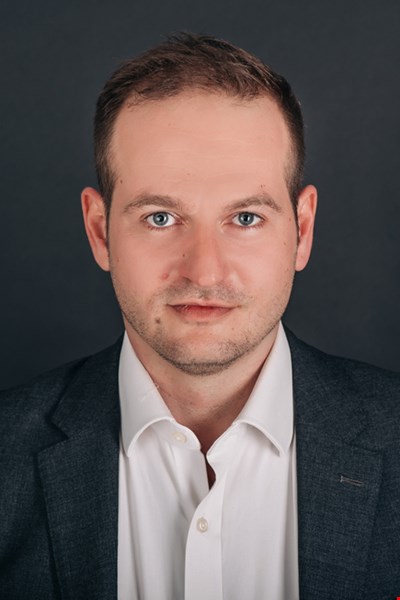
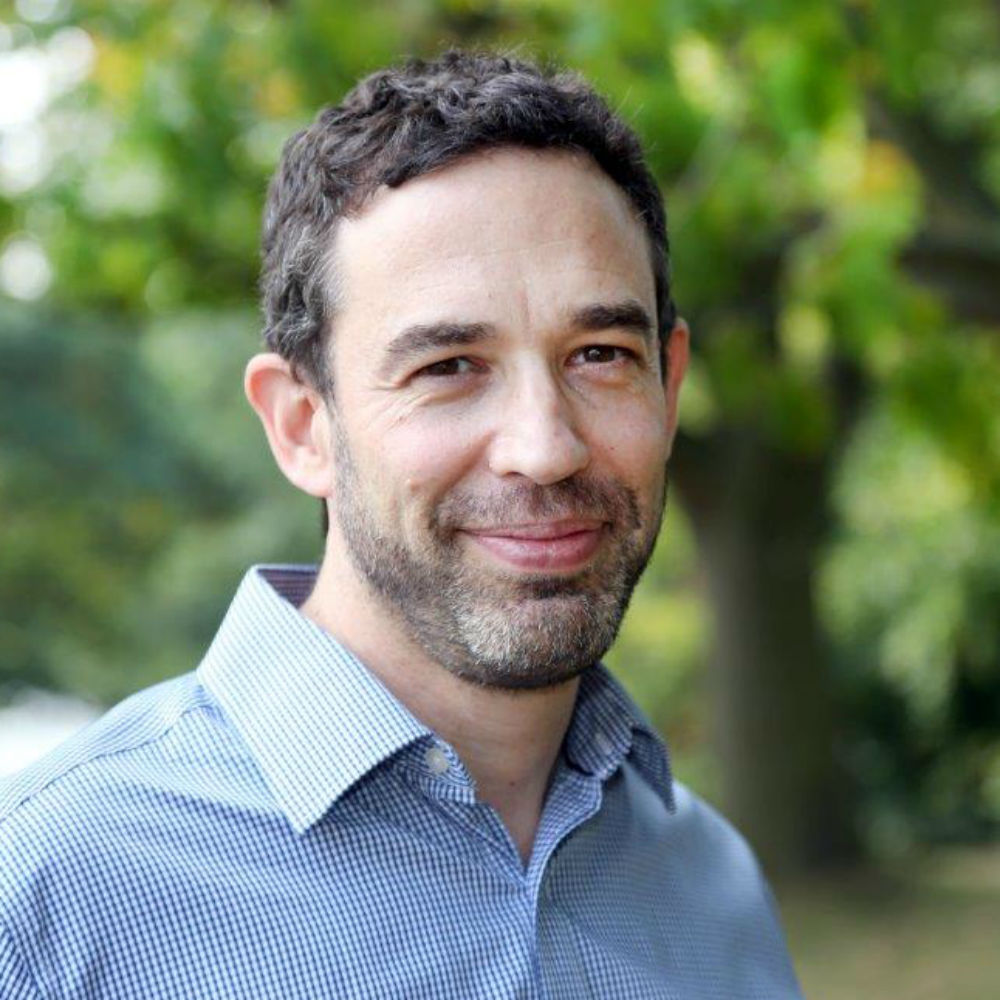
Apostolos Fasianos is a Lecturer in Economics at Brunel University London, specializing in macroeconomic implications of household financial behavior. Prior roles include economist positions at the Hellenic Ministry of Finance (2017-2020) and Central Bank of Ireland (2016-2017) , with collaborative research spanning the Bank of England and Reserve Bank of New Zealand . PhD in Economics, University of Limerick MSc in Economic Development, University of Glasgow MPhil in Economics, University of Athens Research focuses on household finance , housing economics , monetary policy , and economic inequalities . Recent work explores AI-enabled technological shocks on UK labor markets via Bayesian VAR modeling and textual patent analysis. Publications span topics like wealth inequality , housing market asymmetries , and financialization trends . Selected publications highlight interdisciplinary approaches, merging macroeconomic theory with empirical analysis of crises (e.g., Covid-19 ), housing markets, and historical financial trends. Key methodologies include textual analysis , VAR modeling , and spatial econometrics . Active in policy analysis, Fasianos represented Greece in international forums such as the EPC - Ageing Working Group and OECD Working Party 1 . Current projects include a 2023-2024 BRIEF AWARDS grant on AI’s macroeconomic impacts.
Bernadka Dubicka is a Clinical Professor and Honorary Clinical Chair in the Division of Neuroscience at the University of Manchester. She holds dual roles as a research lead at Pennine Care NHS Foundation Trust and as the child and adolescent mental health research lead for Health Innovation Manchester. She is the Editor-in-Chief of the Journal of Child and Adolescent Mental Health and previously served as Chair of the Child and Adolescent Faculty at the Royal College of Psychiatrists (2017–2021). Her academic qualifications include a BSc in Psychology and MBBs from University College London, followed by FRCPsych accreditation in child psychiatry. She earned a gold medal for her MD thesis on behavioral disorder implications in depression. Dubicka’s research focuses on adolescent depression, mood disorders, and brief interventions, including the IMPACT and STADIA trials evaluating psychological treatments and standardized diagnostic assessments. Her work also addresses technology’s role in youth mental health and the eco-crisis’s mental health impacts. Education: BSc Psychology, University College London MBBs, University of London MD Thesis (Gold Medal), University College London FRCPsych, Royal College of Psychiatrists Her research spans depression treatment efficacy, behavioral activation, and cross-national studies on pediatric bipolar disorder. She collaborates internationally and has led over 49 publications. Awards include a gold medal for her thesis and recognition as an RCPsych Fellow. Her work also emphasizes policy advocacy, such as addressing digital rights for children and mental health responses to climate change (e.g., COP26 contributions). She trains clinicians in brief psychosocial interventions and behavioral activation through academic programs and national courses. Grants & Funding: Co-investigator on the £1.1M HTA-funded STADIA trial evaluating remote mental health assessments. Principal investigator on the IMPACT trial, one of the largest adolescent depression trials globally. Labs/Teams: Collaborations include the University of Cambridge (IMPACT trial), University of Nottingham (STADIA), and international taskforces on treatment-resistant depression.
Scott D. Landes is a Professor in the Sociology Department at Syracuse University's Maxwell School of Citizenship and Public Affairs. He holds affiliations with the Aging Studies Institute, Lerner Center for Public Health Promotion, and Center for Aging and Policy Studies. Landes earned his Ph.D. in Sociology from the University of Florida in 2014. His research focuses on disability mortality disparities, veteran health outcomes, and the intersection of disability with medical and social theory. Education: Ph.D. in Sociology, University of Florida, 2014 Research Interests: Landes investigates mortality trends for disabled adults and veterans, disability theory integration with life course frameworks, and data equity in disability measurement. His work addresses systemic undercounting of disability in federal surveys and explores racial/ethnic disparities in lifespan outcomes for individuals with intellectual/developmental disabilities (IDD). Recent Research Trends: His publications analyze pandemic impacts on IDD populations, combat veteran longevity, and diagnostic overshadowing in mortality reporting. Recent work critiques Washington Group disability measures' limitations and advocates for improved data collection methods. Awards: 2025 Excellence in Graduate Education Faculty Recognition Award O’Hanley Faculty Scholar (Syracuse University) NIH-funded research projects on aging policy and mortality disparities Advising & Grants: Recipient of multiple National Institutes of Health grants. Advises on disability data equity initiatives and participates in interdisciplinary teams addressing veteran health disparities. Supervises graduate research on IDD lifespan trajectories and pandemic vulnerability. Labs/Teams: Core member of Syracuse’s Aging Studies Institute and Lerner Center for Public Health Promotion. Collaborates with the Center for Aging and Policy Studies on federal health data projects. Engages with national disability advocacy groups through research briefs and policy consultations.
Univ-Prof. Dr. med. Malek Bajbouj serves as Director of the Institute for Affective Neuroscience and Emotion Modulation at Charité – University Medicine Berlin's Campus Benjamin Franklin (CBF), operating within the Department of Neurology, Neurosurgery and Psychiatry (CC 15). His position integrates clinical leadership with translational neuroscience research focused on severe mental illnesses. Dr. Bajbouj's research program centers on affective neuroscience and emotion dysregulation mechanisms in psychiatric disorders, particularly schizophrenia spectrum conditions and depression. He pioneers multimodal intervention approaches combining neuromodulation (tDCS), oxytocin augmentation, mindfulness therapies, and digital health tools. His work emphasizes translational biomarker development using neuroimaging, machine learning, and physiological stress parameter analysis to personalize treatment for treatment-resistant populations. Analysis of his 2023-2025 publications reveals three dominant research trajectories: (1) novel treatment combinations for negative symptoms in schizophrenia (oxytocin + mindfulness, yoga therapy); (2) real-world implementation of neuromodulation (at-home tDCS protocols, technical efficacy monitoring); and (3) global mental health responses to crises (pandemic impacts on vulnerable groups, culturally adapted refugee interventions). His methodology consistently employs rigorous randomized controlled trials with embedded biomarker studies. As director of his eponymous institute, Dr. Bajbouj leads a multidisciplinary team conducting neuroimaging studies, clinical trials, and international collaborations focused on emotion modulation pathways. The institute coordinates research across CC 15's clinical infrastructure at CBF Building V, with particular emphasis on bridging laboratory neuroscience with clinical psychiatry through the DepressionDC and OXYMIND trial frameworks.
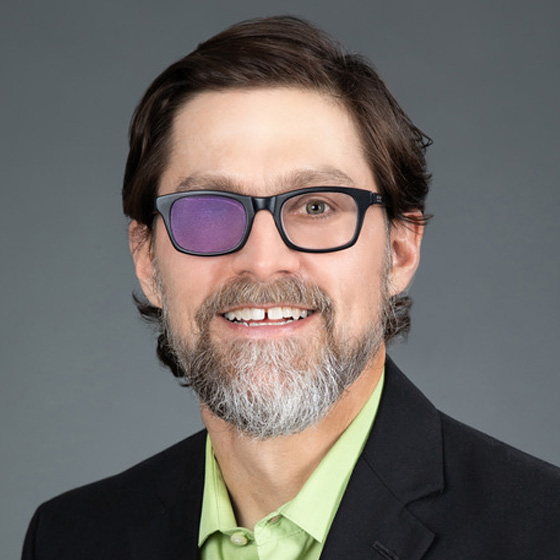
Bruce W. Smith is an Associate Professor at the University of New Mexico, College of Arts and Sciences, Department of Psychology. His research focuses on resilience , mindfulness interventions , and positive psychology with applications in health and stress management. Ph.D., Arizona State University (2002) Director, The Phoenix Lab Email: bwsmith@unm.edu Smith's research investigates how individuals bounce back from stress and adversity, including through mindfulness , positive psychology , and narrative-based approaches like the "hero’s journey". He developed the Brief Resilience Scale , widely used in stress and health research. His work spans health psychology, examining stress responses in chronic illness (cancer, cardiovascular disease) and emergency responders (firefighters). He has also explored mindfulness-based adaptations for Latino communities and positive psychology classes that improve student well-being. Smith teaches courses in Health Psychology , Positive Psychology , and Psychology Teaching Practicum . Current graduate students in his lab include Kaitlyn Schodt and Naila deCruz-Dixon . He is not accepting new students for Fall 2025 or 2024. Key themes across his publications (2008-2023) include: Resilience measurement and applications Mindfulness in stress reduction Positive psychology interventions Cultural adaptations for mental health His work emphasizes practical applications in both clinical settings and educational environments , with a focus on undergraduate well-being and trauma-informed approaches to personal growth.
Sarah Woolf-King is an Assistant Adjunct Professor in the Department of Medicine at the University of California, San Francisco (UCSF), School of Medicine. She is a licensed clinical psychologist (CA PSY28178) whose research bridges psychology and health, with a strong focus on substance use, HIV, and mental health in families affected by congenital heart defects. Her educational background includes a B.S. in Psychology from Arizona State University (2002), an M.S./Ph.D. in Clinical Psychology from Syracuse University (2010), an M.P.H. in Epidemiology from UC Berkeley (2011), a clinical internship in Behavioral Medicine at VA Palo Alto (2010), and a T32 Postdoctoral Fellowship at UCSF’s Center for AIDS Prevention Studies (2013). Dr. Woolf-King’s research centers on two primary areas: (1) the impact of alcohol use on HIV treatment and prevention, particularly among HIV-positive men who have sex with men (MSM) and in East African populations, and (2) the mental health needs of parents of children with critical congenital heart defects (CHD). Her work employs diverse methodologies, including daily data collection, qualitative interviews, randomized trials, and biomarker validation (e.g., PEth). She aims to develop integrated behavioral interventions to improve health outcomes for individuals and families coping with chronic illness. Her recent publications (2023–2025) reflect a consistent focus on alcohol use in the context of HIV, with studies on counseling interventions, digital screening, remote biomarker collection, and behavioral mechanisms. There is also growing attention to mental health in vulnerable populations, including college students and parents of children with genetic or cardiac conditions. Her work is increasingly interdisciplinary, combining psychology, epidemiology, public health, and global health. Scientific Awards: Hellman Fellow, Hellman Fellows Fund (2015–2017) Mentored Research Scientist Development Award (K01), NIH/NIAAA (2013–2018) Loan Repayment Program in Clinical Research, NIH/NIAAA (2011–2016) Ruth L. Kirschstein National Research Service Award (F31), NIH/NIAAA (2008–2010) Mentored Scientist Award in HIV/AIDS, UCSF CFAR (2012–2014) Dr. Woolf-King has served as Principal Investigator on NIH-funded projects, including an R34 grant for a brief ACT intervention for HIV-positive hazardous drinkers and a K01 grant on alcohol and sexual risk behavior. She collaborates extensively with researchers at UCSF and in East Africa, particularly Uganda. While her adjunct title suggests a part-time or non-tenure-track role, she maintains an active research program with significant grant support and a robust publication record. There is no indication of retirement or former staff status.
Laura Robinson is a Senior Lecturer at the School of Psychology , University of Wollongong. She holds a Doctor of Philosophy in Psychology and extensive teaching experience in behavioral sciences, statistics, and applied psychology. Education : PhD in Psychology (2017), Postgraduate Diploma in Psychology (2010), Bachelor of Psychology (2009), and Bachelor of Aviation (2004) Her research focuses on vulnerable populations, particularly women and youth, with expertise in substance use disorders, eating disorders, mental health comorbidity, and health equity. She has published extensively on residential treatment outcomes, continuing care interventions, and stigma reduction in mental healthcare. Recent publications highlight longitudinal analyses of psychological distress, weight stigma, and integrated approaches to substance use and physical health. She supervises PhD students on topics like veterans' mental health, methamphetamine use, and suicide prevention. Laura has received funding from internal and external sources, including grants for stimulant use interventions and health literacy studies. She serves on committees like the Australasian Professional Society for Alcohol and Drugs and contributes to peer-reviewed journals as a reviewer.
Constantine (Costa) Samaras is the Trustee Professor of Civil and Environmental Engineering and Director of the Wilton E. Scott Institute for Energy Innovation at Carnegie Mellon University. He is also affiliated with the Department of Engineering and Public Policy and holds a courtesy appointment in the Heinz College of Information Systems and Public Policy. Director, Scott Institute for Energy Innovation Trustee Professor, Civil and Environmental Engineering Affiliated Faculty, Engineering and Public Policy Courtesy Faculty, Heinz College of Information Systems and Public Policy His research focuses on systems engineering approaches to climate resilience , clean energy transitions , and infrastructure security . Key areas include: Transportation electrification and automation Climate adaptation for infrastructure Energy policy under uncertainty AI impacts on energy systems Equity in decarbonization National security implications of energy Costa Samaras co-authored 15 recent studies spanning energy burden analysis, climate hazard indices, AI training energy optimization, and nature-based infrastructure solutions. His work emphasizes transdisciplinary collaboration between engineering, policy, and climate science. Notable scientific recognition includes being named Professor of the Year by the Pittsburgh Section of the American Society of Civil Engineers in 2018. He has led significant policy engagements including White House service (2021-2024) as Principal Assistant Director for Energy and Chief Advisor for Clean Energy Transition. Current affiliations include: Founder/Director, Center for Engineering and Resilience for Climate Adaptation Founder/Director, Power Sector Carbon Index Former Senior Researcher, RAND Corporation (2009-2014) Former Adjunct Senior Analyst, RAND Corporation (2014-2021)
Dr. Sara J Becker is a licensed clinical psychologist and implementation scientist at Northwestern University's Feinberg School of Medicine. She serves as the Inaugural Director of the Center for Dissemination and Implementation Science within the Institute for Public Health and Medicine (IPHAM) and holds the Alice Hamilton Professor of Psychiatry title. Her work bridges research and practice, focusing on equitable adoption of evidence-based treatments in community and clinical settings. Education: BA from Dartmouth College (2000), PhD in Clinical Psychology from Duke University (2009), internship at McLean Hospital/Harvard Medical School (2009), and postdoctoral fellowship at Brown University (2011). Dr. Becker’s research spans patient-focused dissemination strategies (e.g., technology-assisted interventions) and provider-focused implementation approaches (e.g., workforce development). Her recent publications highlight innovations in youth substance use treatment, cancer care, HIV prevention, and school-based mental health interventions, emphasizing equitable healthcare access. She has received prestigious awards, including the NIDA MERIT Award (2021) and the Society for Implementation Research Collaboration’s Best Research Symposium Award (2022). Dr. Becker co-leads two NIH-funded centers advancing implementation science and mentors extensively in the field. Scientific Advisory Roles: Substance Abuse and Mental Health Services Administration (2023-2024) NIDA Merit Award Advisory Board (2022-2023) Dr. Becker actively contributes as an editorial board member for Contemporary Clinical Trials and Journal of Substance Use & Addiction Treatment . She also serves on national conference planning committees and NIH review panels.
Professor Bernadka Dubicka serves as Chair of Child and Adolescent Psychiatry at Hull York Medical School and is a consultant child and adolescent psychiatrist with Greater Manchester Mental Health Trust. She holds an honorary Chair at Manchester Academic Health Science Centre (University of Manchester) and serves as Editor in Chief of the Journal of Child and Adolescent Mental Health. Her academic qualifications include a BSc, MB BS, and MD. Trained in child and adolescent psychiatry in London and Manchester, she maintains an active clinical-academic career bridging research and service delivery. Dubicka's research program centers on mood disorders in youth, with pioneering work on brief interventions for adolescent depression. Her ADAPT trial demonstrated treatment-as-usual efficacy comparable to specialized CBT, while the landmark IMPACT trial established brief psychosocial interventions as cost-effective alternatives to specialized therapies - evidence adopted by NICE guidelines. Current work focuses on optimizing remote delivery of behavioral activation through multi-site HTA trials, examining technology-environment-mental health intersections, and addressing systemic inequalities in CAMHS provision. Her distinguished contributions are recognized through the MD thesis gold medal (2009), FRCPsych (2015), National ACCEA bronze award (2015/2022), and North West CRN research award (2021). As Chief Investigator for £2.09M HTA-funded trials and Principle Investigator across multiple national studies (STADIA, Far Away from Home, INSIGHT), she drives innovation in depression treatment and service delivery. Through extensive collaborations with Manchester, Nottingham, Newcastle and Cambridge universities, and leadership roles including past Chair of RCPsych Child and Adolescent Faculty (2017-2021), she shapes mental health policy via parliamentary testimony, media engagement (BBC, Newsnight), and international advisory work including COP26 representation and EU Parliament consultation.
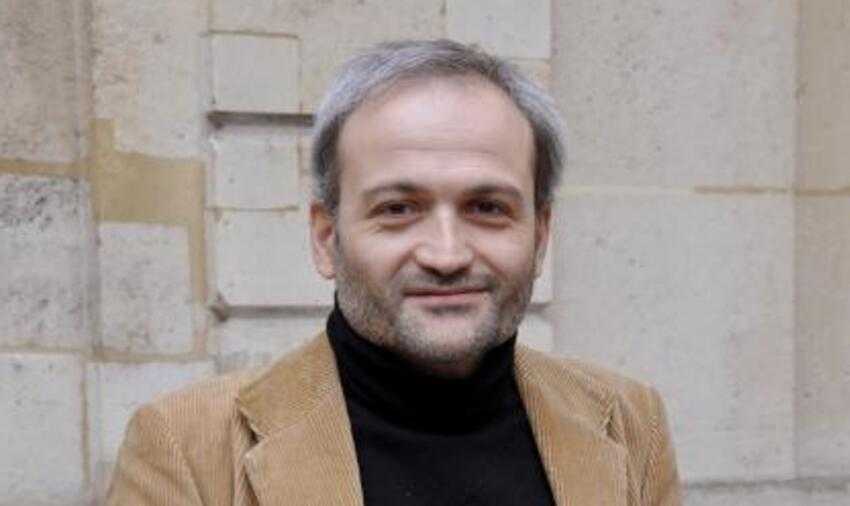
Philippe Coulangeon is a CNRS Research Professor with HDR at the Centre for Research on Social Inequalities (CRIS) at Sciences Po. His research is situated at the intersection of cultural sociology and the sociology of social inequalities, focusing on cultural practices, tastes, and social stratification. His research interests include: Cultural Sociology and Inequalities Cultural Capital and Omnivorousness Social Stratification and Class Arts and Cultural Education Ecological Conversion and Lifestyles Quantitative Methods in Social Sciences His publications reveal a strong thematic continuity in understanding how culture functions as a marker of social distinction and inequality in France. Recent works increasingly integrate environmental concerns, showing evolving trends toward sustainable lifestyles and their social dimensions. His methodological focus on quantitative and geometric data analysis underpins a rigorous empirical approach to cultural sociology. Scientific awards and honors: No specific awards mentioned in the text. He has supervised PhD students, including Abel Aussant, and teaches graduate courses on the sociology of inequalities and quantitative methods. He has been involved in major funded projects, notably an ANR project on the social forces of ecological conversion. His editorial roles include membership on the editorial board of the journal Sociologie . He is affiliated with CRIS and collaborates with researchers across France on issues of inequality, particularly during the pandemic. His recent policy briefs highlight the impact of lockdowns on social life and inequality.
Professor Noam Lubell is a leading academic in International Law of Armed Conflict at the University of Essex, where he also serves as Director of the Essex Armed Conflict and Crisis Hub (since 2017). He previously held the Swiss Chair of International Humanitarian Law at The Geneva Academy (2013–2019) and was Head of the Law School at Essex (2014–2017). His roles include Rapporteur of the International Law Association's Committee on the Use of Force (2010–2018) and Senior Research Fellow at Johns Hopkins University Applied Physics Laboratory (US), focusing on legal aspects of new military technologies. Lubell has collaborated with the ICRC on IHL investigations and works extensively with governments, UN bodies, and NGOs on issues like occupation law, self-defense, and autonomous weapons systems. Education: Ph.D. in Law LL.M. B.A. in Philosophy Research Interests: International Humanitarian Law (IHL) Human Rights Law in Armed Conflict Legal Frameworks for Use of Force Cyber Warfare and Emerging Technologies Occupation Law and Transnational Conflicts Accountability Mechanisms for Violations of IHL His work analyzes modern warfare challenges, including the application of proportionality, fragmented conflicts, and the impact of AI and cyber capabilities on legal boundaries. He advocates for ethical and lawful military practices while engaging with interdisciplinary topics like neuroscience in warfare. Publications highlight trends in cyber warfare, autonomous systems, and IHL's evolving role in contemporary conflicts. His research bridges traditional legal principles with modern technological and strategic realities, emphasizing accountability and human rights protections. Scientific Awards: None explicitly listed, though his work has received widespread academic and professional recognition. Advising & Grants: Principal Investigator on a project addressing cumulative civilian harm and proportionality (2024–present) Co-led ICRC partnership producing IHL investigation guidelines (2013–2019) Consultancies with military, governments, and media organizations Member of expert groups on occupation law, autonomous weapons, and battlefield scope No formal advisees (PhD/Master’s students) are listed in the provided texts. Labs & Teams: Essex Armed Conflict and Crisis Hub Johns Hopkins University Applied Physics Laboratory (Senior Research Fellow) International Law Amicus Curiae Clinic (Co-Director at Concord Research Centre)
Dr. Gillian Sandstrom is an Associate Professor in the Psychology of Kindness at the University of Sussex's School of Psychology. She holds a BMath from the University of Waterloo, MA in Psychology from Ryerson University, and PhD from the University of British Columbia. Her research focuses on minimal social interactions, kindness, and gender roles in prosocial behavior. She previously worked as a Postdoctoral Research Associate at the University of Cambridge and as a Senior Lecturer at the University of Essex before joining Sussex in 2022. Her research examines how brief social interactions with strangers or weak ties can enhance well-being and reduce social barriers. Notable contributions include studies on the impact of 'talking to strangers,' parasocial relationships, and gender stereotypes in prosocial behavior. She has secured grants such as the ESRC-funded project on improving difficult social interactions. Dr. Sandstrom is affiliated with the Sussex Centre for Research on Kindness and teaches courses like 'Social Connection and Disconnection.' Awards include an Honorable Mention for Best Paper Award (Self & Identity, 2021). She actively promotes public engagement through media and social platforms like Bluesky, emphasizing everyday kindness and social connection.
Michelle Fitts is a Senior Research Fellow in the Wellbeing and Preventable Chronic Disease group, focusing on public health research related to Aboriginal and Torres Strait Islander communities, women’s health, and remote healthcare systems. Her work contributes to UN Sustainable Development Goals (SDGs) 3 (Good Health), 5 (Gender Equality), and 8 (Decent Work). Research Interests : Health equity for Indigenous populations Workforce dynamics in remote health services Digital health interventions for substance use Trauma and concussion management Gender-based violence in healthcare contexts Publication Trends : Her recent articles (2024–2025) emphasize qualitative methodologies, workforce retention in Aboriginal-controlled clinics, AI-driven health tools, and trauma-related healthcare disparities. Topics span SDG-aligned areas like chronic disease prevention and gender justice. Network & Collaborations : Collaborates with institutions in Australia’s Northern Territory and Western Australia, focusing on Indigenous health and rural service delivery. Key partnerships include academic teams in public health and emergency medicine.
Professor Laura Hill serves as Chair and Professor in the Department of Human Development at Washington State University's College of Agricultural, Human, and Natural Resource Sciences (CAHNRS). Her academic career spans over 20 years, including roles as Associate Director for Health Promotion (2011-2014) and Associate/Assistant Professorships. She holds a Ph.D. in Psychology from Vanderbilt University (1998), an M.S. from Vanderbilt (1994), and a B.A. in Greek Studies from Smith College (1979). Dr. Hill's research focuses on prevention science, particularly translating evidence-based interventions into real-world settings. Key areas include brief interventions for college student retention (especially in STEM), parent-child dynamics in emerging adulthood, and workforce development. She leads major grants totaling millions, including a NIH-funded study on parenting interventions for college students and a WSU Strategic Reallocation grant addressing student success through values-based programming. Her funded projects emphasize scalable solutions, such as adapting parenting programs for Spanish-speaking families and evaluating community wellness initiatives. She teaches graduate courses like HD540 (Effective Intervention Programs) and HD513 (Research Methods). Her scholarly work bridges developmental psychology with practical applications, frequently involving students in co-authorship.