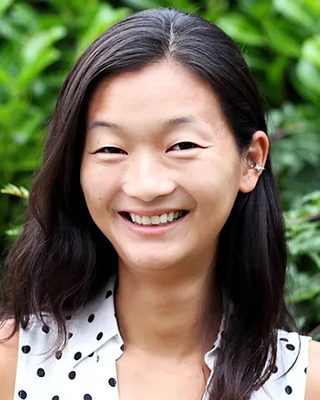
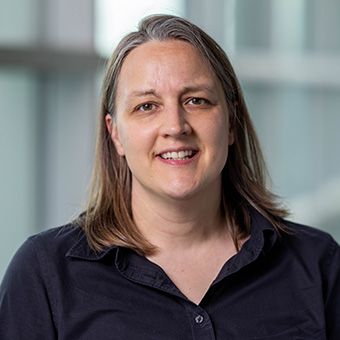
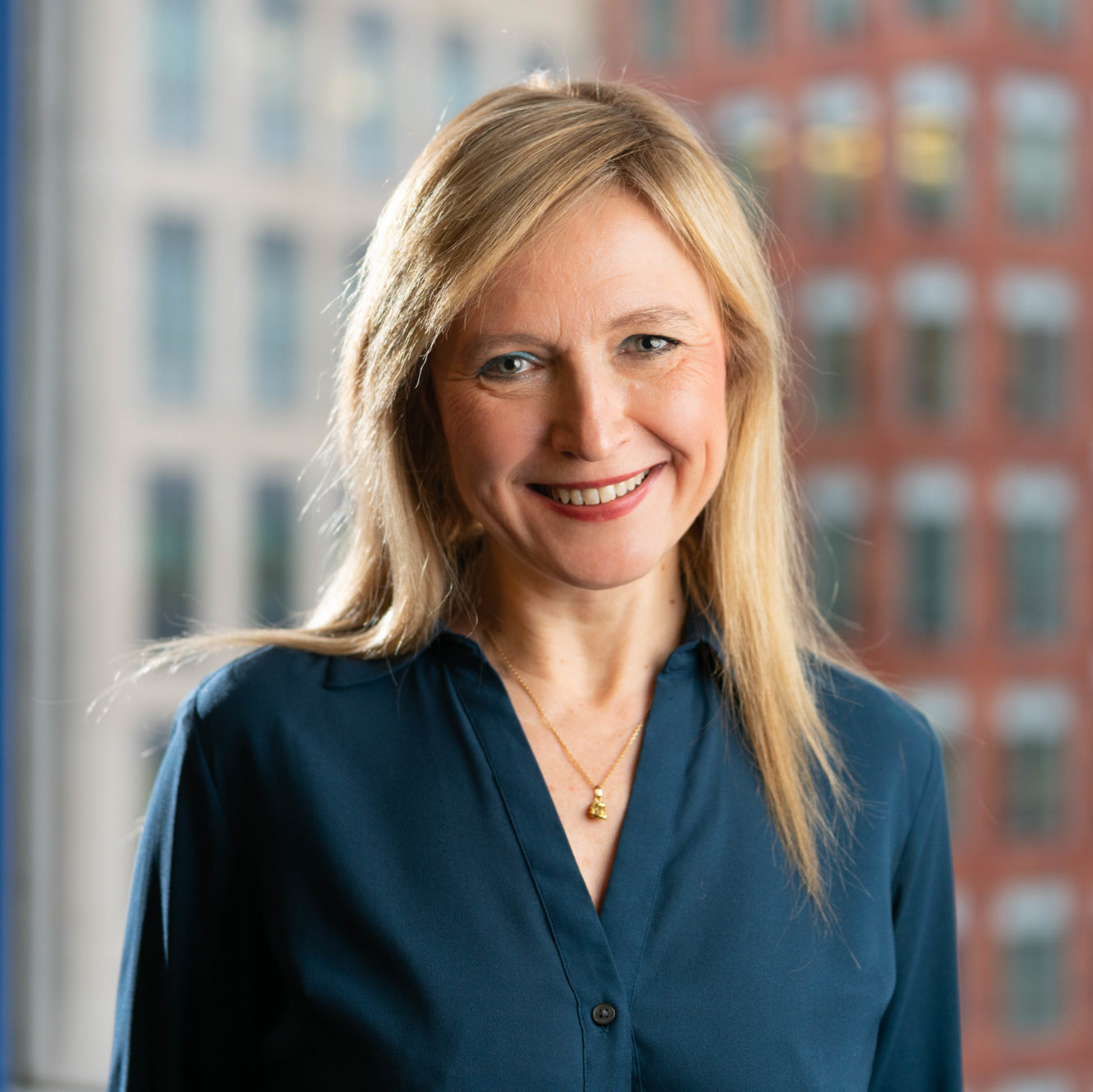
Bingni Brunton is a Professor of Biology and the Richard & Joan Komen University Chair at the University of Washington , with affiliations in the Paul G. Allen School of Computer Science & Engineering , the Department of Applied Mathematics , and the UW eScience Institute as a Data Science Fellow. Ph.D. in Molecular Biology & Neuroscience, Princeton (2012) B.S. in Biology, Caltech (2006) Her research bridges computational neuroscience , neuroengineering , and data science , focusing on data-driven modeling of neural and behavioral dynamics, sparse sensing/control systems, and neural decoding for brain-computer interfaces. Recent publications emphasize 3D pose estimation ( Anipose ), neural decoders for transfer learning, and time-delay modeling in dynamical systems. These papers highlight her lab's expertise in machine learning for neuroscience and biological systems . Scientific recognition includes: Alfred P. Sloan Foundation Fellowship (2016) UW Innovation Award (2017) AFOSR Young Investigator Program (2018) Weill Neurohub Investigator (2020) Moore Distinguished Scholar (2021) She co-advises students across disciplines in Neuroscience , Computer Science & Engineering , and Applied Mathematics , including current advisees Michelle Hickner , Zoe Steine-Hanson , and Raveena Chhibber , as well as alumni like Nancy Wang (Amazon) and Satpreet Singh (Meta). Her lab receives funding from NIH/NIMH , NSF , Boeing , and the Weill Neurohub , among others.
Dr. LIU Quanying is an Associate Professor in the Department of Biomedical Engineering at the Southern University of Science and Technology (SUSTech), where she has been a faculty member since September 2019. She serves as the Principal Investigator of the Neural Computing and Control Laboratory (NCC lab) and is a doctoral supervisor. Prior to joining SUSTech, she earned her PhD in Biomedical Engineering from ETH Zurich and conducted postdoctoral research at Caltech. Education: PhD in Biomedical Engineering, ETH Zurich (2013-2017) Master in Computer Science, Lanzhou University (2010-2013) Bachelor in Electrical Engineering, Lanzhou University (2006-2010) Research Interests: Dr. Liu’s research integrates neuroscience, machine learning, and control theory. Her work focuses on multi-modal neural signal processing (EEG, sEEG, fMRI, DTI), explainable AI for neuroscience, and optimization techniques for neuromodulation (tES, TMS). She has developed high-density EEG source localization algorithms and data-driven brain network modeling frameworks, aiming to enhance precision in neural stimulation and control. Scientific Awards: The New Brain 30 (2023) AAIC Travel Award (2019) Estes Stars Award (2018) 深圳市孔雀人才计划C类 Laboratory and Team: As the PI of the NCC lab, Dr. Liu leads a team focused on machine learning algorithms, neurocomputational modeling, and neurofeedback control. The lab actively recruits graduate students, postdocs, and visiting researchers, emphasizing interdisciplinary collaboration in neuroscience and AI.
Prof. Tali Ilovitsh is a Senior Lecturer at the Department of Biomedical Engineering , Tel Aviv University , affiliated with The Iby and Aladar Fleischman Faculty of Engineering . She specializes in developing non-invasive medical ultrasound technologies for diagnostics, monitoring, and therapy. Education: B.Sc., M.Sc., and Ph.D. in Electrical Engineering from Bar Ilan University (2010-2016). Postdoctoral Training: University of California Davis (2016-2018) and Stanford University School of Medicine (2018-2019). Her research focuses on ultrasound therapy and imaging , particularly therapeutic ultrasound coupled with microbubbles for drug delivery, gene therapy, and blood-brain barrier opening. She also explores 3D ultrasound, super-resolution imaging, and optically-inspired ultrasonic techniques to overcome imaging limitations. Notable contributions include advancements in ultrasound-mediated cytokine transfection for tumor treatment, microbubble dynamics, and phase retrieval imaging methods. Her work combines engineering, physics, biology, and medicine. The Ilovitsh Lab at Tel Aviv University develops technologies for non-invasive ultrasound surgery , gene delivery , and targeted therapy , with applications in brain disorders and cancer treatment.
Cristian Spitoni is an Assistant Professor in the Mathematical Modeling group at the Mathematical Institute within the Faculty of Science at Utrecht University. His office is located in the Hans Freudenthal Building at Budapestlaan 6, Room 510, 3584 CD Utrecht. He maintains an active research profile spanning mathematical physics, statistics, and interdisciplinary applications in medical informatics and neuromorphic computing. His primary research interests include Stochastic Modeling, Statistical Physics, Non-Equilibrium Statistical Physics, and Survival Analysis. Dr. Spitoni's work demonstrates a remarkable interdisciplinary range, bridging theoretical mathematics with practical applications in healthcare and computing. His research trajectory shows a fascinating evolution from fundamental statistical physics problems to medical applications and more recently to neuromorphic computing. Analysis of his recent publications (2023-2025) reveals three major research thrusts: 1) Theoretical work on probabilistic cellular automata and metastability in statistical physics; 2) Medical statistics applications focusing on ICU infections, sepsis, and survival analysis; and 3) Cutting-edge research in neuromorphic computing, particularly on memristors, fluidic circuits, and brain-inspired computing architectures. His work increasingly shows interdisciplinary convergence, with mathematical techniques from statistical physics being applied to both medical informatics and neuromorphic engineering problems. Dr. Spitoni has established productive collaborations with researchers across multiple disciplines, including medical researchers at Utrecht University Medical Center and physicists working on novel computing architectures. His research has been published in high-impact journals spanning physics, mathematics, medical informatics, and computer science, demonstrating the breadth and significance of his contributions. His teaching responsibilities include courses such as Interacting Particle Systems in the Lattice and Continuum, Introduction to Complex Systems, and Mathematical Statistics, reflecting his expertise in both theoretical and applied mathematical modeling.
Xin Tang is an Assistant Professor at the Michael Smith Laboratories and the Department of Computer Science in the Faculty of Science at the University of British Columbia. He leads the Tang Lab, which focuses on developing AI models to advance biological understanding at multiple scales and modalities. PhD in Engineering Sciences from Harvard University and the Broad Institute of MIT and Harvard Xin Tang's research spans computational cell biology, brain-computer interfaces, and in silico cellular digital twins. His work integrates explainable and interpretable AI with biological systems to address fundamental questions from molecular interactions to animal behaviors. Key areas include computational omics, multi-modality cell biology, spatio-temporal gene regulation, neuroengineering, and biological large language models. His lab develops autonomous AI approaches that serve as digital twins for biological systems, enabling in silico experiments that guide wet lab research. Analysis of Tang's recent publications reveals a strong focus on bridging AI and biology across multiple scales. His work spans from molecular and cellular levels (single-cell biology, multi-omics, spatial transcriptomics) to neural systems (brain-computer interfaces, neural activity tracking) and organ-level applications (cardiac interfaces). A consistent theme is the development of explainable and interpretable AI methods that provide mechanistic insights rather than just predictive power. His research has significant implications for understanding development, aging, and diseases like neurodegeneration. NSERC Discovery Grant (2025) Resource Allocation Competition of Digital Research Alliance of Canada (2025) Professor Tang actively supervises multiple graduate students, postdoctoral fellows, and undergraduate researchers across UBC's Computer Science, Bioinformatics, and Genome Science and Technology programs. His lab has received significant research funding including an NSERC Discovery Grant. He is committed to interdisciplinary collaboration and has established research partnerships with biologists, engineers, and clinicians to address complex biological questions related to neurodegenerative diseases, heart disease, and aging. The Tang Lab, located in the Michael Smith Laboratories at UBC, fosters a collaborative environment for researchers interested in AI for biology. The lab actively recruits dry-lab researchers with strong coding and machine learning backgrounds to work on projects spanning computational biology, neuro-inspired AI, explainable AI, biological LLMs, computational omics, and brain-computer interfaces. The lab has a remote work policy that allows flexible arrangements while maintaining strong collaborative ties.
Robin Dietrich is a Researcher at the Department of Informatics 6 - Chair of Robotics, Artificial Intelligence and Real-time Systems at the Technical University of Munich . His work bridges computational neuroscience and robotics, focusing on translating neural mechanisms from mammalian brains into algorithms for mobile robot navigation. B.Sc. and M.Sc. in Computer Science Research on hippocampal temporal dynamics for neuromorphic SLAM Specializes in spiking neural networks for navigation and radar processing Research Interests : Robin's research explores the intersection of robotics, artificial intelligence, and computational neuroscience . His work specifically investigates spiking neural networks, FMCW radar data processing, and neuromorphic algorithms for autonomous systems. Recent projects focus on uncertainty quantification, evolutionary optimization, and multi-robot exploration using biologically inspired models. Publication Trends : Robin's publications (2019-2025) demonstrate a consistent focus on neuromorphic computing for robotic perception , with increasing specialization in spiking neural networks for radar processing and biologically inspired navigation algorithms . Key collaborations include contributions to multi-robot exploration metrics and hardware acceleration frameworks. Teaching Contributions : Robin has taught Digital Signal Processing and Real-Time Systems lectures since 2019, co-led seminars on Bio-inspired Data Processing , and supervised practical courses on Intelligent Mobile Robots using ROS.
Florian Walter is a researcher at the Technische Universität München under the Department of Robotics, Artificial Intelligence and Real-Time Systems. He holds a Master’s degree in informatics and has been involved in the Human Brain Project (HBP) SP10 Neurorobotics research group since 2014, focusing on neurobiological learning methods for robotics. His work bridges neuroscience and robotics through spiking neural networks, neuromorphic systems, and cognitive navigation frameworks. Education : Master’s in Informatics (TUM, high distinction), internship in automotive industry, visiting researcher at Stanford University’s AI Lab. Research Interests : Neurobiological learning methods, spiking neural networks, neuromorphic computing, cognitive navigation, multisensory integration, and soft robotics. Publications : Recent work spans deep spiking reinforcement learning, domain adaptation, object detection with event-based cameras, and neuromorphic implementations on Loihi chips. Teaching : Courses on Cognitive Systems, Real-Time Systems, and Advanced Machine Learning in Neurorobotics. Leadership : Coorganized workshops at IROS 2015 and EuroAsianPacific Joint Conference 2015, and organized HBP workshops. Email : florian.walter@tum.de
Maia Fraser is an Associate Professor at the University of Ottawa , cross-appointed to the School of Electrical Engineering and Computer Science and affiliated with the Brain and Mind Research Institute . Her research bridges Machine Learning , Symplectic Geometry , and Computational Geometry , with interdisciplinary collaborations in Neuroscience and Mathematical Biology . PhD in Computer Science (University of Chicago, 2013) PhD in Mathematics (Stanford University, 1994) Postdoctoral work: University of Toronto Industry experience: Supercomputing Systems AG (Zurich) Her recent work explores AI safety through the lens of living systems, combining mathematical principles with societal implications. She examines temporal abstraction in continual learning, reinforcement learning limits, and geometric constraints in AI. Publications span topology , biological navigation , and neural time scales . Scientific contributions include: Co-organizing Fields Medal Symposium (2022) Co-moderating New Paradigms session at Fields Institute (2024) Leading INTER-MATH-AI (IMA) NSERC-CREATE program (2022) She investigates AI's impact on mathematical research and is writing a book on mathematical frameworks for AI safety .
Christine Grienberger is an Assistant Professor of Biology at Brandeis University, with affiliations in the Volen National Center for Complex Systems and Neuroscience Program. Her research focuses on synaptic, cellular, and circuit-level mechanisms of learning and memory using the entorhinal-hippocampal circuit as a model system. Her educational background includes: Dr. med. from Technical University Munich, Germany Ph.D. from Technical University Munich, Germany Postdoctoral training at HHMI Janelia Research Campus & Baylor College of Medicine Dr. Grienberger's lab employs two-photon Ca 2+ imaging , whole-cell patch-clamp recordings , and optogenetic perturbations in awake mice to investigate how experience-dependent changes shape neuronal computations. Key research areas include dendritic function in neural coding , formation of hippocampal representations , and early Alzheimer's disease impacts on circuit function . Her work bridges molecular mechanisms with behavioral outcomes in spatial learning paradigms. Analysis of her publication history reveals a consistent focus on hippocampal place cells, synaptic plasticity mechanisms, and dendritic computation. Recent work increasingly addresses Alzheimer's disease models, showing how amyloid-beta disrupts neuronal activity prior to neurodegeneration. Her methodology combines cutting-edge imaging with computational approaches to decode neural representations. Major scientific awards include: NIH Director’s New Innovator Award (2023-2028) McKnight Scholar Award (2025-2028) Pew Scholar in Biomedical Sciences (2023-2027) Alfred P. Sloan Foundation Fellowship (2023-2025) Smith Family Awards Program (2022-2026) Dr. Grienberger actively recruits undergraduate, graduate, and postdoctoral researchers, emphasizing an inclusive lab environment that welcomes diverse scientific backgrounds. Her NIH- and foundation-funded research leverages Brandeis' core facilities for advanced microscopy and computational analysis. Current projects include investigating synaptic plasticity mechanisms in learning, computational modeling of hippocampal networks, and Alzheimer's disease pathophysiology. The Grienberger lab operates within Brandeis' collaborative neuroscience community, utilizing the Volen Center's resources for interdisciplinary research. Her team maintains strong technical expertise in in vivo imaging and electrophysiology, with ongoing collaborations across neuroscience, physics, and computer science disciplines to address fundamental questions about neural computation.
Aude Oliva serves as MIT director of the MIT-IBM Watson AI Lab and director of strategic industry engagement at the MIT Schwarzman College of Computing. As a Senior Research Scientist at MIT CSAIL, she leads the Computational Perception and Cognition group, driving interdisciplinary research at the intersection of human intelligence and artificial systems. Her roles position her at the forefront of translating academic AI research into real-world applications through major industry partnerships. Dr. Oliva earned her MS and PhD in cognitive science from Institut National Polytechnique de Grenoble, France, establishing her foundation in human perception and computational modeling. Her research integrates computer vision, deep learning, and cognitive neuroscience to understand visual information processing in both biological and artificial systems. She develops computational models that mimic human visual recognition while creating AI systems capable of compositional reasoning and efficient video understanding. Current work emphasizes neuroscience-inspired architectures, resource-efficient deep learning, and multimodal representation learning, with applications spanning healthcare, robotics, and human-computer interaction. Her cross-disciplinary approach uniquely bridges theoretical neuroscience with practical AI development. Analysis of recent publications reveals a clear trajectory toward tighter integration of neuroscience and AI, particularly through brain imaging datasets like BOLD Moments. Her group consistently advances efficient deep learning techniques (Trans-LoRA, VA-RED²) while exploring fundamental questions in visual cognition through projects like the Algonauts Challenge. The work demonstrates increasing industry relevance with strong representation in NeurIPS and Nature Communications. Her major recognitions include: NSF Career Award in computational neuroscience Guggenheim fellowship in computer science Vannevar Bush Faculty Fellowship in cognitive neuroscience As director of the $240M MIT-IBM Watson AI Lab, Dr. Oliva oversees substantial research funding while advising graduate students through MIT's EECS department. Her lab benefits from unique industry-academic synergy, with students gaining access to IBM resources and real-world deployment challenges. The collaborative environment fosters innovation in efficient AI systems with tangible societal impact. The Computational Perception and Cognition group operates as a dynamic hub where computer scientists, neuroscientists, and cognitive scientists collaborate on fundamental questions of intelligence. Current projects focus on making AI systems more human-like in visual reasoning while ensuring computational efficiency for real-world deployment, leveraging the unique resources of the MIT-IBM partnership.
Rong Chen is an Associate Professor in the Department of Diagnostic Radiology and Nuclear Medicine at the University of Maryland School of Medicine. He serves as Associate Vice Chair of AI and leads the Biomedical Data Mining Laboratory, focusing on integrating machine learning, computational neuroscience, and neuroimaging to decode brain-behavior relationships. His work spans clinical and translational research for disorders like Alzheimer’s, Parkinson’s, autism, and HIV, and he develops open-source software (GAMMA suite, Advanced Connectivity Analysis) for neuroimaging data analysis. Education: BS in Biomedical Engineering, Southeast University, China (1996) MS in Electrical Engineering, The Graduate School of Chinese Academy of Sciences (1999) PhD in Electrical and Computer Engineering, Washington State University (2003) Postdoctoral Researcher in Radiology, University of Pennsylvania (2005) MTR in Translational Research, University of Pennsylvania (2012) Research Interests: Computational modeling of neural activity and behavior Development of machine learning frameworks for neuroimaging Brain-inspired AI and therapeutic concepts Longitudinal analysis of brain disorders Distributed data mining for heterogeneous databases Software tools for biomarker detection and functional connectivity Scientific Contributions: 20+ years of advanced modeling and algorithm development Two open-source neuroimaging software packages (GAMMA suite, ACA) NIH and BRAIN initiative-funded research Editorial roles in journals like Frontiers in Computational Neuroscience Honors: Senior Member of IEEE Labs & Collaborations: Dr. Chen collaborates with institutions like NIH and Oracle, and his lab has developed tools used in studies on sickle cell disease, autism, and traumatic brain injury.
Dani Bassett is the J. Peter Skirkanich Professor at the University of Pennsylvania , with appointments across five departments: Bioengineering, Electrical & Systems Engineering, Physics & Astronomy, Neurology, and Psychiatry . They also serve as an external professor at the Santa Fe Institute , integrating principles of network science and systems engineering to decode cognitive mechanisms and neurological diseases. B.S. in Physics from Penn State University Ph.D. in Physics from University of Cambridge (Churchill Scholar, NIH Health Sciences Scholar) Postdoctoral research at UC Santa Barbara Junior Research Fellow at Sage Center for the Study of the Mind Their research spans brain connectivity , neural dynamics , and network theory applications to psychiatric and neurodegenerative disorders. Recent work explores sex differences in functional networks , white matter development , and mechanisms of consciousness . Their lab employs machine learning frameworks to analyze chaotic systems and optimize brain-computer interfaces. Publications focus on network control theory , neuroimaging , and complex systems , with contributions to Alzheimer's pathology and mental health dynamics . Over 400 peer-reviewed articles demonstrate their interdisciplinary impact. American Psychological Association Rising Star (2012) MacArthur Fellow (2014) National Science Foundation CAREER (2016) Lagrange Prize in Complex Systems Science (2017) Web of Science Highly Cited Researcher (3 years) Their work receives funding from the National Institutes of Health , Department of Defense , and MacArthur Foundation . Bassett co-authored Curious Minds: The Power of Connection (MIT Press) with philosopher Perry Zurn.
Ethan MacDonald is an Associate Professor in the Department of Biomedical Engineering and Department of Electrical and Software Engineering at the Schulich School of Engineering, University of Calgary. He also holds an Adjunct Associate Professor position in the Department of Radiology at the Cumming School of Medicine and is a Full Member of both the Hotchkiss Brain Institute and the Alberta Children's Hospital Research Institute. His research program focuses on three core themes: software and hardware for MRI image acquisition and reconstruction, big data science for biomedical applications, and modeling brain circuits to inspire next-generation intelligent algorithms. Dr. MacDonald completed his technical diplomas in electronics engineering at Nova Scotia Community College, followed by a BEng in Electrical Engineering at Lakehead University where he received the Dean Brawn Medal for highest ranking graduating student and the Professional Engineers of Ontario Medal. He then pursued graduate studies at the University of Calgary, earning his MSc (2010) and PhD (2014) in Biomedical Engineering, followed by a Postdoctoral Fellowship in Radiology (2020). He was appointed as an Assistant Professor in 2020 and became a founding member of the Department of Biomedical Engineering in 2021. His research encompasses diverse applications of Magnetic Resonance Imaging, including endovascular catheter tracking, quantitative cerebrovascular imaging, and imaging of brain development and aging physiology. He specializes in acquisition and reconstruction of MRI data, pulse sequence programming, and brain imaging methods such as vascular imaging, functional MRI, and diffusion tensor imaging. His work integrates big data analytics, machine learning, and computational modeling for applications in neuroinformatics, brain morphology, aging physiology, and genetics. Dr. MacDonald's publications demonstrate significant contributions to age prediction models using cerebral blood flow and cortical thickness measurements, cerebrovascular reactivity analysis, machine learning applications in neuroimaging, and novel MRI techniques for vascular and brain imaging. His research shows a consistent trajectory toward integrating advanced computational methods with sophisticated MRI techniques to address fundamental questions in neuroscience and clinical applications. Dean Brawn Medal for highest ranking graduating student Professional Engineers of Ontario Medal for Academic Achievement Dr. MacDonald actively supervises graduate students in Electrical and Computer Engineering and Biomedical Engineering programs. His lab emphasizes skill development in programming, writing, and presentation skills, while promoting a culture of healthy work-life balance, equity, diversity, and inclusion. He serves on university strategic initiatives including Brain and Mental Health (2015-2021), Child Health and Wellness (2020-2025), Engineering Solutions for Health (2015-2021), and One Health (2020-2025). His teaching includes courses on sensor systems, biomedical imaging, and advanced data analytics.
Prof. Mackenzie Weygandt Mathis is Tenure-Track Assistant Professor and Bertarelli Foundation Chair of Integrative Neuroscience at EPFL’s Brain Mind Institute . Leading the Mathis Lab since 2020, she unites machine learning and systems neuroscience to decipher how brains learn and control movement. Education : PhD in Neuroscience, Harvard University (2017, advisor Naoshige Uchida) Post-doctoral training, University of Tübingen with Matthias Bethge (2017) Rowland Fellow, Harvard University (2017-2020) Research Focus : the lab develops open-source AI tools ( DeepLabCut , CEBRA , AmadeusGPT ) and combines them with large-scale neural recordings in behaving mice to uncover the neural basis of adaptive motor control. Core themes include sensorimotor learning, proprioception, and brain-inspired algorithms for robotics. Publications Trend : recent work spans robust machine-learning methods (ICLR, AISTATS 2025), foundational models for pose estimation ( SuperAnimal , 2024), and integrative studies linking neural population dynamics to muscle-level control ( Nature 2023, Cell 2024). Scientific Awards : Swiss Science Prize Latsis 2024 Robert Bing Prize 2024 Eric Kandel Young Neuroscientist Prize 2023 FENS EJN Young Investigator Prize 2022 Vallee Scholar, ELLIS Scholar, NSF Graduate Fellow Advising & Funding : she mentors 4 current PhD students and several postdocs, supported by SNSF Starting Grant (1.5 M CHF), CZI, Novartis, Radala Foundation, and Kavli Foundation grants. Labs & Teams : the Mathis Lab is located at Campus Biotech , Geneva, and actively collaborates with the Alexander Mathis group, Allen Institute, and international consortiums on open-source neuroscience tools.
Dr. Austin Coley is a tenure-track Assistant Professor in the Department of Neurobiology at the University of California, Los Angeles (UCLA), David Geffen School of Medicine, and Principal Investigator of the Coley Lab. He is also an active member of the UCLA Brain Research Institute and the Integrative Center for Learning and Memory. Education: Ph.D. in Neuroscience, Drexel University, 2014–2019 M.S. in Cell Physiology, Case Western Reserve University, 2009–2012 B.S. in Biology, North Carolina Central University, 2005–2009 Research Focus: Dr. Coley’s laboratory employs state-of-the-art tools—including in vivo 2-photon calcium imaging, ex vivo electrophysiology, optogenetics, and machine-learning-based behavioral tracking—to dissect neural circuits underlying depressive-like behaviors and anhedonia. By integrating computational modeling with experimental neuroscience, the team investigates how synaptic and circuit-level dysfunctions in the prefrontal cortex contribute to major depressive disorder and schizophrenia. The overarching goal is to identify cellular and molecular biomarkers that enable early, targeted interventions in mental health disorders. Scientific Awards & Honors: SCGB Transition to Independence Award (2022) NIH Research in Emerging Areas Critical to Human Health LRP Award (2022) 40 Under 40, Drexel University (2021) 1,000 Inspiring Black Scientists in America, Cell Mentor (2020) NIH Blueprint Diversity D-SPAN F99/K00 Fellowship (2017–2024) IBRO Fellowship (2019) Research Innovation Award, Drexel University (2019) Multiple travel and trainee leadership awards from Salk Institute and professional societies Funding & Support: Current funding includes the Brain & Behavior Research Foundation NARSAD Award (2025–present), Simons Collaboration on the Global Brain Transition to Independence Award (2022–present), and past NIH LRP and D-SPAN awards, alongside private philanthropic donations. Teaching & Mentorship: Dr. Coley has taught Cellular Neurobiology at UC San Diego and Anatomy & Physiology at Brookdale Community College, and delivered guest lectures on synaptic plasticity at Drexel. He actively mentors students and trainees through formal and informal programs, with a demonstrated commitment to increasing diversity in neuroscience. Labs & Teams: The Coley Lab at UCLA is an interdisciplinary team focused on neural circuits of mood disorders. Dr. Coley also maintains collaborative ties with the Brain Research Institute and Integrative Center for Learning and Memory at UCLA, as well as ongoing interactions with colleagues at the Salk Institute, UC San Diego, and other national centers.