James McCracken is a tenured Professor of Psychiatry and Biobehavioral Sciences at UCLA's David Geffen School of Medicine. As Director of the Division of Child and Adolescent Psychiatry at the Semel Institute for Neuroscience and Human Behavior, he leads the NIMH-funded Research Center 'Translational Research to Enhance Cognitive Control' focusing on novel treatments for cognitive deficits in child psychiatry. His research spans pharmacogenomics, neurodevelopmental disorders (ASD, ADHD, OCD), and autonomic neurophysiology. Key affiliations: Center for Autism Research and Treatment (CART), ADHD Brain Research Institute, Society for Neuroscience Research themes: Pharmacologic interventions for neurodevelopmental disorders, white matter sex differences, EEG biomarkers, and genome-wide association studies Leadership roles: Principal Investigator for multiple NIMH grants, editorial board member for the Journal of Child and Adolescent Psychopharmacology His recent publications (2023-2025) emphasize precision medicine in ASD, OCD genetics, and pupillary response as a neurophysiological marker. Awards include the APA Young Psychiatrist Research Award and listings in Best Doctors and Top Doctors databases. Scientific Awards American Psychiatric Association Young Psychiatrist Research Award Best Doctors in America America's Top Doctors Publications Over 150 peer-reviewed articles across child psychiatry Leading research in pharmacogenomics and neuroimaging
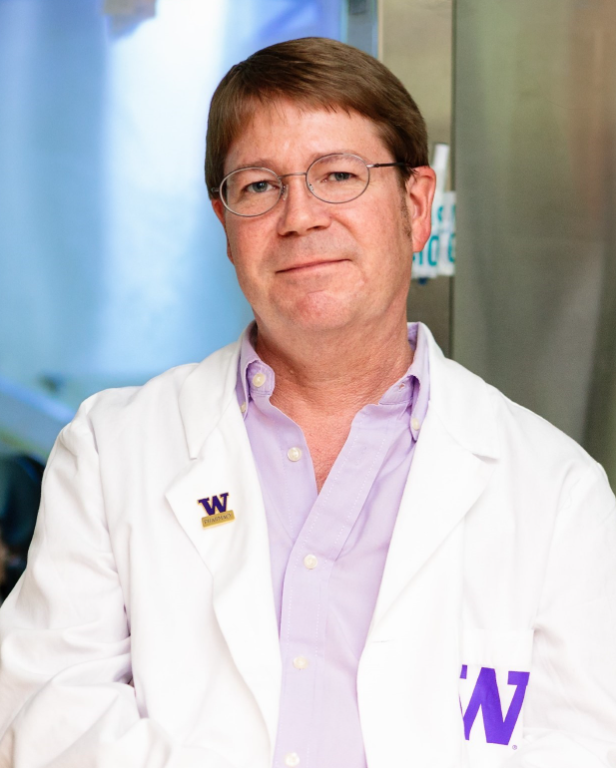
Edward Kelly is a Professor and Adjunct Professor at the University of Washington , affiliated with the School of Pharmacy and the Department of Pharmaceutics , as well as the Environmental & Occupational Health Sciences . He is the Co-Director of the Pharmaceutical Bioengineering Program and leads the Kelly Lab , which focuses on microphysiological systems (organs-on-chips) for preclinical toxicology and drug metabolism research. Education : BS, MS, and PhD in Biochemistry from UC Riverside and the University of Washington. His research interests center on ex vivo modeling of human organ physiology and toxicological responses to drugs and xenobiotics, with a focus on liver and kidney ADME organs . His lab is pioneering the use of organs-on-chips to replace animal testing (the 3 Rs) and study disease models and microgravity effects on the International Space Station. His publications highlight the application of microphysiological systems in nephrotoxicity , drug metabolism , and multi-organ coupling . Key themes include toxicology , translational research , and biomedical engineering for preclinical models . Edward Kelly teaches courses such as Biotechnology and Biopharmaceuticals , Drug Disposition Science , and Pharmacokinetics . His lab actively accepts students , and he collaborates with institutions like the Comparative Health Outcomes, Policy, and Economics (CHOICE) Institute and the Program on Pharmacokinetics of Drugs of Abuse during Pregnancy (UWPKDAP) .
Dr. Felix Werner Wehrli is a Professor of Radiologic Science at the Perelman School of Medicine, University of Pennsylvania. He serves as Director of the Laboratory for Structural, Physiologic and Functional Imaging and is a member of the Department of Radiology's Research Executive Committee. Education: MS (1967) and PhD (1970) in Chemistry from Swiss Federal Institute of Technology Research focuses on quantitative MRI for tissue physiology characterization, with applications in cerebral oxygen metabolism , preclinical vascular disease , and bone matrix properties . Recent publications highlight advancements in time-resolved MRI oximetry for cerebral and renal metabolism, bone-selective imaging for craniofacial surgery, and deep-learning segmentation techniques. His lab develops patient-specific models for hip fracture prediction and investigates e-cigarette aerosol impacts on vascular systems.
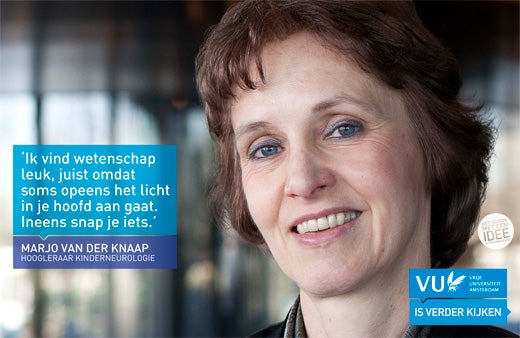
Marjo van der Knaap is a Professor of Pediatric Neurology at the VU University Medical Center (part of Vrije Universiteit Amsterdam). Since 2008, she has been an NWO Spinoza Prize laureate for her groundbreaking research into metabolic and degenerative brain disorders in children , particularly focusing on white matter disorders through brain MRI analysis. Her work addresses fatal conditions affecting 1 in 1,000 children, aiming to translate breakthroughs into potential cures She emphasizes emotional resilience in communicating diagnoses to parents while maintaining scientific focus Her research has significantly advanced understanding of childhood white matter pathologies and their clinical implications. Scientific Awards: NWO Spinoza Prize (2008)
Alain Ptito, PhD is a Professor at the Department of Neurology and Neurosurgery, Faculty of Medicine and Health Sciences, McGill University. He serves as an Associate Investigator at the Research Institute of the McGill University Health Centre (RI-MUHC) and Montreal Neurological Institute and Hospital. Academic Affiliation: McGill University Institutional Roles: RI-MUHC, Montreal Neurological Institute Research Focus: Dr. Ptito investigates motor recovery mechanisms in stroke and neural substrates of residual vision in blindsight patients post-hemispherectomy using functional MRI (fMRI) . His work extends to diagnosing traumatic Brain Injury (TBI) in soldiers, athletes, accident victims, and children through neuroimaging. Key findings include abnormal activation patterns as TBI severity indicators and fMRI's role in recovery assessment. Recent innovations involve repetitive transcranial magnetic stimulation (rTMS) for treating post-concussive symptoms like depression and cognitive impairment, alongside pioneering translingual neurostimulation with physical therapy for gait/balance restoration post-TBI. His research bridges clinical neuroscience, neurorehabilitation, and advanced neuroimaging techniques. Publication Trends: 2019-2025 outputs show consistent exploration of TBI pathophysiology, oculomotor dysfunction biomarkers, and neurostimulation interventions. Collaborations span neuroimaging, computational modeling, and clinical epidemiology. Neuroscience Leadership: Active in multidisciplinary research at the intersection of traumatic brain injury, visual neuroscience, and neuroplasticity, Dr. Ptito contributes to institutional research programs including the Brain Repair and Integrative Neuroscience (BRaIN) initiative.
Daniel J Brat serves as Chair of the Department of Pathology and holds the Magerstadt Professorship at Northwestern University's Feinberg School of Medicine. He maintains dual professorial appointments in Pathology (Experimental Pathology) and Pathology (Neuropathology), leading significant research initiatives at the Robert H. Lurie Comprehensive Cancer Center. Dr. Brat's research focuses on the biological mechanisms underlying glioma progression, particularly glioblastoma (GBM). His laboratory investigates genetics, hypoxia, tumor microenvironment dynamics, and glioma stem cell behavior. Key research areas include asymmetric cell division regulation, hypoxia-induced microvascular hyperplasia, and the role of vaso-occlusion in tumor necrosis. His team employs patient-derived samples, mouse models, and Drosophila systems to elucidate fundamental cancer biology principles. Analysis of Dr. Brat's publication record reveals consistent research themes spanning molecular mechanisms of glioblastoma progression, with particular emphasis on tumor microenvironment interactions, stem cell regulation, and translational applications. His work demonstrates strong integration of basic science with clinical pathology, leveraging large datasets like TCGA while maintaining experimental validation through sophisticated in vivo models including intravital microscopy. Dr. Brat leads multiple clinical trials focused on pathology specimen collection and analysis, serving as principal investigator for the Pathology Core Facility and Breast Cancer Program tissue collection initiatives. His laboratory currently mentors a diverse team including graduate students, postdoctoral scholars, medical students, and undergraduates, with numerous former trainees now established in academic and clinical pathology positions. The Brat Lab, located in the Montgomery Ward Building at Northwestern's Chicago campus, maintains active research programs in glioblastoma progression mechanisms, asymmetric cell division in glioma stem cells, and in silico brain tumor research. The lab collaborates extensively with the Simpson Querrey Center for Neurogenetics, Simpson Querrey Institute for Epigenetics, and Center for Human Immunobiology, reflecting the interdisciplinary nature of modern cancer research.
Prof. Dr. med. Janine Reichenbach is a full professor and head of the Somatic Gene Therapy department at the University of Zurich, affiliated with the University Children's Hospital Zurich. She holds dual board certifications in Pediatrics and Adolescent Medicine (Germany/Switzerland) and Allergology & Clinical Immunology (Switzerland). Her career spans over two decades of translational research bridging basic science and clinical implementation of gene therapies. Education: MD from Goethe University Frankfurt (1995-1997), medical training in Germany (1997-2000), and specialist certifications in Switzerland (2005-2009). Research Focus: Translational development of hematopoietic stem cell-based gene therapies for primary immunodeficiencies, particularly chronic granulomatous disease (CGD) and ataxia telangiectasia (A-T). Key projects include lentiviral vector design, genome editing at ATM locus, and myeloid-targeted therapies with brain-crossing potential. Awards: Recipient of the 2010 Walther und Gertrud Siegenthaler Stiftung prize. Grants: Leads Swiss National Science Foundation projects, University Research Priority Programs (URPP Itinerare), Clinical Research Priority Programs (CRPP ImmuGene), and Wyss Centre collaborations. Leadership: Principal investigator in EU-FP7 projects CELL-PID and NET4CGD, steering committee member for SCID newborn screening, and co-founder of international research networks.
Mark Albers is an Assistant Professor of Neurology at Harvard Medical School and a clinician-investigator at Massachusetts General Hospital (MGH), where he directs the Albers Laboratory at the MassGeneral Institute for Neurodegenerative Disease (MIND). His research bridges clinical and basic science, focusing on early detection and therapeutic development for neurodegenerative diseases like Alzheimer’s, ALS, Parkinson’s, and traumatic brain injury through olfactory system studies. Education: PhD in Organic Chemistry from Harvard Graduate School of Arts and Sciences (1995), MD from Harvard Medical School (1995). Clinical Expertise: Memory and olfactory disorders; practices in the Memory Disorders Unit at MGH. His lab investigates pathogenic mechanisms of neurodegenerative disease genes using transgenic mouse models, CRISPR screens, multiphoton imaging, and in silico drug trials. Key projects include identifying olfactory deficits as early biomarkers and repurposing FDA-approved drugs for neurodegenerative diseases via the NADALS basket trial. Publications span Alzheimer’s disease , olfactory dysfunction , neuroinflammation , systems pharmacology , and CRISPR technology . Collaborations with the Laboratory of Systems Pharmacology and Harvard Program in Therapeutic Science further his translational goals.
Martijn Froeling serves as an Assistant Professor at University Medical Center Utrecht, actively contributing to the Precision Imaging research group within the High Field division. His work bridges advanced MRI technology development with clinical applications targeting critical health domains including brain cancer, circulatory health, dementia, and musculoskeletal disorders. His academic foundation includes: Master's in Biomedical Engineering from Eindhoven University of Technology (July 2009) PhD in Diffusion Tensor Imaging of the human forearm from Amsterdam University Medical Center and Eindhoven University of Technology (October 2012) Dr. Froeling's research centers on pioneering quantitative MRI methodologies, with specialized expertise in Diffusion Tensor Imaging (DTI) across multiple organ systems (brain, peripheral nerves, muscle, kidney, heart). He drives innovation in 7T MRI hardware development—including specialized coils for multi-nuclei imaging—and conducts clinical studies focused on neuromuscular diseases. His QMRITools software platform for Mathematica enables sophisticated quantitative MRI analysis, directly supporting his mission to 'see the unseen' for advancing clinical diagnostics in cancer, cardiovascular disease, stroke, and MSK conditions. Analysis of his 2024-2025 publications reveals a cohesive research trajectory: DTI applications dominate clinical studies (hamstring injuries, fasciculation mapping), while parallel technical work advances ultra-high-field hardware (double-tuned coils for ²H/³¹P imaging). This dual focus on clinical impact and technological innovation demonstrates his commitment to translating engineering breakthroughs into tangible medical solutions. No scientific awards were documented in the provided materials. While the text confirms Dr. Froeling's role in supervising PhD work (evidenced by his PhD completion under prominent supervisors), no current students or specific grant funding details are explicitly mentioned in the source material. He operates within the High Field group at University Medical Center Utrecht, leading the Precision Imaging research initiative. This team specializes in developing cutting-edge MRI hardware (particularly for 7T systems), maintaining the QMRITools analysis platform, and executing clinical trials targeting neuromuscular pathologies alongside broader applications in oncology and cardiovascular medicine.
Stephen T Magill, MD, PhD, serves as Assistant Professor of Neurological Surgery at Northwestern University Feinberg School of Medicine. His clinical expertise focuses on brain, pituitary, and skull base tumors using minimally invasive and endoscopic techniques, while maintaining readiness for complex open approaches when necessary. His academic foundation includes a BS in Neuroscience from the University of Pittsburgh (2004, summa cum laude), followed by combined MD/PhD training at Oregon Health & Science University (2011 PhD, 2013 MD) through the Medical Scientist Training Program. He completed neurosurgical residency at UCSF (2020) and a fellowship in Minimally Invasive Cranial and Endoscopic Skull Base Surgery at The Ohio State University (2021). Dr. Magill's research centers on meningioma biology and clinical management, spanning three interconnected domains: understanding molecular drivers of tumor growth/recurrence, developing molecular diagnostic tools for treatment decisions, and creating targeted therapies for radiation/surgery-resistant cases. His work on intratumor heterogeneity in meningioma has revealed critical treatment resistance mechanisms, while his 40-site surgical outcomes study established new grading standards for tuberculum sellae meningiomas. Recent publications demonstrate consistent focus on meningioma genomics (TERT mutations), hydrocephalus pathophysiology (SGLT2 inhibitors), and adjuvant therapy optimization. His research bridges clinical neurosurgery, molecular oncology, and pharmacological innovation with direct patient care applications. Key recognitions include: Career Development Award, North American Skull Base Society (2024) Best Clinical Research Award (2021 NASBS and 2020 CNS Tumor Section) NIH-funded postdoctoral fellowship under Drs. Costello and Raleigh Editor's Choice Collection in Journal of Neurosurgery (2019) Alpha Omega Alpha Honor Society membership (2013) He leads NRG BN012 clinical trial for brain metastases and directs research initiatives examining SGLT2 inhibitors for hydrocephalus. As Co-chair of NASBS Trials During Turnover committee and editorial board member for Journal Of Neurological Surgery Reports, he shapes national research standards while mentoring through the AANS Young Neurosurgeons Committee. Dr. Magill's work integrates with Northwestern Medicine's neurosurgery department and Robert H. Lurie Comprehensive Cancer Center, contributing to multidisciplinary tumor boards and translational research pipelines focused on improving outcomes for complex skull base pathology.
Prof. Dr. Dr. Andreas Hermann serves as a Group Leader at the German Center for Neurodegenerative Diseases (DZNE) in Rostock, Germany, leading translational neuroscience research bridging basic science and clinical applications. His primary research focuses on molecular pathophysiology of neurodegenerative diseases, particularly ALS and FTD, utilizing patient-derived iPSC models to drive biomarker development (MRI/PET/fluid/behavioral), pathophysiology-based drug discovery, and characterization of prodromal stages. The group investigates brain/cognitive/motor reserves, non-motor symptoms, and conducts clinical phase 1-3 trials including antisense oligonucleotide therapies. Palliative care research employs eye-tracking and digital biomarkers to assess quality of life in advanced neurodegeneration. The research team leads the DESCIBE-ALS cohort and maintains hypothesis-matched cell model resources. Molecular work centers on mitochondrial dysfunction, axonopathy, DNA damage/retrotransposon activation, and cell-intrinsic immune responses. Future directions emphasize healthy/pathological aging mechanisms and interventions to prevent secondary aging progression.
Carey D. Balaban is a Professor at the University of Pittsburgh with joint appointments across multiple departments including Otolaryngology-Head & Neck Surgery, Neurobiology, Communication Science & Disorders, and Bioengineering, reflecting his highly interdisciplinary research profile. His work bridges biomedical sciences, engineering, and clinical applications with significant contributions to vestibular neuroscience and related disorders. Dr. Balaban earned his BA in History from Michigan State University, PhD in Anatomy from the University of Chicago, and completed postdoctoral training at the University of Tokyo. His educational background uniquely informs his dual expertise in historical medicine and contemporary neuroscience. His research focuses on mathematical and heuristic modeling of neurological and psychological features in balance disorders, migraine, and anxiety. He has pioneered translational approaches examining co-morbid aspects of vestibular disorders and developed novel methodologies including mass spectrometric imaging of histological materials. Current work extends these models to mild traumatic brain injury and acoustic trauma. Dr. Balaban's publications reveal consistent contributions to vestibular neuroscience, with recent work (through 2025) focusing on third window syndromes, vestibular migraine, and neuro-otological aspects of anxiety disorders. His research demonstrates strong translational impact with patented technologies for assessing situational awareness and cognitive engagement. He teaches core courses for the National Preparedness and Homeland Security certificate program, Medical Neurobiology, undergraduate History of Medicine, and graduate Intellectual History of Neuroscience, demonstrating remarkable breadth across scientific and humanities disciplines. His authorship of two books on seventeenth century medicine further highlights this unique interdisciplinary perspective. Dr. Balaban maintains active research collaborations across multiple institutions, with frequent co-authorship patterns indicating strong partnerships in neuro-otology, particularly with researchers at military medical centers given his work on posttraumatic dizziness and mass casualty response systems.
Prof. Dr. med. Carsten Finke is a professor specializing in cognitive neuroscience and neuroimmunology, with a focus on memory consolidation, spatial navigation, and autoimmune neurological disorders. His research employs neuroimaging and behavioral methods to investigate conditions like encephalitis, multiple sclerosis, and post-COVID cognitive deficits. Research Focus: His work spans three core areas: Memory Systems: Examining consolidation mechanisms (e.g., pharmacological modulation via propofol) and developmental trajectories of spatial/navigational memory. Neuroimmune Disorders: Characterizing cognitive outcomes and brain network reorganization in autoimmune encephalitis (anti-NMDA, anti-LGI1) and multiple sclerosis. Post-COVID Neurology: Identifying neural correlates of fatigue/cognitive impairment and contributing to large cohorts (NAPKON) for phenotyping acute/chronic morbidity. Publication Trends: Recent articles (2023–2025) emphasize: Dynamic brain network analysis in neuroinflammatory conditions Long-term cognitive sequelae of COVID-19 Multisensory influences on spatial memory Pediatric neuroimmunology (MOG-ADEM)
Dr. Don X. Nguyen is an Associate Professor of Pathology and Medical Oncology at Yale School of Medicine, where he joined the faculty in 2010. He holds a primary appointment in the Department of Pathology and a secondary appointment in Medical Oncology and Hematology. Dr. Nguyen also serves as Co-Leader of the Cancer Signaling Networks program at the Yale Cancer Center. Dr. Nguyen earned his B.Sc. in Microbiology and Immunology from McGill University in 1998, followed by a Ph.D. in Microbiology & Immunology from the University of Rochester in 2004. He completed his post-doctoral training at the Memorial Sloan Kettering Institute before joining Yale. Dr. Nguyen's research focuses on the biology of cancer metastasis, with particular expertise in central nervous system metastasis. His laboratory has made significant contributions to understanding cell lineage control during tumor progression, epigenetic regulation of cell-cell communication in disseminating tumor cells, and the mechanistic links between drug resistance and brain metastasis. His work spans Epigenomics, Genomics, Inflammation, Neoplasm Metastasis, and Tumor Microenvironment. Dr. Nguyen has received numerous honors including the Class of 1961 Cancer Research Award (2021), the Yale Cancer Center Basic Research Prize (2013), the Stewart Trust Scholar award (2013), the IASLC Young Investigator Award (2012), and the Yale Center for Clinical Investigation Scholar award (2011). As an educator and mentor, Dr. Nguyen oversees a research laboratory with multiple postdoctoral fellows, research scientists, and graduate students. His lab is part of several collaborative research initiatives including the Yale Cancer Center, the Yale Stem Cell Center, and the SPORE in Lung Cancer. Dr. Nguyen also serves as a Sub Investigator on clinical trials including 'Determining Mechanisms of Sensitivity and Resistance to Anti-Cancer Therapy for Advanced Lung Cancer.' The Nguyen Lab is located in the Brady Memorial Laboratory at Yale School of Medicine, where they investigate the cellular and molecular origins of invasive cancers, with a particular focus on lung cancer metastasis. Their approach seeks to understand how the biology of cancer metastasis relates to normal physiological processes.
Dr. Matthew Jones is a Lecturer in Physiology at the University of Salford, School of Science, Engineering & Environment, specializing in Biomedicine. He serves as Deputy Programme Leader for the Biomedical Science Programme with emphasis on supporting level 4 students, and acts as Admissions Tutor for the Biomedicine suite of programmes including Biomedical Science, Human Biology and Infectious Diseases. His educational background includes a BSc in Biomedical Science with Professional Experience (2016), MSc by research (2017), and PhD (2021), all completed at the University of Salford. His PhD research investigated the chemical composition and anti-cancer potential of Boswellia carterii oleoresins under Professor David Greensmith. Dr. Jones's research spans two primary domains: phytochemical pharmacology and biomedical education. His pharmacological work focuses on understanding the therapeutic potential of novel phytochemicals for childhood brain cancers, cardiovascular disorders, and inflammatory conditions, with particular expertise in examining cardiotoxic effects at the single-cell level. His educational research investigates student transitions to higher education, awarding gaps, and active learning approaches in Biomedicine. He has developed innovative teaching methods including digital escape rooms and card games to enhance student engagement in laboratory settings. Analysis of his 42 research outputs (primarily from 2023-2025) reveals a strong dual focus: approximately 60% of his work centers on cancer pharmacology (particularly medulloblastoma and leukemia treatments using plant-derived compounds), while 40% addresses educational innovations in biomedical science teaching. His cancer research consistently examines pro-apoptotic and anti-migratory effects of phytochemicals, while his educational work emphasizes gamified and active learning approaches to improve student outcomes. As module leader for Biomedical Skills and Human Physiology, Dr. Jones teaches across all undergraduate levels in courses including Professional Skills, Human Systems Physiology, Translational Research Skills, and Advances in Pathophysiology. He actively supervises undergraduate and Master's research projects and is available for PhD supervision in areas including cardiotoxicity of phytochemicals, anti-cancer effects of novel phytochemicals, and impact of inflammatory dysregulation on cardiac function. His experimental expertise encompasses flow cytometry, various microscopy techniques, cell culture, molecular biology, and analytical chemistry including HPLC and mass spectrometry. Dr. Jones contributes to the UN Sustainable Development Goals focused on 'Ensure healthy lives and promote well-being for all at all ages' and 'Ensure inclusive and equitable quality education and promote lifelong learning opportunities for all,' reflecting his dual commitment to biomedical research and educational excellence.