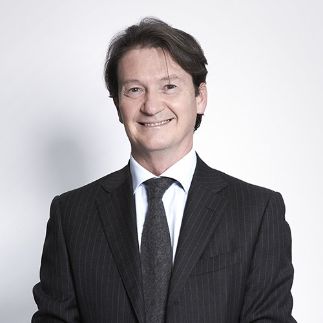
Giuseppe Rizzo is a Full Professor at the Department of Maternal and Child Health and Urological Sciences, Sapienza University of Rome. His academic career focuses on Maternal Fetal Medicine, with expertise in ultrasound applications, fetal growth restriction, preeclampsia, and congenital anomalies. Research Interests : Delivery optimization, prematurity prediction, ultrasound diagnostics, and placental anomalies. Recent Publications : Over 15 high-impact studies in 2024-2025 on topics like umbilical cord abnormalities, cerebroplacental ratios, and gestational diabetes complications. Clinical Expertise : Prenatal counseling, Doppler ultrasound, and labor management protocols. Collaborations : Active in multicenter trials across Italy and Europe, with a focus on fetal neurosonology and high-fidelity obstetric simulation.
Federica Agosta is an Associate Professor of Neurology at Vita-Salute San Raffaele University (UniSR) and Functional Unit Head at San Raffaele Hospital (OSR) , Milan, Italy. Her research focuses on neuroimaging in neurodegenerative diseases , including Alzheimer's, Parkinson's, and amyotrophic lateral sclerosis (ALS). PhD in Experimental Neurology (2012), UniSR Neurology Qualification (2008), UniSR MD in Medicine and Surgery (2003), UniSR Research Interests : Federica Agosta's work bridges functional MRI (fMRI) with clinical applications in neurodegenerative disorders. She investigates: Brain network alterations in Alzheimer's and Parkinson's Neuroimaging biomarkers for ALS and dementia Gender-specific neurological manifestations Advanced MRI techniques for early disease detection Cognitive rehabilitation strategies Neurodegeneration and brain connectivity Recent Publications highlight trends in neuroimaging endpoints for ALS, memory systems, Parkinson's scales, sleep apnea, and epilepsy diagnostics. Her ERC Starting Grant (2017) and European Grand Prix for Young Researcher (2019) underscore her leadership in neurodegenerative disease research. Scientific Roles : Coordinator, Doctoral Program in Cognitive and Behavioral Sciences (UniSR, 2024–) Co-PI, San Raffaele Neurotech Hub (2024–) President, Master's Degree Council in Rehabilitation Sciences (2021–) Visiting Professor, University of Belgrade (2017–) Editorial & Societal Contributions : Member of the EAN Scientific Committee , Co-Chair of the ALS & FTD Panel , and active roles in societies like SIN and SINdem . She serves on editorial boards for Neurological Sciences and Neurology .
Andrea Falini is a Full Professor of Neuroradiology at the Vita-Salute San Raffaele University (School of Medicine). He holds leadership roles including Head of the Neuroradiology Department at the Scientific Institute S. Raffaele Hospital and Head of the Advanced Diagnostic in Neuro-oncology Unit. His career spans clinical, academic, and administrative roles since 1991, with extensive experience in neuroradiology, neuro-oncology, and neuroimaging research. Education: MD (1986, University of Milan), PhD in Neurological Sciences (1989), and specialized training in Neurology and Radiology at leading institutions, including a visiting scholar position at UCSF (1996). Research interests focus on advanced MRI techniques, neuro-oncology, neurodegenerative diseases, and cognitive neuroscience. His work emphasizes functional MRI, diffusion tensor imaging, and clinical applications in glioma management and neurodegenerative disorders. Awarded the 1989 'De Visart' Prize and grants supporting his international collaborations. He has authored 218+ peer-reviewed articles, with an H-index of 40+, and actively contributes to academic committees and international conferences. Leadership roles include Vice-Director of the Neuroscience Division (2014–present) and coordination of the BraiMap Research Program. His academic teaching spans neuroradiology, biomedical engineering, and cognitive neuroscience courses.
Barbara Penolazzi is an Associate Professor of Clinical Psychology at the University of Trieste's Department of Life Sciences. She serves as a member of the Department's Board, coordinates Course of Study Advice for Psychological Sciences and Techniques, and participates in multiple Doctoral Colleges for Neuroscience and Cognitive Sciences across numerous academic cycles. As the leader of the Clinical Psychology research group, her work focuses on "Typical and atypical development during lifespan" within the Psychology research area. Department Council - Member Course of Study Advice - Coordinator (Psychological Sciences and Techniques) Boards of Studies - Member (Clinical Psychology, Developmental Psychology and Neuropsychology) Doctoral Studies Boards - Member (Neural and Cognitive Sciences across multiple cycles) Professor Penolazzi's research spans clinical psychology, neuropsychology, and psychological well-being with emphasis on emotional intelligence, cognitive processes in various disorders, and brain mechanisms. Her work integrates experimental psychology with clinical applications, particularly using transcranial direct current stimulation to investigate neural mechanisms underlying decision-making, moral cognition, and memory processes. She has made significant contributions to understanding psychological mechanisms in eating disorders, schizophrenia, and addiction through a transdiagnostic lens. Her extensive publication record demonstrates consistent focus on the intersection of cognitive neuroscience and clinical psychology. Recent work examines neural underpinnings of voluntary action, environmental sensitivity as a personality trait, and interventions for fostering emotional intelligence in preadolescence. Her research employs diverse methodologies including neurostimulation techniques, psychometric validation studies, and experimental paradigms to investigate cognitive control mechanisms across various clinical populations. Professor Penolazzi currently serves as Scientific Manager for two significant research projects funded by the Ministry of University and Research: "PROBEN_0000008 - Promotion of the Well-Being of the University Community - PRO-BENE-COMUNE" and "10% Trentin Silvia - 100% MUR". These projects reflect her commitment to applying psychological science to address contemporary mental health challenges within academic communities and beyond. Within the Department of Life Sciences, Professor Penolazzi leads the Clinical Psychology research group that investigates typical and atypical developmental trajectories across the lifespan. Her team employs a multidisciplinary approach combining cognitive neuroscience methods with clinical assessment to understand the mechanisms underlying various psychological conditions and to develop evidence-based interventions.
Daniela Carnevale is a Full Professor at Sapienza University of Rome, where she serves in the Department of Medical-Surgical Sciences and Biotechnologies within the Faculty of Medicine. She directs the Laboratory of Neuro and Cardiovascular Immunology at the Department of Molecular Medicine, based at IRCCS Neuromed in Pozzilli. Her academic career spans over a decade with a permanent position as Assistant Professor since 2012, progressing to her current role as Full Professor. Education: PhD in Neuroscience (2010) - Faculty of Medicine and Surgery, Catholic University of the Sacred Heart in Rome Professional qualification in Biology (2006) - Sapienza University of Rome Degree in Biological Sciences (2005) - Sapienza University of Rome, final mark 110/110 cum laude Daniela Carnevale's research primarily focuses on the intersection of cardiovascular medicine, neuroscience, and immunology. She investigates neuroimmune mechanisms in hypertension, exploring how the nervous and immune systems interact to influence blood pressure regulation and organ damage. Her work encompasses biotechnologies and translational approaches to understand arterial hypertension, chronic heart failure, Alzheimer's related dementias, and adaptive immune responses. She has pioneered research on brain-spleen communication pathways in hypertension, demonstrating how neural signals prime immune responses that contribute to cardiovascular pathology. Analysis of her recent publications reveals a strong emphasis on neuroimmune cardiovascular interfaces, with particular focus on hypertension-induced cognitive impairment, cerebrovascular remodeling, and organ damage mechanisms. Her work increasingly integrates advanced imaging techniques, genetic analyses, and immune profiling to uncover novel therapeutic targets for cardiovascular and neurodegenerative conditions. Scientific Awards: Fellow of the American Heart Association (FAHA) (2016) Council on Hypertension Mid Career Award for Research Excellence (2019) International Patent in medical technology (2010) Multiple research awards from the Italian Society of Arterial Hypertension Research Award from the Foundation "Roberto Cornelli" (2009) Professor Carnevale has secured significant research funding as Principal Investigator, including grants from Sapienza University, Istituto Pasteur-Fondazione Cenci Bolognetti, and the Italian Ministry of Health. She has supervised numerous PhD students, post-doctoral fellows, and undergraduate students across various biomedical programs. Her laboratory collaborates internationally with leading researchers from Harvard University, Vanderbilt University, University of Glasgow, and University of Munich. At IRCCS Neuromed, Professor Carnevale directs the Laboratory of Neuro and Cardiovascular Immunology, where her team investigates the cellular and molecular mechanisms underlying neuroimmune interactions in cardiovascular diseases. Her research facility includes advanced preclinical imaging capabilities, including a 7Tesla MRI for small animal research, which she secured through competitive grant funding.
Veronica Mazza is an Associate Professor at the University of Trento's Department of Psychology and Cognitive Sciences and the Interdepartmental Center for Mind/Brain Sciences (CIMeC). She has held this position since 2015, following roles as Assistant Professor (2008-2014) and Post-Doctoral Research Fellow (2006-2008) at the same institution. Her academic credentials include a PhD in Cognitive Science from the University of Padua and research training at Birkbeck College, University of London. Research Focus: Mazza leads investigations into visual perception, attention mechanisms, working memory, and cognitive aging using electrophysiological methods (EEG). Her work examines how the visual system processes complex scenes and the impact of aging on cognitive functions, with particular emphasis on neuroplasticity in older adults. Current projects explore neural connectivity patterns in aging and interventions to enhance cognitive resilience. Publication Trends: Her recent research (2018-2023) concentrates on cognitive neuroscience of aging, with recurring themes of neural connectivity, visuospatial processing, working memory capacity, and cognitive assessment in age-related neurocognitive disorders. Methodologically, she emphasizes EEG, meta-analyses, and behavioral paradigms to study both healthy aging and pathological conditions like Mild Cognitive Impairment and Alzheimer's disease. Awards & Recognition: Erasmus+ Teaching Mobility Grant (2019) Center for Advanced Studies Fellowship, LMU Munich (2014) Young Researcher Award, Italian Association of Psychology (2004) Multiple pre- and post-doctoral fellowships from Italian research agencies Leadership & Funding: Mazza directs the Experimental Psychology Labs at CIMeC and coordinates EEG research facilities. She currently leads or co-leads several major grants: PRIN 2022 project on visuospatial bias in aging (PI) DFG collaboration on attention mechanisms (Co-PI) University of Trento's RARE Net initiative on aging resilience ITPAR neuroscience network (Vice-Coordinator) She has supervised 4 PhD students and multiple post-doctoral researchers in cognitive neuroscience.
Bianca Papotti is a fixed-term Researcher at the Department of Food and Pharmaceutical Sciences, University of Parma. Her academic career spans interdisciplinary research in Pharmacology Cholesterol Metabolism Neurodegenerative Diseases Cardiovascular Pathology Immunometabolism . She teaches courses including Experimental Pharmacology and Food Toxicology. Her research focuses on the role of PCSK9 and cholesterol efflux in Alzheimer's Disease Atherosclerosis Rheumatoid Arthritis Lipoprotein Biology Inflammatory Disease Drug Development . Key trends in her publications (3 in 2025, 12 in 2024) reveal strong emphasis on PCSK9 inhibition mechanisms, cholesterol-immune crosstalk in rheumatoid arthritis, and fasting interventions in lipid-related pathologies. Her work has explored PCSK9's neuroinflammatory effects ABCA1/ABCG1 transporter dynamics Macrophage cholesterol loading Natural compound screening HDL dysfunction in diabetes Covid-19 lipid interactions .
Cesare Gagliardo is a Researcher (MEDS-22/B) at the University of Palermo, Department of Biomedicine, Neuroscience and Advanced Diagnostics, School of Medicine and Surgery. He maintains regular office hours on Wednesdays from 10:00 to 12:00 at the Radiological Sciences Section. His academic responsibilities include teaching diagnostic imaging courses across multiple health professions programs including Nursing, Hearing Prosthetic Techniques, and Neuroscience. Dr. Gagliardo's research focuses on advanced diagnostic imaging techniques, particularly in neuroradiology and MRI-guided focused ultrasound applications. His work spans neurological disorders, peripheral nerve pathologies, and innovative non-invasive surgical approaches. He has made significant contributions to transcranial MRI-guided focused ultrasound surgery, publishing some of the world's first experiences with this technology for treating essential tremor and other neurological conditions. Analysis of his publication record reveals a strong emphasis on translational research connecting imaging technology with clinical applications. His work demonstrates expertise in diffusion kurtosis imaging, resting state fMRI, and the diagnostic applications of ultrasound in peripheral nerve pathologies. The research trajectory shows progression from foundational imaging techniques to innovative therapeutic applications of focused ultrasound. His scientific contributions include pioneering work in transcranial MRI-guided focused ultrasound surgery, with publications documenting the world's first experiences with this technology. His research spans multiple disciplines including neuroscience, radiology, neurosurgery, and gynecology, demonstrating interdisciplinary collaboration across medical specialties. Dr. Gagliardo actively contributes to medical education through multiple courses in diagnostic imaging, neuroradiology, and medical advanced diagnostics across various health profession programs at the University of Palermo. His teaching spans undergraduate and graduate level instruction for nursing, neuroscience, and specialized health professions.
Francesca Rappa is a Full Professor in the Department of Human Anatomy and Histology within the School of Medicine and Surgery at the University of Palermo. Her academic position (BIOS-12/A classification) centers on biomedicine, neuroscience, and advanced diagnostics with a focus on molecular mechanisms of disease. Her research spans multiple interconnected domains centered on stress response systems. Key interests include: Molecular chaperone networks (particularly Hsp60, Hsp90, Hsp27) in carcinogenesis Thyroid and colorectal cancer pathophysiology Glioblastoma multiforme molecular characterization Probiotic interventions for gut-liver-muscle axis disorders Nanovesicle-based therapeutics from citrus and tomatoes Diagnostic applications of heat shock proteins in inflammatory diseases Publication analysis reveals consistent focus on chaperone systems across cancer types (thyroid, salivary, colorectal, brain), with recent expansion into nutraceutical mechanisms involving citrus nanovesicles and golden tomatoes. Her 2023-2025 output shows increasing emphasis on multi-organ communication pathways (gut-brain, gut-liver-muscle) and industrial-scale therapeutic applications. Methodologically, she integrates immunohistochemistry, proteomics, and animal disease models. Teaching responsibilities include core anatomy courses for Medicine and Radiology programs: Anatomy I (10 CFU) and II (6 CFU) for Medicine Human Anatomy with Histology elements (6 CFU) for Radiology Integrated Anatomy/Biochemistry/Physiology modules (12 CFU) She actively supervises graduate research, with four theses directed between 2020-2024 covering celiac disease histopathology, stress protein interactions in colorectal cancer, glioblastoma biomarkers, and thyroid stress responses. Her laboratory work focuses on immunomorphological analysis of chaperone systems in tumor tissues and development of probiotic/nanovesicle interventions for metabolic and inflammatory conditions.
Cristina Anna Colombo is a Full Professor of Psychiatry at Vita-Salute San Raffaele University’s School of Medicine. She holds leadership positions including Head of the Mood Disorders Unit at San Raffaele Hospital in Milan. Her career spans over three decades, with expertise in neurobiology, psychopharmacology, and chronotherapeutics. Colombo earned her medical degree from the University of Milan in 1985, completing residencies in Psychiatry and specializing in clinical neurosciences. Her research focuses on mood disorders, particularly bipolar disorder, schizophrenia, and the neurobiological mechanisms underlying depression. She pioneered studies on sleep deprivation therapy, light therapy, and genetic factors influencing treatment responses. Her work integrates neuroimaging (MRI, PET), pharmacogenetics, and chronobiology to understand mental health disorders. Colombo has authored over 125 peer-reviewed articles and book chapters, with notable contributions on serotonin transporter gene polymorphisms and lithium’s neuroprotective effects. She directs postgraduate courses in forensic psychopathology and security professions at her university. Her clinical and academic roles emphasize translational research, bridging neurobiological insights with clinical practice. Her awards and honors include board certifications in Psychiatry and Criminology (cum laude), and her leadership in international congresses highlights her global impact. Colombo’s work continues to advance treatment strategies for mood disorders, emphasizing personalized medicine and non-pharmacological interventions.
Lorenzo Farina is a Full Professor at Sapienza University of Rome's Faculty of Information Engineering, Computer Science and Statistics, specializing in Electronic and Computer Bioengineering (ING-INF/06). With over 25 years of academic leadership, he co-founded Italy's first Bioinformatics degree program and established key oncology precision medicine initiatives, maintaining active collaborations with Harvard Medical School's network medicine division. His educational background includes a cum laude Electronic Engineering degree and PhD in Systems Engineering, both from Sapienza University. These foundational studies evolved into pioneering work in positive linear systems theory, evidenced by his highly-cited Wiley textbook Positive Linear Systems: Theory and Applications (2000). Farina's research centers on network medicine – applying complex network science to molecular medicine since his 2004 breakthrough. His work spans cancer mechanisms (breast, glioblastoma, lung), drug repositioning (including COVID-19 applications), and liquid biopsy biomarker development. Current projects focus on miRNA-based network biomarkers for cancer diagnostics and immunotherapy response prediction, integrating multi-omics data through advanced computational frameworks. Analysis of his 15 most recent publications (2024-2025) reveals dominant themes: sexual dimorphism in cancer networks (MIRROR platform), immunotherapy response signatures, and critical examinations of AI's role in precision medicine. His work consistently bridges computational innovation with clinical applications, particularly in oncology diagnostics and therapeutic optimization. His scientific recognition includes: 2001 Guillemin-Cauer Award for best IEEE Transactions on Circuits and Systems article 2014 SysBio Award for annual best publication Farina actively mentors through interdisciplinary programs he established, including the Network Oncology doctoral program. His laboratory collaborations span Sapienza's Oncogenomics and Immunology Laboratories, Harvard's Channing Division of Network Medicine, and clinical departments in oncology and radiology, driving translational research from computational models to patient applications. He leads multiple research teams focused on network-based diagnostics, including the MIRROR platform for cancer disparity analysis and liquid biopsy development teams investigating circulating miRNA networks for early cancer detection across multiple malignancies.
Marco Grangetto serves as Full Professor in the Department of Computer Science at the University of Turin, coordinating research in image processing and computer vision. His expertise spans wavelets, image/video coding, data compression, error resilient video coding, and biomedical image processing, with significant contributions to ISO JPEG2000 standardization and editorial roles in IEEE Transactions on Multimedia. His educational background includes a PhD in Electrical and Communications Engineering (2003) and MSc in Telecommunications Engineering (1999), both from Politecnico di Torino. His research integrates Artificial Intelligence and Deep Learning with medical imaging and fundamental compression theory , producing innovations in neural network pruning, capsule networks, and entropy-based models. Recent work focuses on Covid-19 diagnosis from chest X-rays and efficient 3D scene modeling. His publication trends reveal dual trajectories: applied medical AI (Covid-19 diagnostics, lung cancer segmentation) and theoretical advances (learned compression, contrastive learning, bias mitigation). This bridges clinical validation with information-theoretic foundations, particularly in resource-constrained environments. Scientific recognition includes: Premio Optime by Unione Industriale di Torino (2000) Fulbright Grant for research at UC San Diego (2001) He maintains leadership through IEEE editorial positions, ISO standardization participation, and MPAI membership. His research group develops medical datasets (UniToChest, UniToPatho) while advancing neural network efficiency for clinical deployment. Current projects focus on entropy minimization techniques and unbiased representation learning for healthcare applications.
Chiara Spironelli is an Associate Professor at the University of Padua, Italy. Her research focuses on cerebral plasticity in neurological patients, language lateralization using EEG, and electrophysiological correlates of emotional processing and visuo-spatial attention. She explores how empathy modulates emotional stimulus processing and investigates brain structural alterations in psychiatric disorders like schizophrenia and major depressive disorder. Her work integrates neuroimaging techniques (fMRI, EEG) to study functional connectivity, particularly between cognitive networks and the cerebellum. Key interests include gender differences in affective processing, the role of posture on brain activity, and the impact of mood induction tasks on neural responses. She has contributed to understanding linguistic reorganization in aphasia and the neurobiological basis of psychopathic traits. Publications emphasize EEG-based analyses of emotional responses, resting-state connectivity, and clinical applications in neuropsychiatric conditions. Her research highlights interdisciplinary approaches bridging cognitive neuroscience, clinical psychology, and neurology.
Dr. Vincenzo Catrambone is an Assistant Professor in the Department of Information Engineering at the University of Pisa and a fellow of the Neuro-Cardiovascular Intelligence Lab. His research focuses on integrative approaches to understanding brain-body interactions using advanced signal processing and computational modeling techniques. His research program investigates functional interactions between cardiovascular dynamics and neural activity in both physiological and pathological conditions. Key areas include neuro-cardiac coupling mechanisms, emotion-time perception relationships in depression, multisensory integration, and brain-computer interface development. His methodological approaches combine EEG analysis, computational modeling, physiological monitoring, and neuromodulation techniques. Recent publications demonstrate increasing focus on clinical applications, particularly in depression, epilepsy, and trauma-related disorders. His work on brain-heart interplay has evolved toward translational studies investigating how psychotherapeutic interventions modulate neuro-autonomic communication pathways.
Alfredo Benso is a Full Professor in the Department of Control and Computer Science (DAUIN) at the Polytechnic University of Turin, where he is also a member of the Interdepartmental Center PolitoBIOMed Lab - Biomedical Engineering Lab. He has been continuously involved in the Doctoral College for Computer and Systems Engineering since 2008, guiding PhD education across numerous cycles. His academic roles span teaching and research leadership in bioinformatics, systems biology, and computer engineering. Research interests: Bioinformatics and computational biology Systems biology and gene regulatory networks Artificial intelligence and machine learning in biomedicine Molecular modeling and multiscale simulation Biological database systems and data integration Health informatics and public health modeling His recent publications reflect a strong trend in applying AI and machine learning to biological and medical challenges, including protein function prediction, Alzheimer’s and Multiple Sclerosis modeling, food fraud detection, and viral genome analysis. These works span journals and conferences in bioinformatics, computational biology, and biomedical engineering, demonstrating interdisciplinary innovation. Scientific Awards: BIOINFORMATICS 2014 BEST PAPER AWARD (INSTICC, United Kingdom) Advising and Grants: He supervises PhD students, including Sofia Ostellino, and leads major research initiatives such as the BIGMECH (2023–2025) and FISHUB (2016–2018) projects. He has served as Scientific Director for collaborative agreements with public administrations and as Principal Investigator on EU, national (PRIN), and regional research grants focused on bioinformatics, space systems, and reliable digital technologies. Labs and Teams: He is a key member of the SBG - System Biology Group (DAUIN) and contributes to PolitoBIOMed Lab, fostering collaborative research in biomedical engineering and computational biology.