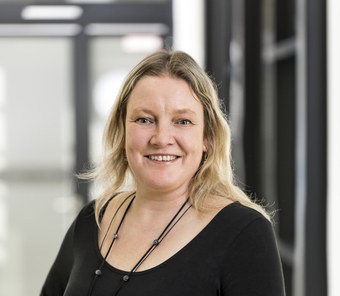
Susanne Weis is a Research Professor and Group Leader of the 'Variability of the Brain' group at the Department of Brain and Behavior (INM-7), part of the Institute of Neuroscience and Medicine (INM) at Research Center Jülich GmbH. Her work focuses on understanding brain variability through advanced neuroimaging techniques and machine learning, with particular emphasis on sex differences, hormonal influences, and clinical applications in mental health. Her research interests include neuroimaging methodologies, machine learning applications in cognitive neuroscience, and the structural-functional relationships underlying brain variability. She investigates how factors like sex hormones and naturalistic stimuli (e.g., movies) affect brain connectivity and cognitive performance, aiming to improve diagnostic and predictive tools for disorders such as schizophrenia and Alzheimer’s disease. Publications highlight her contributions to developing datasets (e.g., SpEx), analyzing confound leakage in ML models, and exploring meta-analytic networks during naturalistic viewing. Her work bridges basic science and clinical impact, addressing challenges in interpreting neuroimaging data and advancing personalized medicine approaches. In her role as a group leader, Weis oversees research projects and collaborates with interdisciplinary teams. She is affiliated with the Helmholtz Association and contributes to the broader scientific community through her research in neuroimaging and computational neuroscience.
Ghazal Aarabi is an Associate Professor at the Department of Periodontology, Preventive Dentistry and Dental Conservation within the University Medical Center Hamburg-Eppendorf (UKE). She actively participates in clinical research projects and publications focusing on oral-systemic health connections. Researcher in periodontal epidemiology Key contributor to the Hamburg City Health Study (HCHS) Principal investigator in migration health research (MuMi Study) Research Focus spans three main areas: Periodontal-Brain Interactions through inflammatory pathways Oral Health Literacy among migrant populations Oral-Cardiovascular Links in aging populations Selected Publications (2018-2022) demonstrate her work in: Periodontal disease and cerebral microangiopathy Dental care utilization during pandemics Oral health disparities in migration contexts Current Projects include: PAROCARD : Oral health and cardiovascular surrogate markers MuMi : Migrant oral health promotion Cerebral Microangiopathy study in periodontitis patients
Dr. Friederike Adams is an Independent Research Group Leader at the University of Stuttgart and University of Tübingen, focusing on Precision Polymers for Pharmaceutics . Her work bridges polymer chemistry and nanomedicine, emphasizing sustainable materials for drug delivery systems. Education: PhD in Chemistry (2019, TU Munich), M.Sc. in Chemistry (2015, TU Munich), B.Sc. in Chemistry (2013, TU Munich) Awards: No explicit awards listed Research: Specializes in living-type polymerizations, catalyst design, and post-polymerization functionalization for drug and RNA delivery . Publications: 15+ works on sustainable polyesters, metal-catalyzed polymerization, and nanocarrier systems. Students: Mentors 10+ PhD, master’s, and bachelor’s students, including Lea-Sophie Hornberger and Philipp Weingarten . Collaboration: Joint research group with the Schnichels Lab at the Eye Hospital Tübingen. Funded by BMBF and Baden-Württemberg Ministry of Science under Germany’s Excellence Strategy.
Prof. Markus Axer is a Professor and Deputy Head of the Structural and Functional Organisation of the Brain (INM-1) at the Institute of Neuroscience and Medicine (INM) within Forschungszentrum Jülich. His research focuses on connectomics, neuroimaging technologies (e.g., 3D-Polarized Light Imaging), and high-performance computing applications in brain architecture analysis. He leads the 'Fiber Architecture' working group, advancing microscopy techniques like scattered light imaging and MRI-histology correlation for studying brain microstructure. His work bridges experimental neuroscience with computational methods, aiming to decode brain organization at meso- and macroscales. Key achievements include developing the HippoMaps atlas of the human hippocampus and improving fiber orientation mapping in brain tissue. Awards include Fellowship in the Royal Netherlands Academy of Arts and Sciences (2024). Research emphasizes cross-modal data integration, with applications in Alzheimer’s disease biomarker validation and primate brain evolution studies. He collaborates with academic institutions like the University of Wuppertal and contributes to international initiatives like the BigBrain Analytics Learning Laboratory.
Dr.-Ing Alexander Vahl is a Researcher at the Technical Faculty of Kiel University, leading the subgroup Nanoparticles for Nanocomposites . He specializes in advanced materials science, focusing on nanoparticle synthesis, functional thin films, and neuromorphic engineering. His research bridges nanotechnology with applications in memristive systems and plasmonics, emphasizing strain-invariant conductors and photocatalytic growth mechanisms. Key projects include developing self-assembled nano-object networks for brain-inspired computing and optimizing gas aggregation cluster sources for novel material fabrication. His work spans disciplines such as memristive switching, plasmonic metasurfaces, and bio-inspired electronics. Notable contributions include studies on silver/polymer nanofluids, ITO-TiO₂ heterojunctions, and multicomponent nanoparticle synthesis. Vahl collaborates with the Chair for Functional Nanotechnology, leveraging interdisciplinary expertise to advance materials innovation. His articles highlight advancements in neuromorphic systems, photocatalytic deposition, and thin-film technologies. The research emphasizes scalability and real-world applications, such as energy-efficient sensors and hybrid zinc batteries. Vahl’s subgroup webpage and extensive publications reflect a commitment to pushing boundaries in nanomaterials engineering.
Claudia Buß is a University Professor (W3) at the Institute of Medical Psychology, Charité – Universitätsmedizin Berlin, where she has been serving since 2019. She also holds an Adjunct Professor position in the Department of Pediatrics at the University of California Irvine School of Medicine since 2022, having previously served as Adjunct Associate Professor (2016-2022) and Adjunct Assistant Professor (2013-2016). Additionally, she is a faculty member at both the Berlin School of Mind & Brain and the Einstein Center for Neurosciences in Berlin. Dr. Buß received her psychology education at the University of Trier, Germany, and completed her PhD in Psychobiology at the University of Trier and McGill University in Montreal, Canada in 2006. She conducted postdoctoral research in the Department of Psychiatry and Human Behavior at the University of California Irvine, USA, before becoming an Assistant Professor in the Department of Pediatrics at the same institution from 2010-2012. Professor Buß's research focuses on the pre- and postnatal programming of health and illness across the lifespan, with particular emphasis on brain development. Her work investigates how maternal stress during pregnancy affects fetal development and disease vulnerability, including the intergenerational transmission of early childhood stress and trauma effects. She employs advanced imaging techniques such as MRI and EEG to examine stress effects on the brain and cognitive performance throughout life. Her extensive publication record demonstrates a consistent trajectory in understanding how maternal factors—including cortisol levels, inflammatory markers like IL-6, and childhood trauma history—influence fetal and newborn brain development. These studies frequently connect prenatal exposures to specific brain structures (amygdala, hippocampus, hypothalamus) and subsequent behavioral outcomes in children. Her recent work has expanded to examine multiple simultaneous exposures ("poly-exposures") and their cumulative effects on neurodevelopment. 2017: Elected Member, Academy of Behavioral Medicine Research (ABMR) 2015: Curt Richter Award of the International Society for Psychoneuroendocrinology (ISPNE) for "distinguished early to mid-career scientific contributions at the interface of health-related biological and psychological processes" As a principal investigator, Professor Buß leads research examining the developmental origins of health and disease, with particular focus on how early life experiences shape brain development and long-term health outcomes. Her work bridges basic science and clinical applications, investigating both biological mechanisms (endocrine, inflammatory) and psychological factors that influence the maternal-fetal interface. She collaborates extensively across institutions, as evidenced by her dual appointments in Berlin and California, and her involvement with the Berlin School of Mind & Brain and Einstein Center for Neurosciences. Professor Buß's laboratory utilizes a multidisciplinary approach combining psychological assessment, biological sampling, and advanced neuroimaging to investigate how maternal experiences become biologically embedded and transmitted across generations. Her team employs ecological momentary assessment methods to capture real-time stress experiences during pregnancy, providing a more accurate picture of maternal exposures than retrospective reports.
Prof. Michael N. Smolka is a Professor in the Department of Psychiatry and Psychotherapy, focusing on neuro-cognitive mechanisms underlying addictive behaviors. His research employs longitudinal approaches to study addiction development, maintenance, and recovery, integrating computational modeling of behavior with functional MRI to map brain systems. Key areas include executive functions, decision-making, learning, and motivation. He contributes to research consortia such as SFB 940 and TRR 265. Research interests emphasize brain-behavior interactions in mental health, with studies on genetic risk factors, environmental influences, and neuroimaging correlates of psychiatric disorders. His work bridges clinical psychiatry with cutting-edge computational methods, aiming to develop diagnostic tools and personalized interventions. Recent studies explore machine learning applications for predicting substance use disorders and eating disorders, alongside investigations into developmental trajectories of brain morphology and cognitive control mechanisms. Publications highlight interdisciplinary approaches, linking genetic, environmental, and neurobiological factors to addictive behaviors and mental health outcomes. His contributions to frameworks like brain-derived nosology and diathesis-stress models reflect his commitment to advancing translational research in psychiatry.
Harald E. Möller is a Professor and Head of the Nuclear Magnetic Resonance Research and Development Unit at the Max Planck Institute for Human Cognitive and Brain Sciences in Leipzig. With a career spanning over four decades, he has held academic positions including Honorary Professor at the University of Leipzig and leadership roles in institutions like Duke University Medical Center and the University of Münster. His research focuses on advancing MRI methodologies, biophysical imaging principles, and their applications in neurology and neuroscience. Education: 1979-1985: Chemistry & Physics studies at Universities of Dortmund and Münster 1985: M.Sc. (Diploma) in Chemistry 1988: PhD in Physical Chemistry (summa cum laude) 2000: Habilitation in Physical Chemistry 2002: Habilitation in Biophysical Chemistry Research Interests: Development of novel MRI methods Quantitative tissue characterization Myelin sheath imaging Cerebral blood flow dynamics High-field MRI hardware
Prof. Dr. Sabine Begall is a Researcher at the Department of General Zoology , Faculty of Biology , University of Duisburg-Essen. With over 25 years of experience, she focuses on the sensory ecology of subterranean mammals, particularly Fukomys anselli , exploring magnetoreception , acoustic communication , visual adaptations , and physiological responses to underground environments . Key Research Areas: Subterranean mammal sensory ecology Thyroid hormone regulation in aging Magnetic field orientation mechanisms Comparative auditory and visual systems Domestication syndrome in rodents Evolutionary adaptations in burrowing species Recent Article Trends: 2025 study on retinal ganglion cell diversity in microphthalmic mammals 2024 thyroid hormone and hypoxia research in mole-rats 2023 comparative analyses of burrow acoustics and dental structures Scientific Awards: Honor for outstanding dissertation (2001), University of Essen Fritz Frank Prize (2001), German Society for Mammalogy She serves as a reviewer for journals including Journal of Morphology , Animal Behaviour , and Scientific Reports , and has contributed to major publications on subterranean rodent ecology.
Ali Ertürk is a Professor at Helmholtz Zentrum München, serving as Director of the Institute for Tissue Engineering and Regenerative Medicine (iTERM). His work bridges cutting-edge technology and biomedical innovation, focusing on tissue clearing, spatial-omics, and AI-driven analysis to map biological systems at unprecedented resolution. His research spans three primary areas: Cellular & Systems Neuroscience Theoretical Neuroscience & Technical Applications Biomedical Neuroscience Keywords include tissue clearing, organoids, and neurodegeneration. Selected publications highlight advancements in vDISCO imaging, SHANEL protocols, and AI applications for cancer and neurodegenerative diseases. Graduated students include Dr. Chenchen Pan and Dr. Ruiyao Cai.
Dr. Dimo Ivanov is an Assistant Professor at the Department of Cognitive Neuroscience at Maastricht University in the Netherlands. Since 2025, he has also served as Head of the 7 Tesla MR Core structure at the Cooperative Brain Imaging Center and as an Independent Research Group Leader at the Max Planck Institute for Empirical Aesthetics in Frankfurt, Germany. His work bridges physics, neuroscience, and advanced imaging technology. Dr. Ivanov earned his PhD (Dr. rer. nat.) in Physics from the University of Leipzig/Max Planck Institute for Human Cognitive and Brain Sciences in 2012, followed by an M.Sc. in Physics from the International Physics Studies Program at the University of Leipzig in 2007. His educational foundation was completed with studies at the Foreign Language High School in Pleven, Bulgaria. Dr. Ivanov specializes in high-resolution structural, perfusion, and functional mapping of the human cortex and subcortical regions. His research focuses on quantitative MRI techniques to assess tissue vascularization, microstructure, myelination, and iron content. He develops advanced MRI sequences and analysis pipelines for both 7T and 3T systems, with translational applications in neurodegenerative disorders, psychiatric conditions, and neurodevelopmental studies. His work on resting-state and task-based fMRI provides critical insights into neural connectivity and brain dynamics. His publication record demonstrates consistent contributions to ultra-high field MRI methodology, with emphasis on 7T and 9.4T systems. His research spans technical MRI development, quantitative imaging methods, and clinical applications across multiple neurological conditions. Recent work shows increasing focus on translational applications connecting advanced imaging techniques with clinical outcomes. Dr. Ivanov has received numerous scientific awards and successfully secured competitive funding: ERC Marie Curie Program (2023) - 2-year postdoc position Maastricht University-Chinese Science Council PhD Program (2022) Maastricht University Center for Integrative Neuroscience PhD Program (2022) Magnetic Resonance in Medicine issue cover (2017) ISMRM merit award magna cum laude (2013) Trainee abstract travel award from the Organization for Human Brain Mapping (2011) Educational Stipends from the International Society for Magnetic Resonance in Medicine (2009-2011) Dr. Ivanov has successfully mentored postdoctoral researchers and PhD students through competitive funding mechanisms. His research group at the Max Planck Institute for Empirical Aesthetics and his position at Maastricht University support a collaborative environment that bridges physics, neuroscience, and clinical applications. His work with the 7 Tesla MR Core structure provides critical infrastructure for advanced neuroimaging research in Frankfurt. Dr. Ivanov leads the Structural and Physiological Imaging with High-Field MRI research group at the Max Planck Institute for Empirical Aesthetics. His team specializes in pushing the boundaries of ultra-high field MRI technology, developing novel acquisition and analysis methods that enable unprecedented insights into brain structure and function. The group maintains strong collaborations with multiple institutions across Europe and beyond.
Professor Martin Koch is a distinguished academic at the Institute of Medical Engineering at the University of Lübeck, where he serves as Head of Magnetic Resonance Imaging. Born in Dinslaken, Germany in 1968, he completed his physics education at Göttingen University, including studies at the University of Edinburgh, followed by a PhD at the University of Leipzig. After over a decade as a Research Associate at University Medical Center Hamburg-Eppendorf, he joined the University of Lübeck in 2011 as a Juniorprofessor of Magnetic Resonance Imaging, achieving full professorship in November 2018. His research focuses on advanced MRI techniques, particularly diffusion imaging methods that reveal microscopic neural structures. Koch has made significant contributions to double wave vector diffusion weighting techniques for compartment size estimation in tissue, with applications in neuroscience and clinical diagnostics. His work spans Magnetic Resonance Imaging, Diffusion Neuroscience, Functional Magnetic Resonance, Biochemical Engineering, Magnetic Particle Imaging, Nuclear Imaging, Image Computing, and X-Ray Based Imaging. Over the past two decades, his publications demonstrate consistent innovation in developing and validating advanced diffusion MRI techniques, with recent work expanding into magnetic particle imaging applications. Analysis of his 15 most recent publications reveals a strong focus on technical innovations in diffusion MRI for neural tissue characterization, with increasing applications in interventional imaging and real-time monitoring. His research shows progression from fundamental diffusion physics to clinical applications, particularly in neurological conditions and cardiovascular imaging. Professor Koch actively participates in academic governance as a Member of Promotionskolleg Schleswig-Holstein and the Zentraler Gleichstellungsausschuss. His laboratory focuses on developing novel imaging techniques that provide microscopic insights into tissue structure, with particular relevance to neurological disorders and stroke recovery monitoring.
Ali Sina Safari is a Researcher affiliated with Friedrich-Alexander-Universität Erlangen-Nürnberg (FAU), contributing to interdisciplinary projects such as the Bavarian State Ministry-funded research on endometriosis diagnostics and treatments. His work bridges network theory, biological systems analysis, and materials science. Research Interests: Exploring hierarchical network structures in biological systems, including brain connectivity and materials science. Developing graph-theoretical methods to analyze damage in hierarchical materials and functional brain networks. Investigating topological dimensions' impact on activity patterns in modular networks. Publications highlight themes like network modeling in biological systems, thermodynamic analysis of distillation units, and probabilistic graphical models for brain connectivity extraction from fMRI data. He is actively engaged in FAU's research community, contributing to projects at the intersection of computational biology, materials science, and theoretical physics.
Dr. Pierre-Louis Bazin is a Researcher in the Department of Neurophysics at the Max Planck Institute for Human Cognitive and Brain Sciences. He holds a PhD from INRIA Rocquencourt (France) and conducted postdoctoral research at Brown University and Johns Hopkins University in the US. His work focuses on advanced neuroimaging techniques, including high-resolution MRI parcellation, quantitative MRI, and subcortical structure analysis. Key projects involve developing automated segmentation tools (e.g., Nighres), exploring cerebellar and subcortical anatomy, and investigating neurodegenerative markers using multi-modal approaches. Education 1995-1998: Electrical Engineering Diploma, SUPELEC (France) 1998-2001: PhD in Computer Vision & Graphics, INRIA Rocquencourt (France) 2001-2003: Postdoc in Computer Vision & Archaeology, Brown University (USA) 2003-2006: Postdoc in Neuroimaging, Johns Hopkins University (USA) Research Interests High-field MRI (7T+) applications in structural and functional brain mapping Development of neuroimaging software tools (e.g., Nighres) Subcortical and cerebellar morphometry in health and disease Quantitative MRI techniques for histology correlation Connectivity analysis in psychiatric disorders (e.g., schizophrenia) Awards Royal Netherlands Academy of Arts and Sciences (KNAW) membership (2020, 2024) Grants & Labs : Directs the Neurophysics lab at MPI-CBS. Active in large-scale projects like the Amsterdam Ultra-high field adult lifespan database (AHEAD). Collaborates on tools like MP2RAGEME for multi-parametric MRI. Labs/Teams : Leads neuroimaging method development and clinical translation efforts in Leipzig, Germany.
Prof. Dr. Elena Enax-Krumova serves as W1 Professor for Neuronal Regeneration Research at the Department of Neurology, Faculty of Medicine, Ruhr University Bochum (RUB), based at BG University Hospital Bergmannsheil in Bochum, Germany. Her work is integral to RUB's Research Department of Neuroscience, focusing on neurological pain mechanisms and neuronal recovery processes. Her research investigates pain generation in neuropathic pain syndromes, complex regional pain syndrome (CRPS), and post-traumatic headache using human-experimental models and clinical studies. She develops standardized monitoring for nerve lesion patients to correlate regeneration with injury patterns, aiming to identify high-risk patients for targeted interventions. Key methodologies include skin biopsies for intraepidermal nerve fiber density, corneal confocal microscopy, quantitative sensory testing (QST), and pain-associated electrically evoked potentials. Her 10 most recent publications (2013-2023) demonstrate consistent focus on neuropathic pain assessment, QST standardization, and neuronal regeneration. Notable contributions include international guidelines for neuropathic pain assessment, systematic reviews on post-traumatic headache mechanisms, and studies on contralateral sensory changes in neuropathy. Her work emphasizes clinical translation of QST protocols and development of evidence-based pain management strategies. No scientific awards were mentioned in the provided text. The available information does not specify grant funding details or student advising activities. She leads the Neuronal Recovery Research group within the Neurological Clinic and Polyclinic at BG University Hospital Bergmannsheil. Her team specializes in functional and morphological examination of the somatosensory nervous system, with active participation in EUROPAIN, NEUROPAIN, and DFNS consortia for advancing pain research methodologies.