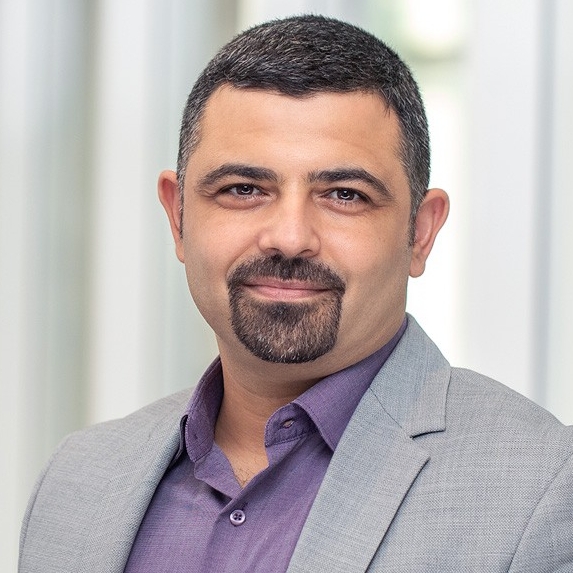
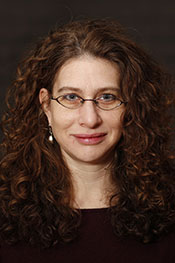
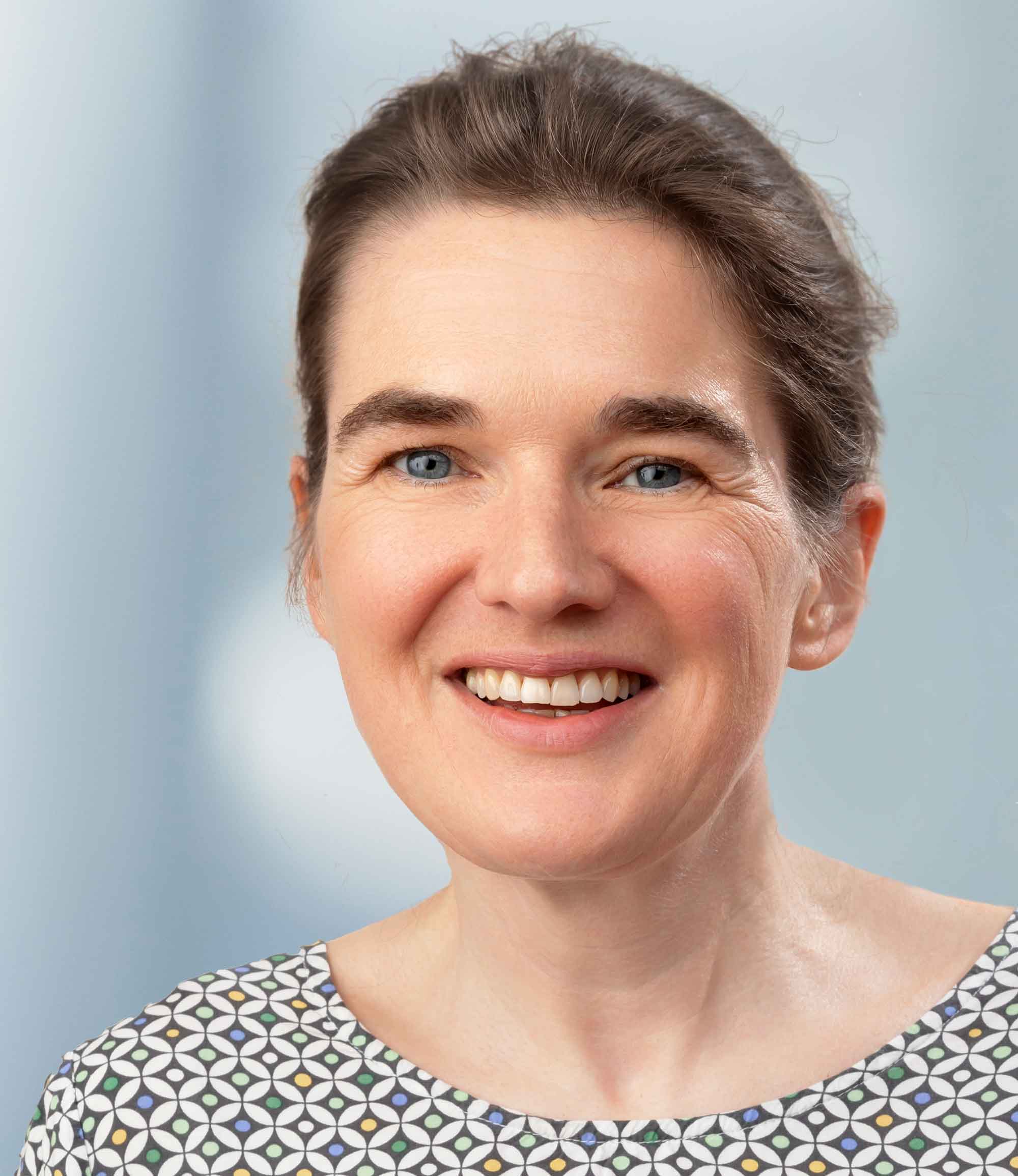
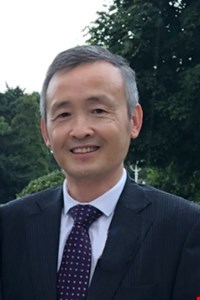
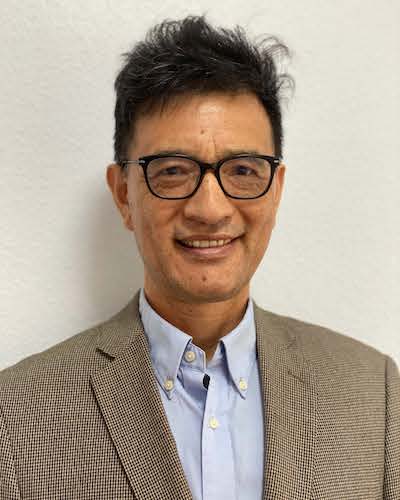
Mohamad Eid is an Associate Professor of Electrical and Computer Engineering at New York University Abu Dhabi (NYUAD), with a Global Network Associate Professor appointment at NYU Tandon School of Engineering. He leads the Applied Interactive Multimedia Laboratory (AIMLab), focusing on cutting-edge research in haptics and multimodal interaction. His research interests include haptics, affective haptics, EEG-based neurohaptics, soft haptics, biofeedback technologies, and human-computer interaction. He explores how tactile feedback can enhance virtual and augmented reality, assistive technologies, and medical simulation. His recent publications demonstrate strong activity in IEEE Transactions on Haptics, ACM TOMM, and other top venues, with work spanning vibrotactile alarms, mid-air haptics, emotion communication via touch, and haptic dental simulation. His research integrates engineering, neuroscience, and multimedia to create immersive and affective user experiences. Best Paper Award, ICBAE 2016 Best Paper Award, DS-RT 2008 ACM Multimedia 2009 Grand Challenge Most Entertaining Award Mohamad Eid advises students through capstone projects in computer science and biology and has contributed to educational initiatives such as robotic handwriting assistance for Arabic script. He holds multiple patents in haptic feedback systems and is an active editor for IEEE Transactions on Haptics. His work is supported by grants and has been featured in media outlets like Wired and The National. He leads the Applied Interactive Multimedia Laboratory (AIMLab), a multidisciplinary research group developing innovative haptic and interactive systems for healthcare, education, and entertainment.
Naomi Du Bois is a Research Associate in Artificial Intelligence and Machine Learning at the Bath Institute for the Augmented Human, University of Bath, affiliated with the Department of Computer Science under the Faculty of Science. Her work bridges AI, neuroscience, and clinical applications to support human augmentation and neurorehabilitation. Research Interests: Her primary research focuses on developing objective neurophysiological markers using AI and machine learning to assess prolonged disorders of consciousness (PDoC). This includes analyzing brain signals such as auditory evoked potentials to differentiate wakefulness and awareness in patients with locked-in syndrome and related conditions. Her work lies at the intersection of biomedical signal processing, cognitive neuroscience, and intelligent systems. The available publication highlights a trend toward applying machine learning techniques to clinical neurophysiology, particularly for improving diagnostic accuracy in non-communicative patients. Her research contributes to the growing field of assistive and augmentative technologies for individuals with severe neurological impairments. Scientific Awards: No awards mentioned in the provided text. Advising and Grants: There is no information available regarding student supervision, grants, or funding roles in the provided content. Labs and Teams: Naomi Du Bois is a member of the Bath Institute for the Augmented Human, a multidisciplinary research center focused on enhancing human capabilities through technology, particularly in health and well-being contexts. The institute emphasizes wearable systems, sensory augmentation, and brain-computer interfaces.
Prof. Jamie Paik is a Full Professor at the Swiss Federal Institute of Technology (EPFL), where she serves as Director of the Reconfigurable Robotics Lab (RRL) and is a core member of the Swiss NCCR robotics group. She holds multiple academic appointments across EPFL's School of Engineering, including positions in the Institute of Mechanical Engineering (IGM), STI-SMT SMT-ENS, and STI-SGM SGM-ENS. Additionally, she serves as a PhD program committee member for the Doctoral Program in Robotics, Control and Intelligent Systems. Her research focuses primarily on soft robotics , origami-inspired robotics , and wearable technologies . Prof. Paik's work leverages multi-material fabrication and smart material actuation to develop novel robotic designs that push the physical limits of materials and mechanisms. Her current research includes self-morphing Robogami (robotic origami) that transforms from planar shapes to 2D or 3D structures through predefined folding patterns, similar to traditional paper origami. Prof. Paik has published extensively on robotic origami, haptic feedback systems, and soft actuators, with her most recent work (2024-2025) focusing on vibration of soft twisted beams for locomotion, semi-autonomous surgical assistance, plug-and-play pneumatic systems, and data-driven kinematic modeling. Her research demonstrates a clear trajectory toward more adaptive, reconfigurable robotic systems with applications in surgery, human-robot interaction, and wearable technologies. Among her notable achievements, she developed a 7-DoF humanoid arm during her PhD at Seoul National University (sponsored by Samsung Electronics), which was the lightest in literature at that time (3.7kg including the 8-DoF hand). During postdoctoral work at Pierre Marie Curie University, she developed the internationally patented JAiMY laparoscopic tools now commercialized by Endocontrol-medical.com. PhD: Seoul National University (Humanoid Arm and Hand Design) Postdoc: Institut des Systems Intelligents et de Robotic, Université Pierre Marie Curie Postdoc: Harvard University's Microrobotics Laboratory Prof. Paik has supervised numerous PhD students, both current and past, including Bakir Alihan, Demirtas Serhat, Jiang Shaopeng, Kanno Ryo, Schüssler Alexander Michael, and Wang Ziqiao. Her teaching includes Topics in Autonomous Robotics, Mechanical Product Design and Development, and Advanced Design for Sustainable Future.
Professor Alun D. Preece is a distinguished academic at Cardiff University's Crime and Security Research Institute, UK, with significant contributions to artificial intelligence, particularly in explainable AI (XAI), social media analysis, and neuro-symbolic approaches. His research spans over three decades with continuous publication output through 2024, demonstrating sustained scholarly impact in the AI community. His research interests focus on creating transparent and interpretable AI systems that can effectively collaborate with humans in complex environments. Key areas include explainable AI methodologies, social media analysis for misinformation detection, neuro-symbolic integration for robust reasoning, and collaborative perception-cognition-communication-action frameworks. His work bridges theoretical AI foundations with practical applications in security, public safety, and coalition operations. Recent publications (2022-2024) reveal a strong focus on cutting-edge AI challenges, with particular emphasis on neuro-symbolic approaches, vector symbolic architectures, and human-AI teaming. His work consistently addresses the critical challenge of creating AI systems that are not only effective but also transparent, trustworthy, and capable of meaningful collaboration with human users. Professor Preece has established extensive collaborations across the AI research community, with notable co-authors including Dave Braines, Federico Cerutti, Ian J. Taylor, and Mani Srivastava. His research has been published in top venues including FUSION, IEEE Transactions, and AAAI workshops. His work on verifiable credentials for AI model transparency, collaborative perception frameworks, and misinformation analysis demonstrates practical applications of his theoretical contributions to real-world security and information challenges. The trajectory of his recent publications indicates continued leadership in addressing the critical challenges of trustworthy and explainable AI systems.
Constantino Carlos Reyes-Aldasoro is a Professor in the Department of Electrical and Electronic Engineering within the School of Mathematics, Computer Science and Engineering at City, University of London. With an active research career spanning over two decades, he maintains a prolific publication record with recent contributions in 2025 across multiple disciplines including medical image analysis, computer vision, and biomedical engineering. His research interests focus on Medical Image Analysis, Computer Vision, Biomedical Imaging, Cancer Research, and Image Processing. His work bridges engineering and medical sciences, developing computational methods for biomedical applications. He has made significant contributions to tumor microenvironment modeling, vascular analysis, and electropalatography studies. Analysis of his recent publications reveals a strong emphasis on deep learning applications in medical imaging, with particular focus on cancer diagnostics, vascular analysis, and neuroimaging. His research demonstrates consistent methodological innovation in image processing techniques applied to biomedical problems, with publications spanning from fundamental algorithm development to clinical applications. Professor Reyes-Aldasoro has mentored numerous researchers, with several co-authors appearing consistently across multiple publications as likely students and postdoctoral researchers including C. Karabağ, J.A. Solis-Lemus, and M.A. Ortega-Ruiz. His work demonstrates interdisciplinary collaboration across engineering, computer science, medicine, and biology, reflecting the increasingly interconnected nature of modern biomedical research. He maintains active research programs with recent publications indicating ongoing projects in AI implementation in medical imaging, tumor modeling, and cardiovascular analysis.
Andrea Michelle Green is an Associate Professor in the Department of Neuroscience at the Faculty of Medicine, University of Montreal. Her research focuses on sensorimotor control, sensory contributions to motion estimation in space, motor task learning, and computational models of neural systems. She works in Pavillon Paul-G.-Desmarais, local 4137, and can be reached at andrea.green@umontreal.ca . Neural basis of sensorimotor control Sensory contributions to motion estimation Motor task learning and behavioral adaptation Computational models of neural systems Her recent research explores the role of vestibular signals in voluntary movement, reference frame transformations, and cortico-basal ganglia circuits for action selection. She has secured significant grants from NSERC, CIHR, Brain Canada, and FRQNT for interdisciplinary studies on spatial motion estimation and motor planning. Notable projects include Interdisciplinary studies of spatial motion estimation and motor planning (2025-2032) and EthoLab: A platform for neurophysiological studies of natural behavior (2025-2028). Her work bridges experimental and theoretical neuroscience, emphasizing embodied decision-making and dynamic sensorimotor integration. Green has supervised multiple M.Sc. theses, including those of Simon Haché (2024) on vestibular contributions to trajectory selection and Poune Mirzazadeh (2024) on cortico-basal ganglia circuits for action decisions. She is affiliated with the SNC research group and the interdisciplinary CIRCA center.
Theresa Rienmüller serves as Assistant Professor at the Institute of Biomechanics, Graz University of Technology (TU Graz), Austria since March 2025, following prior appointments at TU Graz's Institute of Health Care Engineering (2019-2025) and research roles at UMIT and TU Graz dating back to 2008. Her academic foundation includes a Ph.D. in Technical Sciences from UMIT (2013) and an M.Sc. in Telematics from TU Graz (2008). Her research integrates computational modeling with experimental biology to address complex physiological challenges, focusing on bioelectronic neural stimulation , cardiovascular dynamics , and tissue engineering . She pioneers the application of organic semiconductors for light-controlled neuromodulation and cardiac excitation, developing innovative solutions for traumatic brain injury recovery and regenerative medicine. Her methodology uniquely combines in vitro cell experiments with in silico system theory models to simulate physiological processes. Recent publications (2021-2025) reveal a dominant trend toward organic bioelectronics for neural/cardiac applications, with significant contributions in microfluidic diagnostics , cancer bioelectricity modeling , and AI-driven medical imaging . Her work consistently bridges fundamental biophysics with translational medical device development, emphasizing precision control of biological systems through engineered interfaces. As Co-PI of the Austrian Science Fund (FWF) project “LOGOS-TBI” (2019-2024), she advanced light-controlled implants for brain injury regeneration, and currently leads the “Microfluidic Platform” project (2024-2026) for point-of-care diagnostics. These grants reflect her leadership in securing competitive funding for interdisciplinary biomedical engineering research, with ongoing collaborations spanning Harvard University, European medical device centers, and clinical partners. Dr. Rienmüller maintains active research partnerships through TU Graz's Institute of Biomechanics, leveraging shared facilities for organic semiconductor fabrication , electrophysiology , and computational modeling . Her international network includes the Beth Israel Deaconess Medical Center (Harvard) and LAAS-CNRS in France, facilitating cross-border innovation in bioelectronic medicine and diagnostic technologies.
Michael Moseley is a Professor of Radiology at Stanford University's Radiological Sciences Laboratory at the Lucas Center, where he has been working since 1993. Previously, he was in Radiology at UCSF during the rapid rise of MR in the 1980s. He holds multiple affiliations at Stanford including membership in Bio-X, the Cardiovascular Institute, Maternal & Child Health Research Institute (MCHRI), Stanford Cancer Institute, and Wu Tsai Neurosciences Institute. Dr. Moseley earned his PhD from Uppsala University Sweden in 1980 in Physical Chemistry and completed postdoctoral work at the Weizmann Institute in Israel until 1982. His research has focused on using diffusion NMR to investigate biological structures from proton relaxation and diffusion dynamics. Dr. Moseley's primary research interests center on developing MR methods to detect the earliest events of experimental and clinical cerebral vascular diseases using functional neuroimaging (DWI, PWI, and fMRI) methods. He was one of the first investigators in vascular MR and was the first to show in 1989 that mapping white matter fiber orientation using diffusion MRI was a novel measure of neuroimaging. His work on water diffusion-sensitive MR imaging of the brain has revolutionized knowledge of stroke onset and evolution. Dr. Moseley has published over 480 articles with an H-Index of 82 and more than 23,000 citations. His recent publications focus on AI applications in stroke imaging, pediatric neuroimaging, cerebral blood flow quantification, and advanced MRI techniques for vascular diseases. ISMRM Gold Medal (2000) ISMRM President (2003-2004) ISMRM Fellow (1998) Honorary Member SMRT (2007) Crues-Kressel Award (2014) Dr. Moseley has served on editorial boards, co-authored three books and 30 book chapters. He directs a Stanford summer course for the Japanese Society of Radiological Technologists and has participated in numerous international outreach meetings. His teaching includes courses such as 'Probes and Applications for Multi-modality Molecular Imaging of Living Subjects' and various independent study options for graduate and medical students.
Prof. Dr. Ilka Diester is a Full Professor of Optophysiology at the Faculty of Biology, Albert-Ludwigs-University Freiburg, and Spokesperson of the BrainLinks-BrainTools Center. She serves as Managing Director of IMBIT (Intelligent Machine-Brain Interfacing Technology) and Section Spokesperson for Systems Neurobiology on the Board of the German Neuroscience Society (2025-2027). Her educational background includes a Doctorate in Neurobiology from the University of Tübingen (2003-2008) and a Diploma in Biology from Humboldt University of Berlin (1998-2003). Prior positions include Group Leader at the Ernst Strüngmann Institute (2011-2014) and Postdoc at Stanford University (2008-2011). Her research focuses on the neural basis of motor control and cognitive control , investigating interactions between prefrontal and motor cortex using electrophysiological recordings, optogenetic manipulations, and behavioral analysis. Current projects include developing optoelectronic probes, studying prefrontal flexibility in strategy choice, and examining movement decoding in rodent models. Recent publications reveal strong trends in neural decoding (2022 cross-subject decoding study), optogenetic methodology (2022 multichannel interrogation), and AI-neuroscience integration (2024 internal world models). Her work bridges basic neuroscience with applications for prosthetic devices and understanding movement disorders. Prof. Diester leads multiple DFG-funded projects including CRC 1690 on Disease Mechanisms of Sensory and Motor Systems. Her lab actively recruits PhD students for projects on prefrontal flexibility, movement decoding, and virtual reality effects on neural activity. The Optophysiology Lab maintains strong institutional connections through BrainLinks-BrainTools and IMBIT, recently developing the open-source FreiLaser system for cost-effective optogenetic experiments. The lab participates in major neuroscience symposia including the German Neuroscience Society meetings.
Sanam MOGHADDAMNIA serves as an Assistant Professor in the Department of Electrical and Electronics Engineering at the Faculty of Engineering, Turkish-German University, Turkey. He holds a BSc from Tabriz University (2002), and both MSc (2006) and PhD (2012) degrees in Electrical Engineering from Leibniz Universität Hannover, Germany. Prior to his current position, he worked as a Research Assistant and Postdoctoral Researcher at Leibniz Universität Hannover from 2006 to 2018. His educational background includes: BSc in Electrical and Electronics Engineering from Tabriz University, Iran (1997-2002) MSc in Electrical Engineering and Information Technologies from Leibniz Universität Hannover, Germany (2003-2006) PhD in Electrical Engineering and Computer Science from Leibniz Universität Hannover, Germany (2006-2012) His research spans wireless communications, telemetry, intelligent signal processing, and data analysis with significant applications in healthcare (including ECG-based diagnostics, sepsis prediction, and gait analysis), telecommunications, and industrial sectors. He demonstrates expertise in machine learning applications for biomedical signal interpretation and has contributed to both theoretical wireless communications frameworks and practical medical device assessments. Analysis of his 2016-2024 publications reveals a strategic pivot toward biomedical engineering applications while maintaining core wireless communications research. His work shows increasing focus on non-invasive medical diagnostics using physiological signals, machine learning for healthcare analytics, and precision assessment of medical devices, alongside continued contributions to MIMO systems and channel estimation techniques. Scientific Awards: None mentioned in source material. He actively manages and acquires collaborative research projects with industrial partners across healthcare and telecommunications sectors. No student advisement details are provided in the available documentation. His research involves interdisciplinary collaboration with industrial partners but no specific laboratory or team names are documented in the source material.
Professor Xiaohui Liu is a distinguished Professor of Computing at Brunel University London, serving within the Computer Science department of the College of Engineering, Design and Physical Sciences. He maintains his office in the Wilfred Brown Building (Room 218) and has established himself as a leading figure in intelligent data analysis and artificial intelligence research. With over 20 years of academic leadership, Professor Liu has held significant visiting appointments including Honorary Pascal Professor at Leiden University (2004), Visiting Scientist at Harvard Medical School (2005), and Visiting Professor at the Chinese Academy of Sciences (2010). Professor Liu's research spans intelligent data analysis, deep learning, dynamical systems, human factors, innovative AI applications, optimisation, statistical pattern recognition, and trustworthy decision making. His work bridges theoretical advances with practical implementations across various industries, demonstrating exceptional translational impact. He has pioneered approaches that integrate artificial intelligence with data science to enable effective data interpretation and trustworthy decision-making systems, with applications spanning healthcare, manufacturing, and business domains. Analysis of Professor Liu's recent publications reveals a strong focus on transformer architectures, transfer learning, and optimization techniques applied to real-world problems. His work demonstrates consistent innovation in neural network architectures, particularly for anomaly detection, fault diagnosis, and recommendation systems. The publications show interdisciplinary applications spanning manufacturing, healthcare, digital marketing, and network science, reflecting his commitment to solving practical challenges through advanced computational methods. Clarivate Highly Cited Researcher for 11 consecutive years (2014-2024) World's top 2% of scientists by Stanford University (2020-2024) ScholarGPS Highly Ranked Scholar – Lifetime: Neural Network (2022-2024) Daniel Berg Award (2023) Research.com United Kingdom Leader Award in Computer Science (2023-2025) IDA Founders Award (2025) Professor Liu has secured substantial research funding from diverse sources including the European Commission, Innovate UK, Royal Society, and EPSRC. His current projects include AI-assisted tax assessment, intelligent data-driven pipelines for manufacturing certified metal parts, and maintenance models for zero-unexpected-breakdowns. He leads collaborative efforts through knowledge transfer partnerships with industry partners like Veritas Advisory Limited and has directed multiple European Commission-funded initiatives focused on IoT platforms, water resource management, and predictive maintenance systems. His research group actively mentors PhD students and collaborates with international partners across multiple continents. Professor Liu leads research activities within the IEHS and CSSB research groups at Brunel University, fostering interdisciplinary collaboration between computer scientists, engineers, and domain experts. His teams integrate expertise in neural networks, optimization algorithms, and statistical pattern recognition to develop innovative solutions for complex real-world problems. The research environment emphasizes both theoretical rigor and practical application, with strong industry partnerships ensuring that research outputs deliver tangible societal and economic impact.
Luca Spalazzi is an Associate Professor at the Department of Information Engineering , Università Politecnica delle Marche , Italy. His research spans multiple domains including cybersecurity , blockchain technology , machine learning , and telerehabilitation systems for Parkinson's disease. He applies formal methods to software verification and security analysis, with a focus on real-time systems and distributed architectures . Key research areas: Cybersecurity, Blockchain, Machine Learning, IoT, Formal Verification Recent work: Blockchain-based sustainable supply chains, Zero-Knowledge Proofs, Smartphone health monitoring His publications (2013-2025) demonstrate expertise in malware detection , smart contract verification , and AI-driven health solutions . Articles include BRAIN 2024 workshop organization and RAPIDO system for Parkinson's telerehabilitation.
Isabel Cecília Correia da Silva Praça Gomes Pereira is a Coordinator Professor at the School of Engineering of the Polytechnic Institute of Porto (ISEP), where she serves as Director of the Master on Informatics Engineering and Advisor of ISEP Presidency for R&D. She is also a Senior Researcher at GECAD (Research Group on Intelligent Engineering and Computing for Advanced Innovation and Development), a research unit ranked as Excellent by the Portuguese Science & Technology Foundation. Dr. Praça holds a PhD in Electrical and Computer Engineering - Industrial Informatics from the University of Trás-os-Montes e Alto Douro, and completed her post-doctoral studies in Artificial Intelligence - Multi-Agent Systems with support from the Portuguese National Science Foundation (SFRH/BPD/30111/2006). Her academic journey includes progressive appointments from Assistant to Adjunct Professor and finally to Coordinator Professor at ISEP. Her research focuses on Artificial Intelligence applied to cybersecurity and security of AI , with significant contributions to applying AI in various domains including cybersecurity (projects like AIDA, SAFE, VESTA), industry (SeCoIIA, Cyberfactory), and energy systems (SPET, MAS-Society). She leads a research team at GECAD working on these topics and has strong connections with over 100 companies and technology transfer centers across more than 30 countries. Analysis of her recent publications reveals a strong trend toward AI security, with particular emphasis on adversarial attacks against AI systems, secure implementation of AI in critical domains, and privacy-preserving AI techniques. Her work spans both theoretical foundations and practical applications across multiple sectors including energy, healthcare, and network security, demonstrating her ability to bridge academic research with real-world applications. Dr. Praça has been recognized as an expert by several prestigious organizations including the European Union Agency for Cybersecurity (ENISA), where she contributes to working groups on Security of AI and the European Cybersecurity Skills Framework. She also serves as an expert for NATO's Defence Innovation Accelerator for the North Atlantic (DIANA) and represents ISEP in the European Cybersecurity Organization (ECSO). As an educator, she teaches Machine Learning and Multi-agent Systems in the MSc in AI program, and Security of Communications and Infrastructures in the Cybersecurity branch of the MSc in Informatics. She currently supervises 4 PhD students in AI security and privacy and has guided 45 Master's theses, demonstrating her commitment to developing the next generation of researchers and practitioners in her field. Her research is supported by numerous international and national grants, including multiple Horizon Europe and Horizon 2020 projects where she serves as Principal Investigator or Co-PI. She has participated in over 35 R&D projects totaling significant funding, with a strong track record of translating research into practical applications through industry partnerships.
Jing-Rebecca Li is a Professor and Research Scientist at ENSTA Paris, affiliated with the Applied Mathematics Unit (UMA) and INRIA Saclay as part of the IDEFIX research team. Her work bridges advanced mathematical techniques with medical imaging applications, particularly in diffusion MRI. She maintains a dual affiliation between ENSTA Paris, a leading engineering school in France, and INRIA, the French national research institute for digital science and technology. HDR (Habilitation à Diriger des Recherches) in Mathematics, Université Paris-Sud, 2013 Ph.D. in Mathematics, Massachusetts Institute of Technology, 2000 B.Sc. in Mathematics, University of Michigan, 1995 Dr. Li's research focuses on developing sophisticated numerical methods to solve partial differential equations with applications in diffusion magnetic resonance imaging. Her work spans brain and cardiac imaging, numerical linear algebra, machine learning algorithms for inverse problems in PDEs, and natural language processing tools. She has pioneered approaches to simulate diffusion MRI signals in complex biological tissues, enabling more accurate interpretation of imaging data for neuroscience and cardiology applications. Her research has significant implications for understanding brain microstructure and cardiac tissue organization through non-invasive imaging techniques. Her recent publications demonstrate a clear trend toward increasingly sophisticated modeling of biological tissues, with growing emphasis on cardiac applications alongside her foundational work in brain imaging. She has developed robust computational frameworks that incorporate permeable interfaces, geometrical deformations, and realistic neuronal geometries to better simulate diffusion MRI signals. Her work increasingly integrates machine learning with traditional numerical methods, creating hybrid approaches that leverage the strengths of both paradigms for microstructure estimation. Householder Prize for the best dissertation in Numerical Algebra (2002) Dr. Li has supervised numerous doctoral students across multiple institutions, with a focus on computational methods for diffusion MRI. Her current research is supported by significant grants including the Engineering for Health (E4H) interdisciplinary center project investigating biomarkers for Multiple Sclerosis through diffusion MRI (2023-2025). Previously, she led the ANR-funded SIMUDMRI project (2010-2014) and participated in the US-French Collaboration project on Computational Imaging of the Aging Cerebral Microvasculature (2013-2016). Her work demonstrates strong interdisciplinary collaboration between mathematics, computer science, and medical imaging communities. As leader of the IDEFIX research team at INRIA Saclay, Dr. Li directs a group focused on inversion methods for differential equations applied to imaging and physics problems. Her team has developed the SpinDoctor software package, a widely used MATLAB toolbox for diffusion MRI simulation that has become a standard tool in the field. The team maintains strong collaborations with Neurospin (CEA) and international research groups working on advancing diffusion MRI methodology and applications.
Wan Yao, Ph.D. is a Professor of Kinesiology at the University of Texas at San Antonio (UTSA), affiliated with the College for Health, Community and Policy (HCAP). With expertise spanning motor learning, neuromechanisms, and rehabilitation science, Dr. Yao has established herself as a prominent researcher in the field of human movement science. Dr. Yao earned her Ph.D. in Motor Learning and Control from Auburn University in 1996, following Master's and Bachelor's degrees in Kinesiology from Beijing Sport University in China. Her academic journey reflects a strong foundation in both Eastern and Western approaches to movement science. Her research primarily focuses on the effect of feedback and practice conditions on motor skill acquisition and neuromechanisms underlying muscle contractions and cross-education of motor skills . Dr. Yao's work bridges fundamental motor control principles with practical applications in rehabilitation, sports performance, and aging populations. Her recent studies have particularly emphasized motor imagery training, bilateral transfer of skills, and the impact of physical activity on various populations including children, college students, and elderly individuals. Analysis of Dr. Yao's publication record reveals a strong trajectory in understanding neural mechanisms of motor control, with increasing focus on practical applications in rehabilitation settings. Her work spans from basic motor control principles to clinical applications, showing particular interest in how motor learning principles can be applied to improve function in stroke survivors and other clinical populations. Research Fellow, Society of Health and Physical Educators (SHAPE America), 2000 Dr. Yao has been actively involved in mentoring and guiding numerous research projects, though specific students are not listed in the available information. Her work has been supported by various research grants, as evidenced by her extensive publication record spanning multiple decades. She has also contributed significantly to the academic community through conference presentations at venues including the International Conference on Kinesiology and Exercise Sciences, European Congress of Sport Psychology, and the North American Society for Psychology of Sport and Physical Activity. Dr. Yao's research has practical implications for rehabilitation protocols, sports training methodologies, and physical education programs. Her work on bilateral transfer and motor imagery training offers promising approaches for rehabilitation settings where one limb may be immobilized or impaired.