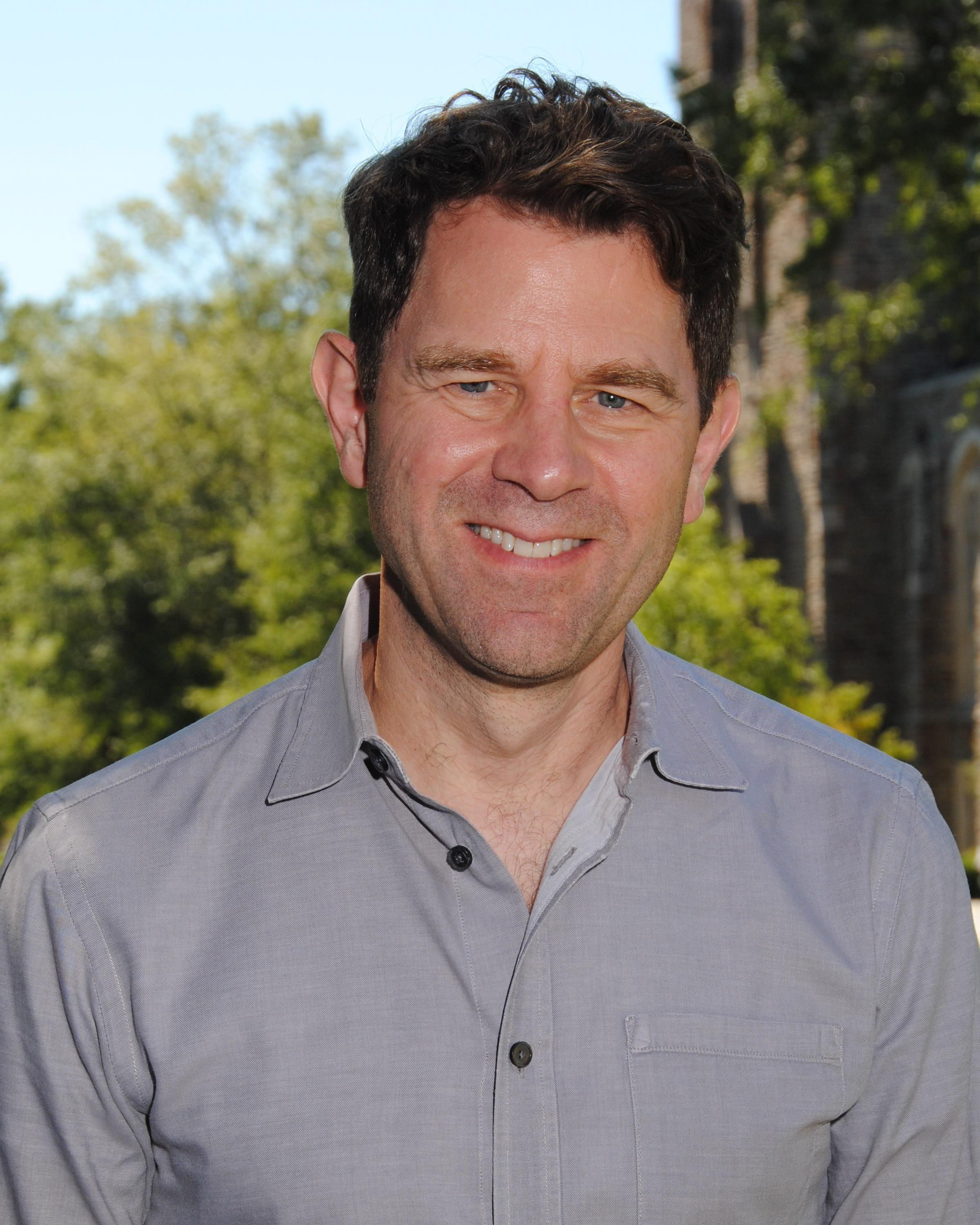
Tobias Egner is Professor of Psychology and Neuroscience at Duke University. He serves as Chair of Psychology and Neuroscience and is affiliated with the Duke Initiative for Science & Society, Center for Brain Imaging and Analysis, Center for Cognitive Neuroscience, and Duke Institute for Brain Sciences. Ph.D. and B.S. from University of London Postdoctoral training at Columbia University (2003-2006) and Northwestern University (2006-2009) His research focuses on cognitive control —how internal goals guide behavior—and spans computational modeling, neuroimaging, and neurostimulation studies of task switching , cross-task interference , and cognitive stability/flexibility trade-offs . Recent work investigates domain-specific cognitive flexibility and one-shot stimulus-control learning . Articles reveal neural substrates in prefrontal cortex, caudate nucleus, and parietal regions. Key themes in his 15 most recent publications (2024-2025) include cognitive stability , task-set reactivation , contextual adaptation , and neural dynamics across disciplines like Neuroscience, Cognitive Psychology, and Computational Modeling. Scientific Honors : Mid Career Award (BACN, 2024), Fellow (APS & Psychonomic Society), Honorary Guest Professor (Southwest University, China) Grants include the Duke-NCCU Interdisciplinary Postdoctoral Training Program (2024-2029), Neurocognitive Mechanisms of Control (2023-2028), and Mechanisms of Social Behavior (2016-2026). He teaches courses in cognitive neuroscience and advanced research methods.
Moria Joy Smoski is an Associate Professor in Psychiatry and Behavioral Sciences and a Research Professor of Psychology and Neuroscience at Duke University. She is an affiliate of the Center for Brain Imaging and Analysis. Her research focuses on emotion regulation, reward processes, and neuroimaging-based interventions for psychopathology, particularly major depressive disorder and anhedonia. Ph.D., Vanderbilt University (2004) M.A., Vanderbilt University (1999) B.A., Yale University (1995) Her work bridges cognitive neuroscience and clinical psychology to optimize psychosocial interventions like behavioral activation and mindfulness-based therapies. Key themes include: Neuroimaging of emotion regulation and reward processing Mechanisms of change in psychotherapy Transdiagnostic approaches to emotional dysregulation Neural biomarkers for treatment response Recent publications analyze: State-based network dynamics in anhedonia Striatal dopamine in reward dysfunction Neurostimulation-enhanced behavioral interventions Mind-wandering and stress interactions She has led grants including the Duke/UNC ADAR Program (2024–2029) and studies on neurobehavioral mechanisms of emotion regulation across the adult lifespan.
Tony Schapira is Professor of Neurological Science at University College London (UCL) and Head of the Department of Clinical Neurosciences at UCL Institute of Neurology. He serves as a Consultant Neurologist at the National Hospital for Neurology and Neurosurgery and Royal Free Hospital, and holds additional leadership positions as Vice Dean of UCL Medical School and Director of the Royal Free Campus. His academic appointments include Visiting Professorships at Harvard (2009) and Yale (2010). Education includes: Bachelor of Science (Honours) from King's College London (1976) Bachelor of Medicine/Bachelor of Surgery from Charing Cross and Westminster Medical School (1979) Member of the Royal College of Physicians (1982) His primary research investigates neurodegeneration mechanisms in Parkinson's disease (PD), with emphasis on mitochondrial dysfunction, alpha-synuclein pathology, and GBA1 mutation pathways. His work spans molecular pathogenesis, drug development for disease modification, and clinical phenotyping of at-risk populations. Current projects focus on identifying prodromal biomarkers and developing neuroprotective therapies through international clinical trials. Schapira's recent publications (2024-2025) demonstrate concentrated research in Parkinson's disease mechanisms, mitochondrial biology, genetic risk factors (particularly GBA1 variants), and novel therapeutic approaches. Article themes consistently explore protein aggregation pathways, lysosomal function, metabolic interactions, and clinical trial methodologies. Awards and honors include: Fellow of the Academy of Medical Sciences (1999) Undergraduate Scholarship at Westminster Medical School He has supervised 11 PhD students and one MD candidate, and currently mentors post-graduate and post-doctoral researchers. His department received UCL's 'Excellence in Medical Education' award (2007-2008). Major grants include co-principal investigator roles on: MRC-Wellcome Strategic Award in Neurodegeneration (£6 million) Wolfson Award (£20 million) He directs a research department comprising 3 Readers, a Senior Lecturer, technicians, and academic staff, with facilities for biochemistry, molecular biology, tissue culture, and advanced imaging. The team investigates neurodegenerative disorders including Parkinson's, Huntington's, and Friedreich's ataxia.
Mojtaba Zarei is a researcher at the Department of Clinical Research, Faculty of Health Sciences, University of Southern Denmark, with additional affiliations at Odense University Hospital (OUH) and Karolinska Institutet (KI). His primary research unit is the Neurology Research Unit in Odense, focusing on advanced neuroimaging techniques and their applications in neurological and sleep disorders. Dr. Zarei's research spans multiple domains within neuroscience, with particular expertise in Positron Emission Tomography (PET), Diffusion Tensor Imaging (DTI), and cognitive function assessment. His work frequently addresses Alzheimer's Disease, Parkinson's Disease, and insomnia disorders, utilizing both clinical and computational approaches. His fingerprint analysis shows strong activity in neuroscience (100% for PET), diffusion tensor imaging (66%), cognitive function (45%), and Alzheimer's Disease (40%). His recent publications reveal a clear trajectory toward integrating multimodal imaging techniques with machine learning approaches for improved diagnosis and understanding of neurological conditions. The work on OPETIA (Odense-Oxford PET Image Analysis) demonstrates his contribution to developing standardized tools for neuroimaging analysis. His research increasingly bridges computational methods with clinical neuroscience, as evidenced by his work on image stitching algorithms and machine learning applications for insomnia classification. Dr. Zarei actively collaborates with researchers across multiple institutions, with notable external collaborations visible on the international network map. His work has been mentioned by peer review sites, picked up by news outlets, and shared across social media platforms, indicating growing impact in his field. Within his research unit of Neurology in Odense, Dr. Zarei appears to be part of a multidisciplinary team working at the intersection of clinical neurology, advanced imaging, and computational analysis, contributing to both methodological development and clinical applications of neuroimaging techniques.
Ning Cheng is an Assistant Professor (Teaching & Research) at the University of Calgary's Faculty of Veterinary Medicine, with affiliations to the Alberta Children's Hospital Research Institute (ACHRI) and Hotchkiss Brain Institute (HBI). Their research focuses on neurodevelopmental disorders, particularly autism and Fragile X Syndrome, using rodent models to investigate mechanisms and develop experimental therapeutics. PhD in neuroscience from Johns Hopkins School of Medicine Postdoctoral work on neurological disorders at NIH Research spans molecular mechanisms, neural circuitry, and translational approaches to address social, communication, and behavioral challenges in autism spectrum disorders. The lab utilizes in vivo recording/modulation of brain activity, biochemical analyses, and multidisciplinary collaborations. Recent publications highlight expertise in EEG biomarker discovery, auditory processing abnormalities, ketogenic diet interventions, and ERK pathway modulation in mouse models of neurodevelopmental conditions. Key technologies developed include wireless cortical hemodynamic monitoring systems (TinyIOMS) and open-source electrophysiology tools (OSERR). As part of ACHRI's Precision Medicine & Disease Mechanisms program and HBI's Neurodevelopment/SCNIP strategic initiatives, Cheng contributes to university-wide efforts in Brain and Mental Health (2015-2021) and Child Health and Wellness (2020-2025).
Joseph Galea is Professor of Motor Neuroscience and Head of Research at the School of Psychology, University of Birmingham (UK). He holds a PhD and BSc from the University of Birmingham. His research integrates behavioral experiments, brain imaging (fMRI), non-invasive brain stimulation (TMS, tDCS), and computational modeling to investigate motor control, learning mechanisms, and rehabilitation in both healthy individuals and neurological patients (e.g., Parkinson's disease, dystonia). Research interests focus on: Reward-based motor learning and decision-making Sequential action planning and execution Neurophysiological mechanisms of motor control Dopaminergic modulation of movement Sensorimotor integration in virtual environments Clinical applications for stroke and movement disorders His publications demonstrate consistent focus on reward/punishment effects on motor behavior, cerebellar-basal ganglia interactions, and neuroplasticity. Recent work explores pharmacological interventions, VR technology validation, and cortical excitability dynamics during learning. Scientific Awards: Early-career award (British Association of Cognitive Neuroscience, 2018) Elected member of Young Academy of Europe (2016) Klein-Vogelbach Prize for human movement research (2012) Leads a productive research group with multiple postdoctoral fellows and PhD students. Secured major grants including ERC Starting Grant, MRC, BBSRC, and ERC Proof-of-Concept funding. Current projects involve developing hand-based rehabilitation robotics and investigating reward mechanisms in motor disorders.
Nicole Gervais, PhD is an Assistant Professor and Rosalind Franklin Fellow in behavioural and cognitive neuroscience at the University of Groningen's Faculty of Science and Engineering. She is affiliated with the Groningen Institute for Evolutionary Life Sciences (GELIFES) and the Faculty of Medical Sciences/UMCG's Cognition, Ageing and Disease (CAD) research group. Dr. Gervais leads the Memory, Sleep, and Hormones (MeSH) lab, which focuses on translational research examining how sex differences and hormonal changes affect brain health. Dr. Gervais earned her PhD in Psychology/Behavioural Neuroscience from Concordia University in Montréal, Québec. She completed postdoctoral training at institutions in Amherst, Massachusetts, USA and Toronto, Canada. Before joining the University of Groningen in September 2023, she held a Research Associate position at the Rotman Research Institute and University of Western Ontario in London, Canada. Her research program explores diversity in vulnerability to neuropsychiatric conditions and responses to therapeutics, with particular focus on how individual factors (especially sex) and environmental conditions contribute to neuropsychiatric disease and treatment effectiveness. She investigates sleep-wake patterns, social interactions, and cognition across species to understand how hormonal transitions like menopause affect brain health. Her work has significant implications for understanding why certain neurological and psychiatric conditions disproportionately affect women. Dr. Gervais's publications reveal a strong focus on the intersection of sex differences, sleep physiology, and cognitive function. Her recent work examines how early ovarian removal affects hippocampal function, memory, and sleep architecture. She employs both human studies and rodent models to investigate these questions, using techniques including neuroimaging (MRI), sleep physiology measurements, behavioral assessments, hormone quantification, and pharmacological manipulations. Rosalind Franklin Fellowship Dr. Gervais serves as an editor for special issues of the journal Hormones and Behavior. Her research has received significant attention, with multiple publications covered in international media outlets. Her work contributes to the United Nations Sustainable Development Goals, particularly those related to good health and well-being. She has published over 27 research outputs including articles, preprints, editorials, and review articles, with many receiving substantial citations and media coverage. Dr. Gervais directs the Memory, Sleep, and Hormones (MeSH) lab, which takes a translational approach to studying how major hormone changes interact with genes to increase vulnerability for developing insomnia and its adverse consequences for the aging female brain. The lab uses complementary research in rodents and humans, employing touchscreen tasks with high translational value to assess cognitive function in rodents and EEG recordings to assess sleep. Their research has important implications for understanding and treating conditions that disproportionately affect women, such as insomnia and Alzheimer's disease.
Dr. Michal Heger is a Researcher at Utrecht University's Faculty of Science, specifically within the Membrane Biochemistry & Biophysics department. He also holds the position of Professor of photonanomedicine at Jiaxing University Medical College in China and serves as Editor-in-chief of the Journal of Clinical and Translational Research. Additionally, he is Chief formulation officer at Nurish.Me in San Diego. Dr. Heger's research primarily focuses on the development of minimally invasive diagnostic and therapeutic modalities for treatment-resistant cancers, with special emphasis on bile duct cancer (extrahepatic cholangiocarcinoma, eCCA). His work follows three pillars: minimally invasive approaches, patient-friendly treatments, and affordable solutions. Photodynamic therapy (PDT) forms the core of his research program, where he investigates nanoscale carrier platforms for photosensitizer delivery, cancer cell responses to PDT, PDT-induced immune responses, and representative cell and animal models for cholangiocarcinoma. His publication record shows significant expertise in photodynamic therapy, with numerous articles spanning from 2012 to 2025. The research trends indicate a strong focus on nanotechnology applications in cancer therapy, particularly in developing targeted delivery systems for photosensitizers and combination therapies. His work bridges basic science with clinical applications, especially in difficult-to-treat cancers where conventional approaches have limited success. Dr. Heger collaborates extensively with various research groups, particularly in the areas of liquid biopsies and molecular profiling for cancer diagnostics and therapy monitoring. His work often involves interdisciplinary approaches combining pharmacology, nanotechnology, and molecular biology to address challenging clinical problems in oncology.
Alexey Semyanov is a Professor and Director of Neuroscience Center at Jiaxing University's Medical College since 2020. His career includes leadership roles at the Nizhny Novgorod Neuroscience Center (2005–2016), RIKEN Brain Science Institute (2005–2014), and UCL Institute of Neurology (1998–2005). Dr.Sc. (2002) & Ph.D. (1998) from Institute of Theoretical and Experimental Biophysics, Russia Second M.Sc. in Neuroscience (1996–1998), Pushchino State University M.Sc. in Biophysics (1991–1996), University of Nizhny Novgorod His research focuses on astrocyte-neuron interactions , extrasynaptic signaling , GABAA receptor dynamics , and calcium activity in brain networks. Recent work explores mitochondrial dysfunction in astrocytes and calcium signaling mechanisms during locomotion. Key publications (2011–2023) reveal expertise in hippocampal plasticity , synaptic transmission , and neuroglial communication . Awards include Distinguished Professor at Tongren People’s Hospital (2024) and membership in Academia Europaea (2019). 2024 - Distinguished Professor, Tongren People’s Hospital 2023 - Honorary Professor, Chengdu University of TCM 2019 - Member, Academia Europaea 2016 - Corresponding member, Russian Academy of Sciences
Federico Salas-Lucia is an Assistant Professor in the Department of Medicine, Division of Endocrinology at the University of Chicago's Pritzker School of Medicine. His research integrates neurobiology and endocrinology to investigate thyroid hormone mechanisms in brain development and function, utilizing human iPSC-derived models, transgenic mice, and multi-omics approaches. His educational background includes a BS in Biology from the University of Alicante (2012), an MSc in Neuroscience from University Miguel Hernandez (2014), and a PhD in Neuroscience from the same institution (2018). Dr. Salas-Lucia's research focuses on intracellular mechanisms customizing thyroid hormone action during human brain development. His laboratory examines how thyroid hormones regulate bioenergetic processes supporting neurogenesis, with emphasis on mitochondrial function in neural progenitor cells and epigenetic regulation via DNA methylation. Using cutting-edge iPSC-derived cerebral organoids and advanced imaging, his work bridges molecular mechanisms to clinical correlations between maternal thyroid levels and neurodevelopmental outcomes. Current investigations include thyroid hormone transport via MCT8, deiodinase activity (DIO2/DIO3), and nuclear receptor signaling in neural cells. His publication portfolio since 2018 shows accelerating productivity, with 23 publications through 2025 (8 in 2023 alone). The research demonstrates strong thematic continuity in thyroid-brain interactions , evolving from foundational rodent studies to sophisticated human iPSC models. Recent work increasingly incorporates multi-omics approaches and addresses clinical implications for disorders like Allan-Herndon-Dudley syndrome and Alzheimer's disease. Emerging Group Leader Award, International Society for Neurochemistry (2025) As principal investigator of the Salas-Lucia Laboratory, he directs research on thyroid hormone signaling in neural development. His work receives significant attention, with publications referenced in clinical guidelines and covered by multiple news outlets. The laboratory maintains active collaborations with leading endocrinology researchers including Antonio Bianco and Samuel Refetoff, and participates in interdisciplinary networks exploring metabolic regulation and neurodevelopment. Current projects investigate epigenetic mechanisms in thyroid-mediated cortical development and therapeutic strategies for thyroid hormone transport disorders.
Beatrijs Van den Bergh serves as a Visiting Professor at KU Leuven with primary affiliations in the Health Psychology unit and dual membership in the KU Leuven Brain Institute (LBI) and KU Leuven Institute for Child and Youth (LC&Y). Her research program centers on perinatal mental health and developmental pathways from maternal prenatal anxiety to offspring outcomes. Her core research interests include: self- and co-regulation dynamics in dysregulated families; neurodevelopmental impacts of prenatal stress; mindful parenting interventions; epigenetic mechanisms (e.g., NR3C1 methylation); and preventive strategies for infant self-regulation. She employs multimodal methodologies spanning neuroimaging, behavioral observation, and longitudinal cohort analysis. Analysis of her 2023-2025 publications reveals strong thematic continuity in studying maternal-offspring biobehavioral synchrony, with increasing emphasis on intervention frameworks and environmental moderators like green spaces. Her work consistently bridges basic neuroscience with clinical applications in mental healthcare. Dr. Van den Bergh currently co-promotes two major funded projects: Self- and co-regulation dynamics in dysregulated families (2023-2028), employing laboratory-to-home multimodal assessment, and Supporting infant self-regulation development (2023-2027), focused on preventive mental healthcare strategies. She maintains active international collaborations evidenced by presentations at the Marcé Society and WAIMH conferences. As a core member of KU Leuven's Health Psychology research unit, she contributes to interdisciplinary teams within the Brain Institute and Child and Youth Institute, frequently collaborating with neuroscientists, clinicians, and public health researchers on translational studies presented at venues including the European Society for Cognitive and Affective Neuroscience.
Susan A. Gauthier is Professor of Neuroscience at the Brain and Mind Research Institute, Professor of Neurology in the Department of Neurology, and Professor of Neurology in Radiology at Weill Cornell Medical College. She serves as Director of Clinical Research at the Judith Jaffe Multiple Sclerosis Center, where she leads a translational research program focused on uncovering the biological mechanisms of multiple sclerosis using advanced quantitative neuroimaging. Dr. Gauthier completed her undergraduate studies at the State University of New York at Buffalo, earned her D.O. from the Philadelphia College of Osteopathic Medicine, and obtained her MPH from Harvard School of Public Health. After completing neurology residency and chief residency at Boston University Medical Center, she was awarded a Clinical Trial Training Fellowship from the National Multiple Sclerosis Society at Brigham and Women's Hospital. Dr. Gauthier's research focuses on developing imaging biomarkers to track inflammation, demyelination, and clinical disability in multiple sclerosis. Her work spans quantitative susceptibility mapping (QSM), TSPO-PET imaging, brain connectivity analysis, and artificial intelligence applications in neuroimaging. She has made significant contributions to understanding chronic active lesions, paramagnetic rim lesions, and their relationship to disability progression in MS. Analysis of Dr. Gauthier's recent publications (2022-2025) reveals a strong focus on quantitative neuroimaging biomarkers for multiple sclerosis. Her work increasingly integrates advanced computational methods including artificial intelligence and machine learning to analyze structural and functional connectivity. A key theme across her recent work is the validation of imaging techniques against pathological findings, particularly regarding chronic active lesions and iron deposition. She has also contributed to several consensus statements that aim to translate imaging research into clinical practice for MS patients. Sylvia Lawry Fellowship in Clinical Trials, National Multiple Sclerosis Society (2002) Dr. Gauthier has served as Principal Investigator on multiple NIH and National Multiple Sclerosis Society grants, including studies on multi-scale imaging assessment of cognitive impairment in MS, quantification of innate immune activity within chronic lesions, and establishing the clinical relevance of chronic active MS lesions. She has built the MS Center's research infrastructure at Weill Cornell and forged strong collaborations with the Department of Radiology. As a dedicated mentor, she has trained numerous students, residents, fellows, and junior faculty who have gone on to academic and clinical leadership positions. Dr. Gauthier leads a research team within the Judith Jaffe Multiple Sclerosis Center that collaborates closely with the Department of Radiology at Weill Cornell. She serves on the Steering and Executive Committees of the North American Imaging in Multiple Sclerosis (NAIMS) Cooperative, which brings together experts from multiple institutions to advance imaging research in MS. Her team utilizes advanced MRI techniques including 7T MRI and PET imaging to study MS pathophysiology.
Dr. Robert Reenan is a Professor of Biology at Brown University, affiliated with the Department of Molecular Biology, Cell Biology, and Biochemistry. His research spans evolutionary genetics, RNA editing, and neurogenetics, focusing on how genomes regulate rapid signaling in the brain through mechanisms like RNA editing and comparative genomics. He has contributed extensively to understanding RNA editing’s role in diseases such as ALS, Alzheimer’s, and epilepsy. Education: PhD in Genetics (Harvard Medical School, 1991), AB in Biology (University of Missouri, 1984) Research Interests: Dr. Reenan investigates RNA editing, ion channels, neurogenetics, and their implications in aging, neurological disorders, and evolutionary adaptation. His work reveals how RNA editing modulates gene function in Drosophila, impacting diseases like ALS and epilepsy. Grants & Collaborations: He has secured major grants from the ALS Association, NIH (NINDS), Ellison Medical Foundation, and NSF. Collaborations include partnerships with researchers like Stephen Helfand, Gary Wessel, and Louis Lapierre. Teaching: Dr. Reenan teaches courses in genetics, molecular genetics, neurogenetics, and scientific communication.
Diane Gilbert-Diamond serves as Professor of Epidemiology, Medicine, and Pediatrics at Dartmouth College's Geisel School of Medicine, with primary appointment in the Department of Epidemiology. Her research program integrates genetic epidemiology and environmental health sciences to investigate developmental origins of child health outcomes, leveraging longitudinal cohort studies and advanced neuroimaging techniques. Her educational trajectory includes an AB in Biology from Dartmouth College (1998) and an ScD in Nutritional Epidemiology from Harvard School of Public Health (2010), followed by a postdoctoral fellowship in Bioinformatics at Geisel before joining the faculty in 2012. Professor Gilbert-Diamond's research centers on gene-environment interactions affecting child health, with dual emphases on in utero environmental exposures (arsenic and Vitamin D impacts on growth and immune function) and genetic susceptibility to obesogenic environments (neurological responses to food advertising, eating behaviors). Her work employs the New Hampshire Birth Cohort Study and fMRI methodologies to uncover biological mechanisms linking environmental factors with developmental trajectories. Her publication record demonstrates consistent focus on early-life determinants of health, spanning environmental toxicology, nutritional sciences, and behavioral genetics. The research portfolio reveals strong thematic continuity in identifying modifiable environmental factors that interact with genetic predispositions to influence obesity risk and developmental outcomes from prenatal stages through adolescence. She directs an active research laboratory funded by multiple NIH and EPA grants including In utero arsenic exposure and early childhood growth , In utero vitamin D exposure and early childhood immune function , and Children’s genetic predisposition to eat without hunger after food advertisements . While specific advisees aren't named, she offers thesis projects on in utero arsenic/Vitamin D exposures and genetic influences on food response, indicating active graduate mentorship. As Course Director for QBS 130: Foundations of Epidemiology, she contributes significantly to medical and graduate education.
Gina-Maria Pomann is an Associate Professor of Biostatistics & Bioinformatics at Duke University's School of Medicine, where she serves as Director of the Biostatistics, Epidemiology, and Research Design (BERD) Methods Core. She leads a diverse team of quantitative experts including biostatisticians, data scientists, and bioinformaticians who contribute to groundbreaking research across clinical and translational domains. Dr. Pomann earned her Ph.D. from North Carolina State University (2015) and has developed expertise in novel statistical methodology for functional data and brain imaging. She has directed 30 collaboration teams across medical fields including Pediatrics, Global Health Institute, and Neurosurgery. Her primary research focuses on the science of team science, developing administrative structures and workforce development programs to support data-intensive biomedical research. Her research program demonstrates a consistent focus on improving how quantitative scientists collaborate with biomedical researchers. Recent publications examine integrating large language models in biostatistical workflows, methods for building quantitative collaboration units, workforce development for biostatisticians, and the organizational aspects of team science. Her 15 most recent articles (2023-2025) span topics from AI in healthcare to statistical education and collaborative research structures, reflecting her dual expertise in methodological statistics and research organization. Dr. Pomann has developed significant workforce development initiatives: BERD Core Training and Internship Program (BCTIP) for Masters of Biostatistics students Duke AI Health Fellowship Program (two-year postgraduate training) R25 grant: "Quantitative Methods for HIV/AIDS Research" as MPI She holds a joint appointment at Duke National University of Singapore and has secured multiple NIH grants including CTSA UM1 (2025-2032), Quantitative Team Science Program (2024-2029), and Quantitative Methods for HIV/AIDS Research (2018-2028). Her leadership has enabled the BERD Core to assist over 1,100 investigators and produce more than 550 collaborative manuscripts, while training over 100 student interns and 40 staff members in data-intensive biomedical research.