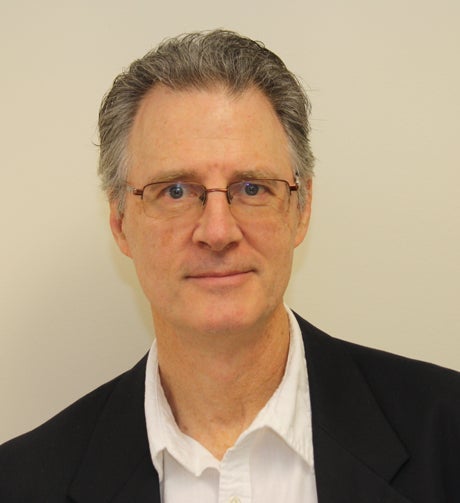
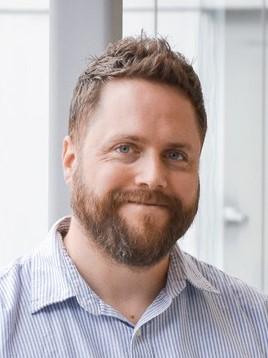
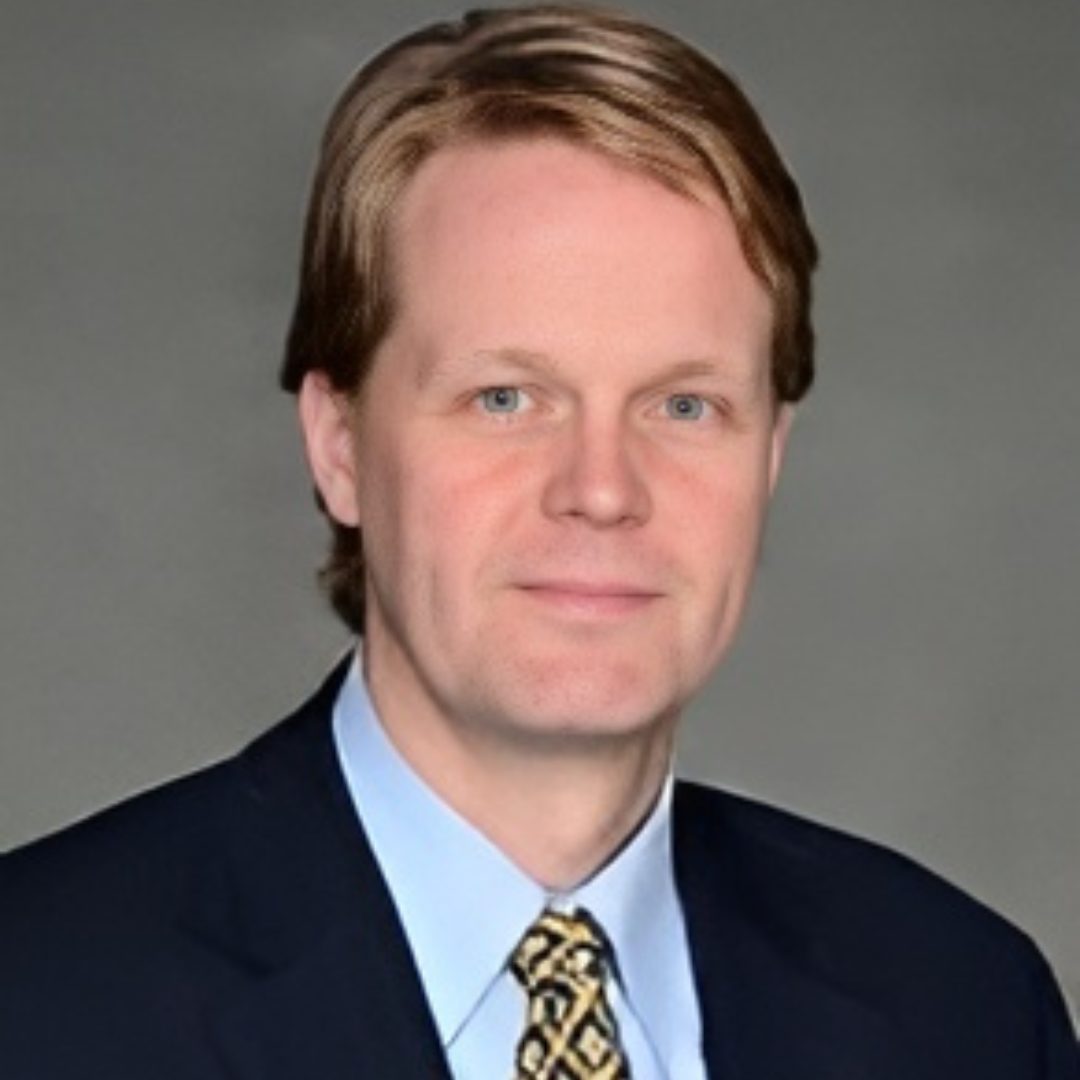
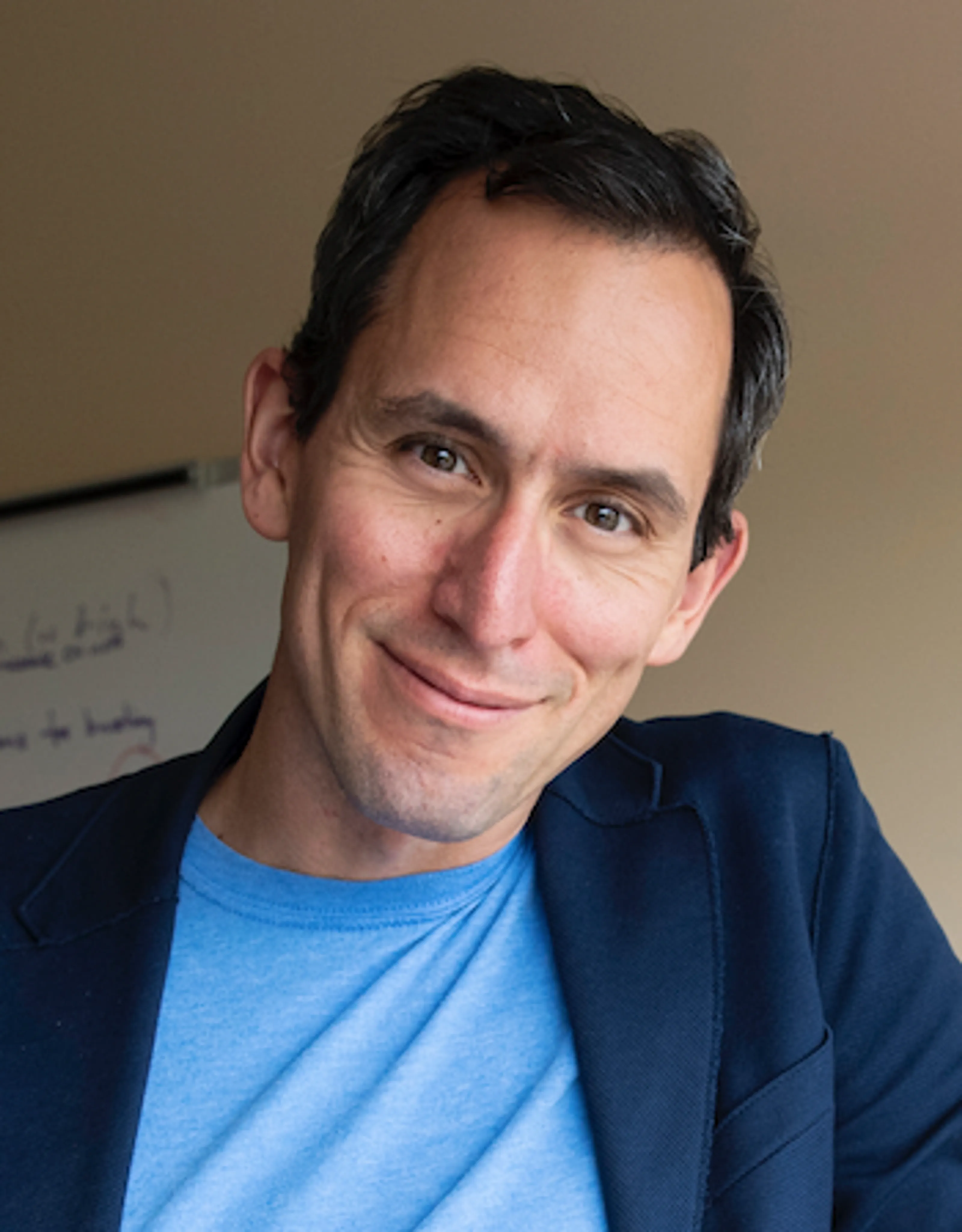
Dr. Adrian Owen is a Professor of Cognitive Neuroscience & Imaging at Western University's Brain and Mind Institute, holding the Canada Excellence Research Chair. His work focuses on consciousness disorders, neurodegenerative diseases, and functional neuroimaging applications. He pioneered techniques like detecting residual cognition in vegetative patients using fMRI and fNIRS. Research Focus: Owen's research bridges cognitive neuroscience and clinical practice, emphasizing disorders of consciousness, Alzheimer's/Parkinson's mechanisms, and neurorehabilitation. He develops brain-computer interfaces for communication in non-responsive patients and investigates anesthesia effects on neural connectivity. Key Contributions: Pioneered covert cognition detection in vegetative patients, advanced fNIRS applications in ICU settings, and established international clinical cohorts for consciousness assessment. His work has appeared in Nature , Science , and The Lancet . Labs/Teams: Leads the Owen Lab at Western University, collaborating with clinicians, engineers, and neuroscientists to translate neuroimaging innovations into clinical tools. Grants/Industry Links: Receives funding for interdisciplinary projects linking brain imaging, neurology, and biomedical engineering, fostering industry partnerships for neurotech development.
Randy Harris is a Professor in the Department of English Language and Literature at the University of Waterloo, with a cross-appointment to the David Cheriton School of Computer Science. His career spans over three decades, focusing on the intersection of rhetoric , cognitive science , and computational linguistics . He holds a PhD in Communication and Rhetoric from Rensselaer Polytechnic Institute, with postdoctoral experience at the University of Alberta. Education : PhD (Rensselaer), MSc (Rensselaer, Alberta), MA (Dalhousie), BA (Queen's) Research Interests : Cognitive Rhetoric, Computational Rhetoric, Rhetorical Figures, Construction Grammar, Rhetoric of Science, and Neurocognitive Stylistics. His work explores how rhetorical figures like chiasmus and antimetabole reflect brain structure and cognitive processing. Recent projects involve building the Rhetoricon , a collocational database of rhetorical figures, and investigating their role in large language models . He has received numerous awards, including the University of Waterloo Arts Award for Excellence in Research (2023) and Fellow of the Royal Society of Canada (2022) . Harris has supervised graduate students in professional communication , linguistics , and science writing . His grants include NSERC Discovery Horizon (2024-2029) and multiple SSHRC grants for Computational Rhetoric and Rhetorical Figure Ontology . He actively organizes interdisciplinary workshops like Computing Figures and contributes to media discussions on language, AI, and rhetoric.
Dr. Svetlana Yanushkevich is a Professor in the Department of Electrical and Software Engineering at the Schulich School of Engineering, University of Calgary. She is also a Full Member of the Hotchkiss Brain Institute and the Mathison Centre for Mental Health Research and Education. Her research focuses on biometric technologies, decision support systems, biomedical applications, and computational intelligence. She leads the Biometric Technologies Laboratory, developing strategies for risk assessment in biometric systems and healthcare monitoring through machine reasoning and signal processing. Education : BSc/MSc in Electrical Engineering (1989), State University of Informatics and Radioelectronics, Minsk PhD in Electrical Engineering (1992), same institution Dr. Habilitated in Technical Sciences (1999), Warsaw University of Technology Research Interests : Dr. Yanushkevich’s work spans biometric system design (e.g., gait analysis, facial attributes), decision support via probabilistic models (Bayesian networks, causal inference), biomedical applications (stroke rehabilitation, wearable sensors), and computational intelligence for data science. She emphasizes fairness, bias mitigation, and trustworthiness in AI systems, particularly in healthcare and accessibility contexts. Recent Research Trends : Her recent publications address causal modeling for accessibility barriers, UAV operator cognitive workload, and medical device optimization in radiation therapy. She explores AI ethics, stress contagion in human-robot teams, and cross-spectral biometric systems. Awards & Recognition : 2024 FEIC Fellow (Engineering Institute of Canada) 2019 Research Excellence Award (Schulich School of Engineering) 2001 Senior IEEE Membership Advising & Grants : She coordinates courses like ENCM 509 (Biometric Systems Design) and ENEL 610 (Biometric Technologies). Her research is supported by grants focusing on healthcare AI, accessibility technologies, and computational epidemiology. Labs & Collaborations : Her Biometric Technologies Lab collaborates with institutions like Hokkaido University and the IEEE Computational Intelligence Society. Projects include wearable health monitoring, decision support platforms, and AI-driven epidemiological modeling.
Colin Conrad is an Associate Professor of Digital Innovation at Dalhousie University’s Faculty of Management. He also serves as Co-Director of the College of Digital Transformation and Principal of the Cognition and Organizations Research Group. His research focuses on interdisciplinary projects spanning information systems, computer science, and cognitive neuroscience, with particular emphasis on human factors in educational technology and artificial intelligence. His work is supported by NSERC, CFI, and Mitacs. Research interests include mind wandering measurement via EEG, AI ethics, human-AI interaction, and neurophysiological impacts of digital technologies. He explores topics such as virtual teacher perception, privacy calculus in AI systems, and cognitive state awareness in human-AI collaboration. His recent studies address challenges in remote work ergonomics, digital transformation during crises, and legal/ethical aspects of brain-computer interfaces. His publications analyze behavioral responses to cybersecurity notifications, virtual influencer trust dynamics, and adaptive online learning systems. Current projects investigate the cognitive effects of AI-generated media and the neurophysiological foundations of attention in digital environments. Colin’s research is funded through grants emphasizing interdisciplinary innovation and societal impact. He collaborates with industry partners to translate neuroscientific insights into practical applications in education and workplace design.
Neil D. B. Bruce is an Associate Professor in the School of Computer Science at the University of Guelph, Canada. His research focuses on computer vision, deep learning, and computational neuroscience, with a strong emphasis on visual saliency, neural networks, and semantic segmentation. He holds a BSc in Computer Science & Pure Math from the University of Guelph, an MASc in Systems Design Engineering from the University of Waterloo, and a PhD in Computer Science from York University. Prior to Guelph, he held academic positions at Ryerson University and the University of Manitoba. Dr. Bruce leads the Vision Lab, exploring topics like attention mechanisms, image processing, and AI-driven solutions for visual computing challenges. His work bridges theoretical models with practical applications, including real-world gaze behavior analysis and exposure blending techniques. Key contributions include saliency prediction frameworks (e.g., AIM model) and semantic segmentation networks (EML-Net, Iterative Gating Networks). His research also intersects with interdisciplinary fields such as neuroscience and healthcare informatics, as seen in recent studies on avian influenza outbreak detection using social media data. Teaching highlights include courses in neural networks, data science, and machine learning. He actively supervises graduate and undergraduate research projects, emphasizing computational methods and AI innovation.
Dr. Mikael Eklund is a Professor in the Department of Electrical, Computer and Software Engineering at Ontario Tech University, within the Faculty of Engineering and Applied Science. He holds a PhD (2003), MSc (1996), and BSc (1989) in Electrical and Computer Engineering from Queen’s University. His research focuses on Autonomous Systems , Nonlinear System Identification and Control , Health Informatics , and Pervasive and Mobile Computing . He has expertise in medical image processing, robotic vehicles, and smart sensors for assisted living. Education and Work Experience : - PhD (Electrical and Computer Engineering), Queen’s University (2003) - MSc and BSc from Queen’s University (1996, 1989) - Visiting Postdoctoral Scholar at UC Berkeley (2003–2006) - Adjunct Assistant Professor at Queen’s University (2003) - Former Teaching Fellow at Queen’s University (1996–2001) - Industrial experience in flight control system engineering (CAE Inc., 1989–1996) Research Contributions : - Developed SensorNet, a wireless infrastructure for assisted living. - Advanced methods for nonlinear system identification in chemical processes and aerospace systems. - Pioneered real-time UAV safety protocols and model predictive control algorithms for aerial pursuit-evasion games. - Explored EMG signal processing for hand force estimation and MEG signal source localization in neuroscience. Teaching and Outreach : - Teaches courses like Medical Image Processing and Electric Circuits. - Active in interdisciplinary projects like the ITALH initiative for elder tech integration. - Presented at conferences such as IEEE EMBC, ACC, and CDC, emphasizing healthcare IT and autonomous systems.
Hatem Abou-Zeid is an Assistant Professor at the Department of Electrical and Software Engineering in the Schulich School of Engineering , University of Calgary. He holds Adjunct Professor appointments at Queen’s University, Carleton University, and Ontario Tech University, Canada. With a Ph.D. in Electrical and Computer Engineering from Queen’s University (2014), his academic journey includes 7 years of industry research at Ericsson and Cisco , where he led R&D projects resulting in 15+ patents. Queen's University (Ph.D., Electrical and Computer Engineering) Arab Academy for Science, Technology and Maritime Transport (B.Sc. and M.Sc., Electronics and Communications Engineering) His research focuses on 5G/6G wireless networking , immersive communications , and robust machine learning for networks. Recent projects explore trustworthy AI , joint sensing and communication , and pediatric brain-computer interfaces (BCI) . He has published extensively in top venues like IEEE JSAC , GLOBECOM , and IEEE Transactions on Networking , with over 60 publications and 19 patent filings. His scientific awards include the Research Excellence Award 2023 (UCalgary), Early Research Excellence Award 2023 (Schulich), and Best Paper Awards at EMBC 2024 (as advisor) and IEEE ICC 2022 . He leads the WAVES Research Group , mentoring 10+ graduate students and postdocs. Collaborations span institutions like the Hotchkiss Brain Institute and industry partners such as Ericsson and European Space Agency .
Richard Naud is an Assistant Professor in the Department of Cellular and Molecular Medicine at the Faculty of Medicine, University of Ottawa, with a cross-appointment in Physics at the Faculty of Science. He holds dual research positions at the Center for Neural Dynamics (CND) and Brain and Mind Research Institute (BMRI), focusing on computational approaches to decode neural signaling mechanisms and develop brain-machine interfaces. His educational background includes: PhD in Neuroscience from École Polytechnique Fédérale de Lausanne (EPFL), 2011 MSc in Physics from McGill University, 2006 BSc in Physics from McGill University, 2004 Dr. Naud's research investigates how neurons encode information through spikes, bursts, and silences using mathematical models and statistical analysis of electrophysiology data. His lab develops computational protocols for synaptic dynamics analysis, studies dendritic computation in neurological diseases, and creates neuromorphic algorithms for spiking neural networks. Current work emphasizes serotonin system dynamics, burst coding mechanisms, and neural network simulations for demyelinating conditions. Analysis of his recent publications reveals three dominant research vectors: (1) Burst coding as an independent information channel beyond firing rates, (2) Serotonin-mediated value coding in decision systems, and (3) Neuromorphic implementation of biologically plausible learning rules. His work bridges theoretical neuroscience with clinical applications in stroke recovery and neurological disorders. Dr. Naud leads the Neural Coding Lab, which actively recruits postdoctoral fellows, graduate students, and undergraduates for projects in neural coding theory, computational psychiatry, and neuromorphic engineering. The lab maintains collaborations with experimental neuroscience groups for model validation and develops open-source tools like SRPlasticity for synaptic dynamics analysis.
Dr. Shideh Kabiri Ameri serves as Associate Professor in the Department of Electrical and Computer Engineering at Queen's University, where she joined in September 2018 after completing postdoctoral research at the University of Texas at Austin. Her interdisciplinary expertise bridges nanomaterials engineering and biomedical applications, with particular focus on developing imperceptible wearable sensors for continuous health monitoring. Her educational foundation includes: PhD in Electrical Engineering (2015) from Tufts University Master's and Bachelor's degrees in Physics (solid state) AS degree in Medical Laboratory Sciences Dr. Ameri's research program centers on 2D material-based electronic devices for wearable bioelectronics, human-machine interfaces (HMI), and mobile healthcare systems . Her lab pioneered graphene electronic tattoos (GETs) that achieve unprecedented skin conformity while recording high-fidelity physiological signals. Current work emphasizes ultrasoft hydrogel-based sensors that eliminate motion artifacts and enable months-long wear without skin irritation, representing a paradigm shift from conventional rigid medical devices toward truly imperceptible health monitors. Analysis of her 40+ publications reveals a strategic evolution from fundamental nanomaterial characterization toward clinically viable systems. Recent work (2021-2025) demonstrates increasing sophistication in multimodal sensing (simultaneous ECG/EEG/temperature), reusable sensor architectures , and wireless power integration . The trajectory shows clear progression from lab prototypes to FDA-pipeline devices, particularly in cardiac and neurological monitoring applications. Her scientific recognition includes: Rising Star in EECE 2017 award Dr. Ameri leads the Ameri Nano Research Group which operates advanced nanofabrication facilities for developing next-generation bioelectronic interfaces. Her research has attracted significant media attention from BBC, IEEE Spectrum, and Phys.Org, highlighting real-world impact in remote patient monitoring. The group actively collaborates with medical institutions to translate innovations into point-of-care diagnostics, with current projects focusing on in-ear physiological monitors and strain-neutralized neural recording systems. The research team maintains strong industry partnerships for commercializing soft bioelectronics, with particular emphasis on creating accessible health monitoring solutions for underserved communities through low-cost manufacturing approaches.
Dana Cobzas is an Associate Professor at the MacEwan University in the Department of Computer Science , with adjunct appointments at the University of Alberta. Her academic journey includes a PhD in Computer Science (University of Alberta, 2004) MSc in Mathematics (Babes-Bolyai University, 1998) BSc in Mathematics (Babes-Bolyai University, 1997) . Her research focuses on imaging and computer vision , particularly mathematical models for medical image processing . Key areas include Medical image segmentation and registration 3D modeling from uncalibrated images Sparse classification for population studies Dynamic vision (tracking and modeling) Medical applications in neuroimaging and oncology . She has developed advanced techniques like deep learning-integrated level set methods and FEM-based segmentation. Scientific recognition includes: NSERC Discovery Grant (2015, 2010) Best Vision Paper at IEEE ICRA 2005 Best Student Paper at Vision Interface 2003 . She is actively involved in teaching and mentoring , with experience supervising senior students’ independent studies and contributing to collaborative projects in robotics and biomedical engineering .
Lindsey Westover, PhD, PEng, serves as an Associate Professor in the Department of Mechanical Engineering and Associate Dean in the Faculty of Engineering at the University of Alberta. Her research and teaching activities are centered in the Biomedical Engineering program, with her laboratory located in the Donadeo Innovation Centre for Engineering (13-224, 9211 116 St, Edmonton, AB T6G 2H5). She maintains an active research profile while contributing to academic leadership through her deanship. Her educational background includes: 2018: Postdoctoral Fellowship in Rehabilitation Medicine, University of Alberta 2016: Ph.D. in Mechanical Engineering, University of Alberta 2011: M.Sc. in Mechanical Engineering, University of Calgary 2007: B.Sc. in Mechanical Engineering, University of Calgary Dr. Westover's research program spans biomechanics and biomedical engineering with emphasis on noninvasive assessment of biological structures, vibration analysis for percutaneous implants, joint biomechanics (ligaments and cartilage), spinal deformity analysis through asymmetry metrics, mechanical testing of biological tissues, and computational modeling of biological systems. Her work integrates laboratory experiments, computational methods, and in vivo studies to develop innovative diagnostic and therapeutic approaches. Analysis of her 15 most recent publications (2018-2020) reveals consistent focus on bone mechanics, implant stability, and symmetry analysis across orthopedics, audiology, and dentistry. Key themes include osseointegration evaluation using ASIST technology, pelvic/spinal deformity quantification, and computational modeling of biological structures. Her work appears in high-impact journals spanning engineering and clinical disciplines, demonstrating strong interdisciplinary collaboration. Scientific recognition includes: Nomination for Ear and Hearing 2018 Editor's Award for bone conduction device research Dr. Westover mentors graduate students through co-authorship on numerous publications and teaches core mechanical engineering courses including MEC E 451 (Vibrations and Sound), MEC E 390 (Numerical Methods), and MEC E 200 (Introduction to Mechanical Engineering). Her research is supported by collaborative grants with clinical partners and engineering colleagues. She leads biomechanics research within the Department of Mechanical Engineering, collaborating extensively with the Faculty of Rehabilitation Medicine and surgical departments. Her laboratory develops advanced testing systems like ASIST for implant stability evaluation across hearing devices and dental applications, while her computational work informs clinical approaches to scoliosis management and fracture reconstruction.
Dr. Christopher Collins is a Professor of Computer Science at Ontario Tech University, leading the Visualization for Information Analysis Lab (vialab). He holds a PhD from the University of Toronto (2010) and focuses on interdisciplinary research in information visualization, human-computer interaction, and natural language processing. His work addresses challenges in information overload, text analytics, and novel interfaces such as touch, pen, VR/AR. Collins' research has been featured in top-tier venues like ACM CHI and IEEE Transactions on Visualization and Computer Graphics, earning honorable mentions and over $3M in funding as sole PI. He serves on the IEEE VIS Executive Committee and Board of Governors at Ontario Tech University. Education: PhD in Computer Science, University of Toronto (2010) MSc in Computer Science, University of Toronto (2004) BSc (Hons) in Computer Science, Memorial University (2001) Research Interests: Collins' work spans information visualization , pen+touch interfaces , visual analytics , and text-driven systems . He explores how interactive technologies can democratize complex data analysis, particularly in education, healthcare, and creative domains. Recent projects include gaze-driven learning tools, context-aware camera interfaces, and bias-mitigating product review analysis. Awards: ACM CHI Honorable Mention Award IEEE VIS Honorable Mention Award Grants & Impact: Secured $3M+ in research funding. Media coverage includes New York Times and CBS Sunday Morning for innovations in visualization and text analytics. Teaches courses in human-computer interaction, computer graphics, and information visualization. Labs & Collaborations: vialab develops tools like Lexichrome , ConToVi , and NeuroSight . Active in IEEE Visualization and ACM Interactive Media communities. Collaborates with academia and industry globally.
Eunsik Kim is a Professor at the University of Windsor , holding a position in the Department of Mechanical, Automotive, and Materials Engineering within the Faculty of Engineering . His research focuses on ergonomics, occupational safety, and biomechanics, with applications in automotive design, workplace safety, and human-machine interaction. He leads the Occupational Safety and Ergonomics research lab , where students explore real-world solutions for challenges such as driver fatigue, musculoskeletal risks in manual labor, and automation in agriculture. Key research interests include: Ergonomics : Optimizing workstation designs, automotive seating, and anti-vibration tools Biomechanics : Analyzing human posture, musculoskeletal loading, and workplace ergonomics Machine Learning : Developing AI-driven systems for posture recognition, workload prediction, and task automation Autonomous Vehicles : Investigating human factors in driving automation and takeover scenarios Education Innovation : Gamification in engineering labs to enhance student motivation and learning Collaborations include projects with Ewha Womans University (South Korea) on autonomous vehicle comfort and a prototype robotic system for mushroom harvesting. His work often bridges theoretical research with practical applications, addressing both industry and academic challenges. Awards and Recognition: Students Ilfeoma Michael and Elnaz Akhavan Rezaee received accolades at the Association of Canadian Ergonomists conference for their lab research Advising and Grants: Professor Kim mentors students in interdisciplinary projects, focusing on ergonomics, robotics, and AI. His research has led to innovations in workplace safety and automated systems, supported by institutional and collaborative funding. Labs/Teams: The Occupational Safety and Ergonomics Lab and partnerships with South Korean institutions drive cutting-edge studies in automotive safety, robotics, and human factors engineering.
Ning Cheng is an Assistant Professor (Teaching & Research) at the University of Calgary's Faculty of Veterinary Medicine, with affiliations to the Alberta Children's Hospital Research Institute (ACHRI) and Hotchkiss Brain Institute (HBI). Their research focuses on neurodevelopmental disorders, particularly autism and Fragile X Syndrome, using rodent models to investigate mechanisms and develop experimental therapeutics. PhD in neuroscience from Johns Hopkins School of Medicine Postdoctoral work on neurological disorders at NIH Research spans molecular mechanisms, neural circuitry, and translational approaches to address social, communication, and behavioral challenges in autism spectrum disorders. The lab utilizes in vivo recording/modulation of brain activity, biochemical analyses, and multidisciplinary collaborations. Recent publications highlight expertise in EEG biomarker discovery, auditory processing abnormalities, ketogenic diet interventions, and ERK pathway modulation in mouse models of neurodevelopmental conditions. Key technologies developed include wireless cortical hemodynamic monitoring systems (TinyIOMS) and open-source electrophysiology tools (OSERR). As part of ACHRI's Precision Medicine & Disease Mechanisms program and HBI's Neurodevelopment/SCNIP strategic initiatives, Cheng contributes to university-wide efforts in Brain and Mental Health (2015-2021) and Child Health and Wellness (2020-2025).
Shahab Bakhtiari is an Adjunct Professor in the Department of Psychology at the University of Montreal's Faculty of Arts and Sciences. His research focuses on NeuroAI, exploring the intersection of neuroscience and artificial intelligence, particularly in visual perception and learning mechanisms in biological systems and artificial neural networks. He holds a PhD in Neuroscience from McGill University and conducted postdoctoral research at Mila, Quebec AI Institute. Education: Bachelor's and Master's in Electrical Engineering, University of Tehran PhD in Neuroscience, McGill University His research interests include computational neuroscience, machine learning, visual system modeling, and energy-efficient predictive coding. He teaches courses on AI, cognitive neuroscience, and deep learning applications in psychology. Key grants include a CRSNG grant (2023–2029) for comparative visual system studies and the UNIQUE strategic initiative (2022–2029), co-led by 50+ researchers. He has supervised one Master's student, Hamza Abdelhedi, on AI-human face recognition comparisons. His work bridges AI and biological systems, leveraging neuroimaging and deep learning to model brain dynamics and improve AI's biological plausibility.