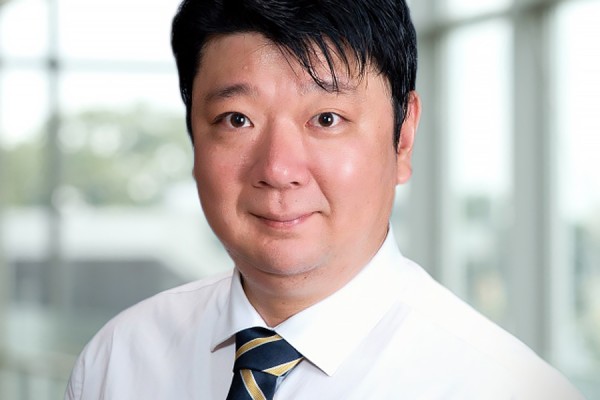
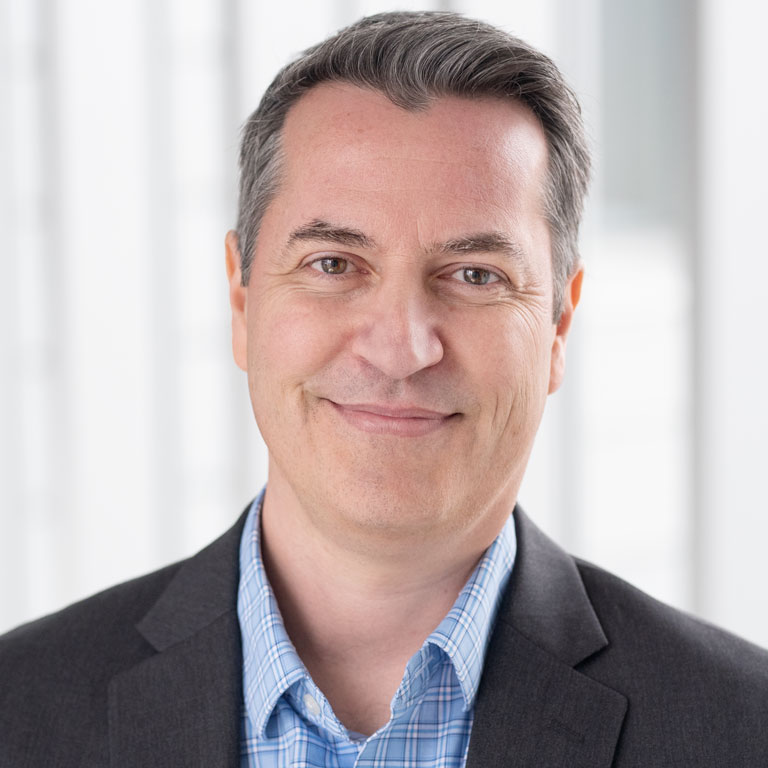
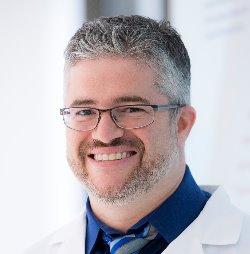
Nick Virgilio is a Full Professor in the Department of Chemical Engineering at Polytechnique Montréal . His research focuses on soft matter interfaces, polymer blends, and advanced hydrogel systems for biomedical and catalytic applications. Director, Research Laboratory on Surfaces, Interfaces and Soft Matter Member, Research Center for High-Performance Polymer and Composite Systems (CREPEC) Research interests include interfacial phenomena in multiphase systems, self-assembly of soft materials, nanoparticle-hydrogel composites, Pickering emulsions, and polymer microstructure engineering. Scientific awards include the 2010 Canadian Macromolecular Science Thesis Prize and the 2004 Polytechnique Montréal Master's Thesis Award. Recent publications highlight his work in macroporous hydrogels for cancer cell capture, nanoparticle synthesis in soft matrices, and interfacial control of polymer blends. His studies frequently appear in high-impact journals like ACS Applied Materials & Interfaces , Green Chemistry , and Macromolecules . Students under his supervision have explored topics from biofilm mechanics to lunar environment polymer systems across 4 PhD and 6 Master’s theses completed or ongoing.
Eunsik Kim is a Professor at the University of Windsor , holding a position in the Department of Mechanical, Automotive, and Materials Engineering within the Faculty of Engineering . His research focuses on ergonomics, occupational safety, and biomechanics, with applications in automotive design, workplace safety, and human-machine interaction. He leads the Occupational Safety and Ergonomics research lab , where students explore real-world solutions for challenges such as driver fatigue, musculoskeletal risks in manual labor, and automation in agriculture. Key research interests include: Ergonomics : Optimizing workstation designs, automotive seating, and anti-vibration tools Biomechanics : Analyzing human posture, musculoskeletal loading, and workplace ergonomics Machine Learning : Developing AI-driven systems for posture recognition, workload prediction, and task automation Autonomous Vehicles : Investigating human factors in driving automation and takeover scenarios Education Innovation : Gamification in engineering labs to enhance student motivation and learning Collaborations include projects with Ewha Womans University (South Korea) on autonomous vehicle comfort and a prototype robotic system for mushroom harvesting. His work often bridges theoretical research with practical applications, addressing both industry and academic challenges. Awards and Recognition: Students Ilfeoma Michael and Elnaz Akhavan Rezaee received accolades at the Association of Canadian Ergonomists conference for their lab research Advising and Grants: Professor Kim mentors students in interdisciplinary projects, focusing on ergonomics, robotics, and AI. His research has led to innovations in workplace safety and automated systems, supported by institutional and collaborative funding. Labs/Teams: The Occupational Safety and Ergonomics Lab and partnerships with South Korean institutions drive cutting-edge studies in automotive safety, robotics, and human factors engineering.
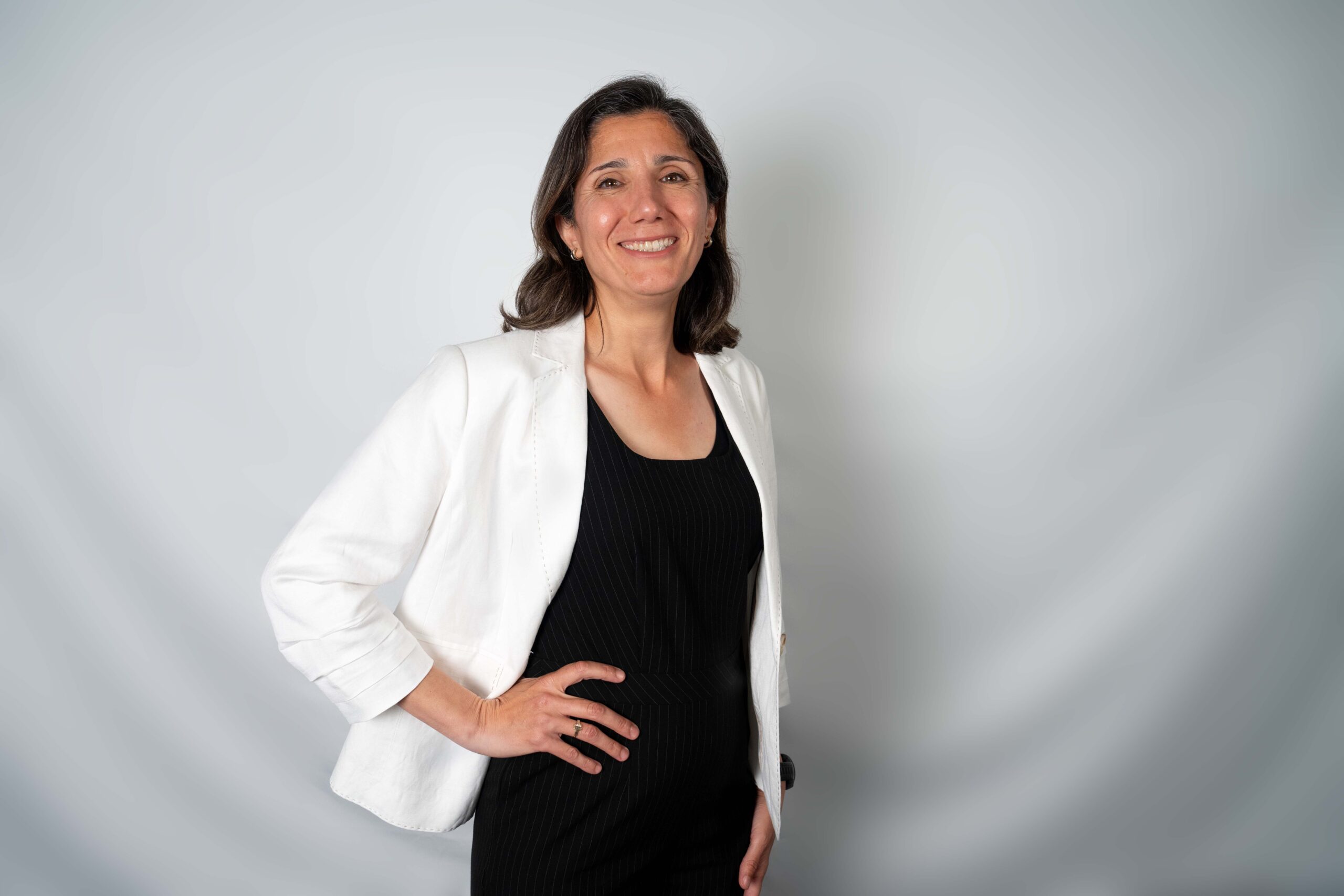
Ning Cheng is an Assistant Professor (Teaching & Research) at the University of Calgary's Faculty of Veterinary Medicine, with affiliations to the Alberta Children's Hospital Research Institute (ACHRI) and Hotchkiss Brain Institute (HBI). Their research focuses on neurodevelopmental disorders, particularly autism and Fragile X Syndrome, using rodent models to investigate mechanisms and develop experimental therapeutics. PhD in neuroscience from Johns Hopkins School of Medicine Postdoctoral work on neurological disorders at NIH Research spans molecular mechanisms, neural circuitry, and translational approaches to address social, communication, and behavioral challenges in autism spectrum disorders. The lab utilizes in vivo recording/modulation of brain activity, biochemical analyses, and multidisciplinary collaborations. Recent publications highlight expertise in EEG biomarker discovery, auditory processing abnormalities, ketogenic diet interventions, and ERK pathway modulation in mouse models of neurodevelopmental conditions. Key technologies developed include wireless cortical hemodynamic monitoring systems (TinyIOMS) and open-source electrophysiology tools (OSERR). As part of ACHRI's Precision Medicine & Disease Mechanisms program and HBI's Neurodevelopment/SCNIP strategic initiatives, Cheng contributes to university-wide efforts in Brain and Mental Health (2015-2021) and Child Health and Wellness (2020-2025).
Shahab Bakhtiari is an Adjunct Professor in the Department of Psychology at the University of Montreal's Faculty of Arts and Sciences. His research focuses on NeuroAI, exploring the intersection of neuroscience and artificial intelligence, particularly in visual perception and learning mechanisms in biological systems and artificial neural networks. He holds a PhD in Neuroscience from McGill University and conducted postdoctoral research at Mila, Quebec AI Institute. Education: Bachelor's and Master's in Electrical Engineering, University of Tehran PhD in Neuroscience, McGill University His research interests include computational neuroscience, machine learning, visual system modeling, and energy-efficient predictive coding. He teaches courses on AI, cognitive neuroscience, and deep learning applications in psychology. Key grants include a CRSNG grant (2023–2029) for comparative visual system studies and the UNIQUE strategic initiative (2022–2029), co-led by 50+ researchers. He has supervised one Master's student, Hamza Abdelhedi, on AI-human face recognition comparisons. His work bridges AI and biological systems, leveraging neuroimaging and deep learning to model brain dynamics and improve AI's biological plausibility.
Ruba Al Omari is an Assistant Professor, Teaching Stream in the Department of Electrical Engineering & Computer Science at York University. She holds a PhD in Computer Science from Ontario Tech University, where she earned the Doctoral Excellence Award. Her research focuses on cybersecurity, machine learning applications in security, and the intersection of brain-computer interfaces (BCIs) with password memorability and user behavior analysis. Dr. Al Omari has over 15 years of industry experience in IT roles spanning network management and security. Her teaching portfolio includes graduate and undergraduate courses in cybersecurity, network security, applied cryptography, malware analysis, and machine learning. Notable courses include 'Attack and Defense Special Topics in IT: AI in Cybersecurity' and capstone projects in computer security. Research interests emphasize leveraging EEG signals and neural networks to predict password memorability, studying user behavior in password usage, and exploring BCI applications for facial recognition and image tagging. Her work bridges cognitive science, neuroscience, and computational security systems. Publications consistently address themes of password security, BCI-driven biometric authentication, and cognitive aspects of cybersecurity. Awards include the Doctoral Excellence Award from Ontario Tech University (exact year not specified in text). Previous roles included program coordinator for AI and Cybersecurity programs at Durham College, alongside teaching experience at Ontario Tech University. Industry background includes user support and network management roles, providing practical insights into IT security challenges.
Yaoping Hu is a Professor in the Department of Electrical and Software Engineering at the Schulich School of Engineering, University of Calgary, and an Associate Member of the Hotchkiss Brain Institute. He holds a Ph.D. in Robotics and Neuroscience from the University of Western Ontario. His research focuses on Human-Computer Interaction within Virtual Environments, particularly in Brain-Machine Interfaces, multisensory user interaction in XR, and immersive analytics. He teaches courses such as ENSF 619.36 (Brain-Machine Interface Systems), ENSF 519.51 (Brain-Machine Interfaces), ENEL 602 (Virtual Environments), and ENSF 545 (Introduction to VR). Research interests include modeling neural mechanisms for visuomotor processes, cognitive-ergonomic interaction design, and applications in surgical planning, data visualization, and human-machine collaboration. He leads the Visualization and Interaction Laboratory, collaborating with institutions like the neuroArm Project, Fluid Dynamics Group, and international partners in France. Past and current students include Stanley Tarng, Lida Ghaemi Dizaji, and Aida Erfanian. His work spans projects like neuroSim (a surgical simulator) and BioVista (biofilm visualization tools). Collaborations with industry partners such as Nova Chemicals and Calgary Scientific Inc. support applied research in complex data analysis and virtual reality systems.
Lizbeth Olivia Escobedo Bravo is an Assistant Professor in the Faculty of Computer Science at Dalhousie University, where she conducts research at the intersection of Human-Computer Interaction, Ubiquitous Computing, and Cognitive Assistive Technology. Her work focuses on developing and evaluating technology to improve the quality of life for vulnerable populations, particularly children with autism, pregnant women, and individuals with cognitive disabilities. Her educational background includes a BS and PhD from Universidad Autónoma de Baja California (UABC), an MSc from Centro de Investigación Científica y de Educación Superior de Ensenada (CICESE), and a postdoctoral fellowship in Biomedical Informatics at UC San Diego. BS – Universidad Autónoma de Baja California (UABC) PhD – Universidad Autónoma de Baja California (UABC) MSc – Centro de Investigación Científica y de Educación Superior de Ensenada (CICESE) Postdoc – University of California, San Diego (Biomedical Informatics) Her research interests include Human-Computer Interaction (HCI), Ubiquitous Computing, Cognitive Assistive Technology (CAT), Mobile Technologies, Accessible Computing, and Children-Computer Interaction. She emphasizes interdisciplinary collaboration across computer science, psychology, education, medicine, and design. The 15 most recent articles reflect a consistent focus on assistive technologies for neurodevelopmental and cognitive challenges. Key themes include early detection of developmental delays (ActEarly), handwriting assessment (PenSando), autism support (MOBIS, MOSOCO, FarmerKeeper, SATORI), maternal health (PREGO), and ADHD assistance (SmarTasko). These works span mobile, augmented reality, and sensor-based systems, with strong emphasis on usability, accessibility, and real-world deployment across diverse cultural and economic contexts. Scientific contributions and recognitions include: Active research leadership in multiple assistive technology projects Interdisciplinary collaborations with institutions such as Georgia Tech, UC Irvine, UC San Diego, MSU, Chapman University, and CREATE-NET Industry partnerships with IMSS, Pasitos A.C., ClubLia Kinder, EdNinja Inc., and others Focus on technology for social good and inclusive design She is actively involved in mentoring and advising, currently recruiting PhD and Master’s students for her research group. Her work has been supported through academic and industry collaborations, though specific grants are not listed. She previously worked in the software industry as a project manager and COO, bringing leadership experience to her academic role. Lizbeth leads a dynamic research lab focused on developing and deploying accessible, user-centered technologies. Her team works on projects such as ActEarly, PenSando, and SATORI, often involving cross-border studies and community engagement. The lab emphasizes real-world impact, ethical design, and scalability of solutions, particularly for underserved populations in Latin America and North America.
Fateme Rajabiyazdi is an Assistant Professor at Carleton University in the Department of Systems and Computer Engineering , with cross-appointments to the School of Information Technology and Bruyère Research Institute . She holds a Ph.D. in Computer Science from the University of Calgary (2018), focusing on information visualization . Education : Ph.D. (Computer Science, University of Calgary), M.Sc. (Computer Science, Australian National University) Research Interests revolve around real-world health data visualization , specifically patient engagement in medical care , health data tracking , patient-provider communication , and decision-making support . Her work integrates Human-Computer Interaction (HCI) and eHealth technologies , with applications in diabetes management , cardiac rehabilitation , and aging populations . Publications (2025–2020) span information visualization , patient-generated health data , and medical decision-making . Key venues include Journal of Medical Internet Research , Frontiers in Surgery , and ACM CHI . Recent projects include TextVista (NLP-enhanced visualization) and My Personal Brain Health Dashboard for HIV patients. Scientific Awards : Ward of 21st Century Health Services Research Scholarship (PhD) FRQS Postdoctoral Scholarship (2020, ranked 4th in Quebec) Best Student Paper Award at Graphic Interface 2024 Honorable Mention at ACM CHI 2025 Students include PhD candidates in Biomedical Engineering , Master’s students in Data Science and Human-Computer Interaction , and research assistants across disciplines. Her lab collaborates on health visualization tools and assistive technologies .
Sylvain Sénécal is a Professor at the Department of Marketing, HEC Montréal. He holds the RBC Financial Group Chair of E-commerce and co-directs the Tech3Lab. His expertise focuses on internet marketing and online consumer behavior, with a strong emphasis on user experience (UX) research, neuro-marketing, and digital technology impacts. He earned both his M.Sc. and Ph.D. in Marketing from HEC Montréal. His research explores topics such as cognitive load in online shopping, driver distraction mitigation via technology, and ethical implications of AI in HR management. He has supervised over 60 students, including 7 PhD graduates and numerous master's theses. Key awards include the 2023 Pierre-Laurin Research Prize. His work bridges marketing, information systems, and neuroscience, with notable contributions to UX design, consumer behavior analysis, and the psychological effects of digital tools. The Tech3Lab under his co-direction focuses on technology-driven innovation in business and consumer interactions.
Dr. Adam Sachs is an Associate Professor of Surgery in the Division of Neurosurgery at the University of Ottawa's Faculty of Medicine, where he also serves as an Assistant Professor at the Brain and Mind Research Institute. Additionally, he is an Adjunct Professor of Systems and Computer Engineering at Carleton University. Dr. Sachs is a Neurosurgeon at The Ottawa Hospital and serves as the Director of Neuromodulation and Functional Neurosurgery. Dr. Sachs completed his Bachelor of Science at McGill University in physiology and math, and a Master of Science at York University in applied mathematics researching mechanisms of human edge detection. During his neurosurgery residency at the University of Ottawa he participated in the Clinical Investigator program, performing neurophysiology and brain computer interface research in non-human primates. He was a Clinical Instructor in Functional and Spine neurosurgery at Stanford University from 2010 to 2012. His research focuses on using brain-computer interface (BCI) technology to help individuals with movement disorders. His work explores how real-time feedback of brain signals can enable participants to control external effectors such as robotic arms or virtual reality objects. This approach shows potential for inducing plasticity that provides symptom recovery for conditions like Parkinson's Disease, focal dystonia, and essential tremor, as well as offering communication channels for individuals with severe disabilities. Dr. Sachs' research spans neuroscience, neurosurgery, and engineering disciplines, with particular emphasis on neural signal processing, brain-computer interfaces, and neuromodulation techniques. His publication record demonstrates expertise in prefrontal cortex function, neural decoding, and the development of practical BCI systems that bridge clinical applications with fundamental neuroscience research. Associate Professor of Surgery, Division of Neurosurgery, University of Ottawa Assistant Professor, Brain and Mind Research Institute, University of Ottawa Adjunct Professor, Systems and Computer Engineering, Carleton University Director of Neuromodulation and Functional Neurosurgery, The Ottawa Hospital Associate Scientist, Neurosciences, Ottawa Hospital Research Institute Dr. Sachs supervises graduate students including Alireza Rouzitalab and Min Wah Leung, and leads the Sachs Lab which focuses on innovative approaches to neurorehabilitation and brain-computer interfaces. His research has significant clinical implications for treating movement disorders and restoring function to individuals with neurological disabilities.
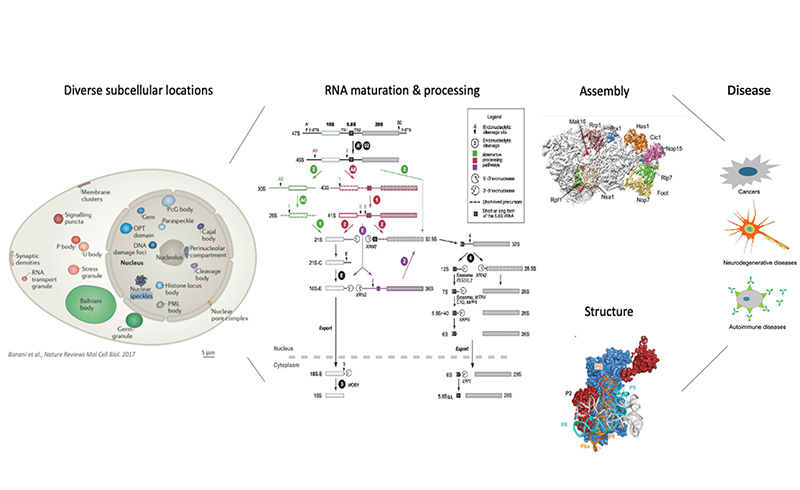
Marlene Oeffinger is an Associate Professor at the Faculty of Medicine, University of Montreal and holds a cross-appointment at the Division of Experimental Medicine, McGill University . She serves as Research Director of the Ribonucleoprotein Biochemistry Research Unit at the Montreal Clinical Research Institute (IRCM). Her research focuses on RNA maturation pathways, ribosome biogenesis, and their links to neurodegenerative diseases like Alzheimer's and ALS through RNA-protein complex dynamics. Education : Master's in Cell Biology (University of Vienna), PhD in Molecular Biology (University of Edinburgh). Training : Postdoctoral work in David Tollervey's lab (Edinburgh) and Mike Rout's lab (Rockefeller University). Her work combines proteomics , biochemical assays , and computational approaches to map RNA maturation networks and their connections to DNA damage repair. Recent articles highlight discoveries in archaeal ribosome evolution, mRNA export mechanisms, and RNA structure probing in yeast. She has received prestigious awards including the CIHR New Investigator Award , FRQ-S Junior Scholar Fellowships , and Revson Foundation Biomedical Fellowship . Marlene's lab trains students and researchers in RNA biology, with current members like Master's student Mauricio Hernandez Magana. Her affiliations span multiple platforms at the IRCM, including bioinformatics , proteomics , and molecular biology . She leads grants from CIHR , FRQNT , and Brain Canada , advancing understanding of RNA's role in disease etiology.
Alain Ptito, PhD is a Professor at the Department of Neurology and Neurosurgery, Faculty of Medicine and Health Sciences, McGill University. He serves as an Associate Investigator at the Research Institute of the McGill University Health Centre (RI-MUHC) and Montreal Neurological Institute and Hospital. Academic Affiliation: McGill University Institutional Roles: RI-MUHC, Montreal Neurological Institute Research Focus: Dr. Ptito investigates motor recovery mechanisms in stroke and neural substrates of residual vision in blindsight patients post-hemispherectomy using functional MRI (fMRI) . His work extends to diagnosing traumatic Brain Injury (TBI) in soldiers, athletes, accident victims, and children through neuroimaging. Key findings include abnormal activation patterns as TBI severity indicators and fMRI's role in recovery assessment. Recent innovations involve repetitive transcranial magnetic stimulation (rTMS) for treating post-concussive symptoms like depression and cognitive impairment, alongside pioneering translingual neurostimulation with physical therapy for gait/balance restoration post-TBI. His research bridges clinical neuroscience, neurorehabilitation, and advanced neuroimaging techniques. Publication Trends: 2019-2025 outputs show consistent exploration of TBI pathophysiology, oculomotor dysfunction biomarkers, and neurostimulation interventions. Collaborations span neuroimaging, computational modeling, and clinical epidemiology. Neuroscience Leadership: Active in multidisciplinary research at the intersection of traumatic brain injury, visual neuroscience, and neuroplasticity, Dr. Ptito contributes to institutional research programs including the Brain Repair and Integrative Neuroscience (BRaIN) initiative.
Janeen Loehr is a Professor in Psychology and Health Studies at the University of Saskatchewan's College of Arts and Science. Her research focuses on the cognitive and neural mechanisms underlying interpersonal coordination, joint action, and ensemble music performance, employing EEG techniques to study action monitoring and self-other distinctions. She holds a B.A. (Honors) and Ph.D. in Psychology. Her work investigates how individuals synchronize actions in contexts like musical ensembles or conversations, emphasizing sensory attenuation, neural correlates of feedback processing, and shared agency. Key themes include temporal coordination, motor control, and the social neuroscience of collaborative behavior. Loehr has taught courses such as Advanced Human Neuropsychology and Neuroscience Seminars, contributing to both undergraduate and graduate education. Her publications span topics from EEG hyperscanning methodologies to therapeutic applications of music in dementia care, reflecting her interdisciplinary approach to understanding human interaction. Ongoing research explores the neural basis of joint agency and the development of assistive technologies for neurological conditions.
Dr. Martin v. Mohrenschildt is an Associate Professor in the Department of Computing and Software at McMaster University's Faculty of Engineering. He holds academic positions as Undergraduate Advisor for Mechatronics and Mechatronics Coordinator. His expertise spans control systems, signal processing, hybrid systems, and immersive simulation. He earned a Dr. sc. math. ETH and Dipl. math. ETH (Swiss Federal Institute of Technology), and is a Professional Engineer (P.Eng.). Research focuses include Model Predictive Control, vibration analysis for industrial machinery, and multisensory integration in motion simulation. His Motion Simulator Laboratory features a 6-DOF simulator with advanced visualization and physiological measurement capabilities. The Embedded Systems Laboratory explores mechatronics and robotics, including alternative fuel injection systems. Teaching includes courses like CAS-748 (Time Series Analysis) and SFWR ENG 2SO3. Recent work emphasizes sensor fusion (LiDAR/camera/thermal), biofeedback systems for muscle interventions, and cognitive effects of motion cues in virtual environments. Collaborations with Dr. Shedden investigate perceptual neuroscience in immersive simulators. His lab facilities support interdisciplinary projects combining engineering, computer science, and cognitive science. Publications span 30+ years, covering hybrid systems theory, control algorithms, and applied sensor technologies. Current research directions include autonomous vehicle perception systems and aging-related changes in multisensory integration.
Dr. Stamos Katsigiannis is an Associate Professor in the Department of Computer Science at Durham University. His research focuses on bioinformatics, health informatics, affective computing, and GPU computing. He holds a BSc, MSc, and PhD in Computer Science from the University of Athens and the Athens University of Economics and Business. Before Durham, he was a Postdoctoral Research Fellow and Lecturer at the University of the West of Scotland (2016–2020). His work spans biometric identification via EEG signals, medical image analysis, and deep learning applications in healthcare. Education: BSc (Hons.) in Informatics and Telecommunications from National and Kapodistrian University of Athens MSc in Computer Science from Athens University of Economics and Business PhD in Computer Science from National and Kapodistrian University of Athens Research interests include bioinformatics (e.g., microarray analysis), health informatics (e.g., ECG-based emotion modeling), and GPU computing for real-time applications. He has pioneered studies on EEG-based biometrics and affect recognition in human-horse interaction. Recent articles explore chest X-ray classification using deep learning , AI-generated content detection , and trajectory prediction with graph networks . His research emphasizes interdisciplinary applications of machine learning in healthcare and education. He advises six postgraduate students and collaborates on UK parliamentary AI governance reports. Notable contributions include the BED EEG dataset and the DREAMER emotion recognition database.