Sriram Subramaniam is a Professor in the Department of Biochemistry and Molecular Biology at the University of British Columbia (UBC) and holds the Gobind Khorana Canada Excellence Research Chair in Precision Cancer Drug Design. His research leverages cryo-electron microscopy (cryo-EM) to advance structural biology and drug design, focusing on protein dynamics and therapeutic target identification. Education: PhD in Physical Chemistry (1987) from Stanford University; MSc in Chemistry (1981) from Indian Institute of Technology, Kanpur. Subramaniam's interdisciplinary work combines cryo-EM with computational tools and molecular biology to study protein structures at atomic resolution. His lab has pioneered cryo-EM applications in precision medicine, including mapping small molecule drugs on patient-specific cancer mutants. Recent publications (2024-2022) highlight his contributions to understanding SARS-CoV-2 immune evasion, structural mechanisms of ATPases, and AI integration in structural biology. His research spans viral entry mechanisms, CRISPR systems, and neurodegenerative disease pathways. Scientific Awards: Gobind Khorana Canada Excellence Research Chair NIH Director’s Award for Scientific Excellence Fellow of the Biophysical Society Breakthrough Prize nomination Based at the Djavad Mowafaghian Center for Brain Health, Subramaniam leads the Program in Cryo-EM Guided Drug Design, contributing to over 177 peer-reviewed publications with a career h-index of 58 and citations exceeding 12,340.
Pierre Vandergheynst is a Full Professor at the Swiss Federal Institute of Technology Lausanne (EPFL) in the Department of Electrical Engineering, with a courtesy appointment in Computer and Communication Sciences. He serves as EPFL’s Vice-Provost for Education since 2015 and leads the Signal Processing Laboratory 2 (LTS2). His research spans harmonic analysis, sparse approximations, mathematical data processing, and applications in signal/image processing, computer vision, machine learning, and graph-based data analysis. PhD in Mathematical Physics (1998), Université catholique de Louvain Postdoctoral Researcher at EPFL (1998-2001) Assistant Professor at EPFL (2002-2007) His research explores geometry/symmetry in high-dimensional data, redundant dictionaries for dimensionality reduction, and computational harmonic analysis on manifolds. Recent work focuses on protein structure modeling, geometric deep learning, and graph-based signal processing. Key article trends include graph neural networks for protein analysis, geometric deep learning in neuroscience, and structured knowledge priors in neural models. His 2023-2025 publications emphasize interpretable AI, long-range dependencies in graphs, and molecular representation learning. Scientific Awards: IEEE Signal Processing Magazine Best Paper Award (2023) Signal Processing Society Best Paper Award (2022) Apple ARTS Award (2007) De Boelpaepe Prize, Royal Academy of Sciences of Belgium (2009-2010) He has supervised over 30 PhD theses and contributed to foundational work in graph signal processing, compressive sensing, and geometric deep learning. His lab develops tools for data science on non-Euclidean structures, with applications in medicine, astronomy, and wireless systems.
Dr. Shyh-Dar Li is a Professor and Tong Louie Chair in Pharmaceutical Sciences at the University of British Columbia's Faculty of Pharmaceutical Sciences, where he also serves as Chair of Nanomedicine and Chemical Biology. With a BSc in pharmacy from National Taiwan University (1998) and PhD in pharmaceutical sciences from UNC Chapel Hill (2008), followed by postdoctoral training at UC San Diego's Moores Cancer Center (2009), Dr. Li has established himself as a leading researcher in advanced drug delivery systems. His research focuses on developing innovative nanomedicine platforms for targeted delivery of biological therapeutics including peptides, proteins, antibodies, and nucleic acids. Dr. Li's laboratory has pioneered several novel drug delivery approaches, particularly in lipid-based nanoparticles, phospholipid-free vesicles, and polymer systems for cancer immunotherapy, pain management, and protein delivery. His work bridges fundamental nanotechnology with translational applications for difficult-to-treat diseases. Analysis of his recent publications reveals a strong emphasis on tumor microenvironment modulation, endosomal escape mechanisms for nucleic acid delivery, and non-invasive delivery routes for protein therapeutics. His research demonstrates increasing sophistication in nanocarrier engineering, with recent work incorporating machine learning approaches to optimize nanoparticle design and expanding into immunomodulatory therapies that harness the body's immune system to fight cancer. Scientific Recognition: 2014 AFPC New Investigator Award 2013 AAPS New Investigator Award in Pharmaceutics and Pharmaceutical Technologies 2013 CIHR New Investigator Award 2013 CSPS Early Career Award 2012 Prostate Cancer Foundation Young Investigator Award Dr. Li's research program has been consistently supported by major Canadian funding agencies including CIHR, NSERC, and MITACS. He actively collaborates across disciplines and accepts graduate students into his research program, focusing on cutting-edge approaches to overcome biological barriers in drug delivery. His laboratory, the Laboratory of Targeted Drug Delivery and Nanomedicine, serves as a hub for innovation in pharmaceutical nanotechnology.
David Vocadlo is a Distinguished Professor of Chemistry and Molecular Biology & Biochemistry at Simon Fraser University (SFU), holding the Canada Research Chair in Chemical Biology. His research focuses on Chemical Glycobiology, investigating carbohydrate-processing enzymes and developing chemical tools to study glycan roles in health and disease. His lab explores O-GlcNAc signaling, neurodegenerative disorders (e.g., Alzheimer’s, Parkinson’s), and enzyme inhibitors for therapeutic applications. Education: PhD from University of British Columbia (UBC), followed by a CIHR postdoctoral fellowship at UC Berkeley. Key roles include E.W.R. Steacie Memorial Fellow and Royal Society Fellow. Research highlights include O-GlcNAcase inhibitors for neuroprotection, glycan structure-function relationships, and enzyme activity imaging tools. Collaborates globally with experts in glycobiology and employs cutting-edge techniques like chemical synthesis, mass spectrometry, and live-cell imaging. Awards: Distinguished Professor title, Canada Research Chair, Royal Society Fellowship. Active in training researchers through SFU’s graduate programs, emphasizing interdisciplinary approaches. Lab members work on topics ranging from enzyme mechanisms to disease modeling.
Professor Guy Williams is a leading academic at the University of Cambridge with a focus on imaging science and clinical neurosciences, affiliated with Downing College and the Wolfson Brain Imaging Centre . Holding a PhD in Physics from his initial Natural Sciences degree, he specializes in nuclear magnetic resonance (NMR) and MRI techniques for brain imaging. Education: BA, PhD in Physics His research centers on non-invasive imaging of brain structure and function, particularly in traumatic brain injury (TBI) and dementia. His work involves developing novel MRI pulse sequences and advanced data analysis algorithms, including AI-based diagnostic tools. He leads studies on white matter integrity post-trauma, longitudinal dementia assessment, and applications of MRI in disorders of consciousness and addiction. Recent publications highlight collaborations in traumatic brain injury outcomes, AI-guided dementia prediction, and neuroimaging of post-COVID cognitive deficits. His team's work on ultra-high field laminar fMRI and distortion correction methods has advanced clinical neuroscience applications. Key techniques include diffusion tensor imaging (DTI), 7 Tesla MRI, and positron emission tomography (PET/MR). His research spans from basic NMR physics to clinical translation, with a strong emphasis on multi-site studies and real-world diagnostic implementation.
Giorgio Ascoli is a University Professor in the Department of Bioengineering at George Mason University, where he has been since 1997. He is the Founding Director of the Center for Neural Informatics, Structures, & Plasticity (CN3) and Founding Editor-in-Chief of the journal Neuroinformatics . His affiliations span computational neuroanatomy, neuroinformatics, and hippocampal modeling. Education : PhD in Biochemistry and Neuroscience (1996), Scuola Normale Superiore; MS in Chemistry and Biochemistry (1993), Pisa University; BS in Chemistry and Physics (1991), Scuola Normale Superiore. Dr. Ascoli investigates the relationship between brain structure, activity, and function from cellular to circuit levels. His research focuses on anatomically plausible neural networks to model mammalian brains, particularly the hippocampus, with implications for understanding human memory and consciousness . He pioneered computational neuroanatomy, developing tools like L-Neuron for neuronal shape modeling and curating NeuroMorpho.Org , a central repository for digitally reconstructed neurons. His recent publications emphasize neuronal classification , connectome analysis , and biologically informed machine learning . Awards include the 2012 Outstanding Faculty Award (Virginia), 2022 AIMBE fellowship , and 2023 Presidential Faculty Excellence Awards . He has mentored over 20 graduate students and postdoctoral fellows, with funding from NIH, NSF, DARPA, and private foundations. Scientific Contributions : Over 137 peer-reviewed articles, 4 patents, 2 authored/edited books, and leadership in NeuroMorpho.Org and Hippocampome. Grants : $20M+ in cumulative funding, including NIH R01s, NSF BRAIN EAGERs, and Burroughs-Wellcome Trust support. Labs : Leads the Computational Neuroanatomy Group within CN3, focusing on hippocampal modeling, neuronal morphology, and consciousness theories.
Henry Liang, Ph.D., is a Professor in the Department of Cell Physiology and Molecular Biophysics at Texas Tech University Health Sciences Center (TTUHSC), with adjunct appointments in Chemical Engineering and Chemistry at Texas Tech University. His lab focuses on bridging biology with synthetic systems through membrane biophysics and bioengineering. Research Interests: Dr. Liang's work spans membrane protein reconstitution, nanodisc technology, antimicrobial nanoparticles, blood-brain barrier targeting, and immunotherapy platforms. Key areas include: Design of synthetic proteomembranes for protein function studies Development of environmentally responsive nanoantibiotics Nanoparticle-based theranostic systems for cancer Light-driven energy transduction in biohybrid materials Publication Trends: His 15 most recent articles (2011-2023) demonstrate consistent focus on nanotechnology solutions for biomedical challenges, with evolving emphasis on antimicrobial nanostructures (35%), membrane protein platforms (30%), cancer nanomedicine (20%), and sustainable nanomaterials (15%). Methodological strengths include polymer synthesis, X-ray scattering, and biomimetic system design. Training: The Liang Lab actively recruits graduate students and postdoctoral researchers for projects in membrane biophysics and bioengineering. Current research infrastructure includes capabilities for synchrotron small-angle X-ray scattering, molecular dynamics simulations, and nanomaterial characterization.
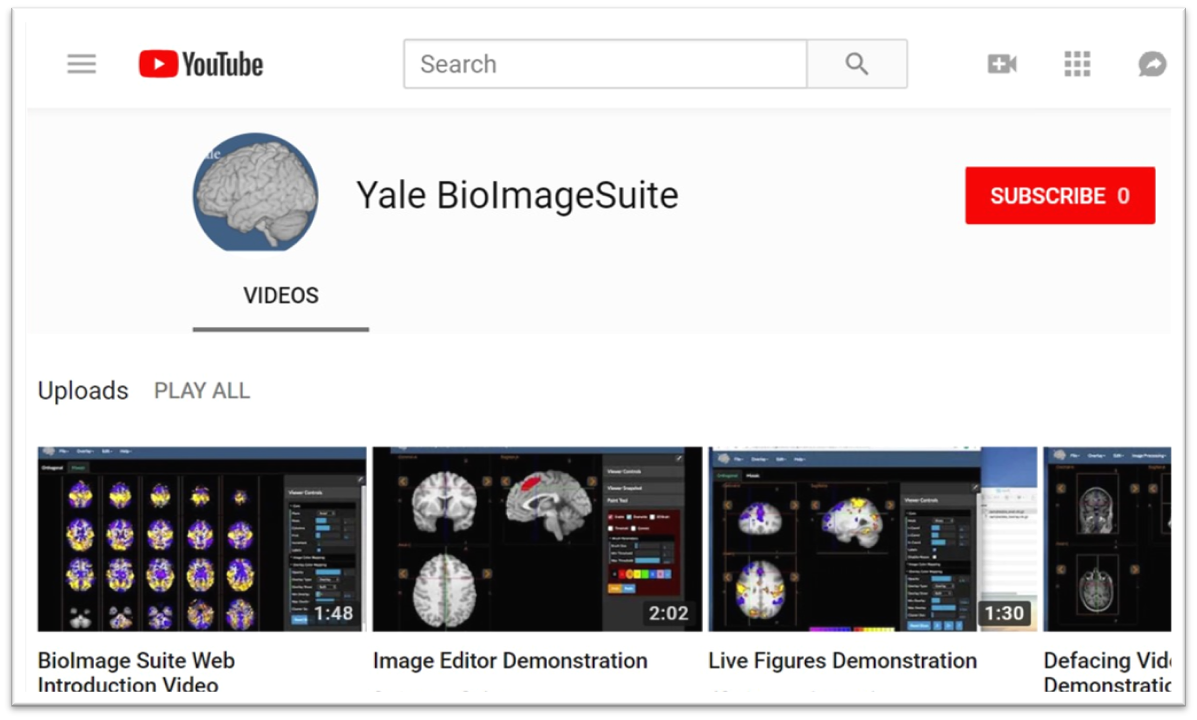
Xenophon Papademetris is a Professor of Biomedical Informatics & Data Science and Radiology & Biomedical Imaging at Yale School of Medicine. He serves as Associate Director of Biomedical Imaging Data Sciences at Yale Biomedical Imaging Institute and directs the Medical Software and Medical Artificial Intelligence Certificate Program. PhD in Electrical and Information Sciences from Yale University (2000) BA from Cambridge University (1994) Postdoctoral Fellowship at Yale University (2002) His research focuses on medical image analysis, machine learning, and biomedical software development. He has developed tools like BioImage Suite Web and contributed to standards committees at the Association for the Advancement of Medical Instrumentation (AAMI). His work spans modalities including MRI, CT, PET, and optical imaging. Recent publications emphasize neuroimaging analysis, explainable AI in healthcare, and multimodal data integration across species. He leads NIH-funded research under the BRAIN Initiative (R24 MH114805) and has authored a textbook on Medical Software published by Cambridge University Press. IEEE Senior Member Yale Brown-Coxe Postdoctoral Fellowship Harding Bliss Prize for Excellence in Engineering He directs the BioImage Suite Project, creating web-based image analysis tools using JavaScript and WebAssembly. His teaching includes both academic courses and a Coursera program on Medical Software with over 14,000 enrollments.
Prof. Casper Hoogenraad is a full professor in Molecular Neuroscience at the Department of Cell Biology, Faculty of Science, Utrecht University. His research focuses on understanding how intracellular protein trafficking underlies neuronal development and function, with particular emphasis on the microtubule cytoskeleton, synaptic cargo trafficking, and synaptic plasticity. He leads an active research group within Utrecht University's Cell Biology department and collaborates extensively with other neuroscience research groups. Education: PhD, Erasmus University Rotterdam (1996-2001) Postdoc, Massachusetts Institute of Technology (2002-2005) Hoogenraad's research spans three main themes: cytoskeleton dynamics during neurodevelopment and synaptic plasticity, motor proteins and adaptors as regulators of synaptic transport, and psychiatric and neurologic disease disorders linked to intracellular transport. His work combines genetics, biochemistry, molecular, and cellular biology methods in in vitro (neuron cultures), ex vivo (brain slices), and in vivo (mice) systems, along with advanced microscopy techniques including immunofluorescent confocal microscopy, high-resolution live cell imaging, and photo-activated localization microscopy (PALM). Analysis of Hoogenraad's recent publications reveals a strong focus on microtubule organization, neuronal polarity, and the molecular mechanisms underlying synaptic function and dysfunction. His work frequently explores how disruptions in intracellular transport contribute to neurological disorders including Alzheimer's disease, schizophrenia, and autism spectrum disorders, with particular attention to the relationship between cytoskeletal organization and cargo transport in neuronal compartments. Scientific Awards and Memberships: ZonMW-VIDI (2004) European Young Investigators (EURYI) award (2005) NWO-ALW VICI (2011) ERC Consolidator grants (2013) FENS-Kavli Network of Excellence (2014) European Molecular Biology Organization (EMBO) (2015) Young Academy of Europe (YAE) (2015) IBRO Kemali Prize (2016) Hoogenraad leads a research group studying neuronal development and function, with a particular focus on how intracellular transport mechanisms contribute to both normal brain function and neurological disorders. His laboratory employs a multidisciplinary approach combining molecular, cellular, and systems neuroscience techniques to investigate the molecular basis of neuronal polarity, synaptic plasticity, and the pathogenesis of neurological disorders. He has secured significant research funding through prestigious grants including ERC Consolidator grants. The Hoogenraad lab operates within the Cell Biology department at Utrecht University, collaborating with other research groups focusing on cellular dynamics, biophysics, and neurobiology. The lab utilizes advanced microscopy techniques including immunofluorescent confocal microscopy, high-resolution live cell imaging (spinning disc microscopy and total internal reflection fluorescence microscopy), and quantitative analysis using advanced high-resolution microscopy (photo-activated localization microscopy). Current lab technicians include Phebe Wulf and Bart de Haan.
Kep Kee Loh is a Senior Tutor in the Department of Psychology at the National University of Singapore (NUS). Currently, he also holds an NUS Overseas Postdoctoral Fellowship position at both the Montreal Neurological Institute (McGill University) and the University of Oxford. His research focuses on comparative primate neuroanatomy, examining what makes the human brain special compared to other primates through multimodal MRI techniques. Ph.D. in Neuroscience from Université Claude Bernard Lyon I (2014-2018) M.Sc. in Cognitive Neuroscience from University College London (2011-2012) B.Soc.Sci. (Hons.) in Psychology from National University of Singapore (2007-2011) Dr. Loh's research primarily investigates the anatomical organization of brains across humans and various primate species including chimpanzees, baboons, and macaques. He employs different magnetic resonance imaging techniques (anatomical, resting-state, diffusion-weighted MRI) to compare brain organization across species, with particular focus on the medial frontal cortex, sulcal anatomy, and the evolution of speech and language in the human brain. His work adopts a multimodal approach to provide an integrative view of what sets human brains apart from other primates. His recent publications demonstrate a strong focus on comparative neuroanatomy across species, with particular emphasis on primate brain evolution, frontal cortex organization, and language-related neural pathways. The research spans multiple disciplines including neuroscience, cognitive science, and evolutionary biology, with increasing attention to methodological advancements in neuroimaging techniques for cross-species comparisons. NUS Overseas Postdoctoral Fellowship (2021) Institute of Language, Communications and the Brain (ILCB) Postdoctoral Fellowship (2019) Fondation Recherche Médicale (FRM) Fin de Thèse (PhD funding) (2017) BRAIN Student Travel Award, 6th Motivation and Cognitive Control Symposium (2016) Dr. Loh has been involved in numerous collaborative research projects across international institutions, including the French Institute of Health and Medical Research (Stem Cell and Brain Research Institute), Aix-Marseille Université, and currently McGill University and the University of Oxford. His work has received significant recognition with over 1,000 citations for his 33 publications. While specific grant information isn't detailed in the provided text, his postdoctoral fellowships indicate successful competitive funding. Dr. Loh collaborates with several research groups including the Montreal Neurological Institute at McGill University and research teams at the University of Oxford. His work connects with broader initiatives like the collaborative resource platform for non-human primate neuroimaging, indicating participation in larger research networks focused on advancing primate neuroscience through shared resources and methodologies.
Seth Herzon is the Milton Harris '29 Ph.D. Professor of Chemistry at Yale University, with joint appointments in the Departments of Pharmacology and Therapeutic Radiology at the Yale School of Medicine. He is also a Member of the Yale Cancer Center and co-founder of Modifi Biosciences, which was acquired by Merck in Fall 2024. Herzon joined Yale in 2008 after completing his PhD at Harvard University and an NIH postdoctoral fellowship at the University of Illinois, Urbana-Champaign. Her research focuses on organic synthesis with an emphasis on the molecular mechanisms of action of DNA-damaging compounds, particularly anticancer and microbiome-derived natural products. His laboratory has made significant contributions to understanding colibactin, a gut microbiome metabolite that induces colorectal cancer, and has developed novel chemotherapies targeting DNA repair defects in tumors. His work spans synthetic chemistry, chemical biology, and translational medicine, with projects ranging from total synthesis of complex natural products to developing antibacterial agents. His recent publications reveal a strong trend toward microbiome-cancer interactions, particularly focusing on colibactin's role in carcinogenesis, alongside continued innovation in synthetic methodology and therapeutic development for drug-resistant cancers. His work bridges fundamental chemistry with clinical applications, particularly in cancer therapeutics. Among his numerous accolades are the NSF CAREER Award, Searle Scholar Award, Packard Fellowship, Sloan Fellowship, Arthur C. Cope Scholar Award, and the 2024 Yale Cancer Center Class of '61 Cancer Research Award. He served as Associate Editor for The Journal of Organic Chemistry from 2018-2023 and was a member of the United States Defense Science Study Group from 2018-2019. Herzon has mentored numerous PhD students and postdoctoral researchers who have gone on to successful careers in academia and industry. His laboratory at Yale continues to be at the forefront of chemical research with significant translational impact, particularly in cancer drug discovery. The lab maintains active collaborations with researchers across Yale, including in pharmacology, radiobiology, and cancer biology.
Pia Vogel is a Professor in the Department of Biological Sciences at Southern Methodist University (SMU), where she leads research on nucleotide-binding proteins using Electron Spin Resonance spectroscopy and molecular modeling. Her work focuses on elucidating structural mechanisms in ATP synthase, multidrug resistance transporters, and calcium channels with biomedical applications in cancer therapy and neurodegenerative diseases. Education: Ph.D., University of Kaiserlautern Dr. Vogel's research program investigates three interconnected domains: the rotary mechanics of FoF1-ATP synthase (particularly the external stalk subunit b-dimer), the structural basis of multidrug resistance in P-glycoprotein and MRPs, and ATP-regulated calcium release via ryanodine receptors. Her laboratory employs site-specific spin labeling, ESR spectroscopy, and computational modeling to resolve protein dynamics and interactions at molecular resolution, contributing to understanding energy transduction in ATP synthase and mechanisms of drug resistance. Analysis of her 15 most recent publications (2020-2025) reveals a dominant focus on developing and characterizing P-glycoprotein and BCRP inhibitors to overcome chemotherapy resistance in cancer. These studies integrate computational screening, ATPase assays, and cell-based models to evaluate inhibitor efficacy, with emerging applications in Alzheimer's research through amyloid-β transport studies. The work demonstrates consistent methodological synergy between biophysical characterization and therapeutic development. Dr. Vogel maintains an active research group supported by sustained funding, evidenced by continuous publication output and laboratory infrastructure. Her team employs multidisciplinary approaches spanning biophysics, biochemistry, and computational biology to address fundamental questions in membrane protein function. Her laboratory facilities in DLSB 221 include specialized Electron Spin Resonance instrumentation and dual Linux computing clusters for molecular dynamics simulations. The research environment supports collaborative projects extending her work into cancer therapeutics and neurodegenerative disease mechanisms through partnerships with clinical and computational researchers.
Miler T. Lee is an Associate Professor at the University of Pittsburgh , focusing on gene regulation during early embryonic development through high-throughput experimental and computational genomics. He earned his Ph.D. in Genomics and Computational Biology in 2009 from the University of Pennsylvania under Dr. Junhyong Kim, followed by postdoctoral work with Dr. Antonio Giraldez at Yale University. Joining the university in 2016, his research spans maternal-to-zygotic transition (MZT), RNA stability, pluripotency networks, and evolutionary developmental biology, utilizing model organisms like zebrafish, Xenopus, and Hydractinia symbiolongicarpus. Key Research Themes: Maternally inherited RNA dynamics during embryogenesis Mechanisms of RNA degradation and transcriptome remodeling Evolution of pluripotency networks in hybrid species Role of zinc signaling in fertilization barriers Computational tools for RNA regulation and sensing Scientific Awards: Pan-American Society for Evolutionary Developmental Biology Junior Faculty Award (2024) Outstanding New Investigator – International Xenopus Board (2023) Basil O'Connor Scholar – March of Dimes (2017-2019) Recent publications highlight his work on enhancer classification, RNA degradation mechanisms, and cross-species MZT comparisons. His lab develops innovative methods like RESA for regulatory sequence analysis and studies evolutionary divergence in RNA localization patterns. While the articles span computational and experimental approaches, they consistently address RNA's role in cellular identity, developmental timing, and evolutionary adaptation. Applications include understanding pluripotency, designing RNA biosensors, and elucidating fertilization barriers. Prospective Ph.D. students are encouraged to contact him for opportunities in gene regulation, development, evo-devo, and computational genomics.
Professor Daniel Catchpoole serves as Deputy Head of School (Research) at the School of Computer Science, University of Technology Sydney (UTS), holding dual appointments at UTS and The Children's Hospital at Westmead. With over 20 years of research experience, he bridges computational sciences and pediatric cancer research through the Biomedical Data Science Lab in the Australian Artificial Intelligence Institute. His work integrates data analytics, artificial intelligence, and software development with molecular cancer biology to transform pediatric cancer treatment pathways. PhD in Cancer Cell Biology, University of New South Wales (1991-1995) Founding Fellow, Royal College of Pathologists Australasia (2010-present) Head, Children's Hospital at Westmead Tumour Bank (2001-present) Professor Catchpoole's research focuses on translational applications of genomics in childhood cancers, particularly acute lymphoblastic leukemia and neuroblastoma. His work combines high-throughput genomic technologies with advanced computational analysis to develop systems biology approaches for cancer patient assessment. Recent projects explore virtual reality applications for complex genomic data visualization and copper chelation therapies to enhance neuroblastoma immunotherapy. His research has received significant funding from Cancer Institute NSW, Sony Foundation, ARC, and NHMRC. His publication record spans biomedical data science, cancer genomics, and virtual reality applications in oncology. Recent work demonstrates leadership in 3D latent diffusion models for tumor segmentation, biobank economics, and innovative immunotherapies. His research consistently addresses the critical need for actionable knowledge from complex multidimensional biomedical data. Editorial Board Member, Cancers (2023) Associate Editor, Innovations in Digital Health, Diagnostics and Biomarkers (2019) Founding member and first President, Australasian Biospecimens Network Association Professor Catchpoole has supervised 17 Honours students (including 6 First Class Honours), 3 MSc students, and 12 PhD candidates across multiple institutions, with 6 current PhD students. His collaborative research bridges UTS's Faculty of Engineering and IT with The Children's Cancer Research Unit at The Children's Hospital at Westmead. Significant research funding includes Cancer Institute NSW grants, Sony Foundation VR projects, and ARC Discovery Projects focused on genomic data analysis and clinical decision support systems. His leadership extends to building frameworks for translational research, managing biobanks and clinical data linkages, and navigating governance requirements for cancer research. The Tumour Bank at Kids Research, CCRU, represents his long-standing commitment to pediatric cancer infrastructure development.
Dr. Zhi-Ping Feng is a Bioinformatician at the John Curtin School of Medical Research (JCSMR), Australian National University (ANU). Her research focuses on integrating omics data with protein structure-function relationships to study interactions between macromolecules. She has expertise in analyzing genomic and transcriptomic data (e.g., RNA-Seq, ChIP-Seq) and protein structure determination via nuclear magnetic resonance (NMR) spectroscopy. Previously, she held a Senior Research Fellow position at the Walter and Eliza Hall Institute (WEHI) from 2009, working on quality control in omics research and genomic data analysis. Her postdoctoral work at WEHI (2002–2005) involved structural biology of malaria-related proteins, supported by an Australian Postdoctoral Fellowship. She holds a PhD in protein bioinformatics from China and a physics background from Peking University. Education: PhD in Protein Bioinformatics (China) Bachelor’s in Physics, Peking University Research Interests: Her work bridges computational biology and structural biology, with emphasis on: Intrinsically unstructured proteins (IUPs) and their applications in malaria proteomics Omics data integration for disease modeling (e.g., cancer, diabetes, neurodegeneration) Protein-protein interaction networks and structural bioinformatics Publications: Recent work spans cancer immunotherapy, miRNA regulation in retinal degeneration, and T cell biology, with contributions to understanding Wnt signaling in joint replacement complications and genetic fusions in pediatric brain tumors. Awards: Australian Postdoctoral Fellowship (2005) Grants/Teams: Currently affiliated with ANU Bioinformatics Consultancy, supporting translational medical research in immunology, cancer, and genomics. Labs/Teams: Collaborates with the JCSMR’s multidisciplinary teams focusing on biomedical informatics and translational research.