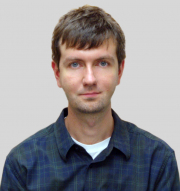
Marianna Sadagurski is an Associate Professor in the Department of Biological Sciences at Wayne State University, affiliated with the Institute of Environmental Health Sciences. Her research program focuses on hypothalamic regulation of metabolism under environmental stress, obesity, and aging, emphasizing signaling pathways in neurons and glia cells. Wayne State University (Institute of Environmental Health Sciences) Department of Biological Sciences Academic rank: Associate Professor Research areas include: Hypothalamic regulation in health and disease Pollution-induced hypothalamic inflammation Anti-aging interventions Maternal environment impacts on metabolic disease Recent publications (2020-2025) explore: Metabolic reprogramming by pollutants Anti-aging drug mechanisms Neuroinflammatory pathways Sex-specific aging responses Multi-omics toxicology Teaches advanced courses in neural signaling and metabolism.
Toshiyuki Okano is a Professor at Waseda University's Faculty of Science and Engineering, School of Advanced Science and Engineering. He holds a Ph.D. in Science from Kyoto University and maintains an active research program focused on circadian biology, photobiology, and magnetoreception. His work bridges molecular biology, physiology, and behavioral studies across diverse animal models including zebrafish, medaka, and other teleost species. Dr. Okano received his education at Kyoto University, completing his undergraduate studies from 1984-1988 and his graduate studies from 1988-1993. His academic journey includes positions at The University of Tokyo (1993-2011), Japan Science and Technology Agency (2001-2010), and Waseda University (2007-present). His research interests span multiple interconnected fields of chronobiology and photobiology. Dr. Okano investigates how animals detect and respond to environmental light cues through specialized photoreceptive molecules like cryptochromes. His work explores circadian rhythms, lunar-synchronized behaviors, magnetoreception mechanisms, and the molecular basis of photoperiodic time measurement. He has made significant contributions to understanding how cryptochrome proteins function as potential magnetoreceptors in birds and as circadian clock components across diverse species. Dr. Okano's publication record demonstrates consistent productivity with 74 papers and 3,592 citations as of 2025, reflecting an h-index of 34. His research has evolved from foundational studies on pineal photoreception in birds to more recent work examining lunar rhythms, magnetoreception, and innovative biotechnological applications like the THETA protein purification system. His interdisciplinary approach combines molecular biology, biochemistry, and behavioral analysis across multiple animal models. Among his notable scientific achievements are: New Investigator Award from the American Society for Photobiology (2002) Yoshida Encouragement Award from the Japanese Society for Comparative Physiology and Biochemistry (1995) Dr. Okano serves in leadership roles within several professional societies, including as Councilor for the Quantum Life Science Society and Secretary for the Japanese Society of Comparative Physiology and Biochemistry. His laboratory maintains active collaborations with researchers at The University of Tokyo, Kyoto University, and other institutions, focusing on the molecular mechanisms of biological timing systems. Current research directions include exploring the relationship between circadian and circalunar timing mechanisms, developing novel biotechnological tools based on light-sensitive proteins, and investigating the evolutionary adaptations of visual systems in deep-sea organisms.
Peter L J de Keizer is an Associate Professor at the University Medical Center Utrecht, specializing in cellular senescence and cancer biology. His work focuses on leveraging senescence mechanisms for therapeutic applications in oncology and aging-related diseases. Contact: pkeizer@umcutrecht.nl Research Interests: Molecular regulation of cellular senescence Senolytic compounds targeting p53-FOXO4 interactions Translational applications in cancer (especially brain metastasis) and musculoskeletal diseases Immunosenescence in tumor microenvironments Development of aging biomarkers Publication Trends: Recent works span structural biology of p53 domains (2025), geriatric frailty metrics (2025), senescence in cartilage models (2025), and immunotherapy repositioning (2024). Key intersections involve senescence biology, cancer-immune interactions, and aging-related pathologies. External Engagement: Founder and Managing Director at Cleara Biotech B.V., translating academic findings into biotech applications.
Jens Pahnke is a Professor at the University of Oslo, Department of Pathology (PAT) at the National Hospital. He leads the Pahnke Lab in Dementia Research, focusing on molecular mechanisms and treatment options for neurodegenerative diseases with special emphasis on Alzheimer's disease. His laboratory investigates clearance mechanisms of toxic peptides via the blood-brain barrier, new imaging techniques, mitochondrial function, and neuroimmunological mechanisms. Dr. Pahnke's primary research interests include ABC transporters, Alzheimer's disease, Parkinson's disease, Huntington's disease, blood-brain barrier function, and mouse models of neurodegeneration. His work particularly emphasizes the role of ABC transporters in neurodegenerative processes, with significant contributions to understanding how these transporters affect disease progression and potential treatment avenues. His lab utilizes advanced techniques including mass spectrometry imaging (MSI), AI/ML-assisted data analysis, and comprehensive OMICS approaches (metabolomics, lipidomics, proteomics). Analysis of his 15 most recent publications reveals a strong focus on ABC transporter function in neurodegenerative diseases, particularly ABCA7 in Alzheimer's and Huntington's disease. His research demonstrates sex-dependent treatment responses, connections between lipid metabolism and neurodegeneration, and promising repurposing of existing drugs like FTY720 for Huntington's disease. His work bridges basic science with translational applications, including the development of imaging techniques to assess transporter function and the investigation of natural compounds like St. John's Wort for therapeutic potential. Dr. Pahnke is actively involved in several major research initiatives including the HDFTY study investigating FTY720 for Huntington's disease treatment (planned start 2025) and the A7HD project examining ABCA7 dysregulation in Huntington's disease (2025-2028). His laboratory has established collaborations with researchers across Norway, Latvia, Israel, Germany, Czech Republic, France, and Sweden, creating a strong international network focused on neurodegenerative disease research. His lab employs cutting-edge methodologies including mass spectrometry imaging with 20µm resolution, AI/ML-assisted segmentation of MS spectra, and sophisticated mouse models of neurodegenerative diseases. They have demonstrated that ABCA7 functional modulation significantly affects disease onset and severity in Huntington's disease, with female mice showing complete rescue until 57 weeks of age when ABCA7 is knocked out, while male mice exhibit a significant delay in disease progression of more than 10 weeks.
Bryan Roth, MD, PhD, is the Michael Hooker Distinguished Professor in the Department of Pharmacology at the University of North Carolina at Chapel Hill School of Medicine. He is a member of the UNC Lineberger Comprehensive Cancer Center and leads the Roth Lab, which focuses on molecular neuropharmacology and G-protein coupled receptor (GPCR) research. Dr. Roth has made significant contributions to the field through his development of the DREADD (Designer Receptor Exclusively Activated by Designer Drug) technology and receptorome profiling platform, which have revolutionized neuroscience research approaches worldwide. Dr. Roth's research spans over 30 years in molecular neuropharmacology. His laboratory pioneered the DREADD technology, which enables non-invasive remote control of neuronal signaling via orthologous ligand-receptor pairs. This innovative approach has been shared with nearly 300 labs worldwide since its introduction in 2007. Additionally, Dr. Roth developed the receptorome profiling platform, which identifies molecular targets for novel biological entities across numerous neuronal molecular targets. His work primarily focuses on GPCRs, including serotonin and opioid receptors, with applications in neuroscience, psychiatry, and drug discovery. Dr. Roth serves as the principal contractor for the National Institute of Mental Health's Psychoactive Drug Screening Program (NIMH-PDSP), through which his lab has collaborated with nearly 400 labs globally over the past 3.5 years. Analysis of Dr. Roth's recent publications reveals a strong emphasis on structural biology approaches to understanding GPCR function. His research integrates cutting-edge techniques including cryo-EM, X-ray crystallography, and computational modeling to elucidate receptor mechanisms. Key themes include DREADD technology development, psychedelic compound mechanisms, opioid receptor signaling, and the structural basis of receptor activation. His work bridges basic science with translational applications, particularly in developing novel therapeutics for neurological and psychiatric disorders, as evidenced by recent publications on non-addictive painkillers and gene therapy for chronic pain. Highly Cited Researchers (Top 1%), Web of Science, Clarivate Analytics (2020-2024) PhRMA Foundation Excellence in Pharmacology Award (2011) NARSAD Distinguished Investigator Award (2008) Michael Hooker Distinguished Professorship at UNC-Chapel Hill (2007-present) Irving Page Lecture, Serotonin Club Meeting (2010) Plenary Lecturer at Roche Pharmaceuticals Global Research (2007) Prestige Lecture at Université de Montréal (2007) As principal contractor for the NIMH Psychoactive Drug Screening Program (PDSP), Dr. Roth oversees significant research resources that serve the global scientific community. His lab maintains several important databases including the Ki Database, Tracer Database, and Anat. Profiling GPCR resources. The Roth Lab has developed innovative platforms like PRESTO-Tango and DREADDs that have transformed chemogenetic approaches in neuroscience research. Dr. Roth actively collaborates with numerous laboratories worldwide, facilitating research in GPCR pharmacology and drug discovery. His work has been featured in prominent media outlets including Nature, The New York Times, and Raleigh Magazine, highlighting the translational impact of his research on pain management and psychedelic therapeutics.
Dr. Iosif I. Vaisman serves as Professor and Director of the School of Systems Biology at George Mason University, where he leads academic initiatives at the intersection of computational science and biological research. His leadership encompasses curriculum development, research oversight, and strategic direction for the school's interdisciplinary programs. His educational background includes: PhD from the Russian Academy of Sciences Dr. Vaisman's research spans Artificial Intelligence, Medical Proteomics, and Personalized Medicine with core expertise in machine learning applications for protein structure analysis. His work focuses on decoding sequence-structure-function relationships in biomolecules, developing computational mutagenesis frameworks, and creating predictive models for drug resistance and disease mechanisms. Current projects integrate deep learning with structural biology to address challenges in antimicrobial peptide design and HIV-1 pathogenesis. Analysis of his 2022-2025 publications reveals a pronounced shift toward graph neural networks and transformer models in bioinformatics, with dominant themes in protein classification (32%), antimicrobial peptide prediction (24%), and disease mechanism modeling (20%). His work consistently bridges fundamental computational geometry with translational biomedical applications, particularly in vaccine design and personalized treatment strategies.
José Kovensky is a Professor and Director of the Laboratory of Glycochemistry and Agro-Resources (LG2A UR 7378) at the University of Picardie Jules Verne. His research integrates synthetic chemistry, biomaterials science, and environmental technology, with a focus on carbohydrate-derived compounds for biomedical and industrial applications. His primary research interests include: Glycochemistry : Synthesis of sulfated oligosaccharides, glycosaminoglycan mimetics, and multivalent ligands to modulate biological processes like inflammation and wound healing. Environmental Remediation : Development of glycoside-based surfactants for metal flotation to decontaminate soil and water. Waste Valorization : Extraction of bioactive oligosaccharides from agrofood wastes (e.g., orange peel, apple pomace) for use as plant elicitors or prebiotics. Drug Delivery : Functionalization of nanocarriers (e.g., liposomes) with defined oligosaccharides for targeted cancer therapy. Recent publications (2019–2024) reveal a strong emphasis on translating fundamental carbohydrate chemistry into applied solutions: Wound healing accelerators from marine algae sulfated galactans. Heparanase/TLR4 inhibitors for inflammatory diseases. Sustainable production of oligosaccharides from biomass. Osteoblast-mineralizing carbohydrate derivatives for bone repair. His laboratory leverages advanced techniques including NMR, MALDI-TOF-MS, and enzymatic assays to characterize novel glycoconjugates and validate their biological activity. Collaborative projects span multiple countries, underscoring the global impact of his work in glycobiology and green chemistry.
Amy Heffelfinger is a Professor in the Department of Neurology at the Medical College of Wisconsin, with secondary appointments in Neurosurgery and Pediatrics. She serves as Director of Training in Neuropsychology and Vice Chair of Faculty Development. Dr. Heffelfinger is also an Adjunct Faculty member at both the University of Wisconsin-Milwaukee and Marquette University Psychology Departments. She is affiliated with multiple research centers including the Mellowes Center for Genomic Sciences and Precision Medicine, the Neuroscience Research Center, and the Wisconsin Institute of NeuroScience (WINS). Dr. Heffelfinger's research focuses on pediatric neuropsychology, particularly preschool cognitive development and assessment. She founded the Preschool and Infant Neuropsychology Testing (P.I.N.T.) Clinic, which specializes in evaluating infants and preschoolers with neurological conditions. Her work examines cognitive outcomes in children with spina bifida, sickle cell disease, brain tumors, and other neurodevelopmental disorders. She has made significant contributions to understanding depression in preschool children through collaborations with Dr. Joan Luby's research group. Her recent publications demonstrate continued productivity with articles on neuropsychological assessment in preschoolers, healthcare disparities in access to services, and innovations in clinical practice including adaptations during the COVID-19 pandemic. Dr. Heffelfinger has maintained an active research program with continuous funding throughout her career, including NIH K30 Clinical Research Scholar support. Board Certified in Clinical Neuropsychology (ABCN/ABPP) Rita G. Rudel Foundation Award recipient Individual National Research Service Award from NIMH Vitality Award from Medical College of Wisconsin NIH Loan Repayment Program for Pediatric Researchers As an educator, Dr. Heffelfinger has mentored numerous students at various levels including medical students, residents, fellows, and graduate students. She has developed structured training programs including a formalized 4-rotation plan for resident training and bi-weekly meetings for the Milwaukee Pediatric Neuropsychology Research Interest Group. Her P.I.N.T. Clinic provides specialized assessment services while serving as a training ground for the next generation of pediatric neuropsychologists. Dr. Heffelfinger maintains an active clinical practice at Children's Wisconsin-Milwaukee Hospital, where she evaluates children with various neurological conditions and developmental disorders. Her work bridges clinical practice, research, and education in pediatric neuropsychology.
Brian C. Smith, PhD, is an Associate Professor in the Department of Biochemistry at the Medical College of Wisconsin (MCW), with adjunct roles at Marquette University. His affiliations include leadership as Associate Director of the Program in Chemical Biology and memberships in MCW's Cancer Center, Cardiovascular Research Center, and Center for Disease Prevention Research. He holds a PhD from the University of Wisconsin-Madison and completed postdoctoral training at UC Berkeley and Scripps Research. Dr. Smith's research spans redox biochemistry , epigenetic regulation , and enzyme mechanisms , focusing on post-translational modifications like S-nitrosation and lysine acylation. His lab studies sirtuin deacetylases, BET bromodomains, and nitric oxide signaling using techniques such as mass spectrometry, NMR, and chemical probe development. Major themes include: Developing bromodomain inhibitors for diabetes and cancer Deciphering redox control of protein function Engineering selective epigenetic modulators His recent publications (2023–2025) emphasize BET bromodomain therapeutics , sirtuin oxidative regulation , and redox metabolism in disease , with frequent appearances in high-impact journals like J Biol Chem , Cell Chem Biol , and ACS Chemical Biology . Honors include: MCW Outstanding Graduate Educator Award (2018) MCW Faculty Service Award (2019) Phi Beta Kappa & Bronze Tablet (Top 3% graduate, UIUC) NIH F31/R35 grants with impact scores of 12–17 (top percentiles) He actively mentors PhD students and postdocs, with funded projects totaling over $3M from NIH, ADA, and AHA. His lab collaborates with cardiovascular and cancer research teams, leveraging MCW's core facilities in structural genomics and redox biology.
Dr. Mark Quinn is a Professor and WIMU Director in the Department of Microbiology and Cell Biology within Montana State University's College of Agriculture. His institutional roles include active committee service at Washington State University's College of Veterinary Medicine through 2025. Education: Ph.D. in Physiology and Pharmacology, University of California-San Diego (1987) B.A. in Biology and Chemistry, Point Loma Nazarene University (1982) Dr. Quinn's research centers on immunology and pharmacology , with pioneering work on NADPH oxidases and formyl peptide receptors (FPR1/FPR2). His laboratory investigates neuroinflammation mechanisms, develops immunomodulatory compounds from natural sources (including Montana native plants), and creates targeted therapeutics for inflammatory conditions. Recent work bridges veterinary medicine and human translational research through comparative pharmacology approaches. His 2023-2025 publications reveal a strong focus on receptor-targeted drug design (particularly FPR agonists/antagonists), neuroimmune interactions , and plant-derived immunomodulators . Key trends include hydrogen sulfide-releasing therapeutics, fluorescent probes for neutrophil tracking, and structure-activity studies of isatin/isoflavone derivatives. Professional Engagement: Treasurer, Society for Leukocyte Biology (2017-2021) Committee Member, Society for Leukocyte Biology (2014-Present) Editorial Review Board, Journal of Leukocyte Biology (2009-Present) NIH Grant Review Panelist (2024) Washington State University CVM Committee Service (2014-Present) Dr. Quinn maintains an active graduate mentorship program through his teaching of BIOB 524 (Ethical Practice of Science) and research supervision. His international collaborations span Russia, Italy, and Turkey, with consistent funding evidenced by high-output publication in specialized immunology/pharmacology journals. The WIMU Directorship indicates leadership of a significant research infrastructure at Montana State University.
Trine Lisberg Toft serves as an Associate Professor in the Department of Neuroscience within the Faculty of Health and Medical Sciences at the University of Copenhagen. Her research focuses on the molecular mechanisms governing water and ion balance in the mammalian brain under both physiological and pathophysiological conditions, with particular emphasis on cerebral water homeostasis and its relationship to intracranial pressure. Her educational background includes a Ph.D. in Neuroscience (2015), M.Sc. in Molecular Biomedicine (2010), and B.Sc. in Biology (2008), all from the University of Copenhagen. She progressed from Research Assistant (2010-2011) to Postdoctoral Fellow (2014-2018), Assistant Professor (2018-2024), and currently holds the position of Associate Professor (2024-present). Dr. Toft's research interests center on understanding the molecular mechanisms of water and ion balance in the brain, the role of specific ion channels and co-transporters, and the impact of elevated intracranial pressure on cranial nerves and vision. Her work has significant implications for understanding and treating conditions like hydrocephalus and brain edema. Her recent publications demonstrate expertise in cerebrospinal fluid dynamics, ion transport mechanisms, and pharmacological interventions for intracranial pressure disorders, with particular focus on the Na+,K+,2Cl− cotransporter and its relationship to brain homeostasis. Her scientific recognition includes multiple prestigious awards and grants: Hørslev Fonden grant (2023) Læge Sofus Carl Emil Friis og Hustru Olga Doris Friis' grant (2022) Weimann Foundation (2021) Lundbeck Postdoctoral Fellowship (2019) Brdr. Hartmanns Foundation (2015) VELUX Foundation Postdoc grant (2014) Dr. Toft actively contributes to the neuroscience community as a member of the Lundbeck Foundation Investigator Network (since 2022) and as organizer of DIM the brain, a monthly seminar for young neuroscientists at UCPH (since 2019). Her research has resulted in 39 publications including high-impact journal articles in Nature Communications, Science Advances, and Advanced Science, with recent work examining CSF secretion mechanisms, intracranial pressure regulation, and potential therapeutic targets for neurological conditions involving brain water accumulation.
Elizabeth Grove is a Professor in the Department of Neurobiology within the Biological Sciences Division at the University of Chicago. Her research program focuses on the fundamental mechanisms of cerebral cortical development, with particular emphasis on how signaling molecules establish the neocortical area map and hippocampal development. She has maintained continuous NIH funding since the 1990s as Principal Investigator on multiple research projects. Dr. Grove's research interests center on embryonic and early postnatal development of cerebral cortex in the mouse. Her lab has made significant contributions to understanding how secreted signaling molecules including Fibroblast Growth Factor (FGF) 8 and Wnt protein Wnt3a pattern the embryonic cortex. FGF8 establishes the anterior to posterior axis of the neocortical area map, while Wnt3a influences the medial to lateral axis and is required for hippocampus development. Her work bridges molecular genetics, developmental biology, and neuroanatomy to elucidate how complex brain structures emerge from relatively simple embryonic tissues. A major focus of her recent work examines whether mouse-based models of cortical patterning apply to larger, folded (gyrencephalic) brains like those of carnivores and primates. Dr. Grove has received numerous professional honors including a MERIT award from NIMH (2004-2014) and the 2017 Krieg Cortical Kudos Discoverer Award from the Cajal Club. She currently serves on the Board of Reviewing Editors for Science and has previously held editorial positions at the Journal of Neuroscience and Journal of Comparative Neurology. Her research has been consistently funded by NIH grants investigating molecular mechanisms of cerebral cortical patterning, with recent projects focusing on neocortical area map development, olfactory bulb induction, and cortical control over thalamic input. Dr. Grove's laboratory employs sophisticated techniques including mouse genetics, in utero microelectroporation (which her lab pioneered), and single-cell RNA-Seq to investigate cortical development. Her team has discovered important relationships between molecular signaling pathways and functional brain organization, such as the link between BMP signaling deficiency, hippocampal structure, and anxiety-related behaviors.
Andrey Tsvetkov is an Associate Professor in the Department of Neurology at McGovern Medical School, The University of Texas Health Science Center at Houston (UTHealth). Born in Kazakhstan, he received his Master's Degree in molecular biology from Moscow State University and his PhD in physiology and biophysics from the University of Illinois at Chicago. He completed postdoctoral training with Steven Finkbeiner at the University of California, San Francisco, Gladstone Institute of Neurological Disease. His research focuses on brain aging mechanisms, particularly investigating G-quadruplex DNA/RNA structures, autophagy processes, and sphingosine kinase signaling pathways. His laboratory provides a vibrant research environment for interdisciplinary interactions with colleagues across multiple institutions, including the University of Texas Health Science Center, MD Anderson Cancer Center, and other University of Texas institutions. Dr. Tsvetkov's publication record demonstrates significant contributions to understanding the molecular mechanisms of neurodegeneration. His recent work examines the relationship between G-quadruplex structures and cellular senescence, sphingosine kinase regulation of protein networks in neurons, and sex differences in lipid metabolism related to cognitive impairment. Funded by the National Institutes of Health (NINDS and NIA) Active contributor to consensus guidelines for autophagy research Interdisciplinary collaborations across multiple UT institutions His research has important implications for understanding and potentially treating neurodegenerative diseases including Huntington's disease and Alzheimer's disease, with particular attention to how nucleic acid structures and lipid metabolism contribute to brain aging processes.
Dr. Manuel Luis Orta Vázquez is a Full Professor in the Department of Cell Biology at the University of Seville, where he leads the Cell Culture and Radiobiology Research Group. His academic career spans multiple decades of research in cancer biology, with particular expertise in neuroblastoma and DNA repair mechanisms. Dr. Orta Vázquez's research focuses on understanding DNA damage and repair processes in cancer cells, especially neuroblastoma stem cells. His work investigates how demethylating agents like 5-aza-2'-deoxycytidine and zebularine induce DNA lesions, and how cells repair these damages through pathways like homologous recombination. A significant portion of his recent work centers on MTH1 inhibitors as potential therapeutic targets for neuroblastoma treatment and their combination with radiotherapy. His publication record demonstrates consistent contributions to the fields of molecular oncology and DNA repair, with recent articles appearing in journals like Nucleic Acids Research, DNA Repair, and Journal of Clinical Investigation. The research trends show an evolution from fundamental DNA topoisomerase studies toward more translational neuroblastoma research with therapeutic applications. Responsible for multiple projects on neuroblastoma stem cells and MTH1 inhibitors Participates in R&D projects on radiotherapy modalities for neuroblastoma Collaborates on studies of plant compounds with potential nutraceutical applications Active participant in the European Network of Biodosimetry (RENEB) Dr. Orta Vázquez supervises doctoral students in cancer biology research and directs the Cell Culture and Radiobiology laboratory at the University of Seville. His research group works at the intersection of basic molecular mechanisms and potential therapeutic applications, particularly for pediatric cancers. The laboratory maintains active collaborations across departments and participates in international research networks, providing students with diverse research opportunities and exposure to cutting-edge cancer research methodologies.
Professor Kathy Tangalakis is a distinguished academic at Victoria University's First Year College, where she serves as Deputy Head of Scholarship & Professional Learning. With a career focused on enhancing first-year student learning experiences, particularly in biomedical and health-related courses, she has made significant contributions to educational innovation through Victoria University's Block Model teaching approach. Her work extends nationally through her co-chair position with the National Biomedical Assessment Collaboration, which aims to build a national Assessment Framework for biomedical and biosciences education. Dr. Tangalakis earned her BSc (Hons) in 1988 and PhD in 1992, both from the University of Melbourne. Her academic journey has led her through various leadership roles including: Course Coordinator, Bachelor of Science (Biomedical Sciences) (2008-2010) Academic Coordinator (Teaching & Learning), School of Biomedical Sciences (2009-2012) Head of Discipline (Medical Physiology), College of Health & Biomedicine (2014-2016) First Year Champion, College of Health & Biomedicine (2014-2016) Course leader, Bachelor of Biomedicine (2015-2015) Deputy Head of Scholarship & Professional Learning, First Year College (2018-present) Professor Tangalakis's research interests center on innovative approaches to first-year STEM education, particularly through the Block Model teaching system. She investigates how this innovative approach impacts student outcomes, with a special focus on diverse student cohorts in biomedical and health-related courses. Her work with the National Biomedical Assessment Collaboration has led to the development of a comprehensive Assessment Framework designed to map and improve assessment quality across Australian biomedical education programs. Additionally, she explores the core concepts of physiology and how they can be effectively taught and assessed across university curricula. Her publication record demonstrates a clear dual focus: educational innovation in higher education (particularly the Block Model) and physiology education. Recent articles show her leading large Australian teams to unpack and validate core physiology concepts while simultaneously examining how teaching innovations impact student learning outcomes. This dual expertise makes her work uniquely positioned at the intersection of content knowledge and pedagogical innovation. Professor Tangalakis has received numerous international, national, and institutional awards for her contributions to learning and teaching, though specific awards are not detailed in the available information. Her work has been widely recognized for its impact on student learning experiences and outcomes. As an academic supervisor, Professor Tangalakis has led and co-supervised research projects including 'New vaccines for Alzheimer's Disease: prevention as a cure' and 'Motivational interviewing in female breast cancer survivors.' Her collaborative approach to research is evident in her numerous team-based projects examining physiology education, assessment frameworks, and innovative teaching methods in the Block Model environment. Professor Tangalakis is actively involved in several collaborative networks, including her work with the Australian Council for Educational Research to improve assessment of core physiology concepts. Her research team focuses on understanding how educational innovations impact student learning, particularly for diverse cohorts in STEM disciplines.