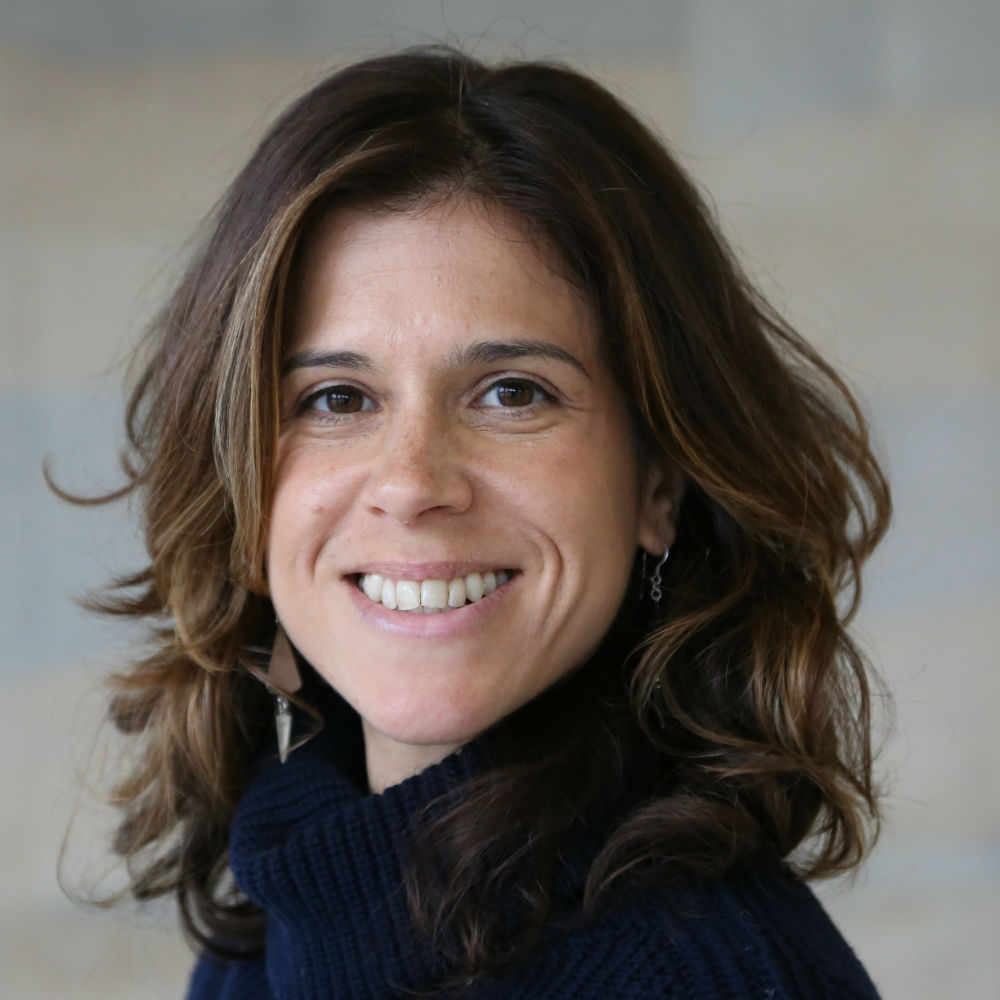
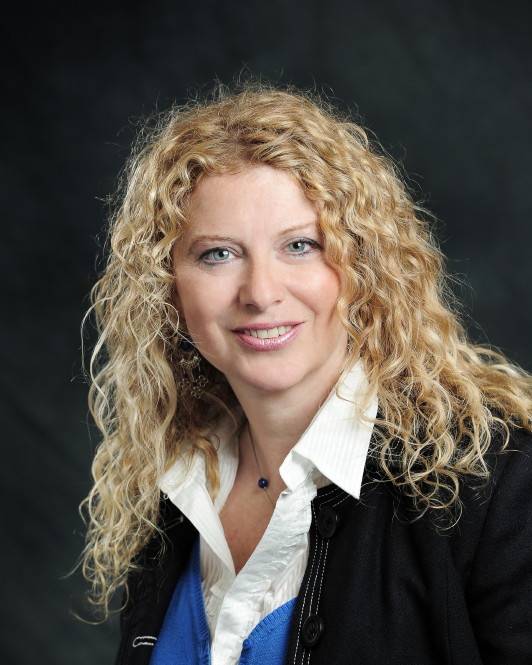
Trent Biggs is a Professor of Geography at San Diego State University (SDSU), affiliated with the Department of Geography within the College of Arts and Letters. His research focuses on land use impacts on hydrology, water quality, and sediment dynamics. He employs satellite imagery, fieldwork, and modeling to address water-related environmental challenges affecting human welfare. Key field locations include the US-Mexico border region, American Samoa, the Himalaya, and southern India. Education: PhD (2003), MA (2000) from University of California, Santa Barbara; B.A. (1995) in Ecology and Evolutionary Biology from Princeton University. Research interests emphasize watershed processes, including sediment budgets, channel morphology, and water quality. Current projects involve studying urbanization effects on the US-Mexico border’s estuaries and collaborating on the NSF Amazon project. His lab (Biggs Watershed Science Lab) integrates remote sensing, modeling, and fieldwork to analyze human-water interactions. Key collaborations include work with regional stakeholders on Blue Gold and the Watershed Science Institute. Advising includes notable students like Margot Mattson (Sea Grant Fellow), Ibisia Jack (AEP Scholar), and Stephany Garcia (CBS-featured). His work bridges environmental science with policy, particularly in cross-border water management and farmworker health. Labs/Teams: Leads the Biggs Watershed Science Lab at SDSU, focusing on human-environment interactions in watersheds. Collaborates with international researchers and local agencies to address water scarcity and sedimentation issues.
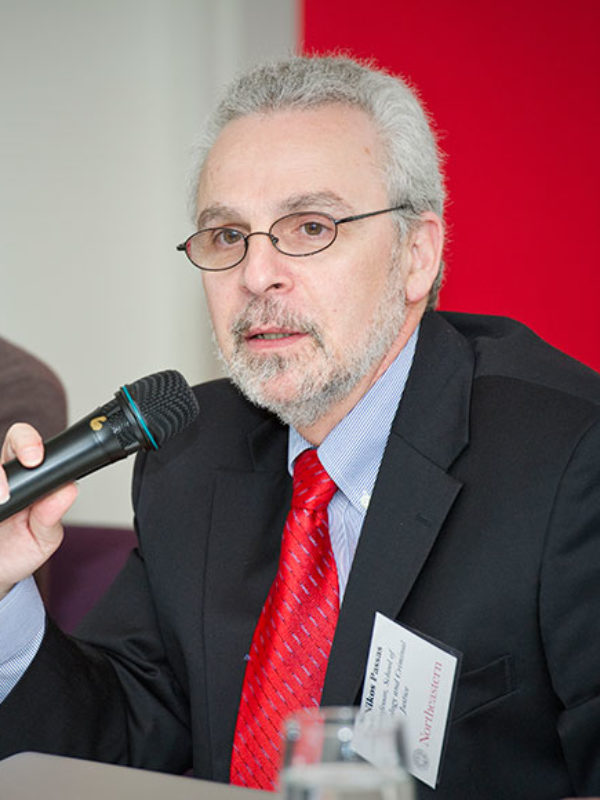
Nikos Passas is a Professor of Criminology and Criminal Justice at Northeastern University's College of Social Sciences and Humanities, where he serves as Co-Director of the Institute for Security and Public Policy. He holds multiple international appointments including Co-Chair of the Steering Committee for the University of Geneva Anti-Corruption Academy (GENACA), Distinguished Visiting Professor at Beijing Normal University, Distinguished Lecturer in Financial Integrity at Case Western Reserve Law School, and Chair of the Academic Council of the Anti-Corruption Academy in India. His work bridges academic research and practical policy implementation across global institutions. His educational background includes a PhD in Sociology of Deviance from the University of Edinburgh (1988), an LLB from the University of Athens, and a DEA from the University of Paris II. These foundations support his interdisciplinary approach to complex crime issues. Passas specializes in corruption, illicit financial flows, terrorism financing, white-collar crime, and transnational organized crime. His research examines institutional corruption mechanisms, anti-corruption academic frameworks, trade-facilitated crime, and the intersection of debt crises with corruption—particularly in Greece. Current projects include NSF-funded research on Financial Network Disruptions in Illicit and Counterfeit Medicines Trade (FIND-M), analysis of serious crimes during the COVID-19 pandemic, and criminological theory development. His work consistently addresses the practical implementation challenges of global crime control frameworks. Analysis of his 230+ publications across 15 languages reveals an evolving focus from foundational criminological theory and organized crime structures toward contemporary financial crime systems and regulatory challenges. Early works established frameworks for understanding transnational crime economics, while recent scholarship targets terrorist financing mechanisms, identity-related cybercrime, and the operational realities of anti-corruption implementation. His publications consistently emphasize practical policy applications and cross-institutional coordination requirements. Dr. Jean Mayer Global Citizenship Award (2017) from Tufts University’s Institute on Global Leadership INSPIRE Fellow at Tufts University Institute of Global Leadership Passas has secured significant research funding including the NSF FIND-M planning grant and has consulted for major international bodies including UNODC (designing the UNCAC legal library and review mechanism software), OECD, IMF, World Bank, OSCE, European Union, and Financial Crimes Enforcement Network (FinCEN). He regularly provides expert testimony in legal proceedings and develops specialized training for law enforcement, intelligence agencies, and financial institutions worldwide. His advisory roles span the Centre for Crime Justice and Policing at the University of Birmingham, Global Risk Profile in Geneva, and Compliance and Capacity Skills International in New York. He leads Northeastern's Institute for Security and Public Policy while directing international initiatives including the University of Geneva Anti-Corruption Academy and India's Anti-Corruption Academy. His work with UNODC established critical infrastructure for global anti-corruption monitoring, and he currently chairs academic councils that coordinate anti-corruption research across multiple continents. These roles position him at the nexus of academic research, policy development, and operational crime prevention strategies.
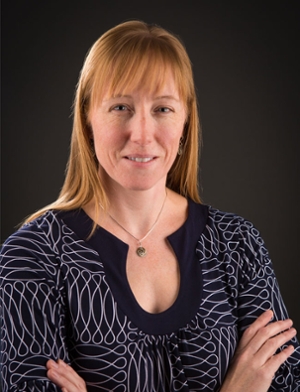
Dr. Kelly Penz is an Associate Professor at the University of Saskatchewan's College of Nursing. Her research focuses on professional quality of life, psychosocial wellbeing of rural/remote nurses, and palliative care professionals. She explores job-demands/resources, traumatic events, and recruitment/retention challenges through mixed-methods approaches. Dr. Penz has led/co-led national and provincial grants totaling over $120,000, including studies on fall prevention in older adults with cancer and rural nurse wellbeing. She teaches undergraduate and graduate nursing courses such as Advanced Research Methods in Quantitative Design and Evidence-Informed Practice. Her research interests include instrument development (e.g., Job Demands/Job Resources Scales) and palliative care communication. She has served on external committees including the Saskatchewan Hospice Palliative Care Association and Regina Palliative Care Inc. Dr. Penz supervises Master's and PhD students exploring rural healthcare challenges and palliative care practices. Her work bridges nursing practice, policy, and public health to improve healthcare equity in underserved regions.
Jun Zhuang is the Associate Dean for Research and Morton C. Frank Professor at the University of Buffalo's School of Engineering and Applied Sciences, Department of Industrial and Systems Engineering. With a PhD in Industrial Engineering from the University of Wisconsin-Madison, his work bridges operations research, game theory, and hazard response, focusing on cybersecurity, disaster management, and social media analysis during crises. Education: PhD, Industrial Engineering, University of Wisconsin-Madison MS, Industrial Engineering, University of Wisconsin-Madison MS, Agricultural Economics, University of Kentucky BE, Industrial Engineering, Southeast University, China His research employs game theory to model attacker-defender dynamics in homeland security, fire risk management, and misinformation control during disasters. Recent work explores machine learning applications for social media monitoring and resource allocation optimization. Jun Zhuang has supervised over 40 graduate/undergraduate researchers, with 8 PhD graduates now as faculty at institutions like Cal Poly, University of Houston, and Stevens Institute. His students' work spans terrorism interdiction, fire safety models, and pandemic-related risk management. Scientific Awards: Fellow, Society for Risk Analysis (2022) SUNY Chancellor's Excellence in Scholarship (2020-21) UB Exceptional Scholar Sustained Achievement (2019) SEAS Senior Researcher of the Year (2018) Koopman Prize, INFORMS Military Applications (2017) As advisor and researcher, he has secured multiple NSF REU awards, collaborated with international scholars from China, India, and Saudi Arabia, and contributed to policy development for disaster response and fire protection strategies.
Josephine Antwi is an Assistant Professor and Irrigated Crop Entomology Specialist at Oregon State University's College of Agricultural Sciences, Department of Crop and Soil Science. Her research focuses on pest management, particularly understanding multi-trophic interactions between insects, crops, and microbes under changing environmental conditions. She investigates major pests of crops like potatoes, cereals, alfalfa, corn, and specialty crops. Key research areas include microbial influences on pest behavior, environmental variables affecting pest-crop dynamics, and sustainable pest control strategies. Her work emphasizes collaboration with lab members and cross-border partnerships to enhance IPM programs. Recent publications explore aphid microbiota, Lygus bug management, and invasive species like the lesser maple leaf blotch miner. Antwi's outreach includes extension activities and peer review for journals like the Journal of Integrated Pest Management. She has no listed scientific awards but maintains an active publication record in entomology and agricultural sciences.
Prof. Dr. Delia González de Reufels is a tenured Professor at the Department of History, University of Bremen, specializing in Latin American history with transnational and global perspectives. She holds the chair for Latin American History and serves on the International Advisory Board of Mexican Studies/Estudios Mexicanos since 2015. Her research focuses on social policy development, migration patterns, and visual culture's role in historical representation. B.A., M.A. in Iberian and Latin American History, Romance studies/Spanish and English (University of Cologne, Goldsmiths' College London, Universidad de Salamanca) Ph.D. in History (University of Cologne, 2002) Her scholarly work examines population policy, military-state relations, and public health developments in Chile and Argentina through transnational events like medical congresses. She has edited multiple volumes on film as a historical research method and science fiction cinema's representation of societal challenges. Awards include the 2004 Offermann-Hergarten Foundation Prize and the 2008 Library of Congress residency. Recent publications address policy diffusion mechanisms, media representation of historical trauma, and demographic cartography. She has held visiting positions at the Sorbonne (2012) and Harvard's Department of the History of Science (2019). As founder of the 'Latin American History in Global Perspective' working group, she contributed significantly to academic networks until 2021.
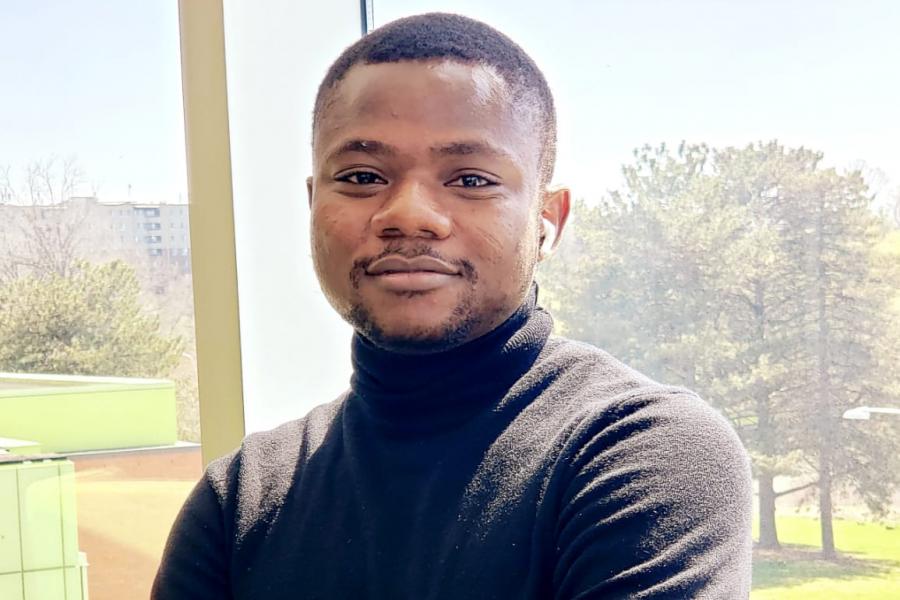
Raphael Ayambire is an Assistant Professor in the Department of City Planning at the University of Manitoba's Faculty of Architecture. He holds a PhD in Planning from the University of Waterloo and a BSc (Hons) in Development Planning from Kwame Nkrumah University of Science and Technology, Kumasi. His research focuses on environmental sustainability linked to social equity, addressing urbanization challenges through scenario planning, climate resilience, and governance frameworks in sub-Saharan Africa and Canada. Key research areas include integrating social equity into scenario planning, equitable climate mitigation strategies, and environmental governance in working landscapes. He has conducted extensive studies on urban sprawl containment in Ghana, neoliberal impacts on Accra's slums, and adaptive conservation management in Canadian biodiversity hotspots. Recent work explores sister city partnerships for sustainable development, street vending policy challenges, and decarbonization pathways in African cities. His publications span urban planning, environmental policy, and development studies, emphasizing participatory approaches and policy evaluation. Ayambire has contributed to case studies in Saskatchewan's working landscapes and Ghana's urban-agriculture land use dynamics. His research bridges theoretical frameworks with practical governance solutions, advocating for inclusive urban futures.
Linda Méndez-Barrientos is an Assistant Professor at the Josef Korbel School of International Studies, University of Denver. She leads the Environmental Justice & Policy Research Lab (ejpr), focusing on inequality, power asymmetries, and environmental justice in institutional change. She co-founded s2e-Science to Empower, an initiative promoting environmental accountability and inclusive decision-making. Her research spans environmental justice, water policy, and natural resource governance, with emphasis on disadvantaged communities and climate resilience. Key Contributions: Expertise in institutional reforms and policy implementation, particularly in water governance. Pioneer in linking environmental justice to climate policy, including National Climate Assessments (NCAs). Advocate for participatory approaches to address groundwater sustainability challenges in California. Recent Work Trends: Focus on equity in water management, including critiques of local control frameworks and race-based disparities. Development of frameworks to assess environmental justice contributions in policy and research. Analysis of transboundary groundwater governance and community-driven data initiatives. Awards & Recognition: National Science Foundation Graduate Research Fellowship (2016-2021) NSF Integrative Graduate Education & Research Traineeship (2015-2017) European Commission Agris Mundus Scholarship (2008-2010) Labs & Initiatives: Environmental Justice & Policy Research Lab (ejpr): Analyzes institutional change and policy impacts on marginalized groups. s2e-Science to Empower: Combines data science and grassroots advocacy to amplify underrepresented voices in sustainability decisions.
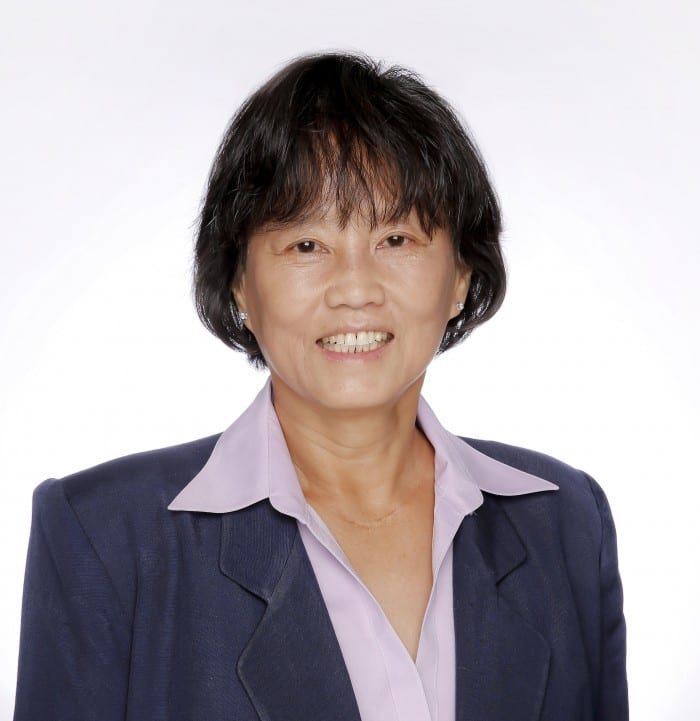
Dr. Soyoung Kwon is a Professor of Global Affairs at George Mason University Korea, specializing in Comparative Politics, North Korea, and Peace and Security in Northeast Asia. She holds a Ph.D. from the University of Cambridge and has held roles at Kyung Hee University, Yonsei University, and the European Parliament. Her expertise spans government service as a spokesperson for the Ministry of Unification and advisor on EU-Korea relations, alongside leadership roles in sport diplomacy with the World Taekwondo Federation and International Sport Relations Foundation. Education: Ph.D. and M.Phil. in Social and Political Science from the University of Cambridge, M.A. in Social Science from Stockholm University, and B.A. in Political Science and Diplomacy from Ewha Women's University. Research interests include strategic technology cooperation between South Korea and the US, semiconductor supply chains, AI regulation dilemmas, and sport diplomacy governance. Recent projects focus on US-ROK alliance dynamics, economic security frameworks, and North Korean propaganda analysis through Rodong Sinmun text analysis. Publications emphasize regional security, semiconductor supply chain cooperation, and sport diplomacy's role in public policy. Awards include post-doctoral fellowships at Stanford's Asia Pacific Research Center and grants from the Academy of Korean Studies and UNIKOREA Foundation. Teaching includes courses on global affairs, comparative politics, international relations theory, and Asian government systems. Advising and grants involve strategic technology partnerships and policy research for institutions like the Ministry of Foreign Affairs and the Council on Foreign Relations.
Lilian Ng is the Professor of Finance and Scotiabank Chair in International Finance at the Schulich School of Business, York University . Her research focuses on international finance, corporate finance, environmental finance, and market integration. She has held this position since at least 1999, as indicated by institutional records. Ng has been recognized for her contributions with numerous awards, including the 2023 Academy of International Business Best Paper Award and the Moskowitz Prize (2019). Her work examines topics such as green innovation under regulatory pressures, voluntary disclosure strategies in conglomerates, and the impact of global outsourcing on corporate transparency. Notable publications include studies on corporate decarbonization, labor voice in governance, and the dynamics of market integration using machine learning. Ng has also secured significant grants, including SSHRC Insight Research Grants for projects on climate change mitigation and pension investment policies. Education: While specific degree details are not explicitly stated, her academic career began at the Sheldon B. Lubar School of Business (1999) and later at the Schulich School of Business. Grants: Principal Investigator for SSHRC grants totaling over $158k, focusing on climate change and pensions. Awards: Over a dozen international recognitions for papers analyzing CSR, market integration, and financial transparency. Her research frequently intersects with policy implications, emphasizing how environmental regulations, global supply chains, and investor behavior shape corporate strategies and market outcomes. She is a leading voice in bridging theoretical finance with real-world applications in sustainability and governance.
Prof Dr Christian Kaunert is a leading scholar in international security, holding the Professor of International Security at Dublin City University and the Professor of Policing and Security at the University of South Wales. He directs the International Centre for Policing and Security , the Jean Monnet Centre of Excellence , and the EUCTER Network . His career spans institutions like Vrije Universiteit Brussel, University of Dundee, and the European University Institute. Education: PhD in International Politics (University of Wales Aberystwyth) MSc in European Politics (University of Wales Aberystwyth) BA (Hons) European Business (Dublin City University, ESB Reutlingen, Open University) His research focuses on securitization theory, EU counter-terrorism, migration security, and cybersecurity. Recent work explores AI integration in security (e.g., blockchain for data privacy, deep learning in crime prevention) and geopolitical risks (Ukraine conflict, Iran-Israel dynamics, Trump-era nuclear diplomacy). Key publications span 2022–2025, emphasizing interdisciplinary trends at the intersection of security, technology, and global governance. His awards include: 7 Marie Curie Fellowships 4 Jean Monnet Chairs 3 Jean Monnet Centres of Excellence 1 Jean Monnet Network 'EUCTER' Horizon 2020 grant (Mindb4Act) He serves as Editor of the Journal of Contemporary European Studies , co-founded the EUSA Area of Freedom, Security and Justice section, and advises NATO, the UNDP, and the European Parliament. His professional engagements include teaching at institutions in China, Spain, Armenia, Egypt, and Italy.
Mireille Paquet is an Associate Professor in the Department of Political Science at Concordia University, holding the University Research Chair in Immigration Policies. She directs the Concordia University Institute for Research on Migration and Society (IRMS) and co-directs the RQ3I research network, connecting academic research with Quebec public policy. Education: PhD from Université de Montreal Her research examines comparative immigration policies with focus on bureaucratic influences, political debates around migration technology, and federal-provincial dynamics in Canada. She specializes in Canadian immigration within comparative frameworks including Australia, UK, and US contexts, analyzing how subnational governments shape national migration systems through 'province-building' strategies and evolving selection criteria. Recent publications (2024-2025) reveal intensified focus on intergovernmental complexities in asylum processing, digital migration governance, and Quebec's distinct immigration policy evolution. Her work increasingly addresses racialized immigrant experiences, migration backlogs, and the impact of external shocks like pandemics on policy implementation, demonstrating methodological diversity from survey experiments to comparative institutional analysis. Scientific awards: 2018 Best Book in French Award from the Canadian Political Science Association Member of the College of the Royal Society of Canada Professor Paquet actively supervises graduate students in immigration policy, integration theories, and media-politics intersections. She leads the CFREF-funded 'Bridging Divides' research program and directs multiple inter-institutional collaborations including ERIQA, IRI, and RQ3I. Her policy engagement spans Canadian and international forums, regularly contributing expert commentary to media outlets in both English and French. She directs IRMS while participating in CRIDAQ, BMRC, Weatherhead Research Cluster, and CRIEM, focusing on migrant resilience, intercultural relations, and urban integration. Her research teams bridge academic disciplines and policy sectors, emphasizing knowledge mobilization through the RQ3I network connecting Quebec researchers with policymakers.
Andrea Harrington serves as Adjunct Professor in the Space Resources Program at Colorado School of Mines while holding dual roles as Co-Director of the Institute of Air and Space Law and Associate Professor in McGill University's Faculty of Law. Her academic career spans over 20 years across military, academic, and international organizations. Education includes a DCL and LLM from McGill University, JD (High Honors) from University of Connecticut, MSc from London School of Economics, and BA from Boston University. Her expertise bridges legal frameworks with emerging space technologies. Research focuses on due regard principles in space law, treaty interpretation, and commercial space insurance. She has authored award-winning works like Space Insurance and the Law (2021) and contributed to leading journals in space governance. Professionally, she has led space education initiatives for the U.S. Space Force, directed academic programs at Air Command and Staff College, and advised international bodies like ICAO and FAA. Her peer-reviewed work appears in Acta Astronautica , Space Policy , and others.
Katerina Hadjimatheou is a Senior Lecturer in Criminology at the University of Essex's Department of Sociology and Criminology. As Director of the Centre for Criminology, she specializes in applied ethics and technology in policing contexts. Her research examines digital policing technologies, surveillance ethics, domestic abuse interventions, criminal record disclosures, and human trafficking. Her work investigates ethical dimensions of predictive policing, AI in law enforcement, facial recognition, and digital surveillance systems. Current projects include studies on Stalking Protection Orders and machine learning analysis of domestic abuse perpetrator patterns. Publications show consistent focus on normative frameworks for policing technologies and victim empowerment strategies. Recent articles explore algorithmic profiling of offenders, unintended consequences of anti-slavery legislation, and democratic implications of commercial data systems in policing. She chairs Essex Police's Data Ethics Committee and serves on MET Police's Research Ethics Committee. Her research has been funded by Home Office, ESRC, and British Academy. Current PhD students investigate domestic abuse approaches, stalking prevention, and restorative justice models.
Professor Gallya Lahav is a leading scholar in the field of international migration and European integration at Stony Brook University's Department of Political Science. She holds a PhD from the City University of New York and has held visiting positions at Harvard University, Stanford University, and the European University Institute. Her research focuses on migration-security linkages, climate migration, and public opinion dynamics. She has authored or co-authored multiple books, including *Immigration, Security and the Liberal State* (Cambridge, 2023) and *The Migration Reader* (Lynne Rienner, 2005). Recipient of the SUNY Chancellor’s Award for Excellence in Teaching (2023) Grants include a 2023 FAHSS grant on gendered pathways to leadership in far-left/right parties Current projects: climate change & migration (with Oleg Smirnov), child migration, and pandemic impacts Research Interests: Comparative Political Behavior Extreme-Right Politics Refugee Policies EU Migration Governance Recent Work: Her 2023 articles address environmental migration under climate scenarios and global migration governance frameworks. She co-authored a study linking drought to displacement patterns, emphasizing policy responses. Awards: Chancellor’s Award (2023) Teaching & Grants: Teaches courses on EU politics, migration, and comparative methods. Collaborates with Stanford’s Immigration Policy Lab and the University of Pennsylvania on leadership studies. Supervises research on climate migration and radicalization.