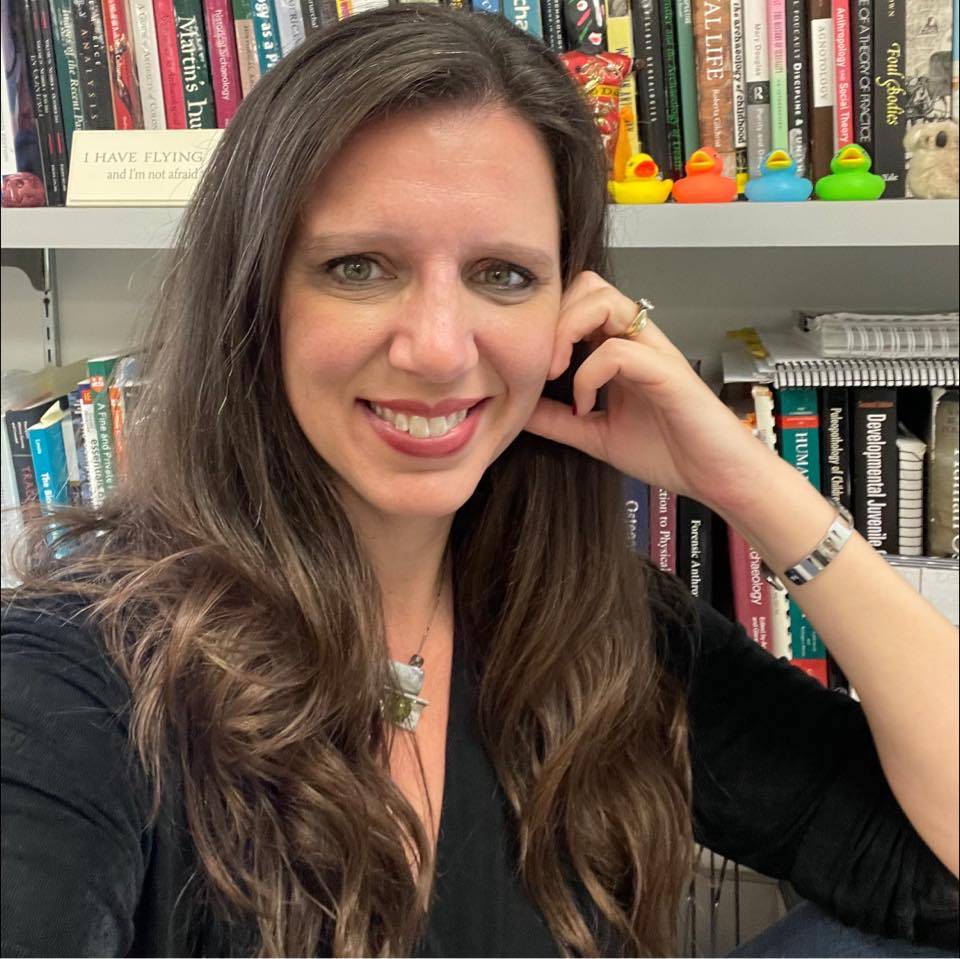
Julia Beaumont is an Honorary Visiting Researcher in the Faculty of Life Sciences at the University of Bradford, where she focuses on stable isotope analysis. She transitioned to academia after 30 years as a dentist and orthodontist, retiring from clinical practice in 2013. Known as the 'Bradford Tooth Fairy', her research investigates maternal-infant diet and physiology through dental tissues. Her research explores breastfeeding, weaning, and nutritional stress through carbon and nitrogen isotope analysis of bone, dentine, and hair keratin. She examines physiological responses to historical famines and develops high-resolution methods for studying diet and stress markers. Collaborative projects include work with Durham and Aberdeen Universities on mineralization pathways, and modern studies through the Tooth Fairy Project. Education: MSc and PhD completed part-time at University of Bradford Her research spans archaeological sites from medieval London to post-Medieval Sudan, employing isotopic methods to reconstruct life histories. She investigates physiological responses to historical events like the Great Irish Famine and Industrial Revolution, using both ancient remains and modern clinical samples.
Vinicius Dutra, DDS, PhD, MBA is a Clinical Associate Professor at the Department of Oral Pathology, Medicine and Radiology within the Indiana University School of Dentistry. His work focuses on innovative applications of 3D printing, virtual reality, and artificial intelligence in dental education and clinical practice. He specializes in oral radiology, implantology, and orthodontics, with a strong emphasis on improving diagnostic accuracy and surgical precision through advanced imaging and digital tools. Dr. Dutra holds a Doctor of Dental Surgery (DDS), a PhD, and an MBA, reflecting his interdisciplinary expertise in clinical practice, research, and healthcare management. His research explores topics such as guided implant surgery, 3D-printed anatomical models for training, and the integration of machine learning into dental diagnostics. His recent studies include evaluations of virtual reality in dental education, the accuracy of guided implant placement techniques, and comparisons between cone-beam CT scans and histological analyses. He has also contributed to advancements in complete denture fabrication workflows and bone thickness measurement methodologies. Despite his extensive publication record, no scientific awards were explicitly mentioned in the provided materials. Dr. Dutra’s clinical and educational roles involve mentoring students and contributing to the development of cutting-edge dental technologies. His work bridges traditional dental practices with modern digital innovations, aiming to enhance patient outcomes and streamline clinical workflows.
Anthony W. Wren is an Associate Professor of Biomaterials at the Inamori School of Engineering, Alfred University. He holds a PhD in Biomedical Materials (2008) from the University of Limerick, Ireland, and has conducted postdoctoral research at both the University of Limerick and Alfred University. His research focuses on designing bioactive glasses for medical applications, including antimicrobial materials, bone cements, and hydrogel composites. He teaches courses in biomaterials engineering and bioengineering. Education: PhD: Biomedical Materials - Bioactive Bone Cements, University of Limerick, Ireland (2008) MS: Biomedical Engineering - Diagnostic Medical Devices, University of Limerick, Ireland (2005) BS: Science - Biology, Experimental Physics, Math. Physics, Mathematics, National University of Ireland, Maynooth (2003) Research Interests: Development of bioactive glasses for wound healing and bone regeneration Antimicrobial properties of silver-coated bioactive glasses Ion release mechanisms and cytotoxicity testing Applications of glass polyalkenoate cements in orthopedics and oncology His research integrates advanced material characterization techniques (e.g., XRD, XPS, Raman spectroscopy) to evaluate material performance in biological contexts. Publications: Recent work includes studies on bioactive glass cytocompatibility, hydrogel composites for drug delivery, and gallium-containing bone cements. These publications emphasize interdisciplinary approaches to biomedical material design. Affiliations: Member of the European Society of Biomaterials, Society of Biomaterials (France), American Ceramics Society, and American Society for Engineering Education. Labs & Teams: Leads the Biomaterials Engineering Laboratory at Alfred University, collaborating with faculty and students on projects like spinal cord recovery scaffolds and antimicrobial hydrogels. The lab houses advanced facilities for material synthesis, mechanical testing, and biological evaluation.
Dr. Phil Bell is an Associate Professor in Earth Sciences (Palaeontology) at the School of Environmental and Rural Science, University of New England, where he leads the Dino Lab within the Palaeoscience Research Centre. His fieldwork focuses on Cretaceous ecosystems in Canada, Mongolia, and Australia. Qualifications: PhD - University of Alberta BSc (First Class Honours) - Macquarie University Research examines dinosaur evolution, behavior through skin impressions, and Cretaceous paleoecology. Specific interests include dinosaur thermoregulation evidenced by skin morphology, trackway analysis, and taphonomic studies of bonebeds. Australian research concentrates on Lightning Ridge fossil sites. Teaching coordinates geoscience units including: Introductory Palaeontology; Dinosaurs!; Vertebrate Palaeontology; and Applied Geoscience. Recent publications demonstrate expertise in vertebrate ichnology, exceptional soft-tissue preservation, and high-latitude dinosaur faunas. Studies frequently integrate histological analysis and 3D preservation techniques to reconstruct paleobiology.
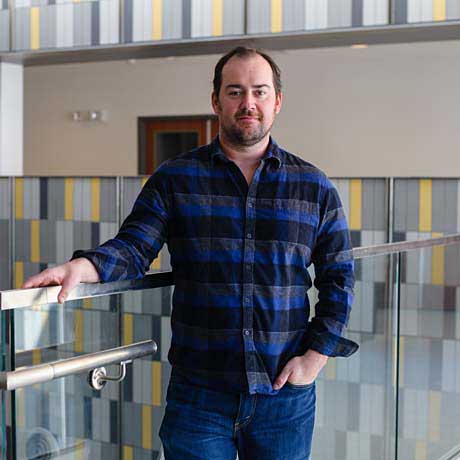
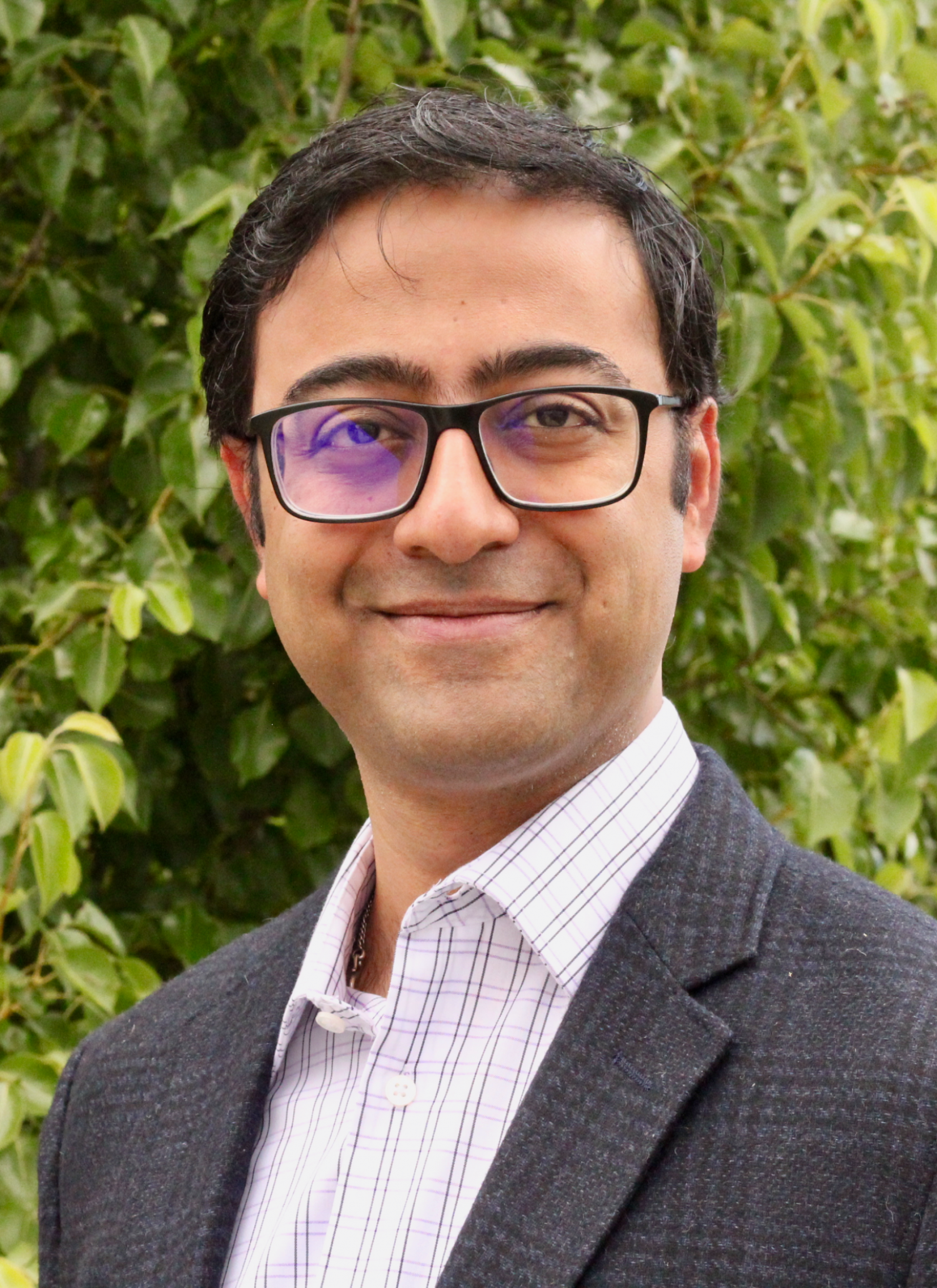
Debanjan Mukherjee is an Assistant Professor in the Department of Mechanical Engineering at the University of Colorado Boulder, leading the FLOWLab research group. His work focuses on interdisciplinary flow physics, particularly in biomedical and cardiovascular systems, aiming to improve medical device design and treatment strategies for conditions like stroke and thrombosis. His research integrates computational fluid dynamics, quantitative image processing, and patient-specific modeling to address clinical challenges. He holds a Ph.D. and M.S. in Mechanical Engineering from the University of California, Berkeley, and a B.Tech. in Ocean Engineering from the Indian Institute of Technology Madras. His postdoctoral training at UC Berkeley was supported by the American Heart Association Fellowship. He has held a Visiting Assistant Professor position at the University of Colorado Boulder. Key research areas include cardiovascular and cerebrovascular hemodynamics, embolic stroke mechanisms, thrombus biomechanics, and particle-laden flow dynamics. His group develops tools for disease biomechanics and drug delivery systems, with applications in advanced manufacturing and biomedical engineering. Quantifying hemodynamic forces and flow-mediated transport processes are central to his work. Mukherjee has received several awards, including the NIH Trailblazer Award (2020) and the Ralph E. Powe Junior Faculty Enhancement Award (2020). His work bridges fundamental fluid mechanics with clinical translation, emphasizing patient-specific solutions to reduce mortality from cardiovascular diseases. His teaching contributions include designing courses on computational fluid dynamics using open-source tools and active learning strategies for biofluids concepts. He also focuses on remote education innovation in biomechanics through initiatives like the BIORES-21 survey.
Dr Angus Weekes is a Postdoctoral Research Fellow in the QUT Centre for Biomedical Technologies and Max Planck Queensland Centre (MPQC), School of Mechanical, Medical & Process Engineering at Queensland University of Technology (QUT). His research focuses on biomaterials science, tissue engineering, and regenerative medicine, particularly in vascular grafts, cartilage regeneration, and additive manufacturing techniques like melt electrowriting. He holds a PhD and dual bachelor’s degrees from QUT. Education: Doctor of Philosophy (QUT) Bachelor of Engineering (Honours) in Medical Engineering (QUT) Bachelor of Science (Physics) (QUT) Research Interests: Angus explores advanced biofabrication methods for medical applications, including bioreactor cultures, 3D cell culture systems, and biomaterials for soft robotics and regenerative medicine. His work bridges mechanical engineering and biomedical innovation, aiming to develop compliant vascular grafts and cartilage repair solutions. Publications: Over 13 peer-reviewed articles since 2022, focusing on vascular engineering, cartilage regeneration, and biomaterials. Recent work emphasizes pulsatile bioreactor culture effects and prevascularization strategies in tissue engineering. Affiliations: QUT Centre for Biomedical Technologies Max Planck Queensland Centre (MPQC) Australasian Society of Biomaterials and Tissue Engineering (ASBTE) Tissue Engineering and Regenerative Medicine International Society (TERMIS) Teaching: Sessional academic roles in Biomaterials (EGH438), Fluid Mechanics (EGB323), and Design for Manufacture (EGB125) at QUT’s Faculty of Engineering.
Hanh Nguyen is a Research Fellow at the Faculty of Medicine, Monash University, affiliated with Monash Health. Her work is focused on clinical and translational research in bone metabolism, particularly atypical femur fractures, osteoporosis, and related endocrine disorders. Her research interests span bone biomechanics , genetics of bone diseases , hypophosphatasia , and the application of deep learning in medical imaging for fracture detection. She employs advanced methodologies in radiographic analysis and patient cohort studies to improve diagnosis and understanding of skeletal disorders. The recent publications highlight a strong trend in integrating AI-driven diagnostics with clinical endocrinology , particularly in identifying atypical fractures and metabolic bone conditions. Her work bridges computational innovation with patient-centered outcomes, contributing to both technological and clinical advancements. No scientific awards are explicitly mentioned in the provided text. Hanh Nguyen actively collaborates with leading researchers such as Professor Peter R. Ebeling, Dr. Christian Girgis, and Professor Roland Zebaze. While no formal students or grant details are listed, her consistent output in high-impact journals suggests active involvement in research mentoring and project leadership within the Monash endocrinology research group. She is part of a broader research network focused on bone health and endocrine disorders at Monash, contributing to UN Sustainable Development Goals related to good health and well-being. Her team leverages clinical data, imaging, and genetic analysis to advance understanding of skeletal fragility and metabolic bone diseases.
Reshef Tal, MD, PhD, is Associate Professor of Obstetrics, Gynecology & Reproductive Sciences at Yale School of Medicine. He is a physician-scientist and reproductive endocrinologist specializing in infertility, IVF, PCOS, recurrent pregnancy loss, and endometrial disorders. He leads an NIH R01-funded laboratory and is affiliated with the Fertility Center, Endometriosis Program, and the Janeway Society at Yale. Medical Degree: Sackler School of Medicine, Tel-Aviv University (2009) PhD in Molecular Biology: Tel-Aviv University (2009) Postdoctoral Fellowship: Lunenfeld Research Institute, University of Toronto Residency: Maimonides Medical Center, NY Fellowship: Reproductive Endocrinology and Infertility, Yale University School of Medicine Board Certification: American Board of Obstetrics & Gynecology Dr. Tal’s research focuses on the role of mesenchymal stem cells and immune cells in embryo implantation, uterine remodeling, and pregnancy maintenance. His work aims to develop novel regenerative therapies for infertility. Key areas include CXCR4 signaling, bone marrow-derived cell recruitment, and endometrial regeneration. He has published over 70 peer-reviewed articles and edited a book on Anti-Müllerian Hormone. His recent publications highlight themes in reproductive immunology, stem cell biology, and the molecular basis of PCOS and endometriosis. Trends include the use of genetic and mouse models to dissect pathways in implantation failure and placental development, with translational applications in IVF and regenerative medicine. Scientific awards include: Society for Reproductive Investigation (SRI) President's Plenary Award Albert S. McKern Award K12 Women’s Reproductive Health Research (WRHR) Career Development Award ASRM Research Grant Patterson Trust Fellowship New England Fertility Society/Ferring Fellow Research Award SREI/ASRM Fellow Research Award Dr. Tal has secured NIH RO1 funding and is involved in multiple clinical trials, including studies on stem cell mobilization for Asherman’s syndrome and green tea compounds for fibroids. He mentors junior researchers and collaborates with leaders such as Hugh Taylor and David Seifer. He serves as Associate Editor for Reproductive Biology & Endocrinology and is part of the Yale WRHR Advisory Committee. His lab, the Tal Lab, is central to advancing regenerative approaches in reproductive medicine. He is actively engaged in patient care and research at Yale Medicine and Yale Ventures, contributing to innovation in fertility preservation and IVF programs.
Renpeng Zhou is an Associate Research Scientist in the Department of Orthopaedics & Rehabilitation at Yale School of Medicine. His research is centered on musculoskeletal diseases, with a focus on osteoarthritis, rheumatoid arthritis, cellular senescence, and the development of novel nanotherapeutics. His research interests span Molecular mechanisms of joint degeneration Role of ion channels and 14-3-3 proteins in bone and joint diseases Development of biomimetic nanoparticles for targeted therapy Application of cutting-edge omics technologies in musculoskeletal research Pharmacokinetics and safety of novel biologics and small molecules The recent publications of Dr. Zhou reflect a strong trend in translational and clinical research, particularly in phase I pharmacological studies and innovative disease modeling. His work frequently appears in high-impact journals such as Nature Reviews Rheumatology and Bone Research , highlighting contributions to both mechanistic understanding and therapeutic development in rheumatology and aging-related disorders. Scientific collaborations include prominent researchers such as Chuan-Ju Liu, Stephen Waxman, and Wenyu Fu, indicating integration within interdisciplinary research teams at Yale. Dr. Zhou has not listed any formal advisees or awards in the provided information. However, his active publication record and institutional affiliation suggest a significant role in ongoing research projects and grant-supported science. He is involved in both preclinical model development and early-phase clinical trials, bridging laboratory findings with clinical applications.
Professor Rhona Anderson is a leading academic in Radiation Biology at Brunel University London, affiliated with the Department of Life Sciences under the College of Health, Medicine and Life Sciences . As a Professor and Director of the Centre for Health Effects of Radiological and Chemical Agents , she leads research into the genomic and health impacts of ionizing radiation. Qualifications: PhD, MSc, and BSc (Hons) in life sciences-related fields, with professional certification as a Clinical Cytogeneticist . Research Interests focus on radiation cytogenetics , low-dose radiation effects , and genetic biomarkers of radiation exposure . Her work extends to veterans' health , occupational radiation risks , and mechanisms of DNA damage . Trends in Recent Publications highlight her expertise in chromosome aberration analysis , intergenerational radiation effects , and biomarker development for radiation exposure. Her studies span medical , environmental , and occupational radiation sources , using advanced techniques like M-FISH and germline mutation analysis . Scientific Awards: 2023: Elected Vice-President, International Association for Radiation Research 2017: Honorary Membership, Royal College of Radiology, UK Advising and Grants include leadership of the Centre for Health Effects of Radiological and Chemical Agents and supervision of PhD projects on radiation health risks. While specific grant details are not listed, her extensive publication record reflects sustained research funding. Labs and Teams include the Centre for Health Effects of Radiological and Chemical Agents and collaboration with the IEHS (Institute of Environment, Health and Societies) research group.
Meredith A. B. Ellis, Ph.D., is an Associate Professor in the Department of Anthropology at Florida Atlantic University. She holds faculty affiliate status with the Peace, Justice, and Human Rights Initiative and Women, Gender, and Sexuality Studies at FAU, reflecting her interdisciplinary engagement. Education: Ph.D. in Anthropology with Distinction, Syracuse University, 2014 M.A. in Anthropology, Syracuse University, 2011 M.A. in English, University of Rochester, 2005 B.A. in Anthropology and English, William Smith College, 2004 (Summa Cum Laude, Phi Beta Kappa) Research Interests: Meredith Ellis specializes in bioarchaeology with a focus on the 19th century United States, particularly the skeletal remains of subadults (children). Her work lies at the intersection of the biological and the social, exploring how human skeletal systems embody social relationships, environmental conditions, and cultural norms. Key themes include social bioarchaeology, bioarchaeology of childhood, historical bioarchaeology, nutrition and disease (such as rickets and scurvy), trauma, and identity formation. She employs skeletal analysis, archival research, and historical archaeology to reconstruct life histories from the past. Publication Trends: Her recent publications (2010–2024) reveal a consistent focus on childhood in historical contexts, particularly through the Spring Street Presbyterian Church collection and the 1928 Lake Okeechobee Hurricane victims. Her work increasingly explores theoretical dimensions of identity, memory, and embodiment, integrating interdisciplinary perspectives. The articles span bioarchaeology, historical archaeology, paleopathology, and cultural theory, demonstrating a sophisticated blending of empirical analysis and social theory. Scientific Awards: Syracuse University All-University Doctoral Prize, 2015 Advising and Grants: While specific students and grants are not listed, Dr. Ellis teaches graduate-level courses such as ANG 6905 Proposal Development and Writing and Directed Independent Study, indicating her active role in mentoring graduate students. Her research, including NAGPRA compliance work and projects on historical disasters, suggests involvement in externally funded research initiatives, though specific grants are not detailed in the provided texts. Labs and Research Groups: Dr. Ellis is affiliated with the Ethnography Lab at FAU. Her research draws on interdisciplinary collaboration, particularly in historical bioarchaeology and childhood studies, and she has co-edited volumes with scholars like Jane Eva Baxter, indicating active participation in academic networks and research communities.
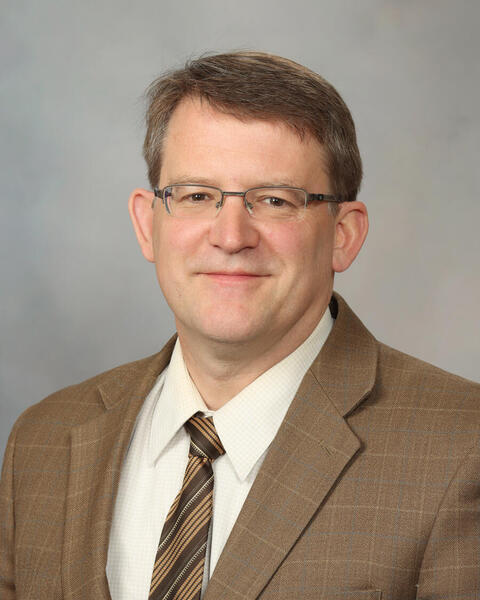
David R. Deyle, M.D., is an Associate Professor of Medical Genetics at Mayo Clinic in Rochester, Minnesota. He holds primary and joint appointments as a Consultant in the Department of Medical Genetics, Department of Molecular Medicine, Department of Cardiovascular Medicine, Department of Orthopedic Surgery, and Department of Pediatric and Adolescent Medicine. His multidisciplinary role reflects his integrative research in gene and cell therapy for genetic disorders. Dr. Deyle earned his M.D. from the University of Minnesota Medical School, completed residency in Internal Medicine and Pediatrics at the University of Minnesota, and underwent fellowship training in Medical Genetics at the University of Washington, Seattle. He is board-certified in Clinical Genetics and Genomics by the American Board of Medical Genetics and Genomics. His research focuses on developing gene and cell therapies through genomic editing in human stem cells. Key areas include treating osteogenesis imperfecta using iPSCs and AAV vectors, in vivo modeling of skeletal diseases, and oncolytic measles virus (MV-NIS) therapy for neurofibromatosis 1 (NF1) tumors. His work leverages CRISPR, TALENs, and adeno-associated virus (AAV) technologies to precisely modify the genome in mesenchymal and induced pluripotent stem cells for regenerative medicine applications. Analysis of his recent publications reveals a strong trend in clinical genomics, stem cell engineering, and translational gene therapy. His work spans rare genetic disorders such as Ehlers-Danlos syndrome, achondroplasia, and mucopolysaccharidosis, with a consistent emphasis on improving diagnostic and therapeutic pipelines through genomic innovation. Discovery Science Award, Regenerative Medicine Minnesota (2020–2022) Gene Therapy of Arthritis and Related Disorders Young Investigator Award (2008) NIH Loan Repayment Program Grant (2006) Summa Cum Laude, University of Minnesota (1993) Dr. Deyle has served as Principal Investigator on multiple NIH-funded grants, including projects on in vivo gene targeting for inherited bone disease and engineering pluripotent stem cells for osteogenesis imperfecta. He has also been a mentor and committee member in the American Society of Gene & Cell Therapy and has reviewed grants for NIH study sections (NIAMS, NINDS, NCMRR). His laboratory is part of the Center for Individualized Medicine and the Center for Regenerative Biotherapeutics at Mayo Clinic, where his team develops preclinical models and novel viral vector systems for genetic correction.
Ninan Abraham is a Professor at the Department of Zoology, University of British Columbia, and affiliated with the Life Sciences Institute. His research focuses on immunology and cell biology, particularly the role of interleukin-7 (IL-7) in lymphocyte development, immune responses to viral infections, and cancer immunology. He leads the Abraham Lab, which investigates mechanisms of immune suppression in tumors, T cell differentiation, and cytokine signaling pathways. Research Trends: His recent work examines how tumor-secreted CCL5 drives immunosuppression in lung cancer (2022), the role of CD4⁺ Trm cells in anti-tumor responses, and peripheral blood biomarkers for immune checkpoint therapy efficacy. Earlier studies (2011-2016) explored IL-7Rα signaling pathways, STAT5's role in lymphomagenesis, and glucocorticoid regulation in lymphoid organs. Key Collaborations: Affiliated with the Canadian Society for Immunology and involved in cross-disciplinary projects at the intersection of zoology, microbiology, and immunology research.
Prof. Dr. Jens Pietzsch is the Head of the Radiopharmaceutical and Chemical Biology department at the Helmholtz-Zentrum Dresden-Rossendorf (HZDR). His research focuses on radiopharmaceutical cancer research, molecular imaging, and therapeutic targeting of cyclooxygenase (COX) pathways. His work bridges medical imaging , oncology , and pharmaceutical chemistry , with a strong emphasis on neuroendocrine tumors, melanoma, and prostate cancer. Institutional Affiliation : Helmholtz-Zentrum Dresden-Rossendorf (HZDR) Department : Radiopharmaceutical and Chemical Biology Prof. Pietzsch's research integrates radiopharmacology , bioinorganic chemistry , and biomaterials . Key areas include: Development of COX-2 inhibitors as anti-cancer agents Radiolabeled peptides for PET/SPECT imaging Design of theranostic radionuclide pairs (e.g., 133La/225Ac) Investigation of macrophage-tumor interactions in glioma progression His recent publications (2024-2026) highlight trends in carborane-based drug analogs , NO-releasing therapeutics , and multimodal imaging for tumor targeting. Articles emphasize PSMA ligands , Eph receptor imaging , and biomaterial platforms for cancer modeling.
Stina Wickström is a Principal Researcher and Docent at the Department of Oncology-Pathology , Karolinska Institutet, with a focus on immunology and cancer immunotherapy . She completed her PhD in 2016 at the Department of Microbiology, Tumor and Cell Biology, KI, and was promoted to Assistant Professor (2020-2024) before becoming Docent in 2024. PhD: Department of Microbiology, Tumor and Cell Biology, Karolinska Institutet (2016) Docent: Karolinska Institutet (2024) Her research centers on adoptive cell therapy (ACT) , particularly engineering natural killer (NK) cells and CAR T cells to overcome tumor immune tolerance. Key areas include oxidative stress in tumor microenvironment, regulatory T cell interactions , and CD137/CD137L downregulation mechanisms. She investigates pathways like IL-6/STAT3 and Nrf2 to enhance immune cell functionality against cancers such as ovarian, cervical, and melanoma. Her 15 most recent publications (2024-2010) explore NK cell biology , TIL expansion , CAR T cell dysfunction , and macrophage-mediated immune suppression . Themes include tumor immune tolerance mechanisms , cytokine signaling , and innovative cell therapy techniques to counteract oxidative stress. She leads grants from the Swedish Research Council (2024-2026) and Swedish Cancer Society (2023) for personalized cellular immunotherapy in gynecological cancers. Her work aims to expand ACT for patients with recurrent cervical/ovarian cancer by enhancing ROS tolerance in immune cells.