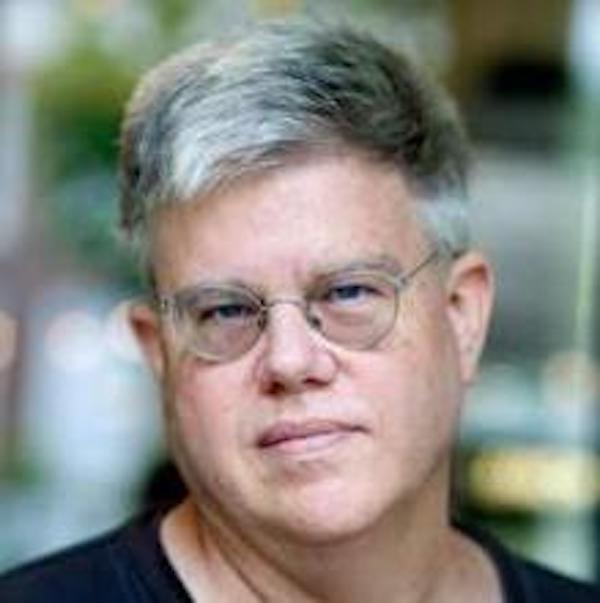
David Cook is a Professor of Religion at Rice University, specializing in early Islamic history, Muslim apocalyptic literature, and West African Islam. He holds a Ph.D. from the University of Chicago (2002), with earlier degrees from the Hebrew University of Jerusalem (B.A./M.A.). His research focuses on apocalyptic movements, radical Islam, historical astronomy, and Judeo-Arabic literature. He co-edits the Edinburgh University Press series on Islamic Apocalyptic and Eschatology and collaborates on studies of Boko Haram’s ideology with students Abdul Basit Kassem and Michael Nwankpa. Recent projects include translating classical texts like Nu`aym b. Hammad’s Kitab al-fitan . His publications include Understanding Jihad (2015, 2nd ed.), Martyrdom in Islam (2007), and forthcoming works on Nigerian Islamic State propaganda. He has also contributed to interdisciplinary studies on healthcare practices during pandemics and surgical outcomes, reflecting his diverse academic interests. Research collaborations involve analyzing apocalyptic texts and modern radical movements, supported by grants and editorial roles. His educational background in both religious studies and historical analysis underpins his multidisciplinary approach to religious and sociopolitical phenomena.
Elizabeth Carter is a Professor in the Department of Near Eastern Languages and Cultures at the University of California, Los Angeles. Her research focuses on the archaeology of ancient Near Eastern civilizations, particularly Elamite studies and prehistoric Anatolia. She has conducted extensive fieldwork at Domuztepe in Turkey and Anshan in Iran, examining social complexity, funerary practices, and subsistence strategies in early societies. Carter has authored numerous books and articles on topics ranging from Elamite political history to Neolithic burial rituals, with a strong emphasis on interdisciplinary approaches combining archaeology, zooarchaeology, and environmental analysis. She teaches courses on ancient Near Eastern archaeology, Elamite history, and Iranian studies. Education: PhD with honors, Near Eastern Languages and Civilizations, University of Chicago (1971) Research Interests: Dr. Carter's work centers on the interconnections between Elam, Mesopotamia, and the Zagros Mountains during the Iron Age. She explores how material culture reflects political dynamics, ritual practices, and environmental adaptation. Her Domuztepe excavations investigate the emergence of complex societies in the sixth millennium BCE, while her Elamite studies analyze resistance to empires like Assyria in the first millennium BCE. Publications Overview: Her articles highlight interdisciplinary analyses of burial practices, resource exploitation, and urban development. Key themes include the 'Death Pit' at Domuztepe (indicating cannibalism or ritual feasting) and Elamite resilience against imperial pressures. Recent work bridges archaeology with historical narratives to reconstruct socio-political landscapes. Advising & Labs: While no advisees are explicitly listed, her projects like the Domuztepe excavations involve collaborative teams of archaeologists, zooarchaeologists, and environmental scientists. She contributes to ongoing fieldwork and laboratory analyses at UCLA and international institutions.
Valérie Cormier-Daire is a leading researcher in the pathophysiological basis of skeletal dysplasia, focusing on genetic disorders affecting bone and cartilage formation. Her work is conducted through the reference center for skeletal dysplasia, with an emphasis on identifying molecular mechanisms and developing novel therapeutic strategies. Research Focus: Osteochondroplasias, proteoglycan synthesis, ADAMTS(L) proteins, TGFb signaling, and ossification processes Key Projects: Identifying mutations in genes like CCDC134, KYNU, and SLC10A7; studying mouse models for bone fragility disorders; exploring the link between microfibrillar networks and growth factor signaling. Publication Trends: Her articles from 2011–2020 highlight genetic mutations (e.g., SMAD4, WDR34) and the application of cellular/mouse models to understand skeletal development. Recurring themes include therapeutic approaches for achondroplasia and mechanisms of chondrogenesis impairment.
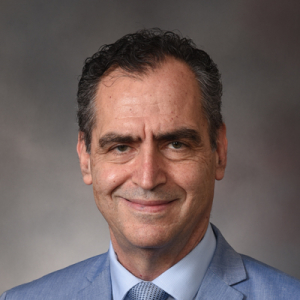
Chris Ladefoged Jacobsen is a Clinical Professor at Aalborg University, affiliated with the Faculty of Medicine and the Department of Otorhinolaryngology, Head and Neck Surgery. His research focuses on vestibular diagnostics, hearing rehabilitation, and innovative medical technologies like 3D-printed earplugs. Department : Otorhinolaryngology, Head and Neck Surgery University : Aalborg University His work spans vestibular function testing , bone-anchored hearing systems (BAHS) , and cranial nerve pathologies , with a strong emphasis on clinical outcomes and device optimization. Recent publications highlight collaborations with colleagues like D.D. Hougaard and R.K. Skals, focusing on patient-centered solutions. Media coverage highlights his role in the 3D printing of custom earplugs , showcasing his integration of technology into clinical practice. Jacobsen has contributed to 16 research outputs since 2012, including 3 in 2012, 4 in 2019, and 3 in 2018, with a focus on hearing disorders and neurotological diagnostics.
Srinivas Malladi is an Associate Professor in the Department of Pathology at the University of Texas Southwestern Medical Center (UT Southwestern). He obtained his Ph.D. from The University of Texas at Austin and conducted postdoctoral research at Memorial Sloan Kettering Cancer Center as an American Cancer Society Fellow under Dr. Joan Massagué. His lab focuses on understanding metastatic latency and the molecular mechanisms enabling disseminated cancer cells to survive and form overt metastases. Key areas of research include metastatic dormancy, immune evasion, and the interplay between tumor cells and their microenvironment. Dr. Malladi’s work integrates genetic, molecular, biochemical, and imaging approaches to study how latent disseminated tumor cells (DTCs) interact with their microenvironment to escape immune surveillance and initiate metastasis. His lab develops preclinical models to identify therapeutic targets for eradicating latent DTCs before metastatic relapse. Publications highlight contributions to understanding chemoresistance, WNT signaling in metastatic latency, and metabolic reprogramming in brain metastasis. Research interests span breast cancer metastasis, renal cell carcinoma progression, and the role of metabolic plasticity in tumor cell survival. Collaborations include investigations into immune response modulation in immunocompromised patients and novel therapeutic strategies targeting metastatic drivers such as AXL/WRNIP1 and DRP1. The lab actively engages in translational research to bridge basic science discoveries with clinical applications. Key findings include the identification of autocrine WNT inhibition as a mechanism for metastatic latency and the role of mitochondrial dynamics in brain metastasis. Ongoing efforts aim to characterize metabolic dependencies of metastatic cells and develop biomarkers for detecting latent DTCs.
Enora LE QUÉRÉ serves as Professor of Greek History at the University of Rouen Normandy within the Faculty of Arts and Humanities' Department of History, where she has held continuous academic positions since 2014. She co-directs Axis 2 ("Territories, economies, societies") of the GRHis research laboratory and holds significant administrative roles including Co-Director of the History Department (2023-2025) and membership on the university's CFVU and CAC committees. Her educational credentials include a Doctorate in Archaeology and Ancient Sciences from the University of Paris 1, Panthéon-Sorbonne (2013) focused on the Cyclades under Roman rule, and a Habilitation to Supervise Research (HDR) from Bordeaux-Montaigne University (2022) examining textile production in the Greek East. Her academic progression includes qualification as Associate Professor of Classical Literature (2008) and Lecturer appointment (2014). LE QUÉRÉ's research centers on social and economic history of the Greek world and Greco-Roman Egypt, with specialized expertise in ancient work history (particularly craftsmen like fullers and barbers), production techniques, and Roman-period Cycladic archaeology. Her methodological approach integrates textual analysis with archaeological fieldwork to reconstruct ancient economies, evidenced by extensive publications on Delos, Milos, and trade networks. Current projects include "L’alun de Milos" (2024-2028) investigating ancient alum production and the DELPO program analyzing urban production spaces in Delos and Pompeii. Recent publications reveal evolving research trends toward microhistorical studies of specialized trades (fullers, barbers) and their socio-economic contexts, alongside continued investigation of Greek island integration into Roman economic systems. Her work increasingly employs interdisciplinary source analysis, combining literary, epigraphic, and archaeological evidence to examine property transactions, urban infrastructure, and cultural identity under Roman rule. Scientific Awards No scientific awards were documented in the provided information. LE QUÉRÉ currently supervises two PhD candidates: Laëtitia Lucas (Roman baths-gymnasia in Asia Minor, 2024) and Mael Lebas (Hellenistic Sparta reinvention, 2025). Her grant portfolio includes the ongoing "L’alun de Milos" program (2024-2028) funded through partnerships with Cyclades Antiquities Ephory, and the DELPO program (2016-2022) conducted with French Schools of Athens and Rome. These projects demonstrate sustained success in securing international collaborative funding for archaeological fieldwork. She maintains active leadership in the GRHis research laboratory (UMR 6273) as co-director of Axis 2, and collaborates with French archaeological institutions on excavations at Delos and Euromos (Turkey). Her fieldwork teams regularly include interdisciplinary specialists in numismatics, bioarchaeology, and architectural history, reflecting her integrated research methodology.
Francisco Javier Rodriguez Lozano is a Professor at the Faculty of Medicine of the University of Murcia, affiliated with the Department of Dermatology, Dentistry, Radiology and Physical Medicine . His research focuses on stomatology, dental biomaterials, and regenerative medicine, with a particular emphasis on the application of stem cells and advanced materials in dentistry. He is a member of the Hematology, Hematopoietic Transplantation and Cell Therapy research group. He holds three doctoral degrees: one from the University of Córdoba in Computer Science (2020), another from the University of Valencia in Biomedical Engineering (2021), and a third from the University of Murcia in Dentistry (2009). His academic supervisors included Dr. Joaquín Olivares Bueno, Dr. Leopoldo Forner Navarro, and Dr. Salvador Martínez Perez. Research Interests: Dr. Rodriguez Lozano’s work spans regenerative dentistry, biocompatible materials, and the interplay between oral health and systemic diseases. He explores artificial intelligence applications in medical diagnostics and has pioneered studies on graphene-based materials for bone regeneration. His research also addresses cytotoxicity evaluations of dental products and the role of stem cells in endodontic therapies. Publications Trends: His recent work emphasizes biomaterials (e.g., calcium silicate-based sealers, graphene composites) and their clinical applications. He has systematically reviewed links between oral dysbiosis and neurodegenerative diseases (e.g., Alzheimer’s, Parkinson’s), as well as oral health in chronic kidney disease. AI-driven diagnostic tools (e.g., bee hive monitoring, autism detection via eye-tracking) highlight his interdisciplinary approach. Awards & Grants: No specific awards or grants were mentioned in the provided texts. However, his extensive publication record reflects sustained research activity. Advising & Labs: While no current advisees are listed, his doctoral theses suggest expertise in guiding research in computational methods and biomaterials. His work is conducted within the University of Murcia’s medical and dental research facilities.
Professor Aneta Frączek-Szczypta is a faculty member at the AGH University of Science and Technology, affiliated with the Department of Biomaterials and Composites within the Faculty of Materials Science and Ceramics. She holds a DSc (2016) and PhD (2009) in Materials Science from AGH. Her research focuses on carbon-based biomaterials, including nanotubes, graphene, and composites for biomedical applications. She has supervised 3 PhD, 28 MSc, and 33 BSc theses. Awards include Chancellor’s teaching awards (2016) and scientific team awards (2015–2011). She participates in projects like 'Carbon Nanomaterials for Nerve Tissue Stimulation' (2014–2017). Her education includes a Master’s (2005) and Doctorate (2009) from AGH. Professional activities include international collaborations (e.g., University College London, 2011) and memberships in the Polish Carbon Society (Vice President) and Polish Biomaterials Society. Teaching responsibilities include Biomaterials lectures/seminars and Engineering of Functional Materials. Research projects span biocompatibility studies, alternative binders in carbon technology, and nanocomposite design.
Peter Boutros Sawaya, MD is a Professor and Chief of the Division of Nephrology, Bone and Mineral Metabolism at the University of Kentucky College of Medicine. He is affiliated with the Department of Internal Medicine and actively involved in clinical services within the Nephrology division. Role: Professor and Division Chief Specialization: Nephrology, Bone and Mineral Metabolism Research interests focus on nephrology and metabolic bone disorders. He is associated with the Hartmut H. Malluche Bone Research Laboratory, which conducts studies in nephrology-related bone research.
Dr. Yolanda Ballesteros Iglesias is an Associate Professor at the Institute for Research in Technology (IIT) within the School of Engineering (ICAI) at Universidad Pontificia Comillas. Her research focuses on Bioengineering, Railway Systems, Fire Safety, Thermal and Fluids Engineering, and Energy Economics and Regulation. She also specializes in Materials Science, Environment, Biomaterials, Nondestructive Testing (NDT), and Adhesives. Dr. Ballesteros has held roles such as Honorary Professor at Universidad Autónoma de Madrid and collaborates with the Acoustic and Vibration Group at the Universidad Nacional de Rio Cuarto (Argentina). Her work includes over 35 journal publications, with recent contributions in Results in Engineering , Frontiers in Detector Science and Technology , and International Journal of Adhesion and Adhesives . Key research areas span graphene-modified materials, seismic energy harvesting, and biomedical 3D printing. She has secured grants for projects such as 'Self-sensing implants based on additive manufacturing techniques' (2023–2024) and 'Effect of cold plasma treatment on cell viability of scaffolds' (2024–2026). Dr. Ballesteros has supervised doctoral research, including J. Rodríguez’s thesis on acoustic defect detection in composites. She is a recipient of the SECOT Foundation Prize for Basic Research in Orthopedic Surgery and Traumatology (2016). Her collaborative networks include institutions in Spain, Argentina, the U.S., and India, with active participation in international conferences like IEEE ARGENCON and the World Biomaterials Congress.
Dr. Mahdy Eslamy is a Lecturer in Mechanical Engineering at Teesside University's School of Computing, Engineering and Digital Technologies (SCEDT). He holds a PhD from the Technical University of Darmstadt, Germany, and has conducted postdoctoral research in Belgium and Germany. His expertise spans Design (Dynamics/FEA), Control Systems, Motion Analysis, and Biomechanics, with a focus on robotic systems and human bone fracture analysis. He is a recipient of the Iran National Elites Foundation Research Award and a Fellow of the Higher Education Academy (FHEA). Education : B.E./M.E. from Iran (IUST/KNTU), PhD (Technical University of Darmstadt), Postdocs in Belgium/Germany Awards : Iran National Elites Award (Research), FHEA (Teesside University, 2024) His research integrates biomechanics with engineering, including prosthetic/orthotic design, renewable energy systems, and smart grids. Key projects include motion analysis for carrier robots, assistive devices, and bone fracture studies. Recent work on offshore wind turbines and smart electric networks reflects his interdisciplinary approach. Teaching emphasizes excellence in training future engineers, supported by his FHEA status. Current projects involve Siemens Transform Competition participation and collaboration with industry partners like Tetra GmBH.
Dr. Andrea Lukova is a Postdoctoral Researcher at the Max Planck Institute for Evolutionary Anthropology's Department of Human Origins. Her work focuses on reconstructing locomotor diversity in hominins through micro-CT analysis of lower limb bone internal morphology. She specializes in trabecular bone structure and its implications for bipedalism evolution, particularly studying the Homo naledi foot. Education: PhD in Anthropology (2024), University of Kent – Dissertation: Functional Morphology of the Hominin Knee MA in Anthropology of Past Populations (2020), University of West Bohemia – Dissertation on primate wrist trabecular bone BA in Social and Cultural Anthropology (2018), University of West Bohemia – Award-winning thesis on carpal evolution Research interests include primate locomotion, functional morphology, and evolutionary biomechanics. She has conducted fieldwork at the Portuguese Lapa do Picareiro site (Middle-Upper Paleolithic transition) and uses advanced software (Avizo, 3D Slicer, Medtool) for imaging and statistical analyses. Key awards: Recipient of the Faculty Dean’s Award for Outstanding Bachelor’s Thesis (2018). Her recent publications explore trabecular bone architecture in australopiths and hominins, emphasizing locomotor diversity and methodological innovations in imaging. Teaching experience includes postgraduate Biological Anthropology at University College London. Technical skills span 3D imaging, statistical software (R, SPSS), and advanced graphic design tools.
Klaus Gebel is a researcher with expertise in physical activity epidemiology, urban health, and public health interventions. His work focuses on the relationship between environmental factors (e.g., built environment, transportation systems) and health behaviors such as walking, cycling, and sedentary behavior. He has conducted extensive research on the impacts of bicycle-sharing programs, residential relocation on physical activity, and the epidemiological implications of physical activity levels in aging populations. Key contributions include analyzing the 2018 U.S. Physical Activity Guidelines, evaluating dock-less bicycle-sharing systems in Shanghai, and investigating associations between vigorous physical activity and mortality risks. His research often employs mixed-methods approaches, combining large-scale population studies with qualitative insights from marginalized communities (e.g., Indigenous Australians). Gebel has collaborated with institutions globally, contributing to policy-relevant studies such as sugary drink removal in university settings and the co-benefits of designing walkable communities. His work bridges urban planning, epidemiology, and behavioral science to address public health challenges linked to sedentary lifestyles and environmental determinants of health.
Dr. Dana Luca Motoc is a Professor in the Department of Automotive and Transport Engineering at the University of Technical Education in Brasov (UNITBV), Romania. His primary affiliation is with the Faculty of Mechanical Engineering, where he specializes in advanced materials research with a focus on polymer-based composites and automotive engineering applications. Research Interests: Development of hybrid/composite materials for automotive and industrial uses Material characterization techniques (mechanical, thermal, and electrical properties) Manufacturing technologies for advanced materials Thermal analysis and material degradation studies Key Research Contributions: Dr. Motoc’s work spans composite material synthesis, additive manufacturing, and automotive safety analysis. Notable areas include: Designing UV-curable transparent coatings for photonic applications Investigating flax/basalt hybrid laminates and 3D-printed PLA composites Studying fire-retardant properties of hybrid composites Optimizing traffic flow and safety in roundabout systems Teaching and Academic Roles: As a full-time faculty member, he contributes to undergraduate and graduate programs in mechanical engineering and automotive systems. His courses likely integrate materials science with practical engineering applications.
Mario Bragaglia is a Researcher at the University of Rome Tor Vergata’s Department of Enterprise Engineering ‘Mario Lucertini’, specializing in polymeric composites and additive manufacturing. His work focuses on multifunctional materials, 3D printing, sustainable composites, and coating technologies. He holds a Ph.D. in Industrial Engineering from the same university and has conducted postdoctoral research at Luxottica SPA and the Politecnico di Milano. In 2019, he won the AIRI Oscar Masi Prize for technology transfer in multifunctional polymeric nanocomposites for additive layer manufacturing. Education: Bachelor’s Degree in Mechanical Engineering (2010) Master’s Degree in Mechanical Engineering (2012) Ph.D. in Industrial Engineering (2016) Research Interests: Dr. Bragaglia’s research spans design, manufacturing, and characterization of polymeric composites, additive layer manufacturing, self-healing materials, and sustainable materials. He explores applications in construction, energy, and biomedical fields through projects like the ESA OSIP and I3 CLOSER initiatives. His work emphasizes eco-friendly materials and industrial collaboration. Recent Projects: Project I3 CLOSER: 14M€ investment for sustainable material recovery from microchip waste. ESA OSIP Project: Space-related materials innovation. Development of biodegradable resins and recycled material composites. Key Awards: AIRI Oscar Masi Prize (2019) Lab & Team: Collaborates within Prof. Francesca Nanni’s group on multifunctional materials for additive manufacturing. Engages in interdisciplinary projects at the intersection of material science, engineering, and sustainability.