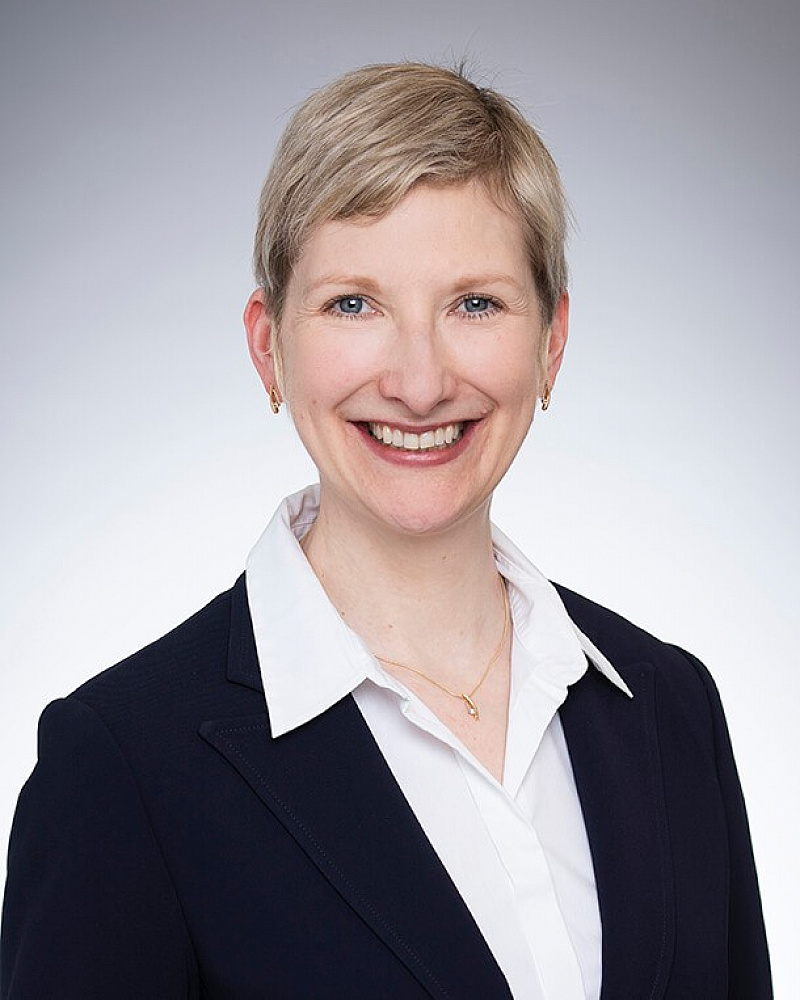
Dr. James Cockerham serves as an Assistant Professor of Public Administration at Montreat College, bringing practical experience from prior roles as a police officer, investigator, teacher, and Florida Legislature researcher to his academic work. His educational background is exclusively from Florida State University: Bachelor of Science in Criminology Master of Public Administration Doctor of Philosophy in Public Administration with Public Policy specialization His research centers on criminal justice policy, law enforcement institutions, and applied law enforcement studies, examining institutional behavior within criminal justice systems through frameworks like neutral competence and implicit bias. This work bridges theoretical public policy analysis with real-world law enforcement challenges. Dr. Cockerham's publications demonstrate consistent focus on policy analysis in criminal justice contexts, spanning institutional dynamics (dissertation), elected sheriff roles, insurance fraud processing, pretrial release programs, and due process services. This body of work highlights his commitment to understanding governmental institutions and improving practical policy outcomes in law enforcement.
Professor Kenneth T. V. Grattan serves as the Royal Academy of Engineering/George Daniels Professor of Scientific Instrumentation at the School of Engineering, City, University of London. He has held this prestigious position since October 1, 1983, demonstrating a long-standing commitment to advancing scientific instrumentation and sensor technologies. Professor Grattan's research spans multiple domains within optical sensing and instrumentation. His primary research interests include: Optical fibre sensors for various physical and chemical parameter measurements Laser-based sensing systems and photonics technologies Instrumentation design for industrial and biomedical applications Advanced signal processing techniques for sensor data interpretation Novel materials integration in sensor development His recent publication record demonstrates a strong focus on developing sophisticated optical sensor systems with practical applications. Professor Grattan's work shows consistent innovation in fiber Bragg grating technology, interferometric sensing approaches, and microfluidic integration. His research group has made significant contributions to dual-parameter sensing systems, environmental monitoring solutions, and biomedical sensing applications. The trend in his recent publications indicates increasing interdisciplinary collaboration, particularly with biomedical researchers and industrial partners to translate laboratory innovations into practical measurement systems. As the George Daniels Professor of Scientific Instrumentation, Professor Grattan holds one of the most prestigious named chairs in the field, supported by the Royal Academy of Engineering. This position recognizes his significant contributions to advancing measurement science and instrumentation technology. Professor Grattan has supervised numerous PhD students and research associates throughout his career, though specific names are not detailed in the available information. His research has been supported by various funding bodies and industrial partnerships, enabling the development of cutting-edge sensor technologies with real-world applications. His laboratory at City, University of London focuses on developing next-generation optical sensor systems, with particular emphasis on making measurements in challenging environments. The research group maintains strong connections with industry partners to ensure practical relevance of their developments.
Daniela Carnevale is a Full Professor at Sapienza University of Rome, where she serves in the Department of Medical-Surgical Sciences and Biotechnologies within the Faculty of Medicine. She directs the Laboratory of Neuro and Cardiovascular Immunology at the Department of Molecular Medicine, based at IRCCS Neuromed in Pozzilli. Her academic career spans over a decade with a permanent position as Assistant Professor since 2012, progressing to her current role as Full Professor. Education: PhD in Neuroscience (2010) - Faculty of Medicine and Surgery, Catholic University of the Sacred Heart in Rome Professional qualification in Biology (2006) - Sapienza University of Rome Degree in Biological Sciences (2005) - Sapienza University of Rome, final mark 110/110 cum laude Daniela Carnevale's research primarily focuses on the intersection of cardiovascular medicine, neuroscience, and immunology. She investigates neuroimmune mechanisms in hypertension, exploring how the nervous and immune systems interact to influence blood pressure regulation and organ damage. Her work encompasses biotechnologies and translational approaches to understand arterial hypertension, chronic heart failure, Alzheimer's related dementias, and adaptive immune responses. She has pioneered research on brain-spleen communication pathways in hypertension, demonstrating how neural signals prime immune responses that contribute to cardiovascular pathology. Analysis of her recent publications reveals a strong emphasis on neuroimmune cardiovascular interfaces, with particular focus on hypertension-induced cognitive impairment, cerebrovascular remodeling, and organ damage mechanisms. Her work increasingly integrates advanced imaging techniques, genetic analyses, and immune profiling to uncover novel therapeutic targets for cardiovascular and neurodegenerative conditions. Scientific Awards: Fellow of the American Heart Association (FAHA) (2016) Council on Hypertension Mid Career Award for Research Excellence (2019) International Patent in medical technology (2010) Multiple research awards from the Italian Society of Arterial Hypertension Research Award from the Foundation "Roberto Cornelli" (2009) Professor Carnevale has secured significant research funding as Principal Investigator, including grants from Sapienza University, Istituto Pasteur-Fondazione Cenci Bolognetti, and the Italian Ministry of Health. She has supervised numerous PhD students, post-doctoral fellows, and undergraduate students across various biomedical programs. Her laboratory collaborates internationally with leading researchers from Harvard University, Vanderbilt University, University of Glasgow, and University of Munich. At IRCCS Neuromed, Professor Carnevale directs the Laboratory of Neuro and Cardiovascular Immunology, where her team investigates the cellular and molecular mechanisms underlying neuroimmune interactions in cardiovascular diseases. Her research facility includes advanced preclinical imaging capabilities, including a 7Tesla MRI for small animal research, which she secured through competitive grant funding.
Maissam Barkeshli is an Associate Professor in the Department of Physics at the University of Maryland, where he joined as an Assistant Professor in August 2016 and was subsequently promoted. He is also a Fellow at the Joint Quantum Institute (JQI) and affiliated with the Condensed Matter Theory Center. His work bridges theoretical physics and quantum information science, with significant contributions to topological phases of matter and quantum computing. Education: PhD in Physics, Massachusetts Institute of Technology (2010) BS in Electrical Engineering and Computer Science, University of California, Berkeley BA in Physics, University of California, Berkeley Barkeshli's research focuses on the intersection of condensed matter physics, quantum field theory, and quantum information science. He investigates complex many-body phenomena, particularly topological phases of matter, quantum entanglement, and their applications to quantum computing. More recently, he has expanded his research to include the science of deep learning, exploring fundamental principles underlying modern AI models. His work often reveals unexpected connections between seemingly disparate areas of physics and mathematics, particularly in how topological properties manifest in quantum systems. Scientific Awards: Alfred P. Sloan Research Fellowship (2018) National Science Foundation CAREER Award Barkeshli leads the Barkeshli Research Group at UMD, mentoring several graduate students including Chris Fechisin, Anh La, Ali Lavasani, and Naren Manjunath. His research has been supported by significant grants, including the NSF CAREER award, enabling exploration of quantum phases of matter and their potential applications in quantum information processing. His collaborative approach is evident in numerous co-authored publications with researchers across multiple institutions. As part of the Joint Quantum Institute, Barkeshli contributes to one of the world's leading centers for quantum information science. His research group actively explores theoretical aspects of quantum computing, topological phases, and quantum entanglement, positioning them at the forefront of theoretical quantum science. Recent work has examined how crystal imperfections can reveal new topological phases of matter and how quantum computers might implement error-resistant operations through innovative approaches to quantum gates.
Dag Olav Hessen is a Professor at the University of Oslo , leading the Center for Biogeochemistry in the Anthropocene (CBA) . The center integrates expertise from the Department of Life Sciences, Earth Sciences, and Chemistry to investigate climate-carbon-ecosystem interactions in northern latitudes. Research Focus: Climate change impacts on freshwater and marine ecosystems Key Areas: Ecological stoichiometry, genome size, pelagic food webs, permafrost thaw Methodology: Interdisciplinary approaches combining fieldwork, lab experiments, and modeling His recent publications address critical issues like greenhouse gas dynamics in thawing permafrost , tipping points in lake ecosystems , and global change effects on zooplankton communities . Collaborative work spans Arctic char vulnerability, DOM-contaminant interactions, and climate governance frameworks.
Jane Luu is a Professor II at the Centre for Planetary Habitability (UiO), specializing in comets, asteroids, and interstellar objects . Her research focuses on dynamic processes in small Solar System bodies, including fragmentation, disintegration, and dust behavior. She collaborates with international teams using facilities like the Nordic Optical Telescope (NOT) and WIYN Telescopes. Email: jane.luu@geo.uio.no Address: Sem Sælands vei 13, Svein Rosseland's house, 0371 Oslo Her work includes studies on comet outbursts (e.g., 12P/Pons-Brooks), disintegration mechanisms (C/2019 J2), and interstellar interlopers like 2I/Borisov and ’Oumuamua, where she proposed fractal dust aggregate models. Recent publications examine episodic activity in asteroids (6478 Gault) and discus-shaped comets (C/2014 B1).
Dr.-Ing. Ullrich Mönich is a Senior Researcher and Lecturer at the Technical University of Munich (TUM) , affiliated with the Chair of Theoretical Information Technology and leading research activities at the Advanced Communication Systems and Embedded Security Lab (ACES Lab) . Since 2019, he has been instrumental in shaping experimental and theoretical research in 6G communications, physical layer security, and signal processing. Education: Dr.-Ing. in Electrical Engineering, Technische Universität München (2011) – supervised by Prof. Holger Boche Previous affiliations include MIT (2012–2015) and TU Berlin Research Focus: His research spans signal processing, wireless communications, machine learning, and sampling theory , with a strong emphasis on physical layer security , computability in signal processing , and 6G communications . He explores theoretical foundations and practical implementations, including neuromorphic computing, digital twinning, and secure modular coding schemes. Publications & Trends: His recent publications (2023–2025) are heavily concentrated in 6G communications , integrated sensing and communications (ISAC) , semantic physical layer security , and digital twinning . These works often combine theoretical analysis with experimental validation using 5G/6G testbeds and neuromorphic hardware. Teaching & Supervision: Regularly teaches "Foundations of Analog, Digital, and Quantum Computers" (tutorials since 2018) Previously taught "Applied Functional Analysis" and "Advanced Signal Theory" Involved in practical courses like "Software Defined Radio Laboratory" Labs & Teams: He leads the ACES Lab at TUM, which focuses on experimental validation of advanced communication systems, including physical layer security, neuromorphic computing, and 6G testbeds. The lab collaborates with national and international partners, including MIT, and is supported by major funding bodies such as the German Federal Ministry of Education and Research (BMBF) and the German Research Foundation (DFG).
Sana Bilgrami serves as a Lecturer in the School of Arts and Creative Industries at Edinburgh Napier University, where she teaches introductory and advanced documentary film practice to undergraduate students. An award-winning Pakistani-born filmmaker, her creative and research work interrogates cross-cultural identity through innovative techniques including 8mm film, archival materials, and intimate voice-over narration. She actively bridges academic research with creative practice through international collaborations spanning Scotland and Pakistan. Bilgrami's research centers on the cinematic representation of South Asian women in Scottish cinema, the use of personal voice in documentary filmmaking, and the interplay between historical archives and geographical spaces. Her practice-based approach explores portrait films, essay films, and fiction-documentary crossovers to examine diasporic identity formation. This work consistently addresses themes of cultural heritage, migration, and memory through both scholarly analysis and creative outputs. Recent publications (2020-2024) reveal a cohesive trajectory examining representation politics through interdisciplinary lenses combining film studies, gender theory, and postcolonial critique. Her outputs demonstrate methodological innovation through autoethnographic film practice, collaborative curation, and archival experimentation, with particular emphasis on South Asian diasporic experiences in Scotland. This body of work consistently bridges theoretical frameworks with tangible creative outcomes across film and visual arts. Scientific Awards: Shortlisted for BAFTA Scotland Award (Tree Fellers, 2004) Shortlisted for Satyajit Ray Award (Across the Waters, 2004) Award at Scottish Students on Screen (Under My Skin, 2001) Shortlisted for Saltire Grierson award (Under My Skin, 2001) Best Documentary at Chichester Film Festival (Under My Skin, 2001) Bilgrami has secured significant research funding including a £7010 grant from the Royal Society of Edinburgh (2021-2024) for her project on South Asian women in Scottish cinema, a Creative Scotland development grant for her feature documentary 'The Album', and a 'Connect and Collaborate' grant from the British Council and Creative Scotland for the 'Ecologies of Displacement' international artist residency. While she teaches undergraduate film students, no formal graduate advisees are documented in her current profile. She collaborates extensively through Edinburgh Napier University's Centre for Creative Practice Research and Centre for Child & Family Law and Policy, while maintaining active partnerships with Koel Gallery (Pakistan), Summerhall (Edinburgh), and Art in Healthcare. Her international projects like 'Landscape of Memory' and 'Ecologies of Displacement' demonstrate sustained commitment to building transnational artistic networks focused on displacement, memory, and cultural exchange between South Asian and Scottish communities.
Prof. Dr. Angelika Braun is a full Professor of Phonetics at the University of Trier since October 2009, with a career spanning forensic phonetics, sociophonetics, and cross-cultural speech analysis. She previously held roles at the Bundeskriminalamt (Wiesbaden/Düsseldorf) and Philipps-Universität Marburg, where she habilitated in Phonetics and Speech Processing (2000). Her work bridges academic research with forensic practice. Research Focus: Her Sociophonetics (language and emotions, gender-specific speech) Forensic Phonetics (speaker identification, voice analysis) Contrastive and Hawaiian Phonetics Speech prosody and toxin effects (smoking, alcohol) Intercultural dubbing studies Academic Contributions: Over 15 recent articles explore voice quality, emotional speech, forensic age estimation, and cross-cultural dubbing effects. Key conferences include Interspeech, International Congress of Phonetic Sciences, and ISCA. Her work appears in journals like Forensic Linguistics and The Phonetician . Scientific Honors: Fellow of the American Academy of Forensic Sciences (AAFS) Founder Member and former Chairperson of the International Association for Forensic Phonetics (IAFP) Life-Member of the International Phonetic Association (IPA) Leadership roles in ISPhS and GAL Practical Impact: Developed the Almeida-Braun Transcription System for dialect analysis and contributed to forensic audio enhancement protocols (e.g., Rodney King case). Serves as reviewer for Language and Speech , Forensic Linguistics , and JIPA . Collaborates on longitudinal studies of vocal aging and speaker identification.
Milena Parent is a Full Professor at the Telfer School of Management, University of Ottawa, specializing in sport governance and strategy. She holds a PhD from the University of Alberta and serves as Director of the IOC-funded MEMOS program, mentoring future sport leaders globally. Education: B.Sc. (Hon.) and M.A. from University of Ottawa; Ph.D. from University of Alberta Roles: Director of MEMOS (English), Project & Event Management Module Lead, Canadian Sport Policy Work Group Member Research Interests: Her work explores organization theory, strategic management, and governance in non-profits and major events like the Olympics. She examines board dynamics, digital transformation, and social value assessment for residents. Grants: Funded by SSHRC, Canadian Heritage, Canadian Armed Forces, and Sport Information Resource Centre for projects on sport governance, safe sport practices, and event sustainability. Publications: Co-author of Managing Major Sports Events (Routledge, 2021) and Strategic Management in Sport (Routledge, 2019). Her 2024 articles focus on board decision-making, digital change, and Olympic governance. Professional Contributions: Serves on the board of Canadian Fitness and Lifestyle Research Institute and contributes to sport policy monitoring. Certified B2B copywriter for technical content.
Prof Nicola Yuill is a Professor of Developmental Psychology at the University of Sussex's School of Psychology. She leads the Autism Community Research Network Sussex (ACoRNS) and the Children & Technology Lab. Her research focuses on neurodiversity, particularly autism, emphasizing collaborative technologies and stakeholder co-creation of support tools. She explores digital storytelling, social interaction analysis, and inclusive design for neurodivergent populations. Yuill has secured grants from ESRC, NIH, and other bodies to investigate topics like online therapy efficacy, playground design for social play, and technology for communication. She trains Video Interaction Guidance practitioners and serves as a primary school governor. Her work bridges psychology and technology, aiming to empower autistic individuals through innovative methodologies. Key projects include the 'Digital Stories' initiative and evaluations of tablet interfaces for collaborative learning. Yuill's research highlights the importance of stakeholder partnership, with outputs featured on the National College for Research Methods and in guidelines for online therapy. Advising and grants: Yuill supervises UG/PG students and PhD candidates in children's social interaction and technology. She has led over 15 grants, including ESRC-funded studies on autism and EPSRC projects on collaborative learning interfaces. Her labs collaborate across disciplines, integrating informatics, linguistics, and education. Labs/teams: ACoRNS (focusing on autistic communities) and the Children & Technology Lab (designing inclusive tech solutions).
Katalin Farkas is a Professor of Philosophy at the Central European University (CEU), where she has been affiliated since 2000. She previously taught at Eötvös Loránd University in Budapest. Her primary research areas are philosophy of mind and epistemology, with a focus on topics like intentionality, knowledge-wh, and Cartesian philosophy. She is author of The Subject's Point of View (2008) and currently working on The Unity of Knowledge . Dr. Farkas holds a PhD and DSc from the Hungarian Academy of Sciences and an MA in Mathematics and Philosophy from Eötvös Loránd University. She has held visiting positions at institutions including the University of Sydney, the Center for Subjectivity Research in Copenhagen, and Newnham College Cambridge. From 2010–2014, she served as CEU’s Provost and Academic Pro-Rector, and later as Head of the Philosophy Department (2007–2010 and 2020–2024). Her honors include membership in the Academia Europaea (2012) and presidency of the European Society for Analytic Philosophy (2020–2023). Her work explores themes such as extended mind theories, phenomenal consciousness, and the relationship between belief and knowledge, challenging reductionist approaches to knowledge types.
Cameron Taylor is an Assistant Professor in the Lampe Joint Department of Biomedical Engineering at UNC Chapel Hill and NC State University . His research focuses on neuromuscular sensing and stimulation , electromagnetics , and computational science . He teaches BMME 385 - Bioinstrumentation and leads the Hi-PHI Lab , which develops transformative human interfacing technologies to restore ability in persons with movement disorders. His work integrates magnetoquasistatics , neural interfacing , and muscle physiology . Ph.D. in Media Arts and Sciences (Biomechatronics) MIT, 2020 M.S. in Media Arts and Sciences (Biomechatronics) MIT, 2016 B.S. in Electrical Engineering Brigham Young University, 2014 A.S. Mesa Community College, 2012 His research interests include novel electromagnetic strategies for sensing and imaging the human body, with applications in wearable technologies and clinical interventions. His lab’s innovations include magnetomicrometry —a first-of-its-kind technology for real-time muscle tissue tracking in humans. Awards : - 2023 Promising Investigator Award from the Rocky Mountain Muscle Symposium Lab and Team : The Hi-PHI Lab, launching Fall 2025, seeks graduate students and postdocs with expertise in electromagnetics , algorithm development , or signal processing . Current advisees include Mahavir Prasad (PhD candidate focused on affordable human interfacing technologies) and John Goebel (PhD candidate working on bioelectronic equipment for tissue measurements). His work has been featured in Physics World , MIT Technology Review , and Electronic Design .
Chenguang Sun is an Assistant Professor in the Department of Earth and Planetary Sciences at the Jackson School of Geosciences, University of Texas at Austin. His research focuses on understanding the thermal and chemical evolution of Earth and other rocky planets, emphasizing volatile cycling, magma dynamics, and planetary habitability. He employs experimental petrology, thermobarometry, and geochemical modeling to decode planetary processes. Key research areas include deep volatile cycling, magmatic differentiation, and planetary differentiation mechanisms. He has pioneered methods such as Mg-REE coupled geospeedometry to study crustal formation rates and mantle dynamics. His work bridges laboratory experiments with field observations to address questions about Earth’s interior-surface interactions and planetary habitability. Education: Doctorate in Geochemistry/Petrology (not explicitly stated, inferred from career trajectory) Affiliations: Jackson School of Geosciences; Mineralogical Society of America Fellow (2021) Dr. Sun’s recent publications explore topics like CO2-rich melt thermobarometry, nitrogen delivery via giant impacts, and kimberlite magmatism. His awards include the MSA Award (2021) and AGU Outstanding Student Paper Award (2012). He advises graduate student Lucia G. Bellino and teaches advanced courses in thermodynamics of geological processes and solid Earth dynamics. His lab develops novel petrological tools for interpreting magmatic and metamorphic processes, with a focus on volatile cycling’s impact on planetary evolution. Ongoing projects include studying mantle-derived melt systems and their role in Earth’s carbon budget.
Dr. Yvonne Latham is a Senior Lecturer at the Lancaster University Management School, specifically within the Organisation Work and Technology department. Her research focuses on the entanglements of bodies/subjects with technologies/objects as ongoing sociomaterial processes. She advises PhD students exploring human-technology relationships in contemporary contexts. Latham is affiliated with the Centre for Technological Futures and the Technology, Systems and Organisation research groups. She has participated in numerous conferences including the International Symposium on Process Organization Studies and the European Group for Organisational Studies Conference. Her recent projects include 'Technologically enabled medication devices and medicine adherence' (2024–2026) and 'Together an Active Future' (2019). Key research interests span disability studies, healthcare technology, digitalization ethics, and organizational behavior. Latham’s work emphasizes sociomaterial analysis and the ethical implications of technological integration in healthcare and daily life. She has collaborated on interdisciplinary projects involving telecare systems for elderly populations and assistive technologies for disabled individuals.