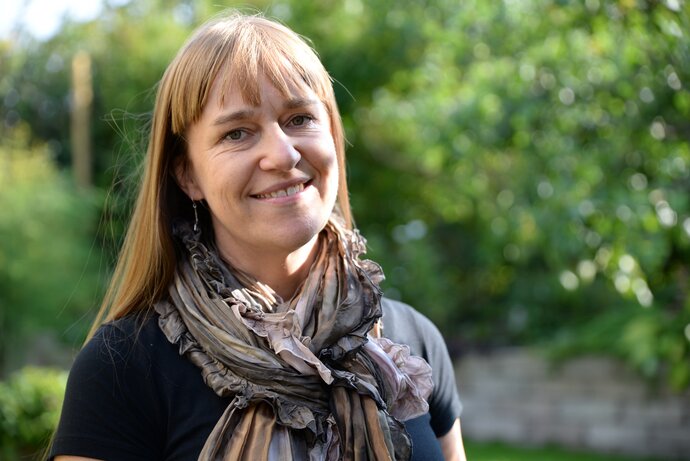
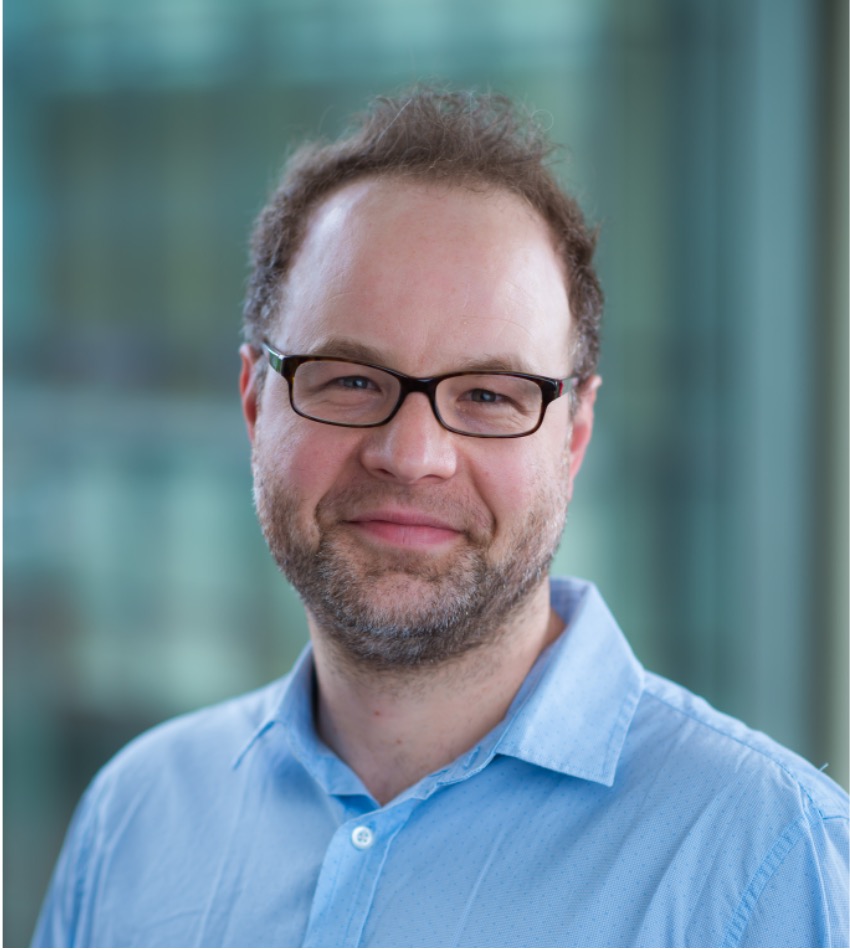
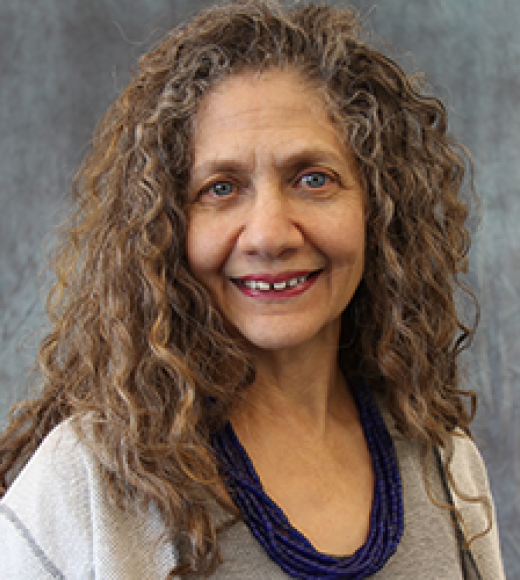
Kerstin Bergman is a Researcher in Comparative Literature at the Centre for Languages and Literature , Lund University , Sweden. Her primary focus is on contemporary Swedish crime fiction, particularly its cultural and narrative dimensions. Education: PhD in Comparative Literature (2003), BA in Comparative Literature and Art History (1995) Positions: Senior Research Fellow (2008-2012), Researcher at Humanistiska fakulteten (2003-2005) Research Interests: Contemporary Swedish crime fiction Nordic Noir genre analysis Memory and identity in crime narratives Reader reception Gender representation in detective fiction Adaptation studies Recent Publications: Focus on police thrillers, Lisbeth Salander's symbolism, and genre evolution in Nordic Noir. Her 2023 book Ekarvet continues her work on the Iris Bure series. Projects: Led the Science in the Crime Genre project (2008-2012) and participated in FOLIO - Forum för litteraturens offentligheter . Activities: Served as external reviewer for PhD theses, delivered invited talks on Swedish crime fiction, and conducted peer reviews for Clues: A Journal of Detection .
Karinne Ludlow is an Associate Professor at the School of Law, Monash University , specializing in the intersection of law, science, and commercialisation. Her work addresses biotechnology, nanotechnology, and synthetic biology, with a focus on regulatory frameworks and ethical implications in health, agriculture, and industry. NHMRC-funded research on genomics and mitochondrial disease ARC Discovery Grant for inheritable genetic modification of human embryos Editor of an Oxford University Press book on mitochondrial replacement therapies Karinne's research has influenced Australian and international policy, including reports for the Australian Government and citations by the Australian Law Reform Commission. Her teaching in biotechnology law and torts has earned exceptional evaluations and Faculty awards. She has served on ethics committees, the Victorian Newborn Screening Committee, and as Associate Dean Academic Resourcing at Monash. Key collaborations include institutions like the Murdoch Children's Research Institute , Monash IVF Group , and Australian Mitochondrial Disease Foundation . Her work aligns with UN Sustainable Development Goals related to health and innovation.
Dr. Maja Dutour Sikirić serves as Associate Professor, Head of Laboratory, and Head of Division at the Ruđer Bošković Institute's Division of Physical Chemistry, Laboratory for biocolloids and surface chemistry in Zagreb, Croatia. With a PhD in Physical Chemistry from the University of Zagreb and postdoctoral experience at The Hebrew University of Jerusalem, she has established herself as a leading researcher in biomineralization and biomaterials science. Her research focuses on biomineralization processes , particularly the crystallization of calcium phosphates and oxalates, biomimetic design of organic-inorganic composite implants for bone and dental applications, and the solution and solid state properties of gemini surfactants. She has led multiple significant research projects including Croatian Science Foundation projects on calcium phosphate formation mechanisms and Croatian-Serbian bilateral projects on hydroxyapatite for bone engineering. Dr. Dutour Sikirić's extensive publication record demonstrates consistent research productivity with over 150 publications spanning two decades, with recent work (2022-2025) heavily focused on nanomaterial-biomineral interactions , calcium phosphate/TiO 2 composites, silver nanoparticle effects on mineralization, and biomimetic bone engineering approaches. Her research integrates physical chemistry principles with biomedical applications, showing strong interdisciplinary connections between materials science, surface chemistry, and tissue engineering. She has taught courses including Fundamentals of Physical Chemistry at the University of Osijek and Chemistry and Quality Control of Animal Feed at the University of Zagreb's Faculty of Agriculture. Her laboratory actively collaborates with international researchers and has secured funding from Croatian Science Foundation, Ministry of Science and Education, and international agencies for biomaterials development projects. Dr. Dutour Sikirić's work has significant implications for bone tissue engineering , with her research on ion-substituted hydroxyapatite, calcium phosphate nanocomposites, and biomimetic coatings directly addressing clinical needs in hard tissue regeneration. Her laboratory serves as a hub for advanced materials characterization and biomimetic synthesis approaches in Croatia's scientific community.
Paul Cvancara serves as Professor for Biomedical Microtechnology at the University of Freiburg since 2013, holding a deputy directorship within the BrainLinks-BrainTools research center. Previously, he held the Professorship for Process Technology (2008-2013) and remains affiliated with the Institute of Microsystems Technology (IMTEK). His work bridges microsystems engineering and neural interface development, focusing on chronic implantable technologies. His research expertise spans: Neural interface design and long-term stability Polyimide-based flexible electrode arrays Material-tissue interface optimization Biomimetic sensory feedback systems Chronic assessment of neural implants in humans Analysis of his 2022-2025 publications reveals consistent focus on failure mechanisms in polyimide substrates, hydrophilicity treatments for neural interfaces, and biomimetic approaches for prosthetic sensory feedback. Key trends include accelerated aging studies, chronic human implant assessments, and material-tissue interface engineering to enhance bioelectronic performance. Scientific Awards: No major scientific awards were documented in the source material Paul Cvancara has served as academic advisor for 2 students according to publication records, though specific grant funding details were not provided. His research operates within collaborative frameworks involving multidisciplinary teams from engineering, neuroscience, and clinical medicine. He maintains active roles within the BrainLinks-BrainTools research center and IMTEK, contributing to Freiburg's neurotechnology ecosystem through projects focused on next-generation neural interfaces, miniaturized implant systems, and bidirectional brain-machine communication platforms.
Henrietta Nielsen, PhD is a Senior Lecturer at the Department of Biochemistry and Biophysics, Stockholm University. As President of the International Society for Molecular Neurodegeneration (ISMND) and Senior Editor at Molecular Neurodegeneration , she leads the Translational Neurodegeneration Group. Specializes in neurodegenerative dementia with focus on APOE variants Research explores Alzheimer's disease (AD) and dementia with Lewy bodies (DLB) Investigates plasma/CSF biomarkers and peripheral-brain lipid metabolism connections Research Trends: Publications emphasize APOE isoform biology, amyloid-beta dynamics, inflammation in neurodegeneration, and protein complexes as diagnostic markers. Key collaborations include the Netherlands Brain Bank and international institutions. Academic Leadership: Holds editorial roles at three major journals and has mentored 12 current students/postdocs. Funded by BrightFocus Foundation and Olle Engkvist Byggmästare grants. Key Grants: Alzheimer’s Association New Investigator Grant (2015-2017), VINNMER/Marie Curie Fellowship (2016-2018), Demensfonden (2017-2018), and BrightFocus Foundation (2019-2022).
Monica Mars is an Associate Professor at Wageningen University & Research specializing in Sensory Science and Eating Behaviour . Her research explores the interplay between taste perception, food intake regulation, and metabolic health. Academic Focus: Taste physiology, sugar metabolism, obesity prevention, and food processing impacts Key Collaborations: Projects with Dutch institutions, UK researchers, and international teams Her research spans pediatric dietary patterns , prediabetic interventions , and gastric digestion mechanisms . Recent work includes studies on: L-arabinose's effects on glycemic responses Sweetness exposure in early childhood Smart utensils for eating behavior modification She contributes to public health initiatives like BigO for childhood obesity and SPLENDID chewing detection systems. Notable co-promoted PhDs include projects on: Sweet spot in food regulation Savoury taste exposure Low-literacy health interventions
Justin Bosch is an Assistant Professor of Human Genetics at the University of Utah, specializing in inter-organ communication via circulating proteins and hormones. His lab employs advanced experimental and computational tools such as TurboID proximity labeling, CRISPR genome engineering, mass spectrometry, and AI-driven protein interaction modeling to unravel systemic signaling networks in Drosophila and human systems. B.S., University of Wisconsin–Madison Ph.D., University of California, Berkeley Research focuses on: Mapping tissue-specific origins and destinations of blood proteins using proximity labeling enzymes Developing AI-powered pipelines for hormone-receptor interaction discovery Characterizing novel inter-organ factors regulating body size and synaptic strength Advancing CRISPR-based tools for precise genome modifications in Drosophila Elucidating molecular mechanisms of hormone-receptor binding specificity Publications highlight his interdisciplinary approach combining proteomics, computational biology, and Drosophila genetics to address fundamental questions in inter-organ communication. Key methodologies include TurboID for secretome mapping, GPU-accelerated AlphaFold interaction screens, and modular vector assembly for CRISPR applications. His lab actively recruits researchers for high-risk/high-reward projects, particularly postdocs for computational pipeline development and graduate students for factor characterization. Collaborative work spans institutions including Harvard Medical School and Broad Institute, with affiliations to the University of Utah Center for High Performance Computing.
Professor Kelly Hughes is affiliated with the Department of Biological Sciences at the University of Utah. His research focuses on microbial genetics and genetic approaches to complex biological processes, particularly the assembly and function of bacterial flagella and type-III secretion systems in Salmonella enterica. B.S. University of California, Irvine Ph.D. University of Utah His work investigates the molecular mechanisms of bacterial motility, including the role of structural scaffolds, molecular rulers, and the coupling of gene expression to organelle assembly stages. He also explores regulatory interactions between flagellar assembly and virulence gene expression in Salmonella. Recent publications highlight studies on flagellar basal body structure (2021), genetic code optimization (2017), Salmonella virulence dynamics (2020), and type-III secretion system mechanics (2018, 2017). Research spans microbiology, structural biology, and molecular genetics. Professor Hughes collaborates extensively with researchers like Martin Erhardt, Florence Chevance, and Susan Le Guyon. His laboratory maintains a strong focus on bacterial motility and pathogenesis through genetic and biochemical approaches. Contact: kelly.hughes@utah.edu
Dr. Qi Chen is an Adjunct Associate Professor at the University of California, Riverside and joined the University of Utah School of Medicine in 2023. His research bridges molecular biology and epigenetic inheritance , focusing on how paternal health influences offspring via sperm RNA modifications . Education : MD (Chongqing Medical University), PhD (Institute of Zoology, Chinese Academy of Sciences) Dr. Chen pioneered the discovery of tRNA-derived small RNAs (tsRNAs) and rRNA-derived small RNAs (rsRNAs) as epigenetic carriers in intergenerational disease transmission . His work demonstrates how paternal diet, toxin exposure, and metabolic conditions alter RNA profiles to affect offspring health via RNA structural modifications . Recent publications (2025-2023) highlight his innovations in PANDORA-seq and MLC-seq technologies for RNA analysis, revealing novel roles for mitochondrial tsRNAs in Alzheimer's, RNA-TLR interactions in inflammation, and RNA decapping enzymes in immune signaling. Scientific Awards Keynote Lecture at EMGS 2024 George E. Seidel Jr. Keynote (IETS 2023) Highly Cited Researcher (2019) Chinese Academy of Sciences Fellowship (2013) His lab develops tools like SPORTS1.0 and PANDORA-seq to decode the 'sperm RNA code' and explore RNA structural memory propagation through biomolecular condensates . Current NIH/NICHD R01 funding supports ongoing investigations into RNA modification-mediated epigenetic inheritance .
Adjunct Associate Professor Mandy Muller of the University of Massachusetts Amherst Department of Microbiology studies how gamma-herpesviruses—particularly Kaposi’s Sarcoma-Associated Herpesvirus (KSHV)—re-shape host RNA metabolism to enable lifelong infection. Her NIH-funded group combines genome-wide sequencing, molecular virology and cell biology to uncover how viral nucleases target host mRNAs and how select antiviral transcripts escape decay. Education: PhD in Virology, Pasteur Institute (2013) Research Interests: Muller’s work centers on the interface of viral pathogenesis and RNA biology. She investigates (i) virus-induced mRNA degradation, (ii) host restriction factors that withstand this decay, (iii) epitranscriptomic modifications such as m6A that protect transcripts, and (iv) innate antiviral proteins like Shiftless that block viral gene expression and P-body dissolution. These studies illuminate fundamental cell-biology questions while identifying new targets for antiviral therapy. Publication Trends: Since 2019 her team has published >20 papers dissecting KSHV–host RNA interactions, revealing viral endonuclease substrates, RNA escape elements, and antiviral restriction mechanisms. The portfolio spans high-resolution molecular studies to genome-wide screens, consistently highlighting how herpesviruses hijack or evade host RNA regulatory networks. Grants & Awards: NIH MIRA R35 ($1.9 M, 2020-2025) Multiple trainee awards including Curt Thorne and David Pollack prizes Best talk & poster recognitions at regional meetings Advising & Mentorship: Nine PhD students have defended under her mentorship since 2021 (Yadi Bermudez, Jacob Miles, Tarah, Shai, David, Dr. MacVeigh-Fierro, Will Rodriguez, Jake, Tim), together with numerous MS and undergraduate researchers. Her laboratory emphasizes both research excellence and inclusive teaching, earning a CNS Excellence in Diversity and Inclusion group award. Laboratory & Outreach: The Muller Lab relocated to the Institute of Microbiology at the University of Lausanne (IMUL) in May 2025, continuing its work on viral RNA biology. Muller also engages in public communication through weekly radio segments (“The Muller Report”) separating virology fact from fiction for general audiences.
Candace Lang is a Professor at the School of Engineering , Macquarie University , affiliated with the MQ Photonics Research Centre and BioFocus Research Centre . She also maintains collaborations with the Transforming Energy Markets Research Centre and Pollinator Futures Research Centre .
Massimo Bellomi is a Researcher at the Department of Oncology and Hemato-Oncology of the University of Milan. Specializes in Radiomics , Medical Imaging , and Cancer Diagnosis Contributor to WB-MRI standardization and Lung/Prostate Cancer imaging protocols Research Trends: Analysis of 15 recent publications (2019-2021) reveals focus on: Development of radiomics models for cancer aggressiveness prediction Comparison of MRI/CT techniques for surgical margin and lymph node assessment Standardization of whole-body MRI reporting systems (MET-RADS-P) Integration of artificial intelligence in diagnostic imaging workflows Collaborations: Works extensively with multidisciplinary teams including radiation oncologists, medical physicists, and clinical researchers. Key partnerships with institutions like European Institute of Oncology and Humanitas Research Hospital .
Hirotaka Sakaue serves as an Associate Professor in the Department of Aerospace and Mechanical Engineering at the University of Notre Dame, where he also holds the position of Director of Inclusive Excellence and Engagement. His interdisciplinary research program integrates fluid mechanics and chemistry to develop novel sensing and flow control technologies for aerospace and environmental applications. His academic credentials include: Ph.D. in Philosophy (Aeronautics and Astronautics), Purdue University, 2003 M.S. in Engineering, Purdue University, 1999 B.S. in Bioscience and Biotechnology, Tokyo Institute of Technology, 1996 Prof. Sakaue's primary research areas are luminescent imaging and chemical flow control . In luminescent imaging, he develops nano-structured sensors that provide time-resolved, spatially resolved measurements of chemical species (e.g., oxygen, hydrogen, CO2) and physical parameters (pressure, temperature). His chemical flow control research focuses on using functional chemicals and micro-structured surfaces (such as superhydrophobic coatings) to manipulate fluid flows and prevent ice accumulation on critical surfaces like aircraft wings. These efforts contribute to advancements in energy efficiency, environmental sustainability, and aerospace safety. Analysis of his recent publications (2019-2020) reveals a concentrated effort in experimental techniques for flow control and measurement. Key themes include the application of microfiber coatings for drag reduction, superhydrophobic surfaces for ice prevention, and luminescent methods for hypersonic flow diagnostics. His work consistently bridges fundamental fluid dynamics with practical engineering solutions, particularly in the aerospace domain. No specific scientific awards or fellowships are mentioned in the provided texts. Details regarding Prof. Sakaue's graduate student advising and external grant funding sources were not included in the source material. However, his active laboratory and collaborative research projects suggest ongoing engagement in both areas. The Sakaue Laboratory at Notre Dame provides specialized facilities for developing and characterizing chemical sensors and coatings. The lab's research follows a structured three-step process: (1) development of novel chemical sensors/coatings, (2) rigorous characterization of these materials, and (3) application to solve complex fluid science problems. Current projects span four signature areas: Flow Measurement, Chemical Flow Control, Bio/Biomedical applications, and Green Energy/Environment, often in partnership with external organizations.
Maxine Craig is a Professor in the Sociology Department at the University of California, Davis, with cross-disciplinary affiliations in Cultural Studies, Performance Studies, and designated emphases in Feminist Theory & Research and African American Studies. Her research centers on the intersections of gender, race, and embodiment through qualitative analyses of everyday practices. Education: Ph.D. in Sociology, University of California, Berkeley Her research interests critically examine beauty politics, racialized gender, and embodied experiences, with particular focus on Black women's cultural practices. She investigates how beauty standards function as social control mechanisms while simultaneously serving as sites of resistance, analyzing historical shifts from 20th-century beauty salons to contemporary digital aesthetics. Her work bridges micro-level interactions with macro-level political structures, revealing how bodily practices reflect and reshape societal power dynamics. Recent publications (2015-2024) consistently explore beauty as political terrain, with recurring themes of aesthetic citizenship, state power, and racialized embodiment. Articles like "Perfect smiles, aesthetic citizenship" (2024) and "Orthodontics as expected beauty work" (2021) demonstrate her innovative methodology connecting mundane beauty practices to systemic inequalities, while collaborative works like "The Routledge companion to beauty politics" (2021) establish foundational frameworks for the field. Scientific Awards: 2014 Best Publication Award by American Sociological Association’s section on Body and Embodiment Best Book of 2002 by American Political Science Association’s Section on Race, Ethnicity, and Politics Dr. Craig has advised numerous graduate students in Sociology and interdisciplinary programs, with research often focusing on embodiment and cultural production. Her grant-funded projects have enabled longitudinal studies of beauty practices across diverse populations, contributing methodological innovations in studying categories "in motion" as demonstrated in her 2019 publication. She actively participates in UC Davis' Gender Research Cluster and contributes to collaborative projects examining the global dimensions of beauty politics, including comparative analyses of presidential embodiment and transnational beauty standards.
Miriam M. Bildt serves as an Assistant Professor at the Faculty of Medical Sciences, University of Groningen, specializing in the intersection of dentistry and psychology. With dual qualifications as a dentist (DDS) and psychologist (MSc), Dr. Bildt focuses on the treatment of highly anxious dental patients and the management of patients with various mental health conditions in dental settings. Her work bridges clinical dentistry with psychological approaches to improve patient care experiences at the University Medical Center Groningen (UMCG). Dr. Bildt's educational background includes a Doctor of Dental Surgery (DDS), a Master of Science in Psychology, and a doctoral degree (indicated by 'dr.' in her Dutch credentials). Her professional memberships include VMBZ, COBijT, and NIP, reflecting her dual expertise in both dental and psychological fields. These credentials position her uniquely to address the complex challenges of dental anxiety and mental health conditions in clinical practice. Her research primarily centers on psychological aspects of dental care, with particular emphasis on managing dental anxiety, treating patients with mental health disorders, and addressing specialized challenges such as gagging problems and body dysmorphic disorder in dental contexts. Dr. Bildt has developed systematic approaches for sedation techniques, communication strategies, and behavioral interventions specifically tailored for anxious dental patients. Her influential 'Psychische stoornissen in de mondzorgpraktijk' (Mental Disorders in Dental Practice) series demonstrates how psychological principles can be effectively integrated into routine dental practice to improve patient outcomes and experiences. Analysis of Dr. Bildt's publication record reveals a clear trajectory from molecular dental research (particularly in periodontics and orthodontics around 2006-2009) toward psychological aspects of dental care (2015-present). Her recent work focuses almost exclusively on mental health conditions in dental practice, with publications addressing specific disorders including substance use disorders, body dysmorphic disorder, and general mental health conditions. This evolution reflects a growing recognition of the importance of psychological factors in comprehensive dental care and represents a significant contribution to making dental services accessible to previously underserved patient populations. Dr. Bildt actively contributes to professional discourse through presentations at conferences such as the VMTI Congres 2023 and specialized talks on gagging problems in dental practice. Her collaborative work extends across dental and psychological disciplines, demonstrating interdisciplinary approaches to patient care challenges. Her research has been cited in multiple studies, particularly her work on peri-implantitis risk factors and dental anxiety management techniques.