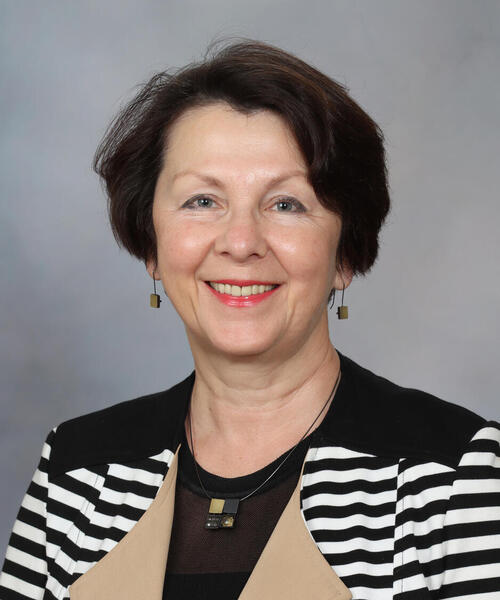
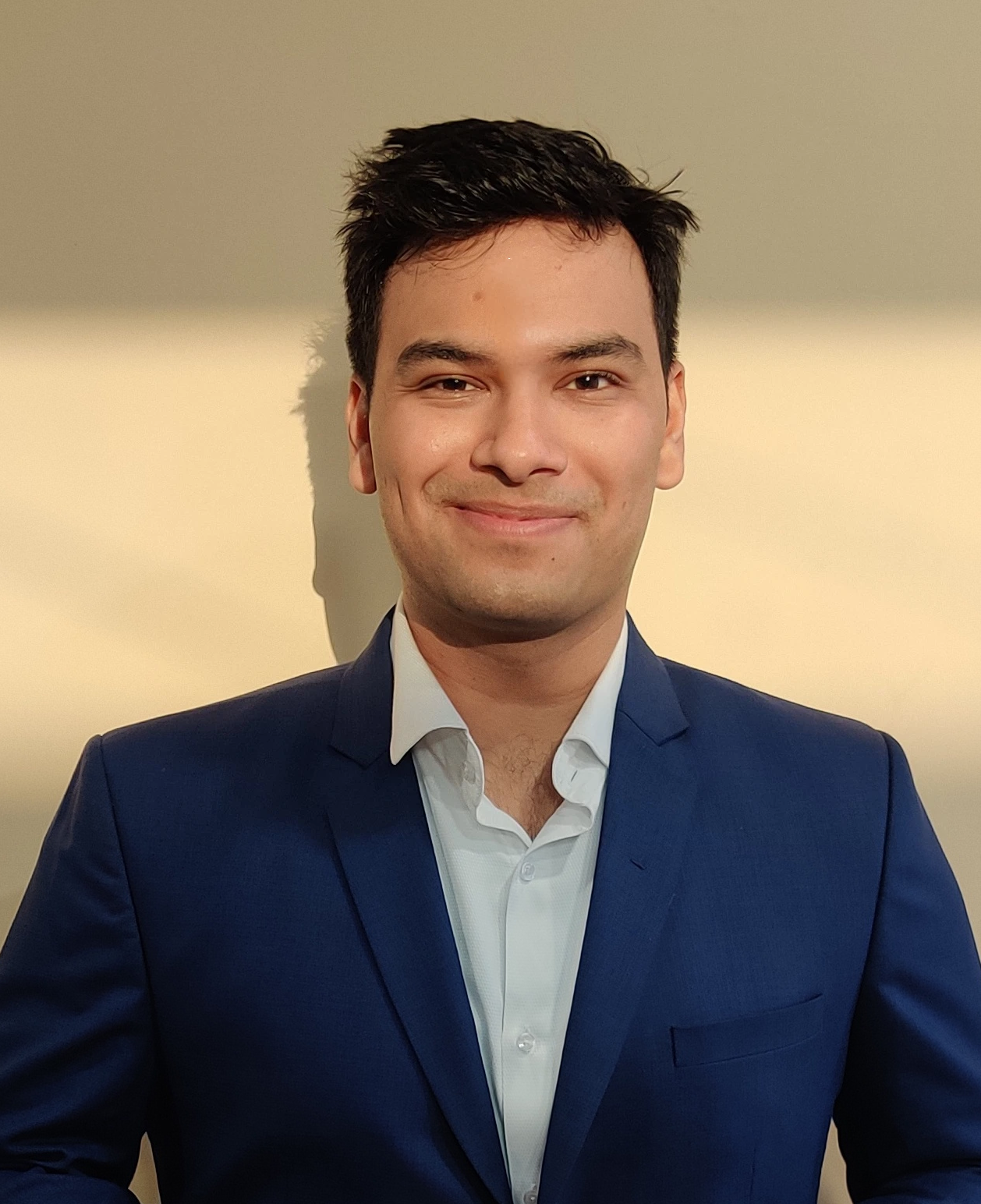
Dr. Sumeyra N. Tayfur is a Research Fellow at the Department of Psychiatry , Yale School of Medicine , and serves as an Early Detection and Assessment Coordinator (EDAC) for the Specialized Treatment for Early Psychosis (STEP) Program , overseeing the Southwest region of Connecticut. Education Ph.D. in Psychology from Queen Margaret University, Edinburgh, UK B.Sc. in Counseling Psychology from Bogazici University, Istanbul, Turkey M.Sc. in Clinical Psychology (institution not specified) Dr. Tayfur's research focuses on early risk and protective factors in youth mental health trajectories, emphasizing preventive strategies and early interventions for psychosis and depression. Her work spans interdisciplinary teams and clinical settings, utilizing quantitative methods to assess treatment efficacy, suicide risk, and the role of insight in psychosis management. She has contributed to statewide initiatives like the STEP program and Mindmap campaigns for early detection of first-episode psychosis. Recent publications highlight trends in AI-driven mental health tools , duration of untreated psychosis , and suicidality mechanisms in early psychosis. Her clinical experience includes working with adolescents, young adults, and families in diverse therapeutic environments.
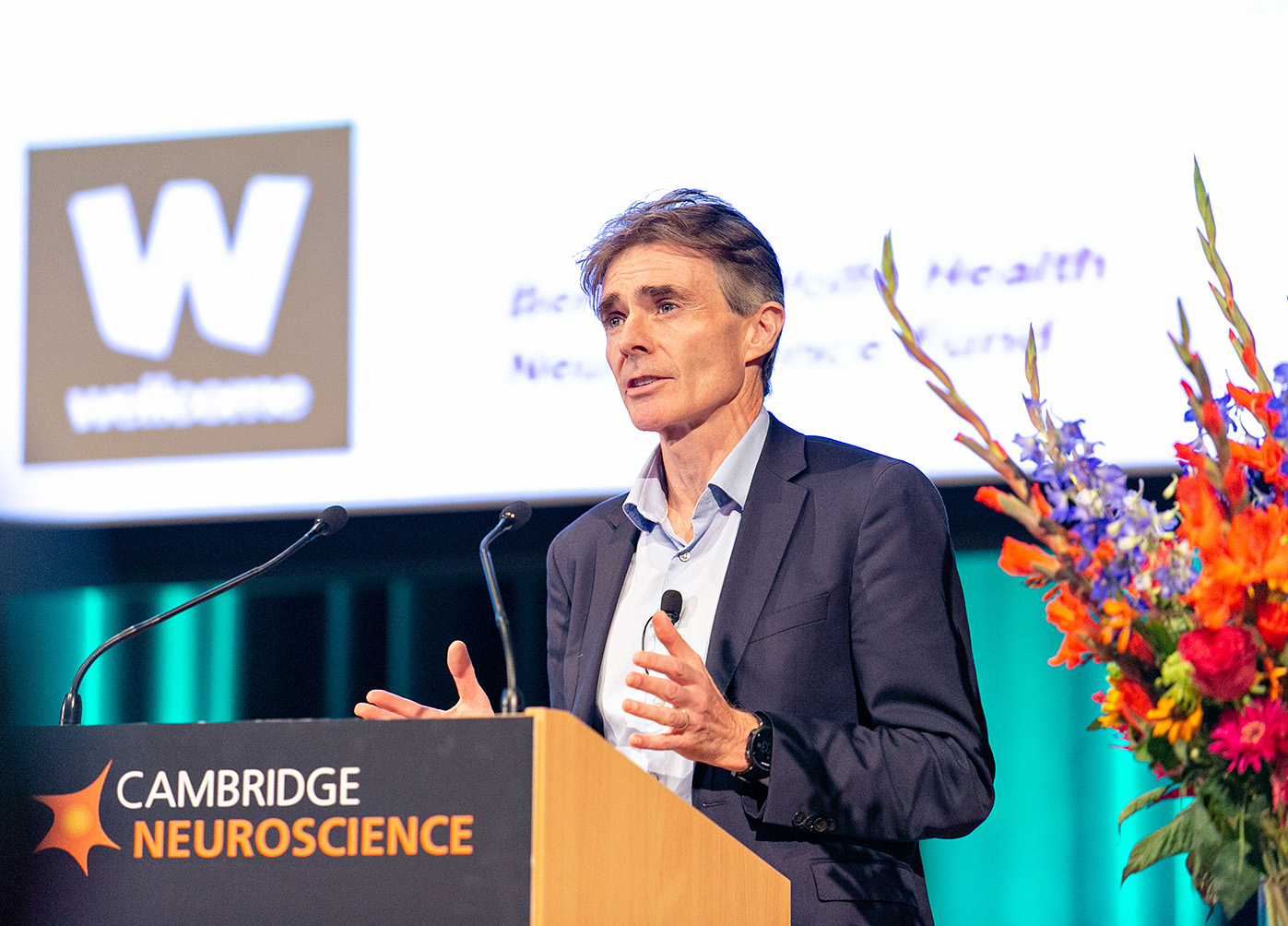
Professor Paul Fletcher serves as the Bernard Wolfe Professor of Health Neuroscience at the University of Cambridge Department of Psychiatry and Clinical Director of the Cambridge Neuroscience Interdisciplinary Research Centre. He holds concurrent appointments as a Wellcome Trust Investigator and Honorary Consultant Psychiatrist with the Cambridgeshire and Peterborough NHS Trust and Cambridge University Hospitals NHS Trust. His research centers on neurobiological mechanisms of psychosis , computational psychiatry , and appetite control in disordered eating . Fletcher pioneered influential theories linking prediction error signaling to psychotic symptoms, demonstrating how perturbations in frontal lobe responses explain hallucinations and delusions. His work integrates neuroimaging, psychopharmacology, and computational modeling to bridge clinical observations with neural mechanisms. Analysis of his recent publications reveals a dominant focus on prediction error computation in psychosis cortical structural changes in mental illness neurobiological correlates of eating disorders computational modeling of perceptual inference dopaminergic mechanisms in learning translational neuroscience approaches His work increasingly incorporates multimodal neuroimaging and real-world applications like the Hellblade: Senua's Sacrifice project. Key recognitions include: BAFTA Award for Games Beyond Entertainment (2017) James Bull Lectureship (2017) Election to Academy of Medical Sciences (2012) WFSP Research Award in Biological Psychiatry (2005) Fletcher maintains significant research funding through Wellcome Trust appointments spanning over two decades, including current status as a Wellcome Trust Investigator. His clinical neuroscience program bridges the Department of Psychiatry with NHS trusts, emphasizing translational pathways from basic mechanisms to clinical applications. The Fletcher Group operates within the Cambridge Neuroscience network, collaborating extensively across departments and healthcare systems.
Professor Simon Lewis is a Consultant Neurologist and Professor of Cognitive Neuroscience at the University of Sydney's Brain and Mind Centre within the Faculty of Medicine and Health. He serves as Clinical Director of the Ageing Brain Clinic and Director of the Parkinson's Disease Research Clinic, while also heading the NSW Movement Disorders Brain Donor program. With over 200 peer-reviewed publications, 2 books, and 8 book chapters to his name, Professor Lewis has secured more than $10 million in research funding from prestigious sources including the NHMRC, ARC, and Michael J Fox Foundation. Professor Lewis's research primarily focuses on dementia and Parkinson's disease, with particular expertise in cognitive neuroscience, movement disorders, and REM sleep behavior disorder. His work spans from basic neuroimaging studies to clinical trials investigating novel interventions for neurodegenerative conditions. He has pioneered research on freezing of gait in Parkinson's disease, visual hallucinations in Lewy body disorders, and the relationship between circadian rhythms and neurodegeneration. His laboratory employs a multidisciplinary approach combining clinical assessment, neuroimaging (structural and functional MRI), neurophysiological measurements, and innovative computational methods to understand disease mechanisms. The trajectory of Professor Lewis's recent publications reveals a growing emphasis on biomarker discovery for early diagnosis and disease progression, with increasing integration of artificial intelligence and machine learning approaches to analyze complex movement and sleep data. His work increasingly bridges basic neuroscience with clinical applications, particularly in developing targeted interventions for non-motor symptoms of Parkinson's disease. The collaborative nature of his research is evident in the international authorship patterns across his publications. Among his notable accolades is the Leonard Cox Award (2014) from ANZAN recognizing his significant contributions to neuroscience as an early career neurologist. Professor Lewis serves on multiple editorial boards including Movement Disorders, Translational Neurodegeneration, and Journal of Neurology, Parkinson's and Related Disorders. He actively contributes to international committees such as the Movement Disorders Society Asian Oceanian Section Executive Committee and the International REM Sleep Behaviour Study Group. Professor Lewis leads the world-leading Parkinson's and Related Diseases Research Group at the Brain and Mind Centre, which attracts PhD students interested in understanding disease mechanisms, developing biomarkers, and creating novel treatment modalities for Lewy body-related diseases. His international collaborations span institutions in the Netherlands (Radboud UMC), United Kingdom (King's College London, Cambridge, Newcastle), and other global centers of excellence in Parkinson's research. His work exemplifies a translational approach from bench to bedside, with particular focus on improving quality of life for patients with neurodegenerative conditions.
Associate Professor Loyola McLean holds positions at the University of Sydney's Brain & Mind Research Institute and Sydney Medical School. She is a Consultation-Liaison Psychiatrist, Psychotherapist, and Psychotherapy Educator with affiliations including Royal North Shore Hospital and the Sydney West Psychiatry Training Network. Her research focuses on trauma-informed care, integrative body-mind medicine, and attachment theory applied to mental health and chronic illness. Key interests include psychotherapy efficacy, stress system disorders, and medical education innovations. Education: PhD in biomedical research (depression-cardiovascular disease link) Grants: Includes studies on psychiatry trainee well-being and trauma interventions for burn survivors Current Projects: EMDR therapy for burn injury survivors, trauma-informed care in sexual assault services, and neurobiological aspects of functional neurological disorders Research spans 20+ years with over 100 publications. Her work bridges clinical practice and neuroscience, emphasizing interdisciplinary approaches to complex trauma and chronic illness recovery. She collaborates on RCTs evaluating therapies like EMDR and conversational model interventions. Teaching focuses on psychotherapy education, attachment theory, and research methodologies. She supervises students exploring topics like conversational model applications in psychiatry and functional neurological disorders.
Rebecca Baelen is a Research Fellow in the Department of Psychology at the University of Illinois Chicago. Her work focuses on mindfulness-based interventions in educational settings, with a particular emphasis on teacher well-being, social-emotional learning (SEL), and youth development. She has contributed to developing scalable mindfulness programs for K-12 educators and students, emphasizing culturally responsive practices and teacher-centered approaches to professional development. Her research also explores leadership frameworks rooted in mindfulness and yoga to improve school culture and organizational change. Key areas of research include: Mindfulness training for educators to enhance social-emotional competencies Optimal program design for youth across developmental stages Teacher resilience through self-compassion interventions Implementation science for school-based programs Her work bridges educational psychology, leadership studies, and contemplative practices, addressing systemic challenges in scaling mindfulness initiatives. Recent studies highlight barriers to student motivation in mindfulness programs and propose innovative solutions for universal school interventions.
Joan Claramunt Caros is an Assistant Professor in the Department of Mathematics at Carlos III University of Madrid. His research focuses on advanced topics in mathematics and theoretical physics, including dynamical systems, algebraic combinatorics, and spin-orbit coupled gases. He maintains an active publication record with contributions to journals such as Discrete and Continuous Dynamical Systems and Physical Review A . His work bridges pure mathematics and applied physics, addressing complex structures like separated graphs, L2-Betti numbers, and infinite matrix products. Collaborations include co-researcher networks and co-authorships in interdisciplinary projects. No specific grants or awards are listed in the provided information. His academic profile highlights contributions to both algebraic topology and quantum many-body systems, reflecting a dual focus on foundational theory and applied mathematical physics.
Michael Zurel is a NSERC Postdoctoral Fellow in the Department of Mathematics at Simon Fraser University, working under Dr. Nadish de Silva, Canada Research Chair in the Mathematics of Quantum Computation. His research focuses on foundational aspects of quantum computation, quantum information, and nonclassical physics. Key interests include quantum contextuality, negativity in quasiprobability representations, and classical simulation algorithms for quantum systems. He holds a PhD, MSc, and BSc in Physics and Mathematics from the University of British Columbia (2024, 2020, 2019), all supervised by Dr. Robert Raussendorf. His doctoral work explored classical descriptions of quantum computations via hidden variable models and quasiprobability representations. His master’s thesis addressed hidden variable models and classical simulation algorithms for quantum computation with magic states on qubits. Research interests emphasize bridging quantum foundations with computational efficiency, particularly how nonclassical features like contextuality enable quantum advantage. Collaborators include prominent figures such as Robert Raussendorf, Juani Bermejo-Vega, and Cihan Okay. His scientific achievements include the NSERC Postdoctoral Fellowship. Advising and grants are not explicitly detailed, but his work is supported by foundational research grants. He collaborates actively within quantum information theory and computational physics communities.
Mary Savoye is a clinical dietitian and researcher at Yale University, serving as Associate Director of Pediatric Obesity and Director of the Bright Bodies Healthy Lifestyle Program at the Yale School of Medicine. She is also a certified diabetes educator and clinical dietitian at the Yale Stress Center. With over 20 years of experience, her work focuses on obesity and diabetes management in children and adults. She holds an MS in clinical mental health counseling, alongside undergraduate degrees in nutrition and business administration. Her research emphasizes evidence-based interventions for pediatric obesity, including the development of the Bright Bodies program, which is internationally recognized. Key collaborations include studies on obesity treatment dissemination, metabolic outcomes in youth, and genetic influences on hepatic fat accumulation. She has authored books such as The 1 Thing Diet and Smart Moves Workbook , emphasizing practical, stress-free approaches to weight management. Her clinical specialties include pediatric endocrinology and diabetes education, with a focus on empowering patients through behavioral and lifestyle changes. Current research interests involve hepatic lipid metabolism and obesity-related comorbidities, with involvement in clinical trials addressing pediatric obesity drug coverage gaps and metabolic health in diverse populations. Ms. Savoye’s work bridges clinical practice and community engagement, addressing health equity through programs like the Fair Haven Families initiative. Her contributions span academic publications, clinical care, and public health advocacy, reflecting a commitment to improving outcomes for obese and diabetic populations.
Ville Härkönen is a Senior Research Fellow in Physics with expertise in theoretical and computational physics. His research focuses on many-body quantum systems, particularly exploring the interplay between electrons and nuclei beyond the traditional Born-Oppenheimer approximation. Dr. Härkönen's research interests span several key areas: Many-body Green's Function Theory Quantum Field Theory applications in condensed matter systems Lattice Thermal Conductivity of clathrate materials Silicon Clathrates and their thermoelectric properties Breakdown of the Born-Oppenheimer approximation in various systems His recent work demonstrates significant contributions to understanding symmetry breaking phenomena, Kohn anomalies, and chiral phonons in novel materials. The research fingerprint analysis shows strong concentrations in Clathrate Chemistry (100%), Silicon Clathrates Engineering (72%), Many-body Green's Function Theory (66%), and Lattice Thermal Conductivity (66%). Dr. Härkönen leads the "Many-Body theory" research group, focusing on advanced theoretical approaches to quantum many-body systems. His work bridges theoretical physics with practical applications in materials science, particularly in the development of thermoelectric materials based on clathrate structures.
Hege Christensen is a Professor of Pharmacology at the University of Oslo's Department of Pharmaceutical Biosciences. She has been affiliated with the Department since 1992 and holds leadership roles in academic programs such as the Master's Degree in Pharmacy and Clinical Pharmacy. Her research focuses on pharmacokinetics, particularly drug metabolism variability due to genetic and environmental factors, and drug interactions. She collaborates with institutions like the IMUP Center for Immunopharmacology in Transplantation and the School of Pharmacy at the University of Manchester. Key areas include physiology-based pharmacokinetic modeling and in vitro-in vivo extrapolation techniques. Christensen's education includes a Cand.pharm. from the University of Oslo (1986), a Dr.scient. (1992), and an Advanced Diploma in Clinical Pharmacy Teaching from the University of Leeds (1996). Her career spans roles at the International Heart Research Institute (1991–1992) and pharmaceutical industries like Løvens Kemiske Fabrik (1986–1987). Her research interests emphasize understanding drug bioavailability and optimizing therapies through pharmacokinetic studies. Recent work investigates gastric bypass surgery's effects on drug metabolism and the role of microbiome signatures in weight loss outcomes. She has published extensively in journals like Clinical Pharmacokinetics and Mucosal Immunology, with a focus on cytochrome P450 enzymes, drug transporters, and obesity-related pharmacology. Notable collaborations include projects with Professor Amin Rostami-Hodjegan at the University of Manchester, exploring advanced pharmacokinetic modeling. Her work bridges clinical and translational research, addressing challenges in drug dosing for patients with obesity and comorbidities.
Tobias Kaufmann is a Full Professor of Neurotechnology and Computational Psychiatry at the University of Tübingen, Germany, and a Senior Researcher at the Norwegian Centre for Mental Disorders Research (NORMENT) at the University of Oslo, Norway. His research focuses on investigating the pathophysiological changes in brain structure and function, particularly exploring their genetic underpinnings through computational analysis of large-scale neuroimaging and genetic datasets. He has contributed to understanding the genetic architecture of brain regions like the thalamus and brainstem, their roles in psychiatric and neurological disorders, and the development of neuroimaging tools such as ARTiiFACT for artifact processing. His work bridges neurotechnology, computational methods, and clinical psychiatry to advance precision medicine approaches in mental health. His research interests include neuroimaging genetics, brain aging, and the application of machine learning to neuroimaging data. He has developed software tools for analyzing brain connectivity and functional networks, with a focus on schizophrenia, Alzheimer’s disease, and other psychiatric disorders. Kaufmann is also involved in collaborative initiatives like the ECNP NeuroImaging Network to promote open science and data-sharing in mental health research. His lab at NORMENT focuses on integrating multimodal data (e.g., MRI, genetics) to study brain disorders, while his role at the University of Tübingen emphasizes advancing neurotechnological methods. He has no listed awards but has published extensively in top journals like Nature Neuroscience and NeuroImage, with a strong emphasis on computational psychiatry and neuroimaging methodologies.
Eugenia Trushina, Ph.D., is a Professor of Neurology and Pharmacology at Mayo Clinic in Rochester, Minnesota, where she serves as a Consultant in the Department of Neurology and the Department of Molecular Pharmacology and Experimental Therapeutics. Her research is centered on mitochondrial dysfunction in neurodegenerative diseases such as Alzheimer's and Huntington's disease, aging, and chemotherapy-induced neuropathy. Ph.D. in Chemistry, Saratov State University Postdoctoral Fellowship, Department of Molecular Pharmacology and Experimental Therapeutics, Mayo Clinic Dr. Trushina’s research focuses on the molecular mechanisms of mitochondrial dynamics and function in neurons, particularly how environmental toxins, genetic factors, and chemotherapy drugs contribute to neurodegeneration. Her lab is developing biomarkers for early detection of mitochondrial dysfunction and testing mitochondria-targeted therapeutics to reverse neurodegeneration. Recent work emphasizes mitochondrial complex I inhibition, metabolomics in inclusion body myositis, and neuroprotective small molecules in Alzheimer’s models. Her publication and grant activity show a strong trend in targeting mitochondrial pathways—such as mitophagy, oxidative stress, and metabolic dysregulation—for therapeutic intervention in neurodegenerative and age-related disorders. This includes both preclinical models and translational biomarker development. Dr. Trushina’s research has been funded by: National Institute on Aging (NIA) National Institute of Neurological Disorders and Stroke (NINDS) Mayo Clinic Alzheimer's Disease Research Center Alzheimer Drug Discovery Foundation American Health Assistance Foundation She has served as Principal Investigator (PI) and Co-PI on multiple NIH grants, including ongoing projects on mitochondrial complex I as a neuroprotective target and the role of chronic alcohol exposure in Alzheimer’s pathophysiology. She mentors junior researchers and collaborates across disciplines, though specific student names are not listed. Her work is conducted within the Mitochondrial Neurobiology and Therapeutics research group at Mayo Clinic.
Apostolos Theos is an Associate Professor at Umeå University's Department of Community Medicine and Rehabilitation , where he serves as Head of the Sports Medicine Section. He is also affiliated with the Umeå School of Sport Sciences as Director of its Sport Science Division. PhD in Molecular Exercise Physiology (University of Athens, 2012) Deputy Head of Department since 2022 Director of Studies role His research focuses on: Hormonal and metabolic responses to exercise in children Development of test batteries for athlete performance prediction Muscle physiology and training adaptations Key research trends from his publications include: Pediatric physiological adaptations to resistance training Individualized performance prediction models in alpine skiing Exercise interventions for chronic disease populations Cross-transfer effects of resistance exercise Molecular mechanisms of exercise-induced tissue remodeling Current projects include Hip and groin problems in elite ice hockey players (2024-2029).
Rishabh Dabral is a Research Group Leader at the Max Planck Institute for Informatics since August 2024, leading the "3D Visual Intelligence" group. He is also affiliated with the Research Training Group on Neuro-Explicit Models of Language, Vision, and Action at Saarland University. Expertise: 3D computer vision, computer graphics, human-object interaction modeling, and motion synthesis. Leadership: Conducts cutting-edge research on 3D human performance capture and physical plausibility in motion. His research focuses on: 3D human pose estimation under gravity constraints Multi-modal gesture synthesis using neural architectures Quantum auto-encoding for 3D representations Wearable robotics informed by human behavior Temporal dynamics in human-object interaction Recent publications at top venues like SIGGRAPH , CVPR , and ICCV demonstrate his work on: Music-driven motion synthesis Egocentric motion capture systems Reactive two-person interaction models Diffusion-based gesture generation Object-aware motion prediction Wearable robotic limb design
Professor Alistair Poore serves as Head of the School of Biological, Earth and Environmental Sciences at the University of New South Wales. With a PhD from UNSW (1999) and BSc(Hons) from Monash University (1992), he has established himself as a leading marine ecologist focusing on coastal ecosystems. His research program spans multiple interconnected themes: Ecology and evolution of interactions among marine organisms Impacts of herbivores on plant communities Human impacts on coastal marine ecosystems Adaptation of marine organisms to environmental stress Use of citizen science data for biodiversity monitoring Professor Poore's recent publications demonstrate a strong focus on threatened seagrass ecosystems, particularly Posidonia australis, examining responses to climate change, tropicalization, and physical disturbance. His work increasingly integrates citizen science approaches, using recreational diver photographs and other unconventional data sources for ecological monitoring. The research shows a progression from fundamental ecological theory toward applied conservation solutions, with extensive international collaborations across Australian, Pacific, and global marine environments. Scientific recognition includes: Elected Fellow of the Royal Society of New South Wales (2020) Provasoli Award from the Phycological Society of America (2014) Citation for Outstanding Contributions to Student Learning (2013) UNSW Vice Chancellor's Award for Teaching Excellence (2012) Professor Poore actively supervises PhD students working on diverse marine topics including amphibian detection using DNA, bluebottle behavior, artificial light impacts, seagrass restoration, and reef monitoring. His teaching portfolio includes BEES2041 Data Analysis for Life and Earth Scientists, BIOS2031 Biology of Invertebrates, and BIOS3091 Marine and Aquatic Ecology, complemented by freely available Environmental Computing tutorials. His research bridges fundamental ecological questions with practical conservation applications, particularly in Australian coastal environments, with growing emphasis on how climate change reshapes marine biodiversity and ecosystem function through processes like tropicalization and habitat fragmentation.