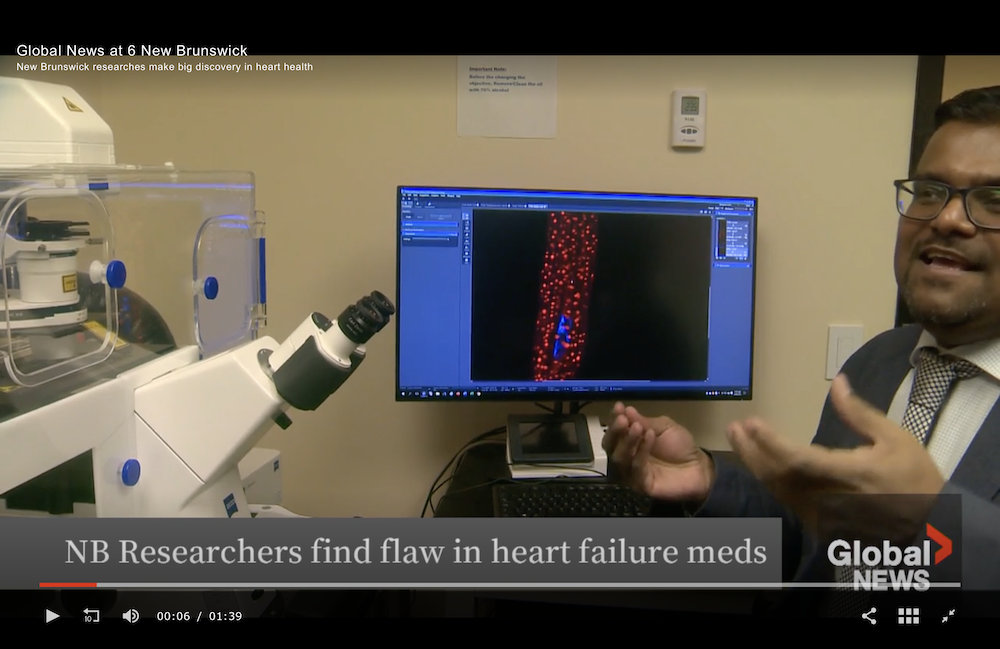
Dr. Thomas Pulinilkunnil is a Professor in the Department of Biochemistry and Molecular Biology at Dalhousie University, affiliated with Dalhousie Medicine New Brunswick. He joined the faculty in 2012. His research focuses on nutrient regulation of lysosomal metabolism, autophagy, and BCAA biology in cardiometabolic and cancer contexts. Education: PhD (University of British Columbia, 2005), Postdoctoral Fellowships at Harvard Medical School (2005-2008) and University of Alberta (2008-2012). Research Interests: Metabolic regulation of autophagy, lysosomal function in disease, BCAA metabolism in health and disease, ER glycosylation disorders, and cancer metabolism. His lab uses rodent, zebrafish, and yeast models to study these pathways. Publications: Over 60 peer-reviewed articles, with recent work on BCAA dysregulation in cardiometabolic disorders, TFEB's role in cancer cell survival, and lysosomal dysfunction in obesity-related heart failure. Key themes include nutrient-sensing pathways, mitochondrial-lysosome crosstalk, and translational applications in cancer therapy. Awards/Grants: Not explicitly listed, but his research is supported by grants from institutions like Dalhousie Medicine New Brunswick and collaborations with Saint John Regional Hospital. Labs/Teams: Leads the Pulinilkunnil Lab at Dalhousie, collaborating with teams like IMPART and CVRG. Current lab members include graduate students (e.g., Gurpreet Kaur, Max Merilovich) and postdocs (e.g., Sundaram Pakkirisami).
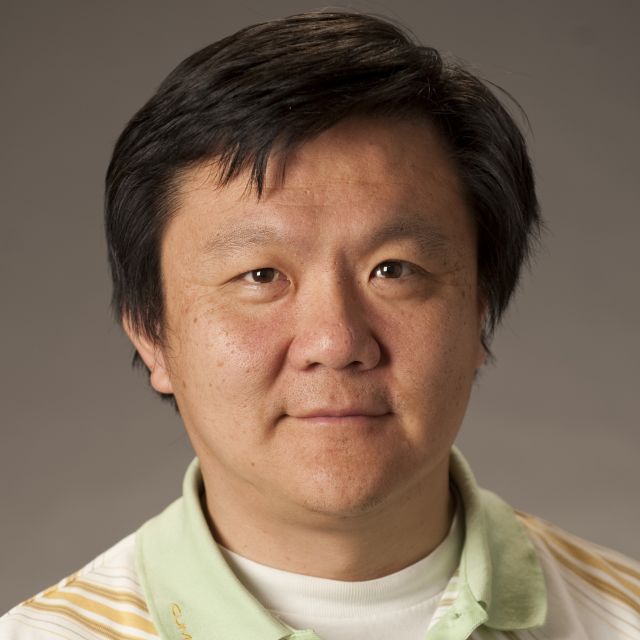
Dzwokai Zach Ma is an Associate Professor in the Molecular, Cellular, and Developmental Biology department at the University of California, Santa Barbara . His research focuses on understanding viral replication mechanisms, particularly the formation and function of inclusion bodies in measles virus infections. He employs cell biology and biochemistry approaches to study host-viral interactions. Education: PhD in Chemistry at UC Berkeley (advisor: Dr. J. Hearst and Dr. H. Nikaido) Postdoctoral research at UC San Francisco (advisor: Dr. Lily Jan) Research Interests: Host and viral factors involved in inclusion body formation, liquid-liquid phase separation in viral replication, and modulation of cellular pathways by RNA viruses. His work aims to uncover novel therapeutic targets for measles and related pathogens. Publications Trends: Recent studies highlight the role of host proteins like WDR5 and XRN1 in virus-host interactions, emphasizing the interplay between epigenetic regulation and viral pathogenesis. Liquid-like organelles and phase separation dynamics are recurring themes in his work. Awards: His 2017 and 2009 papers were highlighted by Journal of Virology and Journal of Cell Biology , respectively. Advising & Labs: He leads a research group at UCSB, focusing on viral cell biology. Collaborations include studies on retinal pigment epithelial cells and protein trafficking mechanisms. His lab investigates both fundamental biology and translational aspects of viral infections.
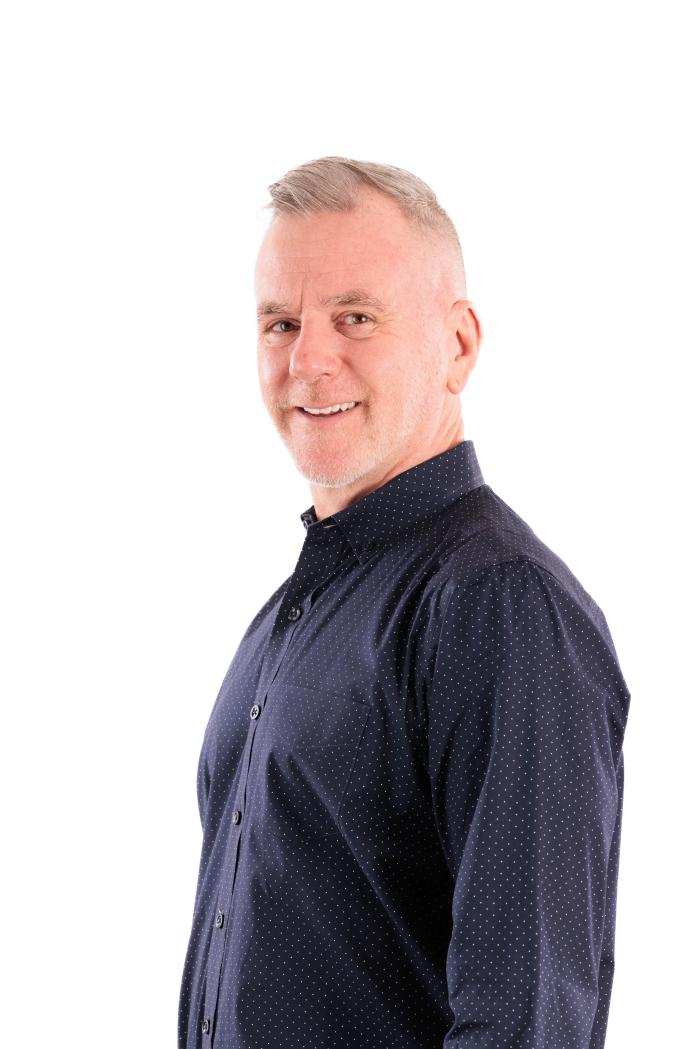
Henrik Boye Jensen is a Clinical Associate Professor at the Department of Regional Health Research, IRS - Sygehus Lillebælt, Forskningsenhed for Neurologi (Kolding), affiliated with the University of Southern Denmark. His work bridges clinical neurology and research, with a strong focus on multiple sclerosis, stroke, and neurorehabilitation. Institution: University of Southern Denmark Department: Department of Regional Health Research Research Unit: Research Unit for Neurology, Kolding Academic Rank: Clinical Associate Professor His research interests center on multiple sclerosis , particularly disease progression, pharmacological treatments, and the role of exercise in neuroprotection. He also investigates stroke rehabilitation and diagnostic challenges in neurological conditions such as Lyme neuroborreliosis. His work frequently employs advanced methodologies including randomized controlled trials , cohort studies , and neuroimaging (MRI) . The 15 most recent articles reflect a strong trend in clinical neuroscience , with emphasis on MS phenotypes , pharmacological interventions , exercise as therapy , and diagnostic accuracy . His publications span high-impact journals in neurology and rehabilitation, demonstrating consistent scholarly output. Scientific Awards: No specific awards listed in the provided text. Henrik Boye Jensen has been actively involved in advising and research projects. He has contributed to at least three supervised works, including a Ph.D. thesis, and is a working partner in the RoboRehab project on stroke rehabilitation. He has participated in multiple collaborative research initiatives and has delivered presentations in both academic and public settings. He is also involved in public discourse through media contributions on neurological health issues. Labs and Teams: He is associated with the Research Unit for Neurology in Kolding and collaborates extensively within the Region of Southern Denmark and with national and international research groups, particularly in MS and stroke research.
Robert McRuer is Professor of English in the Columbian College of Arts and Sciences at The George Washington University. His interdisciplinary scholarship bridges queer theory and disability studies, where he has pioneered the development of 'crip theory' as a critical framework for analyzing cultural, political, and literary representations of queerness and disability. His research centers on the intersections of queerness, disability, neoliberalism, and globalization. He explores how compulsory able-bodiedness and heteronormativity shape cultural production and political economies. His influential works, such as Crip Theory and Crip Times , have redefined the terrain of cultural criticism. McRuer’s scholarship often examines literature, film, media, and public discourse through a crip/queer lens, emphasizing resistance, futurity, and the dismantling of normative structures. The themes across his recent publications reveal a sustained engagement with crip epistemologies, transnational disability justice, the politics of austerity, and the critique of homonormativity. His work consistently challenges the boundaries between disciplines and calls for a radical reimagining of embodiment, identity, and social belonging. Alan Bray Memorial Book Award (2007) Finalist, Lambda Literary Award in LGBT Studies (2007) Best Special Issue Award, Council of Editors of Learned Journals (2003) McRuer has been instrumental in mentoring emerging scholars through edited collections and special issues that have shaped the field. He has co-edited key volumes such as Sex and Disability and Cripistemologies , and has contributed to numerous interdisciplinary grants and collaborative research initiatives. His work has been supported by major academic presses and journals, and he continues to be a leading voice in critical disability and queer studies. He is affiliated with the Department of English and contributes to interdisciplinary programs in gender, sexuality, and disability studies. He has no known lab or research team explicitly mentioned, but his editorial and collaborative projects function as intellectual collectives advancing crip/queer scholarship.
Timo Oksanen is a Visiting Professor at Aalto University's Department of Electrical Engineering and Automation. His research focuses on agricultural automation, robotics, and control systems, with a strong emphasis on ISO 11783 vehicle network standards and autonomous systems. He collaborates with industry partners to develop next-generation agricultural machinery solutions, including automated guidance systems, sensor integration, and cybersecurity protocols. Oksanen leads the Autonomous Systems research group and has authored over 100 publications since 2009. Key research areas include precision agriculture technologies, machine learning applications in farming, and the integration of OPC UA with agricultural communication standards. Recent work addresses challenges in autonomous vehicle navigation, dust-resistant vision systems, and safety-critical perception architectures for automated field operations. Notable projects include the AGRIX initiative for ISOBUS-compatible implements and the development of a next-generation task controller using OPC Unified Architecture. Oksanen has also contributed to international standards for tractor-implement communication and four-wheel steering systems. His work bridges academic research with industrial applications, addressing both technical innovations (e.g., LIDAR-based object detection) and operational efficiency improvements in farm machinery fleets.
Associate Professor Amit Pujari is a biomedical engineer and neuroscientist at the University of Hertfordshire, leading the Neu(RAL)² Laboratory. He holds an honorary position at the University of Aberdeen and is a Royal Academy of Engineering Industrial Fellow. His work focuses on developing non-invasive neuromodulatory devices for stroke and spinal injury rehabilitation. Education: PhD in Biomedical Engineering, University of Aberdeen (2016) MSc in Biomedical Engineering, University of Strathclyde (2007) BE in Instrumentation & Control Engineering, Pune University (2003) Research Interests: Optimizing neuromodulatory stimuli (vibrotactile/electrical) for rehabilitation, neurophysiological basis of vibration therapy, and assistive technologies. His lab is equipped with advanced tools like high-density EMG systems, TMSi devices, and custom vibration stimulators. Awards: Academy of Medical Sciences’ Top 25 Emerging Leaders (2023) British Science Association Award Lecture (2022) Winston Churchill Memorial Trust Fellowship (2017) Grants/Projects: VECTOR: Randomized controlled trial for Crohn’s disease rehabilitation (2024–2027) SPASMS: Wearable sensor technology for spasticity management (2023–2025) User-led design of neurotechnologies for stroke survivors (2023–2025) Labs: Neu(RAL)² Laboratory focuses on neural systems rehabilitation, housing state-of-the-art equipment for EMG/EEG, TMS, and custom devices.
Ramon Ravelo is an Associate Professor in the Department of Physics at the University of Texas at El Paso (UTEP), with a strong focus on computational science and material behavior under extreme conditions. He is based in the College of Science and conducts research at the intersection of physics, materials science, and high-performance computing. His research interests lie in understanding material response to high pressures, temperatures, and strain rates, particularly those induced by shock waves. Employing advanced computational techniques, his work addresses: Shock-induced plasticity and material strength Stress-induced phase transformations and melting Development and validation of classical interatomic force-field models Large-scale atomistic simulations of extreme environments Applications of density functional theory and non-equilibrium statistical mechanics The body of work suggests a strong emphasis on predictive simulation methods in materials physics, leveraging advances in computational power to model complex physical phenomena. Although specific publications are not listed, the research keywords indicate active contributions in computational condensed matter physics and planetary science contexts. Scientific Awards: No awards listed in the provided text. Dr. Ravelo advises students in computational and materials physics, though specific advisees are not named. There is no mention of external grants or funding sources in the available content. He is involved in research networks related to planetary science and astrobiology, suggesting interdisciplinary collaborations. His work supports both fundamental science and potential applications in defense, geophysics, and space science.
Richard D. Lane is a Professor at the University of Arizona, holding appointments in Psychiatry, Psychology, and Neuroscience. He is a clinical psychiatrist and psychodynamic psychotherapist with a Ph.D. in Experimental Psychology, specializing in systems neuroscience and emotion research. Dr. Lane is a pioneer in functional brain imaging studies of emotion since the 1990s and has secured multiple NIH grants, including K and RO1 awards. Ph.D., Experimental Psychology, University of Arizona (1999) M.D., University of Illinois Abraham Lincoln School of Medicine (1978) B.A., Yale University (1974) His research integrates systems neuroscience with psychological frameworks to study emotion, emotional awareness, neurovisceral integration, and the mind-body link in conditions like Long QT Syndrome and Coronary Artery Disease. He has published over 200 papers and co-edited two books, including Neuroscience of Enduring Change: Implications for Psychotherapy (Oxford University Press, 2020). Recent publications focus on socio-emotional skills, affective processing deficits in alexithymia, neurovisceral integration, and the clinical relevance of emotional awareness. His work employs PET, fMRI, and graph-theoretic analyses to explore brain-heart interactions and memory-emotion dynamics. Distinguished Scientist Award, American Psychosomatic Society (2024) President, American Psychosomatic Society (2005–2006) Distinguished Life Fellow, American Psychiatric Association Fulbright-Freud Visiting Lecturer in Psychoanalysis (2023) Howard E. Wulsin Excellence in Teaching Award (2014) As an educator, Dr. Lane directed the University of Arizona’s psychotherapy curriculum for psychiatric residents for two decades and has mentored extensively. He collaborates with institutions like the International Neuropsychoanalysis Society and Southwest Psychoanalytic Society.
Judith Feeney is an Honorary Associate Professor at the School of Psychology, University of Queensland. She has established herself as a leading researcher in the field of attachment theory and close relationships, with numerous publications spanning over three decades. Her academic contributions include 2 books, 24 book chapters, 72 journal articles, and 22 conference papers. Dr. Feeney's research primarily focuses on attachment theory and its applications to various relationship contexts. Her work explores how attachment styles influence relationship dynamics, conflict resolution, emotional regulation, and relationship satisfaction across different life stages. She has made significant contributions to understanding attachment in romantic relationships, family communication patterns, and the impact of attachment on mental health and wellbeing. Her research methodology spans laboratory studies, clinical observations, and large-scale meta-analyses, demonstrating methodological rigor and theoretical depth. The body of her recent publications reveals a strong trend toward examining attachment dynamics in contemporary contexts, particularly focusing on how global crises like the COVID-19 pandemic affect relationship security and coping mechanisms. Her work increasingly integrates attachment theory with other psychological frameworks to develop comprehensive models of relationship functioning. She has made notable contributions to understanding intergenerational relationships, caregiver dynamics, and how attachment patterns manifest in diverse relationship contexts including adoption and stepfamilies. Throughout her career, Dr. Feeney has collaborated extensively with prominent researchers in the field, including Gery Karantzas, Jennifer Fitzgerald, and Patricia Noller. Her work has appeared in leading psychology journals such as Frontiers in Psychology , Journal of Family Psychology , and Current Opinion in Psychology . Her extensive publication record demonstrates consistent scholarly productivity and evolving theoretical sophistication in the application of attachment theory to real-world relationship challenges.
Christoph Wehrhahn is a Professor of Business Administration specializing in Accounting, Auditing & Corporate Governance at Leuphana University of Lüneburg. His academic position focuses on the critical intersection of financial oversight, corporate governance structures, and emerging sustainability reporting requirements. Professor Wehrhahn's research interests span several key areas: Accounting and Financial Reporting Auditing Practices and Standards Corporate Governance Mechanisms Internal Control Systems Sustainability Reporting and Assurance Monitoring Functions of Audit Committees, Internal Audit, and External Auditors His recent publications demonstrate a strong focus on how emerging regulatory frameworks, particularly the Corporate Sustainability Reporting Directive (CSRD) and Corporate Sustainability Due Diligence Directive (CSDDD), are reshaping traditional corporate governance and auditing practices. Wehrhahn's work examines the evolving relationships between key monitoring bodies including audit committees, internal auditors, and external auditors in the context of sustainability reporting requirements. Professor Wehrhahn has made significant contributions through his publications: 2025: "Impact of CSRD and CSDDD on internal audit, supervisory boards, and auditors. Normative framework and empirical findings" (co-authored with Patrick Velte) 2024: "The relationship between audit committees, external auditors, and internal control systems: A literature review and a research agenda." (co-authored with Patrick Velte) His research activities include presentations on "Cooperation between the Supervisory Board, Internal Audit and the auditor in sustainability monitoring," highlighting his engagement with practical applications of his research. Wehrhahn is also involved in the dissertation project "Monitoring of Internal Corporate Governance Systems by Audit Committees, Internal Auditors and External Auditors," which suggests his role in supervising doctoral research in this field.
Dr. Sue L. Niezgoda is a Professor in the Department of Civil Engineering at Gonzaga University's School of Engineering and Applied Science. She holds a Ph.D. from The Pennsylvania State University and is a licensed Professional Engineer. Her work emphasizes water resources engineering, with a focus on stream restoration, hydraulic modeling, and sustainable infrastructure. Education: Ph.D., Civil and Environmental Engineering, The Pennsylvania State University, 2004 M.S., Civil and Environmental Engineering, The Pennsylvania State University, 1998 B.S., Civil and Environmental Engineering, The Pennsylvania State University, 1997 B.A., Engineering and Physics, Elizabethtown College, 1996 Dr. Niezgoda's research centers on river and stream restoration, particularly the use of natural solutions like beaver dam analogs, risk and uncertainty assessment in design, and low-impact development technologies such as permeable pavements. She advocates for experiential learning, integrating field projects into her courses to engage students in real-world engineering challenges. Her teaching includes Fluid Mechanics, Watershed Modeling, and Stream Restoration. Her recent publications reflect a strong trend in applying process-based, risk-informed approaches to stream restoration, with increasing emphasis on monitoring, education, and professional standards. She has contributed significantly to the development of a national body of knowledge for stream restoration certification. Professional Affiliations and Leadership: ASCE Environmental and Water Resources Institute (EWRI), Hydraulics and Waterways Council, River Restoration Technical Committee Board of Directors, River Restoration Northwest Active contributor to American Society for Engineering Education (ASEE) Dr. Niezgoda has advised numerous undergraduate students on research projects related to stormwater, stream monitoring, and pavement systems. She has led externally funded research initiatives, including the Sharp Avenue Permeable Pavement Feasibility Study for the City of Spokane. She is also an experienced instructor of professional development courses on hydrology, hydraulics, and restoration modeling. She is currently on sabbatical during the 2024–2025 academic year but remains an active researcher and educator.
Bernadette von Dawans is a Research Associate and Senior Academic Advisor in Research and Teaching at the Department of Biological and Clinical Psychology, Faculty I, University of Trier, Germany. She is also a licensed psychological psychotherapist and certified supervisor in cognitive behavioral therapy, leading the Psychotherapy Outpatient Clinic for Stress, Social Interaction and Behavioral Medicine. Her research focuses on the psychobiology and clinical aspects of stress, including social interaction, stress protection mechanisms (e.g., social support, oxytocin), stress management across age groups, and the impact of sex hormones on behavior. She investigates methods of stress induction and measurement, with applications in personality disorders, social phobia, and burnout. Her recent publications, primarily in psychoneuroendocrinology and clinical psychology journals, reveal a strong trend in examining how acute stress modulates social cognition, emotion recognition, prosocial behavior, and hormonal responses. She frequently employs the Trier Social Stress Test (TSST-G) and explores gender differences, hormonal influences (e.g., oral contraceptives, cortisol, oxytocin), and interventions like glucose intake or internet-based stress management. Common oxytocin receptor gene (OXTR) polymorphism and social support interact to reduce stress in humans Oxytocin, vasopressin, and human social behavior Dr. von Dawans has contributed to research on stress resilience, affiliative behaviors under stress, and the neuroendocrine underpinnings of social functioning. She collaborates extensively with researchers such as Markus Heinrichs and Gregor Domes. She supervises clinical work and contributes to training early-career researchers in clinical psychology, though no formal advisees are listed. Her work is supported by empirical studies and systematic reviews, contributing significantly to stress and social behavior research.
Giuseppe Giorgi is a fixed-term researcher at the Department of Mechanical and Aerospace Engineering (DIMEAS), Politecnico di Torino. He serves as Scientific Coordinator for multiple EU-funded projects including MERMAIDS, BLUE-X, and AIMS, and leads commercial research contracts for offshore wind microclimate studies. Research focuses on hybrid offshore platforms integrating Floating Offshore Wind Turbines (FOWTs) with Wave Energy Converters (WECs) Expertise in nonlinear hydrodynamics , fluid-structure interaction , and experimental validation through lab tests and sea trials Research Interests : Marine Renewable Energy Systems Nonlinear Dynamic Modeling Mechanical and Techno-Economic Optimization Hybrid Wind-Wave Energy Platforms Parametric Resonance Energy Harvesters Scientific Achievements : 2022: IFAC CAMS Best Paper Award 2022: Institution of Civil Engineers - Baker Medal 2022: AIMETA Junior Mechanics of Machines Award 2023: IFToMM Bronze Best Student Paper Award Academic Leadership includes supervising 6 PhD students and teaching Numerical Modeling of Marine Energy Converters (PhD level). His 15 most recent publications focus on wave energy converter optimization, floating wind turbine dynamics, and hybrid offshore energy systems with applications in the Mediterranean Sea and North Sea.
Yoram Alhassid is the Frederick Phineas Rose Professor of Physics in the Department of Physics at Yale University, where he leads a research group focused on theoretical nuclear and many-body physics. His work bridges nuclear physics, mesoscopic systems, and ultracold atomic gases, using advanced computational methods such as quantum Monte Carlo and the configuration-interaction shell model. His research interests include the nuclear many-body problem, femtoscience and nanoscience (nuclei, quantum dots, nanoparticles), and cold atomic Fermi gases. He has developed and applied the shell model Monte Carlo (SMMC) method to study statistical and collective properties of nuclei, such as level densities, deformation, and pairing correlations. He has extended these methods to study cold Fermi gases, particularly in the unitary regime, where he has investigated pseudogap phenomena, heat capacity, and pairing gaps. The recent publications highlight a strong focus on nuclear level densities, γ-ray strength functions, deformation effects, and quantum Monte Carlo methodologies. There is a clear trend toward microscopic, ab initio calculations of nuclear and many-body properties, with increasing attention to odd-mass and deformed nuclei, as well as the interplay between pairing and collective phenomena. Scientific Awards: Frederick Phineas Rose Professor of Physics Alhassid advises students and postdoctoral researchers, as evidenced by numerous co-authored publications. His group has developed advanced computational tools and codes (e.g., HF-SHELL) for finite-temperature mean-field and shell model calculations. The research is supported by high-performance computing and has implications for nuclear astrophysics, radioactive beam facilities, and quantum simulation with cold atoms. His lab focuses on theoretical and computational modeling of finite-size quantum many-body systems, with close collaborations across nuclear theory, condensed matter, and atomic physics. The group emphasizes method development, benchmarking against mean-field theories, and extracting model-independent signatures of physical phenomena such as deformation and pairing.
Daniela Sammler is an Adjunct Professor at Goethe University Frankfurt and Research Group Leader of the Neurocognition of Music and Language research group at the Max Planck Institute for Empirical Aesthetics in Frankfurt/Main. She has established herself as a leading researcher at the intersection of music cognition, language processing, and neuroscience, with a particular focus on prosody, syntax, and the neural mechanisms underlying both speech and musical processing. Education 2025: Adjunct Professor, Goethe University Frankfurt/M. 2022: Venia Legendi, Goethe University Frankfurt/M. 2018: Habilitation and Venia Legendi, University of Leipzig (Topic: Intonation in speech and music) 2004-2008: Dr. rer. nat. in Psychology, University of Leipzig and MPI for Human Cognitive and Brain Sciences, Leipzig (Topic: Syntax in language and music) 1997-2004: Psychology studies at University of Leipzig and Université Louis Pasteur, Strasbourg (Diploma from Leipzig) Research Interests Daniela Sammler's research focuses on the neurocognitive foundations of music and language processing , with particular emphasis on how prosody, melody, and syntax are represented and processed in the brain. Her work explores the common neural mechanisms underlying speech and music, investigating how the brain processes intonation patterns in both domains. She has made significant contributions to understanding the dorsal and ventral pathways for prosody and the neuroanatomical overlap of syntax processing in music and language. Her research employs a variety of methodologies including fMRI, EEG, intracranial ERP studies, and behavioral experiments with both healthy participants and patient populations. She has conducted groundbreaking work on amusia and language disorders , prosodic structure building , and the neural bases of musical joint action . Analysis of her recent publications reveals a growing focus on interpersonal musical interaction, interbrain synchrony, and the cognitive mechanisms underlying collaborative music-making. Scientific Awards Gold Medal for outstanding achievements in the preservation of historic monuments in Europe (2012) Otto Hahn Medal of the Max Planck Society (2010) Otto Hahn Award of the Max Planck Society (2010) Poster Award, Organization of Human Brain Mapping (2010) Research Leadership and Grants Since 2020, Dr. Sammler has led the Neurocognition of Music and Language research group at the Max Planck Institute for Empirical Aesthetics. Prior to this, she headed the Otto Hahn Group Neural Bases of Intonation in Speech and Music at the MPI for Human Cognitive and Brain Sciences from 2013-2020, which was funded through her Otto Hahn Award. Her research has been supported by prestigious grants from the Max Planck Society and other funding bodies, enabling her to establish cutting-edge research programs at the intersection of music, language, and neuroscience. She currently leads multiple research projects including "Neural Networks for Real-Time Joint Music Performance: Piano duos in the MR-scanner" and "Cognitive drivers of interbrain synchrony during musical interaction," which investigate the complex cognitive and neural processes underlying musical collaboration. Her research group has also explored how vocal tone carries information about emotional state and speaker intention through prosody. Research Environment Dr. Sammler's research group operates within the Department of Music at the Max Planck Institute for Empirical Aesthetics in Frankfurt. Her lab employs state-of-the-art neuroimaging techniques including fMRI, EEG, and intracranial recordings to investigate the neural substrates of music and language processing. The research environment fosters interdisciplinary collaboration between neuroscientists, linguists, musicologists, and cognitive scientists, creating a rich intellectual space for exploring the complex relationships between music and language.