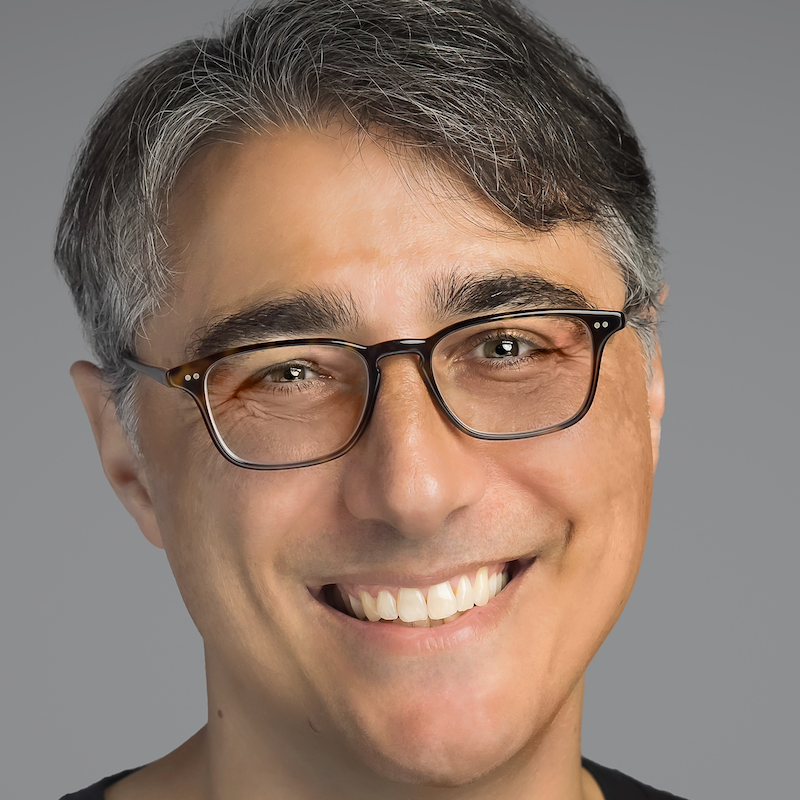
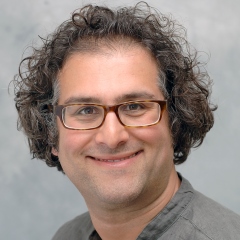
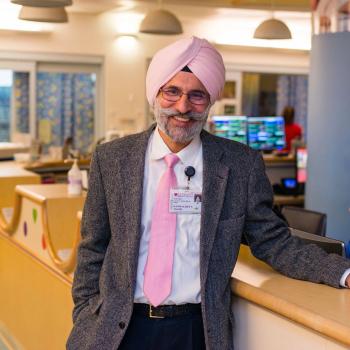
Christian P Petersen, PhD is a Professor in the Department of Cell and Developmental Biology at the Weinberg College of Arts and Sciences , Northwestern University Feinberg School of Medicine. His research focuses on molecular mechanisms underlying regeneration in planarians and other organisms. PhD: MIT (2006) Research Interests: Planarian regeneration and tissue patterning Wnt signaling pathway regulation Stem cell biology in regenerative contexts Neurogenesis and injury response Molecular mechanisms of tissue repair Affiliations: Center for Reproductive Science Robert H. Lurie Comprehensive Cancer Center
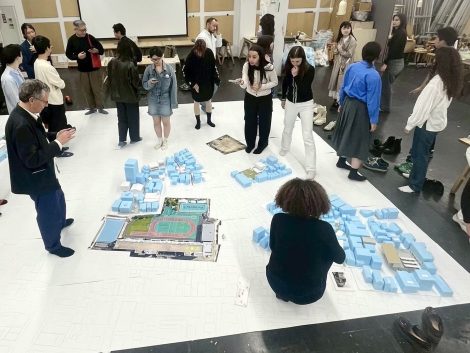
Keigo Kobayashi is an Associate Professor at Waseda University's Faculty of Science and Engineering, School of Creative Science and Engineering, Department of Architecture. He has served in this position since 2016, previously holding the rank of Assistant Professor from 2012 to 2016. His professional journey includes significant experience at the Office for Metropolitan Architecture (OMA) in Rotterdam, where he worked as a Senior Architect and Project Architect from 2007 to 2012. His educational background includes a Master of Architecture II from Harvard University's Graduate School of Design (2005), a Master of Architecture from Waseda University's Graduate School of Science and Engineering (2003), and a Bachelor's degree in Architecture from Waseda University's School of Science and Engineering (2002). Kobayashi's research focuses on architectural planning and city planning, with particular interests in food-related architecture, spatial behavior, and sustainable design. His work explores the intersection of architecture with everyday life, examining how spatial configurations influence human behavior and community formation. Recent research has investigated food systems in urban contexts, playful approaches to spatial design, and the relationship between architectural form and environmental performance. His publications demonstrate a strong focus on practical applications of architectural theory, with projects spanning from food truck design in Shodoshima to zero-energy housing solutions and innovative approaches to architectural education. His work shows a consistent interest in how architecture can respond to contemporary social challenges while maintaining theoretical rigor. Excellence in Concrete Construction Award 2019, American Concrete Institute (ACI), Qatar National Library / OMA Kobayashi actively contributes to architectural education through various committee memberships, including serving as Chief of the Subcommittee on Strategies for International Compatibility in Architectural Education at the Architectural Institute of Japan and leading the Caberra Accord Correspondence Subcommittee at the Japan Accreditation Board for Engineering Education. His teaching portfolio at Waseda University is extensive, covering architectural design studios from undergraduate to doctoral levels. He leads several research initiatives, including the Wakusei Project in Tosa, Kochi, NPO PLAT (Platform for Architectural Thinking), and the European Thinkbelt/McDonald's Radio University project which represents an innovative approach to architectural education and community engagement, particularly in contexts of migration and cultural exchange.
Fernando De la Torre is a Courtesy Professor in the Department of Electrical and Computer Engineering at Carnegie Mellon University, with an affiliation to the Robotics Institute where he has been a research faculty member since 2005. He holds a Ph.D. in Electronic Engineering from Ramon Llull University (2002). His research focuses on machine learning and computer vision, with applications in human health, augmented/virtual reality, generative models, and data-centric methodologies. He directs the Human Sensing Laboratory, which explores technologies for human behavior analysis and health monitoring. Notable contributions include founding FacioMetrics LLC (acquired by Meta), advancing facial recognition and 3D human digitization, and developing frameworks for robust visual models. His work bridges theory and practice, with over 225 peer-reviewed publications and editorial roles, including Associate Editor for IEEE Transactions on Pattern Analysis and Machine Intelligence. Recent research trends emphasize generative AI applications in satellite imagery analysis, VR/AR rendering optimizations (e.g., Gaussian splatting), and clinical motion recognition for healthcare. His projects often intersect with industry, addressing challenges in wearable health monitoring and immersive technologies. His lab collaborations span academia and industry, focusing on scalable solutions for 3D human modeling, adversarial robustness, and multimodal data fusion. Key achievements include pioneering work on 3D face animation from speech and garment reconstruction from single images.
Theresa Raimondo is the Manning Assistant Professor of Engineering at Brown University, with a secondary appointment in the Division of Biology and Medicine. She joined the Brown Engineering faculty in January 2024 after completing her postdoctoral training at MIT's Koch Institute. Dr. Raimondo leads the Raimondo Research Lab, which focuses on chemically modifying RNA and designing nanoparticles for therapeutic delivery to the body, an immunotherapy concept that holds immense promise in the field of immunoengineering. Her educational background includes: PhD in Engineering Sciences – Bioengineering from Harvard University (2019) MEng from Harvard University (2019) Sc.B. in Chemical and Biochemical Engineering from Brown University (2011) Dr. Raimondo's research is broadly focused on the design of targeted drug-delivery vectors and novel RNA-based therapeutics for applications in cancer, immunotherapy, and tissue regeneration. Her work primarily centers on developing novel lipid nanoparticles (LNPs) for RNA-based therapies, contributing to adjuvanted mRNA-based vaccines and siRNA-based cancer immunotherapies. By optimizing LNP formulation and modulating RNA constructs, she seeks to understand how RNA-LNPs modulate immunity and develop new therapeutic approaches. Her expertise spans biomaterials, drug delivery, biomolecular engineering, nanomedicine, tissue engineering, and regenerative medicine. Analysis of Dr. Raimondo's recent publications reveals a strong focus on RNA delivery systems and lipid nanoparticle technology. Her work spans from fundamental studies on nanoparticle design to applications in cancer immunotherapy, vaccine development, and tissue regeneration. A significant portion of her research involves optimizing lipid formulations for improved mRNA delivery and exploring how these systems interact with the immune system. Her publications demonstrate a trajectory from basic biomaterials research to increasingly translational work with therapeutic applications. Dr. Raimondo has received numerous prestigious awards: 2025 NAE Symposium selection (Grainger Foundation Frontiers of Engineering) 2025 appointment to the inaugural Early Career Board of ACS Applied Bio Materials 2024 selection as MIT Faculty Founder Initiative finalist 2022 Convergence Scholar fellowship from MIT's Marble Center for Cancer Nanomedicine National Science Foundation graduate research fellowship Harvard's Smith family graduate fellowship Dr. Raimondo is actively involved in mentoring students through courses including ENGN 0931L - Biomedical Engineering Design and Innovation II, ENGN 1490 - Biomaterials, and ENGN 1931L - Biomedical Engineering Design and Innovation II. Her research program is supported by various grants, though specific funding sources aren't detailed in the provided text. The Raimondo Research Lab represents a dynamic environment where engineering principles are applied to solve complex biological challenges in drug delivery and regenerative medicine. The Raimondo Research Lab at Brown University serves as a hub for innovation in RNA delivery and biomaterials design. The lab brings together expertise in chemical engineering, molecular biology, and immunology to develop next-generation therapeutic platforms. Current research directions include optimizing lipid nanoparticle formulations, exploring novel RNA modifications, and investigating immune responses to RNA therapeutics across various disease contexts.
Victor Tadros is a Professor of Criminal Law and Legal Theory at the University of Warwick, where he also serves as Public Lectures Coordinator. He holds a BA from Oxford University and a PhD from King’s College London. Prior to his current role, he held positions at the University of Aberdeen, the University of Edinburgh, and was a Carter Visiting Professor at Harvard Law School (2015). His research focuses on criminal law, moral philosophy, just war theory, and the philosophy of punishment. He has authored influential books including *Criminal Responsibility* (2005), *The Ends of Harm* (2011), *Wrongs and Crimes* (2016), and *To Do, To Die, To Reason Why* (2020). His work explores intersections between law, morality, and politics, addressing topics like consent to sex, responsibility, and the ethics of war. Notable awards include the Leverhulme Major Research Fellowship (2014–2018) and election as a Fellow of the British Academy (2018). He has led major research projects on criminalization and contributed to debates on the presumption of innocence, terrorism law, and the philosophy of the criminal trial. His recent publications (2020–2023) engage with refugee rights, moral responsibility in warfare, and the ethics of consent in unjust contexts. He is an Associate Editor at *Ethics* and has supervised numerous research grants, including an AHRC-funded project on criminalization (2010–2013).
Jia-Yan Mi serves as Associate Professor of Chinese and English in the Department of World Languages and Cultures at The College of New Jersey's School of Humanities and Social Sciences, where she has held key roles since 2002 including Director of the Chinese Program and Faculty Advisor for the Chinese Students Association. Her academic foundation includes a Ph.D. in Comparative Literature and Film Studies from the University of California at Davis (2002). Mi's research critically intersects Comparative Literature, Asian American Studies, Critical Theory, and Film Studies with specialized focus on Chinese poetry, diaspora narratives, and cultural identity. Her work examines embodied experience in modern Chinese literature, border theory in global contexts, and pandemic-era poetic responses, consistently bridging literary analysis with visual culture and postcolonial frameworks. Recent scholarly output reveals an escalating engagement with viral optics, diasporic consciousness, and therapeutic nation-building in Chinese literary traditions, evolving from foundational studies of modern poetry to contemporary analyses of global Chinese-language expressions during crisis. Her scientific recognition includes: Outstanding Research on Modern and Contemporary Poetics, Jianghan University, PRC (2018) Support of Scholarly Activities (SOSA) Award, The College of New Jersey (2023) Mi maintains extensive institutional engagement through committee leadership including: Director of Chinese Program (2002–present) Chair of Minor in Comparative Literature Committee (2023–present) Roebling Committee and Art on Campus Committee membership (2021–present) Department Promotion Committee service (2018–present)
Jack Halberstam is a Professor of Gender Studies and English at Columbia University, specializing in queer theory, feminist studies, and cultural critique. His research explores intersections of gender, sexuality, and societal norms, with notable works like Female Masculinity and The Queer Art of Failure . Halberstam’s Wild Things: The Disorder of Desire (2020) examines queer ecologies and anarchy, while Trans*: A Quick and Quirky Account of Gender Variance (2018) redefines gender fluidity. He received the 2018 Arcus/Places Prize for scholarship linking gender, sexuality, and urban design. His academic journey includes influential critiques of pop culture in Gaga Feminism (2012) and early explorations of gothic horror in Skin Shows (1995). Halberstam’s forthcoming work The Wild Beyond: Music, Architecture and Anarchy continues his exploration of queer theory’s boundaries. Beyond publications, his teaching focuses on interdisciplinary approaches to gender and literature at Columbia University. Research Focus: Queer temporality, gender variance, cultural criticism, and the built environment. Recent Projects: Investigating anarchist frameworks in queer studies and the role of architecture in gender expression.
Dr. Karen Cochrane is an Assistant Professor at the University of Waterloo, specializing in Human-Computer Interaction (HCI) with a focus on wearable and tangible computing for mental health and accessibility. Her research integrates soma design, autoethnography, and design fiction to address the needs of underrepresented communities, particularly those with disabilities. Key projects include developing assistive technologies for queer/crip identities, accessible gaming wearables, and tactile interfaces for sensory exploration. She explores embodied experiences through multidisciplinary approaches, blending traditional craft practices with modern computational tools. Her work prioritizes participatory design methodologies, collaborating with occupational therapists, disabled communities, and neurodivergent individuals to co-create inclusive technologies. Recent innovations include VARitouch (a haptic feedback device), Breathing Scarf (for emotional regulation), and adaptive switches for children with motor disabilities. Her research extends into sensory narratives, exploring how fabric and data can articulate bodily experiences through projects like Sensory Data Dialogues and Queer/Crip Body Mapping. While no formal grants or awards are listed, her publications reflect a strong focus on ethical technology, accessibility, and embodied interaction. Current projects emphasize the intersection of wearable tech with identity expression, mindfulness practices, and neuromotor rehabilitation. She actively designs prototypes that bridge clinical needs with creative technology solutions, though specific lab affiliations or team collaborations are not detailed in available texts.
Dr. Jennifer Evans is a Senior Lecturer in History within the School of Creative Arts at the University of Hertfordshire. Her academic career spans over a decade since completing her PhD at the University of Exeter in 2011, followed by two years of teaching there before joining Hertfordshire. She serves as the founding editor of the Early Modern Medicine blog and co-directs the Perceptions of Pregnancy research network with colleagues Leanne Calvert, Sarah Fox, and Chelsea Phillips. Her research focuses on the history of the body, medicine, and gender during 1550-1750, with particular emphasis on reproductive health, infertility, and miscarriage. Her scholarly work demonstrates deep engagement with both male and female experiences of health and sexuality in early modern England. Current projects include 'Wounded Wombs and Empty Cradles: Miscarriage and Pregnancy Loss in Early Modern England c.1600-1780' (Folger Shakespeare Library, 2025-2026) and 'Foraging for Early Modern Medicines 1600-1750' (AHRC-funded). Analysis of her recent publications reveals consistent thematic concentration on bodily experiences, particularly reproductive health across genders. Her work bridges medical history with gender studies, examining how bodily functions and dysfunctions intersected with social structures. The scholarship shows increasing attention to male experiences of reproductive health alongside traditional focus on women's histories, reflecting broader historiographical shifts toward more inclusive medical history. Dr. Evans actively supervises postgraduate students including Kiran Seera (PhD: 'Domestic Disorder: Crime, Kinship, and Space in Bedfordshire, c. 1650-1790') and has completed supervision of three PhD and two MA students. Her research has received substantial external funding including AHRC Early Stage Impact Accelerator Award funding for her foraging project that explores historical medicinal plant knowledge. She directs the Perceptions of Pregnancy researchers' network which has published two major collections and hosted multiple conferences. The network brings together scholars examining all aspects of fertility, pregnancy, childbirth and early parenthood from the seventeenth to twentieth century. Her public engagement includes numerous media appearances including BBC Radio 4's 'The Food Programme' (February 2024), BBC World Service's 'The Food Chain', and multiple television appearances.
Dr. Kanwaljeet S. Anand is a dual-appointed Professor of Pediatrics (Pediatric Critical Care) and Anesthesiology, Perioperative & Pain Medicine at Stanford University School of Medicine. As director of the Pain/Stress Neurobiology Lab and Jackson Vaughan Critical Care Research Fund, he serves as Editor-in-Chief of Pediatric Research and maintains active membership in Bio-X, MCHRI, and Wu Tsai Neurosciences Institute. Rhodes Scholar with D.Phil from University of Oxford Harvard postdoctoral fellowship and Boston Children's Hospital residency Founded Harmony Health Clinic - Arkansas' largest charitable medical-dental facility A translational researcher with 30+ years of impact, Dr. Anand established the first scientific framework for infant pain perception and developed novel pain assessment methodologies. Current research focuses on: Hair biomarker analysis for stress and social affiliation (cortisol/oxytocin) Machine learning systems for objective pain detection in non-verbal infants Biopsychosocial interventions for stress reduction in disadvantaged youth Neurotoxicity mechanisms of sedatives in developing brains Global NICU opioid usage patterns through the NeoOpioid Consortium His work has yielded over 260 publications and significant advances in: Pediatric pain management protocols Neonatal stress biomarker development Critical care neurobiology insights Community health initiatives AI-driven clinical decision support systems Scientific Recognition 9th Annual 'In Praise of Medicine' Public Address, Erasmus University (2014) Nightingale Excellence Award (2016) Honorary Doctorate from University of Örebro (2019) NIH SBIB-H82 Study Section Chair (2018) Multiple IASP and American Pain Society awards Swedish Academy of Medicine's Nils Rosén von Rosenstein Award (2009) St. Jude Endowed Chairholder (2010) As mentor to Med Scholar Anjali Gupta and advisor to numerous professional bodies, Dr. Anand maintains active clinical leadership in Pediatric Intensive Care while advancing computational approaches to pain detection through collaborations with Stanford's AI researchers.
Linda Mulcahy is Professor of Socio-Legal Studies and Director of the Centre for Socio-Legal Studies at the University of Oxford. She specializes in dispute resolution and the experiences of lay users in legal systems, with research spanning healthcare complaints, court design, and digital justice. Her interdisciplinary work bridges law, sociology, and architecture. Mulcahy's research examines the socio-legal dynamics of disputes in contexts ranging from medical negligence to neighborhood conflicts. She explores how institutional designs and digital transformations affect access to justice and procedural fairness. Her current projects include oral histories of law centers and rape crisis movements, plus studies on explaining legal rights to the public. Mulcahy's extensive publications focus on legal architecture's impact on due process, visual representations of justice, and digital court reforms. Her work demonstrates consistent attention to how marginalized groups experience legal institutions. Awards and Recognition: Fellow of the Academy of Social Sciences She directs doctoral training programs and leads the Frontiers of Socio-Legal Studies blog/podcast for early career scholars. Mulcahy consults for governmental bodies including the Access to Justice Foundation and Law Centres Network.
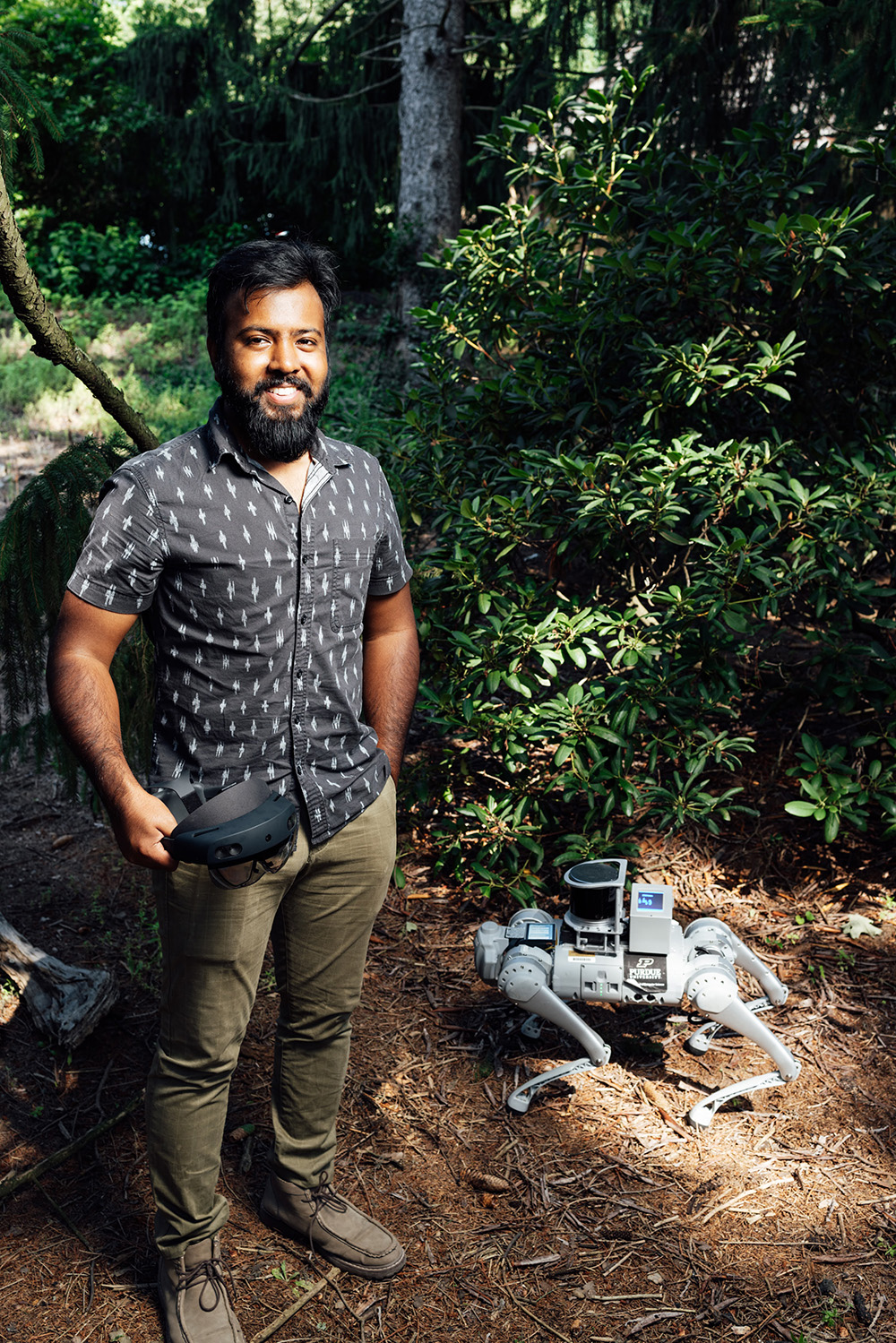
Dr. Aniket Bera is an Associate Professor in Computer Science at Purdue University and holds an Adjunct Associate Professor role at the University of Maryland at College Park (UMIACS). He directs the IDEAS Lab at Purdue and previously served as a Research Assistant Professor at UNC Chapel Hill. His research focuses on Affective Computing, Computer Graphics (AR/VR), AI & Robotics, Social Robotics, and medical AI applications for mental health diagnostics. Affiliations: Purdue University (Primary), University of Maryland (Adjunct), UMIACS Career: Joined Purdue in 2017, extensive industry collaborations with Disney Research, Intel, and C-DAC Research Interests: Affective Computing: Emotion perception via gait analysis, speech, and facial/body expressions AR/VR: Redirected walking, virtual environments, and human motion modeling Medical AI: AI-driven mental health detection systems (e.g., VidSole dataset) in collaboration with medical schools Key Contributions: Developed Project Dost (mental health initiative) Received 2020 Brain & Behavior Seed Grant ($X) for emotion-gait research Authored 65+ papers (1,800+ citations) with awards at IEEE VR 2021 Funding & Leadership: Serves as Senior Editor for IEEE RA-L (Planning/Simulation) Conference Chair for ACM SIGGRAPH MIG 2022 Labs/Teams: IDEAS Lab (Purdue), UMD GAMMA Group
Burak Sunguralp Tekin is an Assistant Professor in the Department of Translation and Interpretation at the Faculty of Humanities and Social Sciences, Ankara Yıldırım Beyazıt University. His academic career includes positions as both Lecturer (2021-2022) and Assistant Professor (2022-present) at the same institution. Dr. Tekin's research primarily focuses on human sociality and the interplay of language, bodies, and technology, with particular emphasis on embodied interaction, social practices, and multimodal communication. Dr. Tekin's educational background includes: Doctorate (2014-2019) from University of Basel, Switzerland, with dissertation "Bodies at play: Exploring participation, spectatorship, and morality in videogaming activities" Postgraduate studies (2012-2013) from University of Newcastle Upon Tyne, United Kingdom, with thesis "Smiles and affective alignment in naturally occurring dyadic academic supervisions" Undergraduate degree (2006-2010) from Hacettepe University, Turkey Dr. Tekin's research interests center on social interaction, multimodal communication, and embodied practices. His work examines how people coordinate their actions, bodies, and language in various contexts including gaming, photography, public spaces, and pandemic-related social adaptations. He employs conversation analysis and multimodal interaction analysis to investigate the micro-details of human sociality, with particular attention to how technology mediates social practices. His research bridges sociology, linguistics, and human-computer interaction to understand the embodied nature of social organization. Analysis of Dr. Tekin's recent publications reveals a consistent focus on embodied social interaction across diverse contexts. His work demonstrates sophisticated methodological approaches to studying how people coordinate their movements, manage social spaces, and create meaning through multimodal resources. A notable trend is his examination of how social practices adapt during extraordinary circumstances like the COVID-19 pandemic, as well as his sustained interest in gaming activities and their social organization. His collaborative work with Lorenza Mondada is particularly prominent in the field of conversation analysis. Dr. Tekin has taught various courses including Multimodal Communication, Introduction to Applied Linguistics, Language and Communication, Language Acquisition, Consecutive Interpreting, Intercultural Communication, World Englishes, Applied Linguistics, Turkish Grammar, Language Culture and Society, and Discourse Analysis at both undergraduate and postgraduate levels. His teaching reflects his research expertise in communication, language, and social interaction.
Martin Jastroch is a Professor at Stockholm University's Department of Molecular Biosciences, The Wenner-Gren Institute. His research focuses on the physiology and molecular mechanisms of energy metabolism from organism to molecule level. His primary research interests include: Energy metabolism physiology and molecular mechanisms Obesity and metabolic aspects Adipose tissue biology Mitochondrial mechanisms Thermogenesis and brown fat function Metabolic regulation in health and disease Professor Jastroch's research spans multiple disciplines, connecting molecular mechanisms with whole-organism physiology. His work on mitochondrial bioenergetics and thermogenesis has contributed significantly to understanding how energy metabolism is regulated across different biological scales. Recent publications show a growing interest in the evolutionary aspects of thermogenesis and the role of brown adipose tissue in metabolic diseases, with particular focus on UCP1 function, mitochondrial adaptations, and metabolic reprogramming in disease states. His scientific contributions include important findings on: UCP1 (Uncoupling Protein 1) function and regulation Mitochondrial bioenergetics in different tissue types Evolutionary aspects of mammalian thermogenesis Metabolic regulation in obesity and related disorders Links between mitochondrial dysfunction and neurodegenerative diseases Professor Jastroch leads 'Group Jastroch' at Stockholm University, where his team investigates the complex interplay between cellular energy metabolism and whole-body physiology, with implications for understanding and treating metabolic disorders.
Professor Kaat Alaerts is a leading researcher at KU Leuven's Faculty of Movement and Rehabilitation Sciences, where she serves as Head of the Neurorehabilitation Research Group and Professor in the Department of Rehabilitation Sciences. Her work bridges neuroscience, psychology, and rehabilitation science to develop innovative interventions for stress regulation and social-cognitive functioning, with a particular focus on autism spectrum disorder and related conditions. Her primary research interests span neurorehabilitation , oxytocin research , autism spectrum disorder , stress regulation , mindfulness and meditation , neurostimulation , and social cognition . Dr. Alaerts employs a multidisciplinary approach that combines neuroscientific, physiological, and behavioral methods to study both clinical effectiveness and underlying brain mechanisms of neuromodulatory interventions. The research output demonstrates a strong focus on exploring the therapeutic potential of oxytocin, particularly for autism spectrum disorder. Her work examines both the standalone effects of oxytocin and its synergistic effects when combined with mindfulness training or other interventions. A growing body of research also investigates the gut-brain axis in autism and the role of microbiome composition in social and stress-related difficulties. Dr. Alaerts has received notable recognition including the KAGB Clinical Medicine Award in September 2024 for her work on oxytocin administration in children with autism. Her research group has also been honored with multiple "Belgium's got talent" prizes from the Belgian College of Neuropsychopharmacology and Biological Psychiatry. As a dedicated mentor, Dr. Alaerts supervises numerous PhD students and postdoctoral researchers, including Margaux Evenepoel, Jellina Prinsen, Elise Tuerlinckx, and others who have made significant contributions to the field. Her research is supported by multiple substantial grants, including several ongoing projects running through 2028-2029 that investigate oxytocin's role in stress regulation for breast cancer survivors, autism, and other conditions. The Neuromodulation Laboratory, which Dr. Alaerts leads, focuses on three core domains: oxytocin neuropsychopharmacology, contemplative science and combinatory approaches, and neuroregulation techniques. The lab operates within a multidisciplinary network that includes the LBI - KU Leuven Brain Institute and maintains strong collaborative relationships across various research institutions.