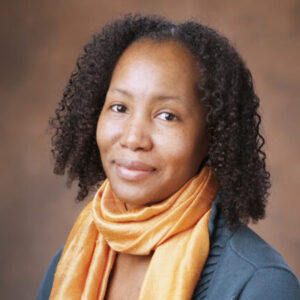
Rui Li is an Associate Professor in the Ph.D. program at Rochester Institute of Technology's Golisano College of Computing and Information Sciences. She directs the Lab for Use-inspired Computational Intelligence (LUCI), focusing on AI applications in computational biology and medical imaging. Education includes: B.Sc. in Computer Science, Harbin Institute of Technology M.Sc. in Computer Science, Tianjin University of Technology Ph.D. in Computing and Information Sciences, RIT Research integrates statistical machine learning with computational biology, medical image analysis, and human visual attention modeling. Current projects include deep learning for histopathology, multimodal medical image registration, and gene network inference. Publications demonstrate consistent focus on medical AI applications, with recent advances in unsupervised image registration, interactive segmentation, and multimodal fusion techniques. Key trends include self-supervised learning, uncertainty-aware models, and human-AI collaboration frameworks. Awards include the NSF CAREER Award for developing adaptive machine intelligence systems. Advises multiple PhD students on projects spanning deep learning architectures, biomedical image analysis, and biological network modeling. Leads several NSF-funded projects including human-centered image understanding systems and gene-protein network inference tools. Directs LUCI lab investigating machine learning for healthcare applications and teaches graduate courses in Statistical Machine Learning and Deep Learning.
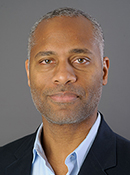
Audrey Bowden is an Associate Professor at Vanderbilt University in both the Department of Biomedical Engineering and Department of Electrical and Computer Engineering . She is also the Dorothy J Wingfield Phillips Chancellor Faculty Fellow . Education: PhD in Biomedical Engineering (2007) from Duke University BSE in Electrical Engineering (2001) from Princeton University Research Interests: Bowden's work focuses on biomedical optics and point-of-care diagnostics , with a strong emphasis on addressing healthcare disparities through low-cost technologies. Key areas include: Biomedical Imaging Biophotonics Image Processing Machine Learning in Medical Imaging Optical Coherence Tomography (OCT) Functional Near-Infrared Spectroscopy (fNIRS) Publication Trends: Recent work combines machine learning with endoscopic imaging to differentiate cancer from inflammation, develops low-cost OCT systems for smartphones, and improves fNIRS accessibility for diverse patient populations. Her lab also focuses on 3D reconstruction algorithms for urological applications and specular reflection removal in endoscopic videos. Lab & Clinical Collaborations: The Bowden Biomedical Optics Laboratory (BBOL) collaborates with clinical departments including urology , dermatology , otolaryngology , and women's health . The lab integrates optics , microfluidics , and computer science to create hardware/software tools for resource-constrained environments.
Gokhan Kilic, MD , is a Professor in the Department of Obstetrics & Gynecology at the University of Texas Medical Branch (UTMB). He serves as Director of the Urogynecology Fellowship Program and Division Director of Gynecology, with a focus on minimally invasive and robotic surgery. Dr. Kilic holds the Endowed Faculty Chair in Obstetrics and Gynecology Honoring Alvin L. LeBlanc, MD, Harry M. Little, Jr, MD, and L Charles Powell, MD. Board Certified in Obstetrics and Gynecology Board Certified in Female Pelvic Medicine and Reconstructive Surgery Fundamental Laparoscopic Surgery Certification Dr. Kilic's research emphasizes urogynecology , pelvic floor disorders , and robotic surgical techniques . His work includes clinical studies on urinary incontinence, fall risk in older women, and innovative treatments for adenomyosis, blending laboratory research, non-human studies, and clinical trials. Recent publications highlight trends in geriatric urogynecology , robotic hysterectomy , and pharmacological interventions for pelvic health. Dr. Kilic's studies often address comorbidities in aging populations and the effectiveness of pelvic floor muscle training. Scientific Awards : Fellow of the American College of Obstetricians and Gynecologists (ACOG), Fellow of the American College of Surgeons (ACS), and Endowed Faculty Chair at UTMB. Dr. Kilic actively trains students, residents, and physicians in minimally invasive surgery. He leads research initiatives in UTMB's Obstetrics & Gynecology Department, focusing on improving pelvic health outcomes through interdisciplinary collaboration.
Guillermo A. Ameer serves as the Daniel Hale Williams Professor of Biomedical Engineering at Northwestern University's McCormick School of Engineering and Professor of Surgery in the Feinberg School of Medicine. He directs the Center for Advanced Regenerative Engineering (CARE) and maintains affiliations with the Simpson-Querrey Institute, Chemistry of Life Processes Institute, and the IBiS Graduate Program. His leadership extends to founding the Regenerative Engineering Laboratory, which pioneered citrate-based antioxidant biomaterials known as polydiolcitrates. Americas' leading innovator in regenerative engineering, Ameer's research spans vascular, orthopaedic, and bladder tissue engineering. His lab developed Nanonets™ thermoresponsive oligomers and photoresponsive liquid polymers for applications including wound healing, islet transplantation, and 3D-printed vascular scaffolds. Notable breakthroughs include bioresorbable stents, bladder regeneration scaffolds, and diabetic wound healing technologies that have received FDA clearance and commercial implementation through companies like Acuitive Technologies and VesselTek BioMedical. His publication record demonstrates consistent innovation in biomaterials science, with research trends showing progression from fundamental polymer chemistry to sophisticated clinical applications. Recent work focuses on electroactive bladder scaffolds, 3D-printed vascular devices, and wearable health monitoring systems, reflecting his commitment to translating laboratory discoveries into tangible medical solutions. The 2025 launch of the Regenerative Engineering Institute underscores his growing institutional impact. Percy L. Julian Award (2024) BMES Athanasiou Medal of Excellence in Translational Bioengineering (2023) Election to National Academy of Medicine (2021) National Academy of Inventors Fellow (2019) AAAS Fellow (2018) AIChE Fellow (2017) Ameer has mentored over 30 PhD and Master's students who now lead research at institutions including Penn State, USC, and the FDA. His lab secures substantial NIH funding, including an American Recovery and Reinvestment Act Challenge Grant for liquid cast arterial stents. Current projects include the development of citrate-based biomaterials for bladder regeneration, diabetic wound healing, and bioresorbable vascular scaffolds, with multiple technologies transitioning to clinical applications through partnerships with medical device companies. The Regenerative Engineering Laboratory maintains a collaborative interdisciplinary environment with approximately 20 researchers spanning engineering and natural sciences disciplines. Recent initiatives include the development of wearable skin gas sensors (2025) and CITREPORE™ bone void filler (2024), demonstrating the lab's capacity to address diverse clinical challenges through biomaterials innovation.
Prof. Abdullah Erdem Canda is a Professor of Urology at Koç University School of Medicine and leading robotic surgery specialist. He serves on the Board of the European Robotic Urology Society (ERUS) and trains surgeons internationally. Clinical expertise includes robot-assisted procedures for prostate, kidney, and bladder cancers. He developed novel techniques for intracorporeal neobladder reconstruction and has performed over 800 robotic surgeries. Awarded multiple prizes by ERUS for research innovations in urologic oncology.
Dr. Sharib Ali is a Lecturer (Assistant Professor) in the School of Computer Science at the University of Leeds, Faculty of Engineering and Physical Sciences. He is affiliated with the Leeds Cancer Research Centre and actively contributes to research in biomedical image analysis and computer vision. His work bridges cutting-edge AI with clinical applications, particularly in endoscopy and surgical technologies. PhD in Medical Image Analysis, University of Lorraine, France MSc in Computer Vision (by research), University of Burgundy, France Dr. Ali's research focuses on biomedical image analysis , computer vision , and machine learning , with applications in early cancer detection , computational endoscopy , and 3D reconstruction . He develops robust algorithms for segmentation, registration, depth estimation, and mosaicking, using both classical mathematical models and deep learning. His work emphasizes translational research and generalisability in real-world clinical settings. The recent publications highlight a strong trend in generalisability assessment , multi-modal data fusion , and AI benchmarking in endoscopy. His work spans from foundational algorithm development to clinical deployment, including federated learning , mixed reality in surgery , and multi-centre datasets , addressing key challenges like bias, data imbalance, and privacy. Dr. Ali has co-supervised multiple DPhil/PhD students and currently supervises several PhD candidates at the University of Leeds, University of Oxford, and Tec de Monterrey. He is actively involved in securing research funding and leading projects such as Leveraging multi-modality data for targeted biopsy and Federated learning in healthcare . He is a founding member of NAAMII, Nepal, where he volunteers to train students from LMICs. He also organizes international research initiatives including the EndoCV and P2ILF challenges at MICCAI, and serves on program committees and as a reviewer for journals like Nature Communications and Medical Image Analysis . His research is conducted within interdisciplinary teams, collaborating with clinicians from Oxford NHS University Hospitals, neuroscientists at Forschungszentrum Jülich, and engineers across Europe. He leads the development of open tools and datasets to advance the field of endoscopic computer vision.
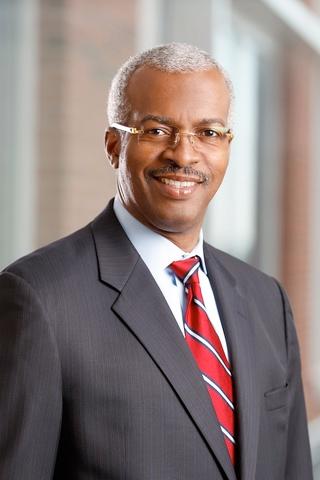
Jean V. Joseph, M.D., M.B.A. currently serves as W.W. Scott Professor and Chairman of the Department of Urology, and Professor of Oncology at the University of Rochester Medical Center. He is a prominent figure in urologic surgery with leadership roles including President of the Society of Urologic Robotic Surgery and board memberships with the Society of Academic Urologists, Endourology Society, and American Board of Urology. Dr. Joseph completed his undergraduate education at Boston University and earned his MD from the University of Rochester School of Medicine. He completed his urology residency at the University of Rochester Medical Center in 1998, followed by fellowship training in reconstructive urologic surgery at University College London. He furthered his expertise with a master class in laparoscopic prostatectomy at the Institute Mutualiste Montsouris in Paris and earned an MBA from the Rochester Institute of Technology in 2004. A pioneer in robotic surgery, Dr. Joseph specializes in robotic procedures for urologic diseases, particularly prostate cancer. His research focuses on surgical innovation, novel robotic technology applications, simulation techniques, and patient outcomes. He has participated in numerous international live robotic surgery demonstrations, including the first live robotic prostatectomy transmission to the American Urological Association in 2010. His recent publications reflect continued innovation in robotic platforms, surgical training methodologies, and prostate cancer treatment approaches. Dr. Joseph has received multiple awards including the Boston Scientific Fellowship Grant (2007-2015), Upstate New York Resident's Day Competition 1st prize (1998), and several academic and community service awards throughout his career. His editorial leadership and contributions to the field have been recognized through invitations to edit books, author chapters, and serve as course director for major urological meetings. As an educator and mentor, Dr. Joseph has trained numerous surgeons in robotic techniques and has developed curricula for surgical simulation training. His leadership extends to institutional governance as he has served on the Board of the University of Rochester Medical Center and multiple national professional organizations. His surgical laboratory focuses on developing and validating performance metrics for robotic surgery and implementing innovative simulation platforms using 3D printing and hydrogel technology.
Warren M. Grill is the James B. Duke Distinguished Professor and Bass Fellow at Duke University, holding appointments in Neurobiology, Neurosurgery, and Biomedical Engineering. He serves as Core Faculty in Innovation & Entrepreneurship, a Faculty Network Member of the Duke Institute for Brain Sciences, and an Associate of the Duke Initiative for Science & Society. His research employs engineering approaches to understand and control neural function, with a focus on electrical stimulation of the nervous system to restore function in neurological disorders. Ph.D., Case Western Reserve University (1995) M.S., Case Western Reserve University (1992) B.S., Boston University (1989) Dr. Grill's research spans multiple areas of neural engineering and neuromodulation. His work focuses on developing engineering approaches to understand and control neural function, particularly through electrical stimulation of the nervous system. Current projects include deep brain stimulation for movement disorders, peripheral nerve stimulation for bladder function restoration, spinal cord stimulation for chronic pain, transcranial magnetic stimulation, and novel electrode and waveform design. His research integrates computational modeling with experimental approaches to advance bioelectronic medicine. Dr. Grill's recent publications (2023-2025) demonstrate a strong focus on computational modeling of neural stimulation, with particular emphasis on deep brain stimulation, vagus nerve stimulation, and transcranial magnetic stimulation. His work increasingly integrates advanced computational methods with experimental validation across multiple species. There's a clear trend toward developing more selective and efficient stimulation paradigms, understanding cross-species translation of stimulation parameters, and identifying novel therapeutic targets for neurological disorders. Fellow, National Academy of Inventors (2022) Capers & Marion McDonald Award for Excellence in Teaching and Research, Pratt School of Engineering (2018) Javits Neuroscience Investigator Award, NIH-NINDS (2015) Scholar / Teacher of the Year Award, Duke University (2014) Outstanding Postdoc Mentor, Duke University (2013) Fellow, Biomedical Engineering Society (2011) Fellow, American Institute for Medical and Biological Engineering (2007) Dr. Grill has mentored numerous students and postdocs, many of whom have gone on to successful careers in academia and industry. His lab has been consistently supported by major NIH grants, including the Javits Neuroscience Investigator Award from NIH-NINDS. He has also secured funding from various foundations and industry partners to advance his research in neural engineering and bioelectronic medicine. Dr. Grill is known for his collaborative approach, working with clinicians, engineers, and basic scientists across multiple institutions. Dr. Grill leads a vibrant research laboratory at Duke University that combines expertise in neural engineering, computational neuroscience, and experimental neurophysiology. His team includes graduate students, postdoctoral fellows, and research staff working on various aspects of neural stimulation. He is actively involved in the Duke Institute for Brain Sciences and collaborates with members of the Deep Brain Stimulation Think Tank. His lab has developed several innovative computational models and experimental approaches that have significantly advanced the field of neuromodulation.
Alayne D. Markland, DO, MSc is a tenured Professor and holds the D. Kevin Barnes, MD and Dottie Barnes Presidential Endowed Chair in the Division of Geriatrics within the Department of Internal Medicine at the University of Utah. She serves as Executive Director of the Center on Aging and is an investigator at the Salt Lake City VA Health Care System's Geriatric Research, Educational, and Clinical Center (GRECC). Dr. Markland is nationally and internationally recognized for her expertise in lower urinary tract disorders, women's health, and aging. Dr. Markland received her D.O. from the University of North Texas Health Science Center, College of Osteopathic Medicine, a B.S. in Biology from Southwestern University, an M.Sc. in Clinical Investigation from the University of Texas Health Science Center at San Antonio, and completed her Geriatric Medicine Fellowship at the same institution. She also completed her Internal Medicine Residency at the University of California, Davis Medical Center. Her research focuses on optimizing community-based life functioning through the prevention and treatment of geriatric syndromes, with specific emphasis on lower urinary tract symptoms and incontinence. Dr. Markland's work spans population-based studies, multicenter clinical trials, and implementation studies to increase access to incontinence care using technology. She has published over 190 peer-reviewed publications with more than 10,000 citations and brings 20 years of clinical experience treating adults with lower urinary tract symptoms. Analysis of Dr. Markland's recent publications reveals a strong focus on bladder health across the lifespan, particularly women's bladder health, urinary incontinence, and the relationship between mental health and lower urinary tract symptoms. Her work increasingly incorporates mobile health technology to improve access to care and examines social determinants of health as they relate to bladder conditions. D. Kevin Barnes, MD and Dottie Barnes Presidential Endowed Chair NIA K24 Mid-career Award in Aging Research ("Research and Mentoring Program in Improving Access to Incontinence Care for Older Adults") Continual NIH and VA funding throughout her career Dr. Markland serves as Principal Investigator on multiple significant grants including a NIDDK-funded U01 grant, two NIDDK-funded R01 grants, and an implementation consortium grant from AHRQ/DHHS. She actively mentors early-stage investigators through her NIA K24 award and has served as an ad-hoc member on NIH and VA study sections. Her research program encompasses over 190 peer-reviewed publications with more than 10,000 citations according to Google Scholar. As Executive Director of the Center on Aging at the University of Utah, Dr. Markland leads interdisciplinary research initiatives focused on aging-related conditions. Her work with the Prevention of Lower Urinary Tract Symptoms (PLUS) Research Consortium represents a major collaborative effort to understand bladder health across the female lifespan. She also collaborates extensively with the Geriatric Research, Educational, and Clinical Center (GRECC) at the Salt Lake City VA, where she investigates interventions to improve care for older veterans.
Katie T. Anderson, M.D. is an Assistant Professor of Urology at Mayo Clinic in Rochester, Minnesota, serving as a Consultant in the Department of Urology. She holds leadership roles as Associate Program Director for the Trauma and Genitourinary Reconstructive Surgery Fellowship (2023-present) and Director of Simulation Education for the Department of Urology (2022-present). Dr. Anderson specializes in genitourinary trauma and reconstruction, with clinical expertise in neurogenic bladder, urethral stricture disease, and acquired buried penis. Fellowship - Genitourinary Reconstructive Surgery, University of Minnesota Medical Center (2020) Residency - Urologic Surgery, University of Pittsburgh Medical Center (2019) Internship - General Surgery, University of Pittsburgh Medical Center (2015) Doctorate of Medicine, University of Minnesota Medical School (2013) BS, University of St. Thomas (2009) Dr. Anderson's research program focuses on advancing quality of life for patients with neurogenic bladder, developing strategies to prevent soft tissue damage following pelvic radiation, and understanding imposter phenomenon's impact on urologist burnout. Her work includes evaluating frailty's relationship to bladder augmentation outcomes, standardizing surgical approaches for acquired buried penis, and establishing long-term quality-of-life data following urinary diversions. She leads multi-institutional studies examining radiation cystitis treatments and quality-of-life outcomes. Her recent publications demonstrate a cohesive research trajectory centered on surgical outcomes, quality improvement, and physician wellness. Analysis of her 15 most recent articles reveals strong emphasis on technical innovations in urethroplasty, urinary diversion standardization, and the critical intersection of mental health and surgical practice. A distinctive contribution is her investigation into imposter phenomenon among urologists, addressing a previously underexplored factor in physician burnout and career longevity. 2023 Hall of Fame Inductee, University of Saint Thomas 2023 Best Podium Presentation: 'Variability in surgical codes in the treatment of adult acquired buried penis,' Genitourinary Reconstructive Surgeons 2022 Best Video Abstract Award, North Central Section of American Urologic Association 2021 NCS Traveling Fellowship Award, North Central Section - American Urological Association 2020 Best Poster Award: 'Frequent of patient-reported UTIs predicts quality of life after SCI,' AUA Annual Meeting As Director of Simulation Education, Dr. Anderson oversees advanced training programs for urology residents and fellows. Her leadership in the Trauma and Genitourinary Reconstructive Surgery Fellowship program demonstrates commitment to developing the next generation of specialists. She has secured research support through professional society mechanisms including the Genitourinary Reconstructive Surgeons Traveling Fellow Scholarship, enabling her multi-institutional studies on quality-of-life outcomes and radiation cystitis treatments. Her work on opioid-free surgical pathways reflects innovative approaches to patient care in the context of the national opioid crisis.
Paul E. Andrews, M.D., serves as Professor of Urology and Consultant in the Department of Urology at Mayo Clinic in Phoenix, Arizona. His clinical profile emphasizes expertise in urological oncology with specialization in minimally invasive, laparoscopic, and robotic surgical techniques for renal and prostate malignancies. Dr. Andrews' research focuses on: Urological oncology and nerve-sparing surgery for prostate/bladder cancer Continent neobladder reconstructive surgery Laparoscopic and robot-assisted procedures including nephrectomy, prostatectomy, and cystectomy Preservation of renal function to avoid dialysis His work has significantly improved patient outcomes through advances in minimally invasive techniques. Notable awards include: Charles H. Mayo, M.D., Distinguished Mayo Clinician Award (2010) Initial Gershom J. Thomson Award for Advances in Urology (2002) Educator of the Year, Department of Urology (2014) James H. DeWeerd Award for Excellence in Urology (1999) Dr. Andrews has held significant leadership roles including Chair of the Department of Urology (2011-2018), Executive Operations Team Vice Chair (2018-2022), and Medical Director of Simulation-Based Education (2008-2012). He directs the Laparoscopic Donor Nephrectomy Program and has served on numerous institutional committees focused on clinical practice, surgical innovation, and education.
Andrew V. Scott, MD, serves as a Clinical Assistant Professor in the Department of Anesthesiology at the University of Utah, providing clinical care at University of Utah Hospital in Salt Lake City. Board-certified by the American Board of Anesthesiology and National Board of Medical Examiners, he specializes in cardiothoracic and critical care anesthesiology with a focus on blood management. His educational trajectory includes: Undergraduate: B.S. in Biochemistry from Loyola University New Orleans Medical Degree: M.D. from Johns Hopkins University School of Medicine Internship: Internal Medicine at Mercy Medical Center, University of Maryland School of Medicine Residency: Anesthesiology at Johns Hopkins Hospital Fellowships: Critical Care Anesthesiology at Johns Hopkins Hospital Cardiothoracic Anesthesiology at University of Colorado School of Medicine Transfusion and Bloodless Medicine at Johns Hopkins University School of Medicine Dr. Scott's research centers on transfusion medicine and bloodless surgical techniques , investigating blood storage effects, autologous salvage efficacy, and outcomes in transfusion-averse patients. His work bridges perioperative physiology with practical clinical applications in high-risk surgical settings, particularly within cardiothoracic and oncologic procedures. Analysis of his 12 publications (2015-2022) reveals consistent focus on blood conservation strategies and transfusion optimization . Key themes include blood storage duration impacts, perioperative temperature management, and bloodless care protocols, with strong emphasis on clinical outcomes and cost-effectiveness in complex surgical populations. No scientific awards were documented in the source material. While no student mentoring or grant activities were specified, his collaborative publications with institutions like Johns Hopkins and University of Colorado indicate active research partnerships. His work demonstrates translational focus from laboratory investigations to clinical implementation. Though specific laboratory affiliations weren't mentioned, his publications suggest involvement in perioperative blood management initiatives and transfusion research consortia at major academic medical centers.
Stephen Ramsey, an Associate Professor at Oregon State University, holds dual appointments in the School of Electrical Engineering and Computer Science (College of Engineering) and the Department of Biomedical Sciences (Carlson College of Veterinary Medicine). With a PhD in Physics from the University of Maryland, his postdoctoral training in computational genomics at the University of Washington, and professional experience at the Institute for Systems Biology and Center for Infectious Disease Research, Ramsey bridges computational methods with biomedical applications. Education : Ph.D., Physics, University of Maryland; M.S., Physics, University of Maryland; Sc.B., Mathematical Physics, Brown University Ramsey specializes in computational systems biology , focusing on bioinformatics , biomedical knowledge graphs , and precision medicine . His research integrates machine learning , gene regulatory network modeling , and multi-omics data analysis to address challenges in rare disease diagnostics , drug monitoring , and inflammatory disease mechanisms . Current work includes AI-driven biomedical translation and electrochemical biosensor development for non-invasive diagnostics . Recent publications highlight knowledge graph applications in translational biomedicine , causal network inference in clinical-environmental data integration , and cross-species cancer transcriptomics . His team develops tools like RTX-KG2 and PloverDB to standardize biomedical data sharing and semantic reasoning . Scientific Awards : 2019 Zoetis Award (Carlson College of Veterinary Medicine) 2016 NSF CAREER Award 2016 PhRMA New Investigator Award 2010 NIH K25 Mentored Quantitative Research Award Ramsey advises in computational biology courses (CS 446/546) and contributes to biomedical AI through projects like mediKanren for rare disease diagnostics . His NSF-funded research explores gene expression noise and regulatory network dynamics , while NIH and PhRMA grants support his translational medicine initiatives. He leads the Ramsey Laboratory , which develops graph-based reasoning tools for biomedical data translation and multi-omics integration . The lab's work spans comparative oncology models, electrochemical biosensors , and knowledge graph infrastructure for clinical decision support .
Richard S. Bercik, MD is a full-time Associate Professor at Yale School of Medicine in the Department of Obstetrics, Gynecology, and Reproductive Sciences. He is a member of the Section of Urogynecology and Reconstructive Pelvic Surgery within the Ob/Gyn department. Dr. Bercik serves as an expert in female pelvic floor disorders and is affiliated with Yale Medicine and Yale Ventures. Dr. Bercik obtained his medical degree from the University of Medicine and Dentistry of New Jersey (1983) and completed his Obstetrics and Gynecology residency at New York Medical Center (1987). Prior to joining Yale, he served as Director of Gynecology and Chief of Service of OB/GYN at Bellevue Hospital Center in New York City, and Co-Director of the Urogynecology/Pelvic Reconstructive Surgery service at Bellevue. Dr. Bercik specializes in female pelvic floor disorders including urinary incontinence and pelvic organ prolapse, with approximately 20 million American women experiencing loss of bladder control and about 3 million women affected by organ prolapse. His clinical expertise encompasses vaginal, laparoscopic, and abdominal reconstructive procedures for conditions including urinary incontinence, fecal incontinence, pelvic organ prolapse, and vaginal fistulae. He focuses his clinical research on advanced laparoscopic and robotic surgery, pelvic floor reconstruction, vaginal hysterectomy for the enlarged/fibroid uterus and vaginal fistulae, and continues to direct clinical research in new modalities for the treatment of pelvic organ prolapse and urinary incontinence. Dr. Bercik has published numerous articles in his field, with research spanning from molecular mechanisms of pelvic floor disorders to clinical outcomes of surgical interventions and more recently, studies examining digital health information dissemination. His work demonstrates a progression from basic science investigations of HOX genes in pelvic support structures to clinical applications and health communication research. Best Doctors in Connecticut (2020) Excellence in Surgical Teaching Award (2019) Best Doctors in Connecticut (2019) APGO Excellence in Teaching Award (2018) Best Doctors in Connecticut (2018) Dr. Bercik is actively involved in teaching and mentoring, having instructed residents and fellows in advanced gynecologic surgery throughout his career. He lectures internationally on minimally invasive approaches for stress urinary incontinence and vaginal repair surgery. As a Fellow of the American College of Obstetrics and Gynecology and Board-Certified by the American Board of Obstetrics and Gynecology in Female Pelvic Medicine and Reconstructive Surgery, he maintains active clinical practice while contributing to research advancements in his field.
Professor Faruk Yağci is a distinguished academic and clinical expert at Gaziantep University Faculty of Medicine, Department of Surgical Medical Sciences, specializing in Urology. With over 68 peer-reviewed publications and 4 book chapters, his work focuses on bladder cancer , kidney stone disease , prostate disorders , and minimally invasive surgical techniques , particularly in adult and pediatric populations. His research spans urodynamics , lithotripsy , laparoscopic procedures , and molecular mechanisms of renal tubular apoptosis . He has contributed to comparative studies on plasmakinetic vs. monopolar transurethral resection and endourological management of pediatric urolithiasis . Notably, he has collaborated with Dr. Mehmet Sakip Erturhan and Dr. Ömer Bayrak on multi-center trials. Professor Yağci has supervised multiple thesis projects, including studies on prostate-specific antigen derivatives and GnRH agonists in metastatic prostate cancer . His clinical leadership extends to complication analysis in radical nephrectomy and cost-effectiveness evaluations of surgical interventions.