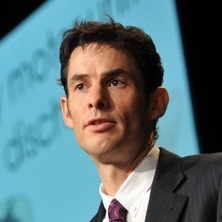
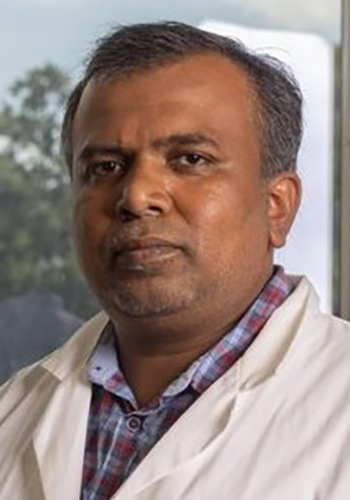
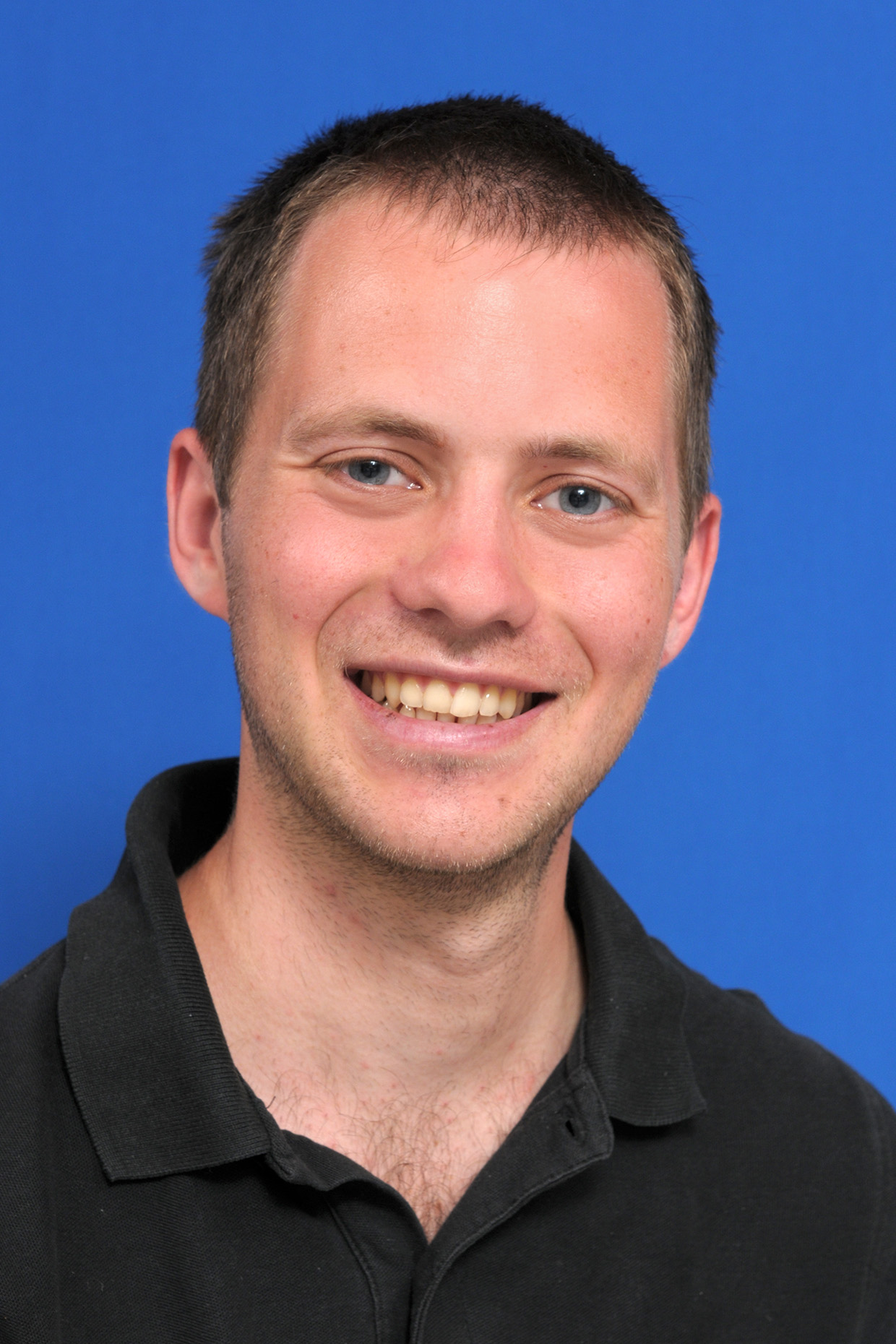
Thomas Voets is a full professor at the Faculty of Medicine, KU Leuven, and head of the Laboratory for Ion Channel Research (VIB-KU Leuven). He is a member of the VIB-KU Leuven Center for Brain Research and the KU Leuven Brain Institute. Department of Cellular and Molecular Medicine His research focuses on TRP channels, chronic pain mechanisms, ion channelopathies, and microglial roles in neurodevelopmental disorders. Recent projects include HumanBLISS (bladder wall sensory innervation), TRPM3 in chronic pain, and models for TRPM3-related developmental diseases. Key publications address TRP channel structures, pain pathways in cancer patients, and microglial cytoskeletal control in synaptic deficits. Collaborations span molecular spine development (GPR158-PLCXD2) and neurodegenerative models (APOE deficiency). Teaching includes courses in Cell Physiology, Biomedical Measurement Techniques, and Mathematical Models in Medicine.
Professor Changhao Wu holds a position in Cell Physiology at the University of Surrey's School of Biosciences. Previously, he served as a Lecturer (1995-2000) and Senior Lecturer (2001-2008) at University College London's Department of Medicine and Institute of Urology. His research focuses on cellular physiology/pathophysiology, ageing, oxidative stress, inflammation, and environmental medicine. Key areas include excitable/non-excitable tissue biology, renal/epithelial dysfunction, and toxicological mechanisms. Recent work addresses trichloroethylene-induced immune injury, bisphenol A effects in obesity, and gastric cancer metastasis. He contributes to translational studies in heart slices and cancer outcomes. His publications span toxicology, oncology, and immunology, with a focus on molecular mechanisms and clinical implications. Research interests include: Cellular responses to environmental toxins (e.g., trichloroethylene, bisphenol A) Inflammatory pathways in renal and liver injury Metabolic dysfunction and obesity-related pathologies Cancer metastasis and therapeutic targets NADPH oxidase (Nox) signaling in urothelial dysfunction Publications highlight interdisciplinary approaches to toxicology, oncology, and immunology. His work bridges basic science and clinical applications, such as identifying novel drug effects on cardiac tissue and elucidating mechanisms of chemical-induced autoimmune responses. Collaborative studies include investigations into complement system dysregulation and miRNA roles in disease progression.
Professor Paul W. Hodges is an NHMRC Leadership Fellow (Level 3) and Professor at The University of Queensland's School of Health and Rehabilitation Sciences, Faculty of Health, Medicine and Behavioural Sciences. He serves as Director of the Centre for Innovation in Pain and Health Research (CIPHeR). NHMRC Leadership Fellow (Level 3) Director, CIPHeR International Collaborator (Universities of Adelaide, South Australia) Research Focus : Integrating molecular biology, brain physiology, and human function to understand pain mechanisms and movement control. His work spans: Pain Mechanism Discrimination Neuromuscular Adaptation Pelvic Floor & Continence Low Back Pain Rehabilitation Musculoskeletal Imaging Article Trends : Recent publications demonstrate expertise in: Ultrasound Imaging for Pelvic Floor Assessment Pain Phenotyping & Biomarker Development Neuroinflammatory Mechanisms in Chronic Pain Exercise Physiology for Spine Health Sex-Based Pain Differences Scientific Awards : 5× ISSLS Prize Winner (Basic/Co-Clinical Science) 2010 Susanne Klein-Vogelbach Award 2009 Delsys Prize 2011 NHMRC Achievement Award Leadership : Chairs international task forces for IASP and ISEK. Leads NHMRC Synergy Grant with Australian/US collaborators.
Dr. Steven Petit is a Researcher in the Radiotherapy department at Erasmus MC. His research focuses on advanced radiation therapy techniques, imaging systems optimization, and radiation-induced toxicity prediction. Key areas include prostate and lung cancer treatment planning, CBCT imaging accuracy, and HPV-related oropharyngeal carcinoma diagnostics. Recent work explores ex vivo functional assays for mucosal toxicity prediction and MRI-based cancer subtype differentiation. He contributed to a European Society of Radiotherapy and Oncology mentoring program evaluation, emphasizing professional development initiatives in oncology. Collaborations span multidisciplinary teams in molecular biology, radiology, and clinical oncology. His research outputs include 72 publications with recent emphases on radiation dosimetry, imaging technology advancements, and translational research in cancer treatment.
Anto Sam Crosslee Louis Sam Titus is an Assistant Professor in the Department of Biomedical Engineering at the University of Houston. Their research focuses on biomarker discovery, molecular mechanisms of diseases (e.g., lupus nephritis, breast cancer), and advanced diagnostic technologies using imaging mass cytometry, proteomics, and microfluidic devices. They also explore neurodegenerative diseases and epigenetic regulation of genes like Bdnf and MeCP2. Key research areas include: Biomarker development in kidney disease and cancer Machine learning applications in medical diagnostics Multiphoton lithography for flexible bioelectronics Neurological disorders and gene expression modulation Publications span 2017–2024, emphasizing translational research at the intersection of engineering and medicine. While no awards are explicitly listed, their work demonstrates impactful contributions to neuropsychiatric lupus, bladder cancer diagnostics, and HDAC3-mediated gene repression. Advising and grant details are not provided in the text, but their lab focuses on interdisciplinary biomedical engineering challenges.
Jason Lee, MD is an Assistant Professor in the Department of Urology at Yale School of Medicine. His clinical focus includes benign prostatic hyperplasia (BPH), kidney stones, urinary tract cancers, and voiding dysfunction. He specializes in minimally invasive procedures such as holmium laser enucleation of the prostate (HoLEP) and robotic-assisted surgery. Education: BA in Biology from University of Pennsylvania (2013); MD from Icahn School of Medicine at Mount Sinai (2017); Urology Residency at Massachusetts General Hospital (2023). Research: Investigates BPH pathophysiology, bladder cancer genomics, and systemic urinary tract infections. Recent work focuses on predicting septic shock risks during ureteral stenting and optimizing fluid management during ureteroscopy. Dr. Lee’s research spans 10+ peer-reviewed publications in journals such as Journal of Urology and BJU International . He actively contributes to clinical trials evaluating novel diagnostic techniques and surgical outcomes.
Osamah J. Saeedi, MD, MS is an Associate Professor of Ophthalmology at the University of Maryland School of Medicine and Adjunct Associate Professor of Bioengineering at the University of Maryland, College Park. He serves as Director of Clinical Research, Director of the Glaucoma Division, and Vice Chair for Academic Affairs in the Department of Ophthalmology and Visual Sciences. Education: BSE Chemical Engineering, University of Pennsylvania (2002) MD, University of Texas Southwestern (2007) Preliminary Internal Medicine, Baylor College of Medicine (2008) Ophthalmology Residency, University of Texas Southwestern (2011) Glaucoma Fellowship, Wilmer Eye Institute, Johns Hopkins University (2012) MS Epidemiology and Clinical Research, University of Maryland Baltimore (2018) Dr. Saeedi's research centers on glaucoma—a leading cause of blindness affecting 3+ million Americans—with focus on novel imaging biomarkers for early detection. His work investigates ocular blood flow dynamics, advanced ophthalmic imaging techniques, health services research for underserved populations, and genetic factors in glaucoma progression. This research aims to prevent vision loss through improved diagnostics, potentially saving billions in healthcare costs. Analysis of his 13 publications (2007-2016) reveals dominant glaucoma research (8 papers), particularly on imaging biomarkers and blood flow. Recent work (2015-2016) shows expansion into health services research for glaucoma patients and innovative diagnostic approaches, indicating a strategic shift toward translational applications and patient-centered outcomes in ophthalmic care. Awards: NIH Career Development Award (K23) Grants: NIH K23 Award for glaucoma biomarker development American Glaucoma Society research funding Dr. Saeedi leads the Glaucoma Division and Clinical Research program at the University of Maryland, directing multidisciplinary teams in developing imaging protocols and clinical trials to advance glaucoma diagnosis and treatment strategies.
Giorgio Stassi serves as a Professor in the Department of Surgical and Oncological Disciplines at the School of Medicine and Surgery , University of Palermo . His research focuses on cancer stem cells (CSCs) across colorectal, breast, and thyroid malignancies, with emphasis on microenvironment interactions and therapy resistance mechanisms. Office hours are held weekly at the Laboratory of Cellular and Molecular Pathophysiology in Palermo. His research interests include: Precision Medicine applications in CSC-targeted therapies Immunological profiling of tumor microenvironments Epigenetic and metabolic drivers of chemoresistance Bioinformatic analysis of CSC phenotypes Drug repurposing for CSC eradication Recent publications demonstrate a clear trend toward computational oncology and immunomicroenvironment engineering , with notable work on tumor-on-chip systems, NGS-based prognostics, and macrophage-CSC crosstalk. Key journals include Magazine article and Review essay formats addressing clinical translation of laboratory findings. No scientific awards were documented in the provided materials. His supervisory activities include thesis guidance ("Tesi curate") and Erasmus program coordination, though specific students and projects aren't listed. Research is conducted primarily at the Laboratory of Cellular and Molecular Pathophysiology , with institutional support from the ATeN Center and ASCENT Advanced Studies Centre.
David Long is Professor of Paediatric Nephrology at University College London's Great Ormond Street Institute of Child Health (GOSICH). He serves as Head of the Developmental Biology and Cancer Department, co-leads the UCL Centre of Kidney and Bladder Health, and acts as Deputy Theme Lead of the Gene, Cell and Stem Theme at the Great Ormond Street Biomedical Research Centre. With over 80 publications cited more than 6,000 times and an H-index of 42, his research focuses on understanding kidney disease mechanisms to develop novel therapies for patients. David Long earned his Doctor of Philosophy from University College London in 2003 and his Bachelor of Science (Honours) from the University of Southampton in 1999. His initial research experience was gained in the Nephro-Urology Unit at GOSICH under Professor Adrian Woolf as an MRC-funded PhD student. Professor Long's research mission centers on understanding mechanisms underlying kidney disease in children and adults to translate findings for patient benefit. His laboratory combines experimental models of kidney disease using zebrafish, transgenic mice, and patient samples with innovative technologies including three-dimensional imaging, mathematical modeling, gene editing, stem cell technology, and novel therapeutic approaches. His work is particularly important given the UK has 70,000 patients with end-stage kidney disease requiring dialysis or transplantation, with an annual cost of the UK ESKD programme conservatively estimated at £1 billion. Analysis of Professor Long's recent publications reveals a strong focus on kidney lymphatic vessels, polycystic kidney disease, and glomerular pathology. His work increasingly utilizes advanced technologies like single-cell transcriptomics, three-dimensional imaging, and microfluidic organ-on-chip platforms. A significant theme is the investigation of lymphatic vessel function in kidney health and disease, particularly in polycystic kidney disease and transplant rejection. His research also explores novel therapeutic approaches including vincristine for podocyte damage and cardiotrophin-1 for glomerular disease, demonstrating the interdisciplinary nature of his work bridging basic science with clinical applications. Wellcome Trust Investigator Award (2020-2025) Medical Research Council New Investigator Award (2012) Kidney Research UK Senior Non-Clinical Fellowship (2008-2014) UCL Bogue Research Fellowship MRC-funded PhD Professor Long has supervised seventeen PhD students (ten as primary supervisor) and managed eleven postdoctoral fellows, three research assistants, and a Wellcome Trust MD/PhD clinical fellow. His research group has expanded to over fifteen members, making him one of the few non-clinical scientists leading a renal group in the UK. His funding includes grants from the MRC, Kidney Research UK, Diabetes UK, Kids Kidney Research, and the GOSICH Children's Charity. He has also been a member of the Kidney Research UK Research Grants Committee (2014-22) and currently serves as an academic editor for PLoS One and on the Journal of the American Society of Nephrology editorial board. Professor Long leads the Kidney Development and Disease Group (KDD) at UCL Great Ormond Street Institute of Child Health, a team of clinicians and scientists with the ultimate aim to develop new therapies for patients with kidney disease. He also co-established and co-leads the UCL Centre of Kidney and Bladder Health. His laboratory has grown to over fifteen members, focusing on innovative approaches to understand and treat kidney diseases, with current work supported by a Wellcome Trust Investigator Award examining how lymphatic vessels grow, work, and communicate with other cells in growing or diseased organs.
Anne M. Kennedy, MB, BCh, BAO is a Professor (Clinical) in the Department of Radiology & Imaging Sciences and an Adjunct Professor in the Department of Obstetrics & Gynecology at the University of Utah . She is a board-certified radiologist specializing in obstetric and gynecologic imaging , with expertise in fetal MRI , prenatal diagnosis , and placenta accreta spectrum disorders . Education: MB, BCh, BAO – University of Dublin BA – University of Dublin (Genetics and Statistics) Internship – Sir Patrick Duns Hospital (Internal Medicine) Residency – Hammersmith Hospital (Radiology) Fellowship – Hammersmith & Hillingdon Hospitals (Radiology) Research Focus: Anne Kennedy’s research is centered on advanced fetal imaging , particularly using ultrasound and MRI to evaluate complex fetal anomalies, placenta accreta spectrum disorders, and maternal complications. Her work bridges radiology and obstetrics , aiming to improve prenatal diagnosis and maternal-fetal outcomes. Scientific Contributions & Awards: Fellow of the Royal College of Radiologists Member of the Royal College of Physicians Board Certified – American Board of Radiology (Diagnostic Radiology) Clinical & Academic Roles: Clinical Radiologist – University of Utah Hospital Professor (Clinical) – Radiology & Imaging Sciences Adjunct Professor – Obstetrics & Gynecology Specialist in fetal MRI, obstetric ultrasound, and gynecologic imaging Labs & Teams: While no specific lab name is provided, she works closely with the Maternal-Fetal Medicine and Radiology teams at the University of Utah, contributing to multidisciplinary fetal care and imaging research.
Prof. Dr. Ramazan KOCAASLAN is a Professor in the Department of Urology, Faculty of Medicine at Kafkas University. His academic journey includes a Bachelor's from Istanbul University Cerrahpasa Faculty of Medicine (1995-2003), a medical specialization from Istanbul Training and Research Hospital (2003-2008), and an Associate Degree in Law from Anadolu University (2017-2020). He holds certifications in robotic surgery (Da Vinci) and multilingual proficiency (English YDS:71, German YDS:83). His research focuses on urological conditions including urolithiasis, benign prostatic hyperplasia, erectile dysfunction, and minimally invasive surgical techniques. He explores innovative diagnostic and therapeutic approaches, often incorporating pharmacological and surgical interventions. KOCAASLAN's publications emphasize evidence-based urology, with recent work analyzing surgical techniques for kidney stones, biomarkers for urinary infections, and medical therapies for urological disorders. His research frequently employs randomized trials and retrospective analyses to evaluate clinical outcomes. Awards & Honors: TÜYK Sertifikası (Turkish Urology Association, 2009) THE GPIU Study (European Association of Urology, 2008) EUREP (European Urology Residents Education Programme, 2006) He has led one major research project on renal cell carcinoma biomarkers (2013-2015) and collaborates extensively with urology researchers nationally. No formal advising roles or lab affiliations are documented.
David Gergely , a medical physicist at the University of Zurich and the Spinal Cord Injury Center at Balgrist University Hospital, specializes in developing advanced MRI techniques to study pathophysiological mechanisms post-spinal cord injury. His work enhances diagnostic and prognostic tools for patients, particularly focusing on microstructural and functional changes in the lumbosacral cord linked to lower limb impairment and bladder dysfunction. Develops diffusion and functional MRI for clinical applications (e.g., Swiss TASCI study) Collaborates with University Medical Center Hamburg-Eppendorf on the ACID toolbox for spinal cord diffusion MRI data analysis Focuses on artifact correction and image processing innovations His email contact is gergely.david@balgrist.ch . No scientific awards or student advisement details are publicly documented here.
Dr. Giovanni Battista Di Pierro is a Researcher at the Department of Maternal and Child Health and Urological Sciences, Sapienza University of Rome. His work focuses on urological oncology, robotic/laparoscopic surgery, and molecular diagnostics. MD, Summa Cum Laude (2006) - Sapienza University of Rome Specialization in Urology, Summa Cum Laude (2012) - Sapienza University PhD candidate in 'Advanced Technology in Surgery' (ongoing) Key research areas span: Prostate cancer recurrence and biomarker development (DDR genes, PLR/NLR ratios) Bladder cancer diagnostics (CEUS, urinary biomarkers) Robotic/laparoscopic surgery comparisons and complication analysis Regenerative medicine applications for urinary incontinence Recent publications (2022-2024) emphasize meta-analytical approaches, imaging innovations, and precision oncology. His work appears in top journals like European Urology, Cancers, and Journal of Clinical Medicine. Best Original Paper of European Urology 2011 EAU Clinical Fellowship (2010) Active in clinical research with multidisciplinary teams focused on DDR gene analysis in urological malignancies.
Professor Alejandro Roldán-Alzate is a faculty member in the Department of Mechanical Engineering at the University of Wisconsin-Madison, with an additional affiliation in Biomedical Engineering. He leads the UW Cardiovascular Fluid Dynamics laboratory, focusing on fluid dynamics analysis of physiological and pathological flows using medical imaging, 3D printing, and computational fluid dynamics (CFD). His research integrates 4D flow MRI, patient-specific modeling, and in vitro experiments to study cardiovascular and urological systems. Education: PhD in Mechanical Engineering, University of Wisconsin-Madison (2008) M.Eng., University of Wisconsin-Madison (2005) Bachelor of Science, Escuela de Ingeniería de Antioquia – Universidad CES (2002) Research Interests: His work bridges engineering and medicine, emphasizing cardiovascular fluid dynamics, medical image-based CFD, and 4D flow MRI applications. Key areas include hemodynamic analysis of congenital heart defects, pulmonary artery stenosis, bladder voiding mechanics, and surgical planning. His lab also develops low-cost patient-specific vascular models and explores ultrasound and MRI innovations for clinical diagnostics. Publications Trends: Recent articles highlight advancements in uro-dynamic MRI, pulmonary artery remodeling models, and 4D flow MRI for abdominal and cardiovascular applications. Focus areas include translational research, non-invasive diagnostics, and computational modeling for surgical optimization. Awards: 2013 & 2012 ISMRM Summa Cum Laude Merit Awards (twice each) 2011 Lauterbur Award in Magnetic Resonance 2005 Wang Fellowship (UW-Madison) Multiple undergraduate and early-career recognition awards Teaching & Advising: Roldán-Alzate teaches courses in biofluidics (BME/ME 505), mechanical engineering design, and graduate research. While no named advisees are listed, his lab actively engages students in CFD, imaging, and biomedical device projects. Labs & Teams: Director of the UW Cardiovascular Fluid Dynamics Lab , collaborating with clinicians and engineers on translational cardiovascular and urological research.
Dr. Fabiola Aghakhani Zandjani-Martin is an Honorary Senior Research Fellow at the University of Queensland's School of Public Health. Her research focuses on HTLV-1 (human T-lymphotropic virus type 1) pathogenesis, HIV/AIDS epidemiology, and public health policy. She leads and contributes to global studies on HTLV-1-associated myelopathy (HAM/TSP), cancer survival mechanisms linked to sodium channel-inhibiting drugs, and HIV care transitions. Key affiliations include collaborations with institutions in Australia, Japan, Brazil, and the UK. Her work spans clinical trials (e.g., the HAMLET-P corticosteroid trial for HAM/TSP) and systematic reviews, such as consensus guidelines for HAM/TSP management. She also investigates intersectional topics like HTLV-1 and SARS-CoV-2 interactions, and cancer therapeutics. Education : No explicitly stated degrees, but inferred expertise from publications in virology, immunology, and public health. Research Themes : HTLV-1 virology, HIV care outcomes, drug-cancer survival links, and neuroimmunological disorders. Grants/Projects : Involved in multi-country clinical trials and observational studies funded by global health initiatives. Her articles highlight contributions to HTLV-1 epidemiology (e.g., Queensland's adult leukemia/lymphoma study), HIV transition care (mortality analysis in young adults), and methodological advances in HTLV-1 detection.